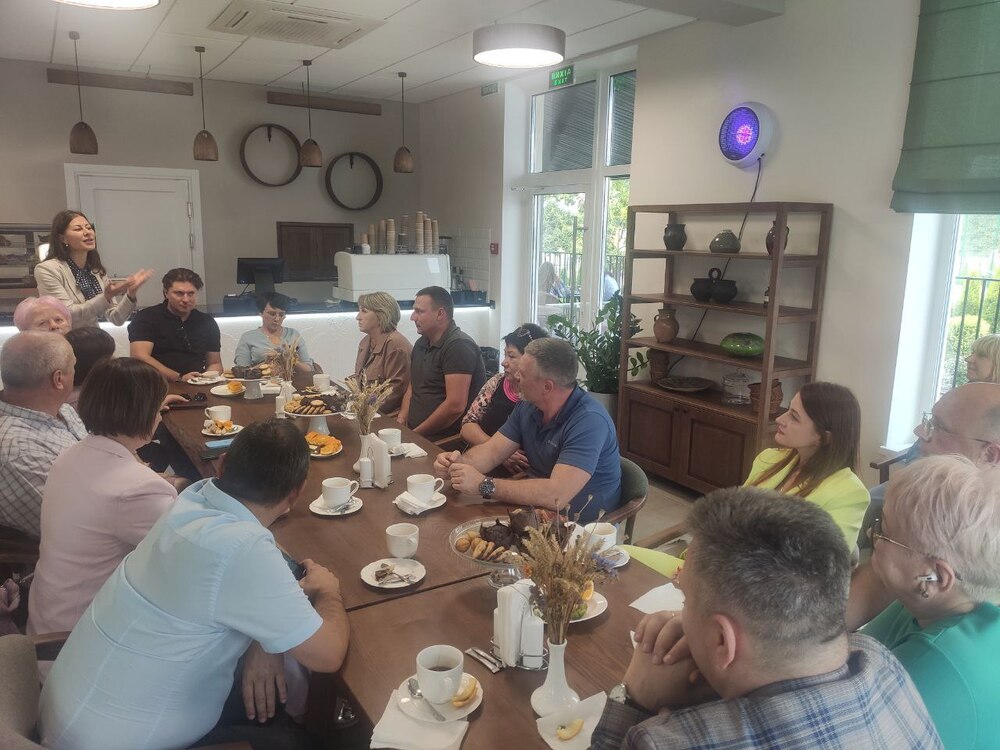



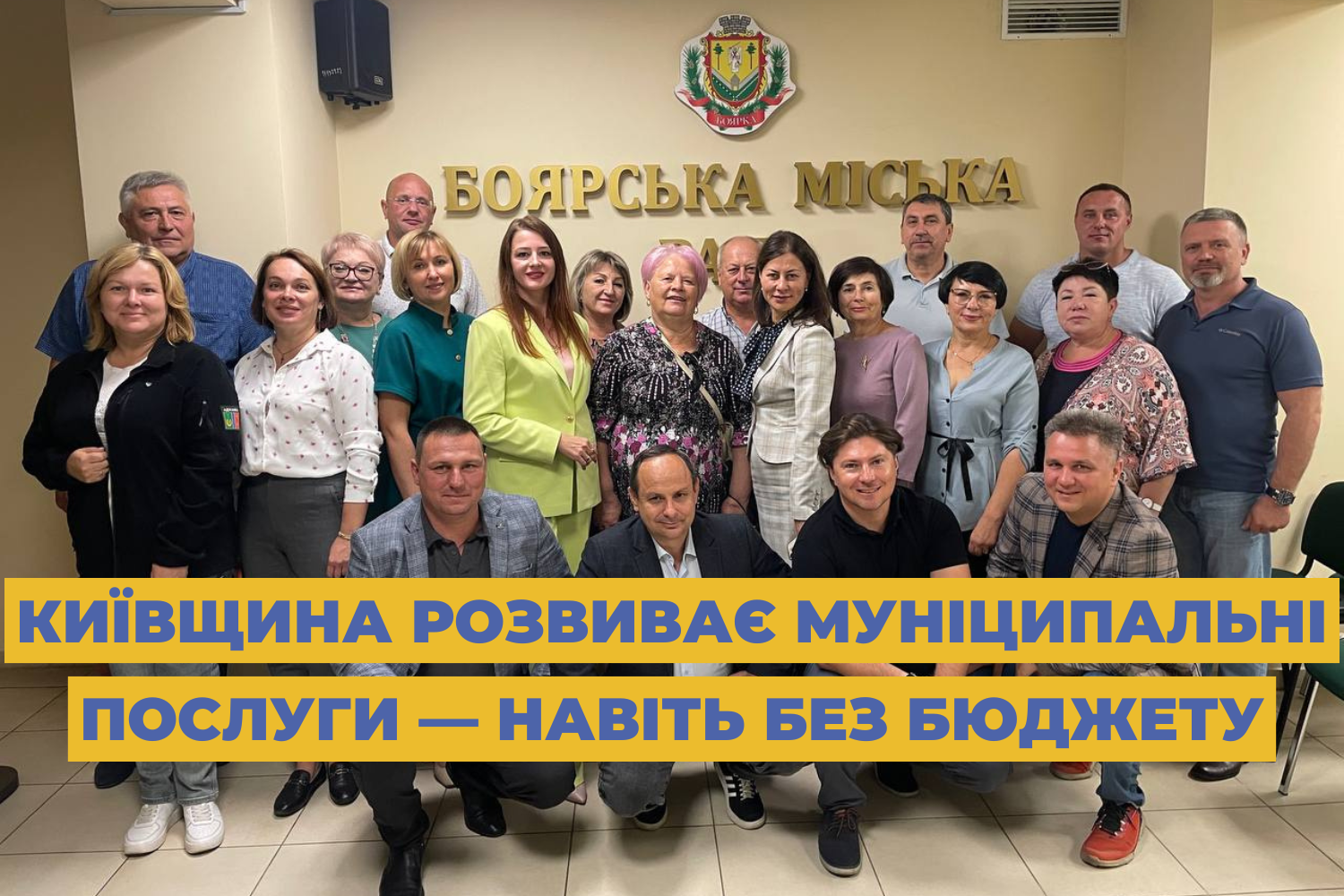
The practices of attracting external resources in the municipalities of the Kyiv Oblast are rather heterogeneous. It can even be said that each municipality reinvents its own wheel — its own way of developing or restoring, as well as introducing new services for residents. The experience of attracting resources for the development of municipal services in the Kyiv Oblast was studied by the heads of municipalities of the Cherkasy and Kirovohrad Oblasts as part of an experience exchange visit organised by U-LEAD with Europe.
Developing municipal services through attracting external resources is one of the few paths available for municipalities. Here are three municipalities and three models, each of which works and can be of use to others. Participants paid a week-long visit to the municipalities of Irpin, Fastiv and Boyarka in the Kyiv Oblast.
Irpin municipality: project office and people returning home
The first municipality that shared its experience of recovering and improving municipal services was the Irpin City Council. Here they started by emphasising that developing and improving the quality of municipal services today requires a project-based approach. To get to know the Irpin municipality, we were first introduced to its Project Office, which was recently created with the support of the U-LEAD with Europe Programme, as well as the principles of the project team and the competencies of project managers. According to Oleksandr Markushyn, Mayor of Irpin, U-LEAD is a strategic partner of the municipality.
Tetiana Zaichenko, a participant of the visit and head of the Adzhamka Village Council of the Kirovohrad Oblast, was immediately interested in this experience:
“Our municipality also faces a host of problematic issues. We have to help both local residents and internally displaced persons. And for this, we have to attract funds and other resources, because our municipality lives off governmental subsidies. Therefore, we are looking for partners who would help us. We hope that Irpin will help us with this and share its experience in more detail. We intend to cooperate with the Irpin Project Office on setting up project management in our municipality”.
The mayor of Irpin emphasised one of the basic points of successful cooperation with international donor organisations, patrons and benefactors — the availability of projects, expertise and overcoming mistrust of Ukraine due to the high levels of corruption. The latter was made possible by the city council giving up its exclusive right to conduct tenders for the purchase of equipment, work and services and conducting a European audit of implemented projects.
As an example of projects to attract extra-budgetary funds to improve educational services, Irpin presented the restoration of the Ruta Preschool, as well as the implementation of green technologies in Irpin Lyceum No. 3. In healthcare services, the Irpin municipality presented its experience in restoring the Central City Hospital, which was badly damaged during the offensive of the invaders. Due to donor funds, MTD programmes, and benefactors, it was possible to rebuild the premises, improve the barrier-free level of the hospital space and install new medical equipment.
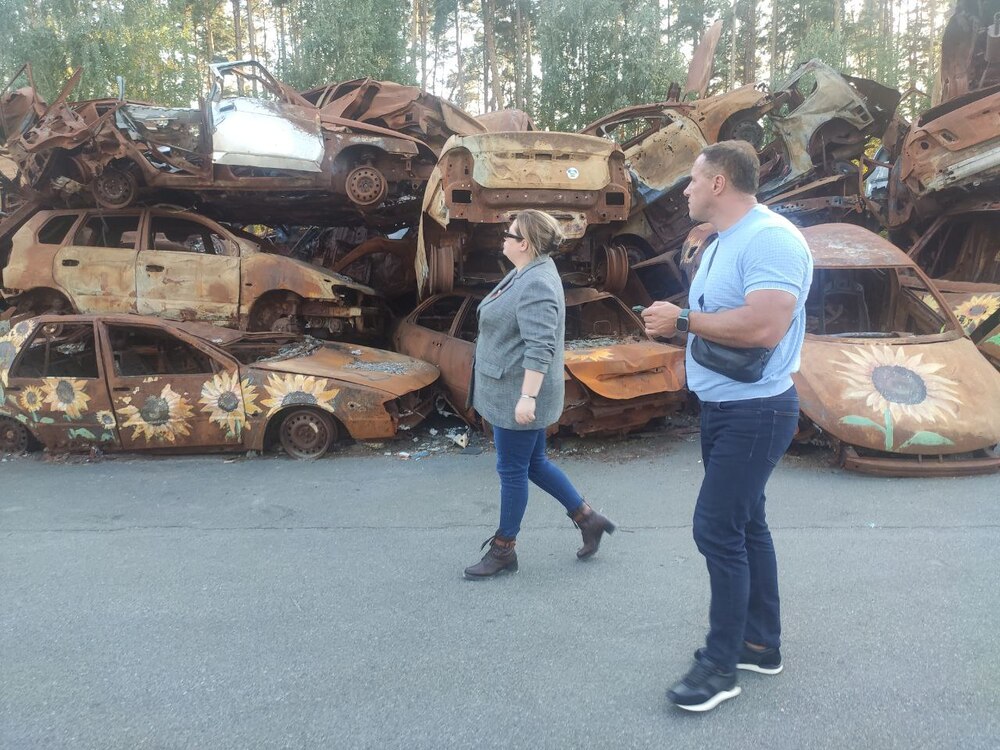
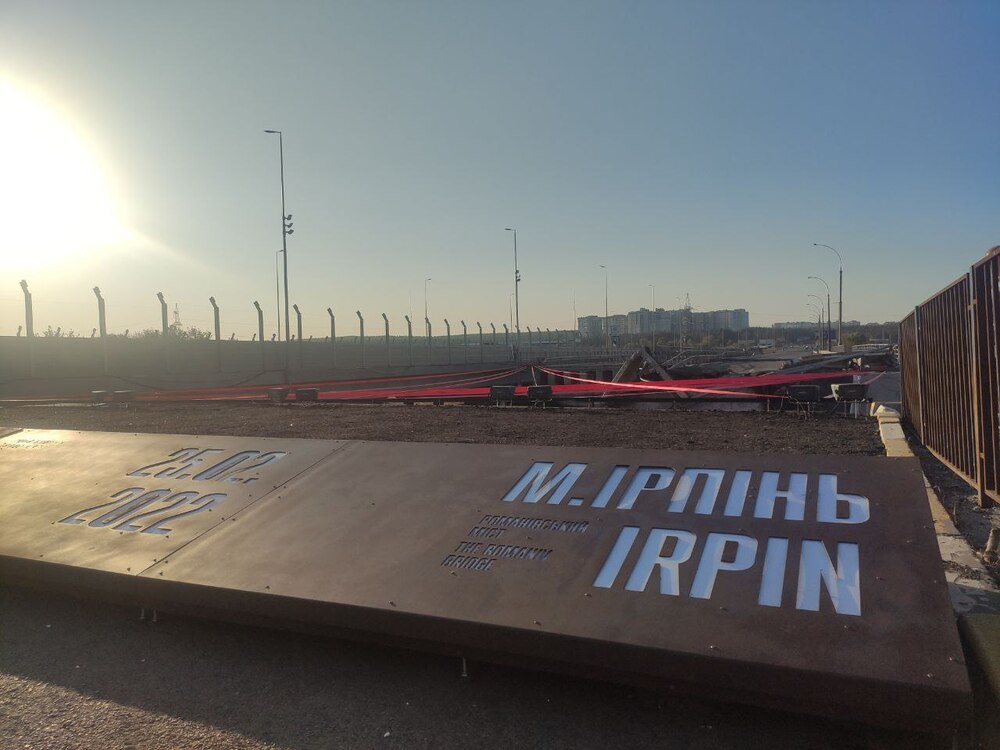
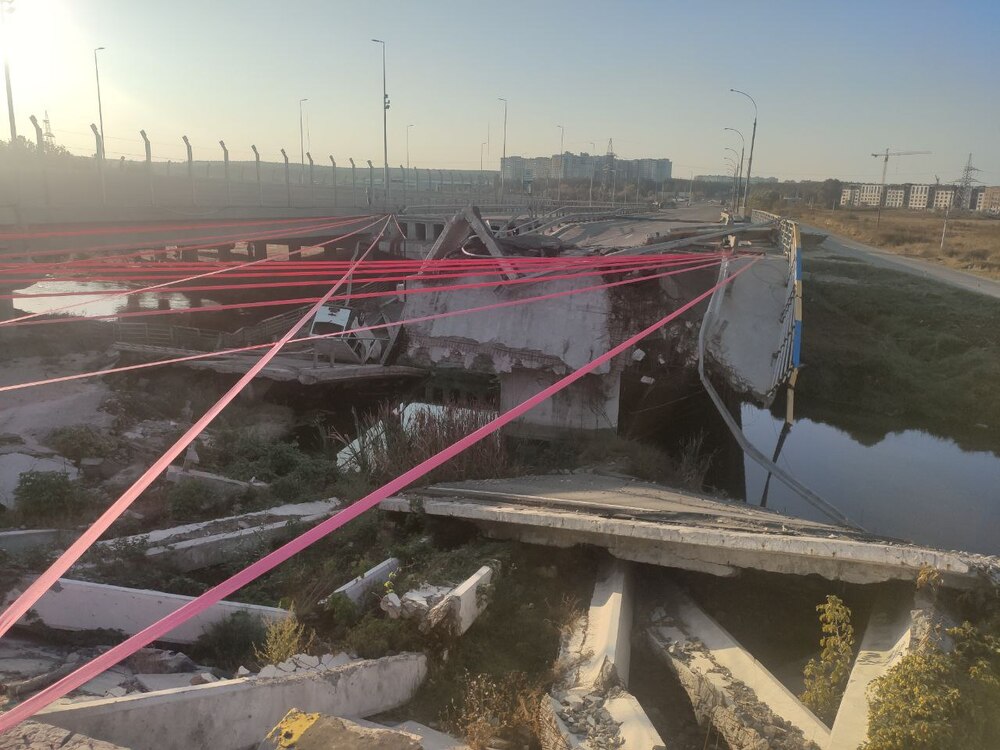
The participants visited the Irpin Historical and Local Lore Museum and the memorial installation at the exit to the Romaniv Bridge, which connects Bucha and Irpin with Kyiv. It was blown up at the beginning of a full-scale invasion and is more commonly known as the Road of Life. Today, it is also informally referred to as the “car graveyard”. In its place, there is now an installation made of the civilian cars shot by the occupiers, and a curation project for this landmark is also underway.
Fastiv municipality: cohesion and interaction to bring about better results
The municipality of Fastiv sees the project department and active engagement of the public, businesses and religious groups as key to successfully attracting external resources. These allowed the municipality to introduce new municipal services and examples of successful social entrepreneurship.
A Project Management and Audit Office was set up to ensure continuous attraction and competent use of funds in the municipality. Many departments, municipal institutions and companies today feature specialists assigned to certain projects. And the management helps them form project ideas and write project applications, as well as supervises the implementation of all projects. Many social projects in the municipality started with volunteer initiatives and only later received donor or grant support for the development and further activities.
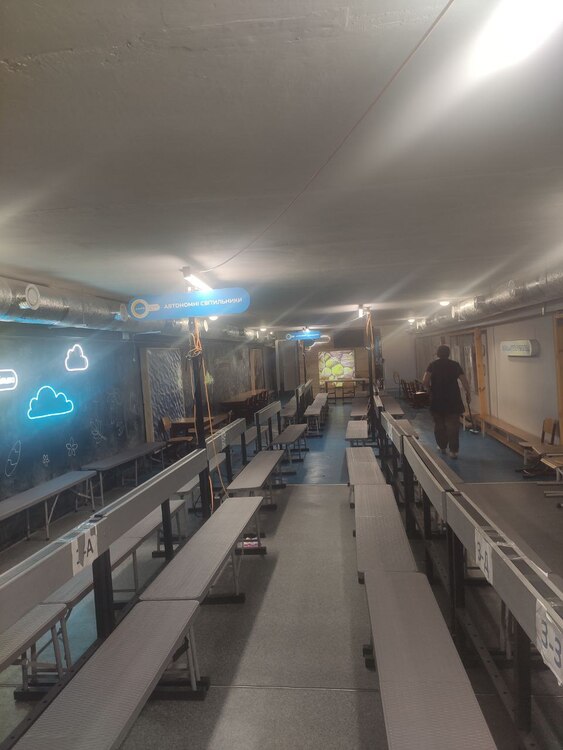
One of the examples is the Rodyna 4.5.0. Resilience Centre hosted by the Fastiv City Primary Medical Care Centre. The Centre provides consultations from a therapist, a social worker, certain medical and therapeutic services, advice from a career change expert and legal assistance to the servicepersons and their families. It also features a case manager who directly helps the military to determine the scope of necessary assistance and refer them to the team doctors and relevant professionals. The nearby Primary Medical Care Centre runs a shelter for families of IDPs and families in crisis, which was established under the patronage of the Roman Catholic Church. According to the head of the municipality, the standards for supporting socially vulnerable persons are set here, both in terms of providing them with assistance and living conditions in a shelter.
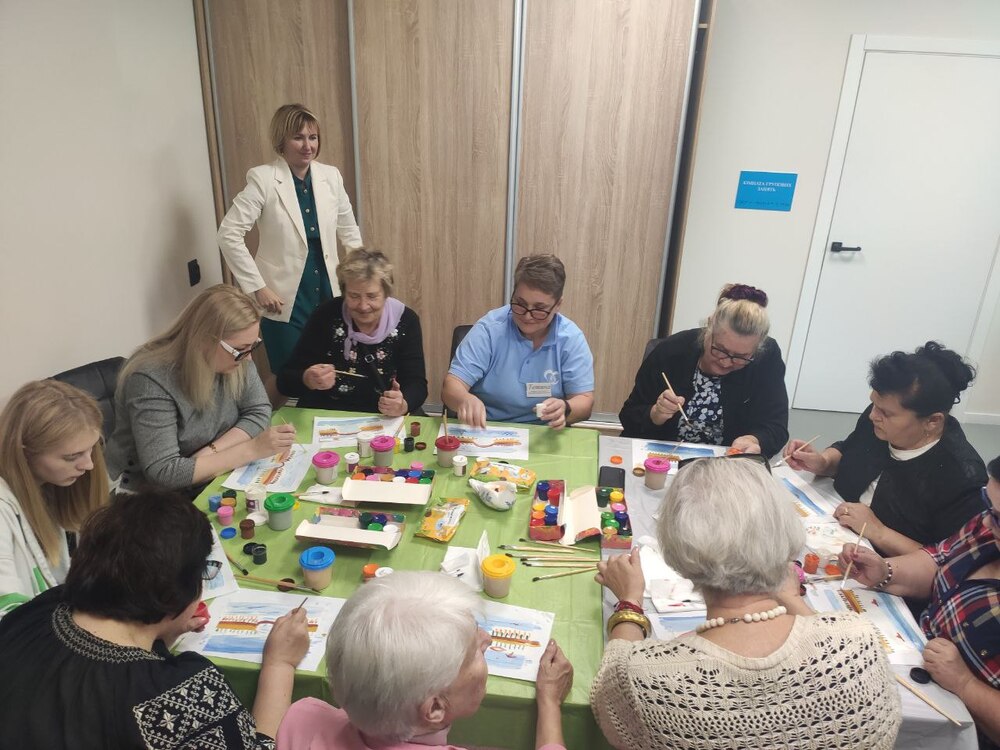
Another unique project is the creation of an infrastructure for the rehabilitation of children in the premises of a Fastiv-based municipal institution, Kryla Nadii Educational and Rehabilitation Centre. Here, children with autism spectrum disorders and musculoskeletal disorders are able to learn and socialise. This institution has been able to grow by attracting additional donor funds and establishing relations with socially responsible businesses, international organisations and people who want to help the institution.
A great example of social entrepreneurship in the municipality is the Korzhyk Biscuit Workshop created with the support of the Greek Catholic Church. In fact, the chef and mastermind behind the craft biscuits is a young man with Down syndrome, who, thanks to socialisation and support, greatly contributes to the development of the business.
Boyarka municipality: synergy of public, private and municipal initiatives
The unique aspect of the Boyarka municipality’s experience in attracting resources for development is that here, all initiatives are supported. In other words, any methods are good if they work for any area of municipal services. These are individual initiatives of individual managers of institutions, local self-government bodies partnering up with municipalities from abroad and cooperation with NGOs and charitable foundations.
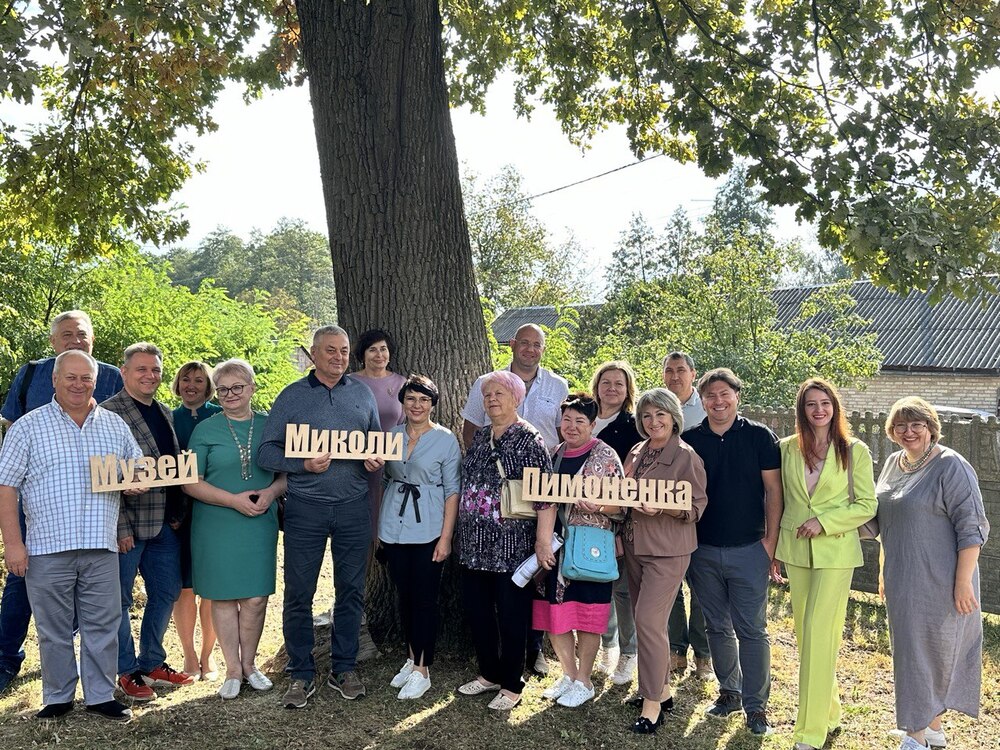
The first case that was of interest to the participants of the visit is the experience of project activities in cultural institutions in cooperation with the Boyarka Community Foundation well exemplified in the Mykola Pymonenko Museum in the village of Maliutianka. The museum has actually grown beyond its primary purpose, turning into a cultural and public space. Various projects have been initiated by the head of the institution, who, independently and in cooperation with the City Council and the Charitable Foundation, writes grant applications and has successfully implemented more than one project. Furthermore, the museum actively works with locals who support the museum as patrons.
A totally different experience is that of a Boyarka-based youth space, MolodSpace. It was created with the help of partner municipalities of the Boyarka City Council. This cooperation continues as joint youth camp projects with partner municipalities in Slovakia and Scotland. Nowadays the municipality is creating a youth council with the participation of local youth NGOs and would like to create a youth centre here in the youth space.
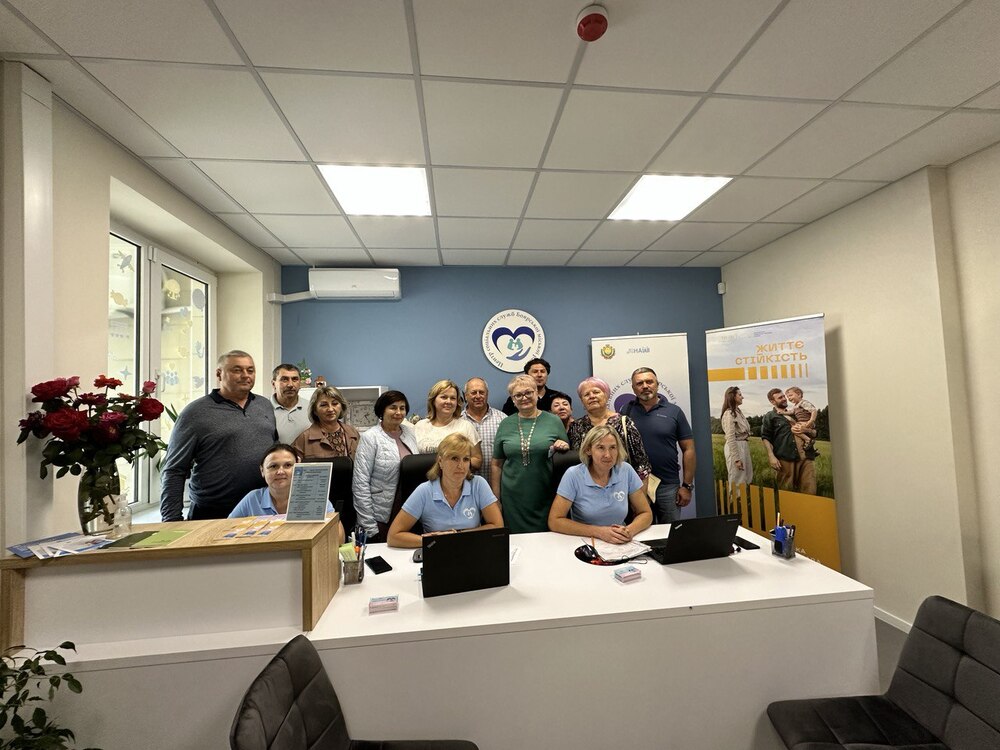
The municipality also attracts a lot of external resources for the implementation of social projects through the Social Services Centre of the Boyarka City Council. The Centre has become a separate institution that covers several directions such as support for IDPs, young families, children, and violence survivors. Most of the resources for its creation, maintenance and expansion are attracted from the outside. Similarly, the Military Personnel Rehabilitation Centre created with the support of UNDP and IOM in the Intensive Care Hospital of the Boyarka City Council [attracts resources for] equipment and specialists to facilitate both physical rehabilitation and adaptation and socialisation of servicepersons suffering from various injuries and limb losses.
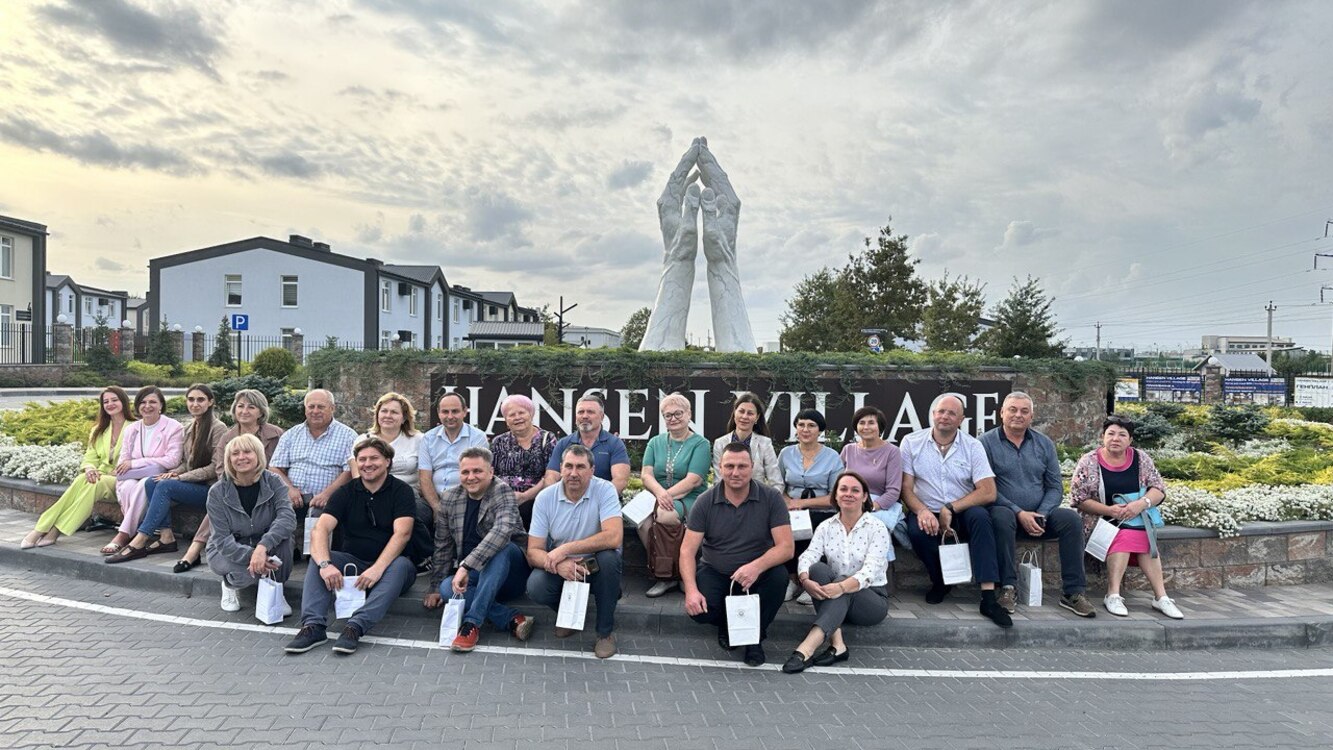
At the end of the visit, the guests observed the large-scale IDP support and integration project, Hansen Village. This is a residential community built by American philanthropist Dell Loy Hansen. The municipality provided a land plot to build it and covers a part of the utility bills of the villagers. Here, more than 300 families of IDPs in need, including family-type children’s homes from the Donetsk, Luhansk, Zaporizhzhia, Kherson, Sumy and Kharkiv Oblasts, were provided free housing with everything they need.
“The Kyiv Oblast visit was very useful from a practical perspective. The heads of municipalities touched upon many points that can only be gleaned from practice. We saw great examples of how to set up a workplace for an investment project specialist. Most importantly, each municipality addresses these issues differently; there are several options with their own specific aspects. We just need to attract resources. The war forced us to make some adjustments, but we are trying to work something out for our people,” said Iryna Bodianenko, head of the rural municipality of Sahunivka, Cherkasy Oblast and a participant in the visit.