




Municipalities of Chernivtsi Oblast are consistently developing the social sphere, directing more and more resources towards supporting people. In 2024, local budget expenditures increased by 3.2%, including over UAH 540 million (+21.6%) allocated to social protection and almost UAH 6.9 billion (+17.5%) spent on education. There are nine resilience centres, six social taxi services and several crisis rooms and shelters operating in the oblast, with more than 25,000 people having used their services. Spaces dedicated to supporting veterans and social laundries are actively operating, covering approximately 11,000 residents of the oblast. Through these initiatives, municipalities combine financial prudence with compassion, creating a system where social support becomes part of a dignified life.
Mamaivtsi municipality
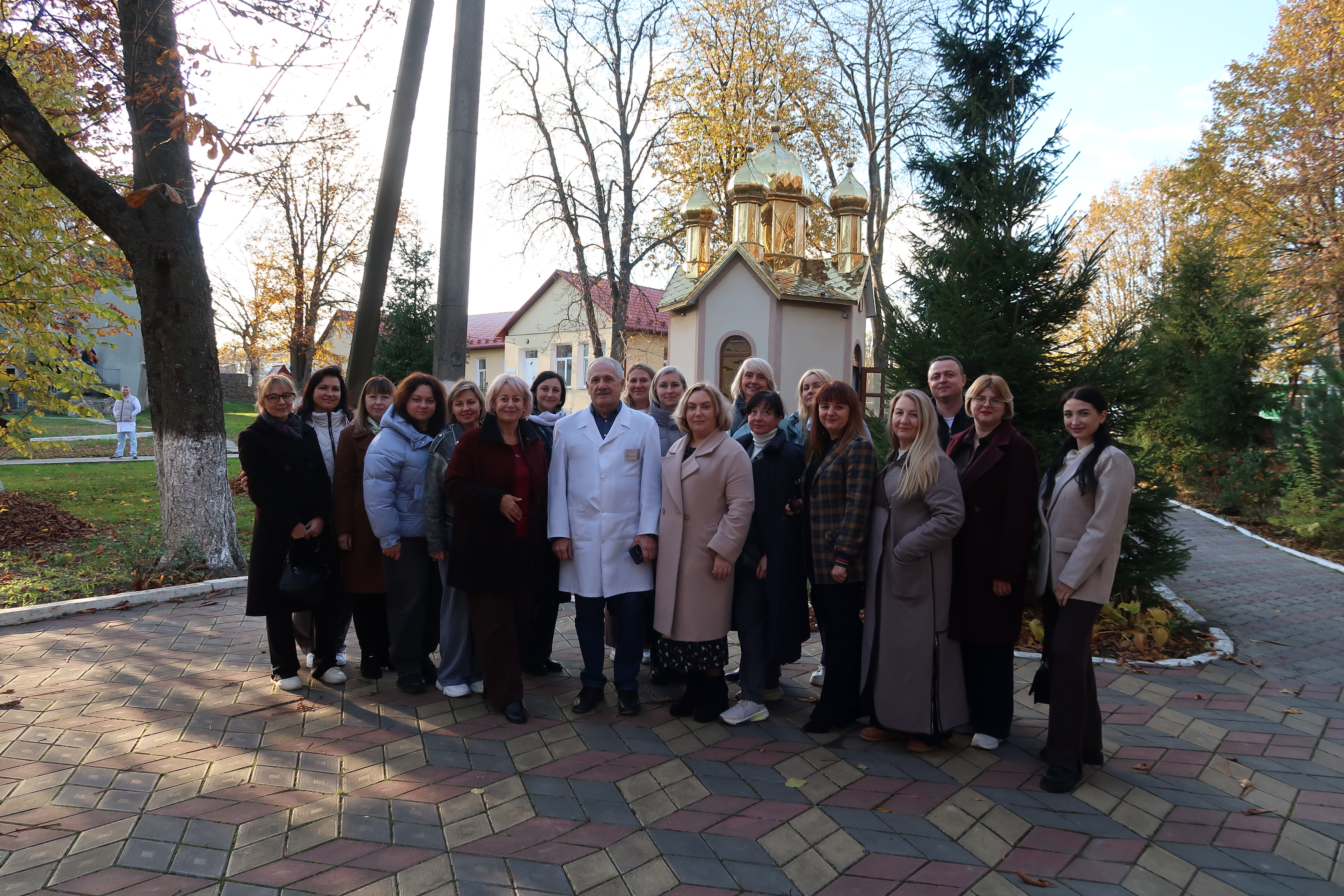
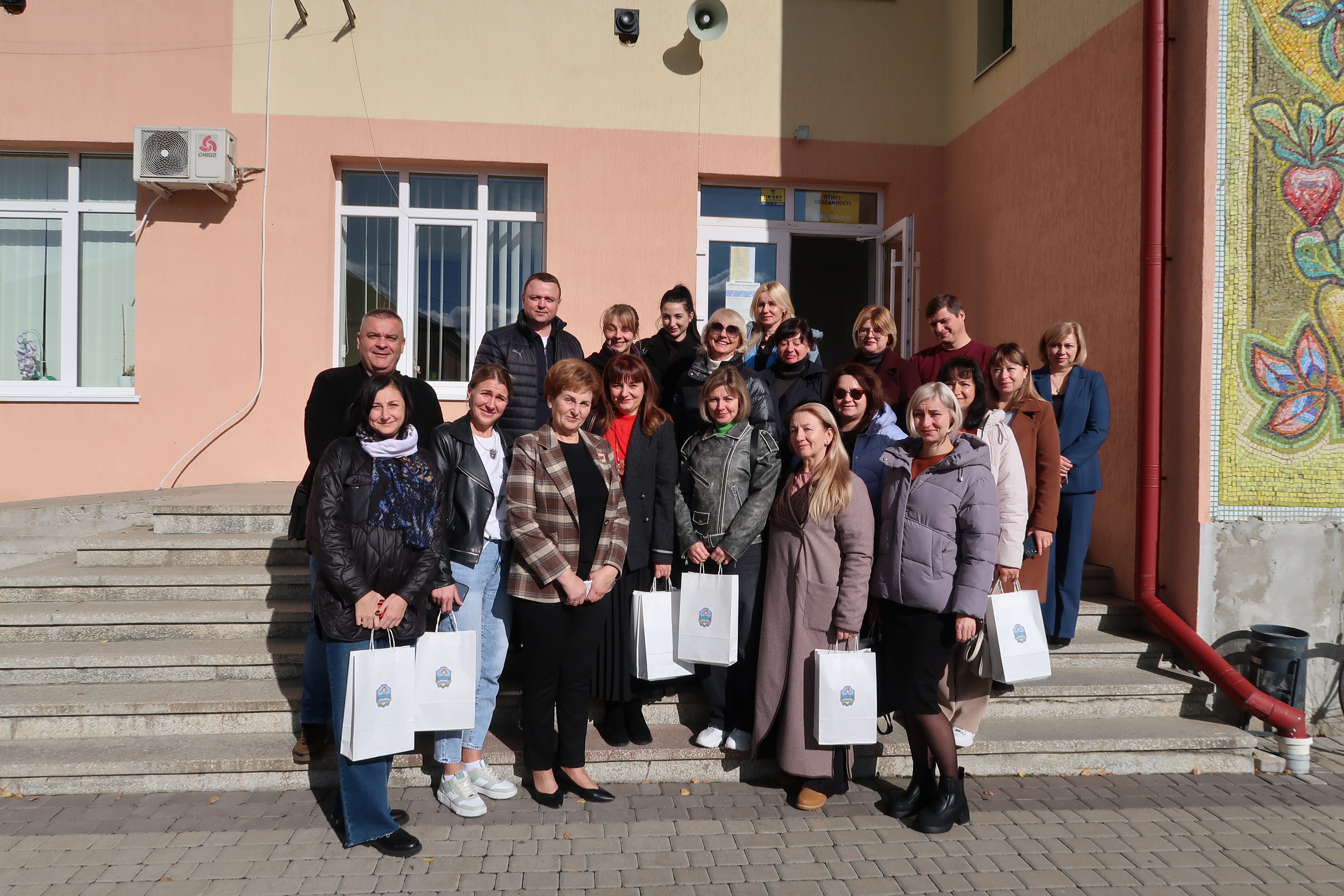
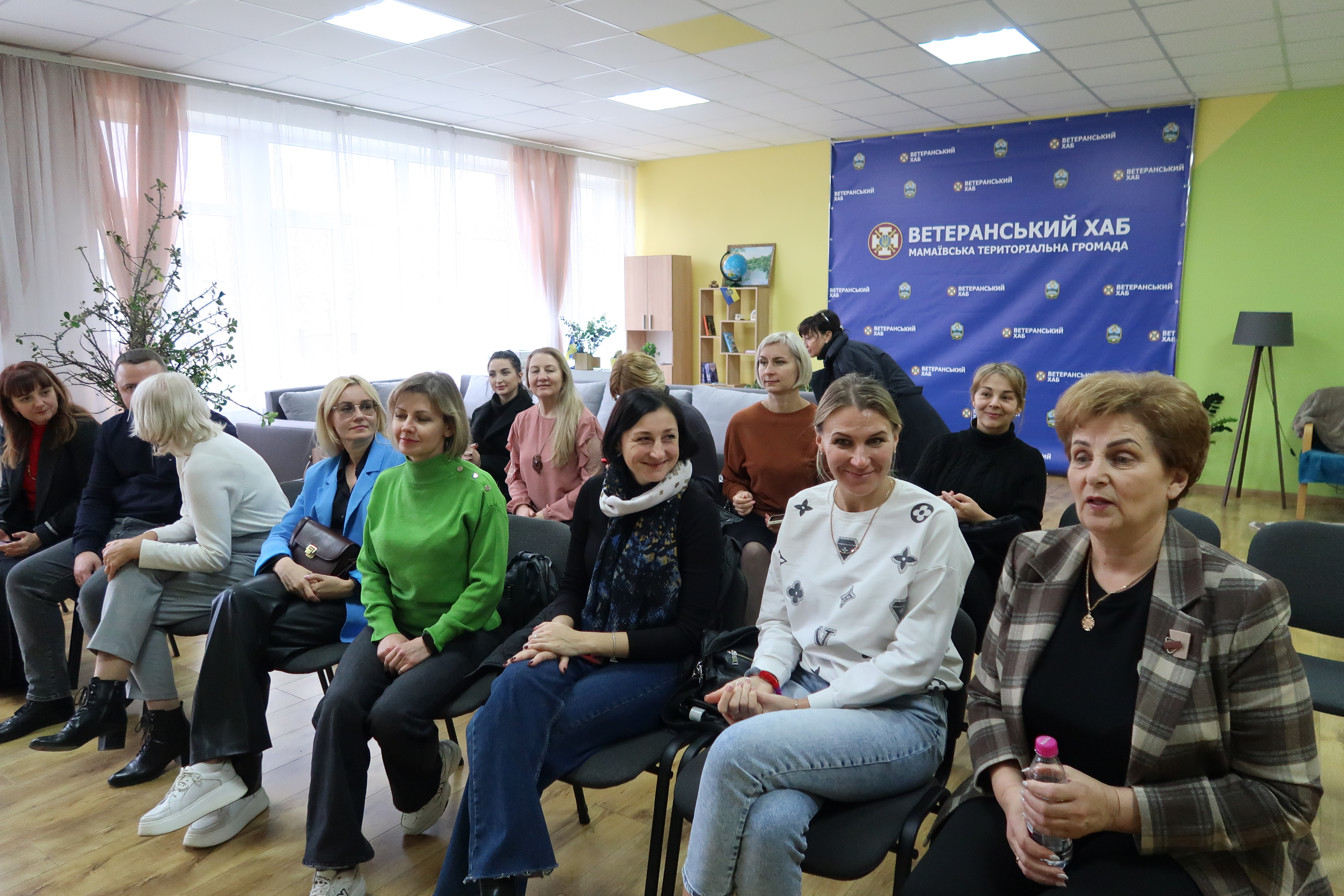
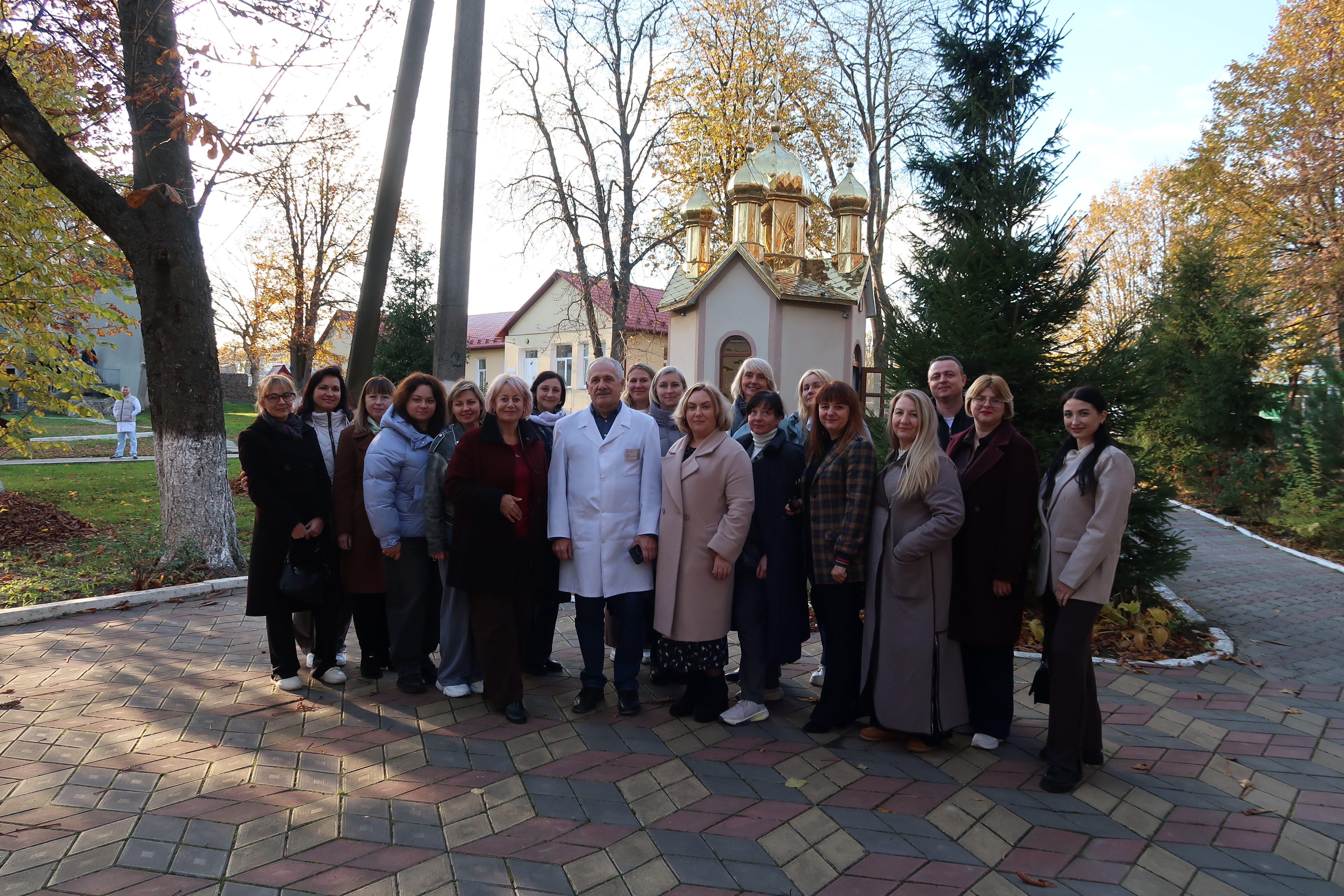
The first stop was Mamaivtsi municipality. It showed how even a small municipality can build a systematic and effective model of social services. The delegation visited the administrative building of Mamaivtsi Village Council, Help for Life – the Centre for Comprehensive Rehabilitation for People with Disabilities in Luzhany, and the Veterans’ Hub with the Resilience Centre.
Nataliia Katryuk, the Head of Mamaivtsi Village Council, emphasised that the social sphere had been the first area that brought residents together after the creation of the municipality, and was now its strongest point:
“Mamaivtsi municipality is a unique merger case: a village joined a settlement, which brought not only a new form of governance, but also an understanding of shared responsibility. From the very beginning, we have adhered to the principle of “social services close at hand”, because support should be as nearby to people as possible. The municipality has created a Social Services Centre, and there are programmes for supporting people with disabilities, Affordable Medicines and individual social services. We have tailored the premises to the needs of people with disabilities by equipping accessible entrances, bathrooms and safe reception areas. We have reformed the financial management system by creating a revenue management department to ensure a more efficient use of resources. Not a single cultural or educational institution has been closed. We have preserved our social infrastructure and continue to develop it, because at the heart of all our decisions are people and the dignity of life in the municipality.”
Oksana Shvets, a Policy Advisor for Municipal Finance and Management at the Regional Office of U-LEAD with Europe in Ivano-Frankivsk Oblast, noted that Mamaivtsi municipality displayed genuine client focus:
“I was most impressed by the veteran policy: even before the nationwide programmes were adopted, they had understood that military personnel and their families needed consistent support. As a finance expert, I have seen that even with limited resources, a team can achieve significant results. The merger of the Resilience Centre with the Veterans’ Space is an example of effective use of human resources and a focus on people.”
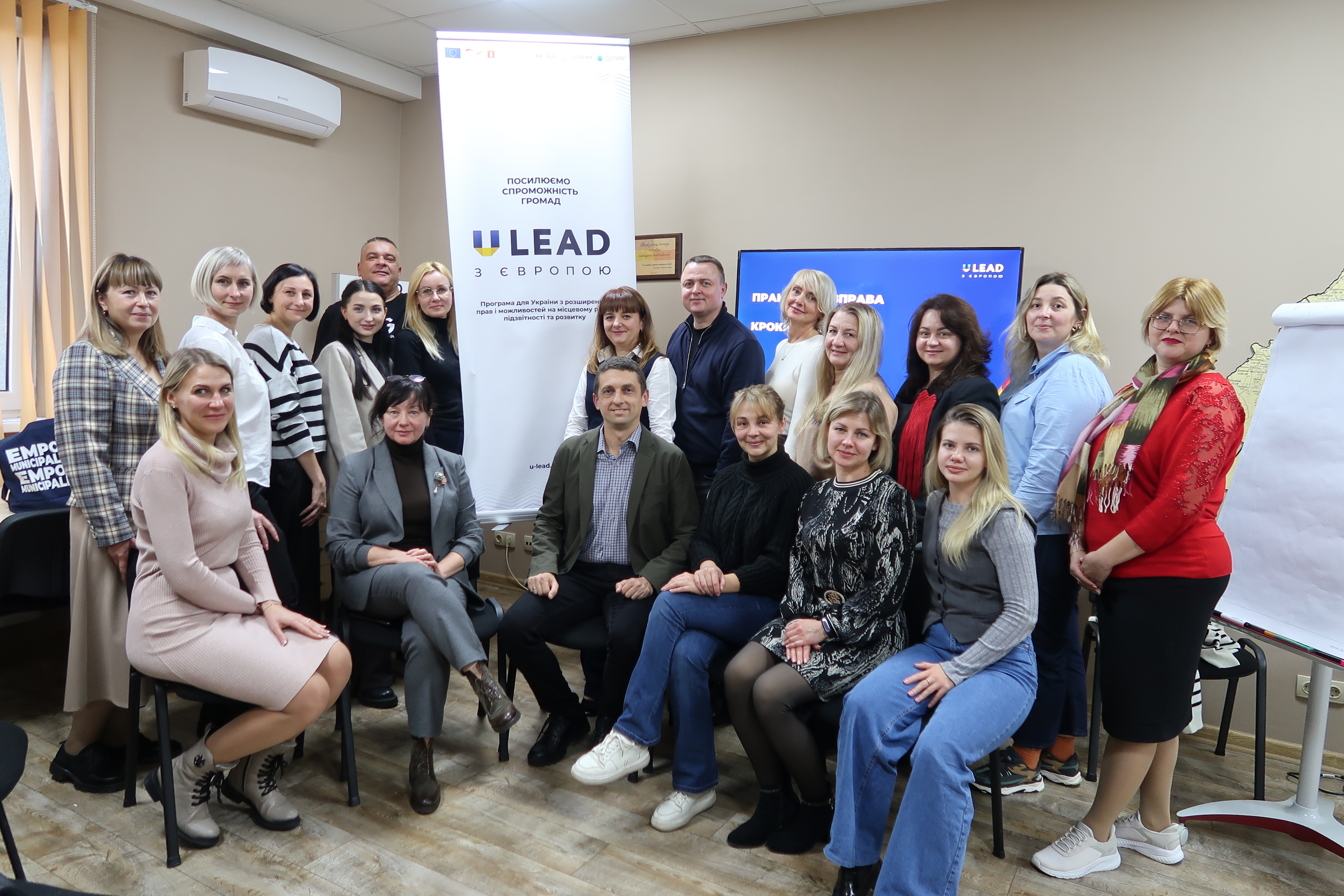
During the round table, participants emphasised the importance of evaluating the service performance, partnerships with healthcare, education and law enforcement agencies, promoting psychological support and fostering inter-municipal cooperation.
Nataliia Nikitchyna, the Head of Social Protection Department of Baranivka City Council (Zhytomyr Oblast):
“We have come here to learn from municipalities’ experience in rehabilitating veterans and supporting people with disabilities. Visits like this one reveal new solutions that can be implemented at home. Our municipality already has a rehabilitation department for the military and practitioners supporting demobilised persons. As for funding, we are actively looking for partners and project opportunities for further development.”
Ivan Bilyk, the Director of the Centre for Social Services of Halych City Council (Ivano-Frankivsk Oblast):
“The visit truly made an impression. Our municipality has three branches of the Centre — inpatient care, targeted assistance and social support — and is actively developing cooperation with foundations and donors. Our inclusive centre services children from three neighbouring municipalities that send us subventions. The social sphere remains subsidised, so we are constantly looking for new grant opportunities and partners to ensure sustainable development.”
Vashkivtsi municipality
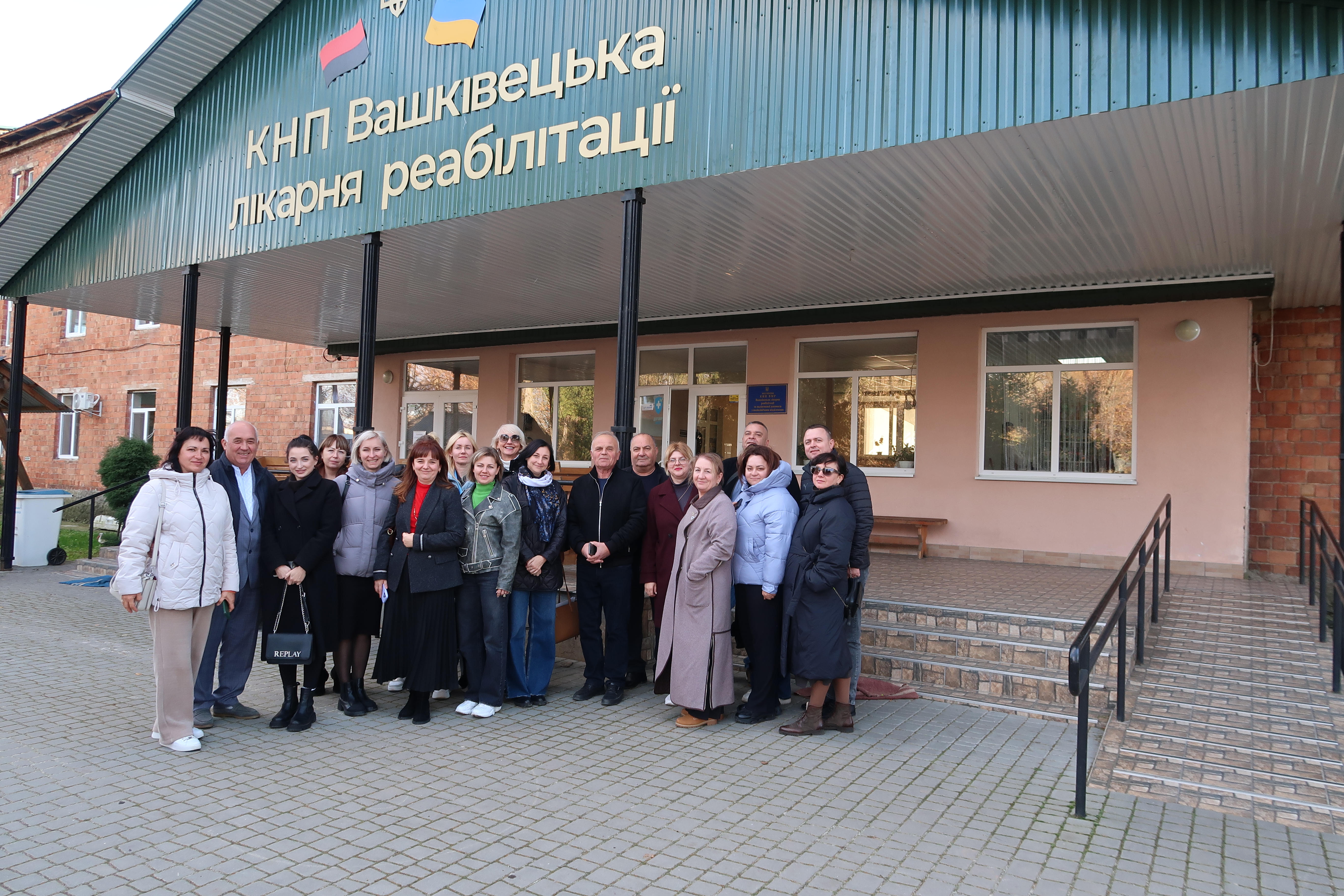
Next, the participants visited Vashkivtsi municipality, which has been consistent in developing social support for children and families. Mykola Perch, the Mayor of Vashkivtsi, underlined that the top priority is to provide conditions for every child to feel safe:
“This year, we have established a Social Services Centre and are developing a social support system focused on children and families. In addition, two buildings were purchased for family-type children’s homes, housing families from Kherson and Sumy Oblasts. We also have a transport rehabilitation programme for military personnel. 30 people have already undergone rehabilitation, and another 20 will begin training shortly.”
According to Valerii Mykulich, the Head of the Social Wellbeing Working Group, Policy Advisor at the Regional Office of U-LEAD in Zhytomyr Oblast, the municipality’s experience was among the most hands-on during the study visit:
“Vashkivtsi municipality has set an example in its focus on social support and rehabilitation for war veterans. The local hospital treats military personnel from different oblasts, and the U-LEAD project implemented here helps veterans with missing limbs to master driving skills. The municipality also promotes cultural and leisure activities as part of its social services.”
Among the main challenges voiced by municipal officials during the discussion were energy security, IDP integration, effective budgeting and strengthening the capacity of social workers.
At the end of the discussion, Nadiia Blazhylina, the Head of Social Protection Department of Ladyzhyn City Council (Vinnytsia Oblast), stated: “Our municipality is implementing a number of social projects in cooperation with businesses and international partners. The home care service, helping to relieve the workload of the Social Service Centre, is partially financed by grants. The city hospital has a rehabilitation department, which is to be turned into a modern rehabilitation centre. Local businesses actively help veterans with recovery, employment and housing, forming a joint support system.”
Khotyn municipality
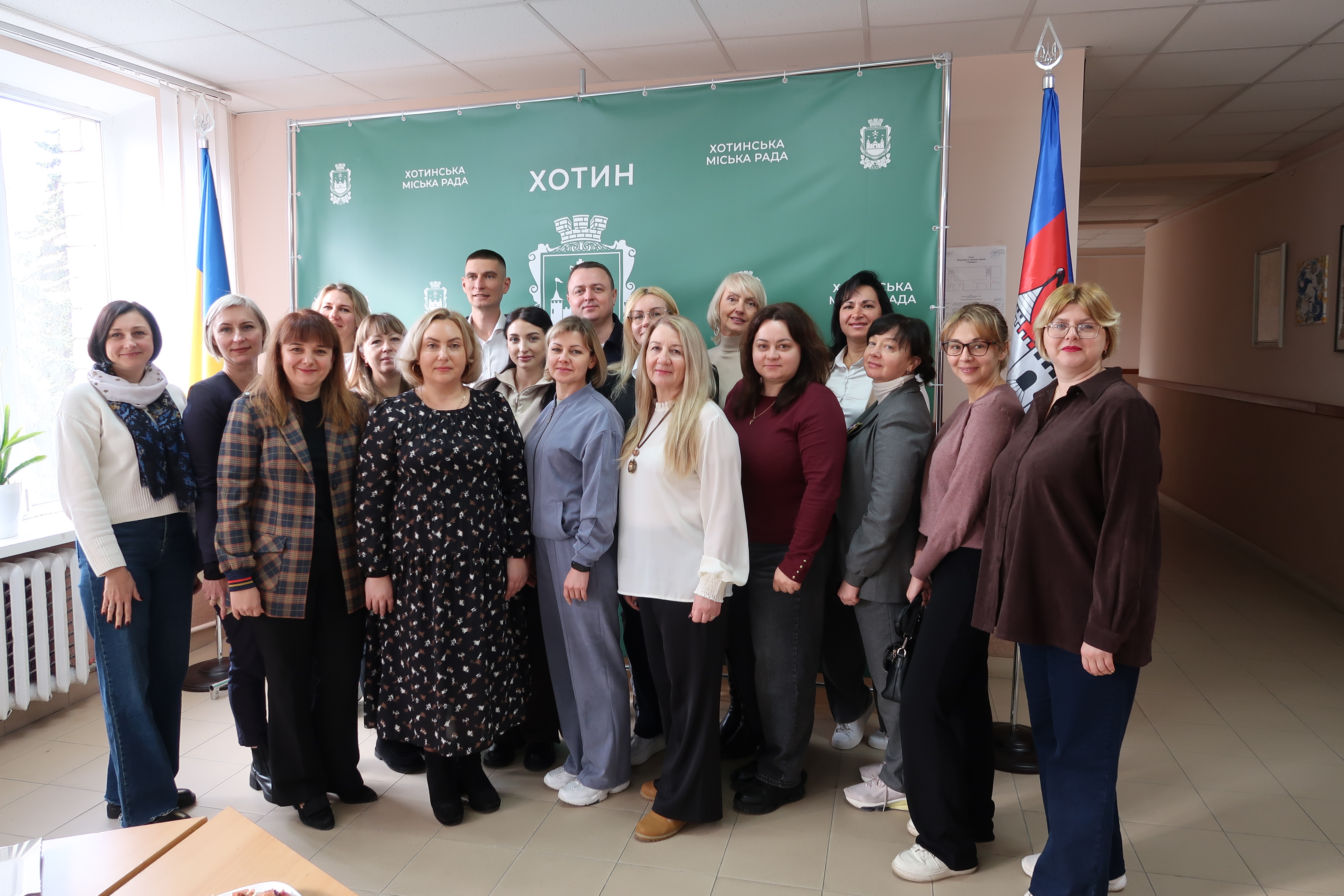
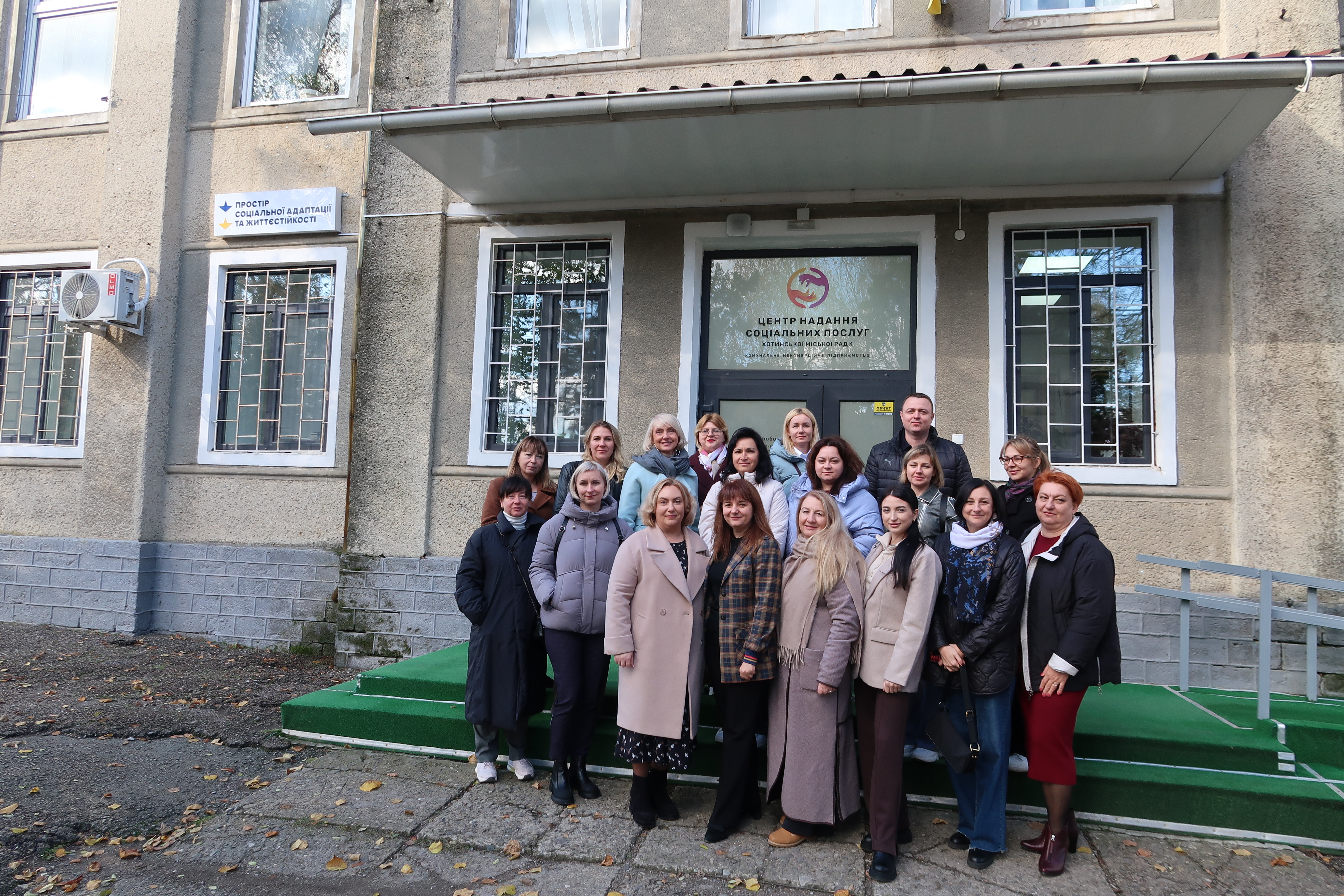
The last stop of the visit was Khotyn municipality — a case study of building a comprehensive system of social services focused on people’s needs. The delegation visited the Centre for Social Services, a shelter for victims of domestic violence and a day centre that integrates social, psychological and preventive activities.
Nataliia Proskurniak, the Director of Khotyn Centre for Social Services, said that the team focused on practical solutions that bring services closer to every family:
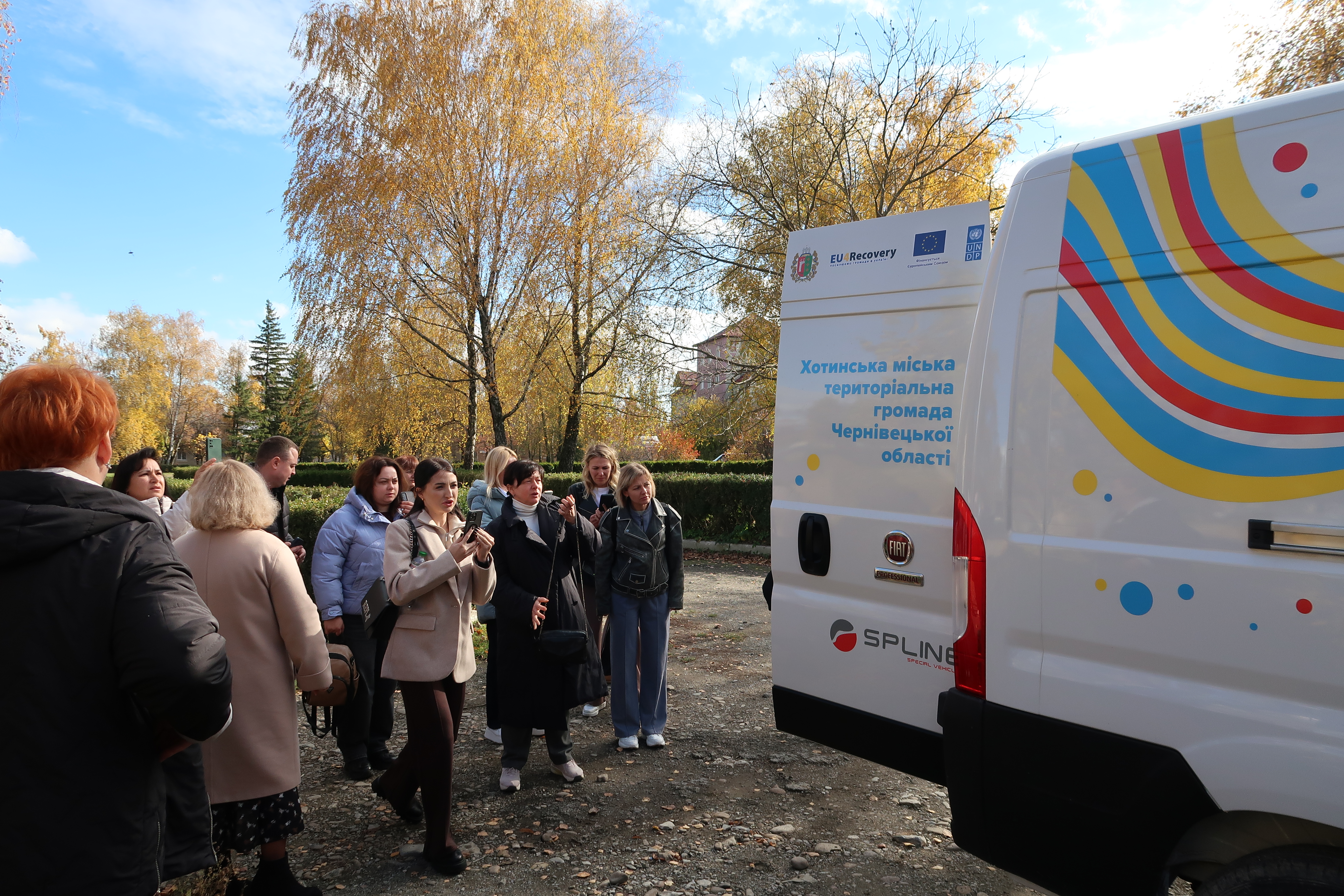
“In our small municipality, we managed to build a comprehensive ecosystem of social services, including a mobile team, a day centre, a crisis room, a shelter and psychological support. We set up a modern Social Services Centre of over 300 square metres, spending only UAH 40,000 from the budget. The municipality received two vehicles, a social taxi with a lift and a car for in-kind assistance, which have already been delivered to 90 people. We are now preparing an early intervention service for children at risk of disability, so that every family has support and a chance at a decent life.”
Danylo Biletskyi, the First Deputy Mayor of Khotyn, spoke about the systematic approach in Khotyn:
“The turning point came when we set up a shelter for victims of violence and learned how much depends on the coordinated efforts of the police, medical professionals, lawyers and social workers. Last year, we recorded 115 cases of domestic violence. This is an indicator of trust, because people are reporting incidents. This year, there are fewer cases, which indicates that the system is working not only to respond but also to prevent.”
During the discussion, the participants shared their thoughts on how municipalities manage the social services system, and which programmes have proven to be the most effective for supporting vulnerable groups, including people with disabilities, IDPs and the elderly. They discussed staffing challenges, combining several functions with one employee, the role of volunteers, the participation of municipalities in international projects and ways to motivate social workers.
Viktoriia Diemochko, the Head of Social Protection Department of Vysochansk Settlement Council (Kharkiv Oblast), noted:
“The experience of Mamaivtsi and Khotyn municipalities proved valuable, as they showed how combining social services into a single centre makes them more accessible to people. There are over 150 children with disabilities in our municipality, so setting up a centre like this is a real priority. Despite the lack of space and limited funding, we see that such a model will allow for more efficient use of the budget funds and better support for families.”
Concluding the discussion, Anna Savytska, the Director of the Centre for Social Services of Brusyliv Settlement Council (Zhytomyr Oblast), stressed the importance of a systematic approach to funding:
“I found this study visit to be highly valuable. I wanted to get a better idea of how social services are procured and grant projects are implemented, as this is relevant to our municipality. The approach of Vashkivtsi Multi-Profile Hospital to palliative care, which is in line with European practice, is particularly noteworthy. We also plan to introduce day care and early intervention. To develop the social sphere, it is essential to combine local budget resources, state subsidies and grant programmes.”
Results of the study tour
Following the three-day study visit, the participants praised the practical utility of the cases they saw and the willingness of municipalities to share effective solutions. The U-LEAD with Europe Programme helps social sector practitioners combine learning with experience and see how best practices work on the ground.
Viktoriia Cheban, the Head of the Regional Office of U-LEAD with Europe in Chernivtsi Oblast, summarised:
“This is a great example of theory being backed up by real results. These visits help build a culture of professional communication between municipalities, encourage sharing experiences and promote best practices. Although online brings wider reach, offline events create a space for trust, partnership and mutual support.”