



Zhmerynka municipality is an excellent example of the integration of urban consistency and rural reality. The city has a railway junction and a developed infrastructure, as well as a fairly extensive territory that now includes rural settlements. It has a well-established management system, with executive bodies, municipal institutions and enterprises in place and functioning. There are, however, also challenges such as limited budgets, difficulties in attracting investments and the need to revamp their approaches to development.
Zhmerynka is one of those municipalities that knows how to learn and implement. This is especially noticeable in approaches to project activities. When the team got the chance to join the U-LEAD with Europe initiative to set up Project Offices, they did not think twice.
“We have been successfully cooperating with Zhmerynka City Council team for a long time. Its officials have been active participants in U-LEAD training programmes, projects and initiatives. A large number of effective management decisions in the municipality resulted from this cooperation. Setting up a Project Office is also a great experience, which bolstered the institutional capacity of the municipality in terms of attracting resources for development, as well as contributed to a systematic approach to this work that addressed the interests of all stakeholders,” says Vitalii Shvets, the Head of the Regional Office of U-LEAD with Europe in Vinnytsia Oblast.
A team in which everyone belongs
“We included three people from different areas in the Project Office so that everyone could focus on their own direction. One person is in charge of energy efficiency in the municipality, the other oversees small businesses and social projects, and I’m assigned to the agricultural sector. It makes sense, since everyone has their own specific functions,” says Kateryna Tsabak, the Deputy Head of Economic Department of Zhmerynka City Council.
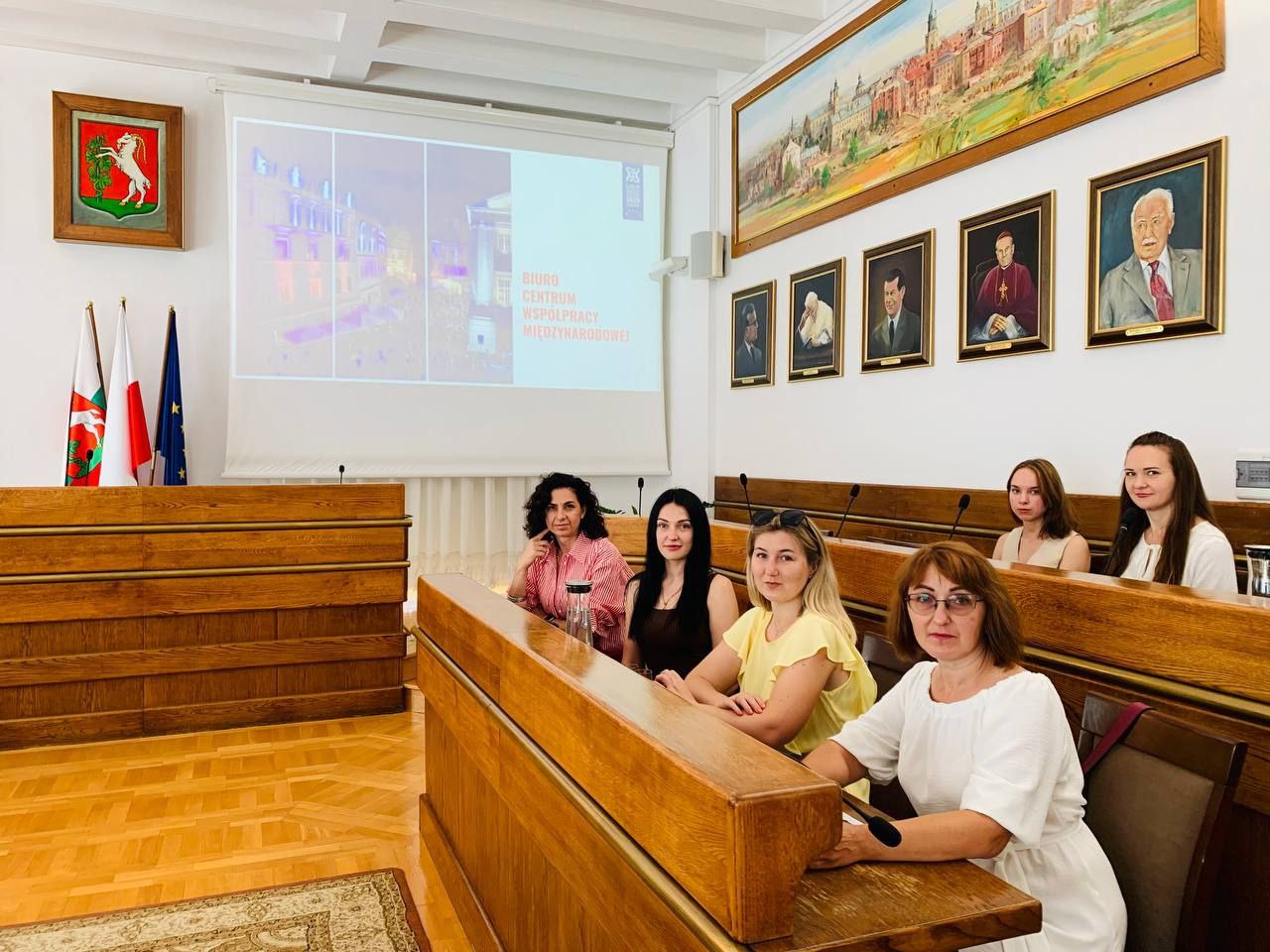
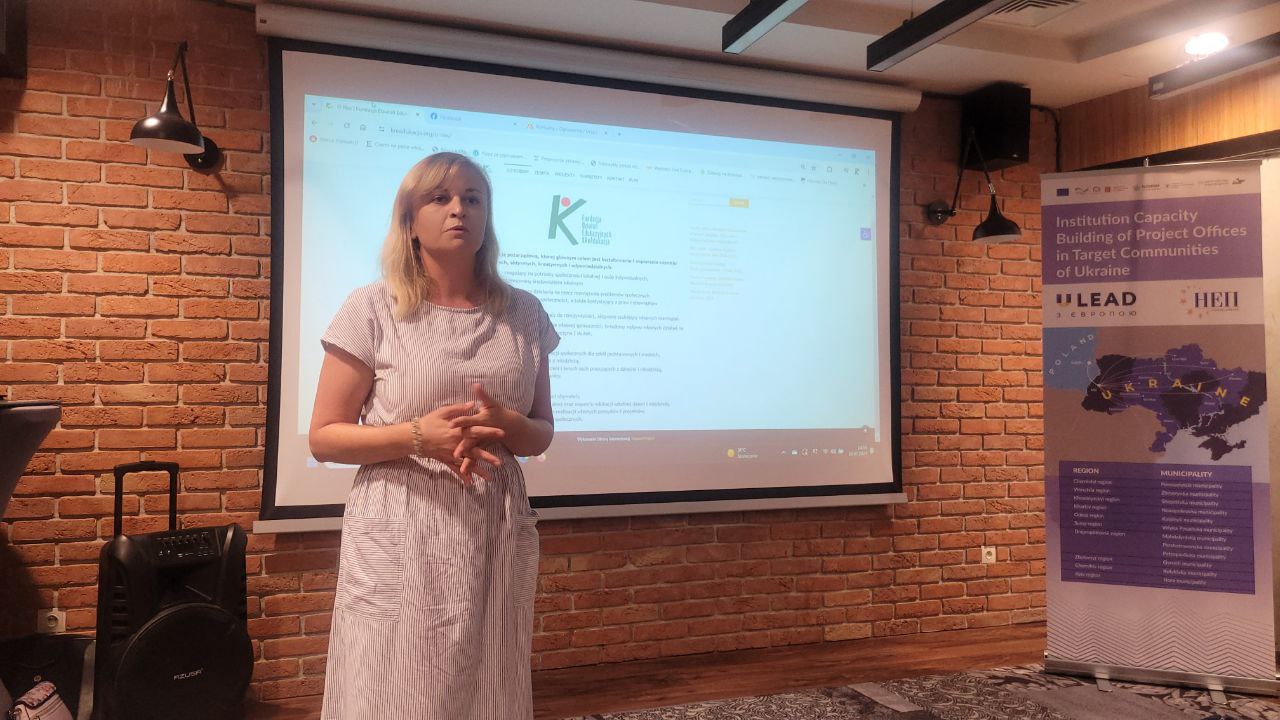
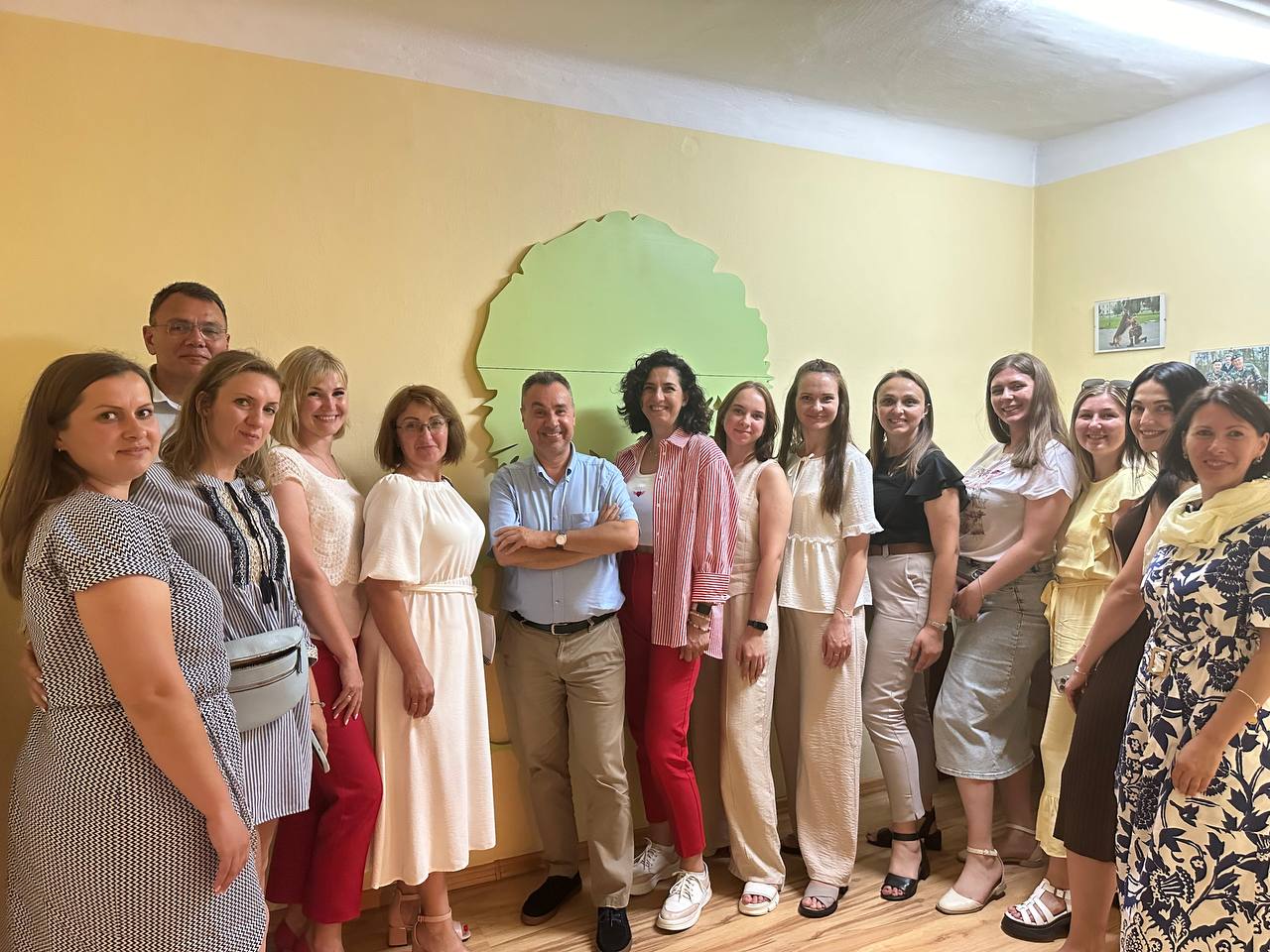
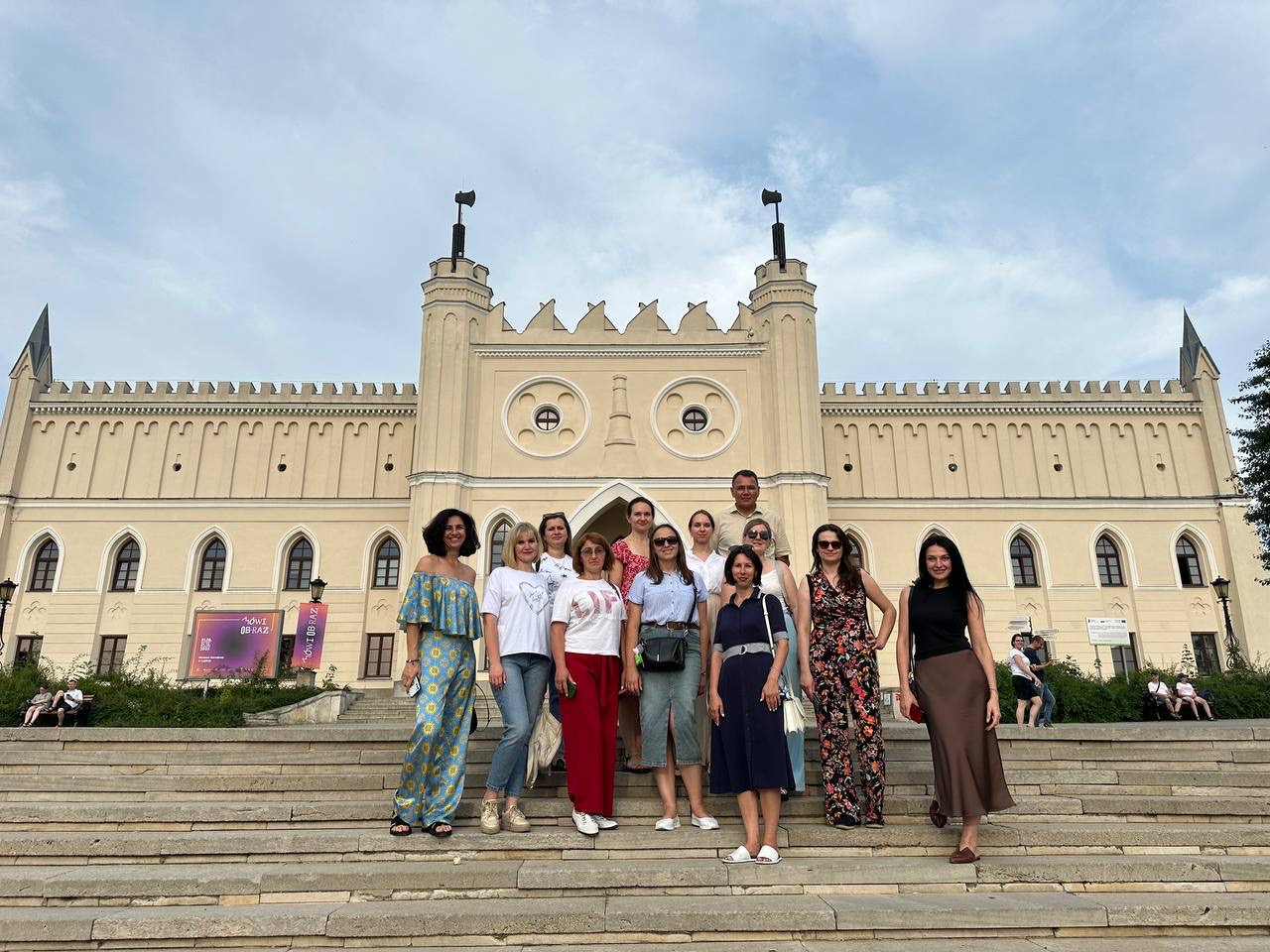
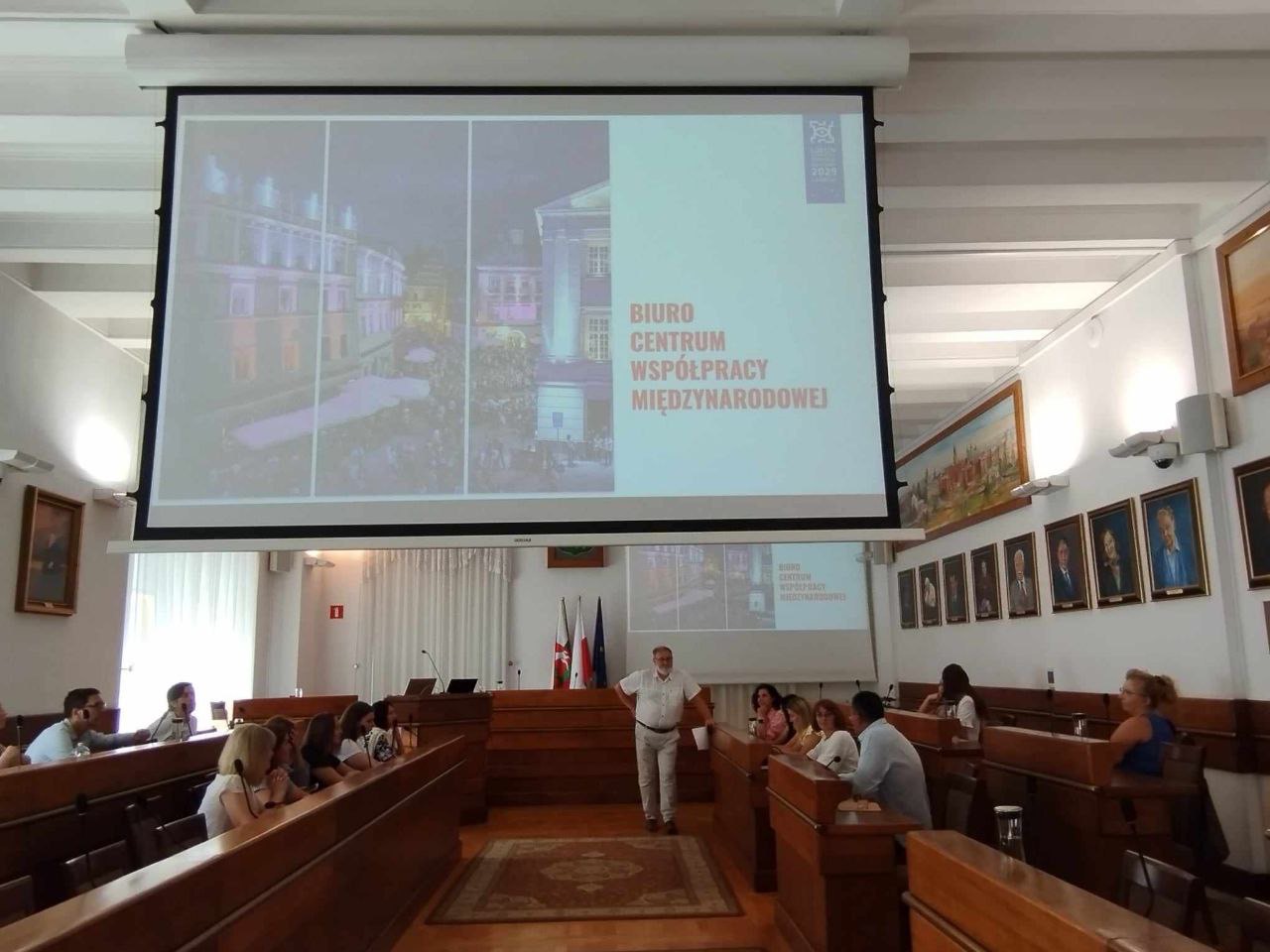
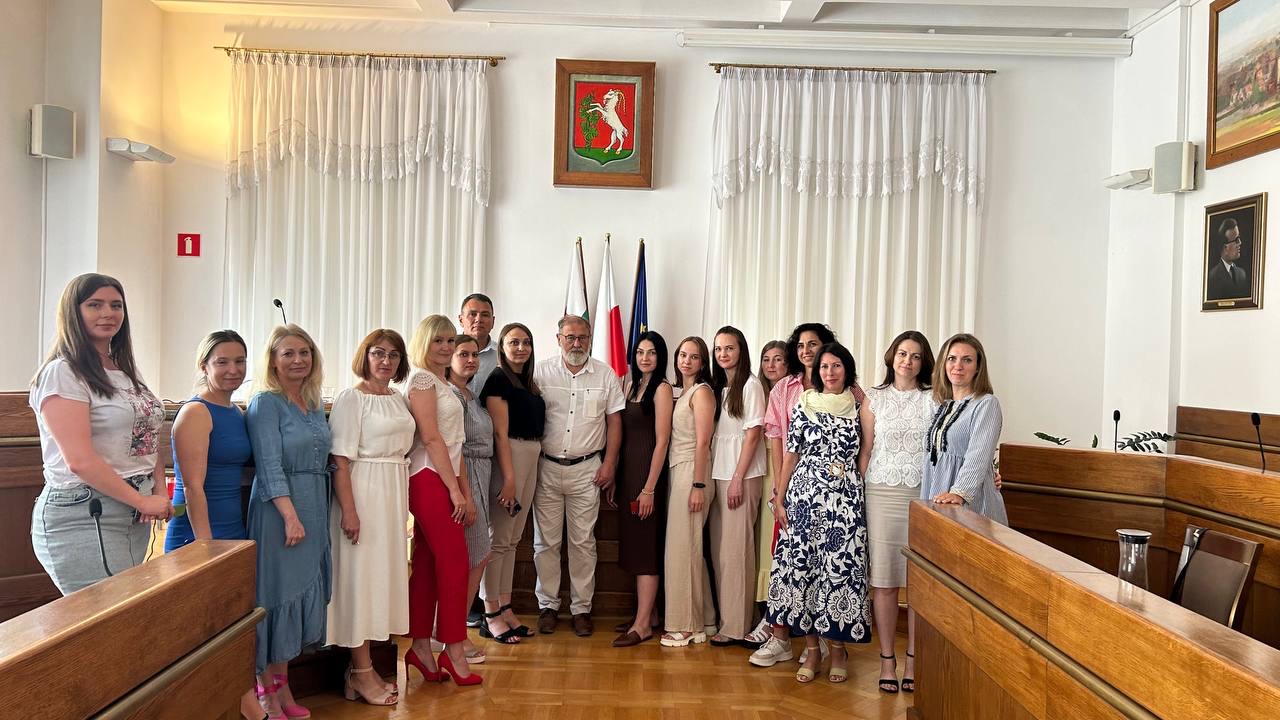
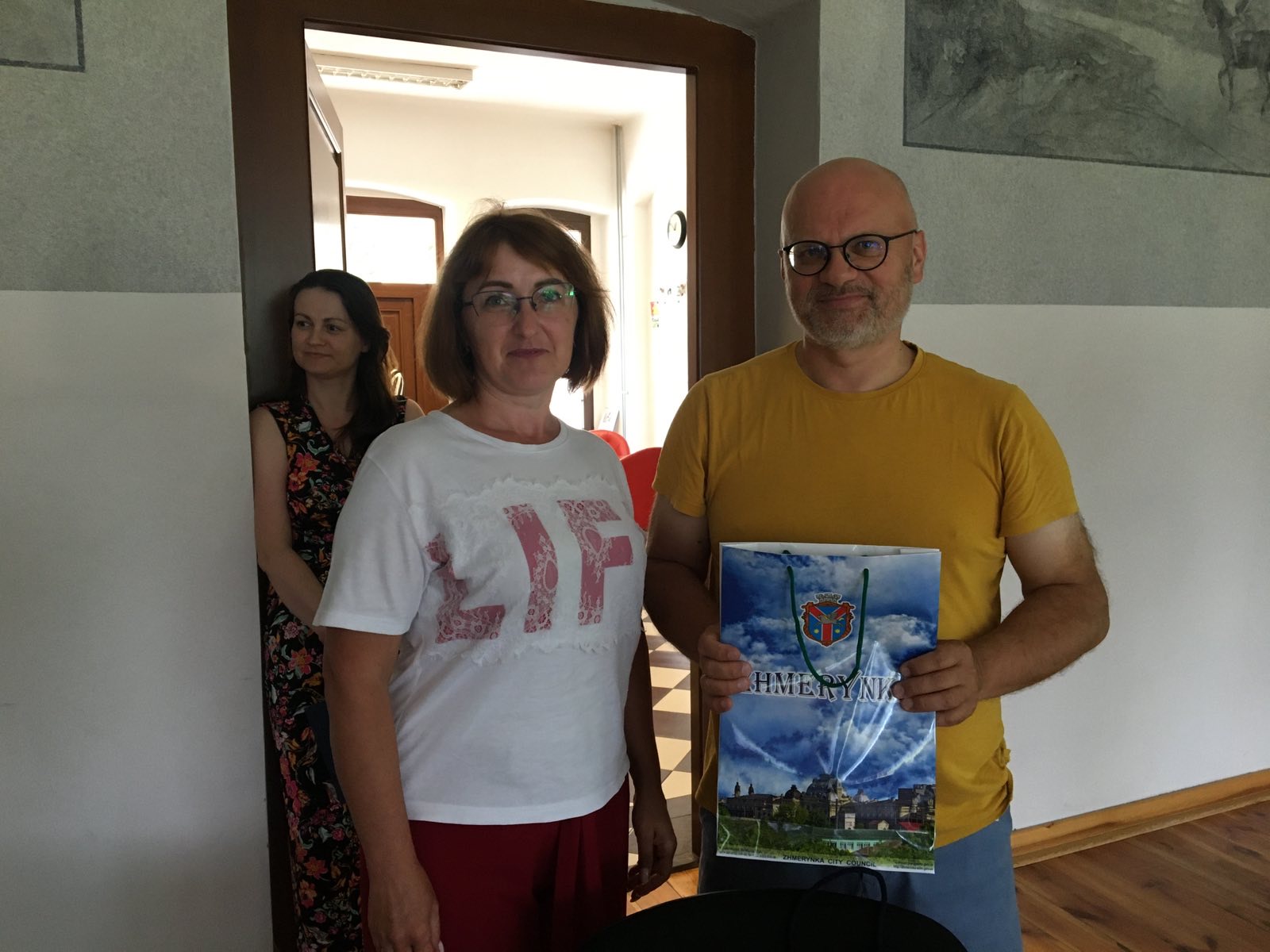
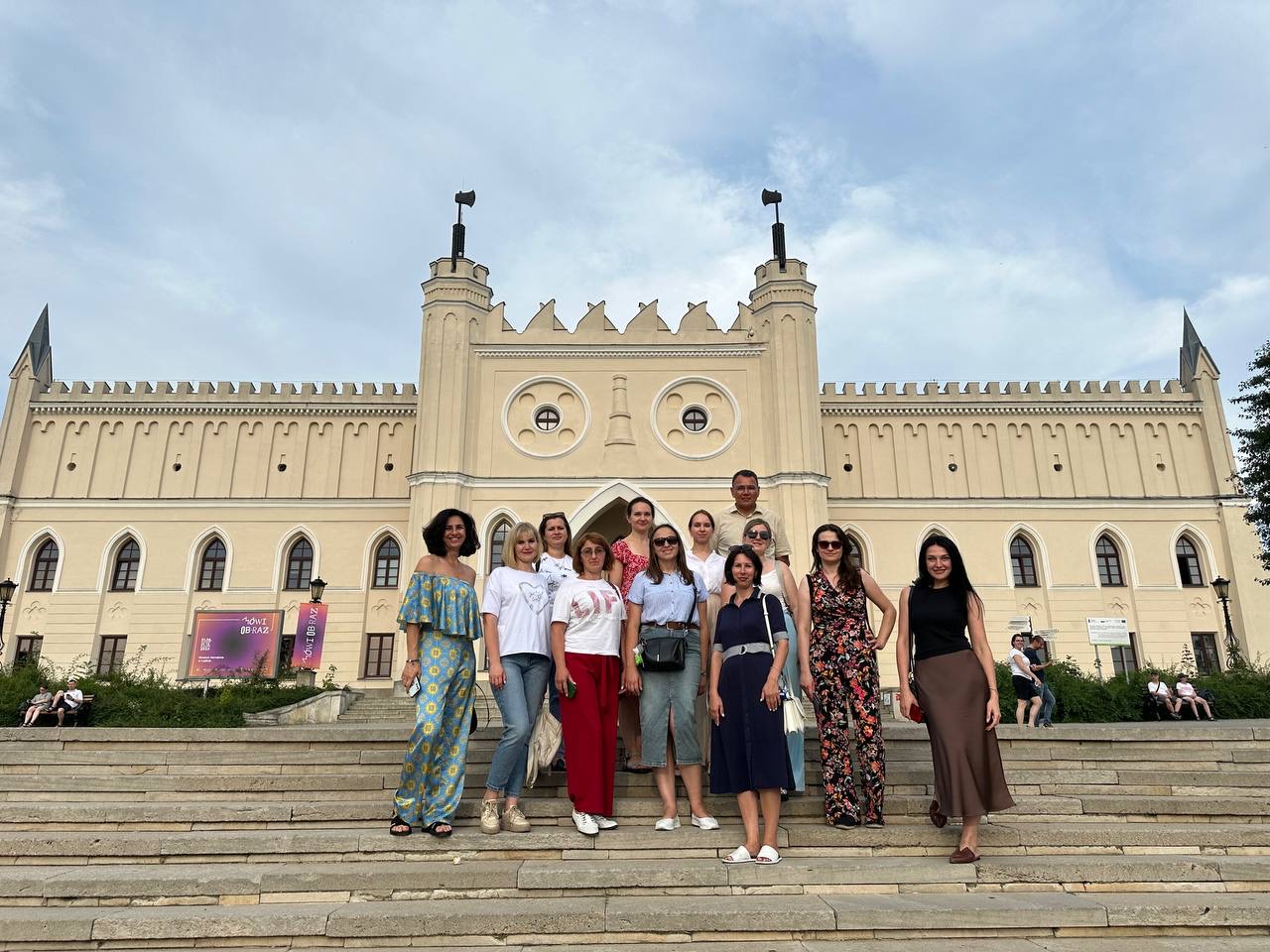
The team underwent training and later an internship in Poland. The trip to Lublin, Puławy and Kazimierz Dolny immersed them in the European experience of the project approach. There, the officials representing Zhmerynka municipality, together with other participants from different parts of Ukraine, saw how municipalities systematically work with international technical assistance, how they cooperate with NGOs and businesses, how they strategically plan tourism development and support local producers.
“I was particularly interested in the structure of the Lublin City Council. There is a separate agency dedicated to EU foundations, a centre for international cooperation, a tourism development office, a culture department, as well as a strategy and investor service — and they are all focused on attracting funds. This is a completely different scale and approach,” says Kateryna Tsabak.
The visit to Khmelnytskyi Oblast to exchange experiences was also very valuable. There, Ms Tsabak, together with other participants, learned about the practices of other Ukrainian municipalities. She found the following to be especially memorable:
- Khmelnytskyi with its Smart Environment project that involves closing a landfill, building a waste treatment facility and educating schoolchildren in a waste management centre;
- Kamianets-Podilskyi: developing a craft business, opening a shop with locally-sourced products near the ancient castle.
“These cases show that it is possible here as well. You just need to work systematically and have support,” adds Kateryna.
Once back home, they did not stop
Following the internship, the project office has not become yet another entity that exists only on paper. Its team got down to business: they prepared applications for participation in a number of competitions, including Sun for Ukraine, Green Ukraine, Solar Municipality, Ukraine’s Recovery.
Among the key ideas was the installation of a hybrid solar power plant for Zhmerynka Hospital. Another is the thermal insulation of the municipality’s schools, in particular School 5, which is currently being insulated, and School 6, for which design and estimate documentation is being prepared. Another direction is the development of rural areas, support for the agricultural sector and public participation.
“Sure, not all of our projects will win. But we now clearly recognise that this is constant work that has its own rhythm and results. And, most importantly, we are not alone. Other agencies and departments of the city council are also actively involved in the project activities, including education, culture and sports. Everyone has their own ideas, and the Office supports them in their plans for participating in competitions,” explains Kateryna.
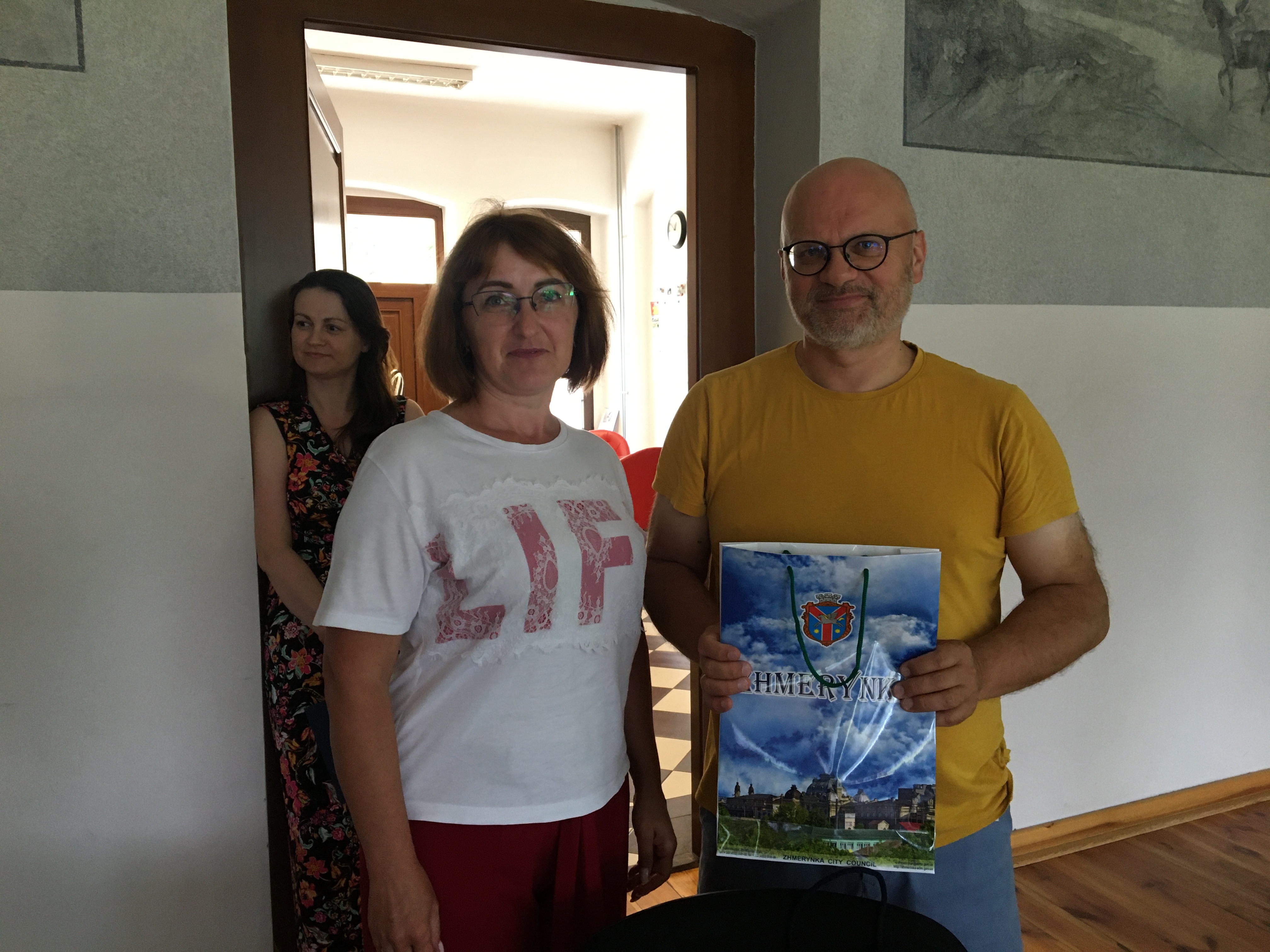
U-LEAD also provided the municipality with technical assistance that included a printer, a telephone and software. All of this is used to visualise projects, print diagrams and manage documents.
Future plans to keep going
Zhmerynka municipality is currently preparing a plan for implementing the development strategy for 2025–2028. One of the ambitious goals is to integrate the project approach into all sectors. The focus is on energy efficiency, economic development and support for public initiatives.
“We have been cooperating with U-LEAD with Europe for a while now — and not only within the Project Office. For instance, with their support, we introduced an electronic queue at the Administrative Services Centre. The most valuable thing, however, is training. Our specialists have become more knowledgeable about writing applications and attracting funding. I firmly believe that if a municipality wants to develop and move forward, it must have a Project Office,” says Vadym Kozhukhovskyi, the Mayor of Zhmerynka.
The point is not giant leaps but gradual steps. A team that is not afraid to try something new and generate ideas. A municipality that knows how to learn and share its experience. And cooperation that changes not only documents — but also people.