



Updating the document serves both as practical preparation for the start of a new cycle of public investment management reform in 2026 and as a clear statement that Kramatorsk has been and remains a Ukrainian city that is already planning its recovery today.
For Yaroslava Rubailo, the Head of Strategic Planning at Kramatorsk City Council, and her team, this document has gone beyond being merely a development plan; it serves as proof that the city is alive, thriving and preparing for the return of all its residents. Experts from U-LEAD with Europe assisted the municipality in updating the document.
“Without planning, everything falls into chaos”
Kramatorsk municipality began its strategic planning back in 2021, working on the document in a comprehensive manner: in collaboration with the Public Council under the Executive Committee of Kramatorsk City Council, the Entrepreneurs’ Club, as well as through workshops and surveys. Everything was ready for final approval in February 2022.
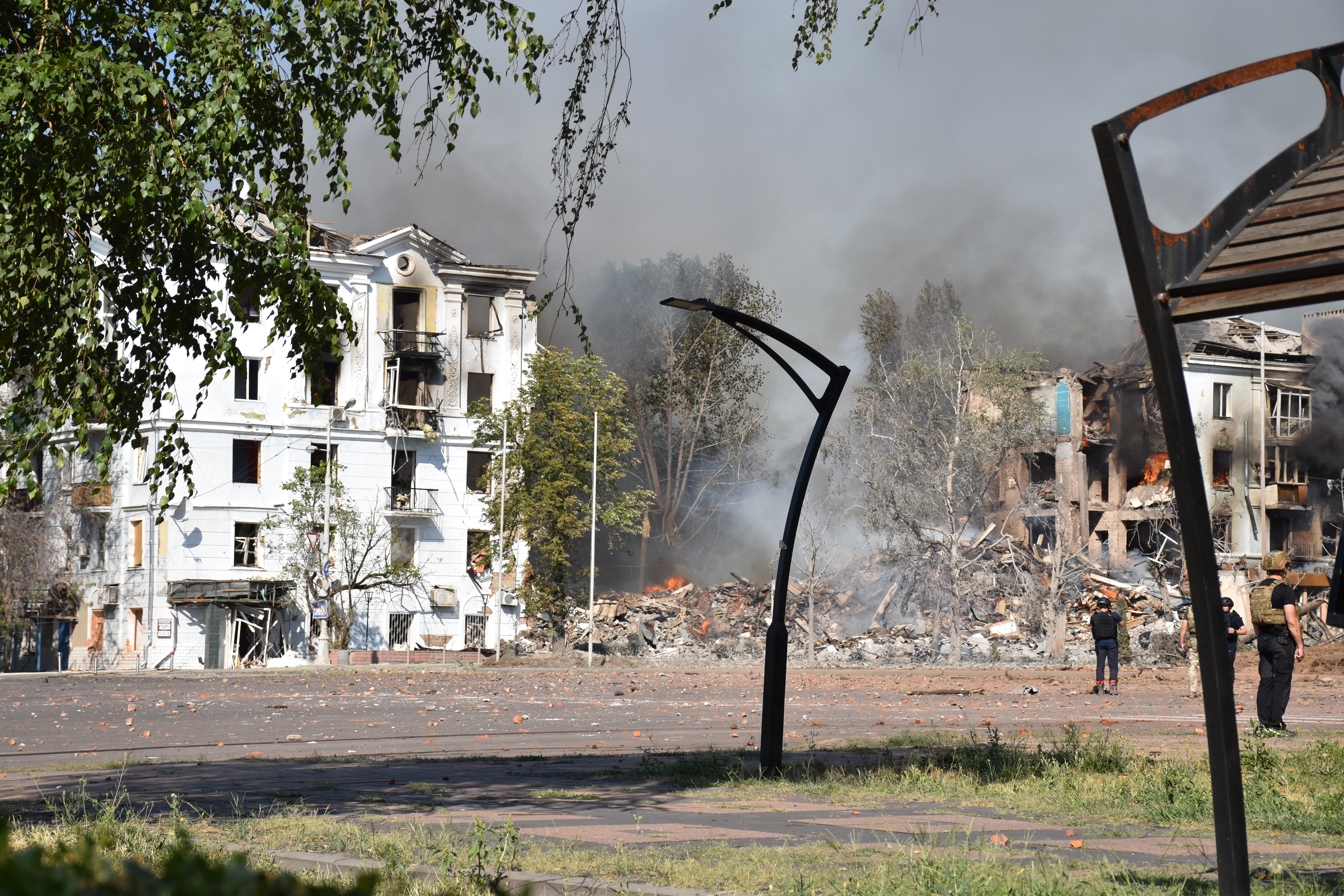
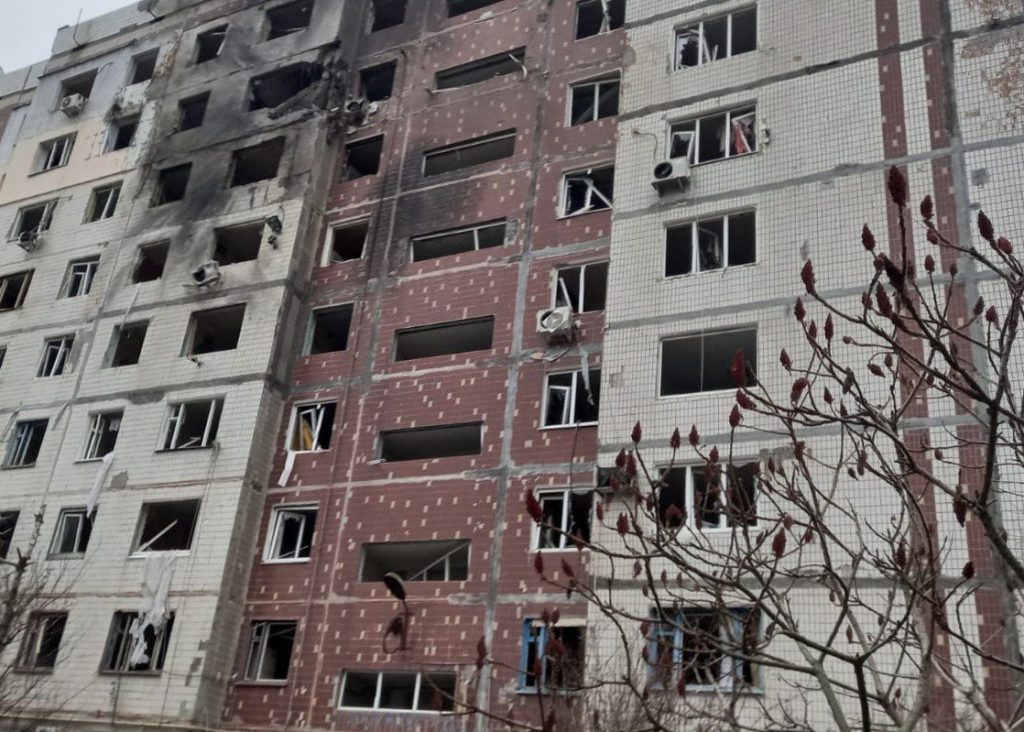
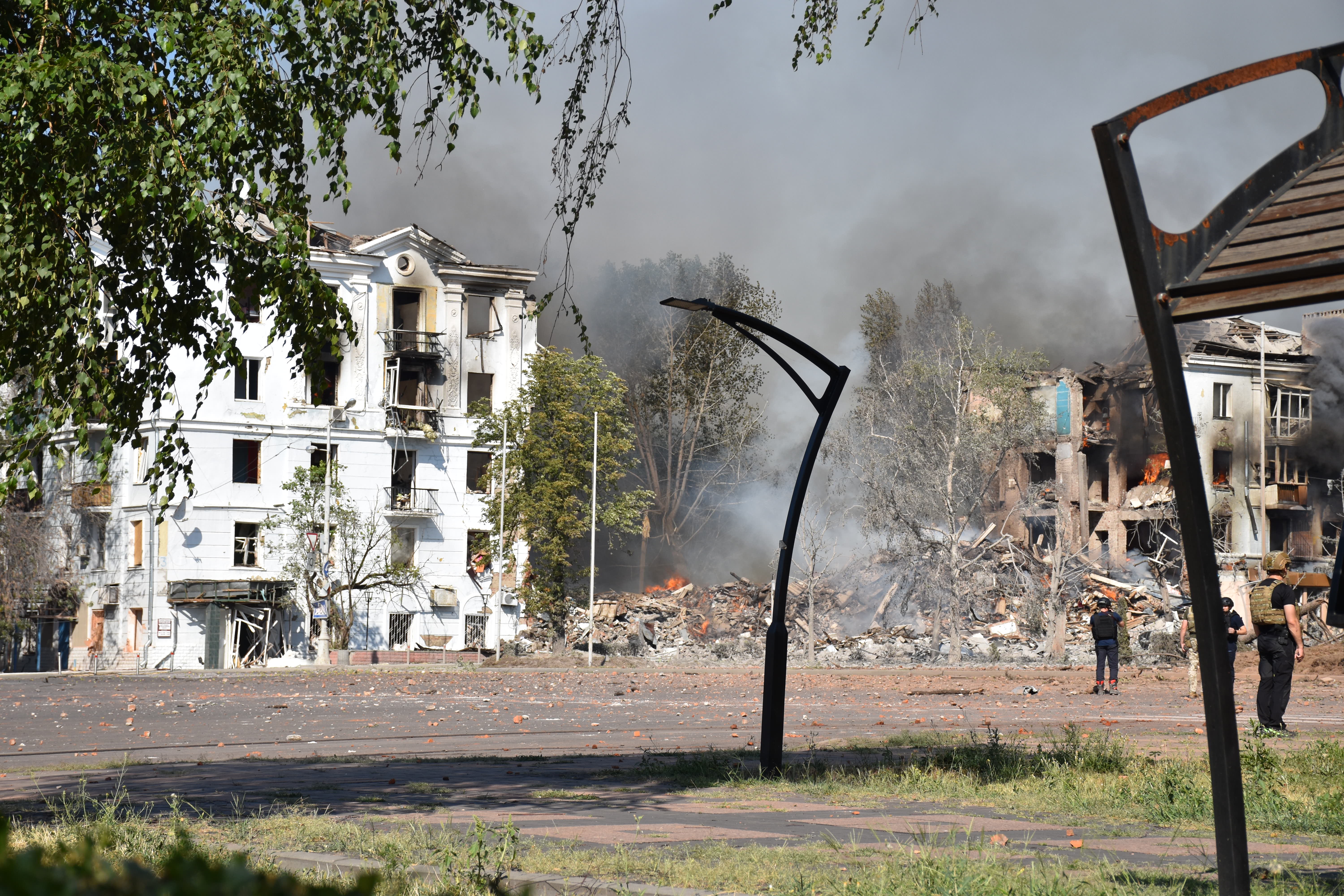
“The full-scale invasion has ruined everything. We realised that going back to those plans was no longer possible — the context had shifted, and the conditions were outdated. By March 2022, the town was unrecognisable: of the 200,000 people who had once lived there, only 30,000 remained. Empty streets, closed banks and shops, shelling. Most of the staff in the departments had left; I was the only one left in my department. At the time, it seemed absurd: how could we plan? Why bother doing it at all? The very word ‘development’ met with resistance, as it sounded too ambitious for a city that was simply trying to survive,” says Yaroslava Rubailo.
Yet, it was at that very moment that the team realised: without planning, everything falls into chaos. Initially, they drew up a one-year socio-economic development plan, and later moved on to a policy that the municipality informally dubbed the “Resilience Strategy”.
Three objectives of the “Eastern Outpost”
Yaroslava Rubailo recalls how the planning process truly became a magnet for those who care deeply about the city. Local activists actively joined the effort: from veterans’ organisations to the Youth Council team, all working remotely.
“That’s when we realised: strategy isn’t just about numbers; above all, it’s about rebuilding the connections between people that the war had torn apart,” says Yaroslava.
According to her, the document sets out three fundamental areas which are essential for the city’s future:
Safety and a sustainable environment. “This is certainly not about beautifying streets or aesthetic projects. Our focus is on creating practical bomb shelters, environmental safety, energy self-sufficiency and the municipality’s ability to adapt to any crisis scenario. This is crucial for life behind the front lines,” explains the expert.
Preserving human capital. Yaroslava emphasises the importance of the demographic issue: “We have already lost so many, but we cannot afford to lose them forever. That is why we have devised approaches to work with both those who remain in the city under shelling and those who have left. Our aim is to ensure that the people of Kramatorsk have somewhere to return to, and, more importantly, a reason to do so”.
Economic transformation. This involves developing specific mechanisms to support businesses, including financial support: “This was a key priority for us. Together with the Anti-Crisis Media Centre, we conducted a series of honest interviews with the directors of our industrial giants. What we heard gave us hope: they see their future in Kramatorsk and are ready to resume production,” says Yaroslava Rubailo.
Strategy as a tool for attracting investment
While the army holds the front line, the civilian authorities must be proactive. Today, sustaining a municipality involves a complex balance between crisis resilience and long-term development. The city of Kramatorsk serves as a reliable rear base in wartime, whilst laying the groundwork for post-war modernisation, agriculture development and business promotion.
“Waiting for the war to end before you start planning is a waste of precious time. That is what drives the municipality to develop projects that can be implemented right now, such as infrastructure restoration projects,” says Yaroslava Rubailo.
Having a clear plan is not just a matter of paperwork; it is the key to attracting investment. European partners and international donors follow a strict formula: “If there is an approved strategy, there are resources”. Having these strategic documents in place enables the municipality to apply for funding now, without waiting for the official end of hostilities.
“We are laying the groundwork so that we can begin reconstruction as soon as the security situation allows. External expertise plays a key role in this process. We are sincerely grateful to the U-LEAD experts for their advisory support. This is genuinely important and effective support, which enables us to operate in line with European planning standards,” notes Yaroslava Rubailo.
Experts’ insights
Updating its strategy whilst living near the front line was a challenge that the Kramatorsk municipality took on and successfully overcame. According to Viktoriia Trotsenko, the Head of the Regional Office of U-LEAD with Europe in Donetsk Oblast, the municipality has completed the full preparatory cycle, from environmental impact assessment to consultations with businesses and the public.
“Having a strategy in place today is more than just a formality; it is a tool for enhancing the resilience of the municipality. This sends a signal to partners and investors that the city has a vision, a team and the ability to plan for development even in times of uncertainty,” concludes Viktoriia Trotsenko. “Working with the team in Kramatorsk was an inspiring experience. These are folks who, despite extremely tough circumstances, show faith in the future, love for their country and a willingness to work every day to bring about change”.
Meanwhile, Hryhorii Starykov, the Adviser on Recovery and Development at the Regional Office of U-LEAD with Europe in Sumy Oblast, points out that the strategy takes on a new meaning in the context of the war. No longer is this merely a development plan, but a document that determines the municipality’s survival and resilience:
“The full-scale invasion always brings suffering, so the concept of a ‘development strategy’ amidst the shelling often comes as a surprise. However, this document primarily addresses the organisation of daily life in challenging safety conditions: prioritisation of expenditure, increased international aid and the first post-war steps. Today, strategy is a tool for moving away from being reactive to proactive crisis management. This is a clear statement that the city has no intention of giving up”.