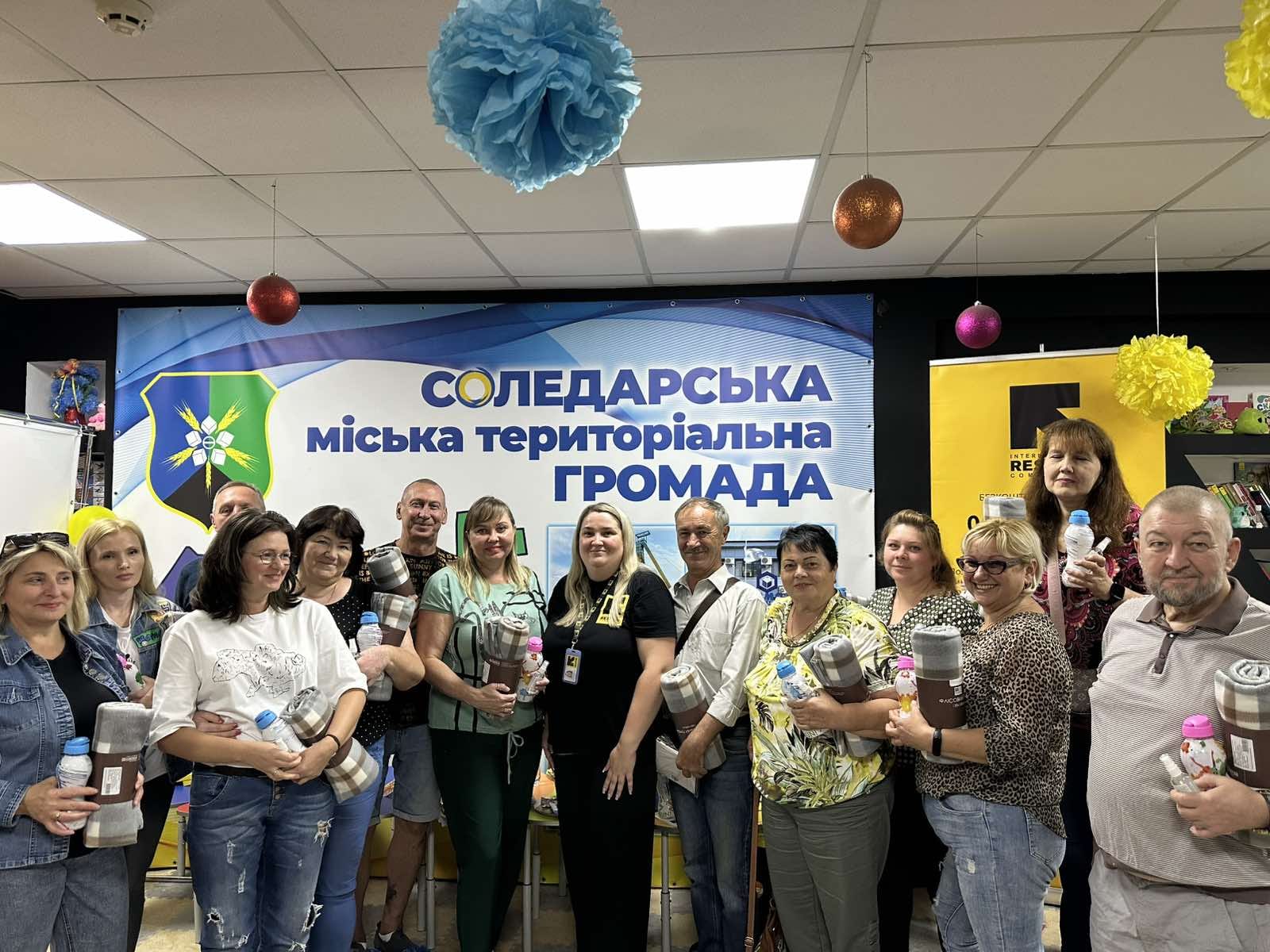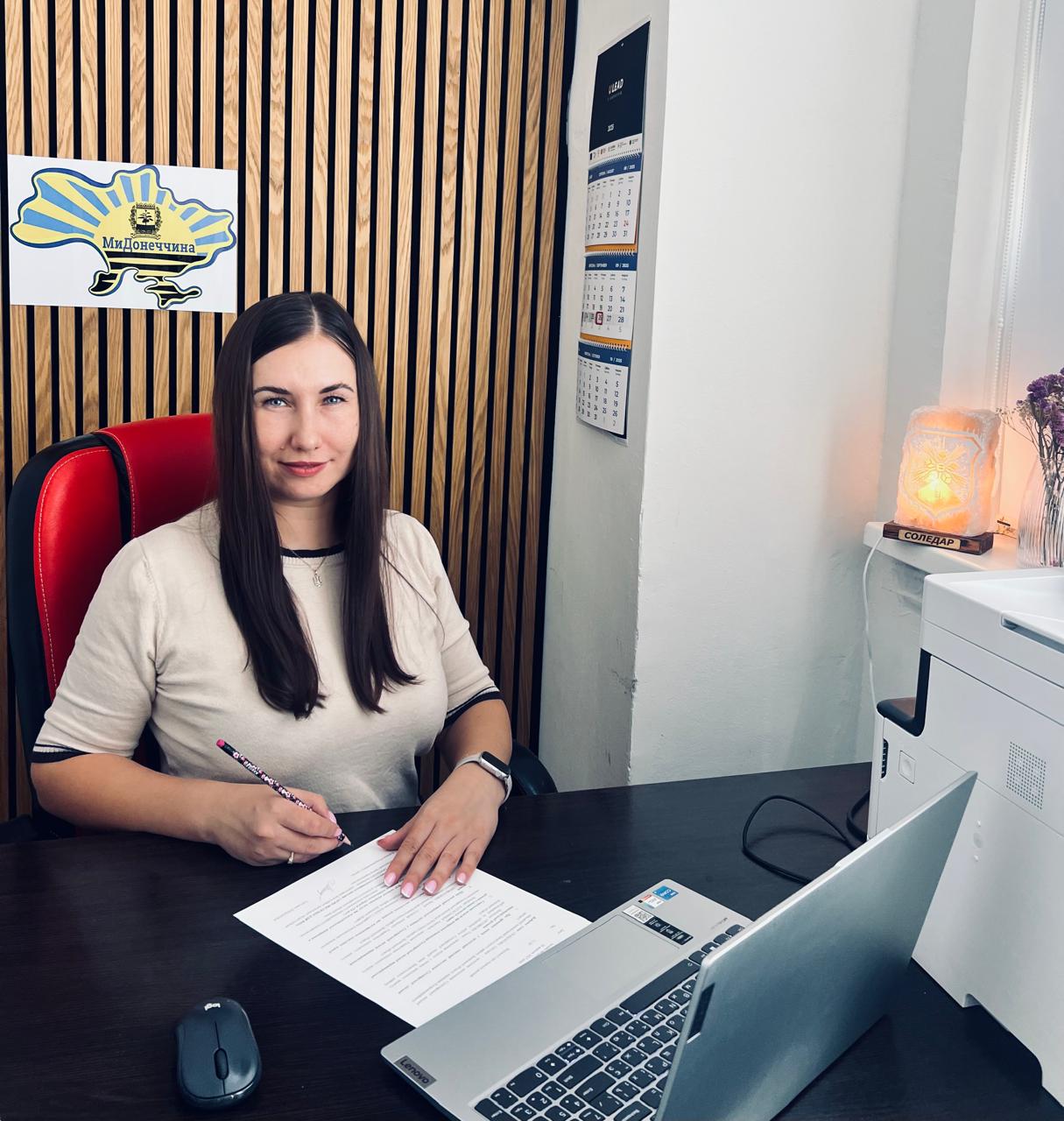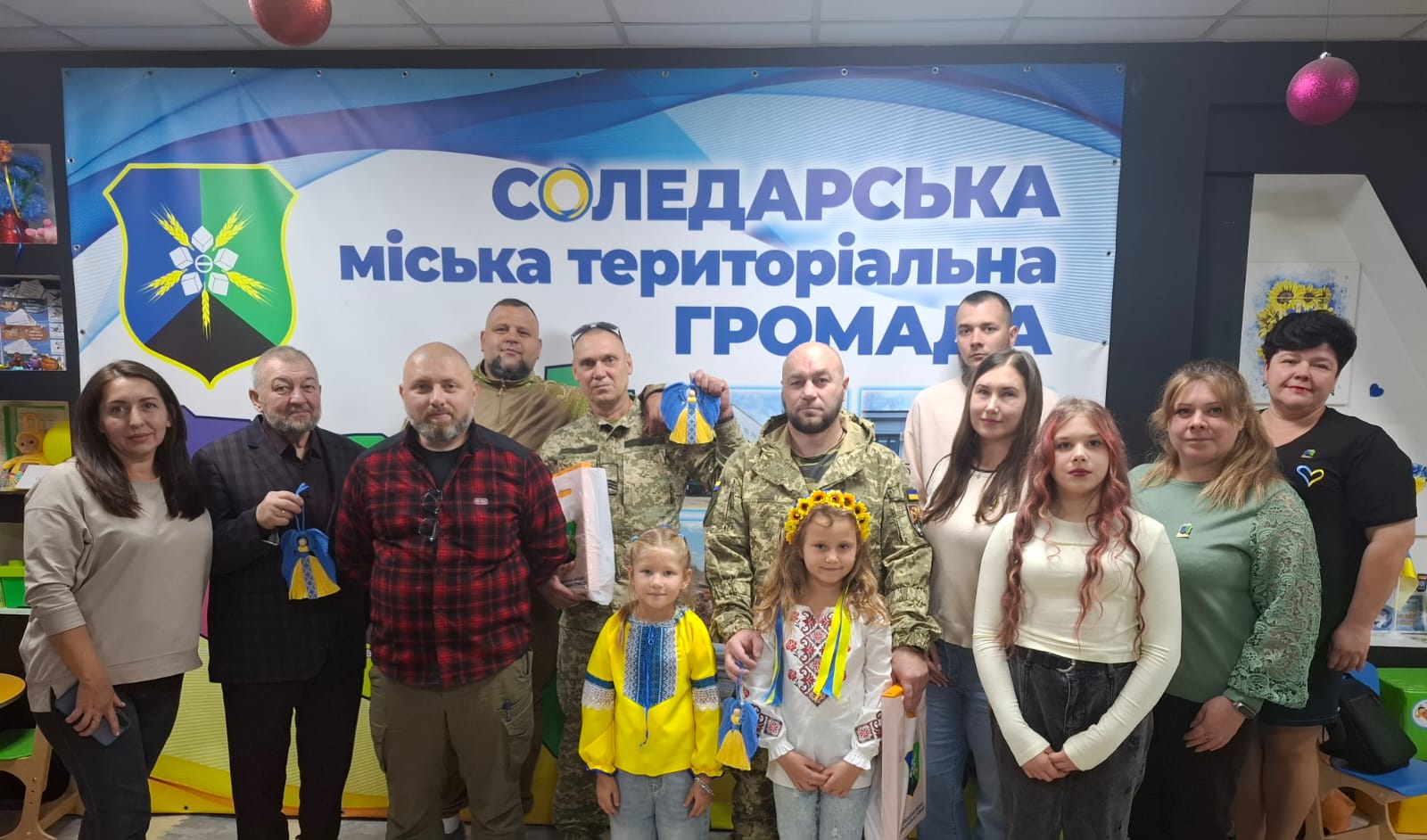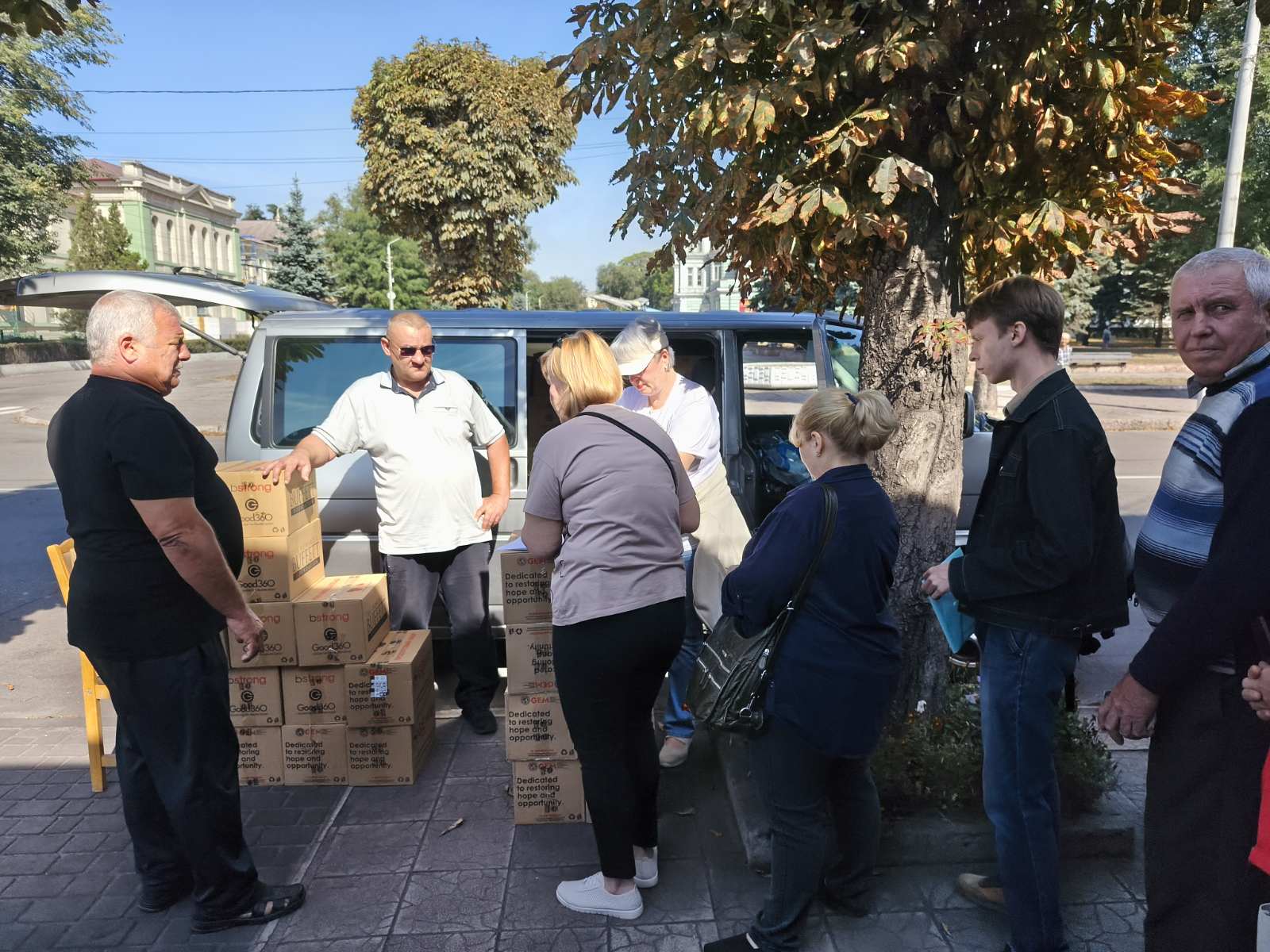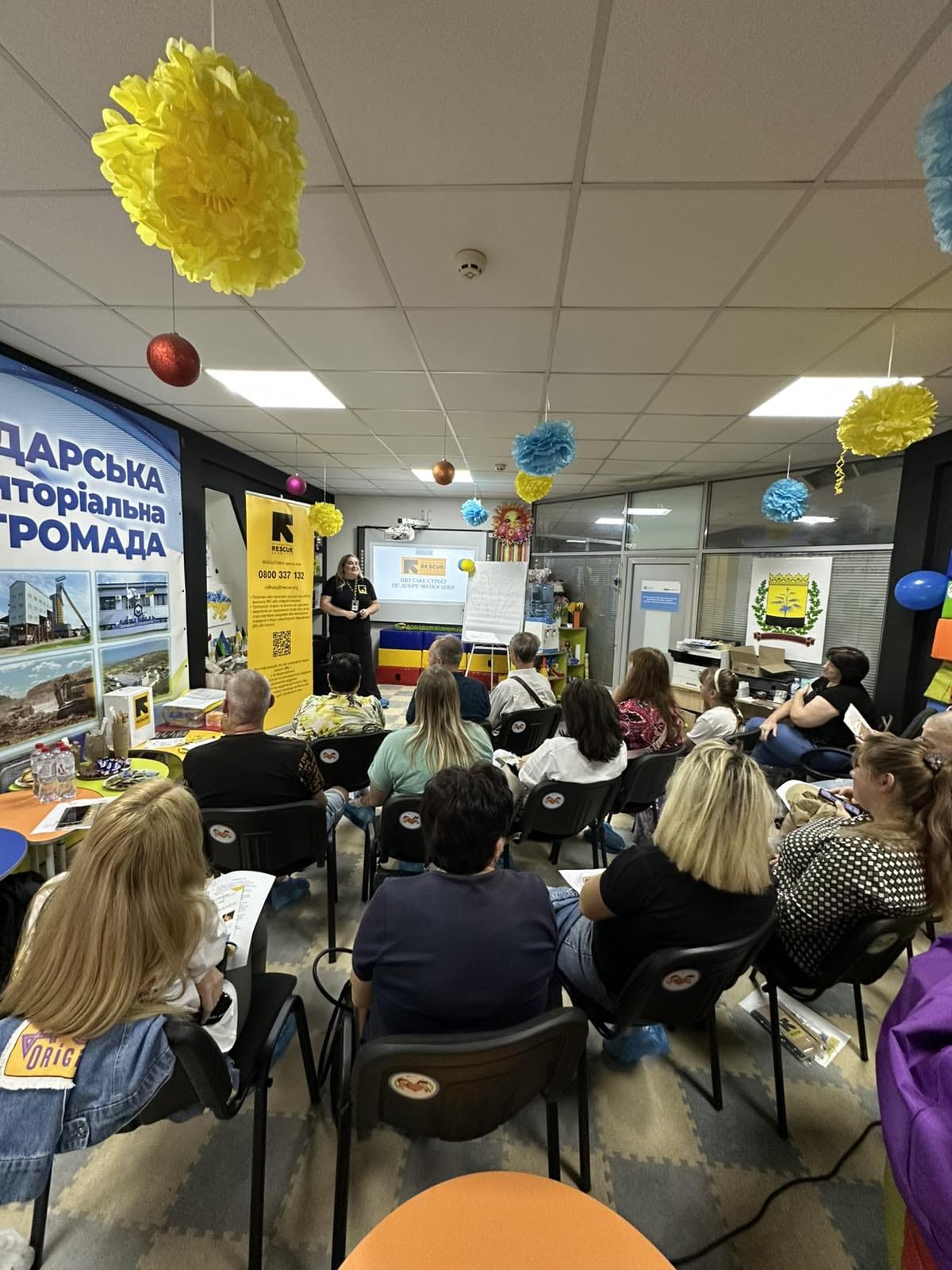



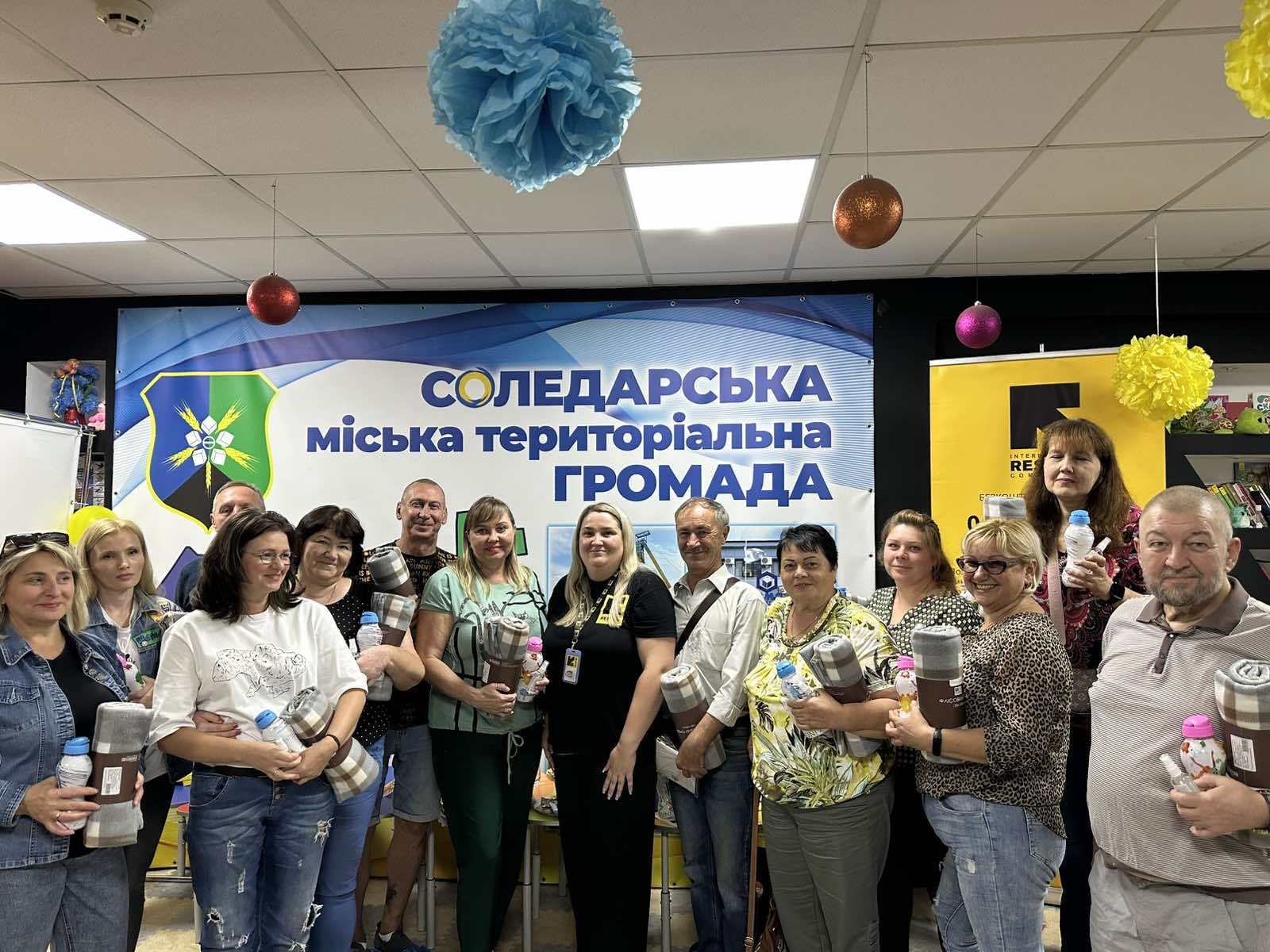
“The experience of the municipality of Soledar is a unique example of how community strength can be preserved even in the most difficult circumstances. Their HUBs are genuine support spaces: people come here not only for assistance, but also for a sense of home, for companionship, for the warmth that displaced people so desperately need. These are places that are always bustling with life, where people actively engage in activities and assist one another. The most striking thing is how multifunctional the employees have become: in addition to performing their main duties, they are also event and logistics managers, counsellors and volunteers. This is not just a job. This is real service to their people, to their municipality,” says Viktoriia Trotsenko, the Head of the Regional Office of U-LEAD with Europe in Donetsk Oblast.
Early days of the evacuation and the challenges of the first few months
For Soledar municipality, the year 2022 began with uncertainty and pain. “
The early days were very difficult: we had no clear plan of action, many left in a hurry, and connections were lost. But we immediately started looking for our people, collecting information to understand how we could help them,” recalls Svitlana Loshchakova, the Deputy Head of Soledar City Military Administration.
On the first day of the military administration operations, a fire in the city council building destroyed documents and archives. Some colleagues remained in the frontline area, delivering fuel and food.
The municipality began to work remotely at that time, seeking people out and creating a support network. Those who remained in the villages near the front line handled the basics: they delivered firewood and coal, installed stoves and set up warming points. “To keep those who decided to stay at home alive, despite the constant shelling, was crucial,” she adds.
Healthcare, administrative services centres, education and community — all in one hub
When it became clear that there would be no quick return to Soledar, the municipality began to rebuild their lives. The key became humanitarian hubs in the cities with the largest IDP populations.
“We distributed our first aid packages directly from the school bus in Dnipro. I remember that day well: it was freezing, snowing, people had gathered near the circus, and the bus was late. Yet no one complained. In fact, they were hugging, delighted to have met their fellow townsfolk again. It was a feeling of home that we all lost,” says Svitlana Loshchakova.
In April 2023, Dnipro became the home of a fully-fledged hub where people could receive food parcels, bedding and hygiene products. Children’s classes, legal and psychological counselling, as well as social programmes were introduced next.
“Our people were not just coming to get humanitarian aid. They were coming to chat, drink tea and feel that they are still part of the community,” adds Loshchakova.
Over time, the network expanded. In addition to Dnipro, hubs were opened in Kyiv, in Kryvyi Rih in cooperation with Bakhmut District State Administration and in Cherkasy jointly with the municipality of Toretsk. Residents can apply there with documents that no other body will process.
“State or city administrative services centres in other localities do not have access to information about residents of Soledar municipality. These are our internal registers, such as lists of registered persons, property data, education or social security certificates. That is why we are the only body that can issue the necessary document or confirm a person’s right to assistance,” she explains.
Healthcare has been a particular focus.
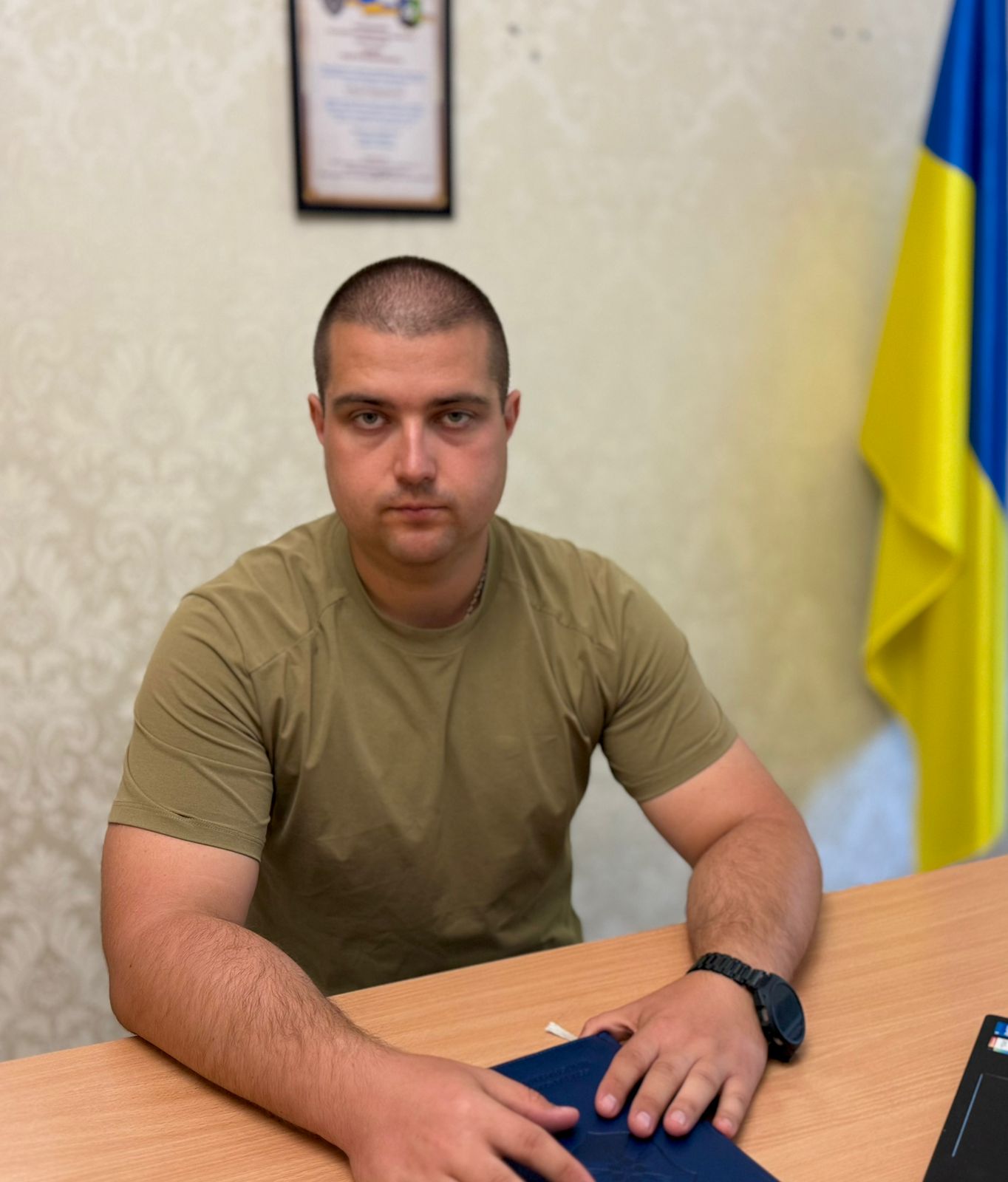
“We started with Dobropillia, where we restored the Primary Healthcare Centre. Then we opened outpatient clinics in Kamianske and Zhovti Vody. We currently have over 7,000 patients, but only about 3,000 are actually being treated — this allows us to receive funds from the National Health Service and maintain the system,” says Andrii Riabukha, the First Deputy Head of Soledar City Military Administration.
According to him, the municipality even sends humanitarian medications by post. “We do not distribute them blindly. People consult with their doctors, clarify which medications they need, and then we send them out. This is how we maintain the doctor-patient link, even if they live in different cities,” he says.
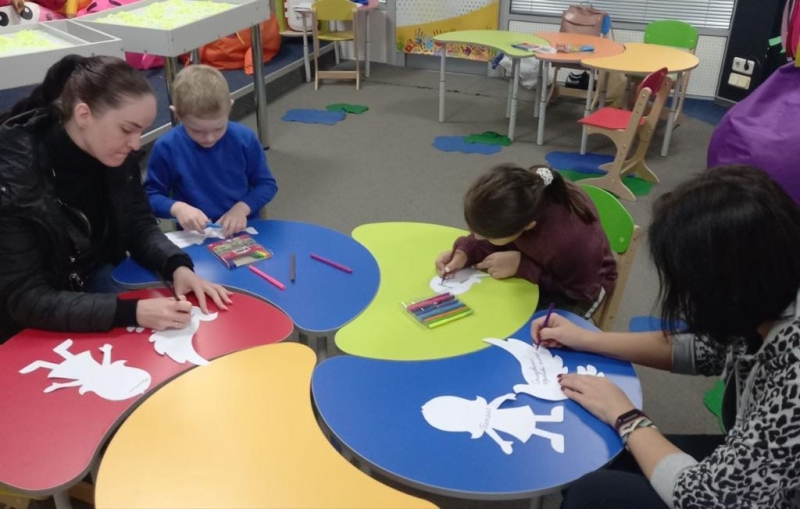
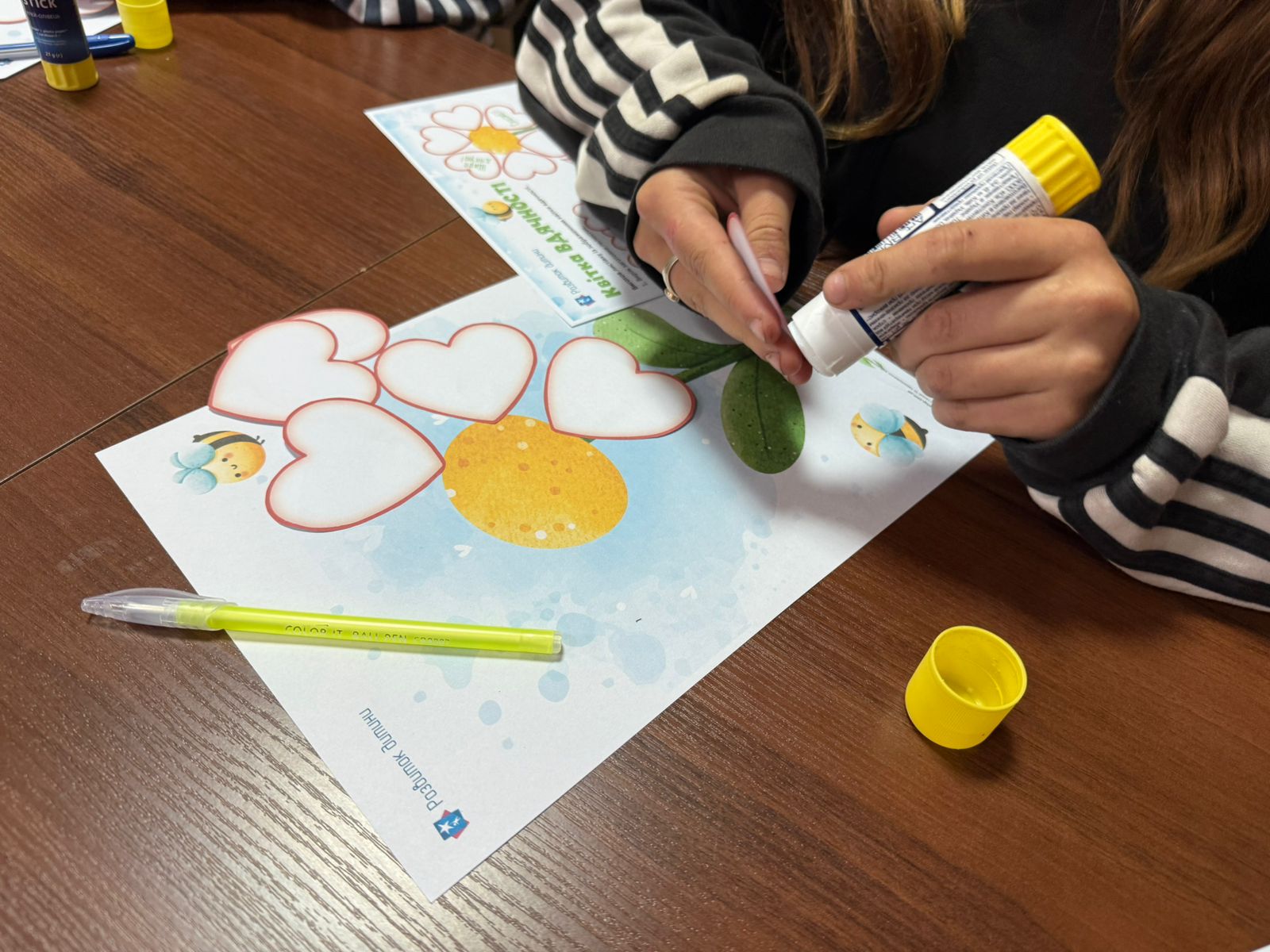
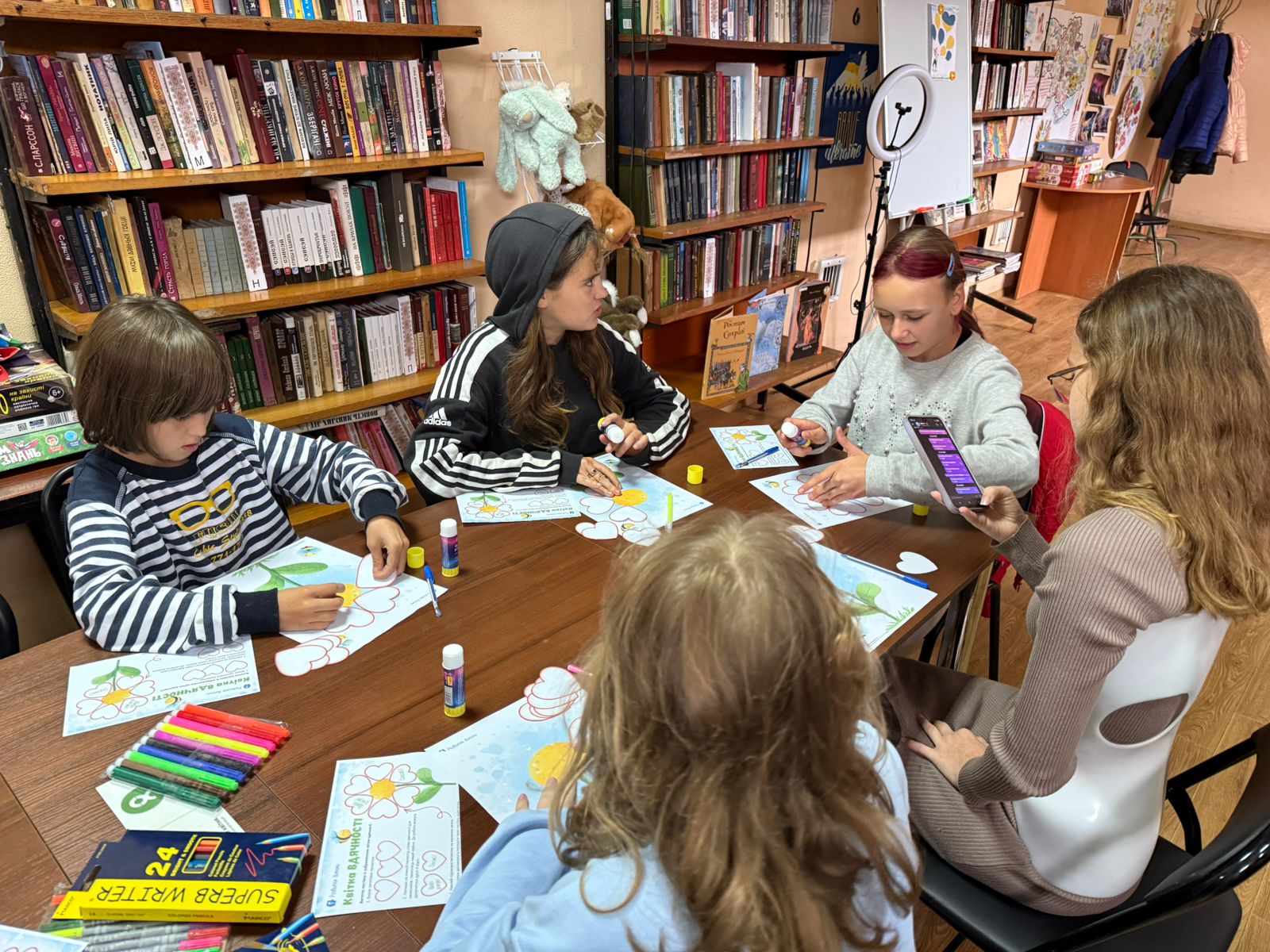
The hubs also run children’s programmes.
“We offer counselling sessions, take children to the planetarium and the science museum. We send out gifts for the holidays throughout Ukraine via Ukrposhta. This is our way of saying that you are still remembered and remain part of the community,” emphasises Svitlana Loshchakova.
Pressing challenges and cooperation with U-LEAD with Europe
Despite the loss of the central town and forced relocation, the municipality is not giving up. It continues to process documents, provide social benefits and restore healthcare services. Most importantly, however, they think not only about the present, but also about the future.
“U-LEAD teaches us to see partners, attract resources and properly prepare documents and grants. This gives us a chance not only to survive, but also to lay the groundwork for recovery,” says Andrii Riabukha.
Svitlana Loshchakova adds that regular consultations, seminars and exchanges of experiences contribute to feeling supported: the municipality is not abandoned to deal with its problems on its own. “U-LEAD helps us adapt to new conditions, while preparing us for the moment when we can return home,” she states.
“Preserving local self-government bodies, even when temporarily located in other territories, is paramount. They are still the only centres that certify documents, arrange assistance and support people scattered throughout Ukraine. Working in these conditions is tricky because there aren’t any standard approaches, and there are new challenges that come with the special needs of these municipalities.
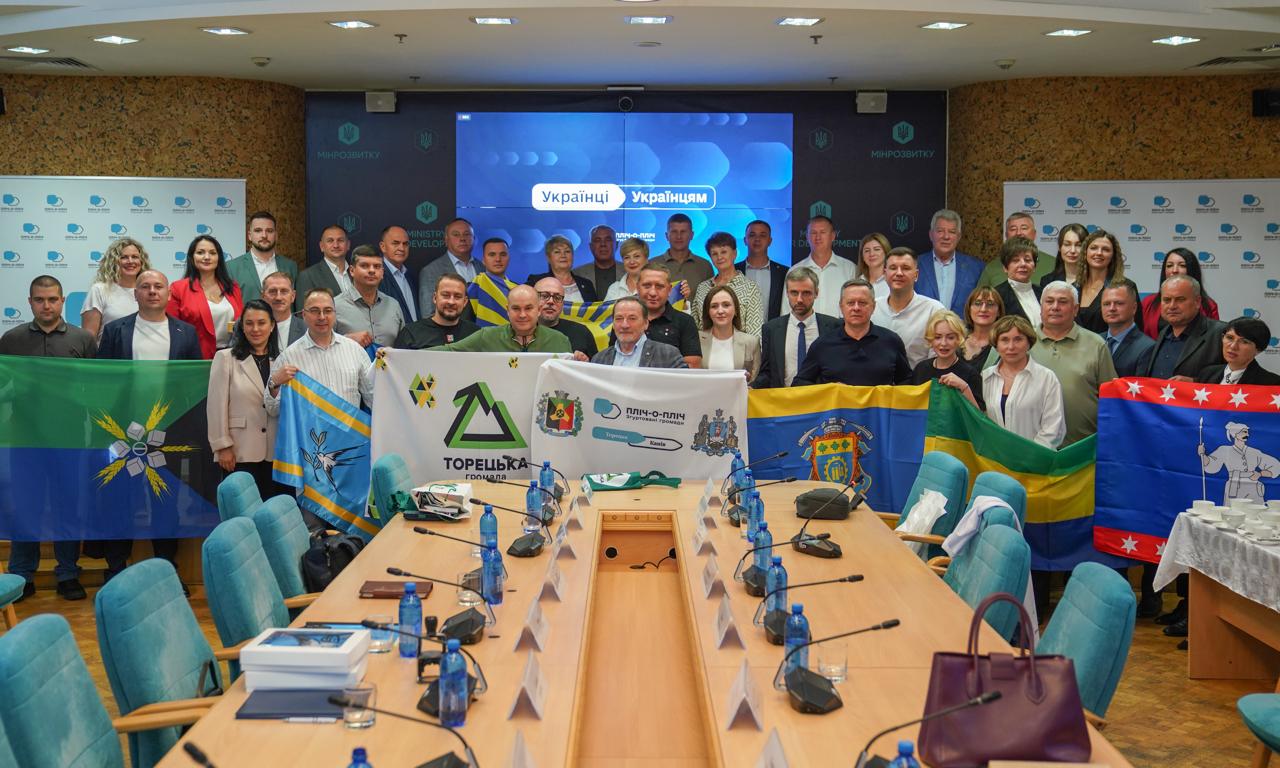
U-LEAD with Europe assists municipalities in these circumstances by providing advice, analysing complex cases and seeking solutions in line with the applicable legislation. The municipality of Soledar is a regular at our online and offline meetings. Through ongoing contact and partnership, we discuss solutions together, determine the best steps to take and support our colleagues not only in day-to-day matters, but also in preparing for the recovery period,” says Viktoriia Trotsenko.
Importance of preserving the institutionality of municipalities that have lost their territory
Despite the destruction and loss of administrative buildings, Soledar municipality proves that local self-government matters even when the territory is partially occupied. Authorities remain the only point of support for people scattered across different cities of Ukraine.
“A municipality does not just mean land or buildings. It is primarily about people. If you lose contact with them, it will be almost impossible to restore it later. And that means the municipality itself will be lost,” says Svitlana Loshchakova, the Deputy Head of Soledar City Military Administration.
In addition, only the municipality can help people restore documents, from titles to houses to certificates for receiving assistance. Without the council’s work, people are effectively left outside the system, with no confirmation of their status and entitlement to support.
That is why the staff of Soledar City Council continues to work, ensuring communication with residents, helping them adapt, while also preparing for their return. After all, a municipality that keeps going even when it is far from home retains a chance of recovery — and makes people feel that their home still exists despite being destroyed.