

Background
The municipality of Kobleve, Mykolaiv Oblast, introduced participatory budgeting back in 2021. However, due to the full-scale invasion, the process was put on hold and resumed in 2024 when the municipality joined U-LEAD support programme “Development and Implementation of Participatory Budgeting”.
“Since the outset of the war, citizen engagement has declined, particularly in the area of development projects. To encourage the public to participate in their community, we have reinstated the participatory budgeting process,” explained Tetiana Kovalyk, the Head of the Economic Development and Investment Department of Kobleve Village Council. She added that participatory budgeting gave people a voice and an opportunity to be heard.
Drafting the regulation and getting the process going
Participatory budgeting in the municipality is implemented on the basis of the regulation approved by the village council. The document was developed as part of the participation in the support programme with the help of U-LEAD experts.
“During the training, we, together with the municipality team, went through the entire process, from understanding, why people need participatory budgeting to the practical implementation of the project submission and selection procedure,” said Olena Savchenko, an Adviser on Municipal Finance and Management at the Regional Office of U-LEAD with Europe in Kirovohrad Oblast.
According to her, during the training programme, experts helped to structure the process, streamline documents, set up public outreach and make it transparent and convenient. Most importantly, the municipality saw that public participation can not only be arranged, but also made effective.
Changes that matter to people
Among the winners of the 2024 competition there were two projects that clearly illustrated how participatory budgeting worked.
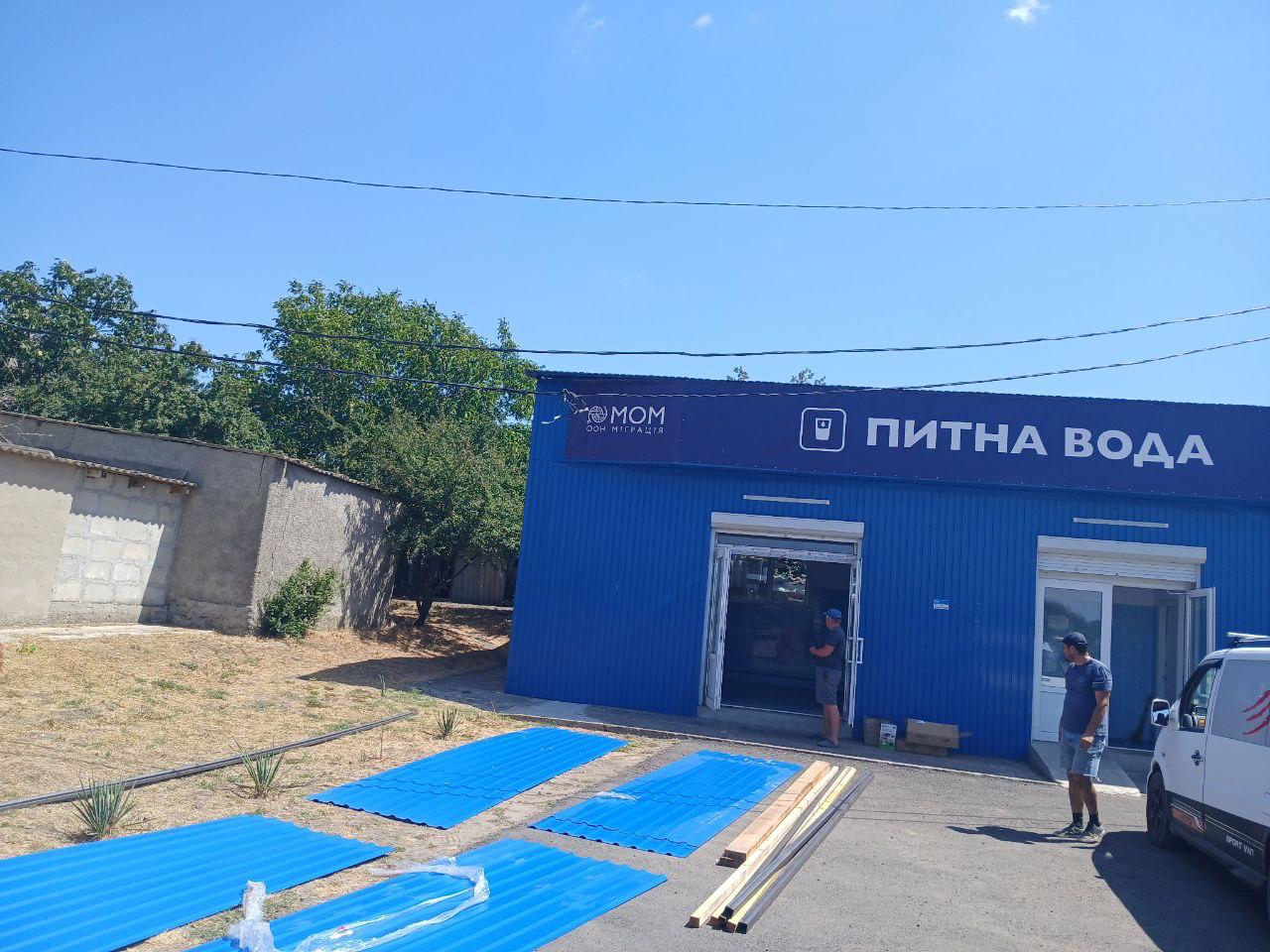
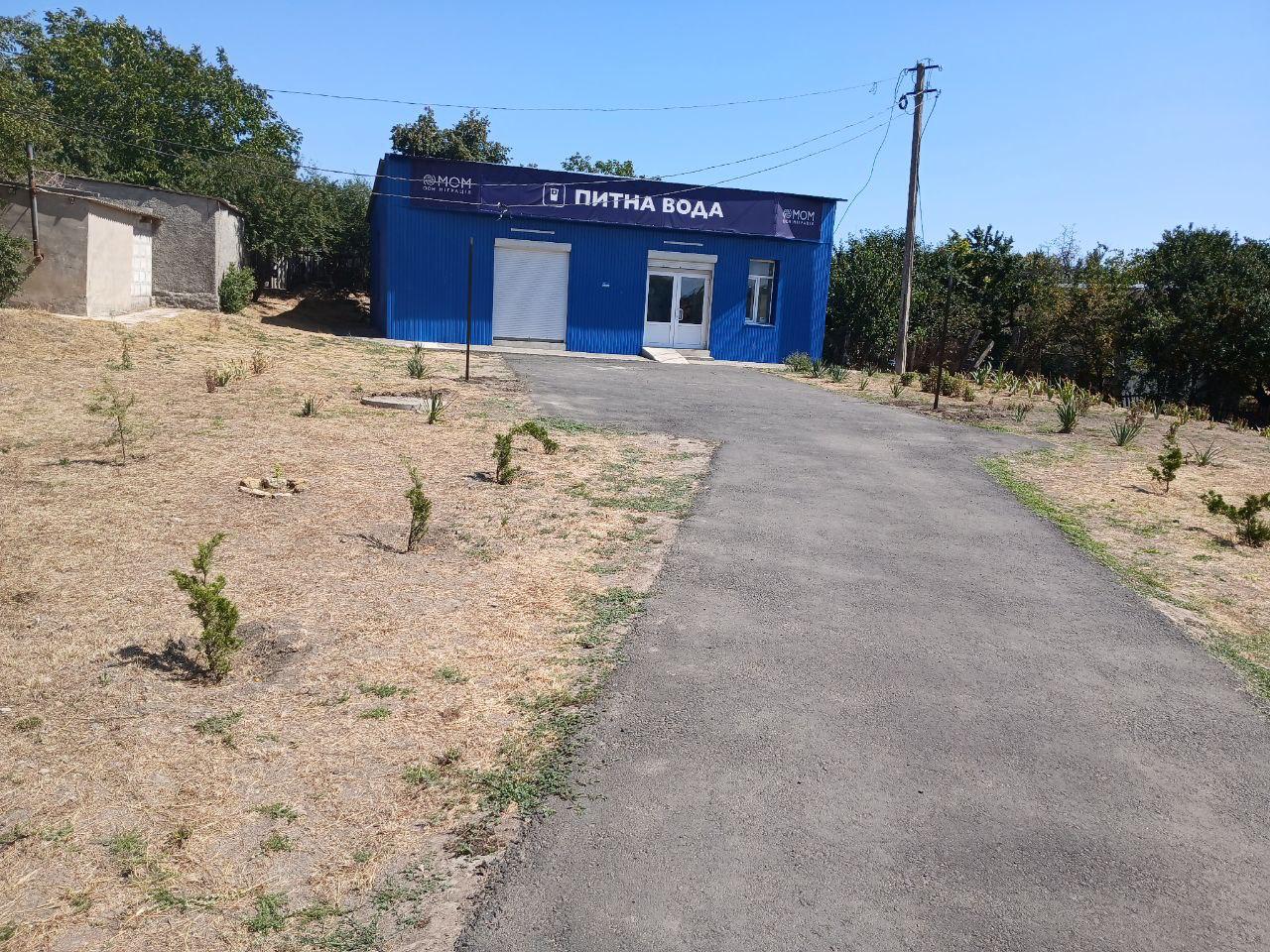
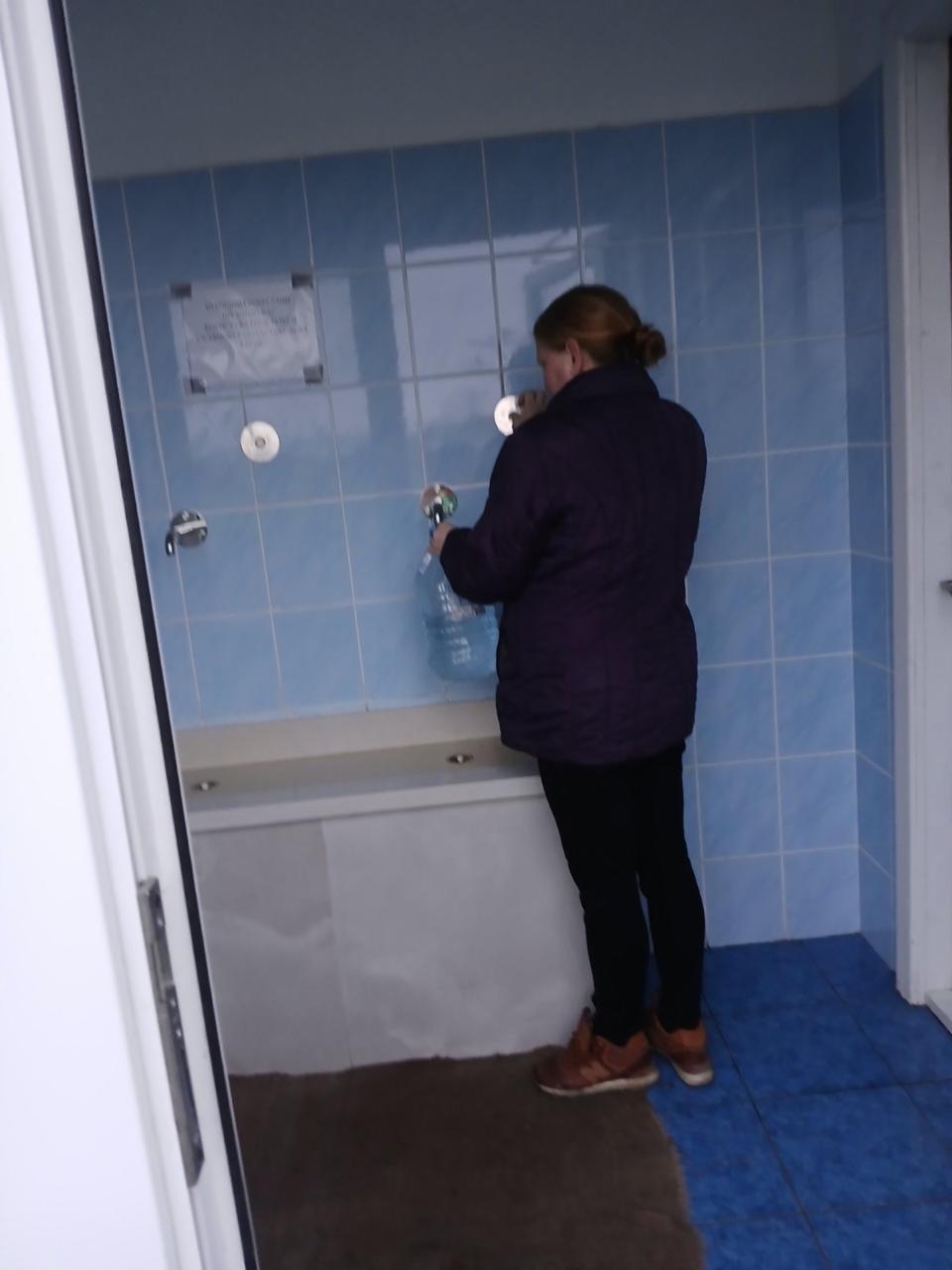
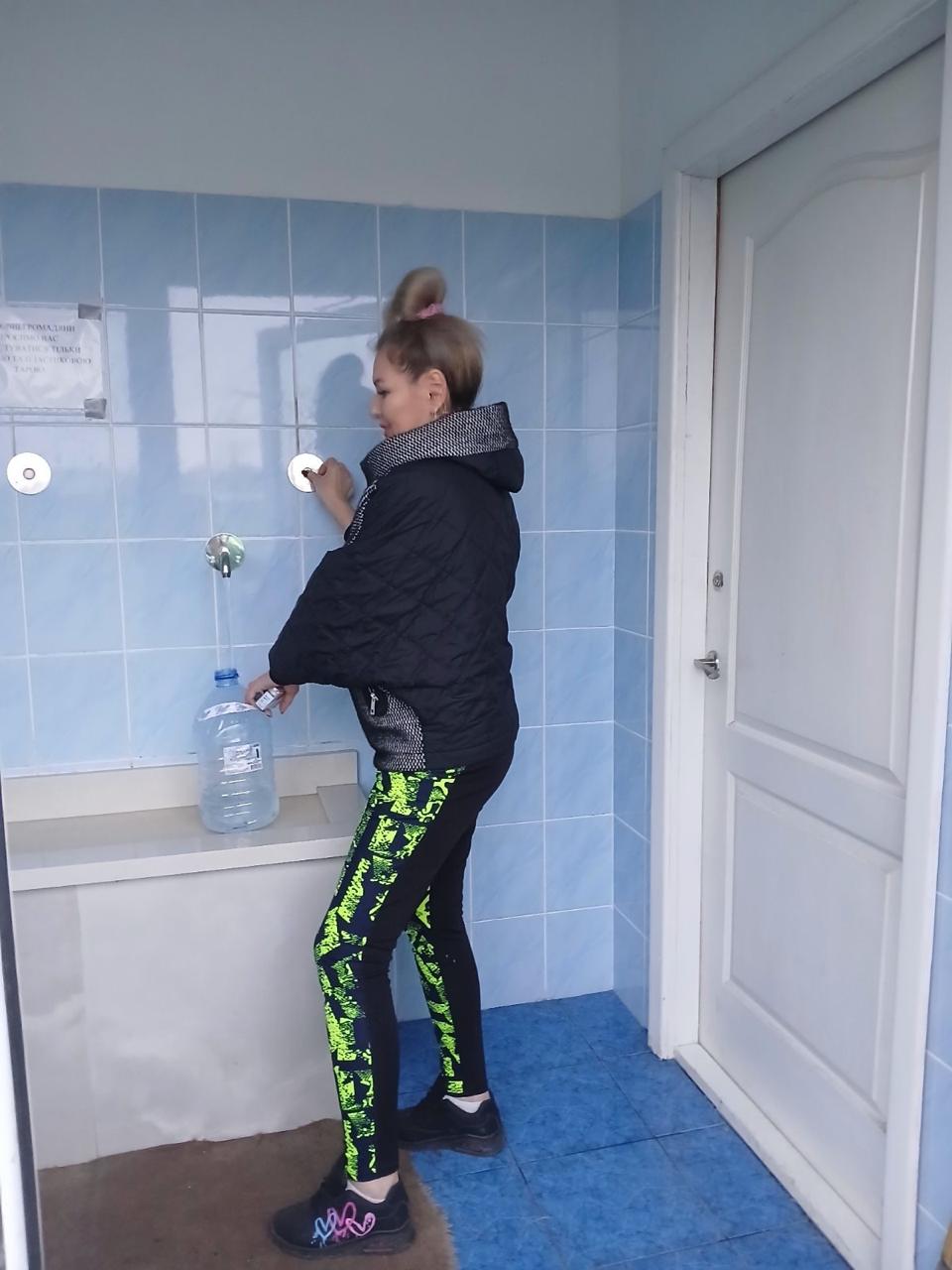
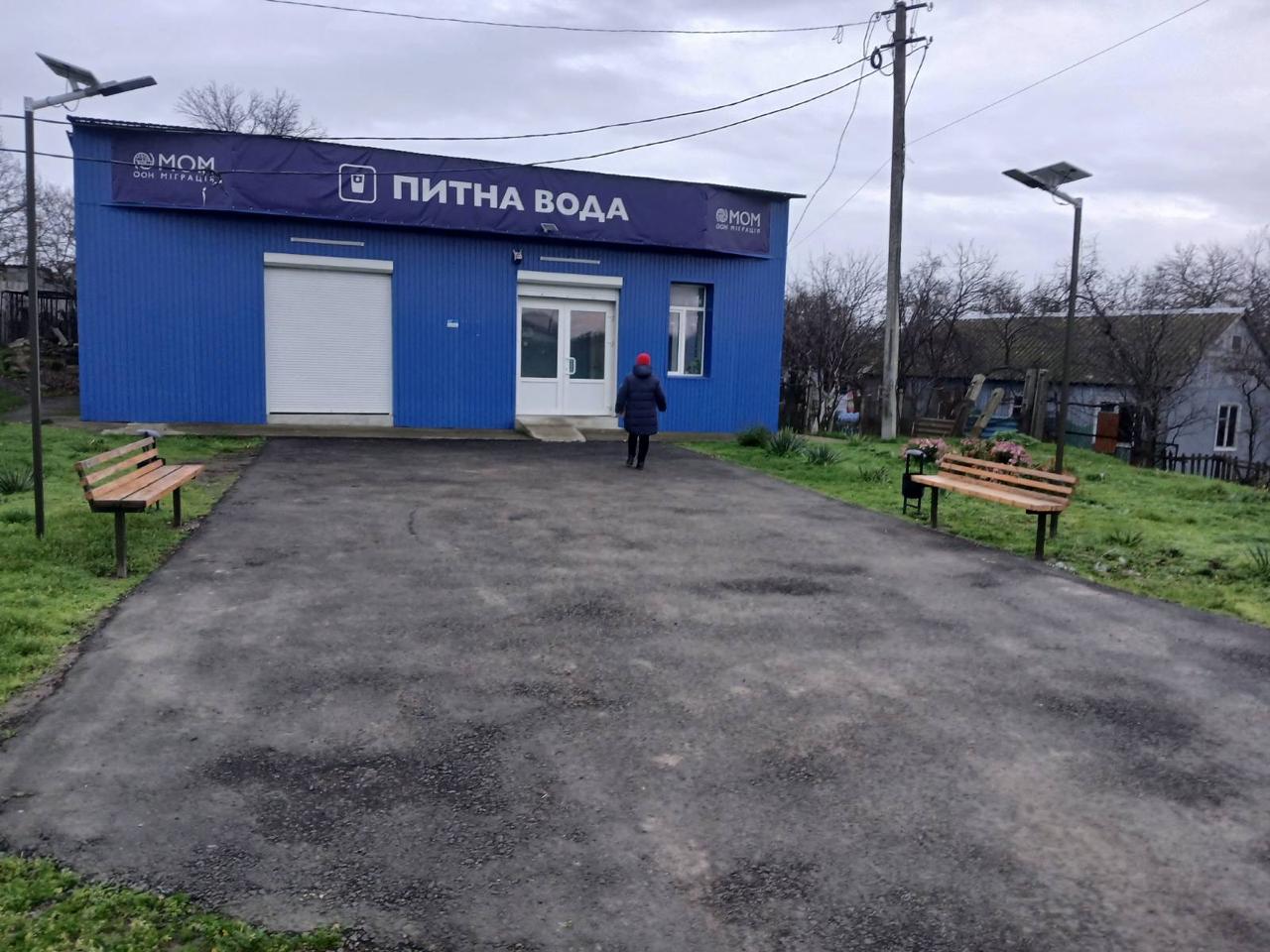
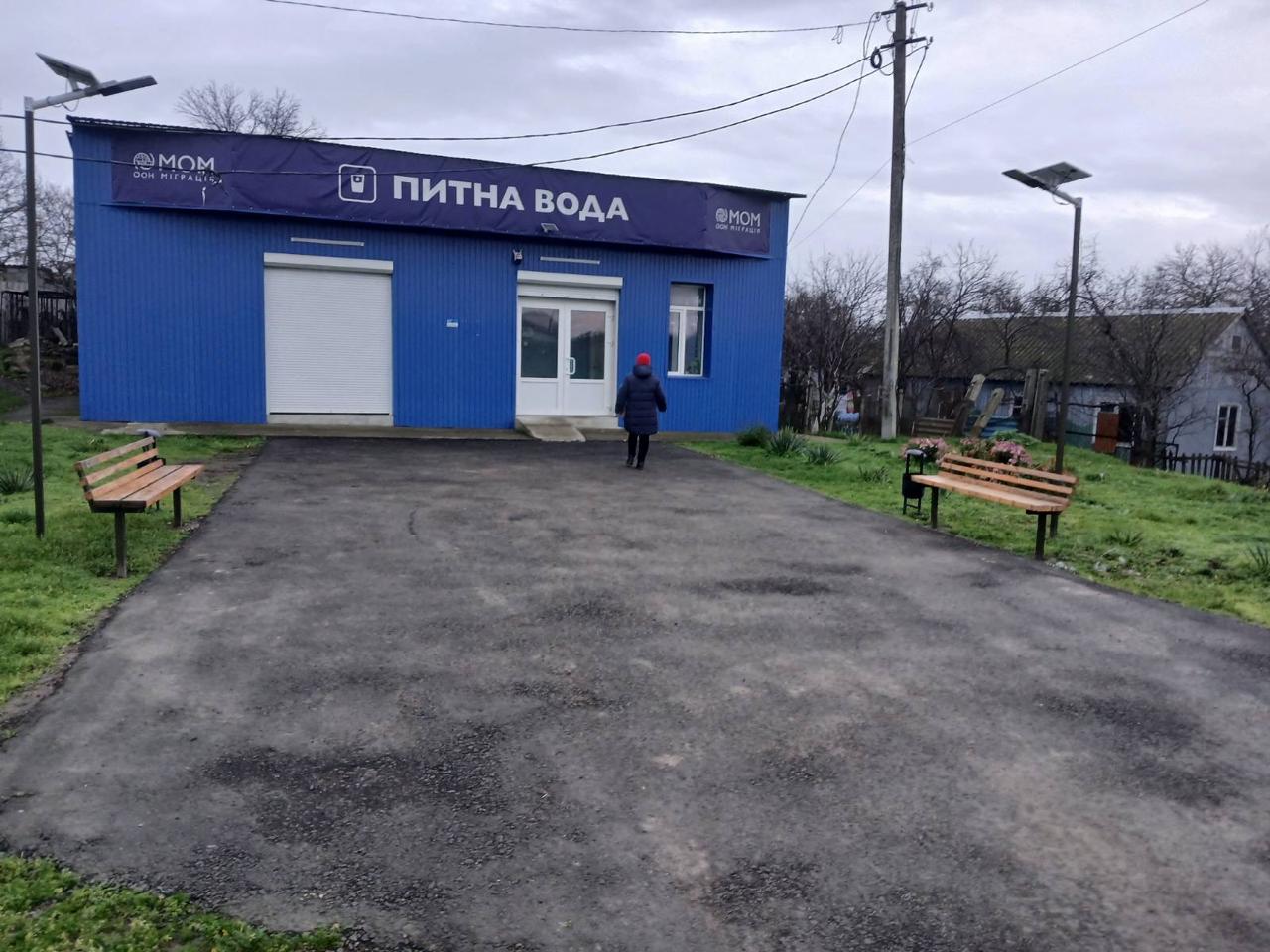
A water purification station had previously been installed in the village of Rybakivka using donor funds, but the area around and inside the station was poorly equipped, and people froze in the cold station room in winter while waiting for the water to fill up.
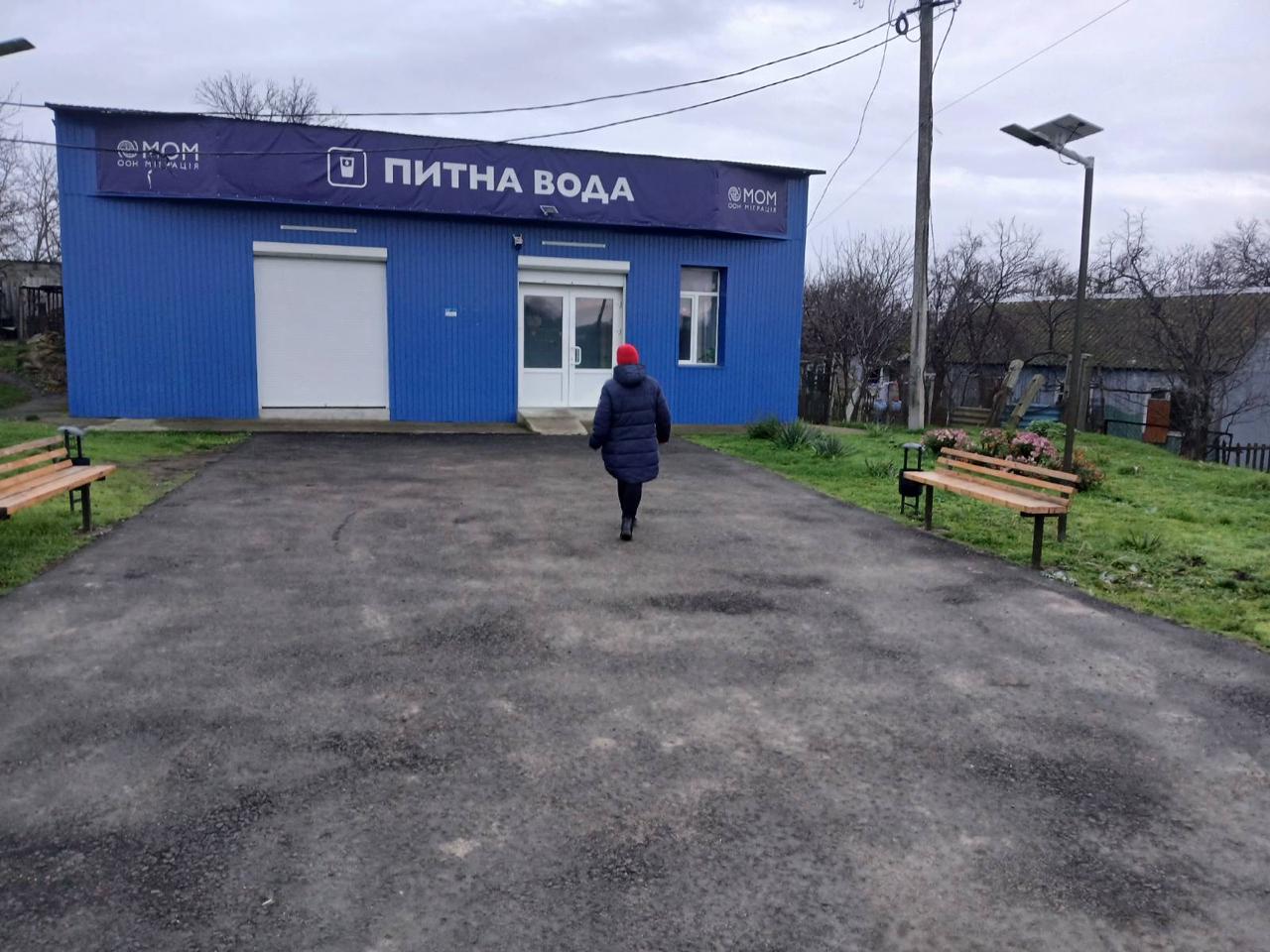
That is why the project “Construction of a Chysta Voda Water Treatment Plant in the Village of Rybakivka”, initiated by a village resident Tetiana Soloviova, received the most support. This led to the space being insulated, and benches, lights and a CCTV camera being installed nearby.
“When the power goes out, and there is no water, everyone comes to this water purification station to collect water. This means that for more than 1,300 residents of Rybakivka, it is also a place for socialising,” said Tetiana Kovalyk.
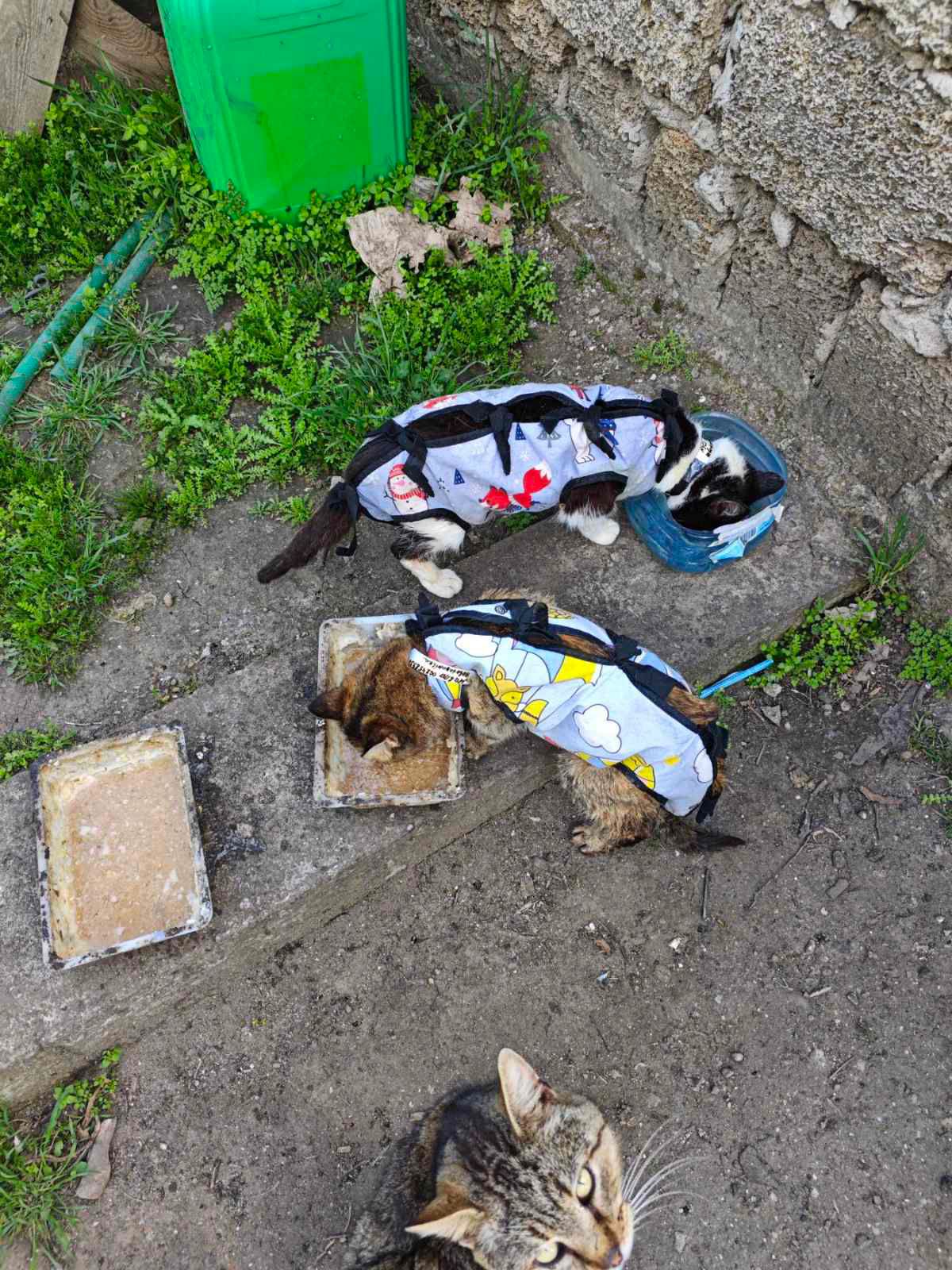
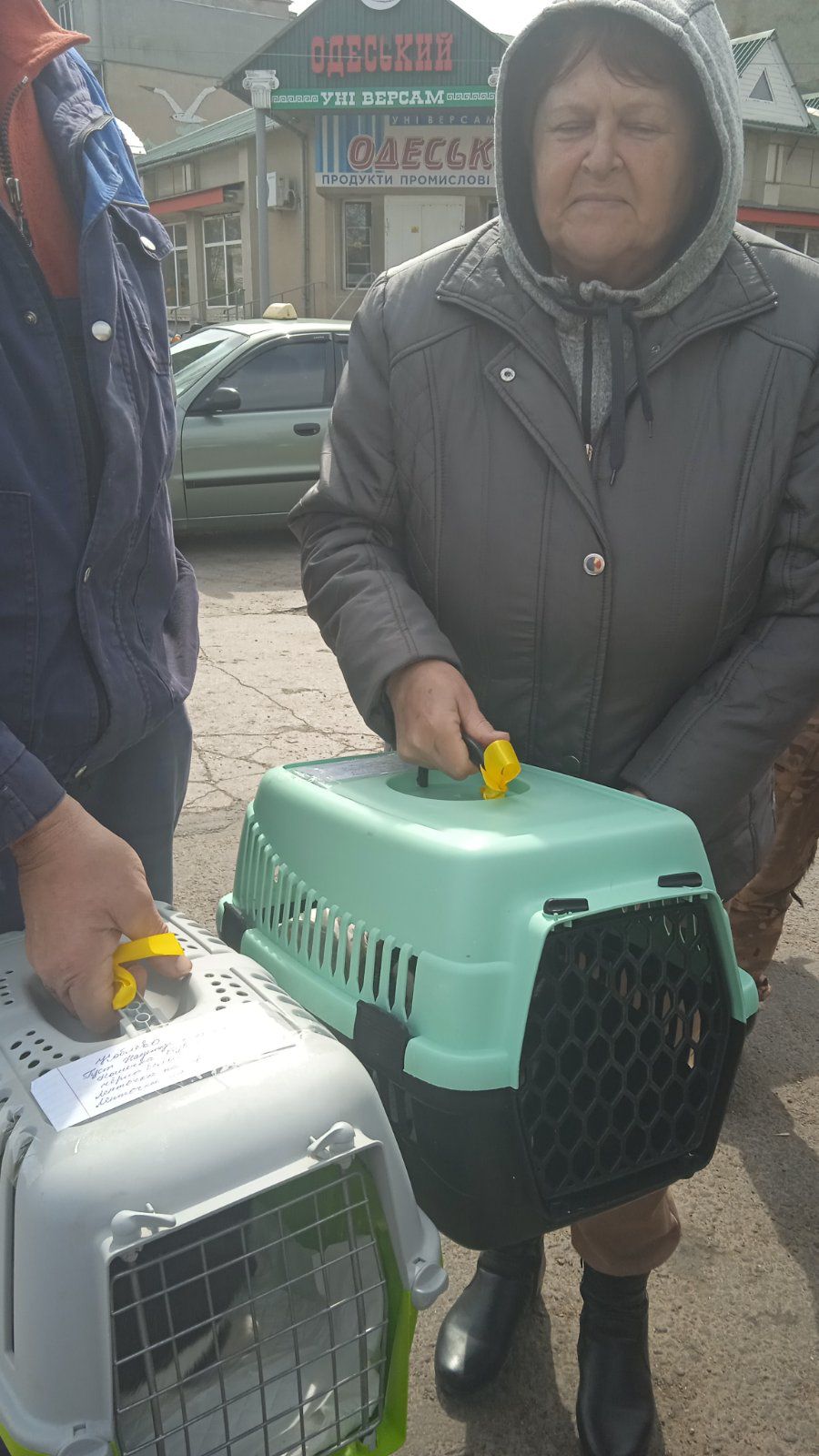
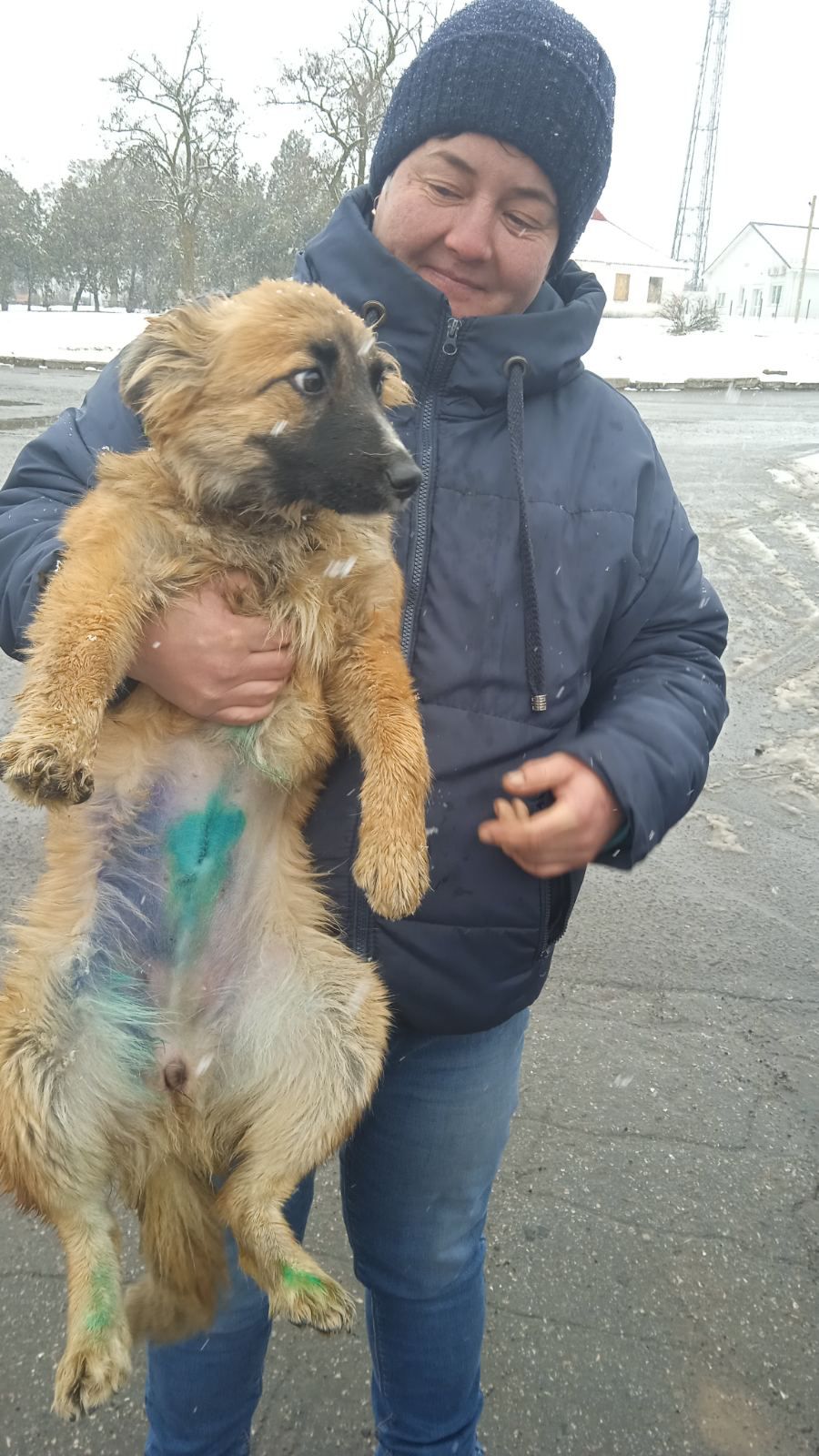
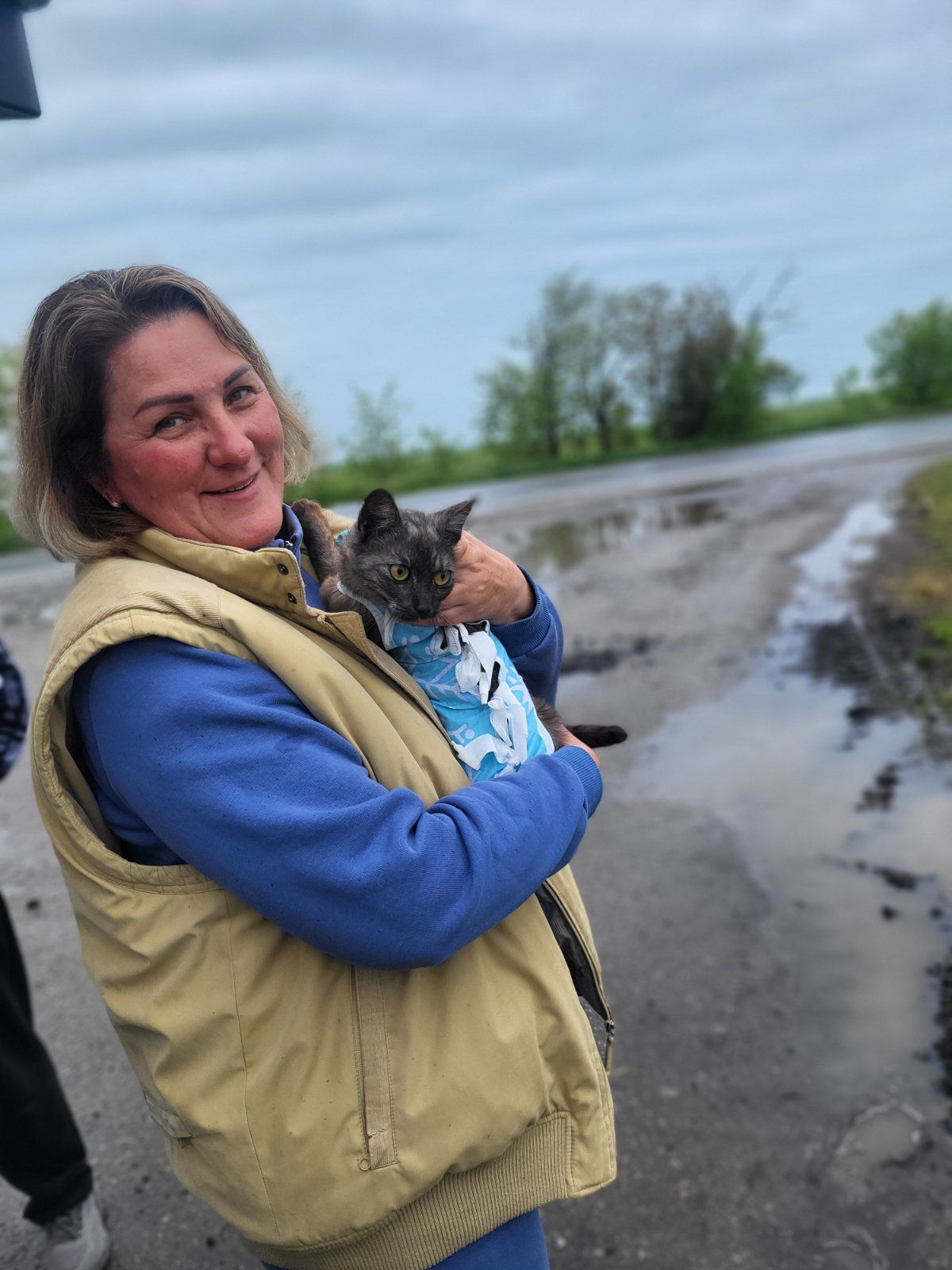
The second project was initiated by a group of local activists, Svitlana Serdiukova, Natalia Makovii, and Tetiana Kulish. They have been looking after stray dogs and cats for many years and remind people to treat animals responsibly. The participatory budget enabled 78 surgeries (42 dogs and 36 cats) to be performed at the veterinary clinic in 2025. The experience of Kobleve municipality in this area is already being adopted by neighbouring municipalities.
According to Tetiana Kovalyk, activists do not limit themselves to participatory budgeting, but seek funding from all sources, engage charitable foundations and reach out to businesses to encourage them to donate to animal spaying and neutering programmes.
Lessons, results and challenges
The experience of Kobleve municipality proves that even in times of war and with a limited budget, participatory budgeting can work. There are, however, challenges that can affect citizens’ participation and engagement.
Tetiana Kovalyk said that it had been difficult for the locals to come up with and clearly write down the project application. For this reason, the village council members explained how to fill out the applications and gave advice on project topics and how to make them happen.
Problems arose with voting on the E-dem platform because older people have push-button phones and do not have access to the internet or digital services. Because of this, a hybrid voting format had to be introduced this year, with both online and printed questionnaires. This added to the burden on council employees who processed questionnaires and entered information into the system. Nevertheless, the understanding that residents are engaged and actively vote mitigated all these difficulties.
The village council emphasised that despite the challenges, public engagement is growing. This is evidenced by the number of projects submitted for voting in 2025 to be implemented in 2026.
According to Tetiana Kovalyk, in 2025, the village council allocated UAH 200,000 for participatory budgeting projects, and in 2026, this amount will increase to UAH 300,000. They intend to request increased funding for the coming years.
“The argument is simple: Important ideas require more financial resources, and UAH 200,000 is insufficient for a number of projects that people are interested in,” she said.
The role of U-LEAD and shifts in the cooperation culture
Participation in U-LEAD programme has not only given the community an opportunity to update its participatory budgeting procedures, but also to strengthen the competence of its team.
“We have expanded our knowledge and awareness of public participation tools. Now we can communicate this to the residents of Kobleve municipality, educate them so that they understand how local self-government operates and how we can work together to implement measures that people need,” said Tetiana.
The participatory budget has become an effective form of cooperation, making the needs of residents visible and encouraging people to speak up about them. “The participatory budget has helped us establish a dialogue between the authorities and the public, and we have already started to listen to each other,” she added.
“The municipality of Kobleve has proven that there is no need to wait for ’better times’ and million-dollar budgets. All it takes is UAH 200,000–300,000 and a few concerned citizens, and within a year, your village or town will have warm benches near the only working water station, the problem of stray animals will disappear, and people will once again believe that their voices matter. Each completed project is proof to ourselves that we are alive, we are together, and we are capable of changing our lives even in the midst of war,” said Oleh Ilnytskyi, the Head of U-LEAD with Europe Regional Office in Mykolaiv Oblast, commenting on the results of the municipality’s participation in the initiative.
Advice to other municipalities
The municipality of Kobleve shows that a participatory budget isn’t just a financial tool, but a way to get people more involved, figure out what they really need, bring them together around shared decisions and build a dialogue between citizens and local authorities.
Here are some practical tips that Tetiana Kovalyk shares with her colleagues: don’t be afraid to talk to people, use straightforward language, explain the rules and conditions honestly; let people know about the voting process ahead of time and break down how everything will work; provide transparent coverage of the entire process (announcements, the work of commissions, voting, project implementation, photo reports, etc.); work separately with different categories of residents, such as young people, the elderly, and public activists, and raise their awareness and understanding of the processes taking place in the municipality.