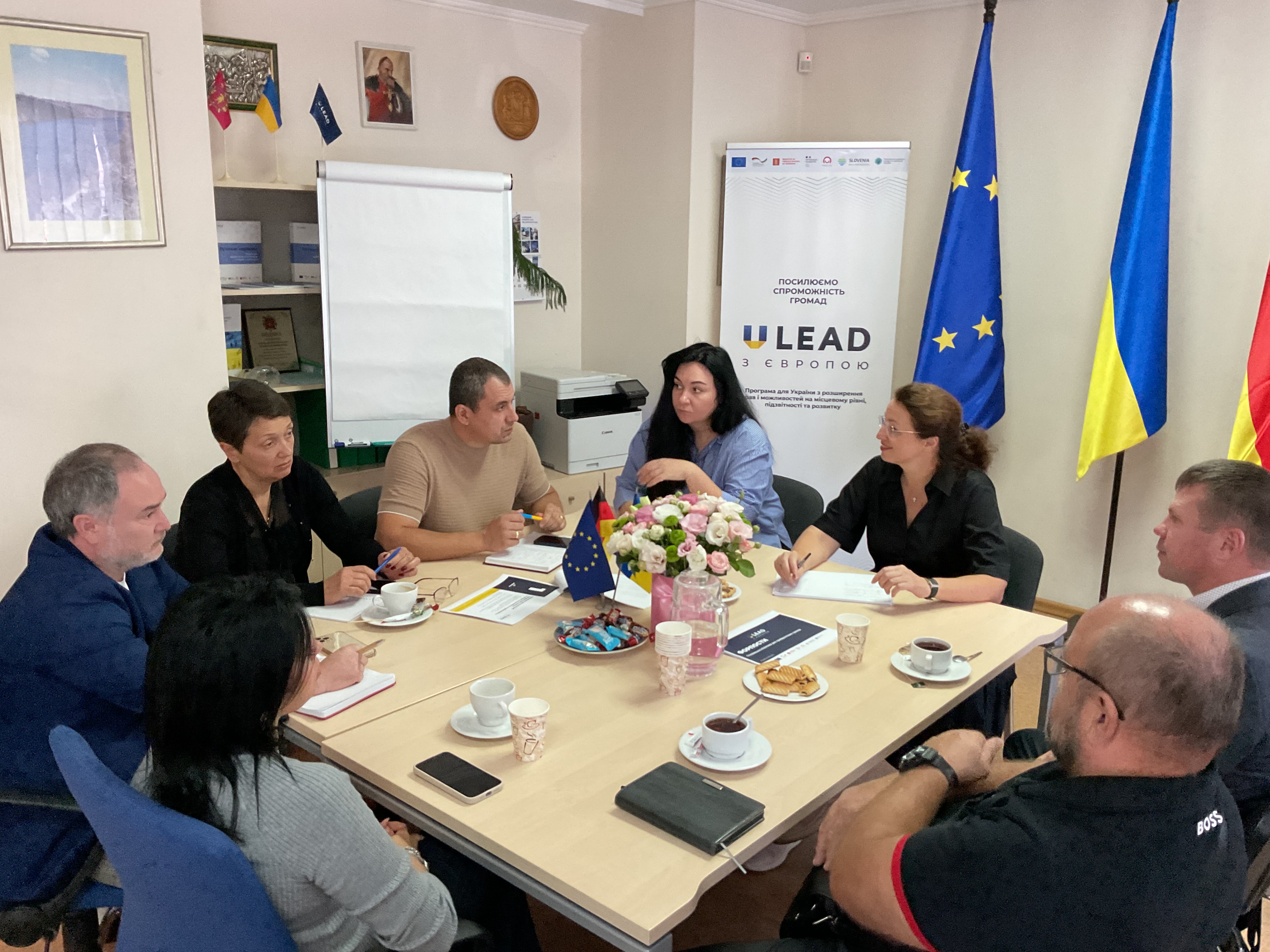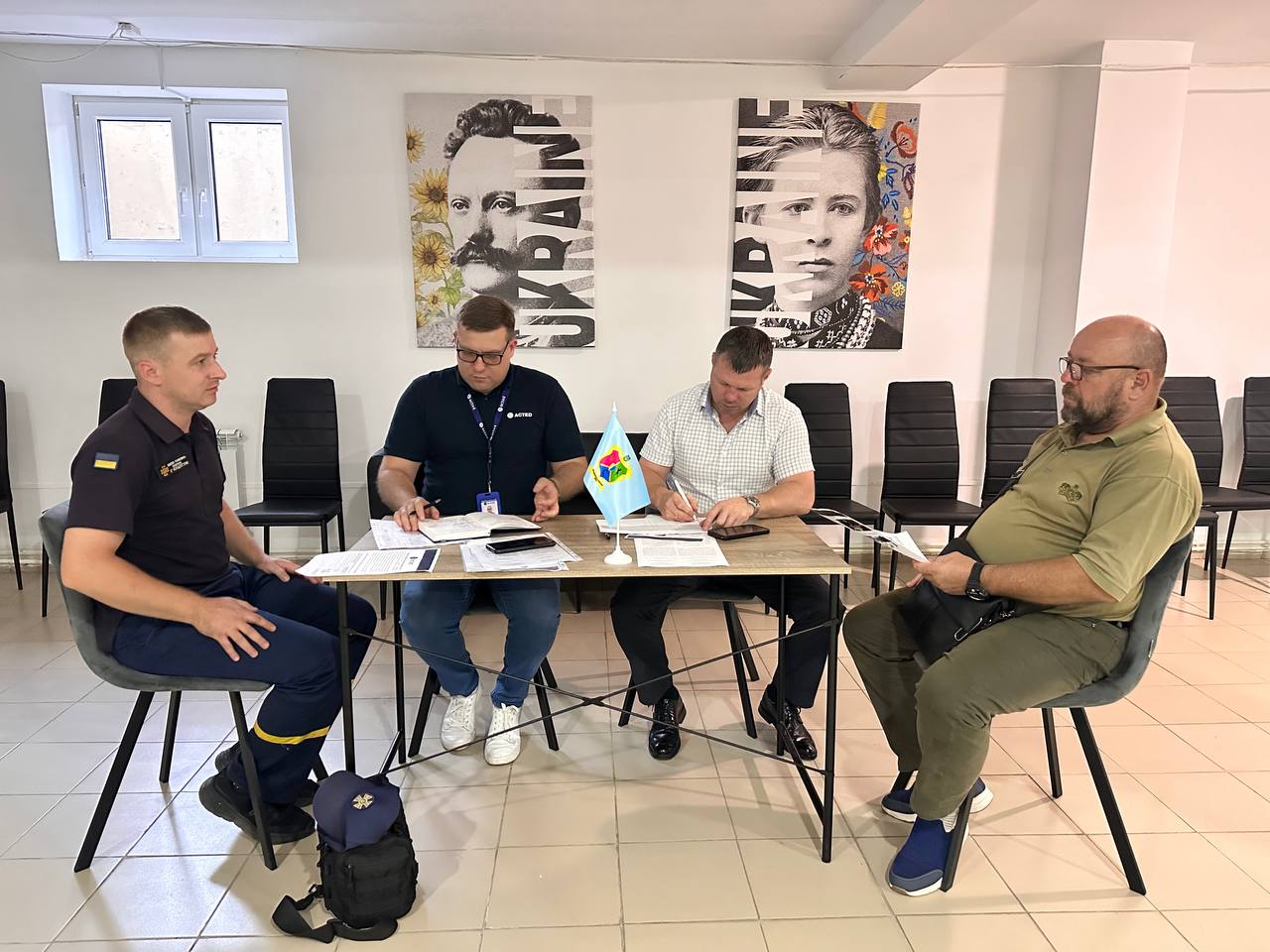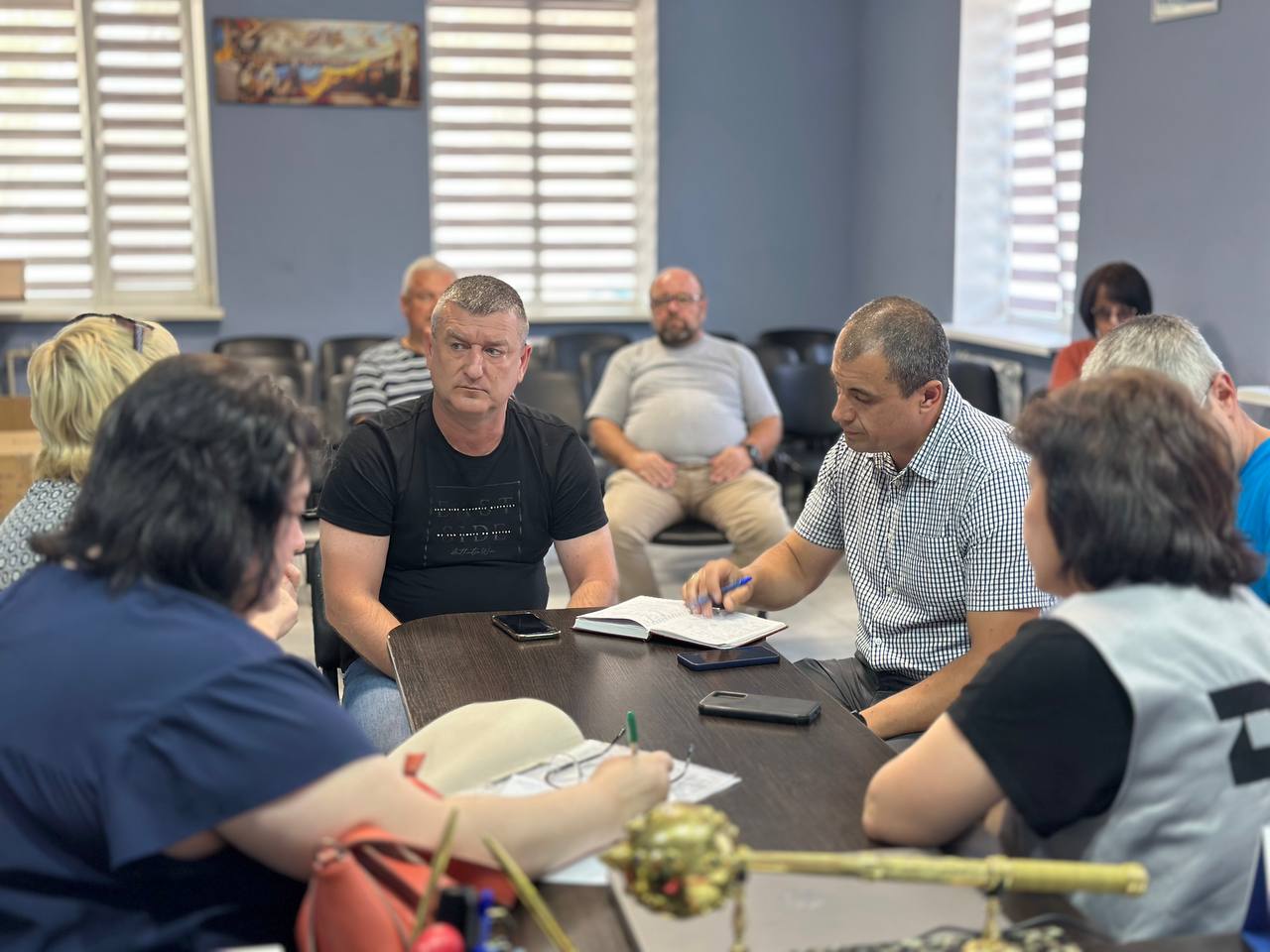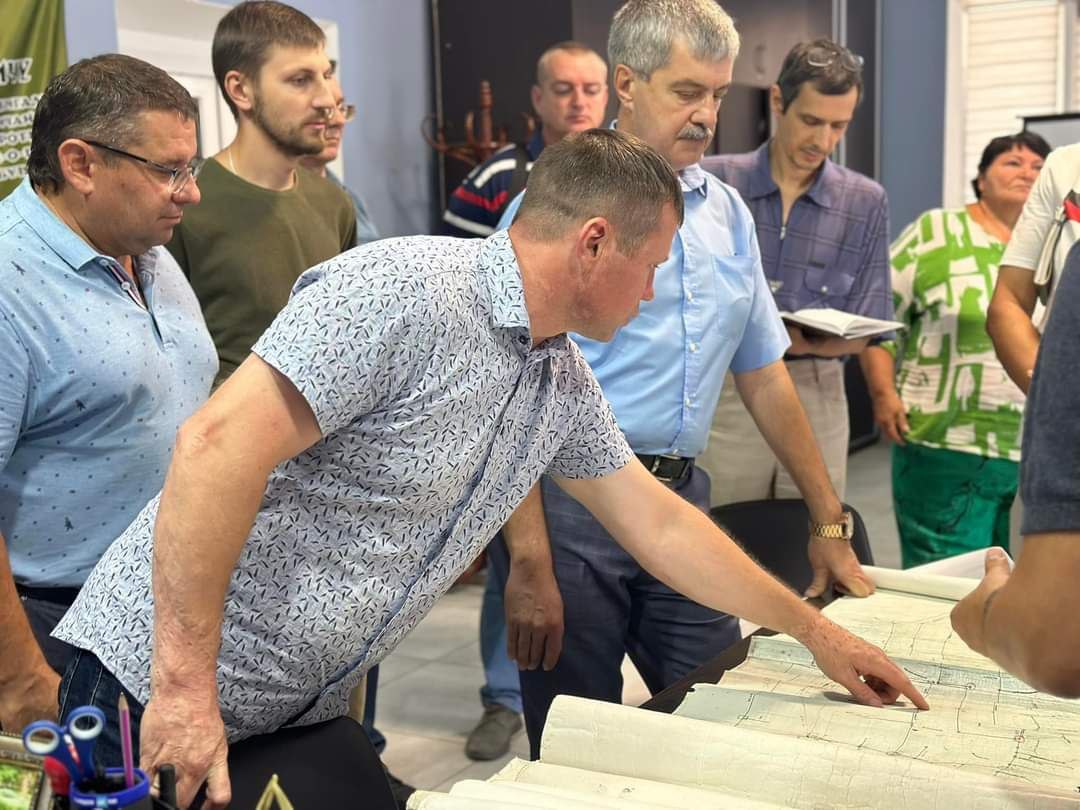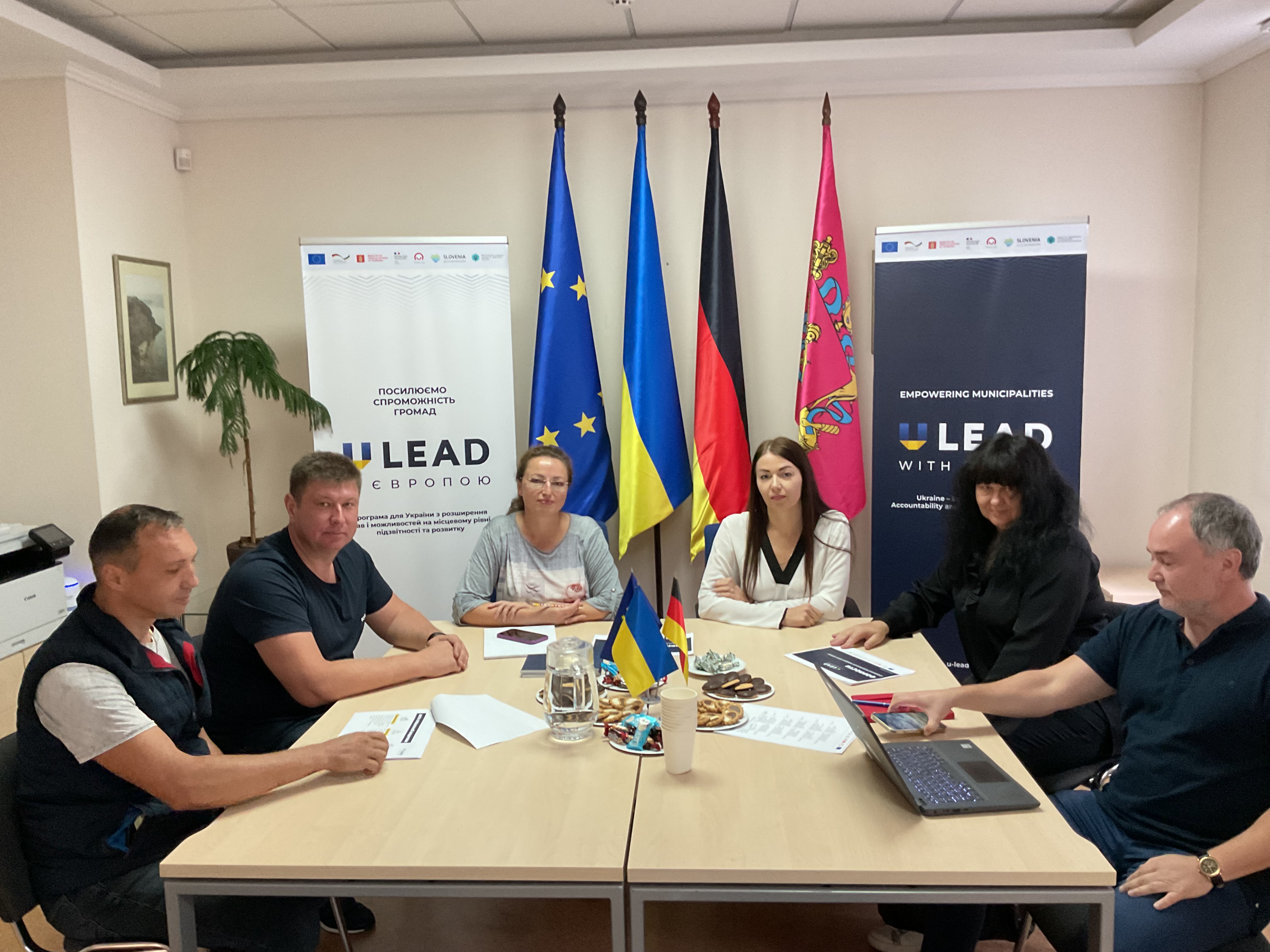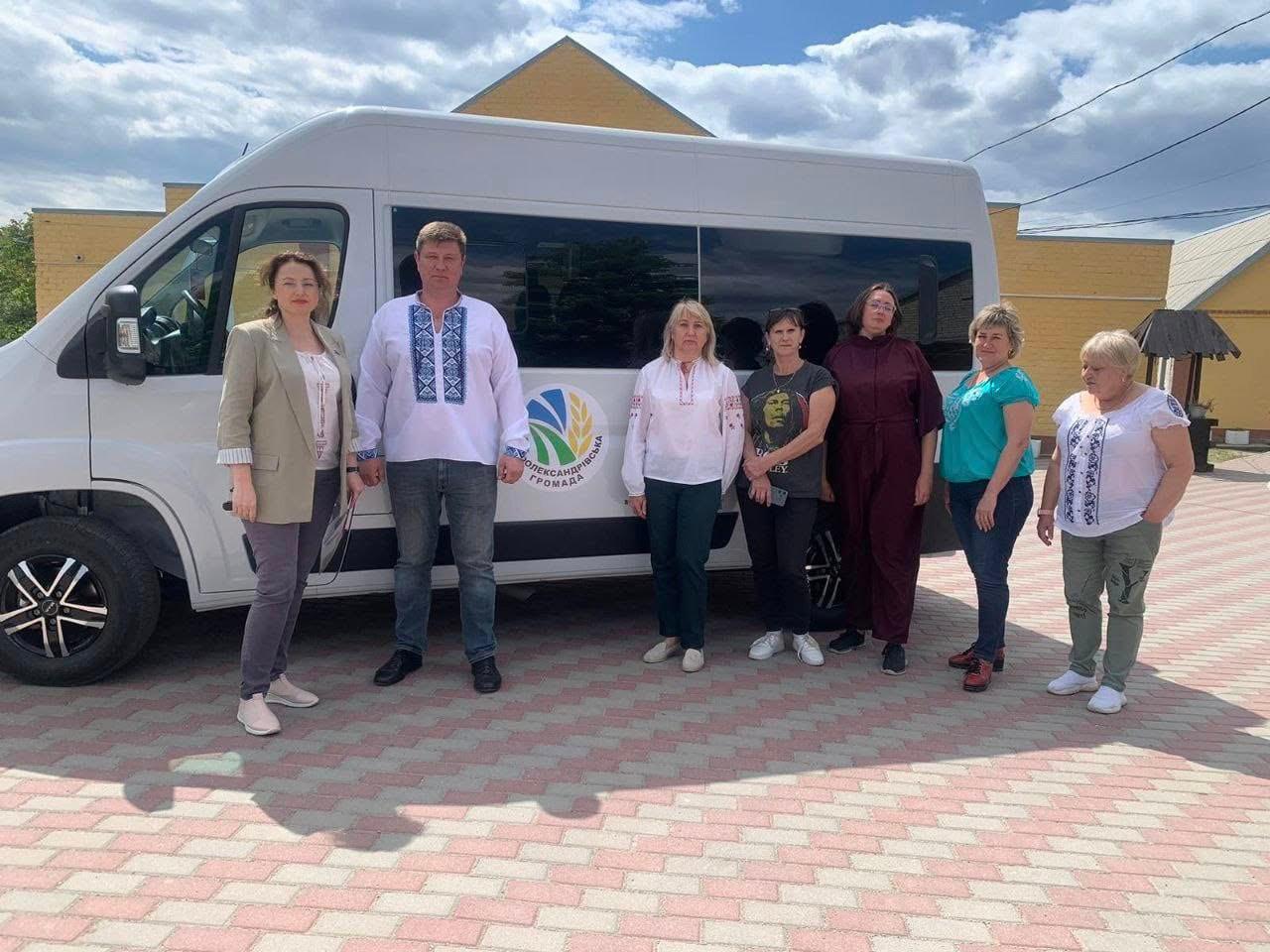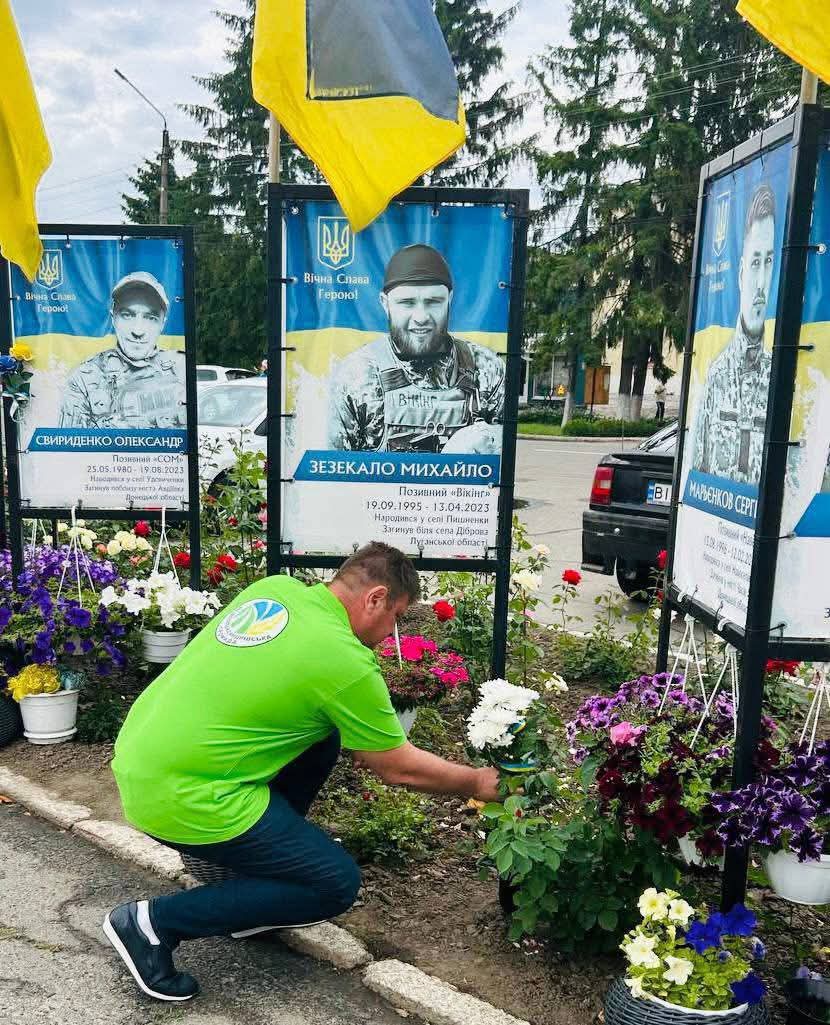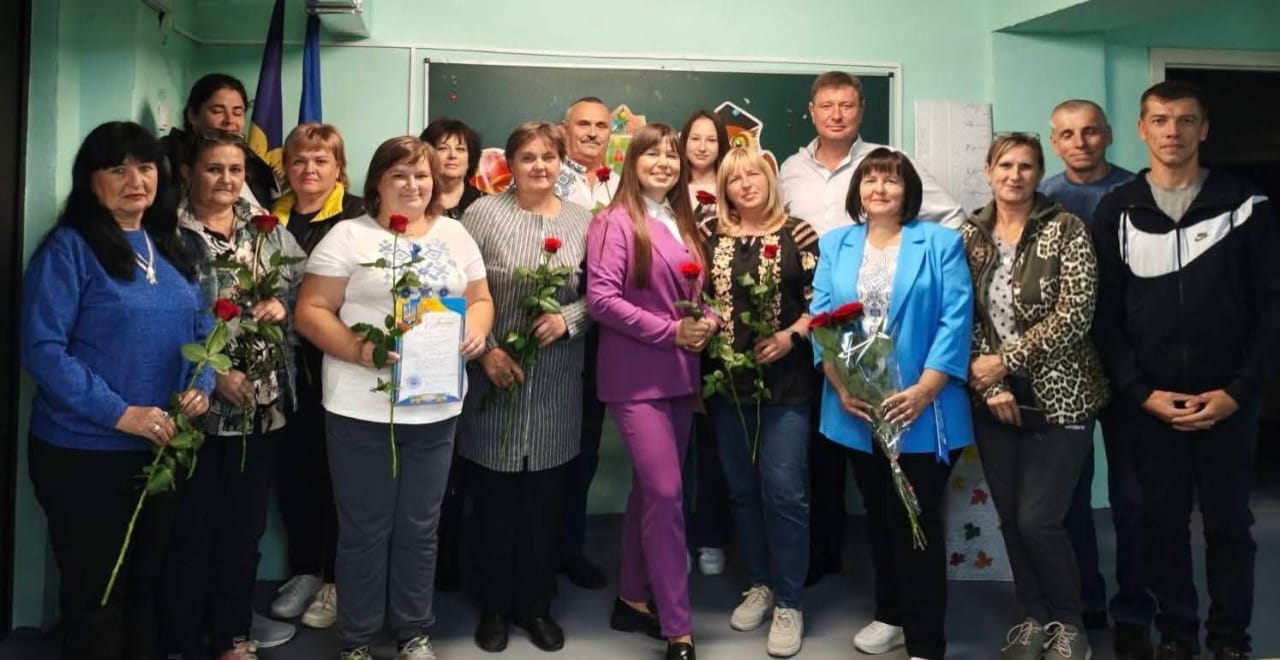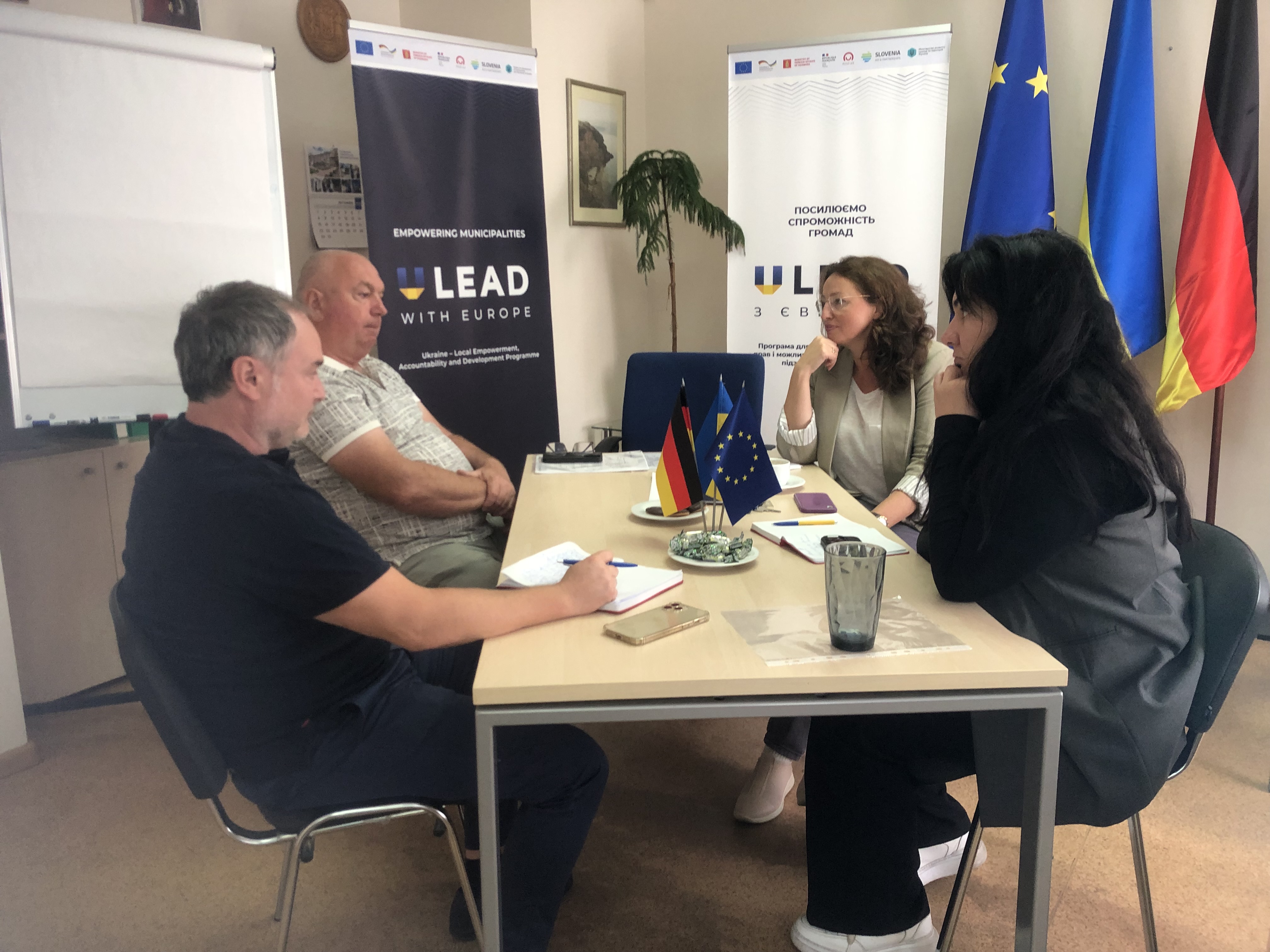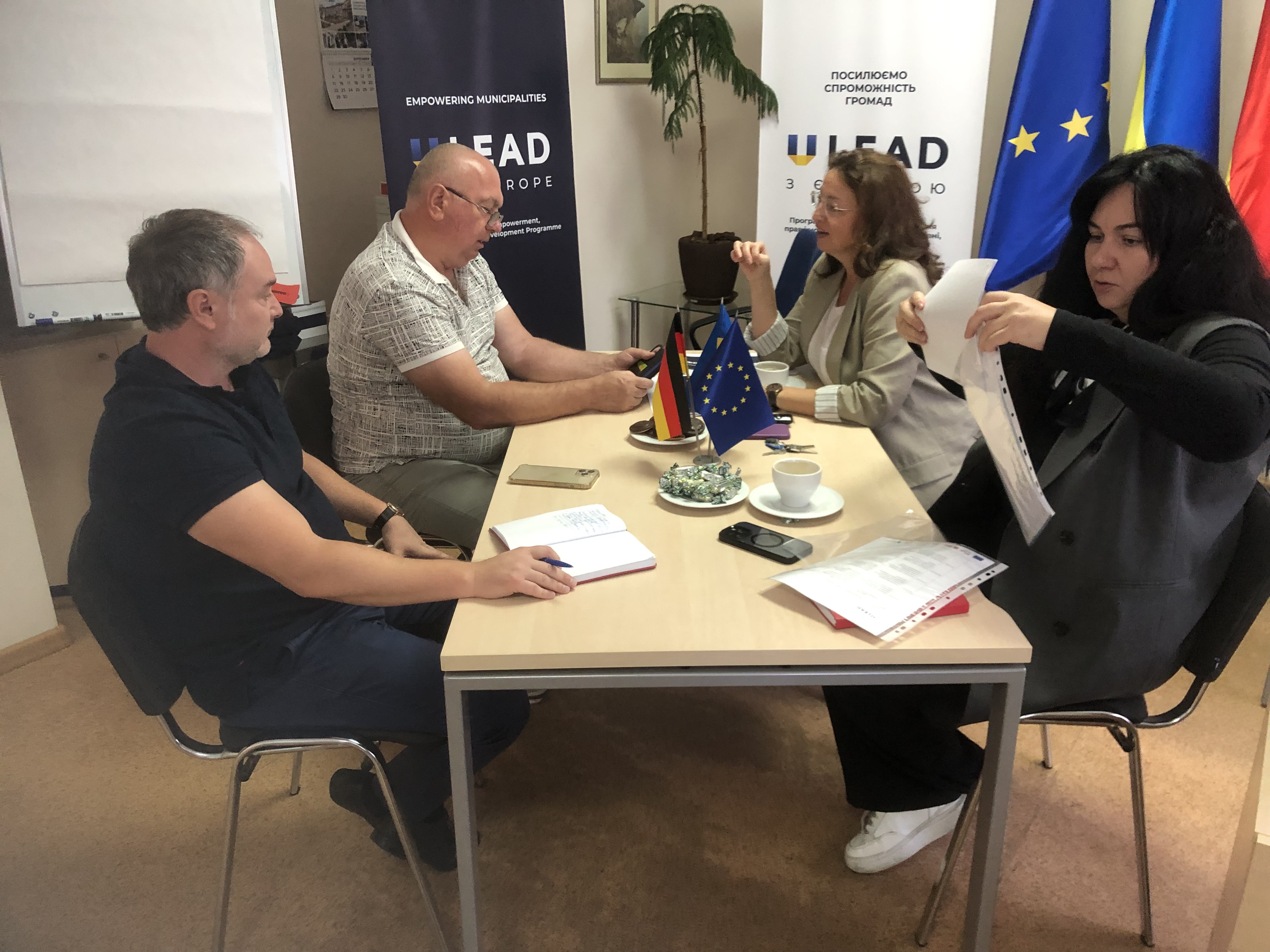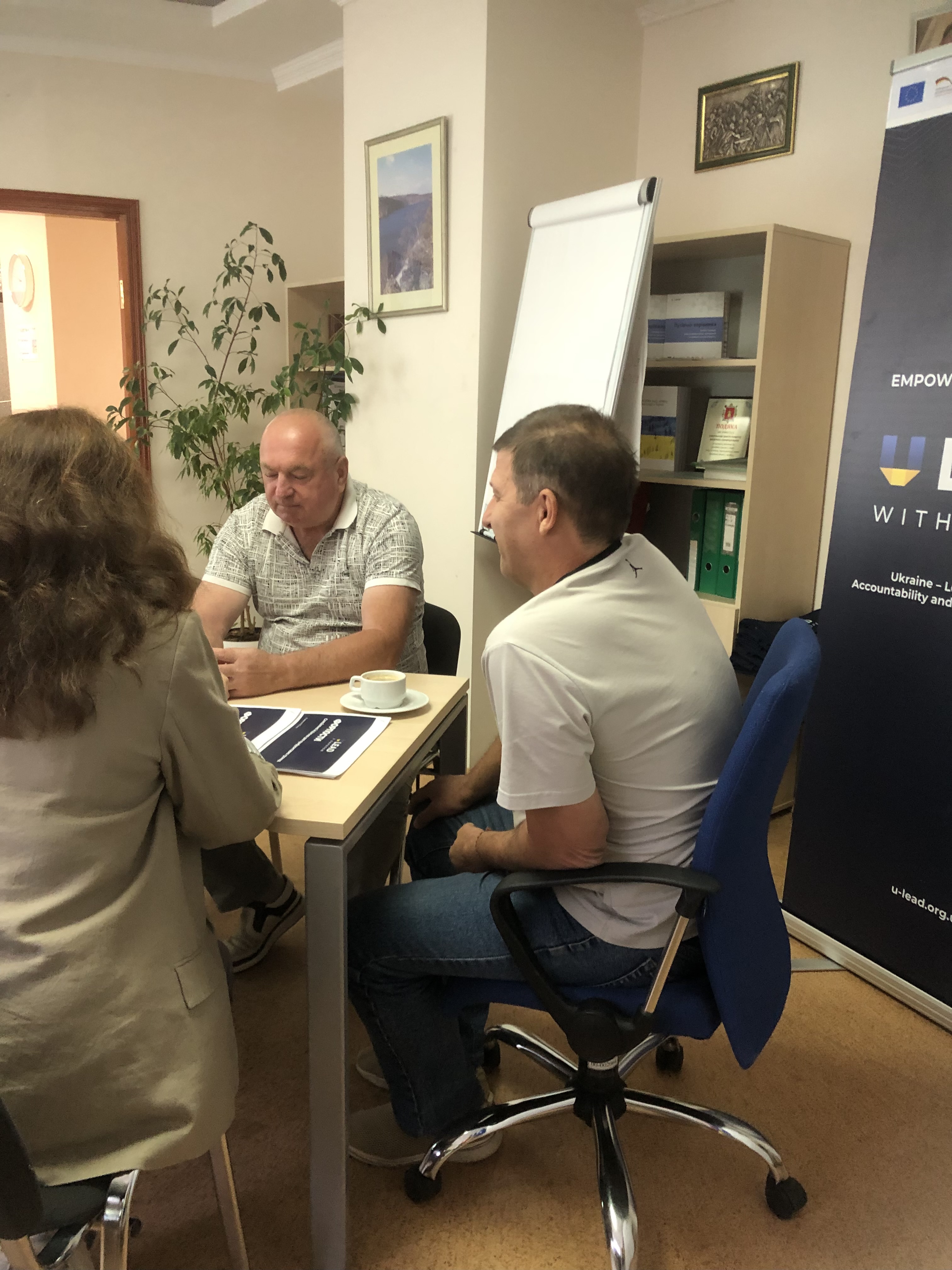




U-LEAD with Europe advises local teams, helps find practical solutions, share experiences, streamline the functioning of institutions and plan further development. Municipalities stay in touch, share best practices and work together to find ways to keep things stable where it’s hardest.
This article highlights the experiences of municipalities in Zaporizhzhia Oblast that have joined the initiative and continue to serve their communities despite daily challenges.
Tavriiske municipality: stability through cooperation
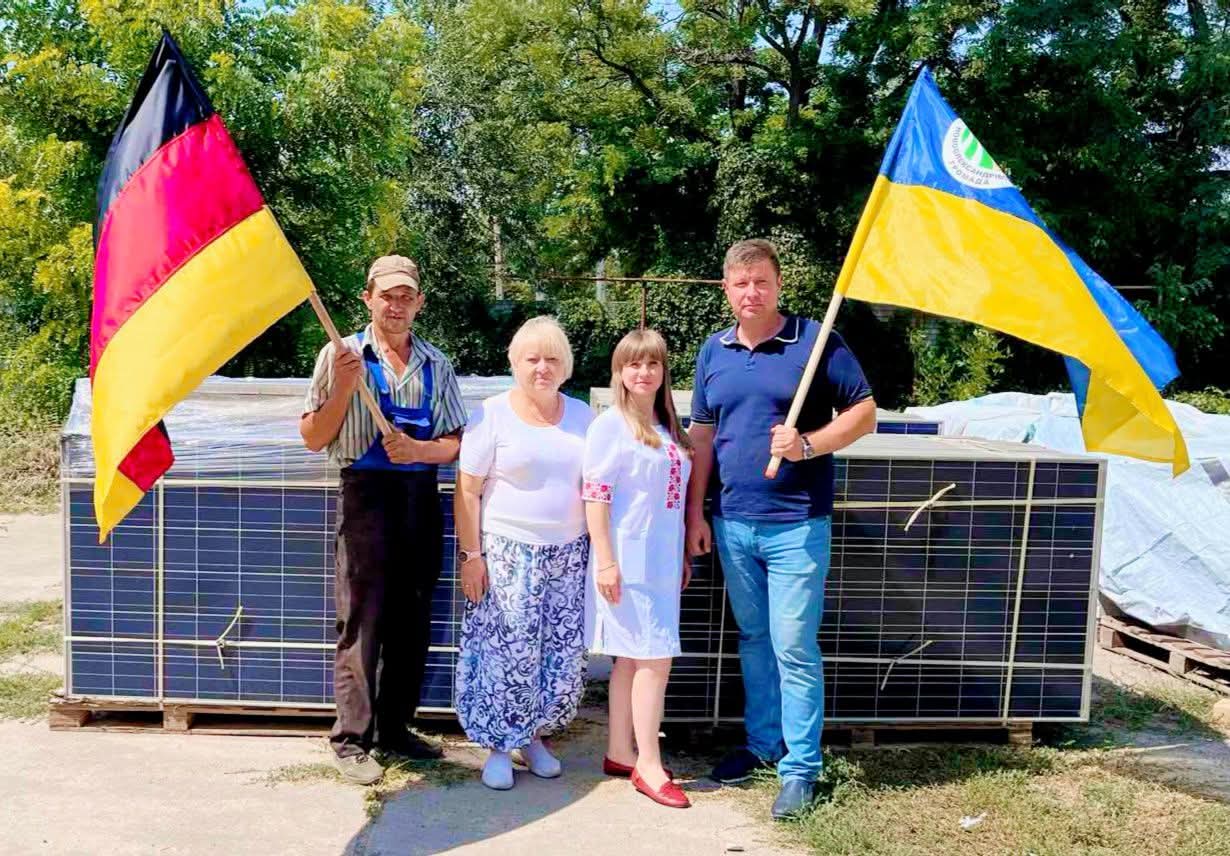
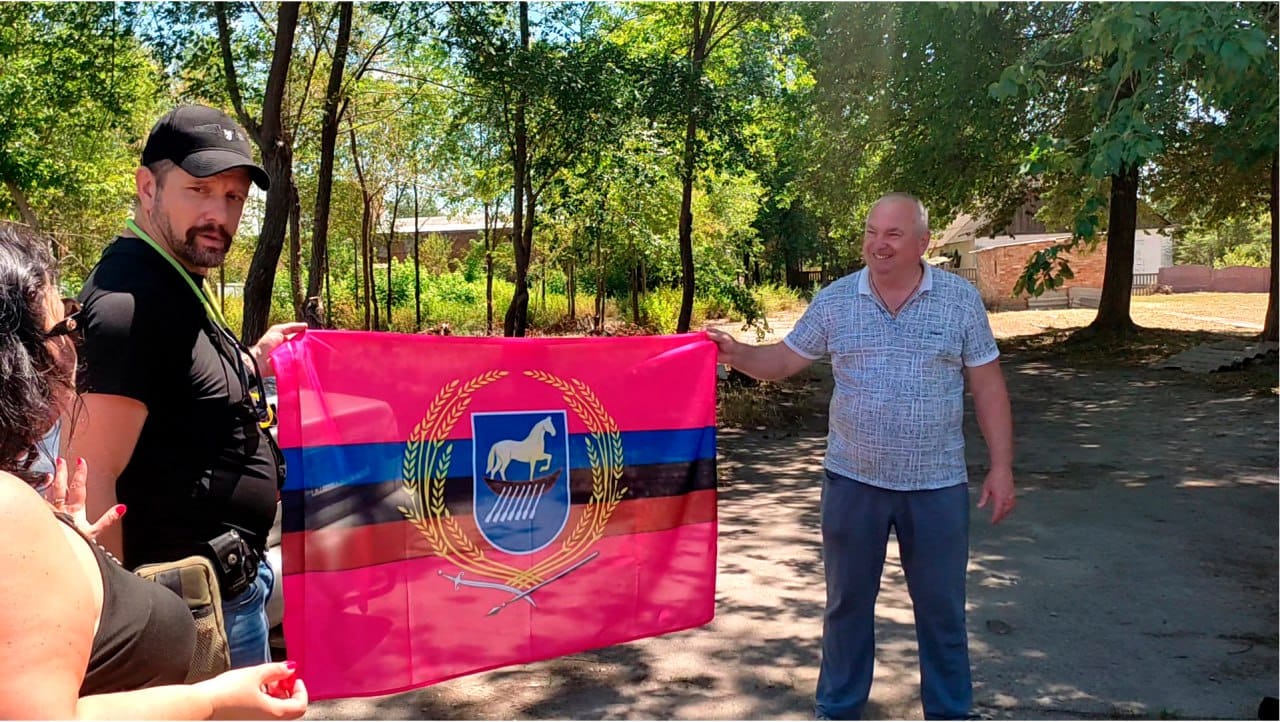
The municipality of Tavriiske functions in harsh conditions, where almost every management decision requires prudence and flexibility. Due to the restricted access to state registers, it is tricky to properly register the addresses of facilities and finish updating evacuation plans. Improving safety became one of the priorities: the municipality developed a centralised warning system project on its own to promptly inform residents in case of danger. At the same time, efforts are being made to strengthen healthcare services, most of which are currently provided by military medics.
Despite all the difficulties, Tavriiske team remains stable and continues to develop. They have completed the process of establishing boundaries and state registration of the territory and built cooperation with the neighbouring municipality of Komyshuvakha. In addition, the municipality has partnered up with the municipality of Horokhiv in Volyn Oblast: this bond has become a symbol of support and mutual understanding between the regions.
“The first day of the war was the toughest, as everyone was confused and didn’t know what to do. However, decentralisation has taught us to be independent and responsible, so on the very first day, the entire team met and set priorities. Safety was the first priority: we organised round-the-clock patrols by council employees and residents. I believe that working together is a symbol of our municipality’s resilience,” says Mykola Svyrydenko, the Head of Tavriiske Village Council.
Novooleksandrivka municipality: systematic approach and competence
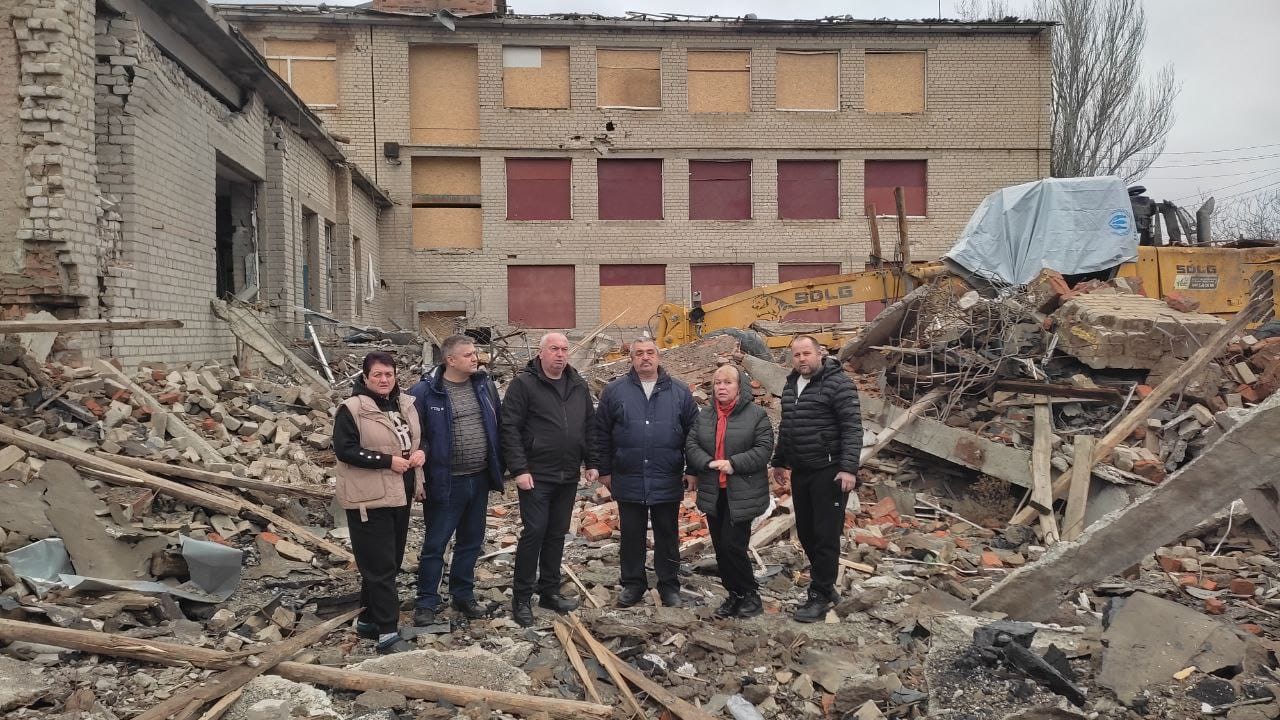
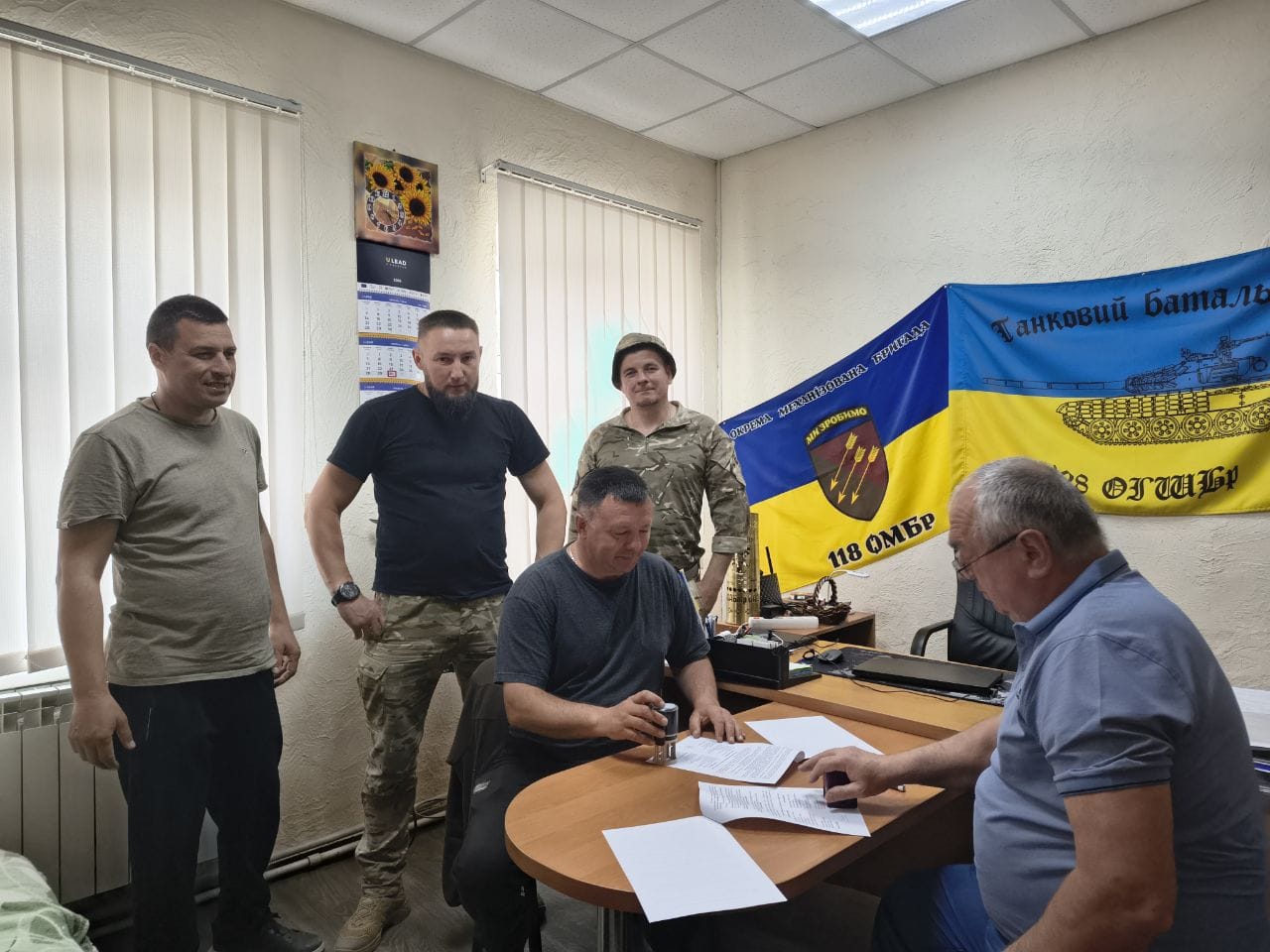
For the municipality of Novooleksandrivka, one of the key challenges is the safety of workers who go to inspect the territories after shelling. The team works seamlessly: it has developed instructions, coordinates actions with the military and services and implements internal response protocols. In times of staff shortage, the municipality relies on competence and mutual support: everyone has a clear understanding of their responsibilities, enabling them to respond quickly to challenges and maintain stability.
“We are committed to ensuring that the municipality remains manageable. It is important to have a system where everyone understands their role. This helps to respond quickly, maintain calm and keep people’s trust,” says Oleksandr Korniienko, the Head of Novooleksandrivka Village Council.
Another component of resilience is open dialogue with the public. In addition to online communication channels, face-to-face meetings are held to discuss decisions, share suggestions and maintain a sense of unity.
“Although we are diverse, we all aspire to the same things: peace, development and growth. Our secret lies in unity and competence. These are what help the Novooleksandrivka municipality to hold the fort,” concludes Mr Korniienko.
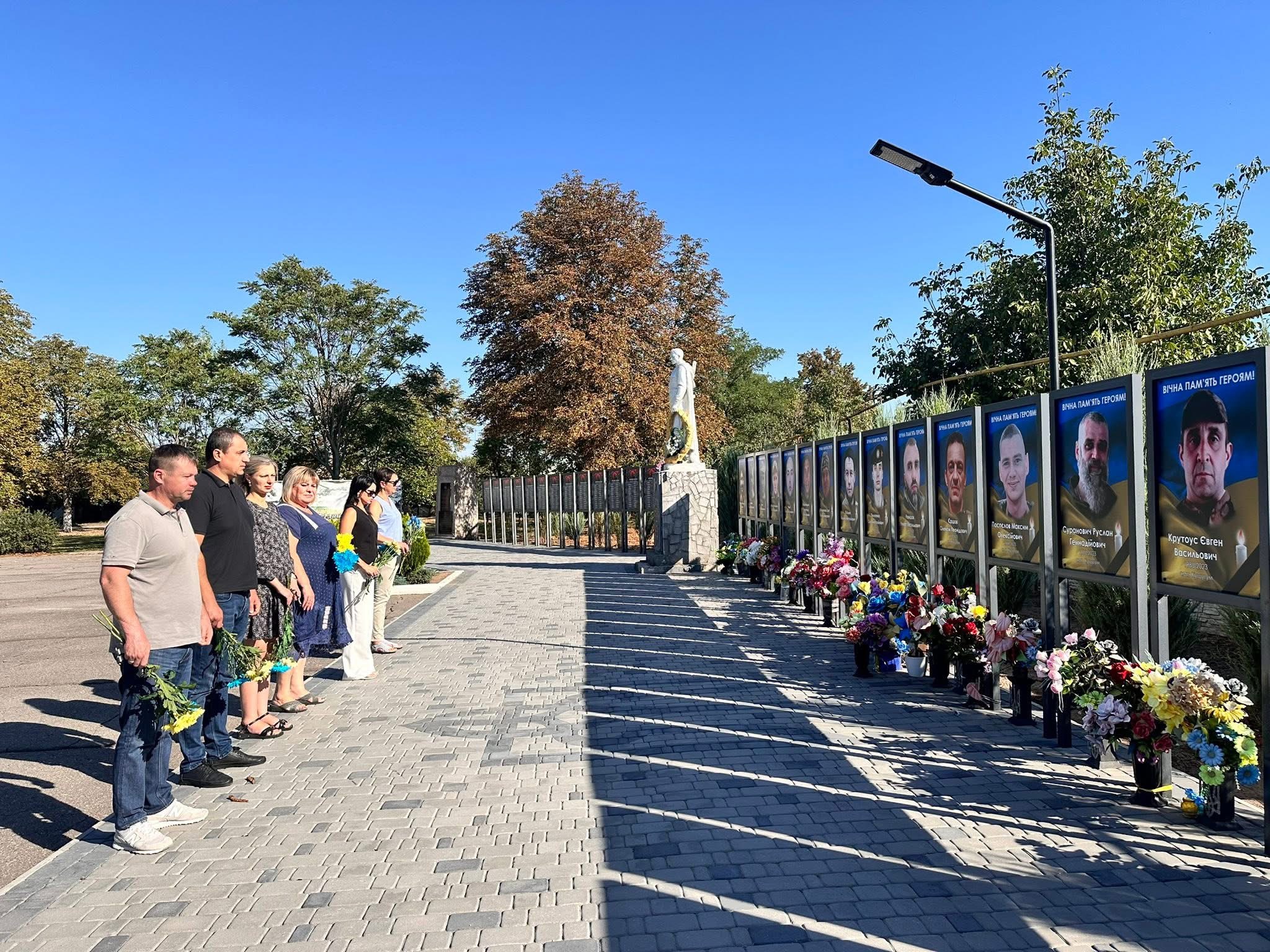
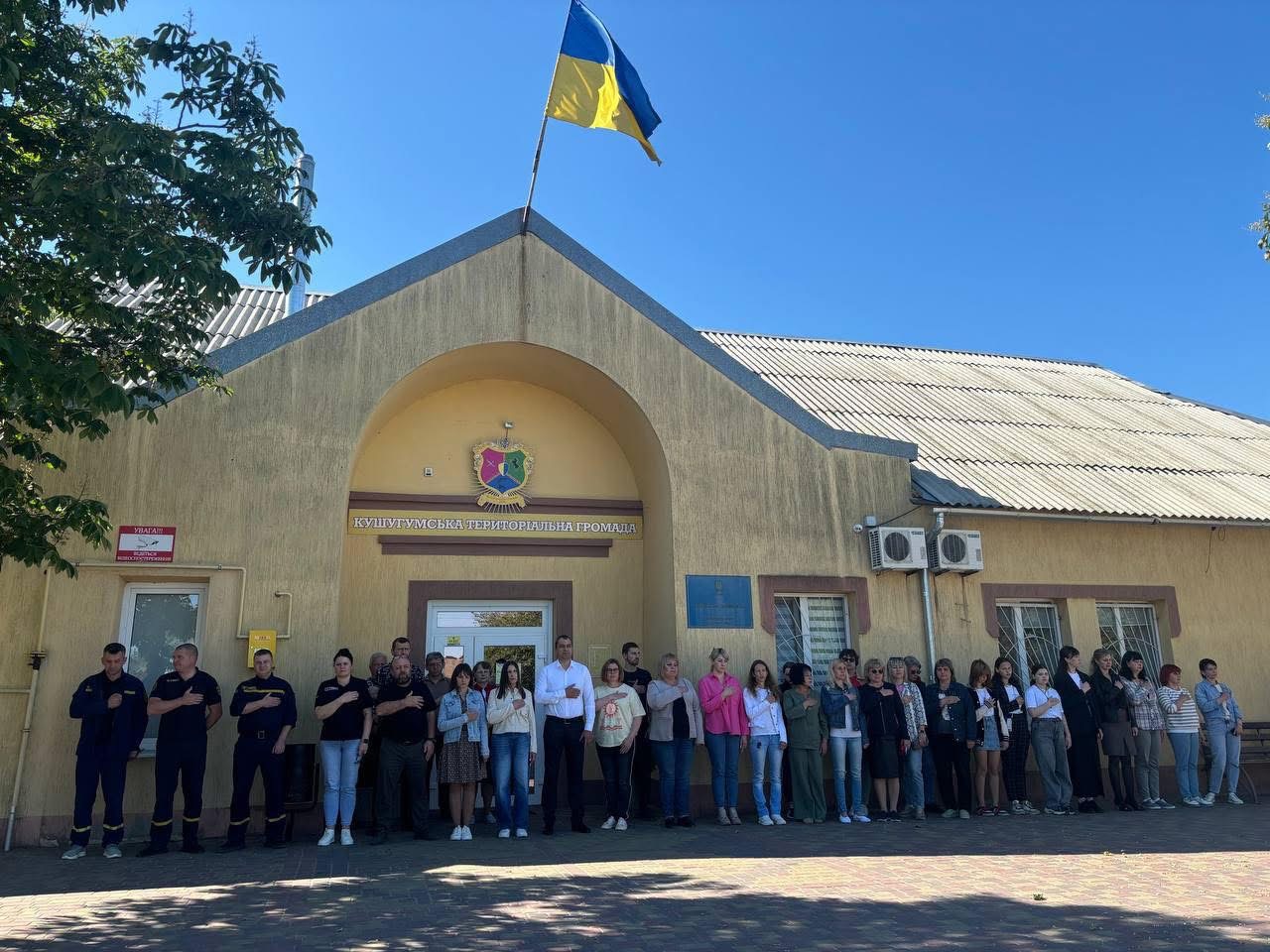
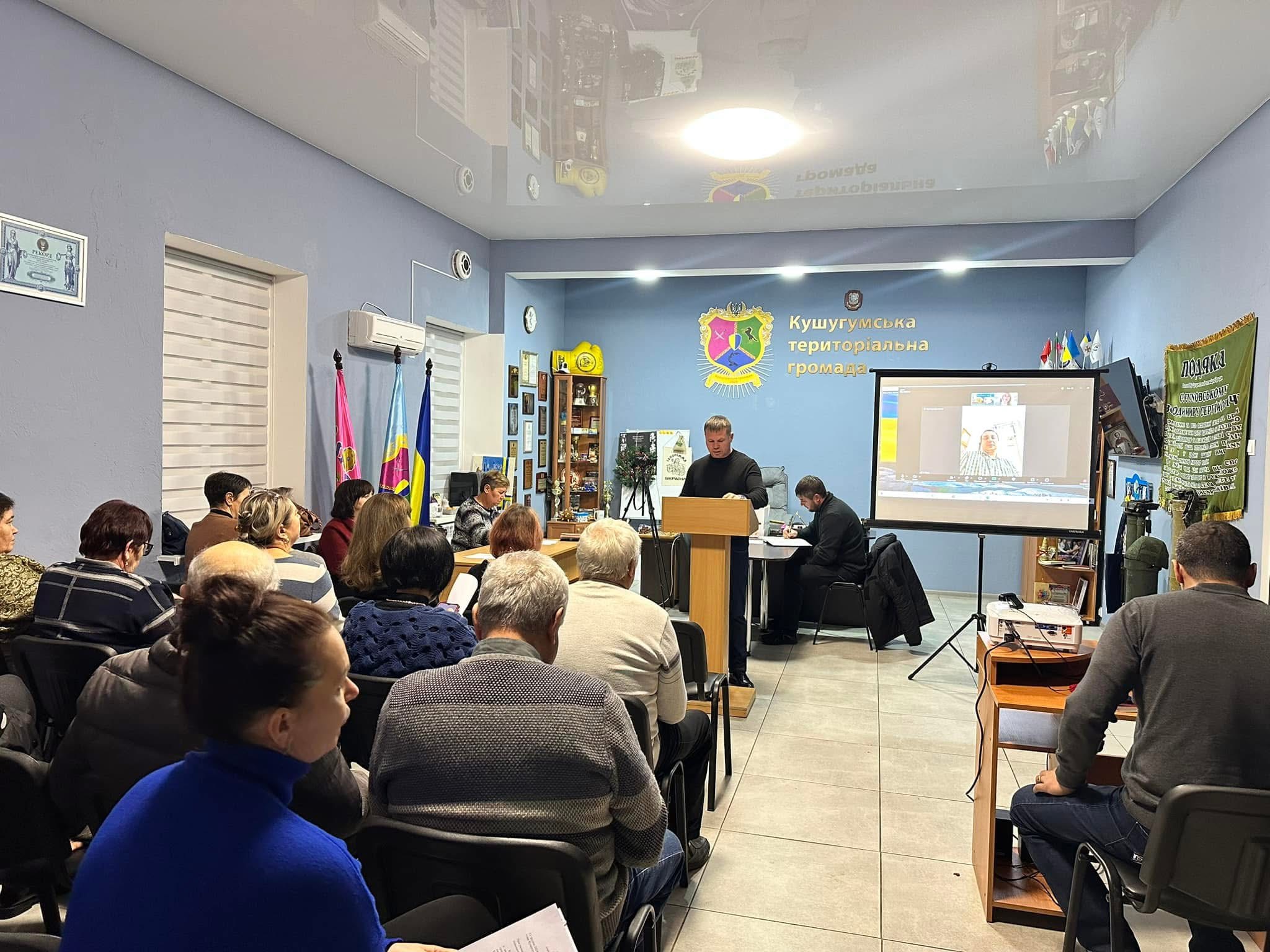
Kushuhum municipality: life-sustaining development
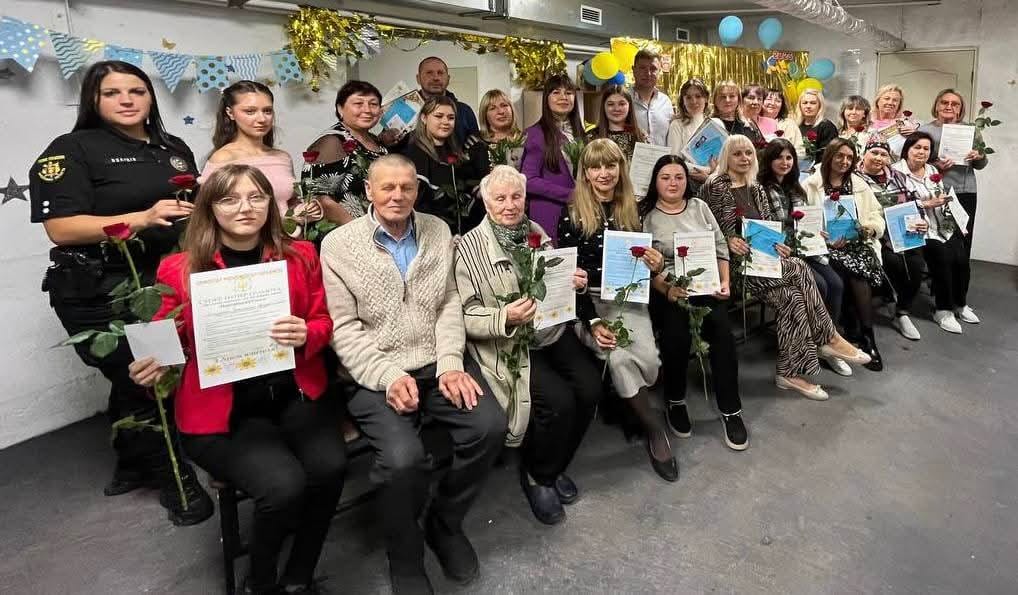
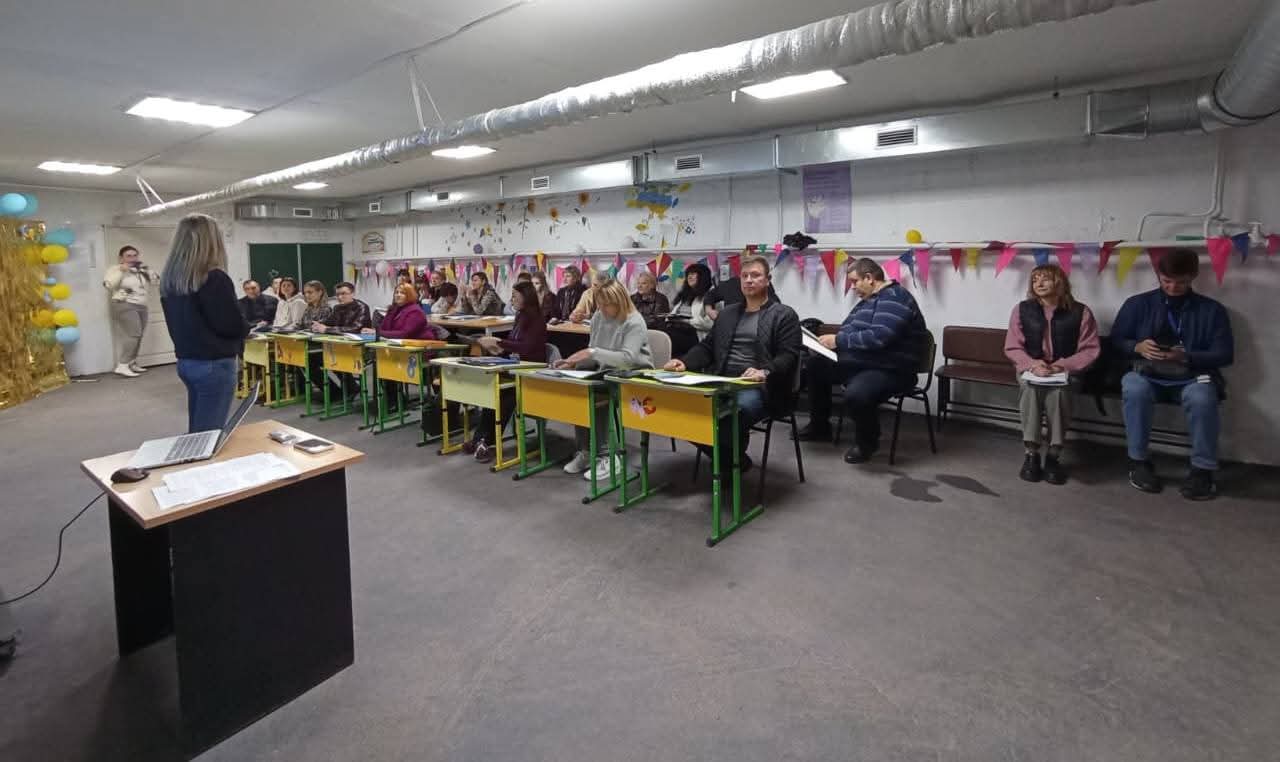
The municipality of Kushuhum is a good example of how it is possible to develop social services and support people even right next to the front line. Children here are taught in an “underground school” — modified bomb shelters that provide safe conditions for study. At the same time, the municipality is building up its support infrastructure: they created a space for the elderly with the assistance of U-LEAD in 2024. Over time, other services opened nearby, including the Centre for Resilience, the Domestic Violence Protection Centre and the Greco-Roman Wrestling Club.
“Every day, we seek to strike a balance between safety, education and helping people. The biggest challenge is allocating resources correctly when they are limited. That is why we cooperate with partners, apply for grants and engage local businesses and active residents. For us, being an outpost of resilience means remaining human, supporting each other and not losing faith, even when times are tough. The Kushuhum municipality is a rock that keeps things running smoothly in the rear and keeps building the future,” says Vladyslav Vasileha, the Deputy Head of Kushuhum Village Council.
Summary
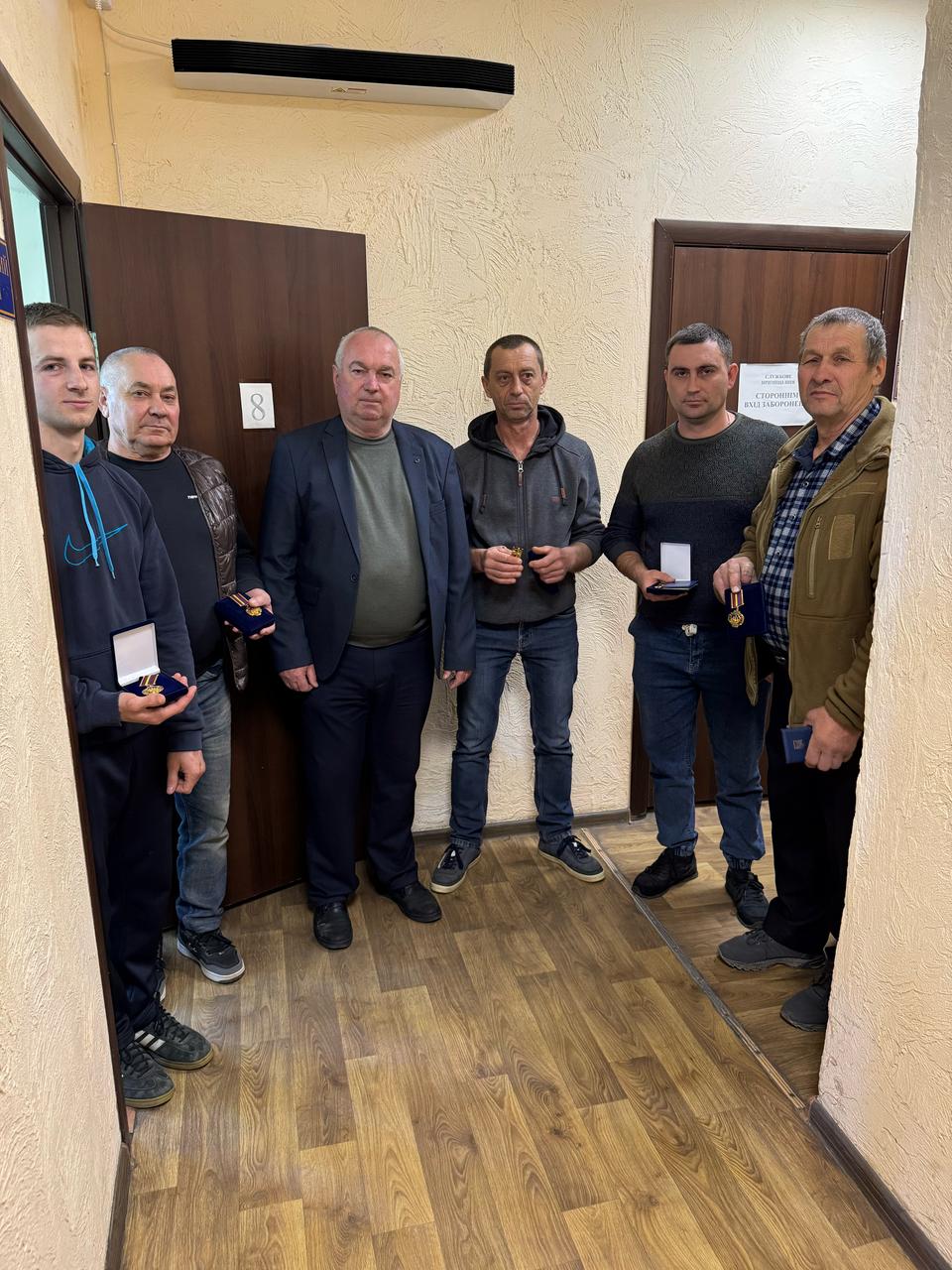
Each of these cases is, first and foremost, a story about the people who make up local self-government — teams for which the municipality is their family, a place of support and development even in the most difficult conditions of war.
“Outpost municipalities are a testament to resilience and fortitude. Located near the front line, they not only keep things safe, but also keep looking after people. They all have partners in the national project “Shoulder-to-Shoulder Cohesive Communities”, where they share their experiences and receive support from municipalities in the rear. I am truly proud to be able to work with these responsible, strong and compassionate local self-government teams,” concludes Tetiana Bordyug, the Head of the Regional Office of U-LEAD in Zaporizhzhia Oblast.
This initiative of U-LEAD with Europe shows that even in times of war, people in local government stay true to their mission — to look after the good of the municipality, support people and rebuild life where it seems hardest.