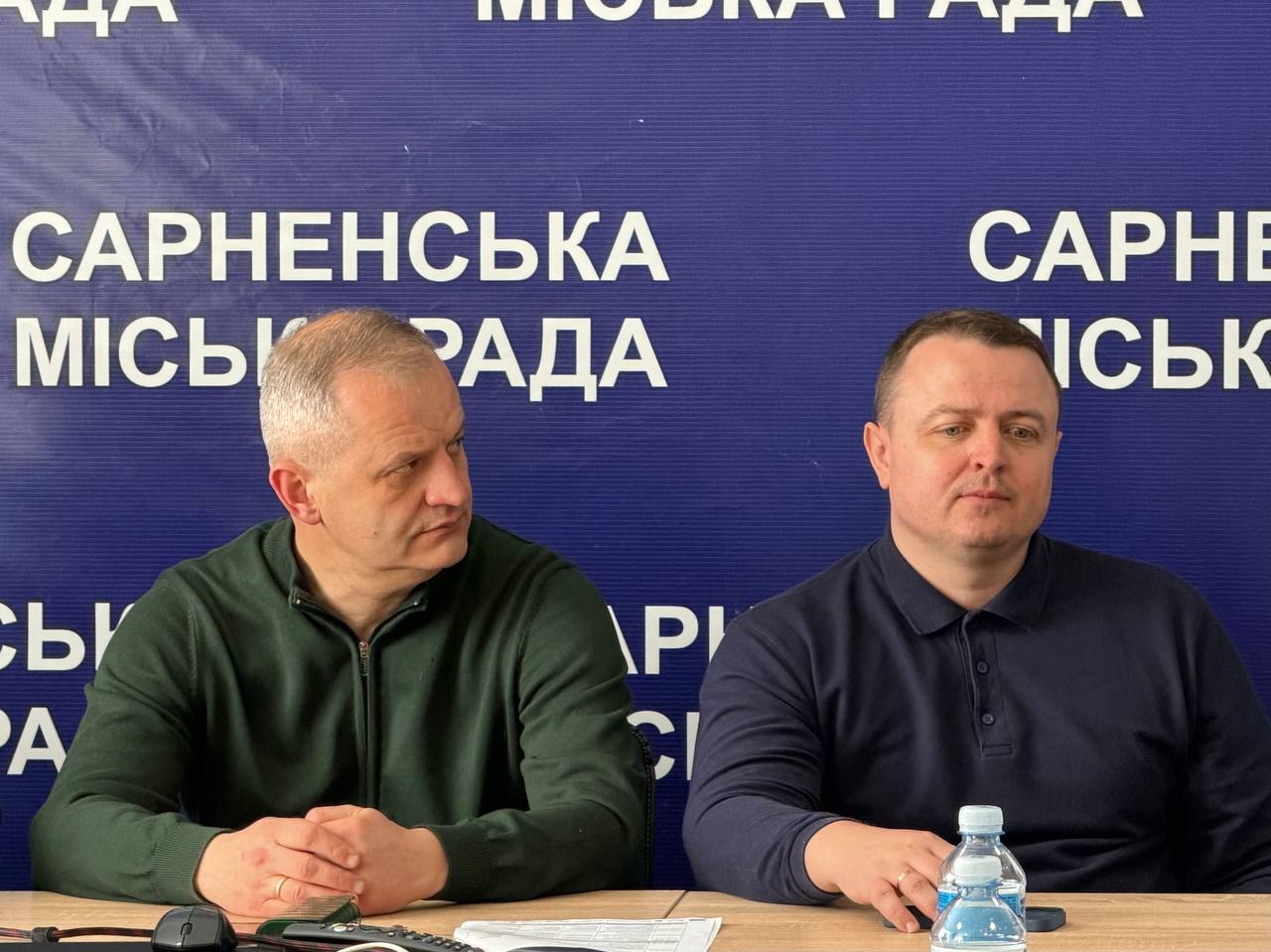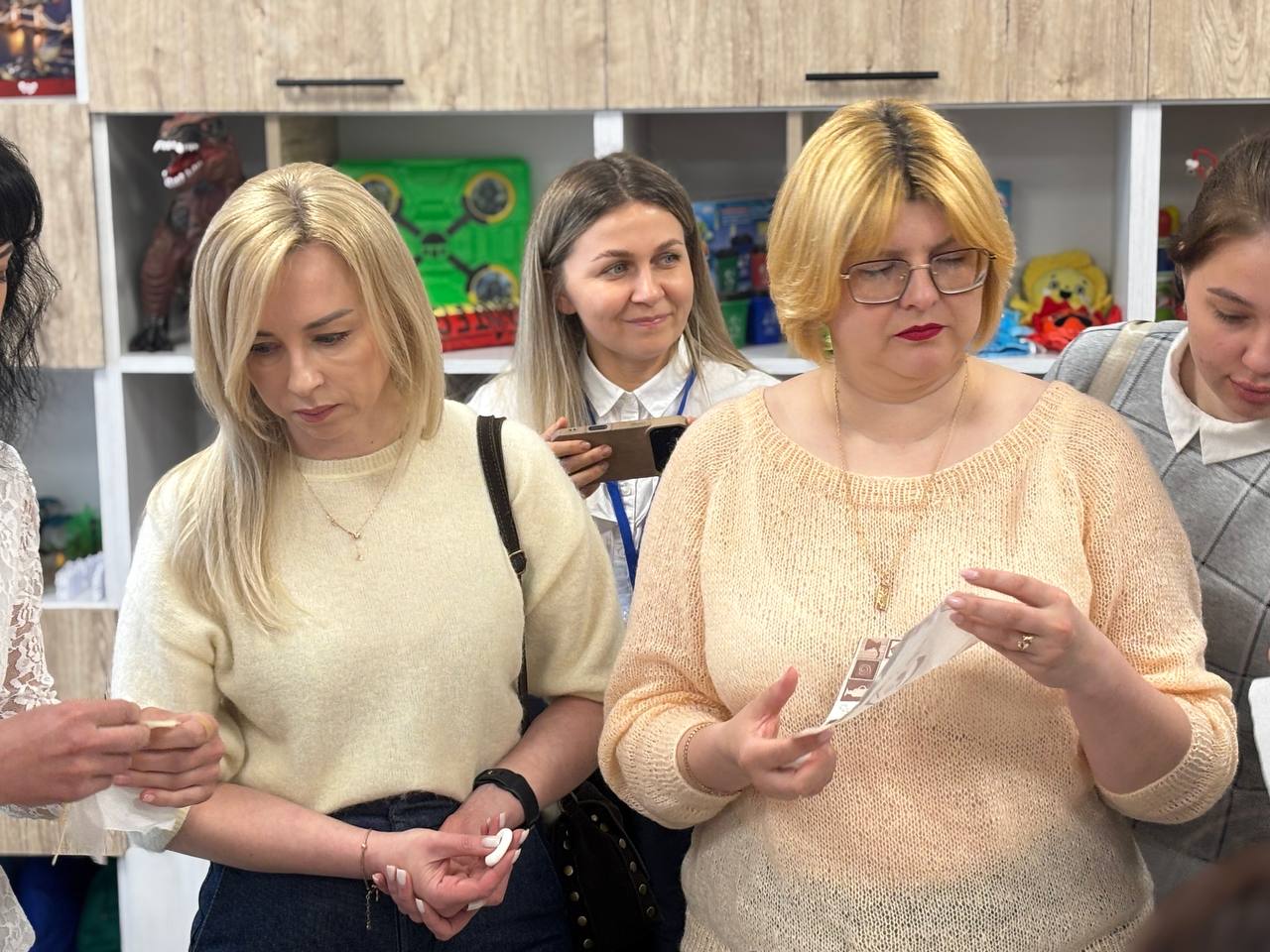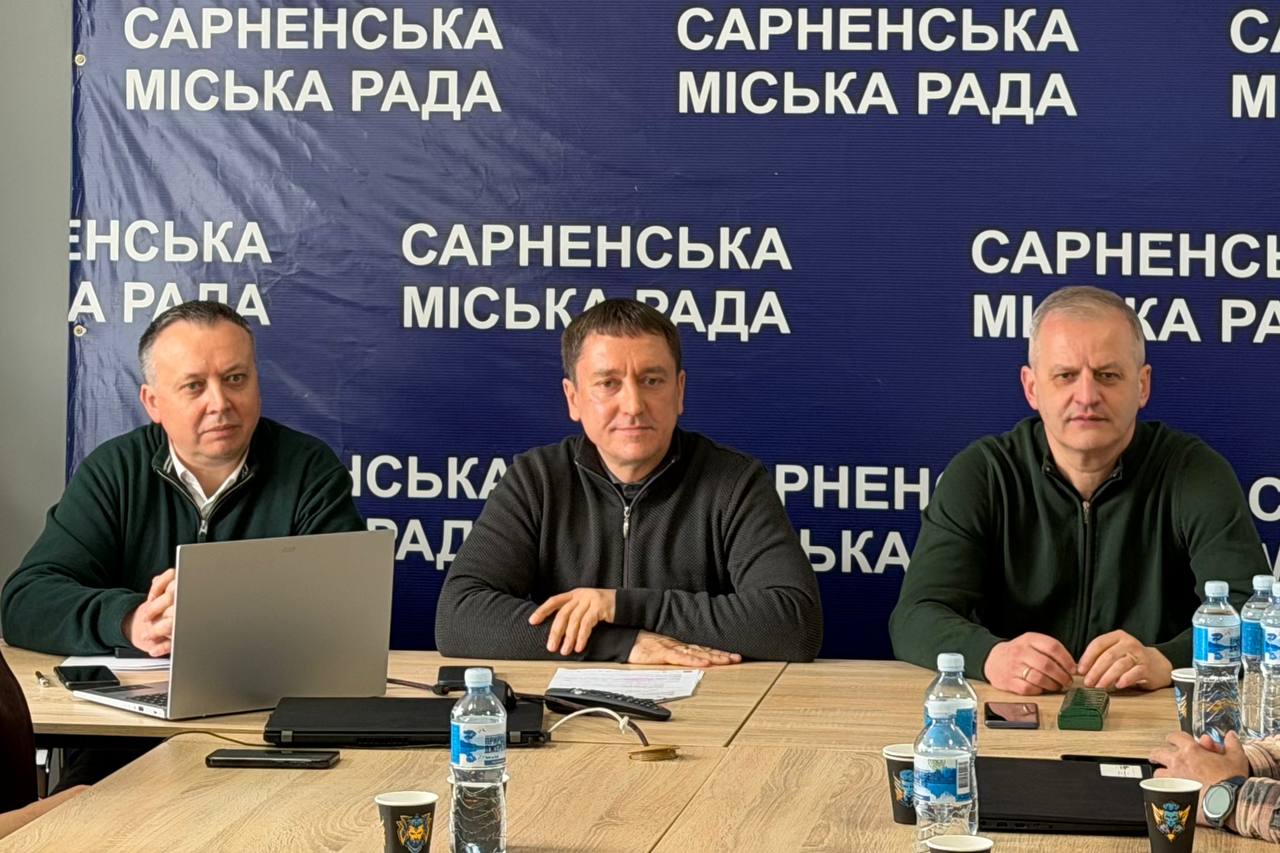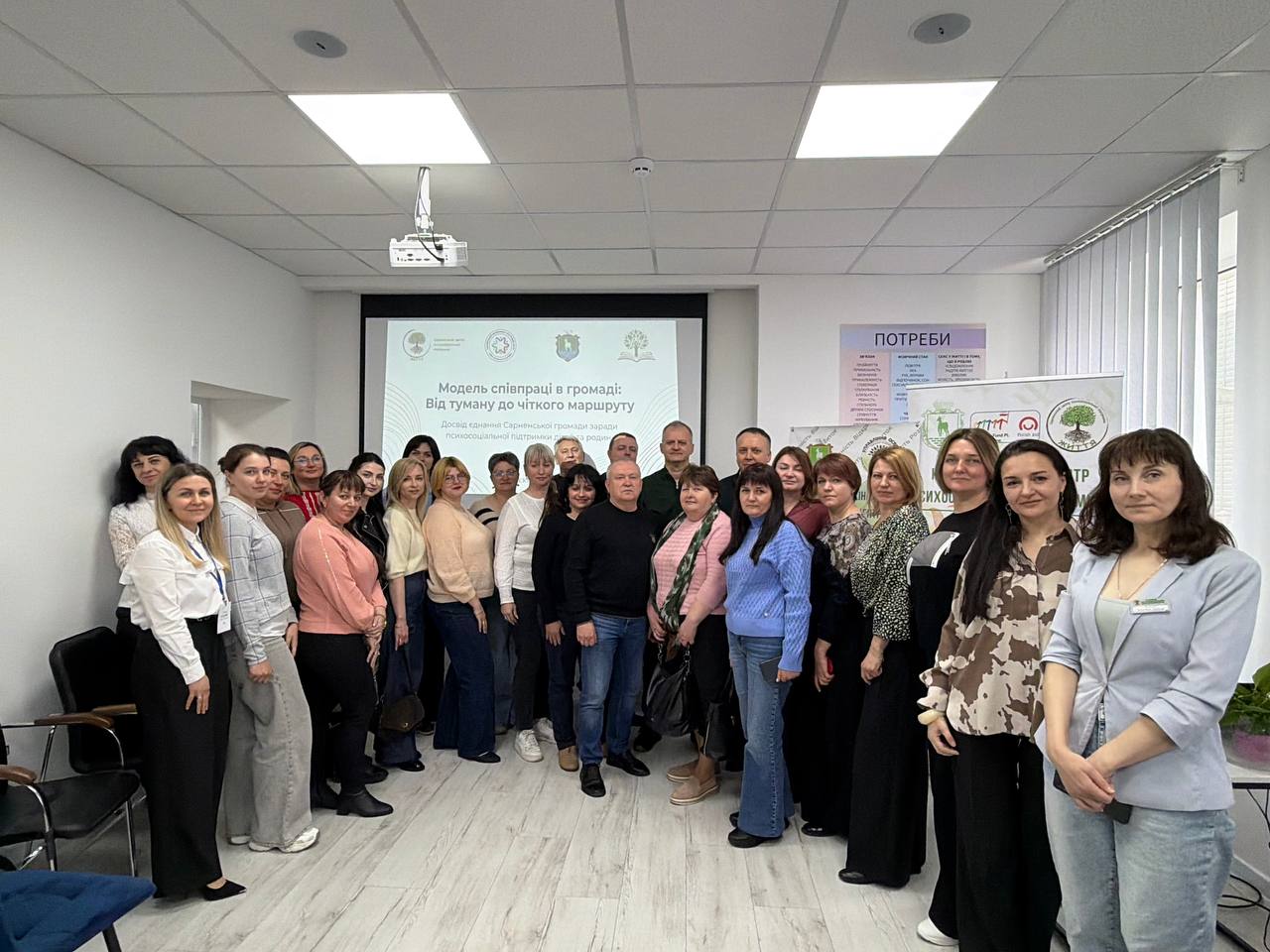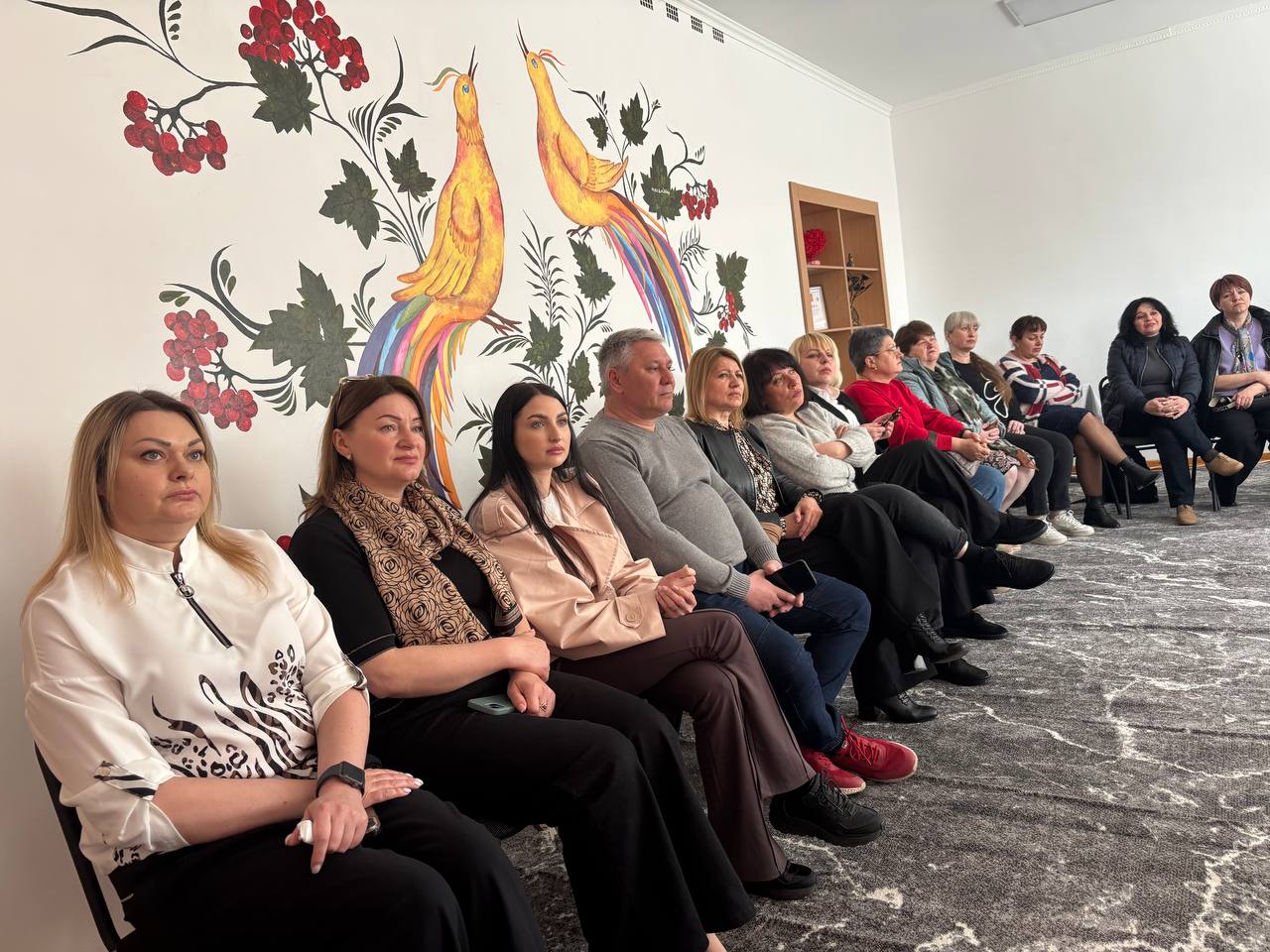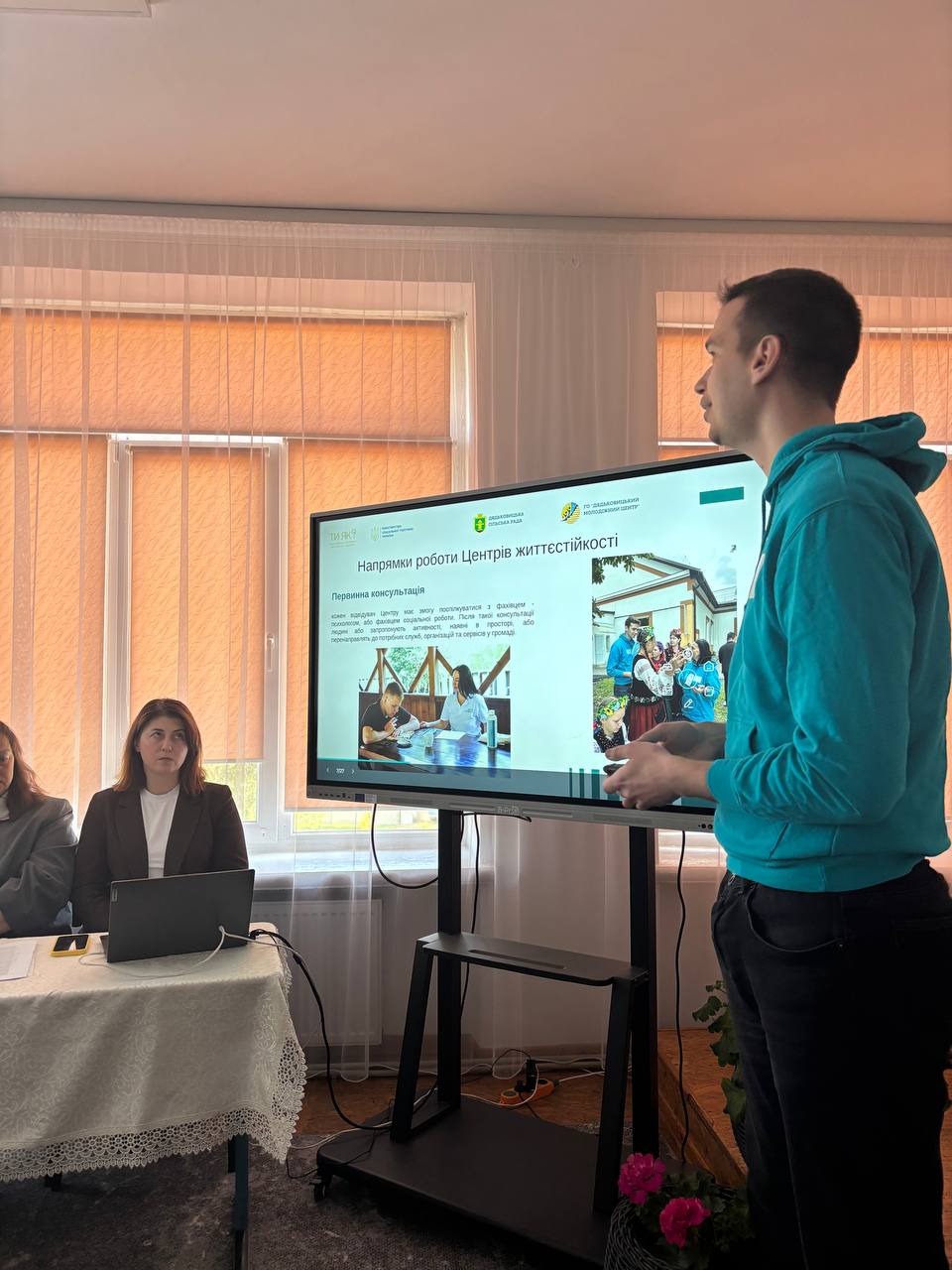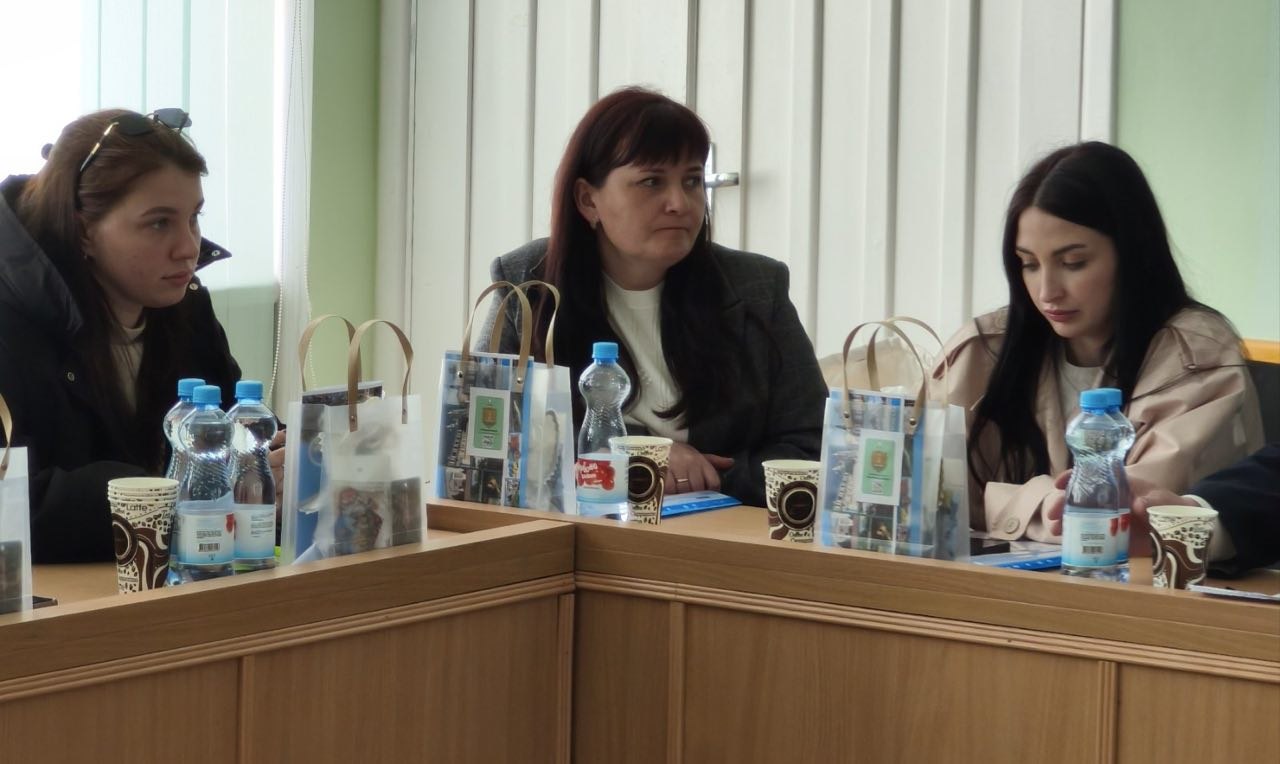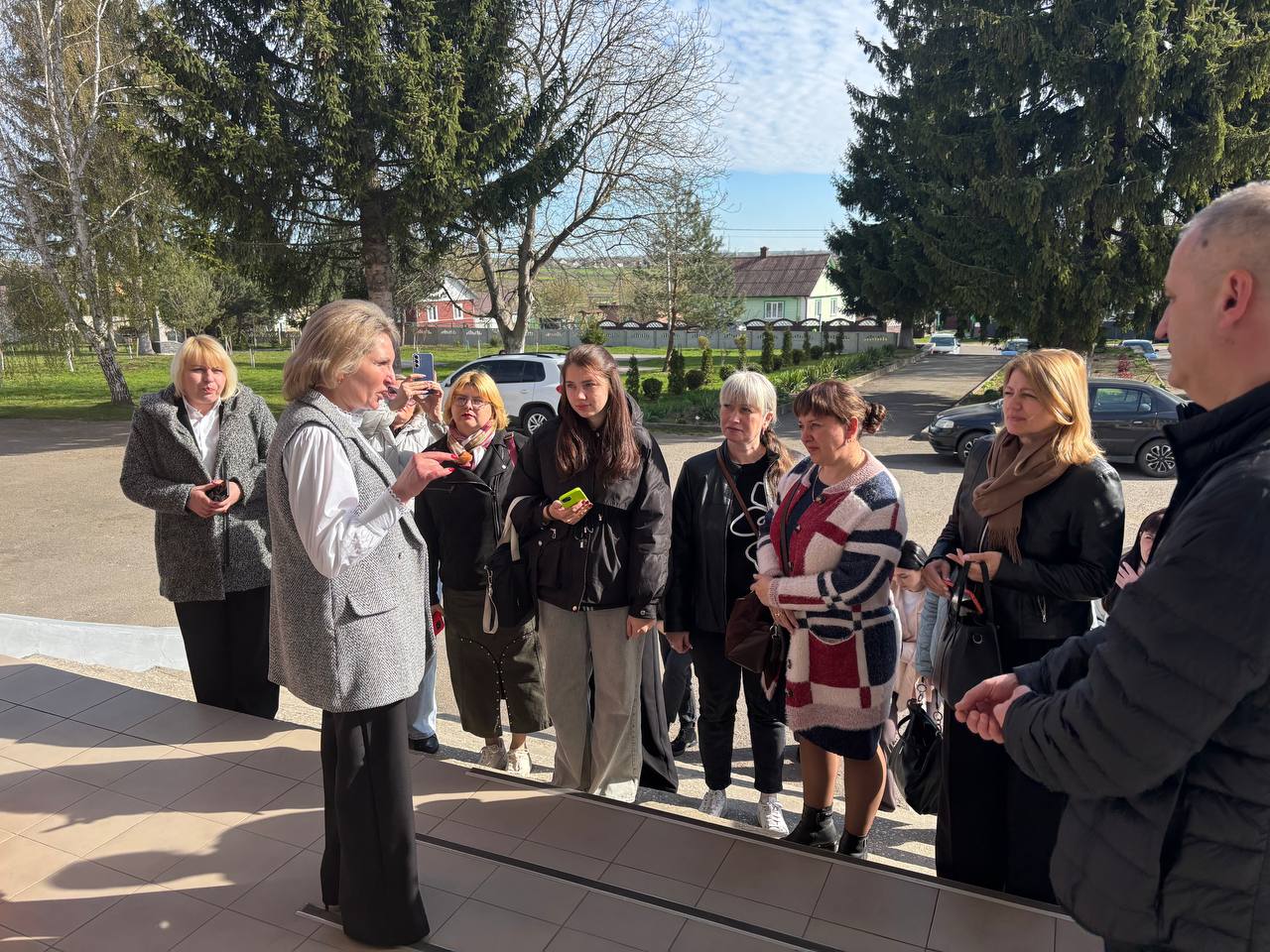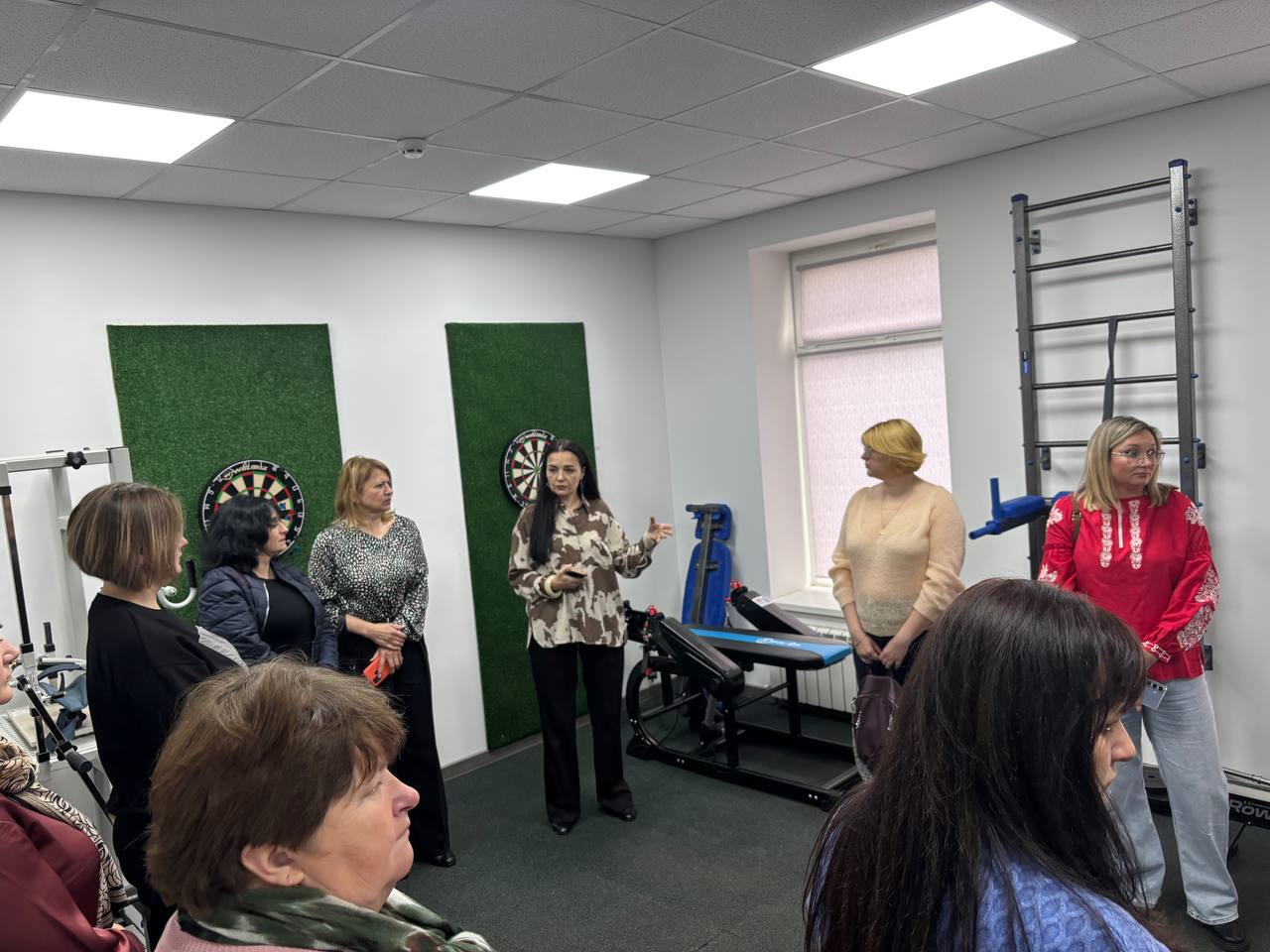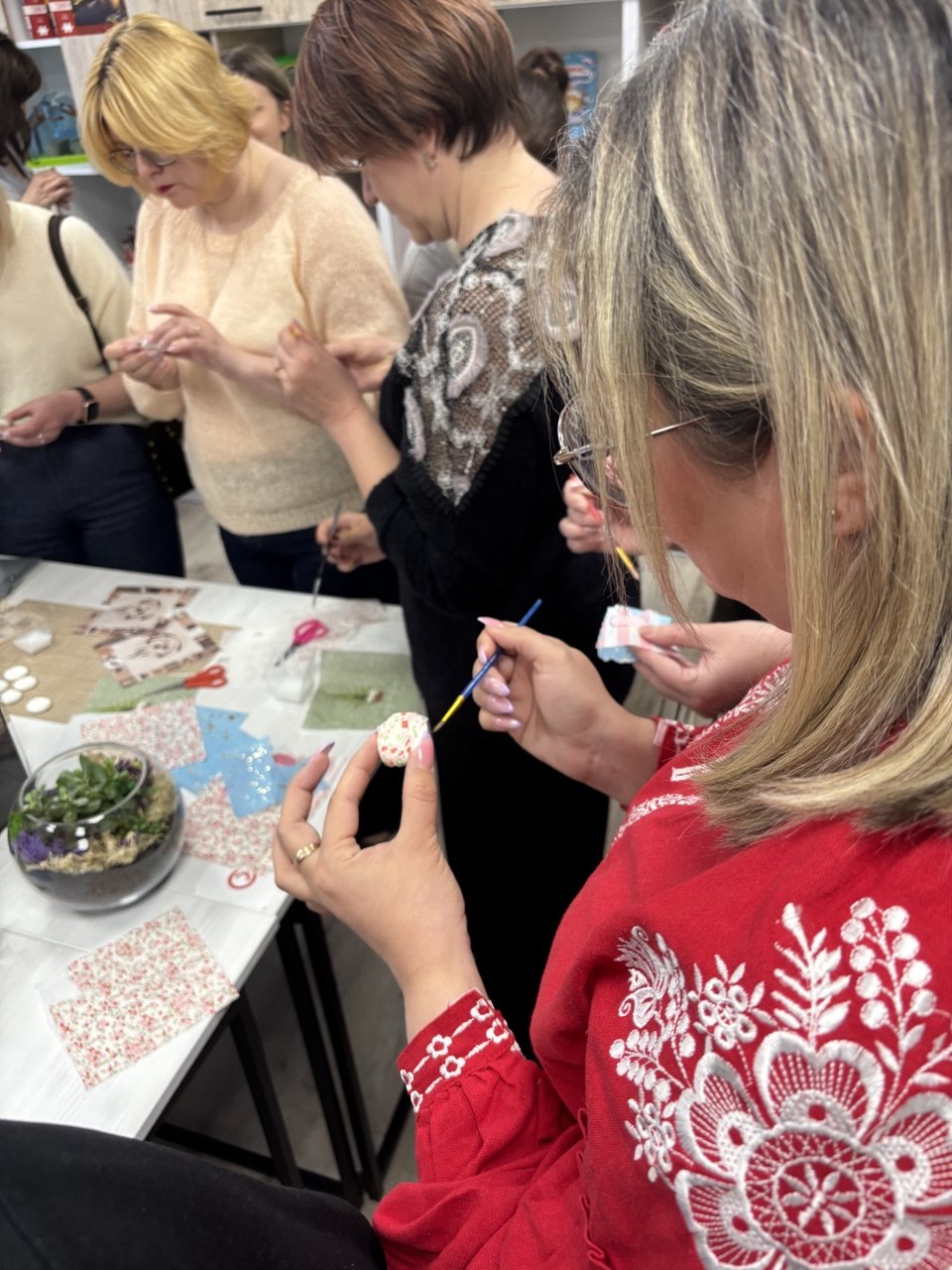





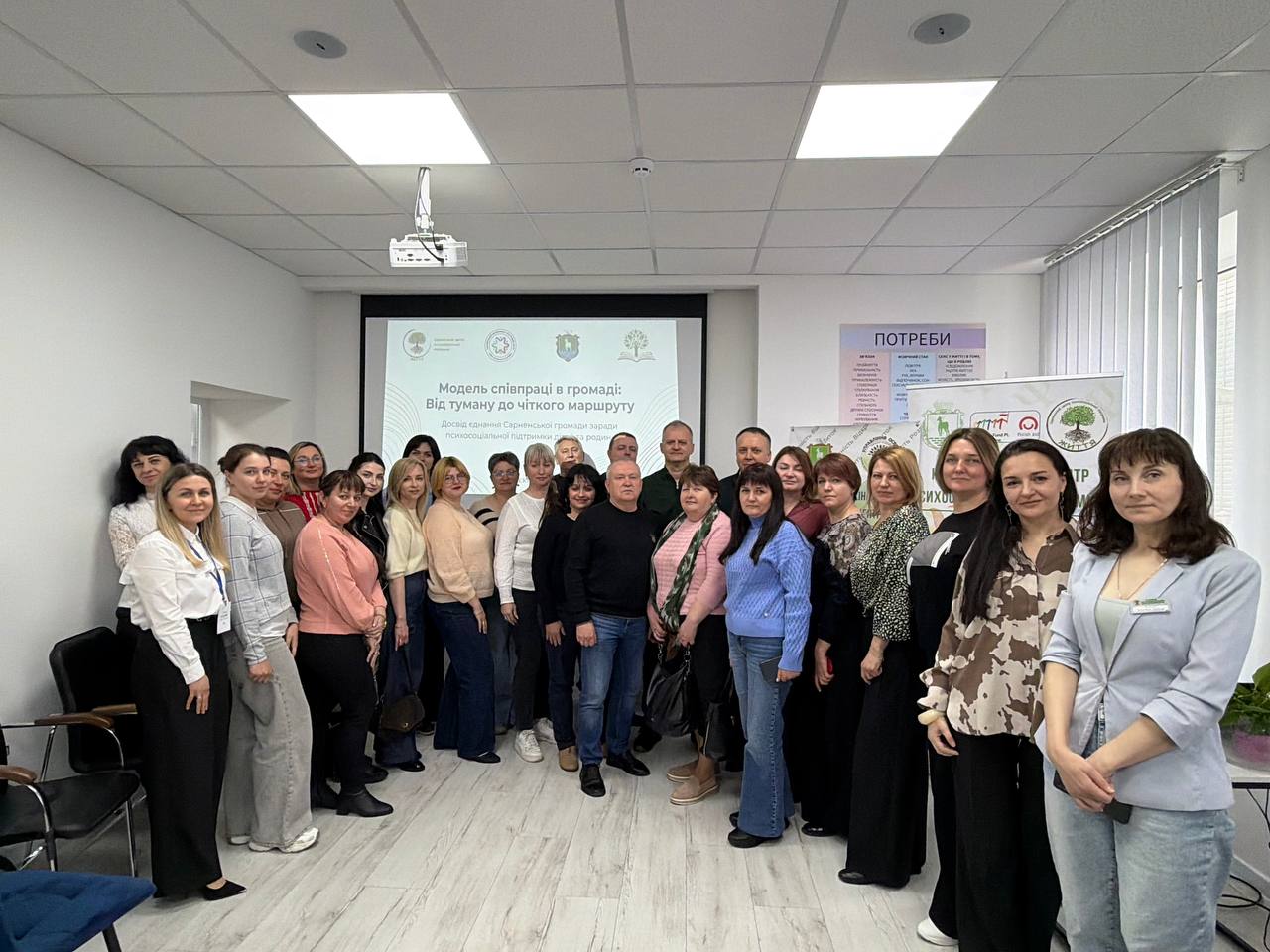
Over the course of a month and a half, 78 participants sought answers to the key question: how to ensure that the social protection system is not merely a formality, but is genuinely effective and responsive to the needs of every family.
People-centred approach to development
Today, a modern municipality’s success is determined by more than just budget figures; it depends on the quality of its engagement with local residents. This was emphasised by Valerii Mikulich, an Adviser on Decentralisation at the Regional Office of U-LEAD with Europe in Zhytomyr oblast. According to him, in the context of European integration and constant change, people and their needs must be at the heart of all decisions. He firmly believes that the experience of Rivne Oblast is unique, as it demonstrates how not only state bodies but also private providers, volunteers and civil society organisations can be involved in the delivery of services.
Ruslan Syvyi, the Head of the Regional Office of U-LEAD with Europe in Rivne Oblast, added that in wartime, social protection had become one of the most important areas of work:
“Municipalities in Rivne Oblast are introducing a range of social services for families with children, so the experience of these municipalities will be useful to the participants of the study visit. Social protection is one of the most important areas, particularly at times of war. We are therefore hopeful the insights gained during the visit will serve as a basis for the participating municipalities to adopt the approaches and practices used by local authorities in Rivne Oblast to provide social services”.
From healthcare to multi-million investments
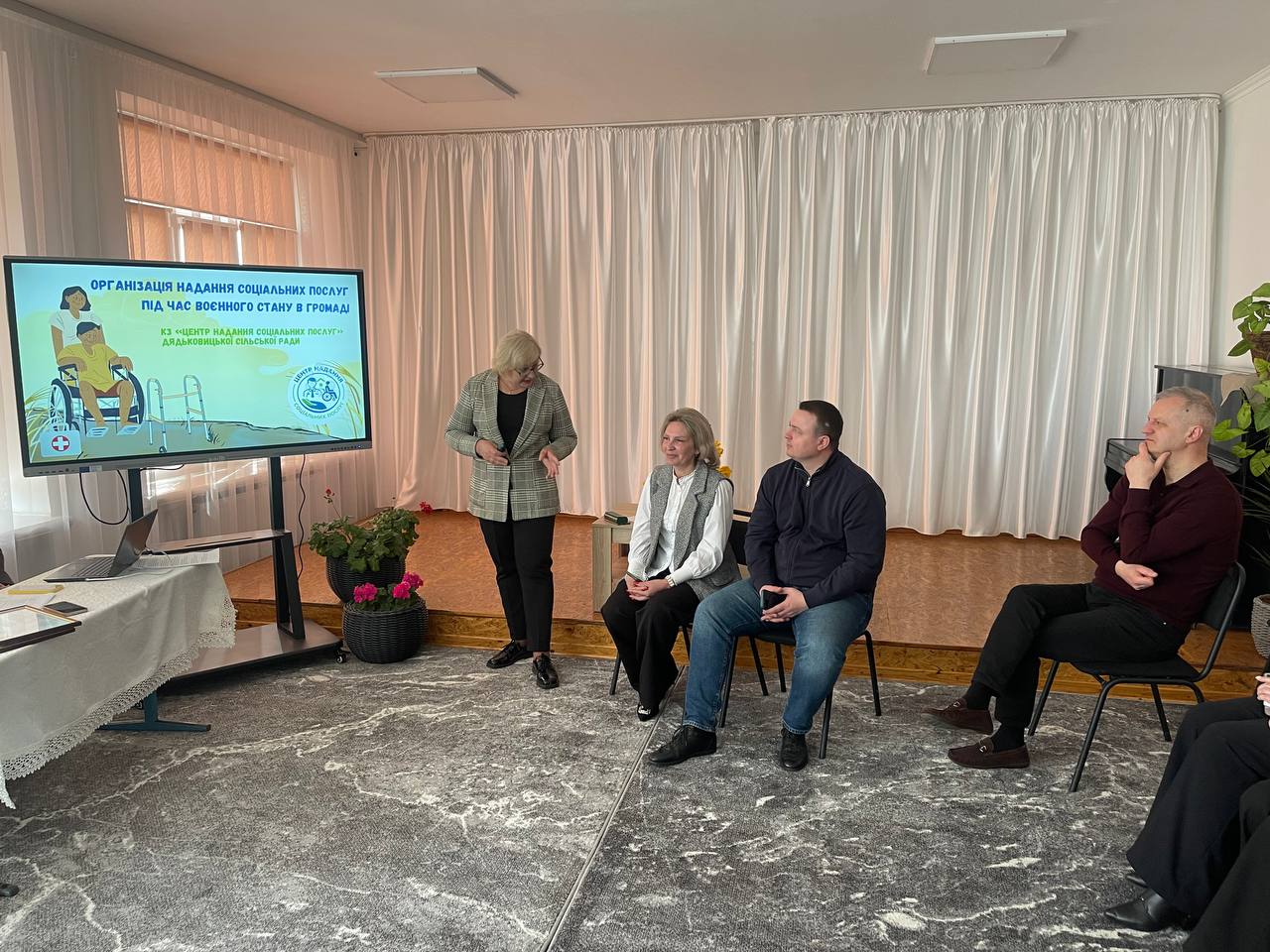
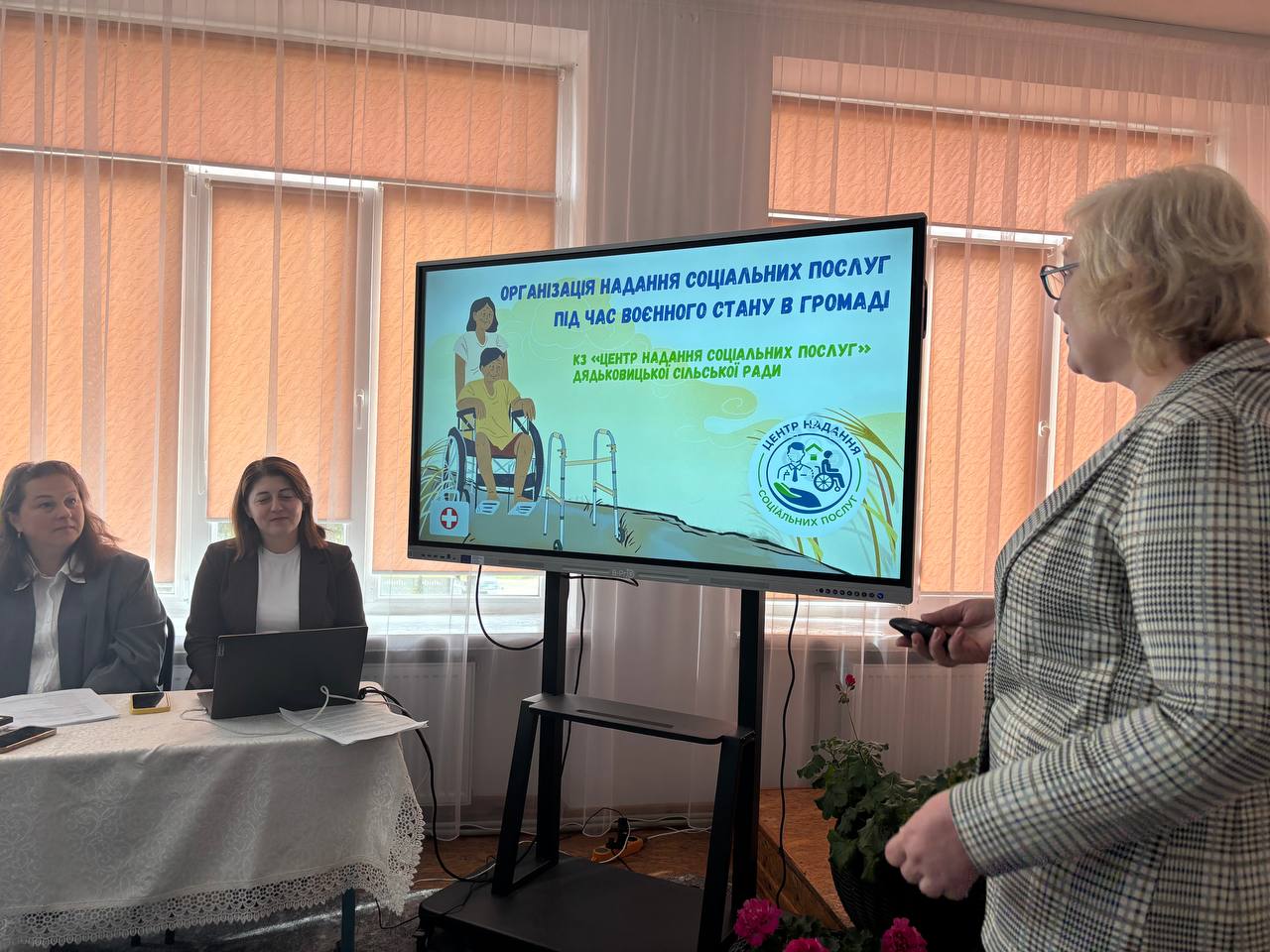
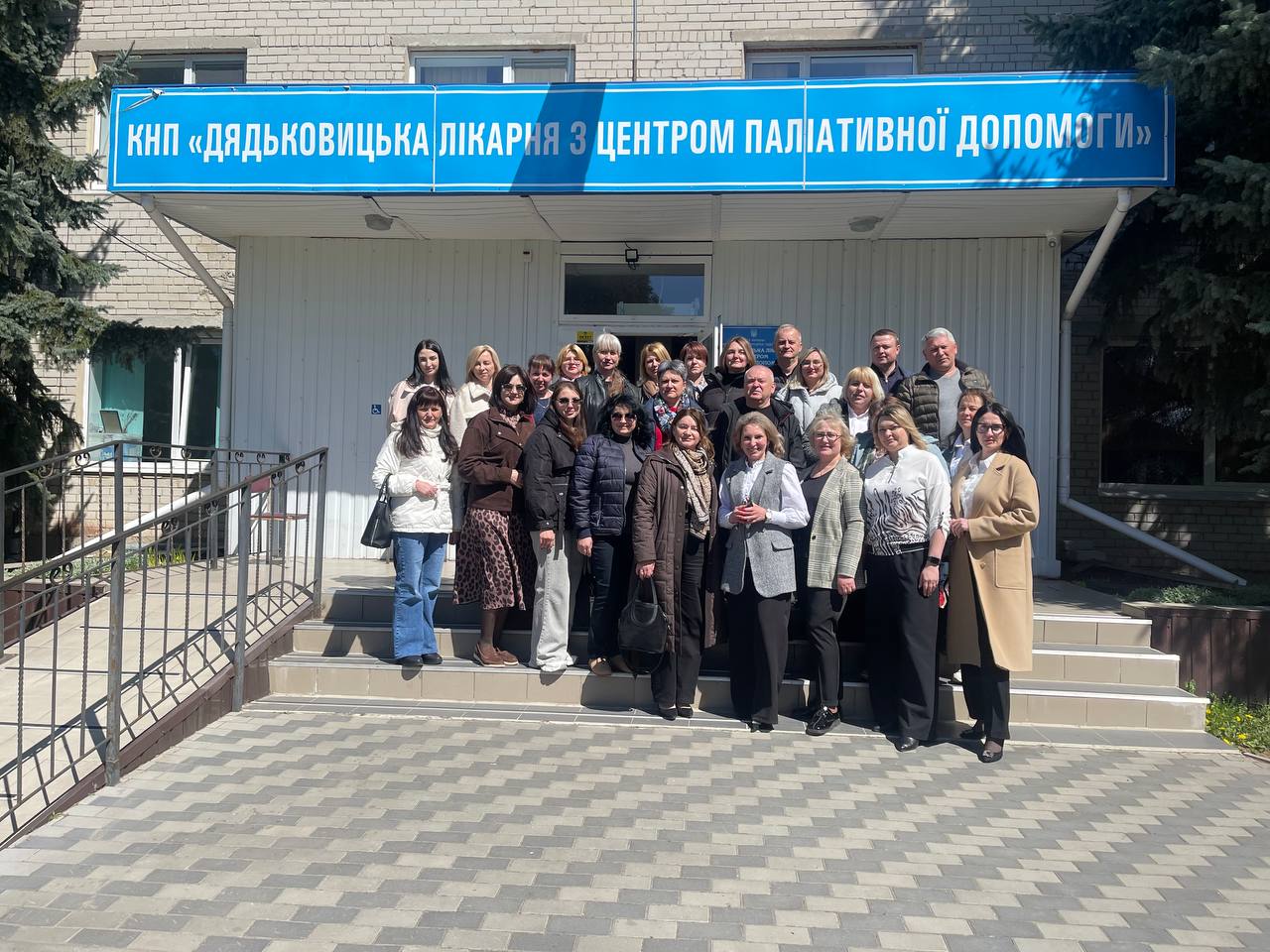
One of the most effective social service delivery models is that of the rural municipality of Diadkovychi. Here, they have managed to combine medical care with social support, creating facilities for the day care of children with disabilities. The mayor of the municipality, Liudmyla Vitkovets, explains that they give special priority to palliative care and inpatient care for children with serious medical conditions.
According to the head of the municipality, they have a mixed funding model: the local budget covers utility costs and repairs, whilst the NHSU funds the medical aspect. This project has come to symbolise how compassion and cooperation between the state and the municipality can create a space where support is provided to those who need it most.
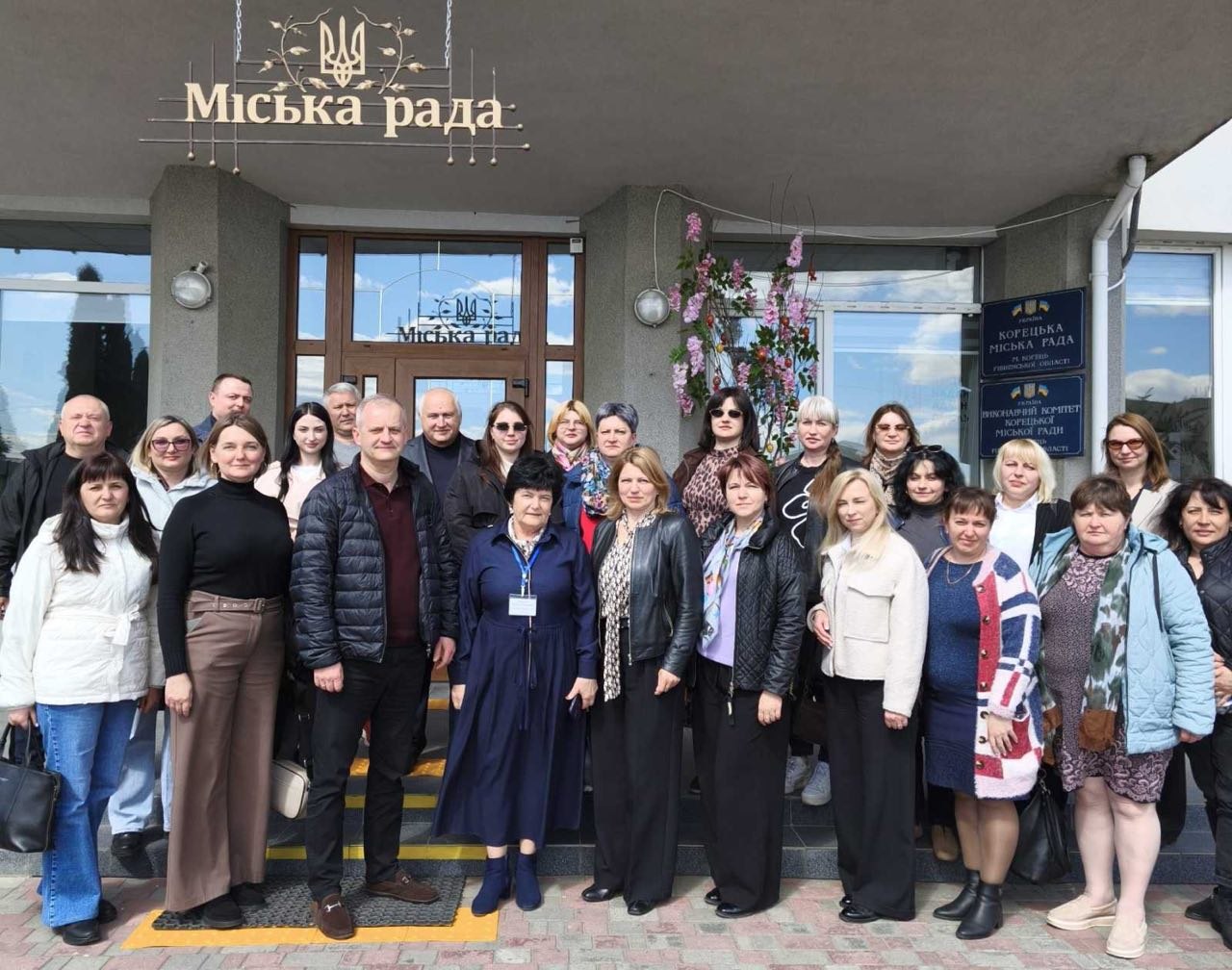
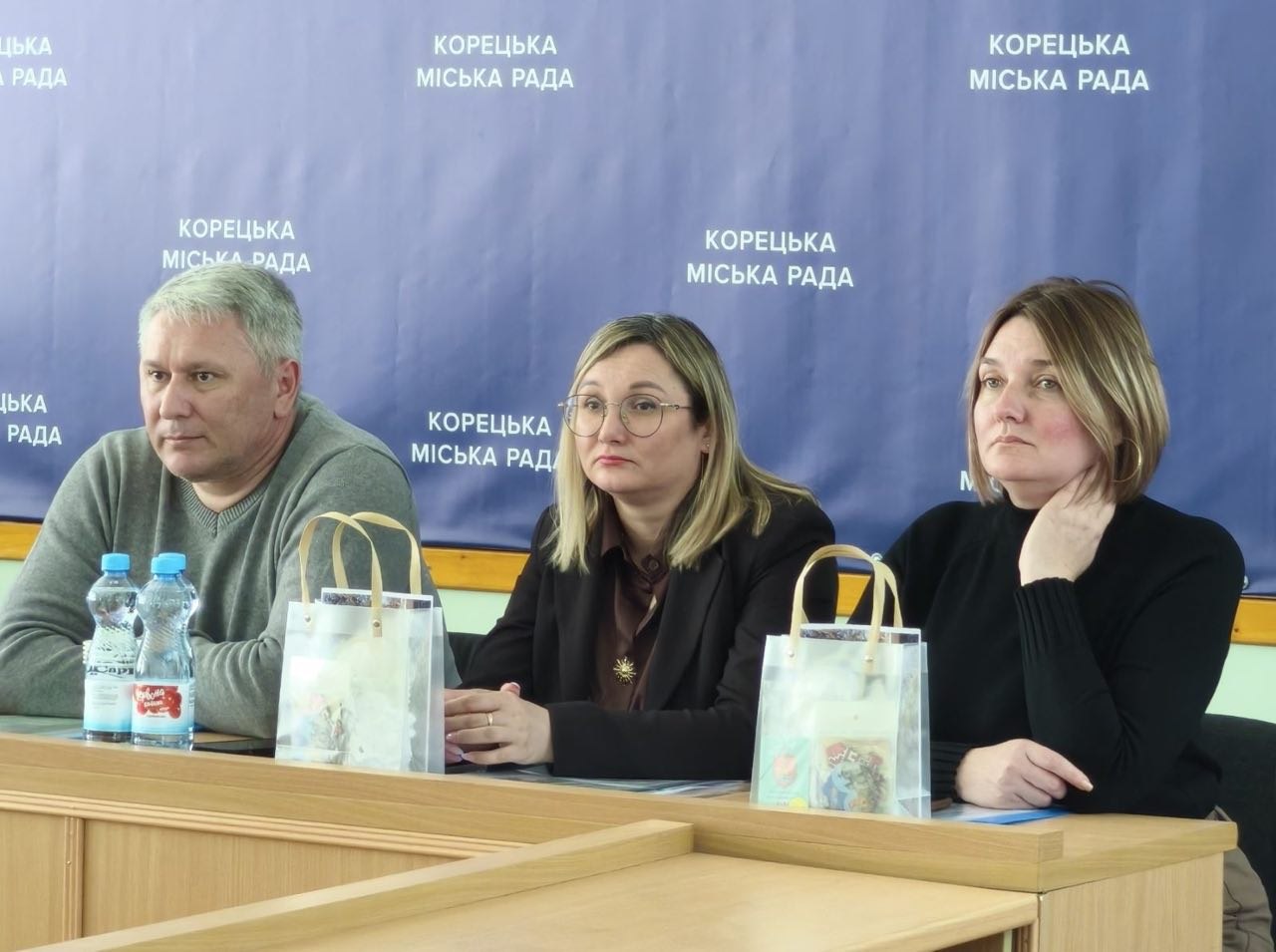
The visitors also learned about the work of Korets municipality. Here, the focus is on partnering with the public sector to support families facing adverse life circumstances. This approach has enabled the municipality to raise a staggering UAH 23,000,000 in donations, which are now being used to support local families.
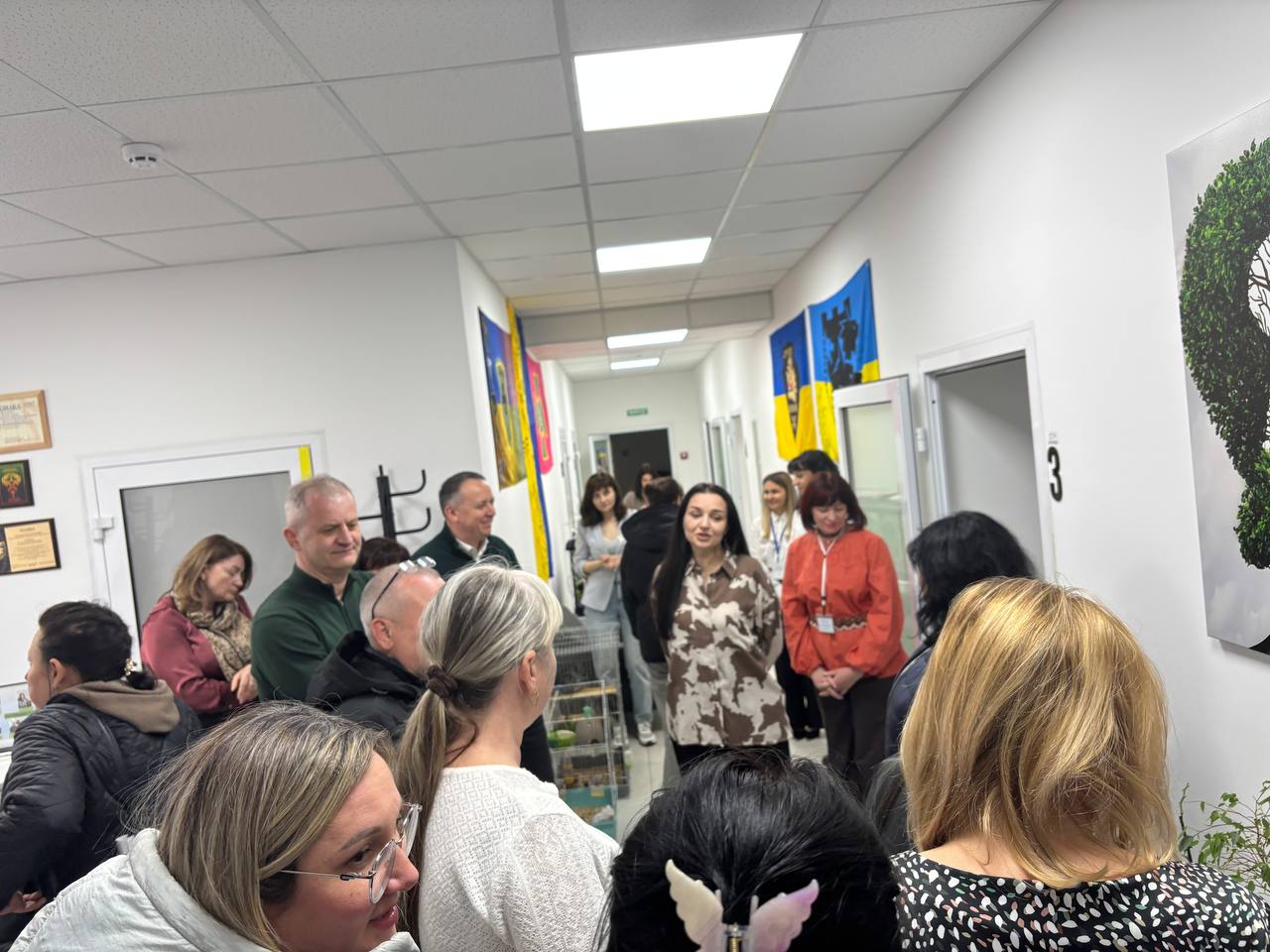
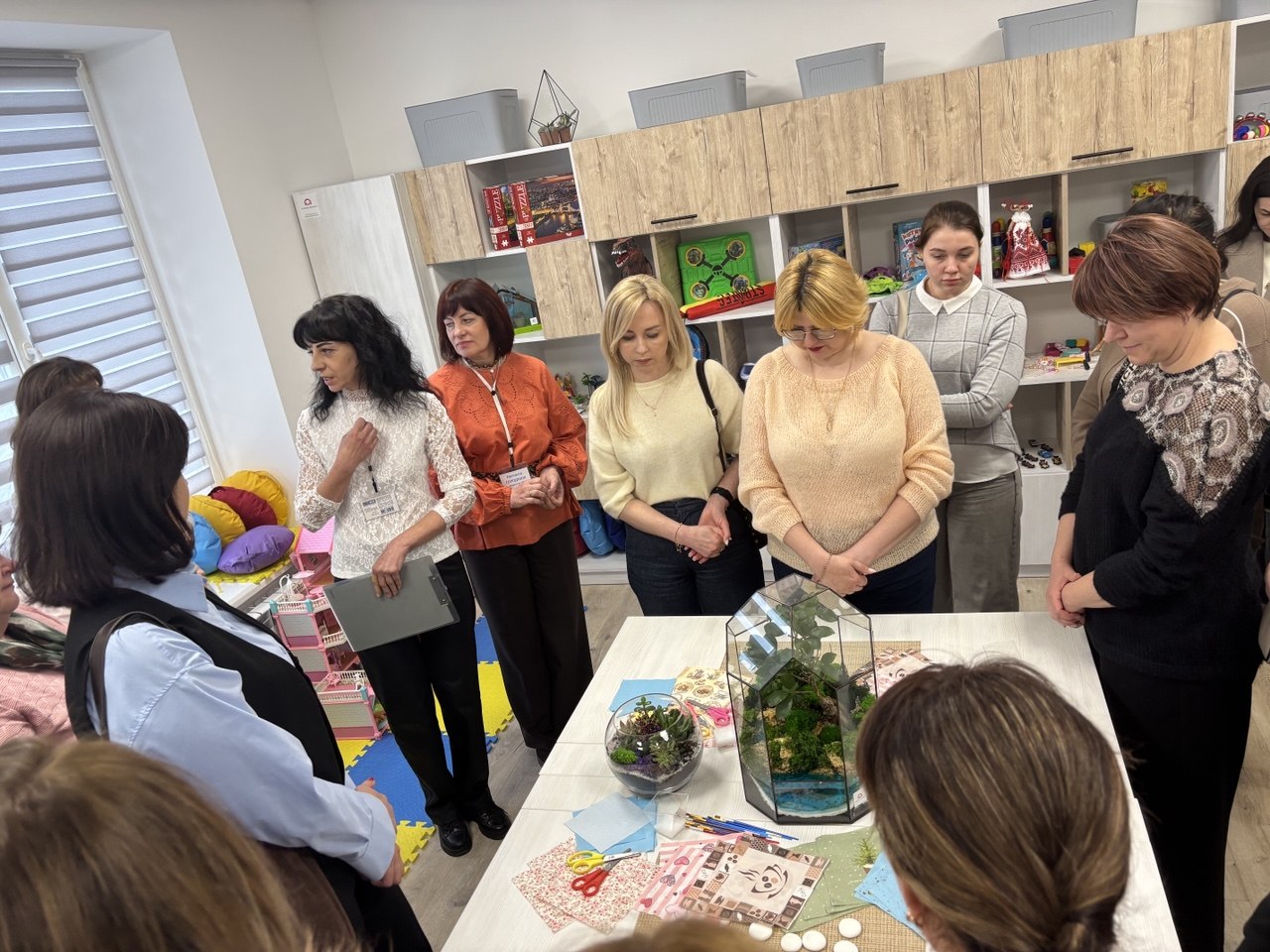
Sarny municipality has showcased the power of inter-agency cooperation. The municipality has an inclusive resource centre, private psychologists and the recently established ZHYTTIA Centre, which all work together as a single entity. A similar path was chosen by the neighbouring municipality of Volodymyrets, adjacent to Sarny. The municipality provides rehabilitation services for children, which are delivered by an NGO, as explained by Roman Shvets, the Head of Centre for Psychosocial Support.
New horizons for participating municipalities
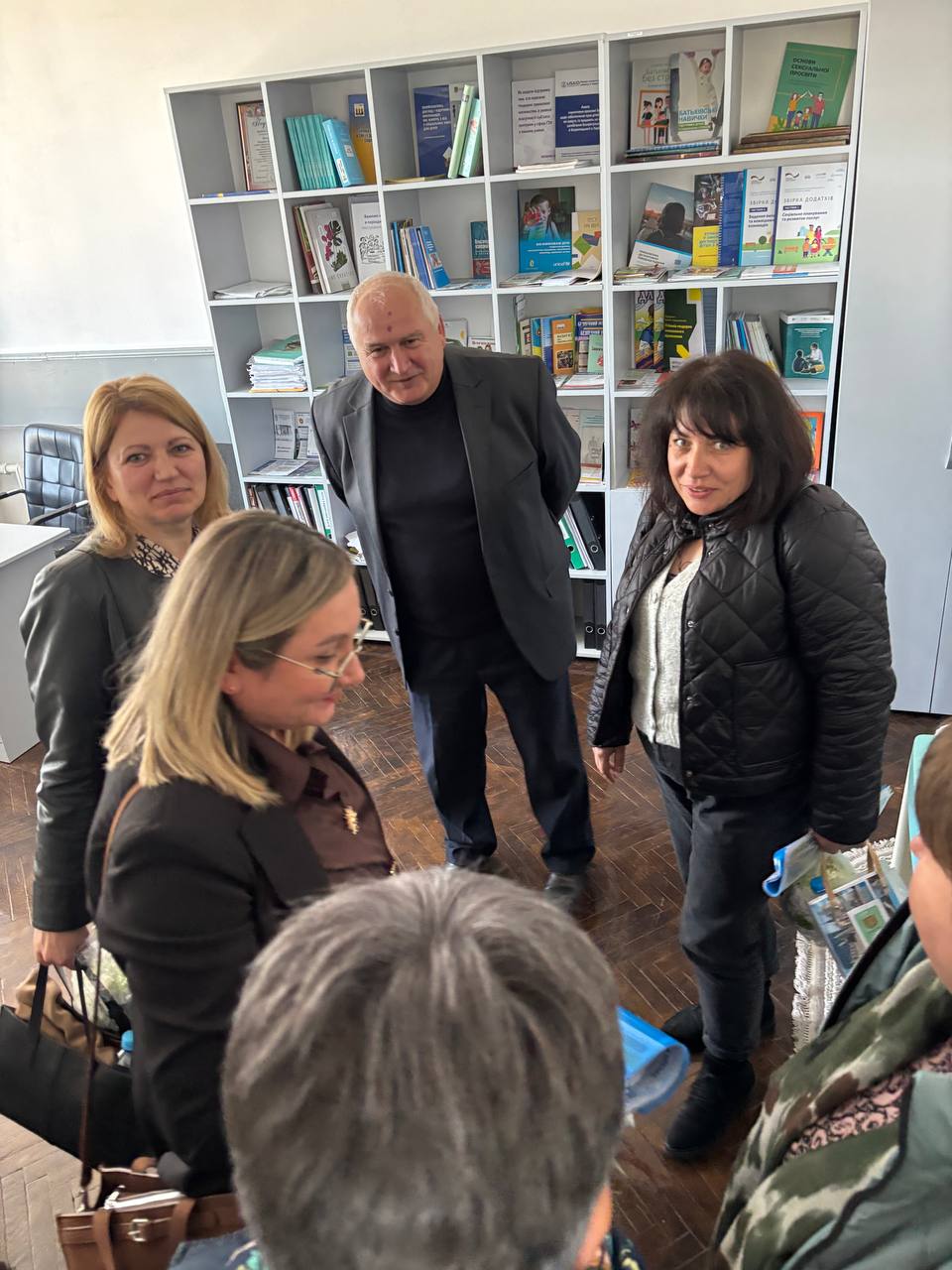
For many participants, this visit served as an opportunity to find solutions for their own initiatives. Anna Savytska, the Head of the Social Services Centre for Brusyliv municipality in Zhytomyr Oblast, explained that her team had come with a specific aim, namely to study the mechanisms for implementing a short-term accommodation service for families with children who do not have a permanent place of residence but who receive social services or are under social welfare supervision:
“This service is formally listed in the classification, but there is currently no clearly defined national standard for it — there are no clear mechanisms in place for its organisation, delivery or inter-agency coordination.
Given our previous positive experience of working with U-LEAD — particularly during the roll-out of palliative care services, where we received significant support — we decided to approach them specifically with this request”.
Anna Savytska also emphasised the importance of the visit to Rivne Oblast. She believes the event enabled participants to share experiences in person, discuss common challenges with colleagues from other municipalities, and identify the future difficulties for which they should prepare today.