



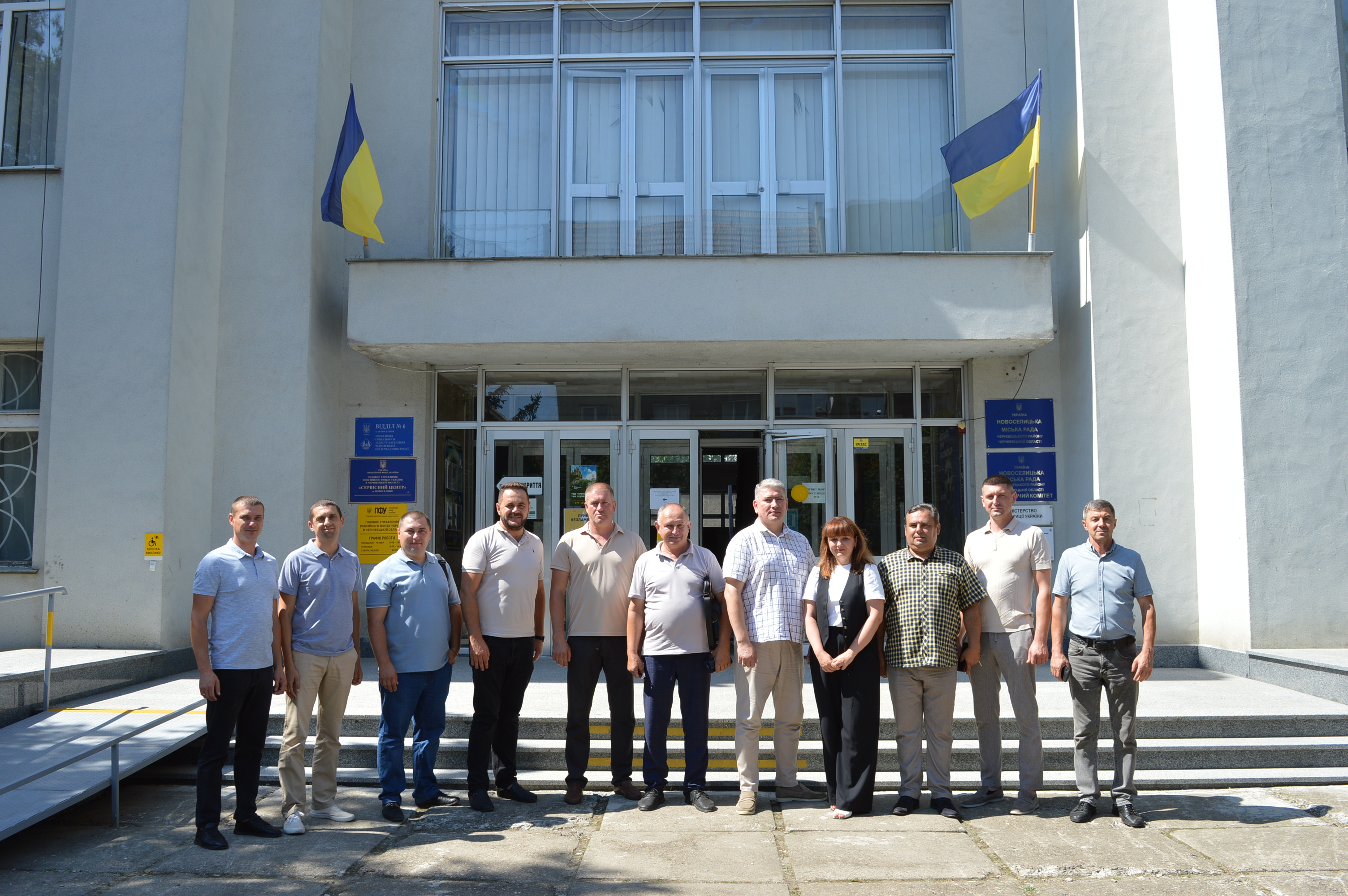
The first event took place in Vyzhnytsia municipality, which is taking the first steps towards large-scale transformation, while attracting external financing. Serhii Kolotylo, the Deputy Mayor, noted:
“We are still starting out: only 5–7% of the plan has been implemented. We have submitted four schools and a hospital for financing from the European Investment Bank and are preparing projects for solar panels. There are more than 90 energy consumption points in the municipality, with individual facilities currently in operation.”
The municipality of Kitsman identified devising strategic documents and a systematic approach to resource management as priority tasks. Ivan Semeniuk, the Secretary of Kitsman City Council, explained:
“The lack of strategic documents is the main challenge for us. At the same time, there are different attitudes towards sustainable energy consumption within the municipality: some install solar power plants and sell energy to the grid, while large municipal facilities are not yet committed to this approach. That is why we will start by developing a Municipal Energy Efficiency Plan and an automated street lighting system.”
Mamaivtsi municipality got started by looking at the buildings that used the most energy. Nataliia Katriuk, the Head of Mamaivtsi Village Council, stated:
“We conducted an internal audit of schools and kindergartens. Our plan is to install solar panels in large schools and use the saved funds for roads and street lighting. However, we abandoned the idea of solar street lighting, as there was not enough energy during cloudy autumn and winter periods, and the system worked inefficiently.”
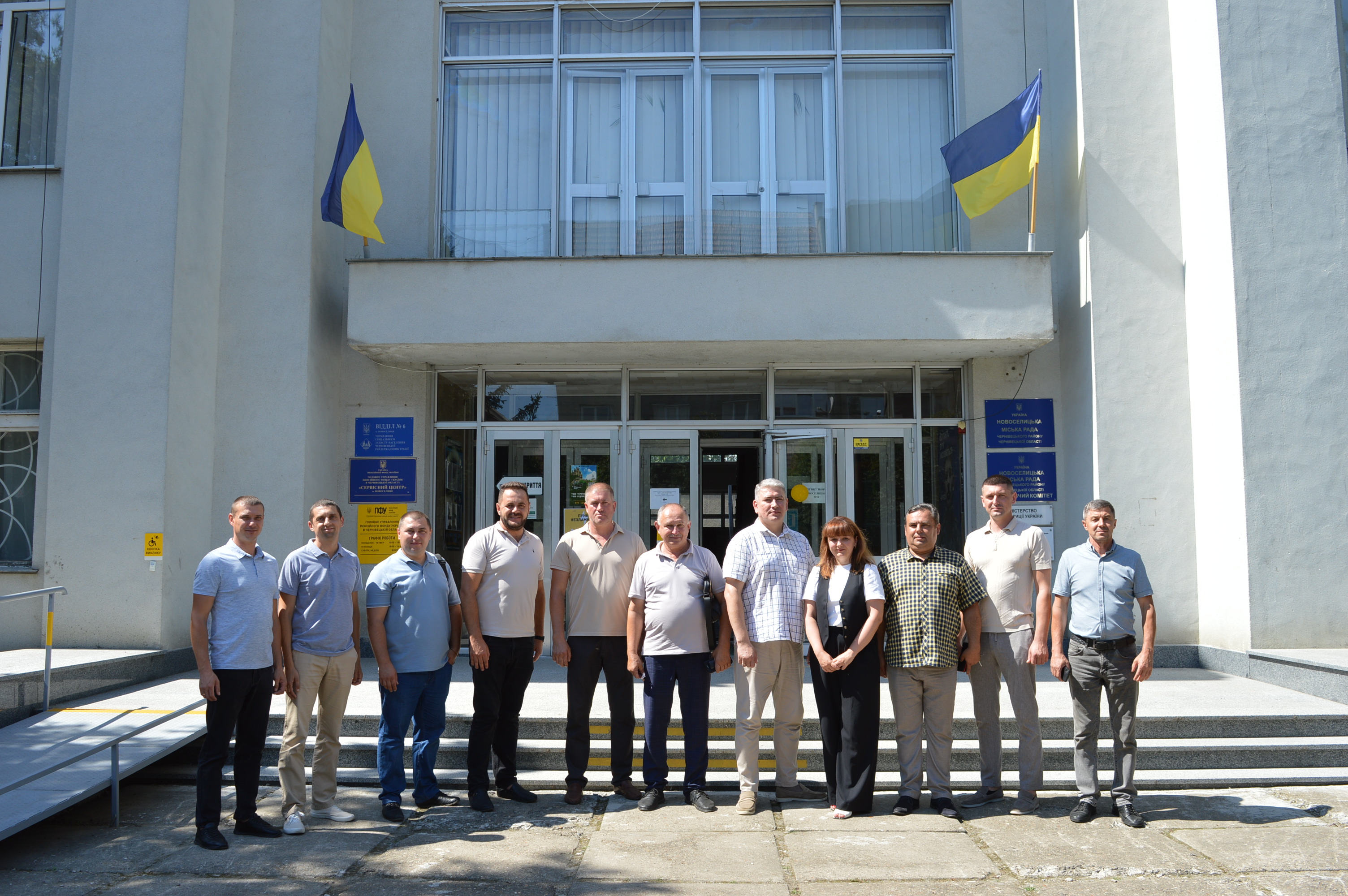
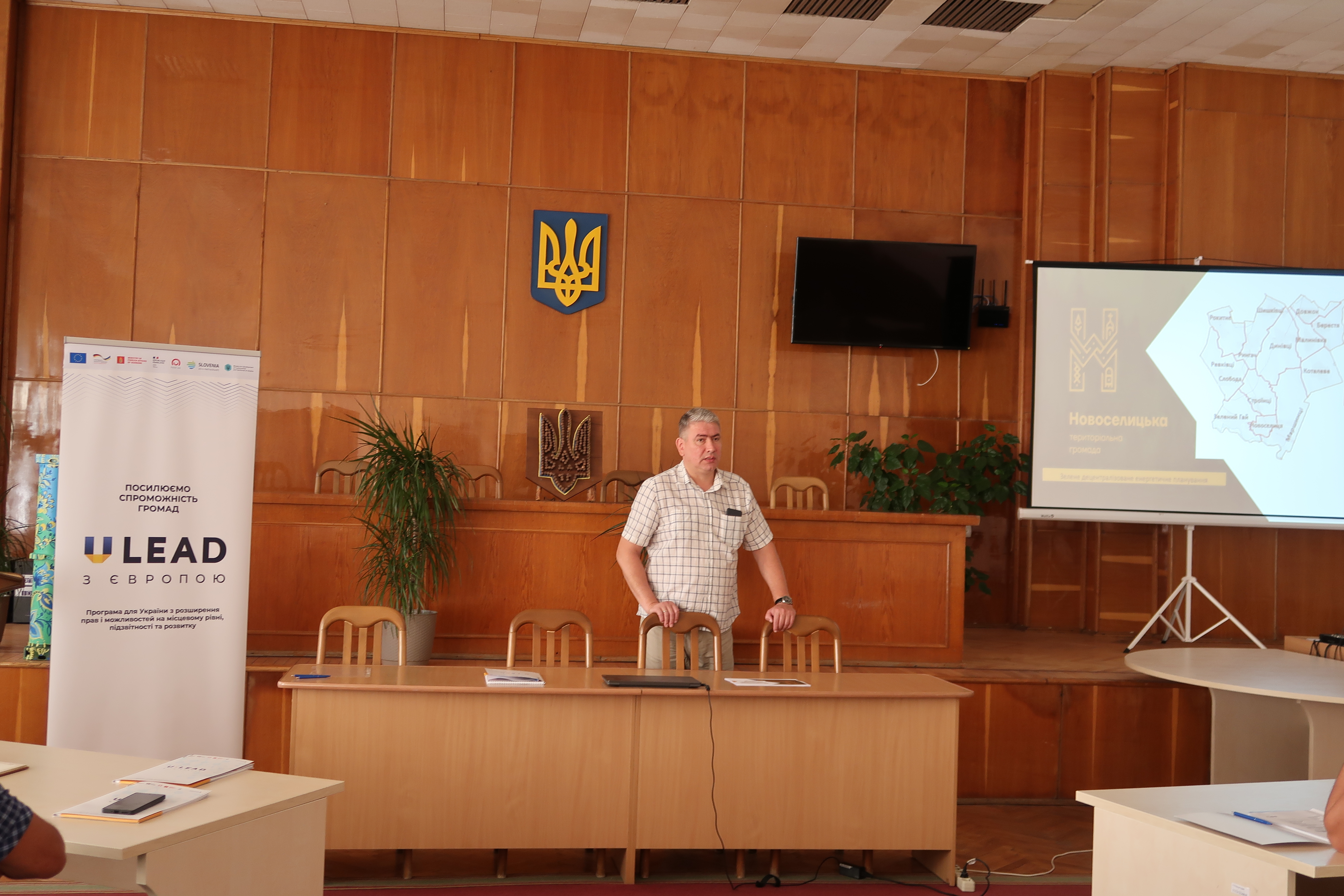
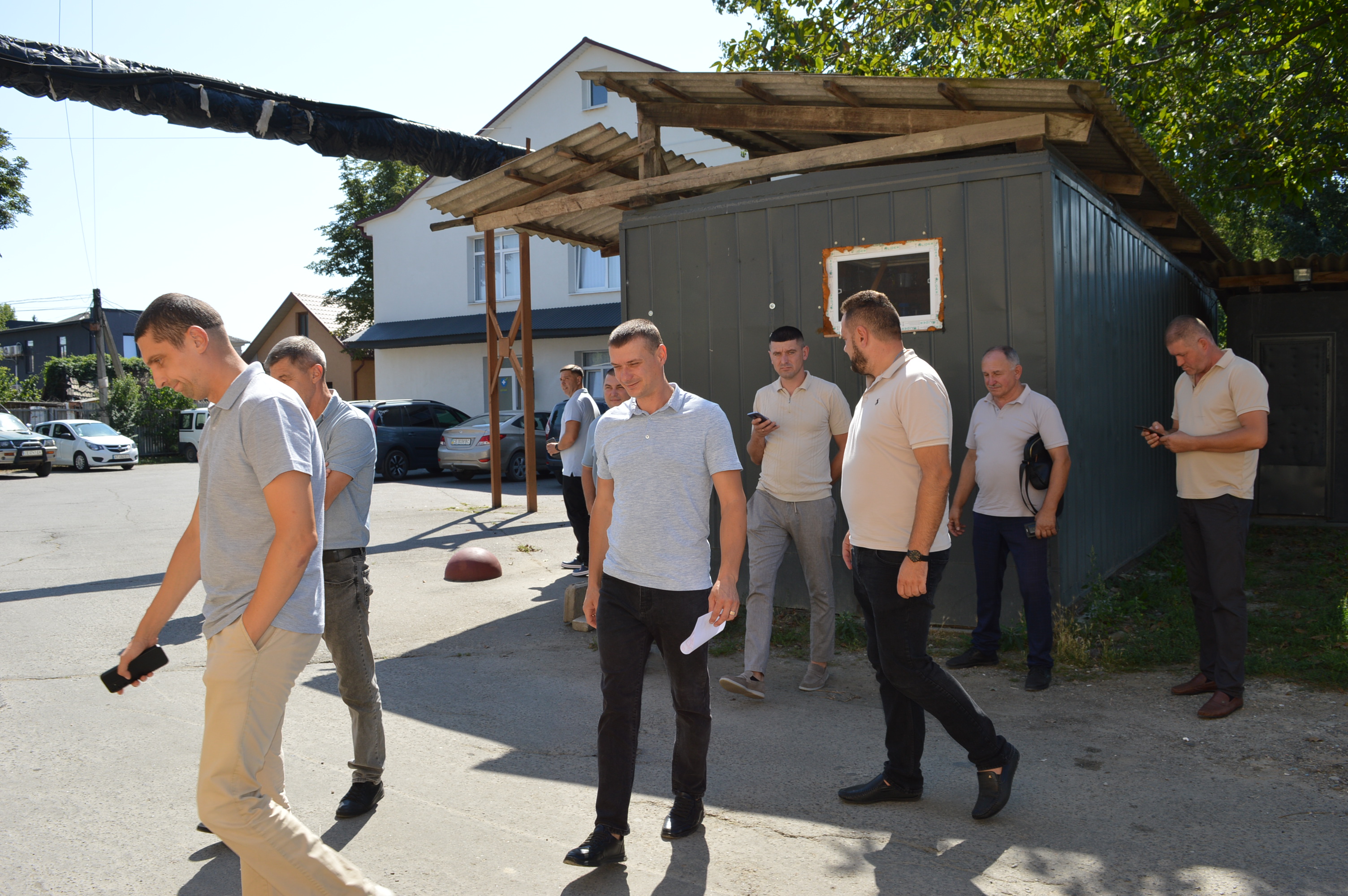
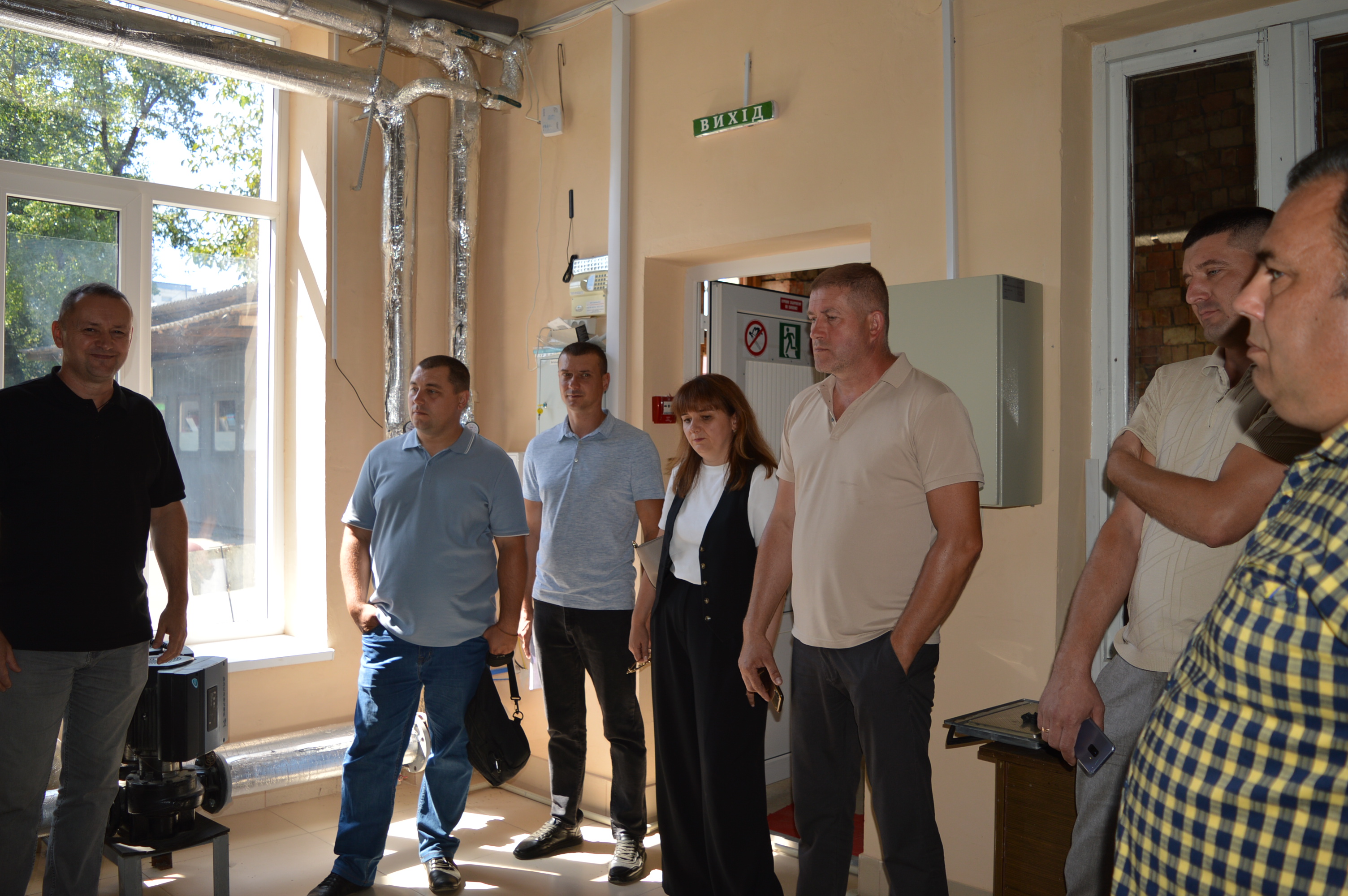
During the second event, which was hosted by Novoselytsia municipality, senior officials of the municipalities of the region saw how innovative approaches to sustainable use of energy are being practised: a kindergarten with a solid fuel boiler, schools with cascade boiler rooms, a modernised hospital and pumping stations, which are to be converted to solar power.
Novoselytsia is actively working on the modernisation and optimisation of municipal infrastructure. The Deputy Mayor Serhii Arsenii said:
“Monitoring energy consumption in 41 buildings helps save up to 10% and lets you quickly identify energy waste. We prioritise installing solar panels at pumping stations and hospitals, as well as replacing old pumps with deep-well pumps. At the same time, after the contract with the heating utility was terminated, new boiler rooms had to be built urgently, and participation in INTERREG NEXT requires 75% of our own funds to be committed in advance, which was a serious challenge for the municipality.”
Hlyboka municipality is betting on alternative energy sources. Yaroslav Dudka, the municipality’s energy manager, shared their experience and future plans:
“On sunny days, the hybrid solar station covers up to 90% of the water intake needs. This enables us to draw water at almost no cost during peak hours. The next step is to replace old pumps with energy-saving ones and expand the use of solar power.”
Local authorities are keeping a close eye on the draft law on reverse electricity metering and are taking part in discussions to make sure the voices of residents and municipalities are heard. Yet, even the adoption of this kind of decision at the state level does not eliminate daily challenges: many settlements deal with outdated infrastructure and a lack of resources.
Nevertheless, municipalities are seeking ways to develop, from energy audits to attracting investment and modern technology.
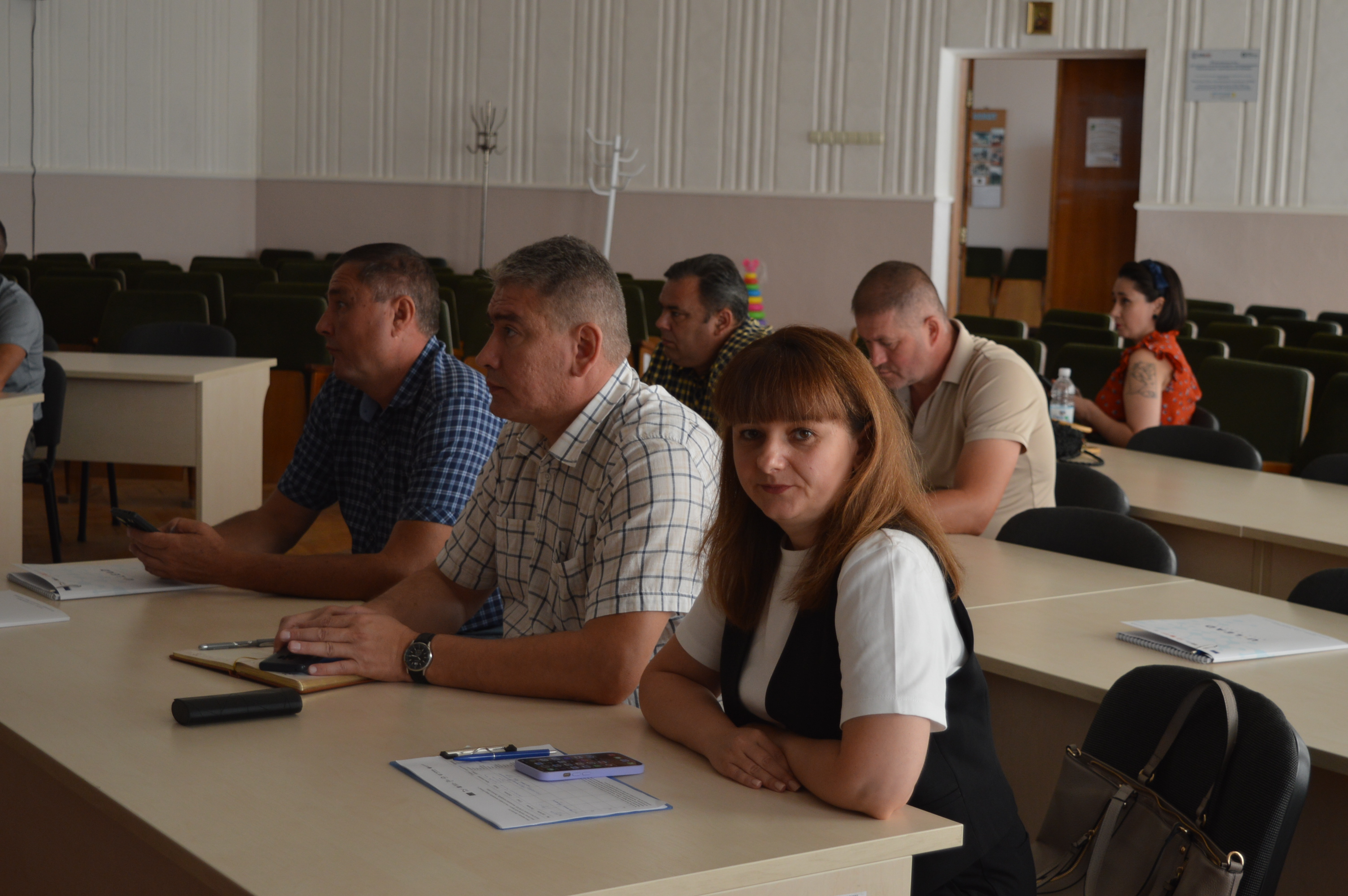
“The legislation requires a Municipal Energy Plan and related documents. We raised awareness among municipalities about these requirements and discussed opportunities for finding resources to implement them. Further, keep in mind the importance of energy audits, which identify priorities for reducing resource consumption and improving resource efficiency. These events offer a platform for sharing experiences and real-life examples,” summarised Viktoriia Cheban, the Head of the Regional Office of U-LEAD with Europe in Chernivtsi Oblast.