





The publication was developed in early December 2025 in cooperation with the former Head of Avdiivka City Military Administration, Vitalii Barabash.
Forced evacuation
From the first days of the full-scale invasion, Avdiivka was under attack, but for the first couple of weeks, the situation barely changed. This created an odd sense of tension, as if the city had frozen in anticipation of the inevitable: sooner or later, the hostilities would engulf the municipality. Even then, the authorities urged people to leave, but the majority refused. Little by little, those who understood the risks, who had the means, who saw that the situation was changing, began to leave. And when things got very heated in the city, evacuation became a daily routine, with each trip requiring separate coordination.
No evacuation trip was the same. Sometimes, they were able to evacuate 30–40 people, on some days 100, and on others, no one, because those who stayed refused to leave. There was a day that Avdiivka City Military Administration still remembers as the most difficult and unprecedented. 450 people were evacuated from the city that day. Several buses, support from the police, the military and transportation provided by Avdiivka Coke Plant — all of this enabled the evacuation, even though the city was already under heavy shelling. It was a mission that today would be called a “special mission”, because everything — from the route to the departure time — had to be synchronised down to the minute.
The evacuation of children turned into a whole separate thing. They often returned to the city with their families, who had to be searched for and persuaded again. Some families left Avdiivka several times — and returned again and again.
“From February 24 until the active phase, the evacuation varied: some days it was 30 people, some days - 40, some days - 100, and sometimes we could not even get two people to leave. At the start of the full-scale invasion, there were about 26,000 people in Avdiivka. By the time the city was occupied, a little more than 700 remained. When they say that there were a lot of people left in the city, you need to look at how many had been there at the beginning. The percentage of those who were successfully evacuated is actually very high,” says Vitalii Barabash, the Head of Avdiivka City Military Administration.
How the administration kept working when it was no longer possible to defend the city
After the start of the full-scale war, the municipality of Avdiivka operated as a military-civilian administration, and a month later, it became a military one. Despite the escalation, the authorities tried to stay in the city as long as possible: for the first two months, they worked from the administration building, then from the basement, where they moved due to intense shelling.
The female employees were later evacuated to Pokrovsk, but the senior officials returned to Avdiivka every day to ensure evacuation, delivery of humanitarian aid and communication with residents.
Once the situation reached a critical point, the administration was relocated entirely to Pokrovsk, and after the fall of Avdiivka, to Dnipro, where the administration is still headquartered today.
Despite the relocation, the administration retained all its main functions:
- keeping registers;
- confirming legal statuses;
- issuing certificates;
- coordinating humanitarian aid;
- social support;
- communicating with families who ended up in different cities.
The staff had to be reduced by almost two-thirds, as some people moved abroad and some have been working online. But the core group that is essential for the municipality to keep going has stuck around.
“We have downsized dramatically. But shutting down the administration would not be right. After all, people would bear the brunt. They would be left without documents, without help, without communication. We cannot allow this,” says Vitalii Barabash.
Hubs: a network that holds the municipality together
Supporting people has been the main activity after the evacuation. With Avdiivka residents scattered across the country, there was a need to create places where people could come for help, advice, or just to socialise.
This is how the network of humanitarian hubs came into being — today there are 11 hubs in operation, including a new one in Zaporizhzhia. Another hub in Mezhova had to be closed down for safety reasons.
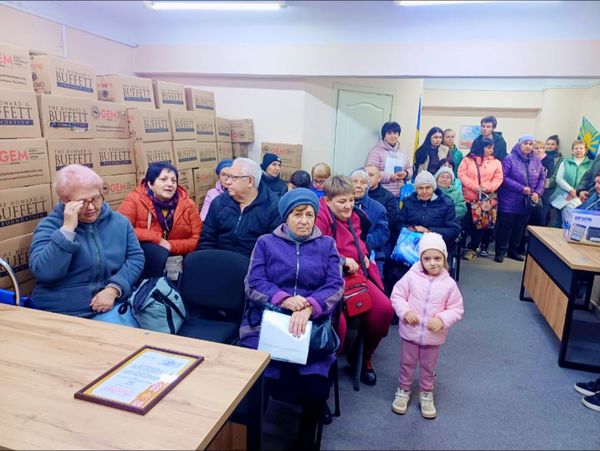
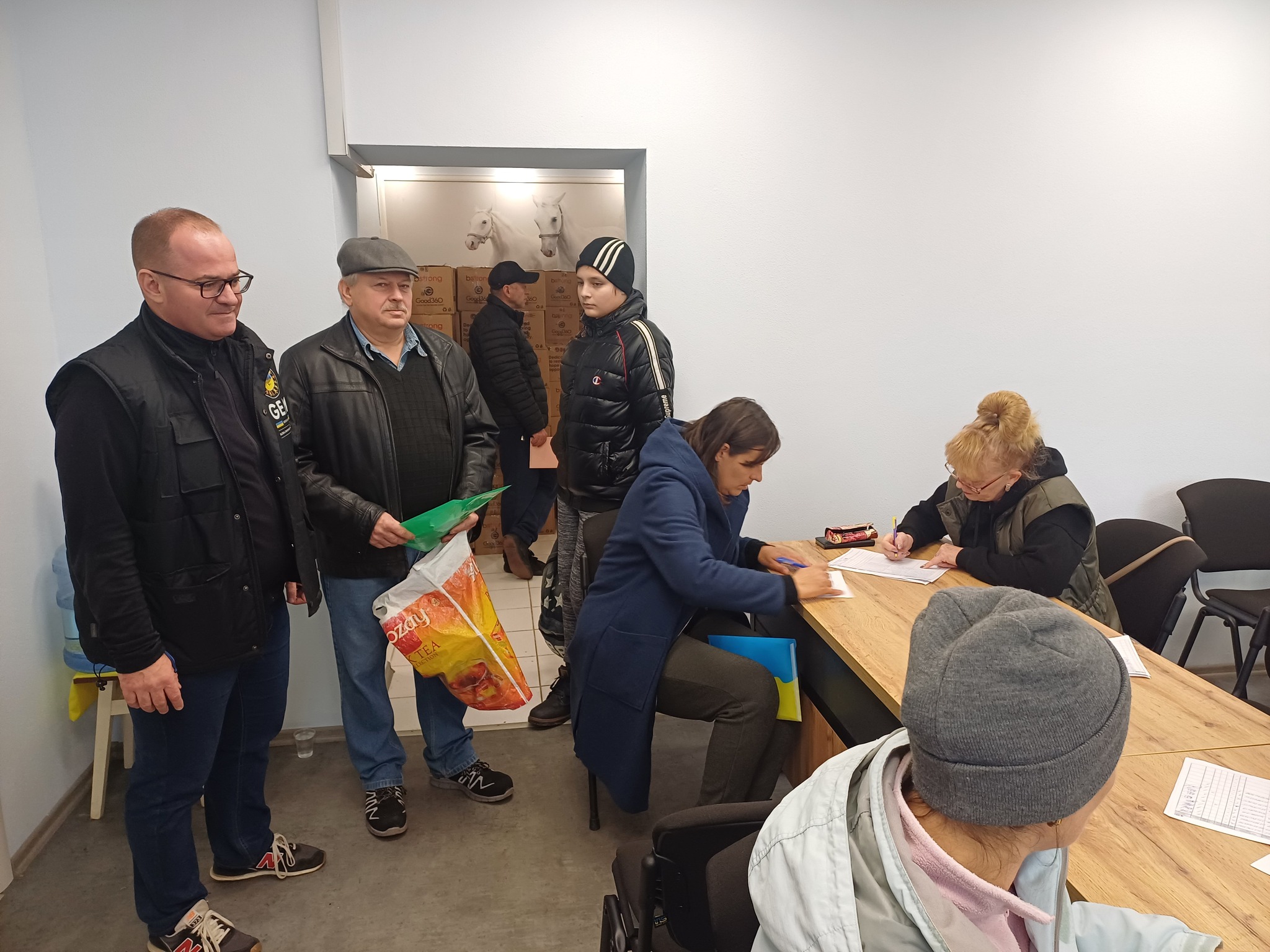
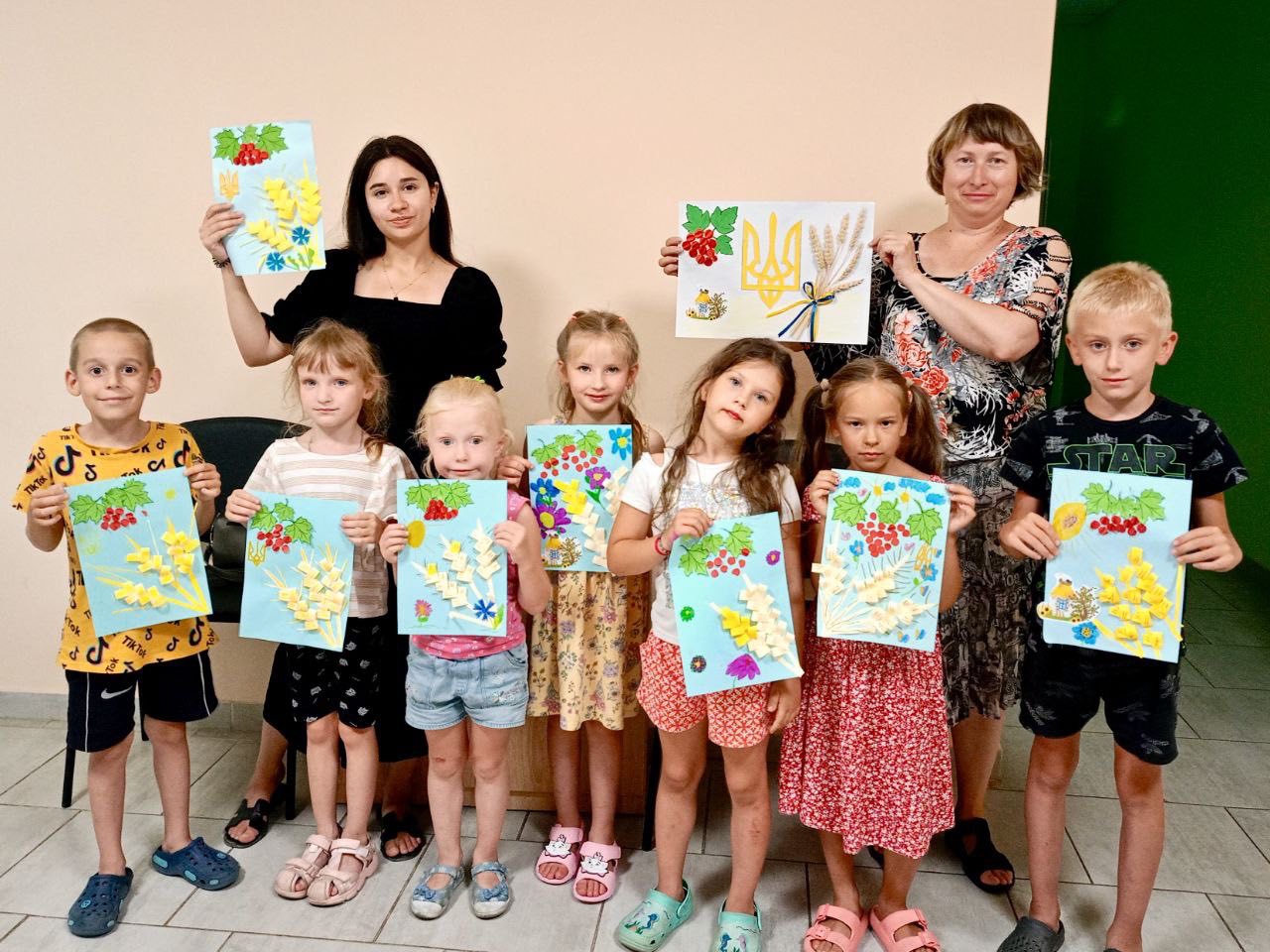
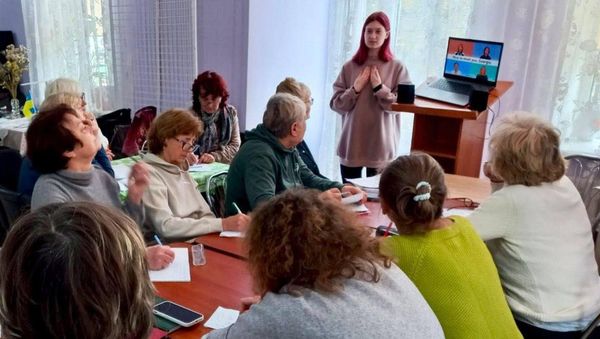
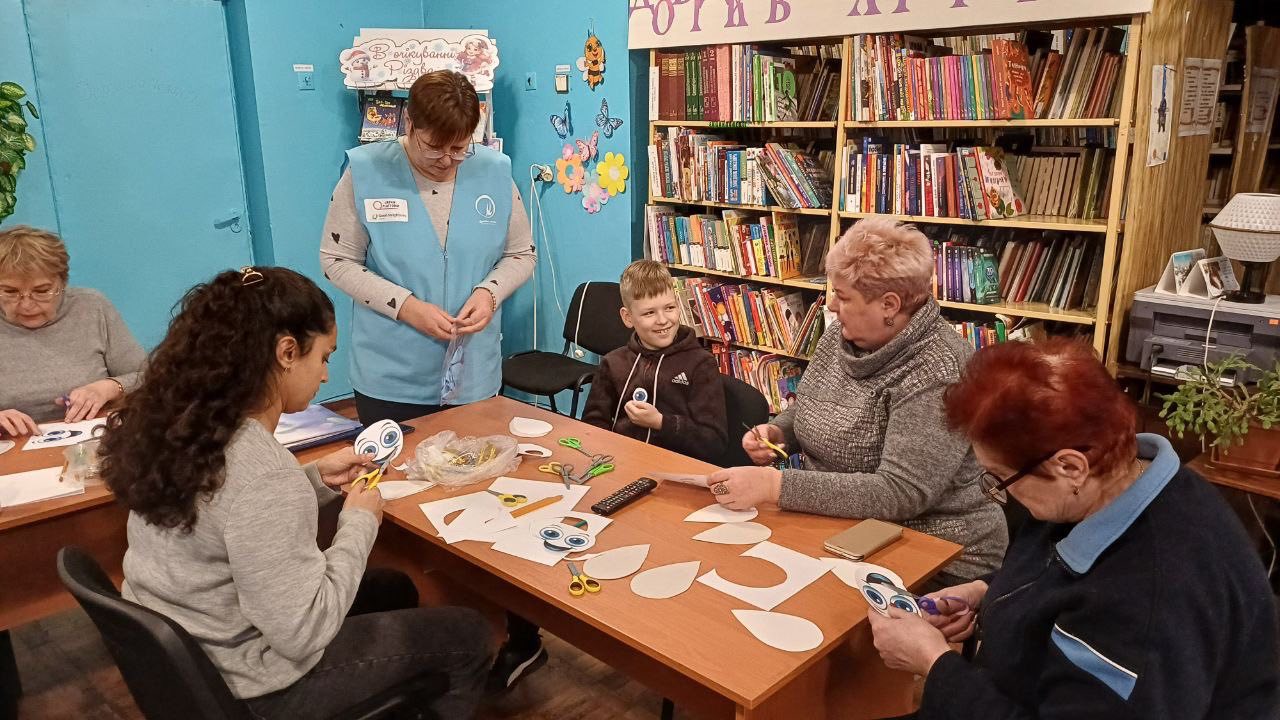
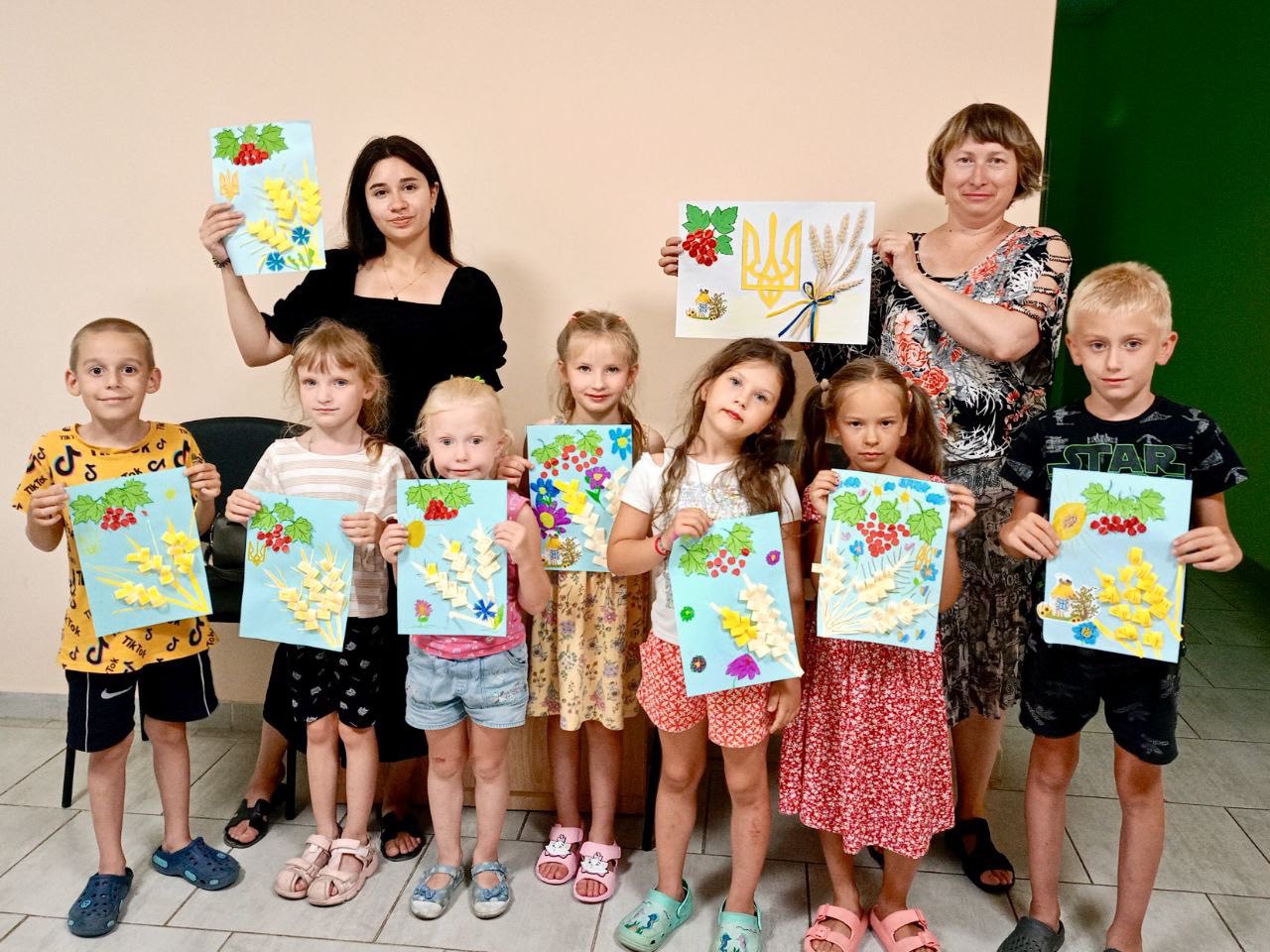
Hubs operate in various formats, as places for distributing food and hygiene kits, as meeting spaces, as spaces for psychological, legal and social support, as centres where you can get advice from the administration or submit information for registries.
The administration reckons that all the active hubs together serve around 10,000 visitors.
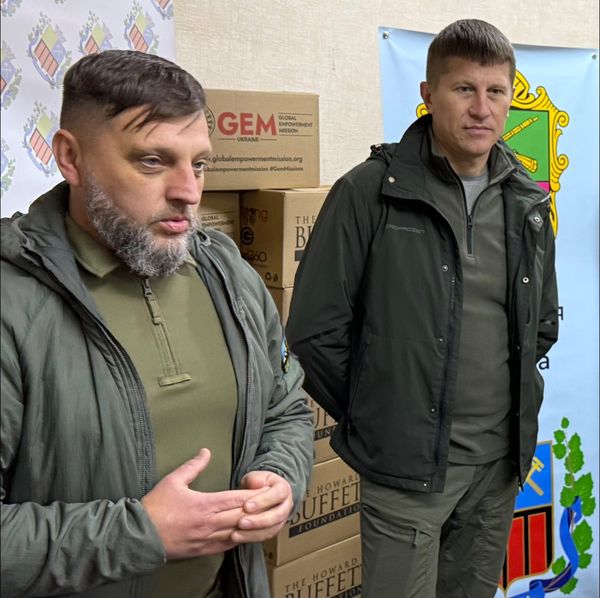
However, their work is complicated by a growing shortage of partners willing to provide humanitarian kits. As of now, GEM remains the only consistent donor. This means that the administration cannot open new hubs, even in places where premises are readily available (e.g., in Odesa and Chornomorsk).
“Psychological, legal or educational support is important. However, if a person lacks the most basic thing — food — all other services fade into the background. And humanitarian aid is our biggest problem right now,” explains Mr Barabash.
Why is it important for local self-government bodies to function even in exile
In public discourse, the question of whether local administrations are necessary at all for occupied territories is frequently raised. For the Avdiivka municipality, the answer is obvious: yes, they are. Because if local self-government disappears, so will the municipality itself.
People do not contact abstract state institutions, but rather those they have known for years — administration employees, social workers, department heads. They do not see it as a “service”, but rather as “their people” who they can turn to in times of stress, loss, or lack of information, when they need to restore documents or resolve issues that are not visible from the outside.
In addition, local administrations serve critical functions, including: confirming legal statuses, social benefits, needs assessment, keeping registers and commissions to assist families in difficult circumstances. Otherwise, thousands of people would find themselves without a support system.
“Shutting down the administration will send a signal to people that they are not needed and that there will be no return. This is wrong. We work for the people — and this is enough to keep going,” says Vitalii Barabash.
Cooperation with U-LEAD with Europe: training, opportunities, contacts
Avdiivka municipality participates in U-LEAD with Europe events, especially those related to municipal recovery, team building, and experience sharing. The administration acknowledges that not all programmes are relevant to occupied or frontline territories today, but every opportunity for training or networking is important because it can help the team in the long term.
In October 2025, Serhii Lehenkyi, the Deputy Chief of the City Military Administration, joined a Poltava-based training event centred around municipal recovery and integration. This gave the team an understanding of how other municipalities function in crisis and provided them with useful contacts.
“The visit was meaningful and well-organised. We saw interesting approaches from both municipalities and established contacts with the Regional Office of U-LEAD in Poltava Oblast. For the first time, deputies and heads were brought together at an event like this, and we were very pleased to have the opportunity to talk with our colleagues,” he mentions.
Avdiivka notes that U-LEAD with Europe has been a partner that can be approached for advice, recommendations, training or discussion of specific needs. Even one useful contact can be a game-changer once the municipality gets a chance to rebuild.
“The team of Avdiivka City Military Administration are active in U-LEAD events. They routinely participate in both monthly info sessions for municipalities in the Donetsk Oblast and thematic U-LEAD with Europe on Wednesdays. They have also been involved in training programmes on numerous occasions. We greatly appreciate our colleagues’ commitment to remaining steadfast in their professionalism, working and growing even in the most challenging circumstances. Through U-LEAD initiatives, we provide advisory, organisational and training support, ranging from explaining regulatory changes to developing team competencies and finding partners for future recovery. We are always open to enquiries and seek to strengthen this cooperation by helping the team maintain operational capacity, stay confident in their work and prepare for the moment when the opportunity for recovery arises,” says Viktoriia Trotsenko, the Head of the Regional Office of U-LEAD with Europe in Donetsk Oblast.
The main thing is to hold on to people in order to bring back the municipality
Today, the municipality of Avdiivka exists in hubs, online chats, meetings, documents and in the work of a small but dedicated team. Although its people live in Dnipro, Kyiv, Brovary, Kamianske, Zaporizhzhia and dozens of other cities, they are still “Avdiivka residents” first and foremost — and this is the main thing that the authorities are trying to hold on to.
Municipalities do not exist without people. And as long as people have a connection with their administration, as long as they know where to turn for help, as long as they receive support, the municipality is not lost. And that means a return is possible.