



Since 2021, outstanding practices have been recognised through the NEB Prizes, which showcase tangible examples of transformation across Europe. In 2025, many applications were submitted from different countries; finalists and winners were selected in four core categories:
-
Reconnecting with nature
-
Regaining a sense of belonging
-
Prioritising the places and people that need it the most
-
Shaping a circular industrial ecosystem and supporting life-cycle thinking.
These projects inspire municipalities and professional communities across Europe. They prove that even with limited resources, it is possible to create solutions that improve quality of life, help people adapt to climate challenges and foster a new culture of place.
In this four-part series, we will look at the winners and finalists of the NEB Prizes 2025 in each category and consider which of their ideas are most relevant for Ukraine today.
Among the winners of the NEB Prizes 2025 in this category is a project from Ukraine. Read more about it– and other notable projects– below.
Category: Prioritising the places and people that need it the most
Within the New European Bauhaus, this category supports communities and territories facing particular social, economic or environmental challenges. These are projects that bring life back to deprived areas, create safe, inclusive and healthy spaces, and ensure access to quality infrastructure and services for those most often left behind. They show how architecture, design and cultural practices can be tools for social justice, solidarity and rebuilding trust in society.
Selected projects relevant for Ukraine
(Un)Healthy Spaces – Co-creating outdoor healthcare spaces (Ljubljana, Slovenia)
One of the two winners in this category
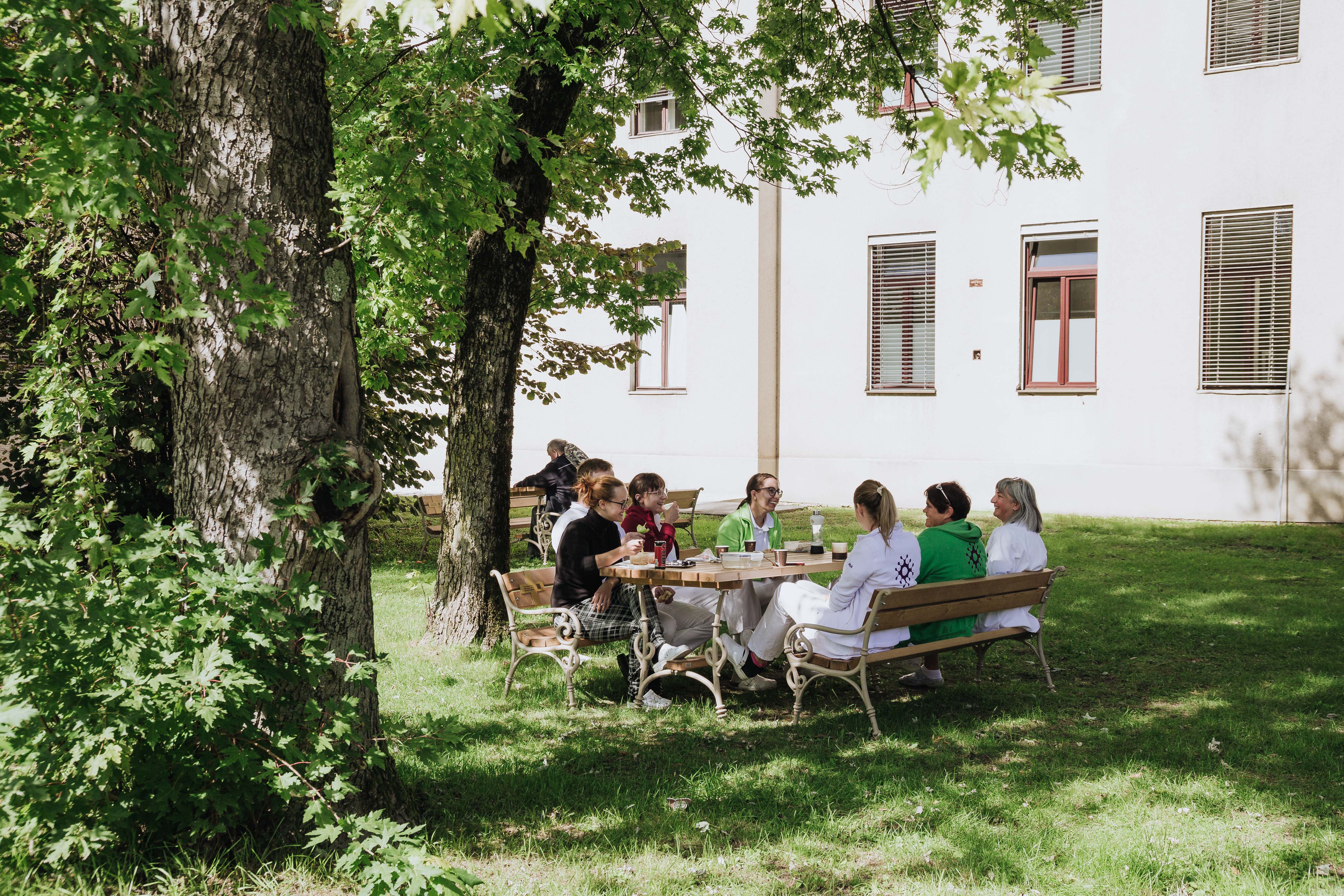
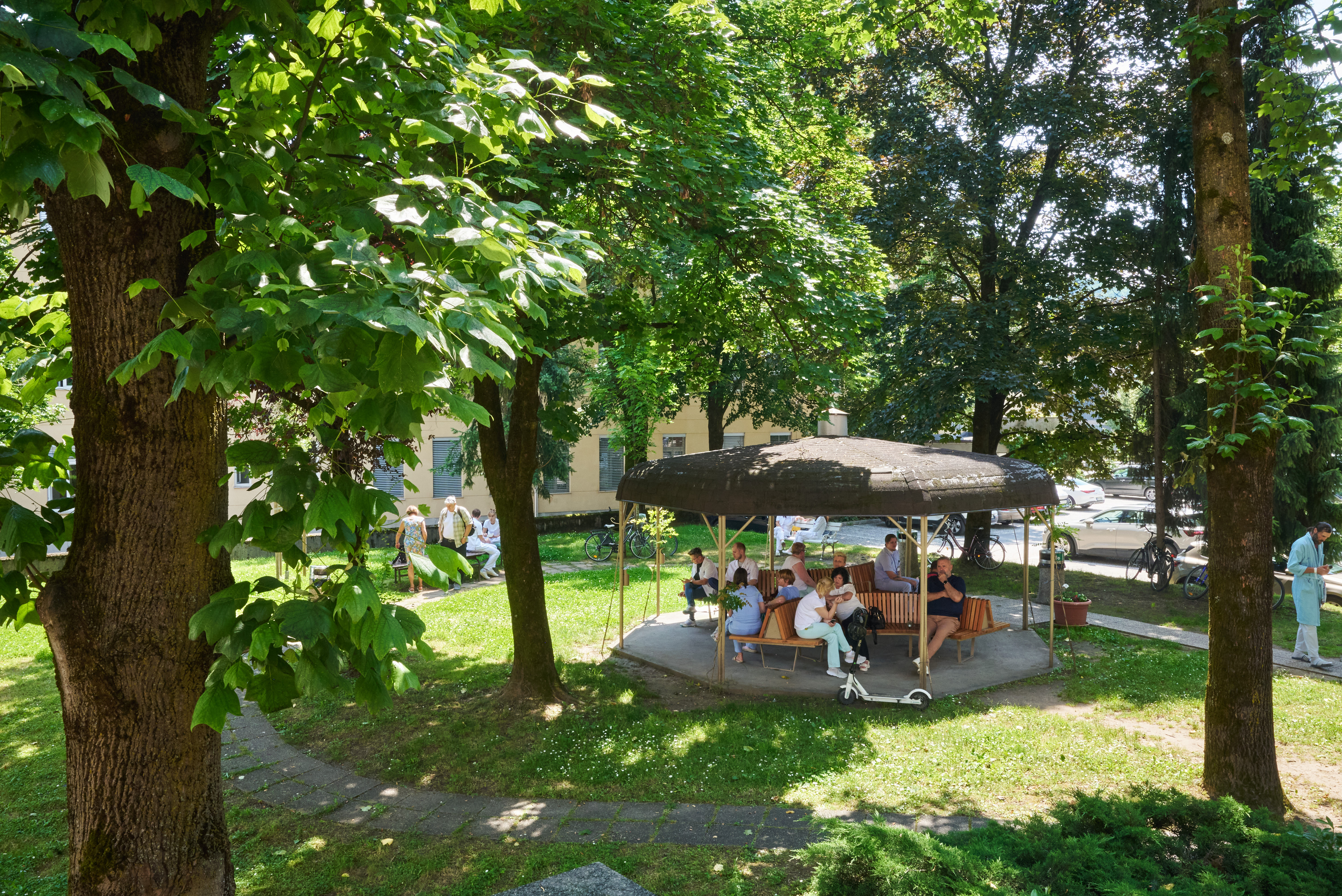
(Un)Healthy Spaces transforms neglected outdoor areas of hospitals into restorative green spaces that positively affect the mental and physical health of patients, visitors and staff. The first pilot was implemented at Slovenia’s largest hospital – Ljubljana University Medical Centre – where unattractive, unusable outdoor areas were previously the norm. Through cooperation with users and the surrounding community, the team created places for rest, social interaction and therapy that bring nature into the clinical environment. The project shows that even modest investments in hospital grounds and greening can significantly improve the treatment experience and people’s wellbeing. Its approach is multidisciplinary, involving architects, psychologists, medical workers and patients in co-creating the space.
Objectives and approaches
The main goal is to demonstrate that the spatial environment is a key factor for health– and that hospitals can be not only places of treatment but also spaces for recovery and social interaction. The initiative seeks to change how hospital grounds are planned: open, green, safe and enabling equal access.
Key approaches
-
Co-design: end-users – patients, medical staff and local residents – participate in planning.
-
Health through design: integrating greenery and areas for calm and activity to reduce stress and support mental health.
-
Modularity and scalability: a concept that can be replicated in other medical facilities without major costs.
-
Sustainability: use of local resources, ecological materials and low-maintenance solutions.
-
Inclusion: a space equally comfortable for people of different ages, abilities and social backgrounds.
Relevance for Ukraine: This approach is especially valuable, as many hospitals and rehabilitation centres have outdated grounds that do not meet current needs. In wartime and post-war recovery, it is important to create environments that support the psychological health of patients, medical staff and residents.
1 KM of Urban Change (Prague, Czech Republic)
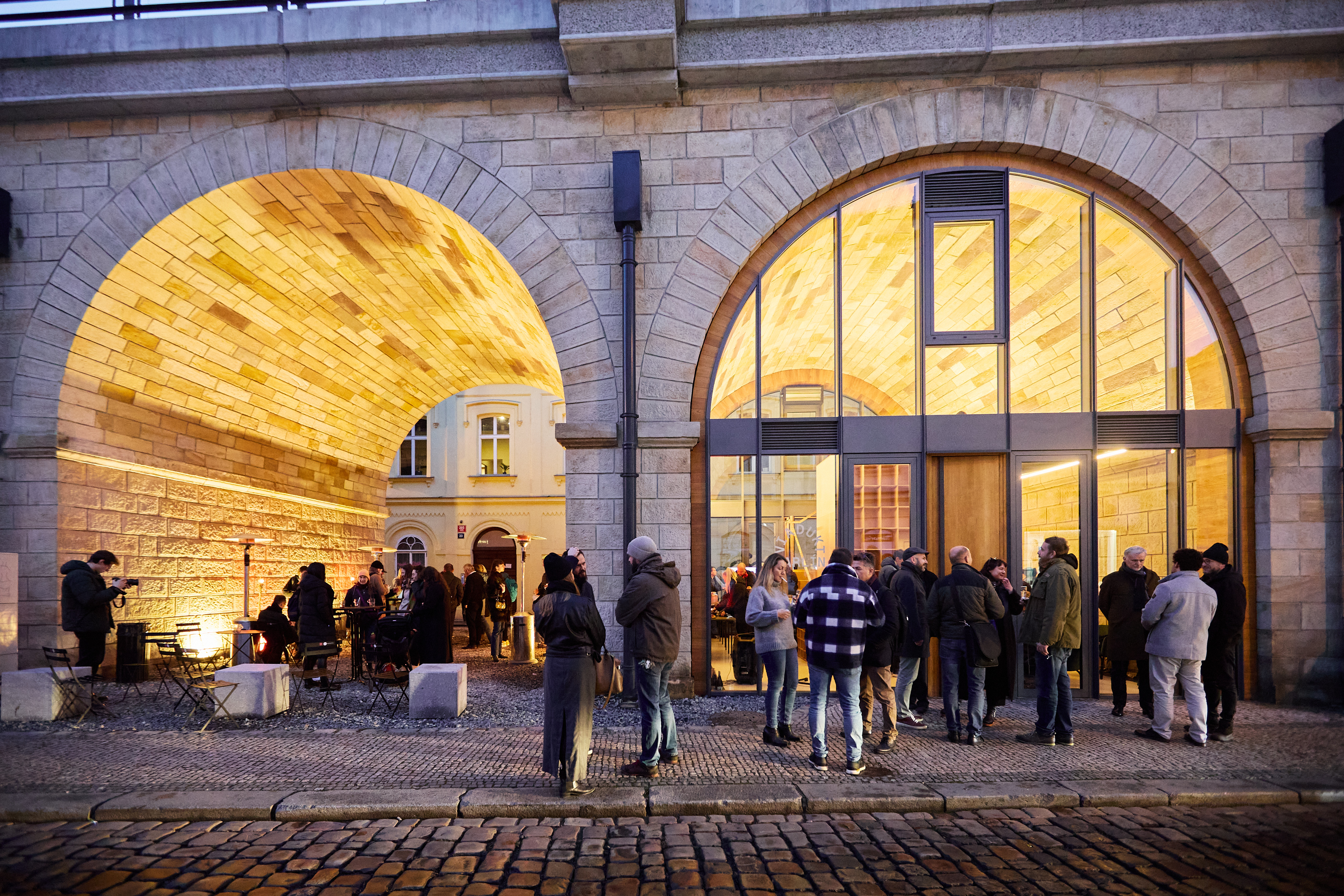
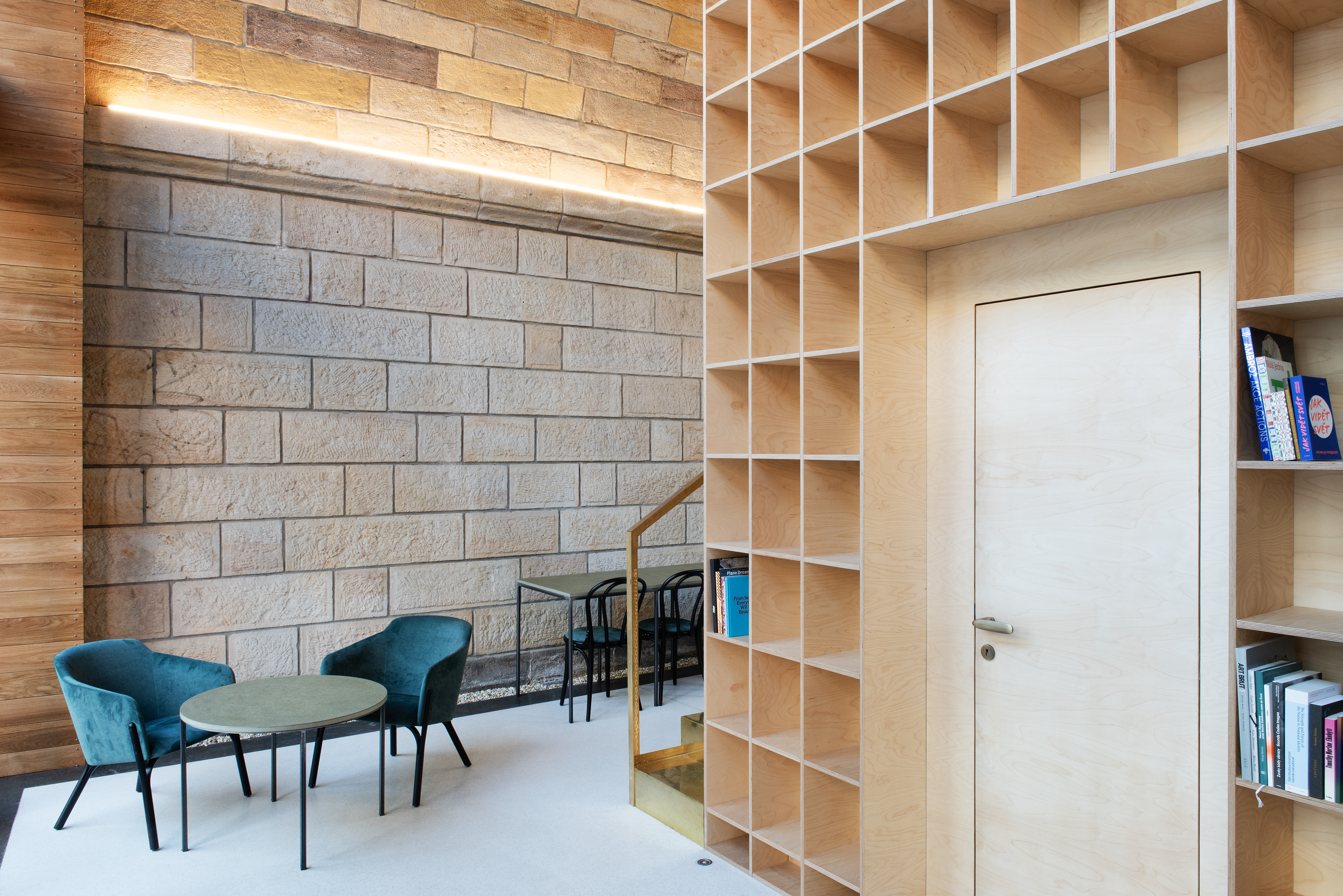
1 KM of Urban Change transforms neglected spaces under the Karlin railway viaduct in Prague into a dynamic urban environment with everyday functions. The initiative, led by a non-profit organisation in close cooperation with the city and railway authorities, provides a model for how civic actors can play an active role in urban transformation. A first pilot arch is already open; the full one-kilometre stretch foresees upgraded pedestrian routes, better links to the waterfront, spaces for small businesses, creative workshops and social uses. The project combines preservation of the historic character of the infrastructure (viaducts, arches) with new functions suited to contemporary urban life. This is not merely an aesthetic renovation – it is an active intervention in the city’s structure, changing how the “in-between” spaces beneath bridges and tunnels can be used by the community.
Objectives and approaches:
The core aim is to show how neglected infrastructural structures (arches, viaducts) can become drivers of local development, entrepreneurship and cultural initiatives. Key approaches include adaptive reuse – not demolishing the viaduct but transforming it while respecting heritage values. Cross-sector collaboration is crucial: non-profits, government, railway and city authorities agree on new functions, management and financing. The project is oriented towards accessibility and community inclusion so that spaces serve local residents, entrepreneurs and creative groups – not just as “views” but as active elements of the city. Pilot interventions provide a proof of concept that can be scaled and replicated in other similar zones in Prague and elsewhere, including in Ukraine.
Relevance for Ukraine: For many Ukrainian cities– especially those affected by destruction or the loss of industrial functions– the “small-scale, big-impact” approach can be a tool for fast and affordable transformation. Even one kilometre of change can demonstrate a new quality of urban life and bring communities together around common improvements.
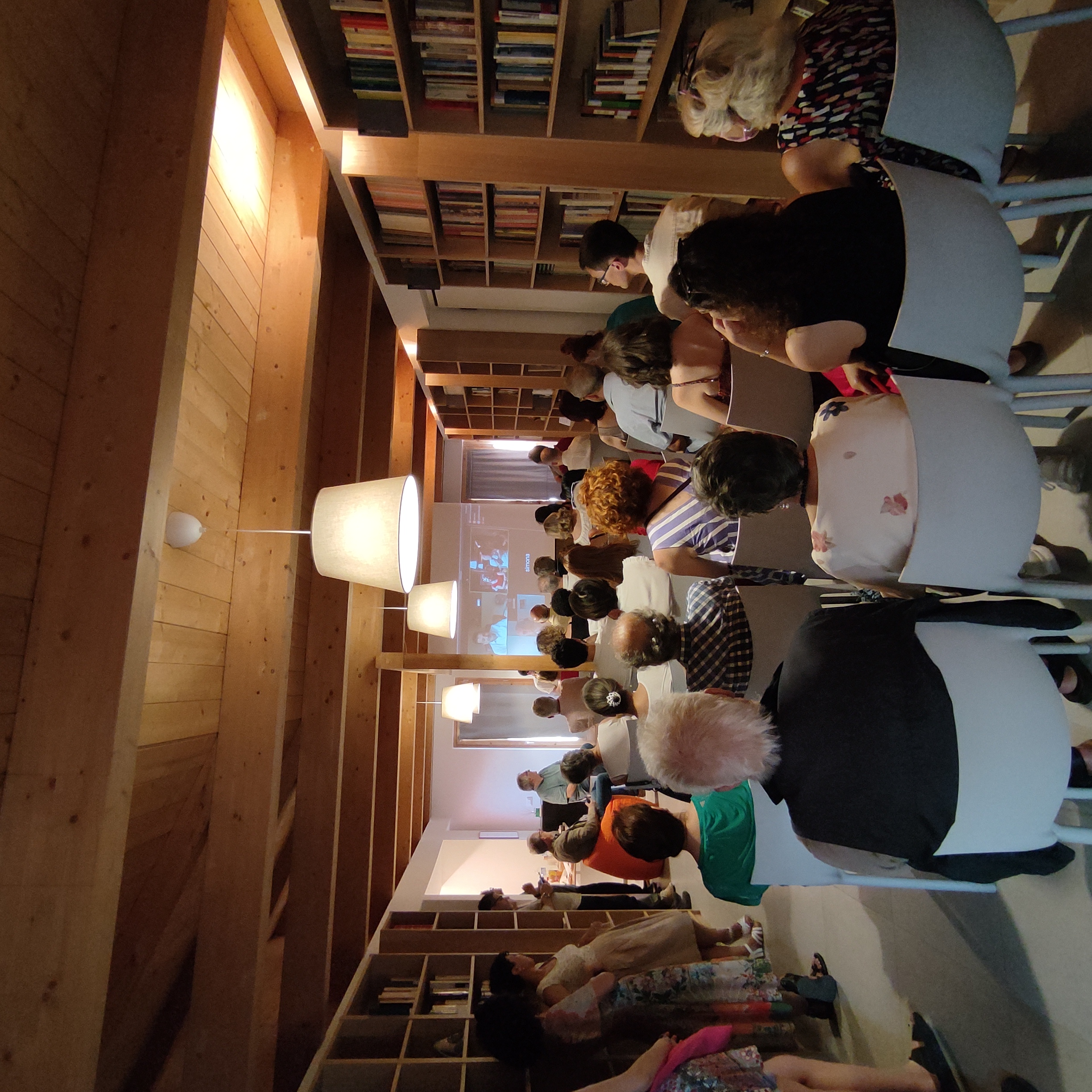
CAPACITI – Building capacities for inclusive change (Messina, Italy)
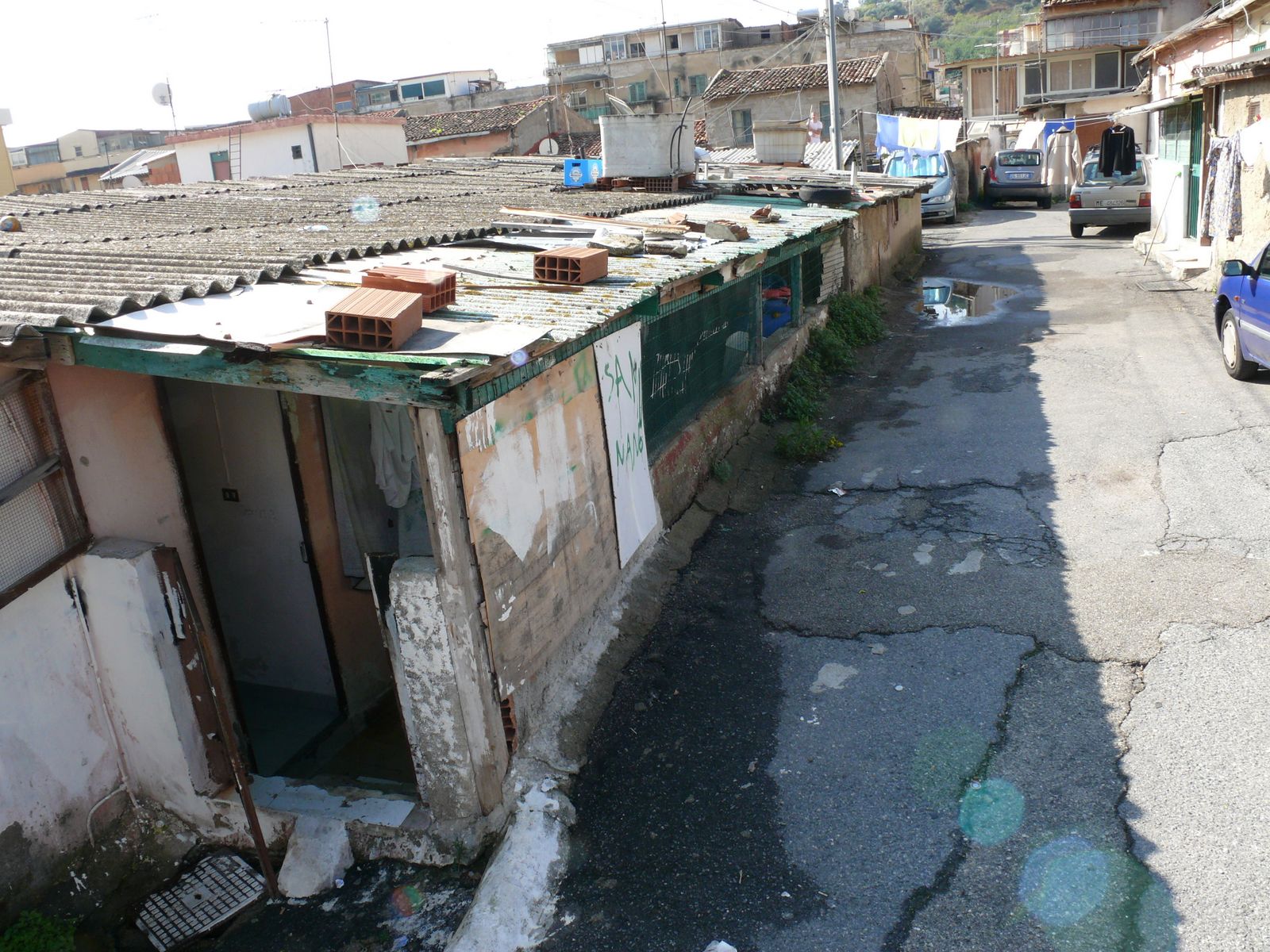
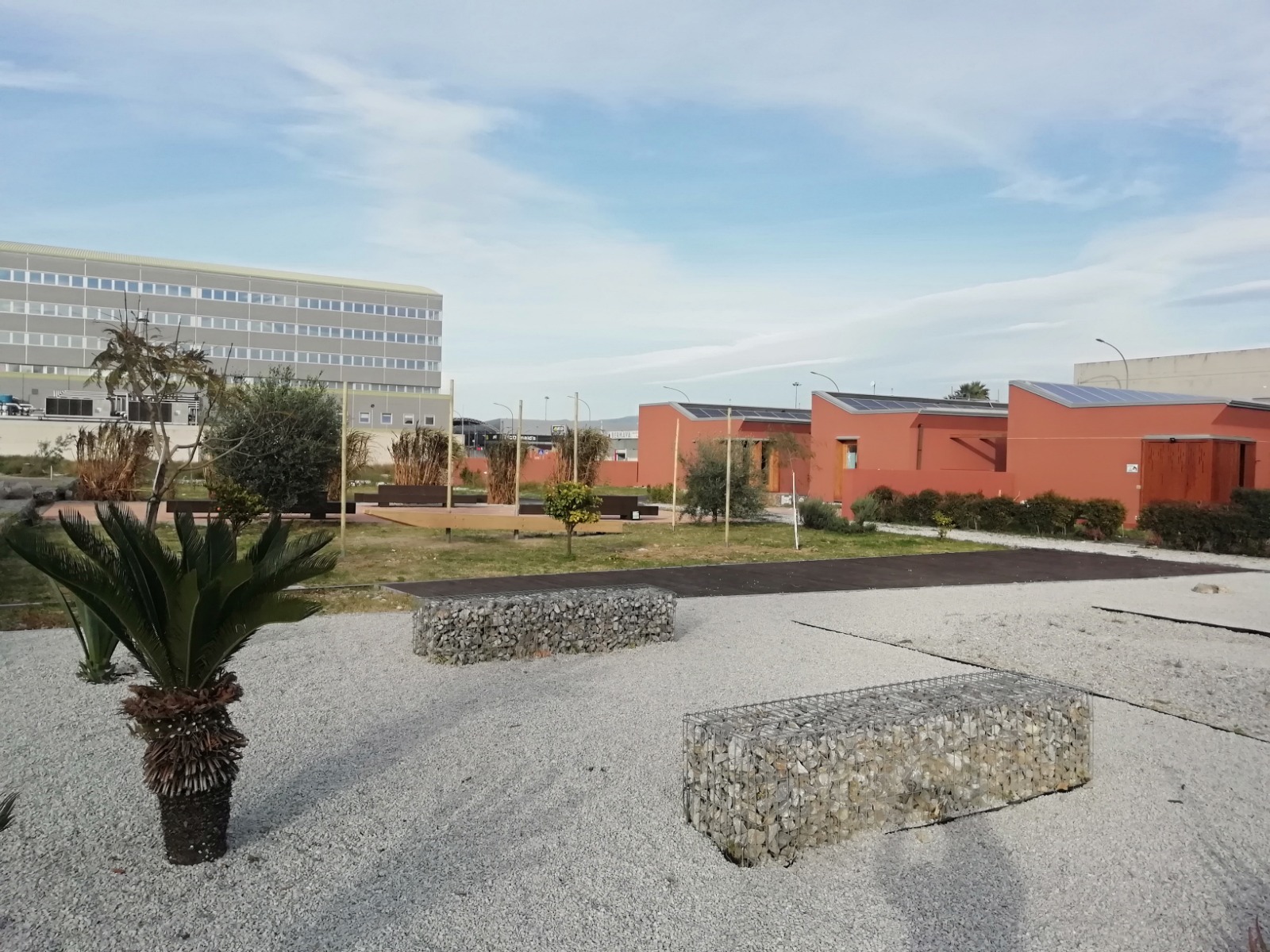
CAPACITI transforms informal settlements in Messina into contemporary, sustainable urban districts with social infrastructure. The previously neglected site faced poor living conditions, asbestos roofs and a lack of basic services. The project regenerates 24,000 m² of urban territory, creating a public park, library, kindergarten and six eco-designed housing blocks. An innovative element is the horizontal condominium prototype– energy-efficient homes built with bio-materials and smart energy-management systems. The project also launched a demonstration Renewable Energy Community, enabling residents to share energy fairly and reduce energy poverty.
Objectives and approaches:
CAPACITI is rooted in the Capability Approach – expanding people’s opportunities in housing, work and social participation. The goal was not merely relocation but voluntary, informed choices by residents who co-shape their homes and environment. Social mediation is central: one-to-one consultations, meetings and dialogue to understand needs and preferences during the transformation. Ecological materials, low energy use and renewables were deployed to minimise environmental impacts and running costs. An algorithm for fair energy distribution, considering income and health status, helps the energy community operate in a socially just way. Multi-level partnerships – municipality, foundation, university, research centres and financing instruments– ensure scalability and durability.
Relevance for Ukraine: In reconstruction, it is vital that municipalities and residents are not just “users” of solutions but co-creators. CAPACITI shows how learning, dialogue and collaboration raise community capacity to make informed decisions, shape inclusive approaches and use resources more effectively.
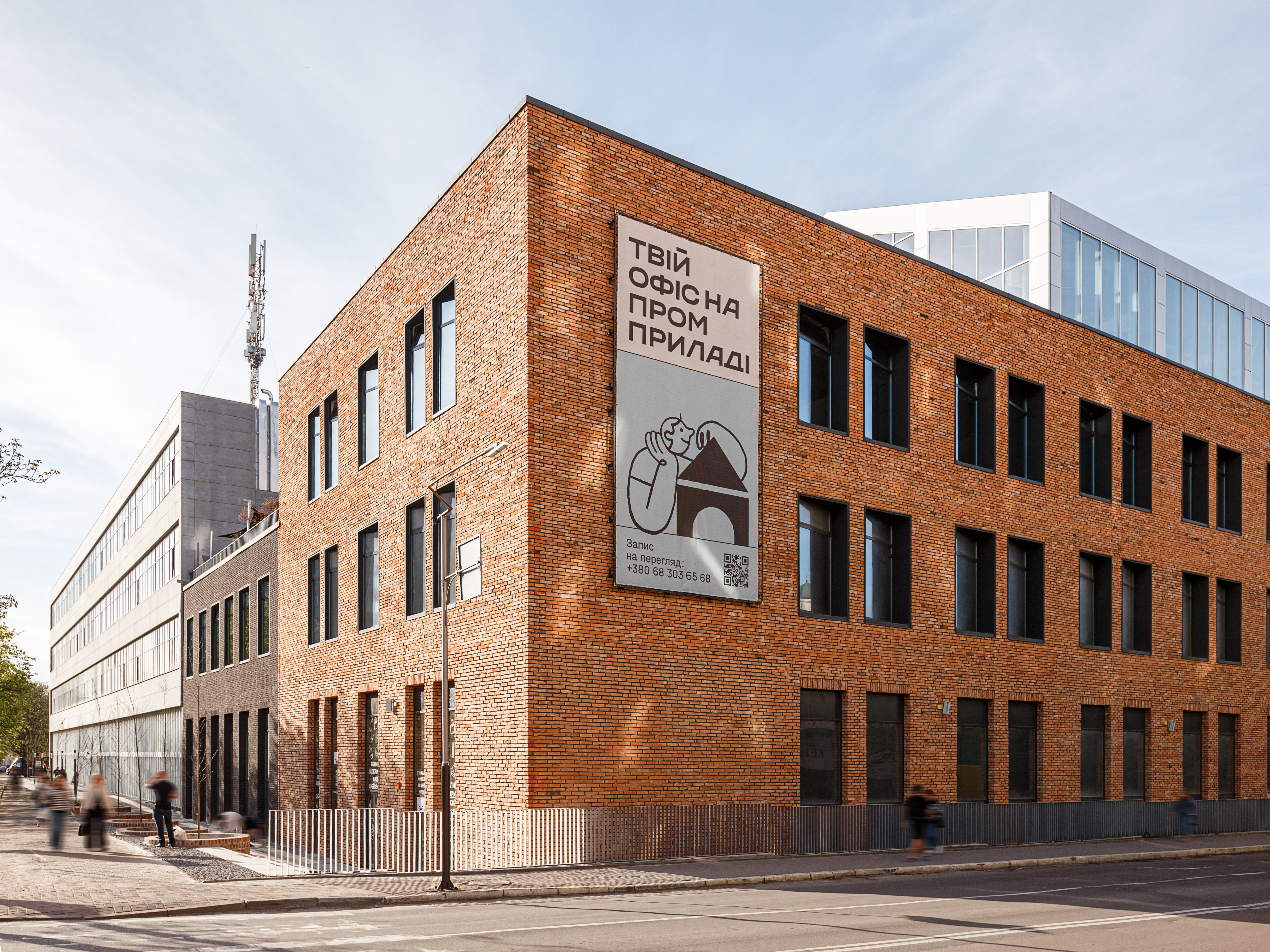
Promprylad (Ivano-Frankivsk, Ukraine)
One of the two winners in this category
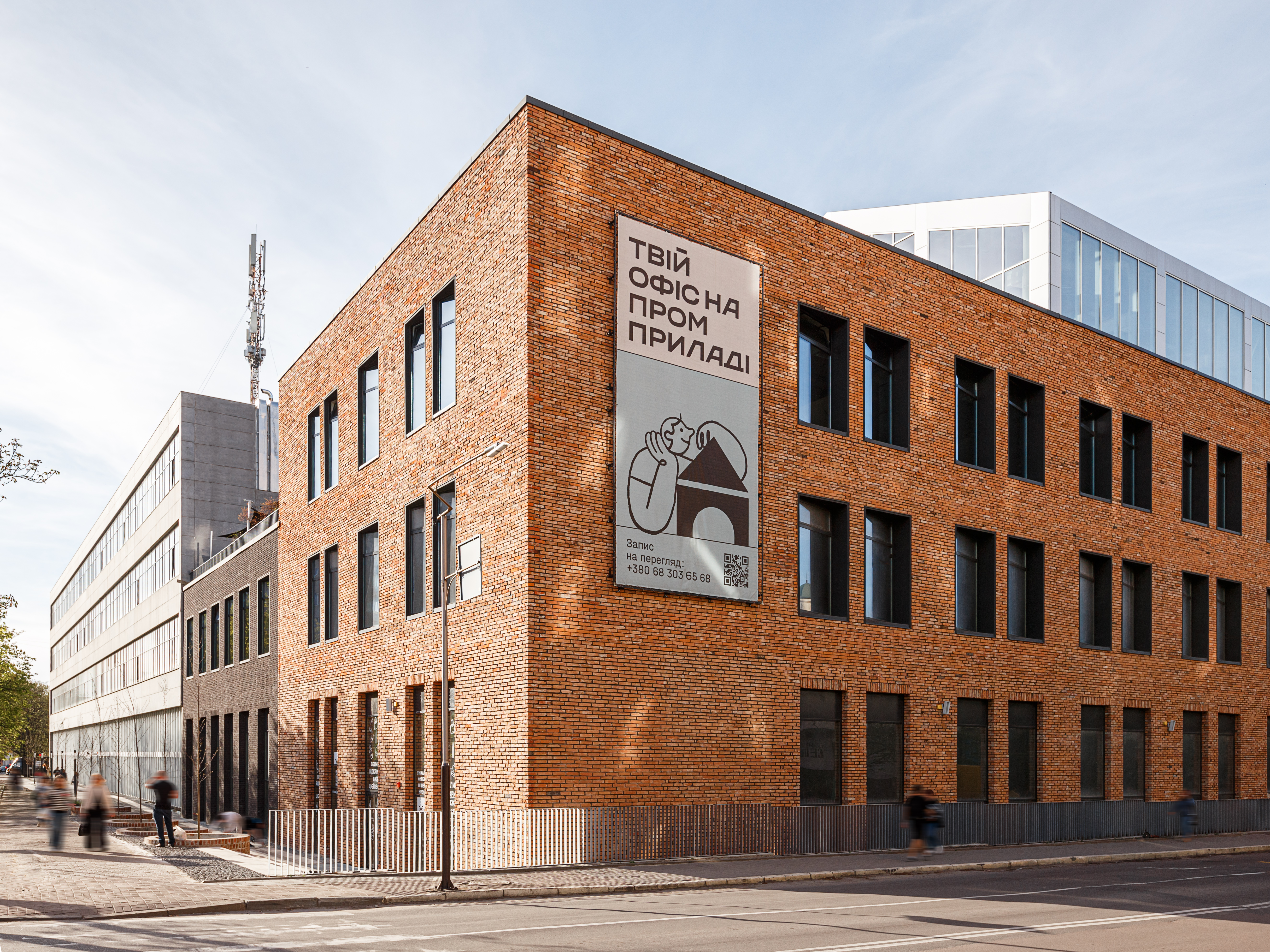
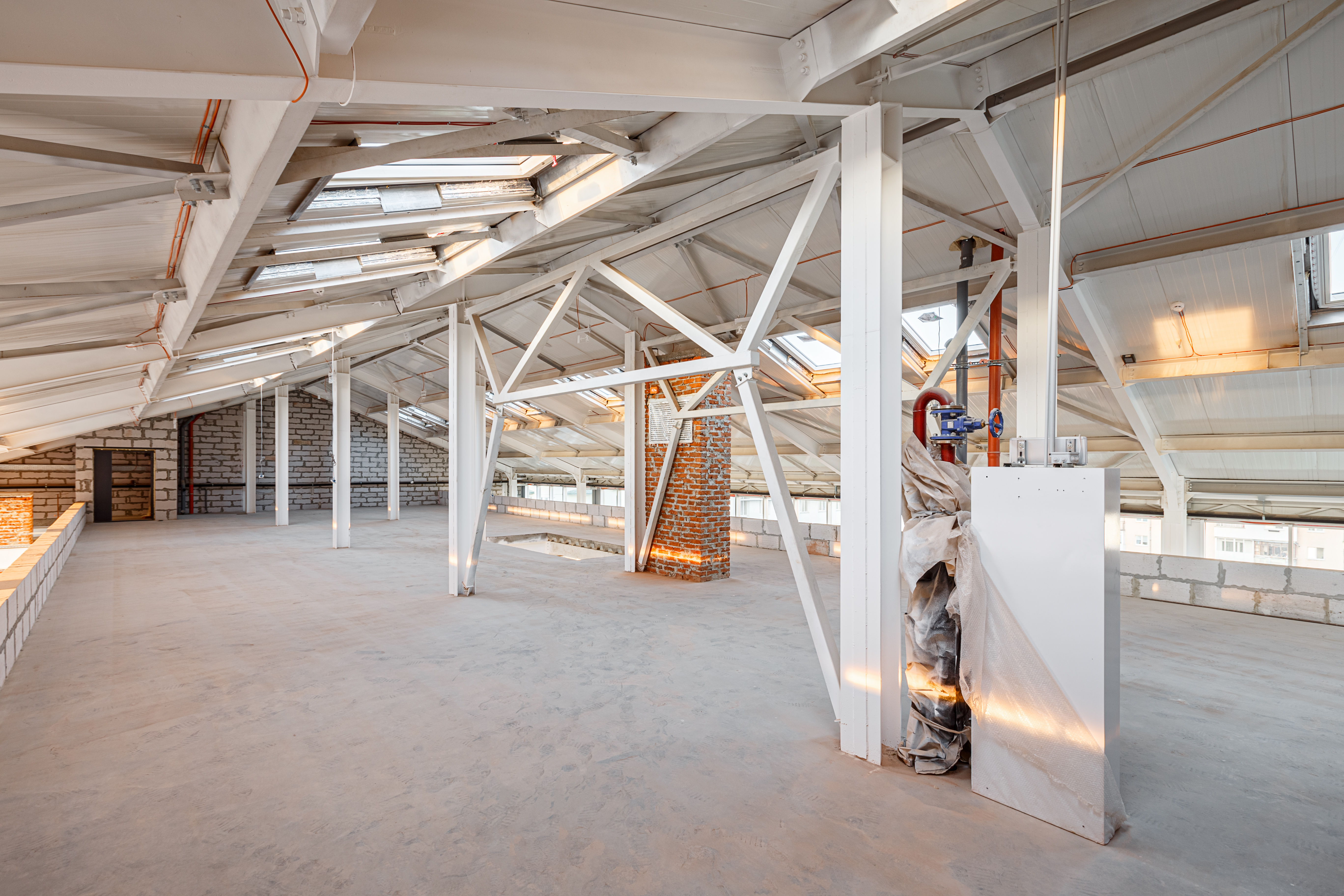
A large-scale transformation of a former industrial plant into a centre of cultural, economic, educational and techno-scientific development. The project combines four strands: the new economy, urbanism, art and education. On the factory site, it creates innovation labs, coworking spaces, offices, creative spaces and public areas, while preserving authentic industrial architecture – brick, steel structures, large windows. The project applies an impact-investing approach: investors not only receive financial returns but also support social and cultural change in the region. Promprylad supports businesses forced to relocate due to the war, organises educational programmes, start-up schools, mentoring and community events. Over 2,300 people have taken part in training programmes; 400+ jobs have been created; 28 educational events have been implemented; and there are more than 150 workstations across coworking areas, including children’s rooms for parents.
Objectives and approaches:
Promprylad’s goal is to revive an industrial space by turning it into a multi-functional hub that stimulates innovation, entrepreneurship and social cohesion. A key idea is the circular economy and sustainable design: using existing infrastructure, reducing waste, energy-efficient reconstruction and a climate-aware approach. The project supports business development and employment – training programmes, accelerators, start-up grants and support for women entrepreneurs. Promprylad uses social-investment instruments that allow citizens and investors to contribute to change by supporting local projects while receiving dividends.
Another crucial component is inclusion and community engagement: addressing the needs of IDPs, children, veterans and parents with young children to create a place where diverse groups feel they belong and can interact effectively.
The project also has an educational function through collaboration with international universities, giving participants access to global practices and knowledge.
Summary of the category “Prioritising the places and people that need it the most”
This category reminds us that real change does not begin with the brightest façades and central squares, but in places that most often remain in the shadows. These projects work where it is hardest – within neglected industrial zones, in municipalities with limited resources, among those facing inequality every day. They show that high-quality architecture and design can be instruments not only of beauty but also of social justice, healing and the restoration of trust.
The finalists demonstrate that transformation is possible even at a small scale: one kilometre of change can breathe new life into an entire district, and a co-created space can support people better than any institution. The process matters as much as the outcome – when the community is an active participant rather than a passive user, change is more durable.
For Ukraine, this experience is especially important. We face the task of reconstruction after destruction, restoring fairness for the most vulnerable groups and reimagining neglected areas. European examples prove that even local projects can become powerful symbols of hope and catalysts for broader change. “Prioritising the places and people” is, in many ways, about Ukraine today: about the challenges we face and the opportunities that open up when people and their needs are placed at the centre.
Source of information and photos:
https://prizes.new-european-bauhaus.europa.eu/application/34405
https://prizes.new-european-bauhaus.europa.eu/application/32160
https://prizes.new-european-bauhaus.europa.eu/application/35704
https://prizes.new-european-bauhaus.europa.eu/application/26528