



It is not about staff, it is about people
Today, HR management in local self-government is no longer about documents and formal procedures. The real focus is on people: building effective teams, creating supportive environments, fostering motivation and development, and strengthening the municipality’s ability to adapt to change.
This shift — from “personnel administration” to strategic people management — became the core of the programme.
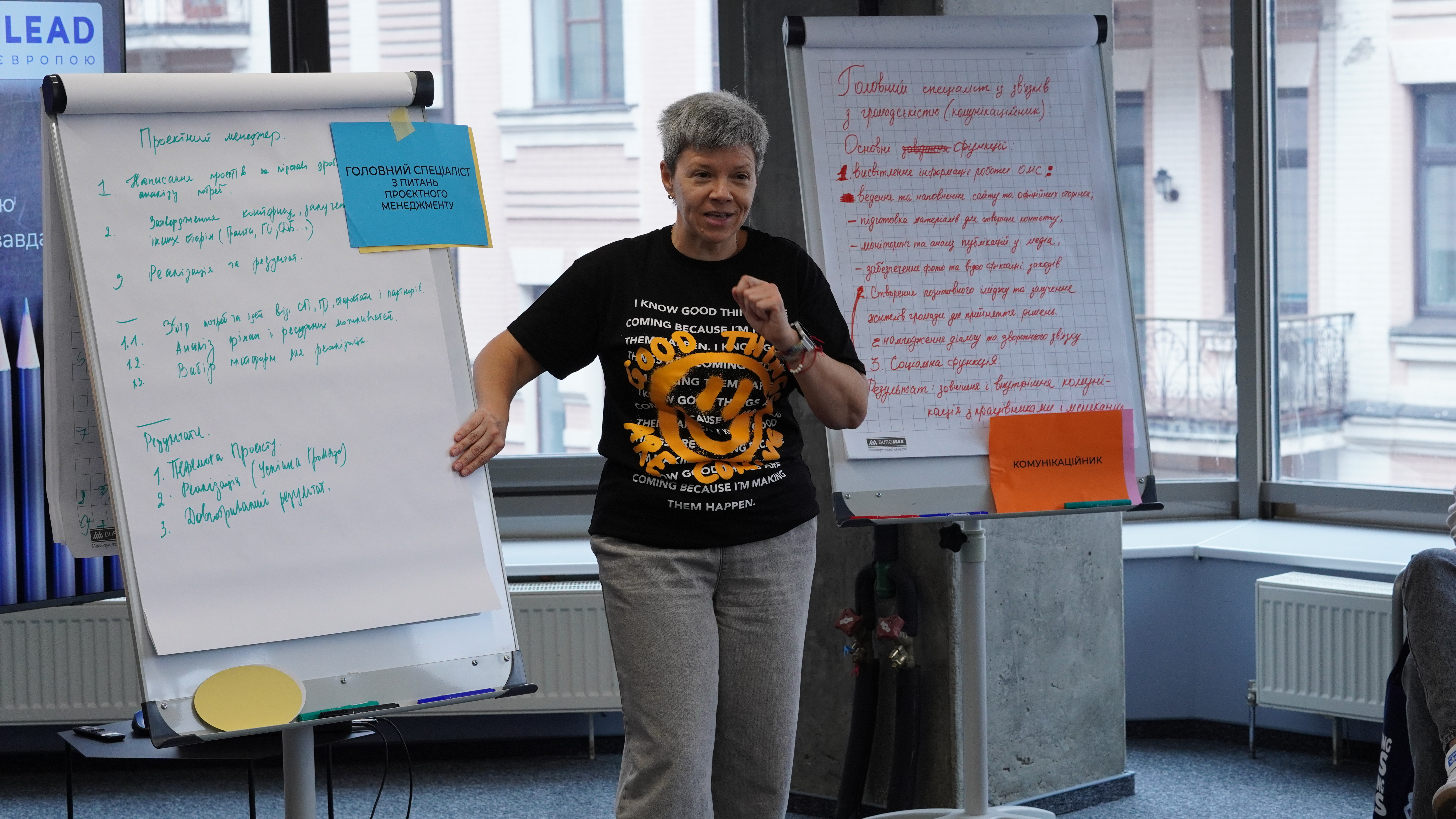
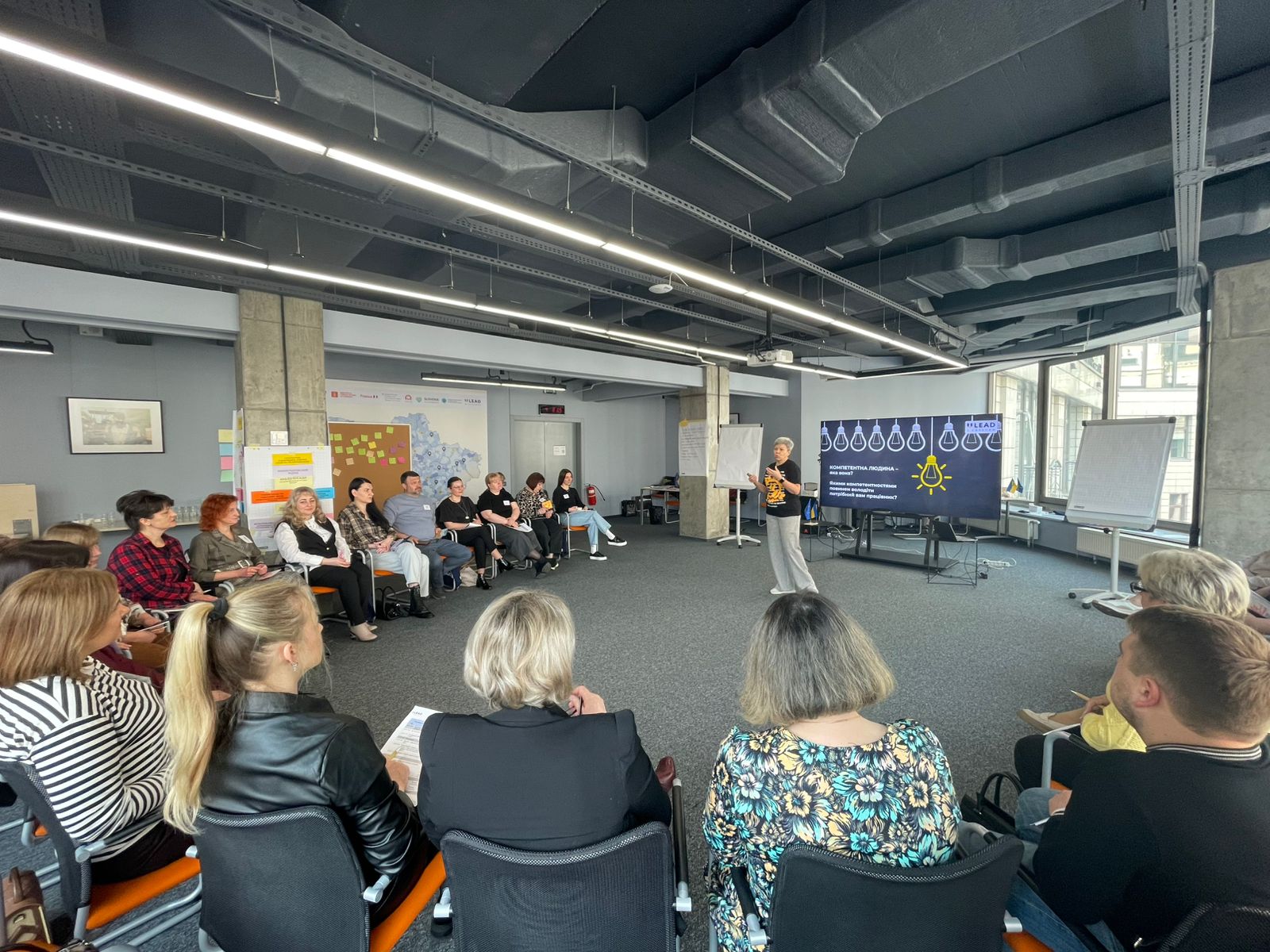
“As of today, municipalities face a critical challenge — moving from formal personnel administration to building effective HR services. This means transforming approaches, expanding the role of HR professionals, and increasing the level of professionalism within local self-government bodies. It is not just about changing functions, but about establishing a systemic approach to human resource management and preparing for the implementation of updated legislation.” — Olha Kirieieva, a Learning Management Advisor at U-LEAD with Europe, trainer.
The tools are there. Actions are needed
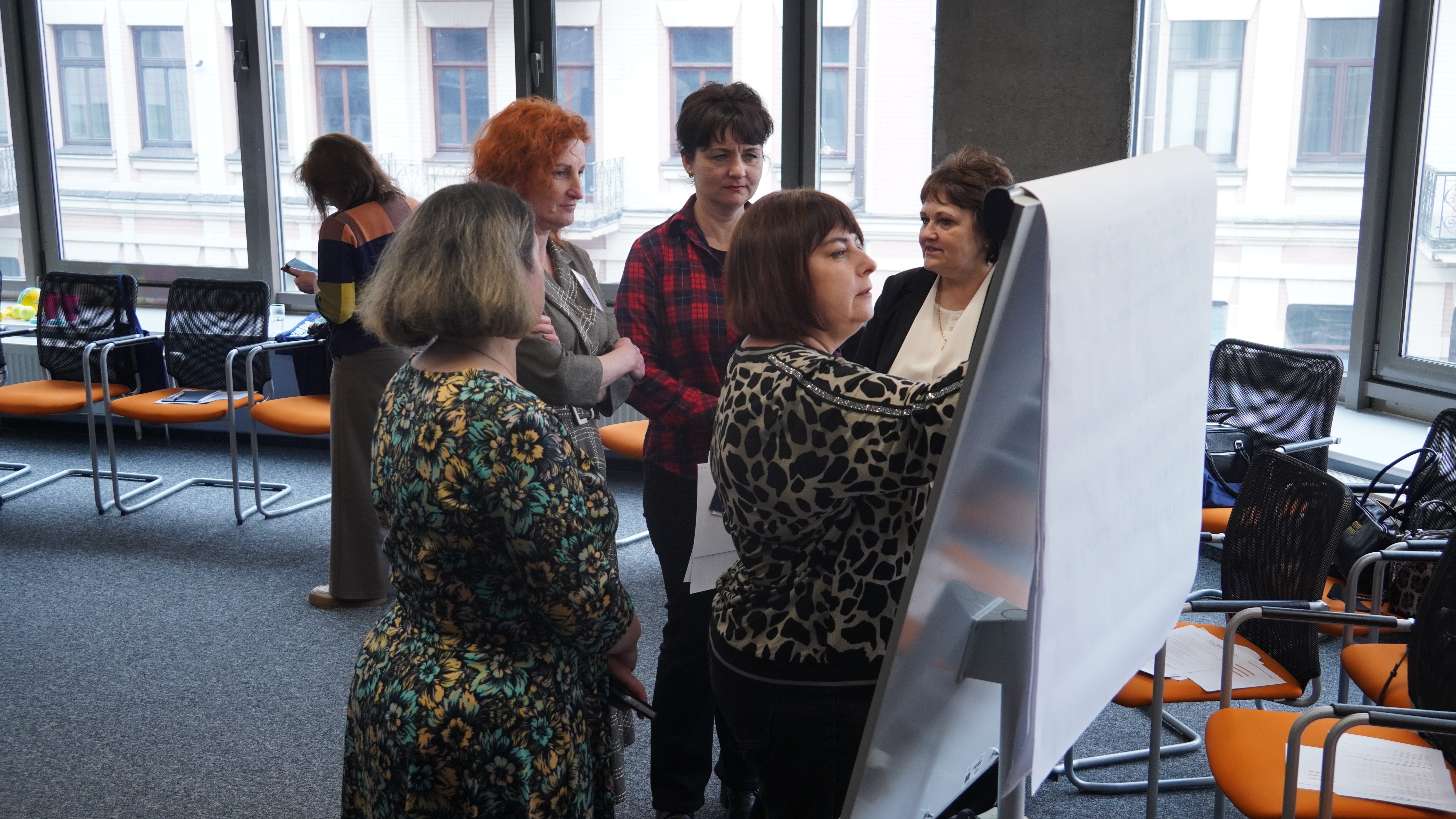
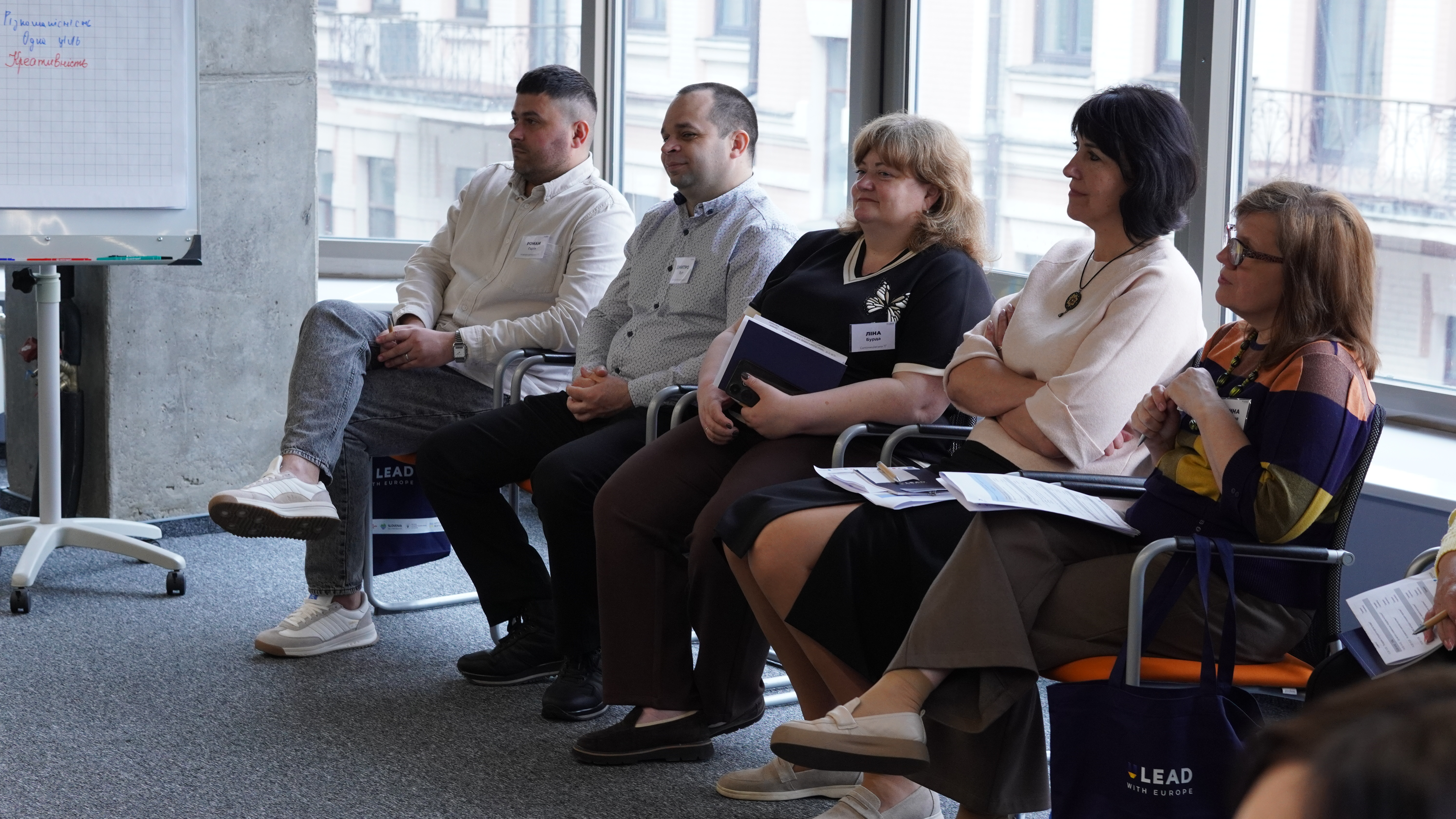
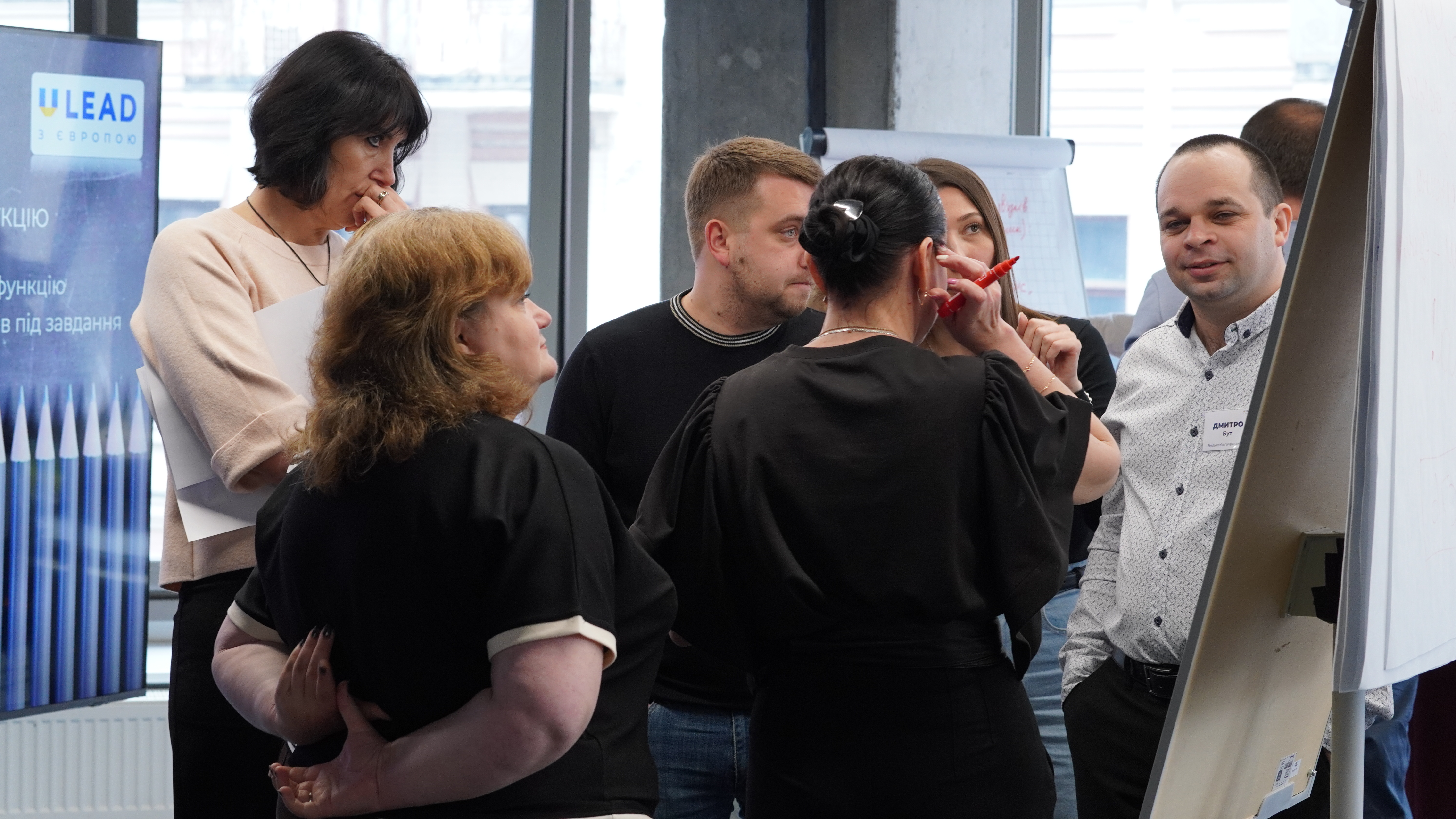
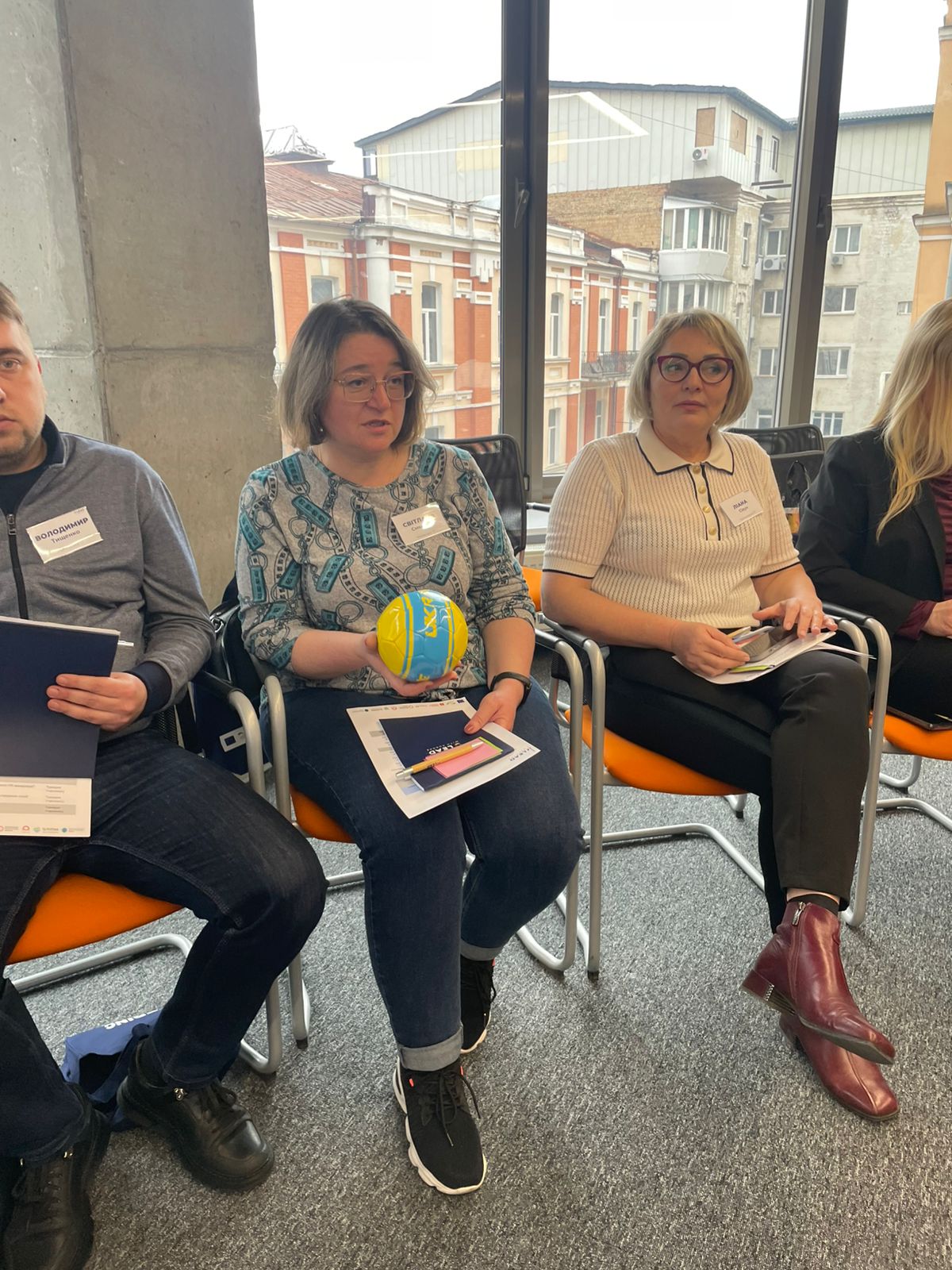
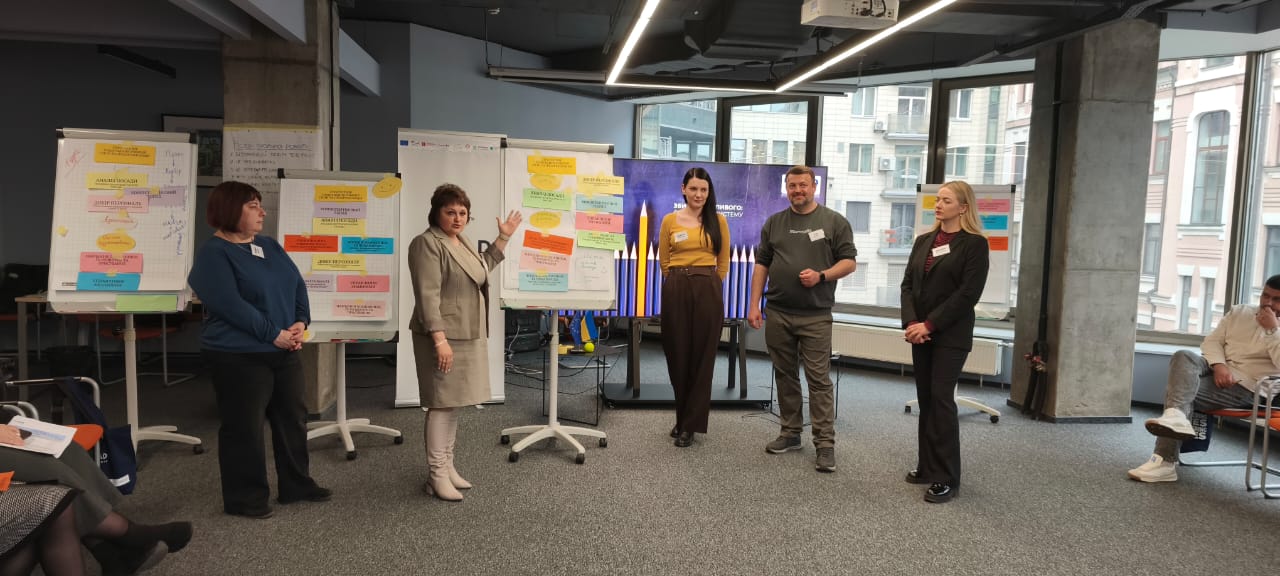
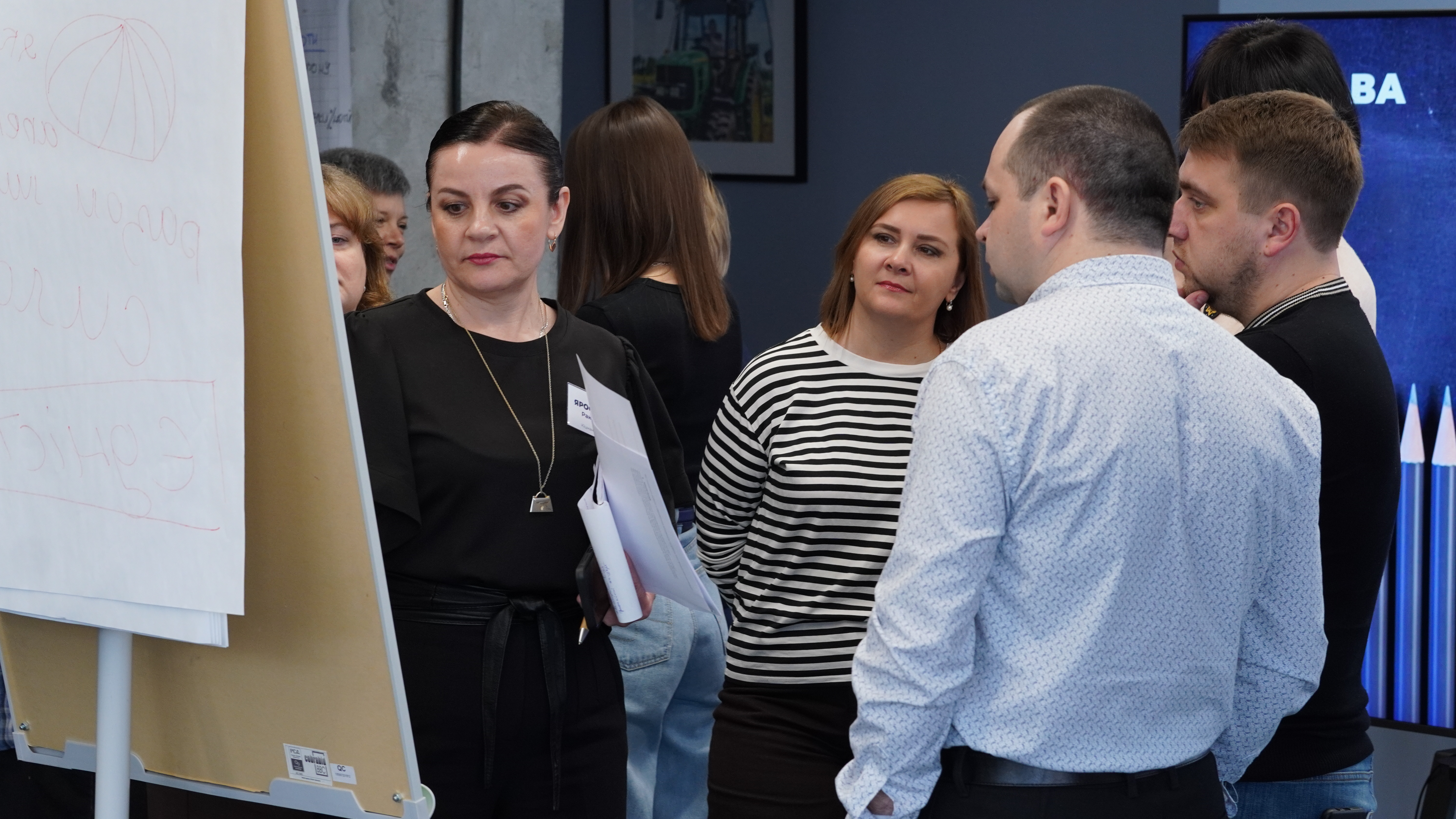
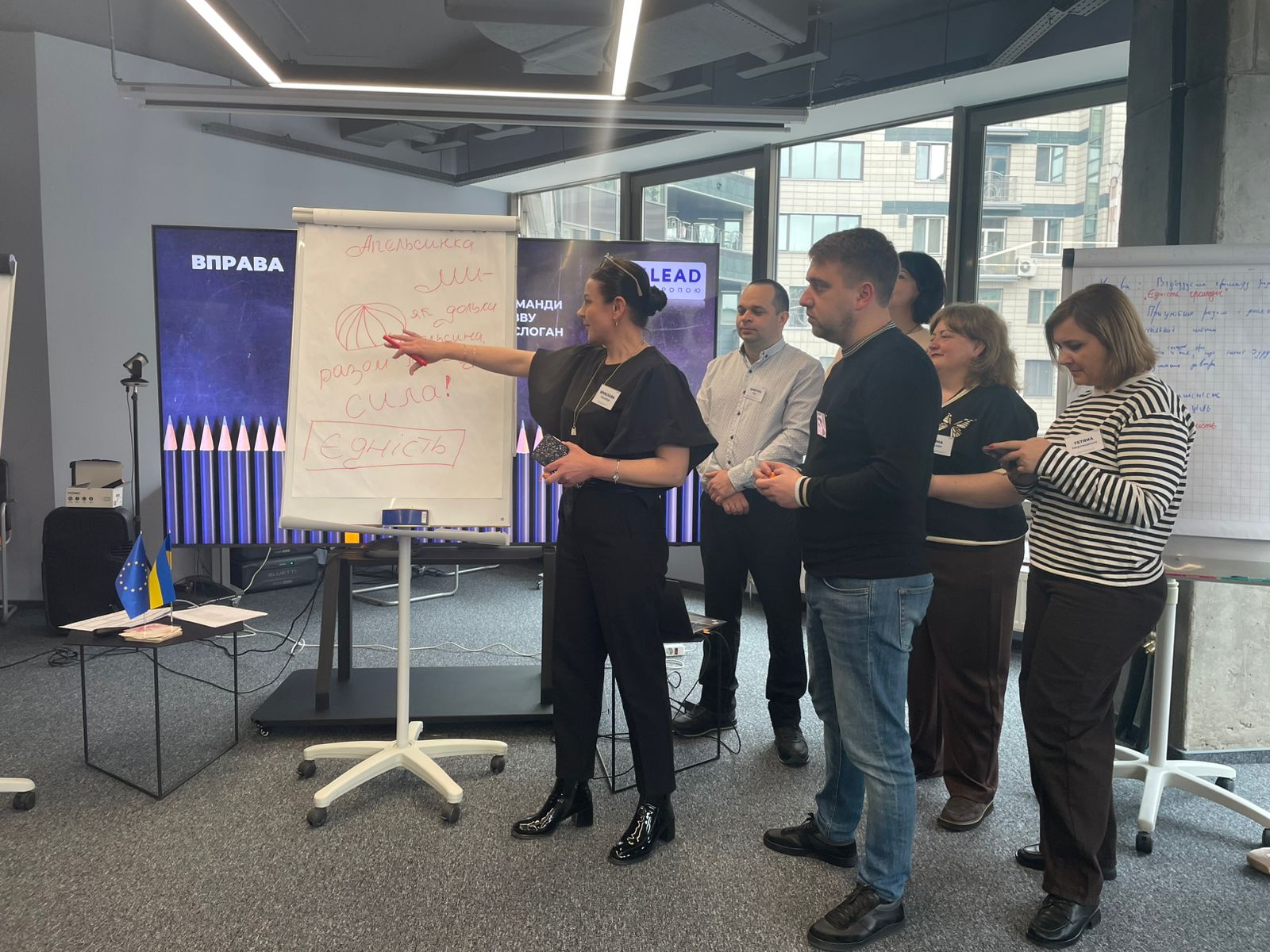
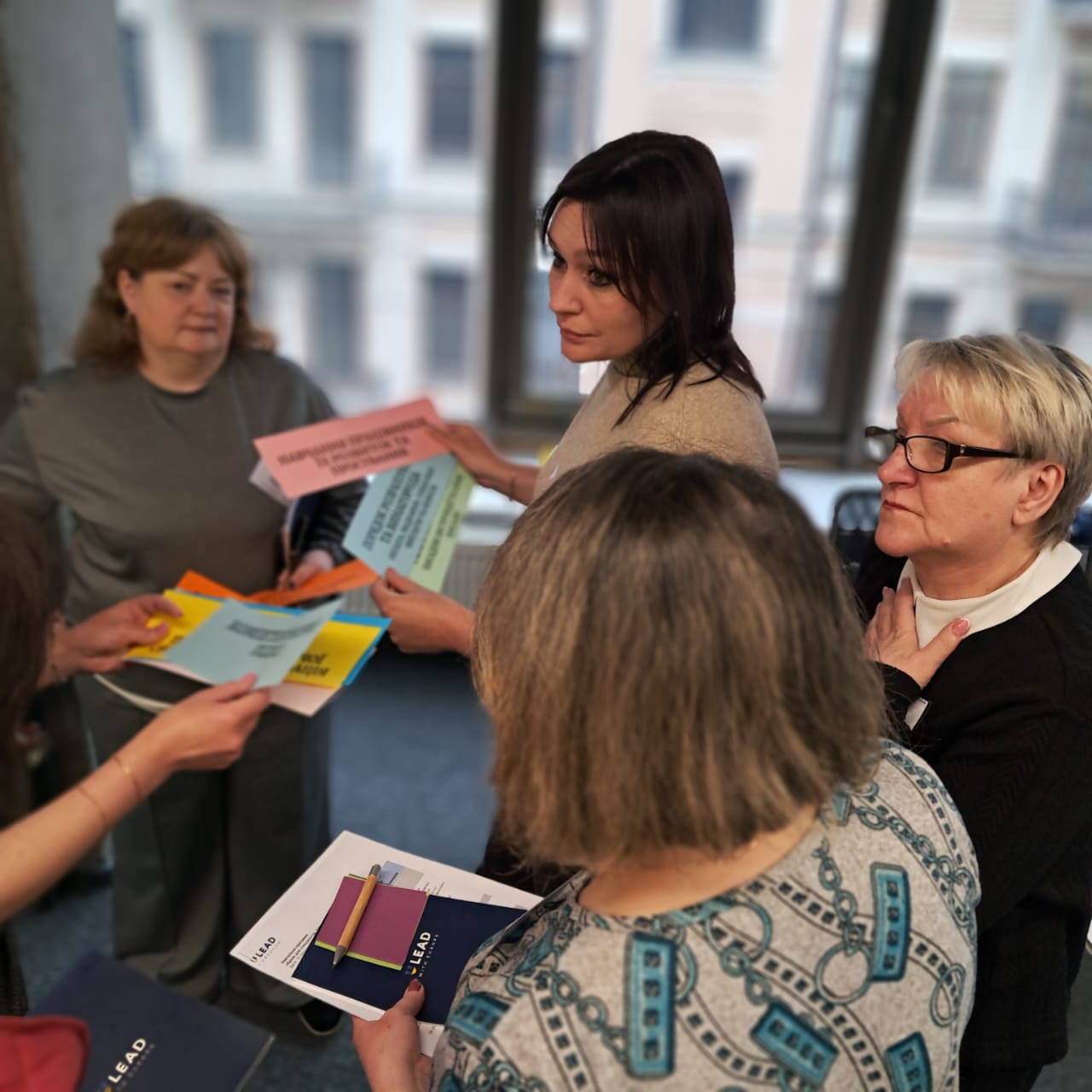
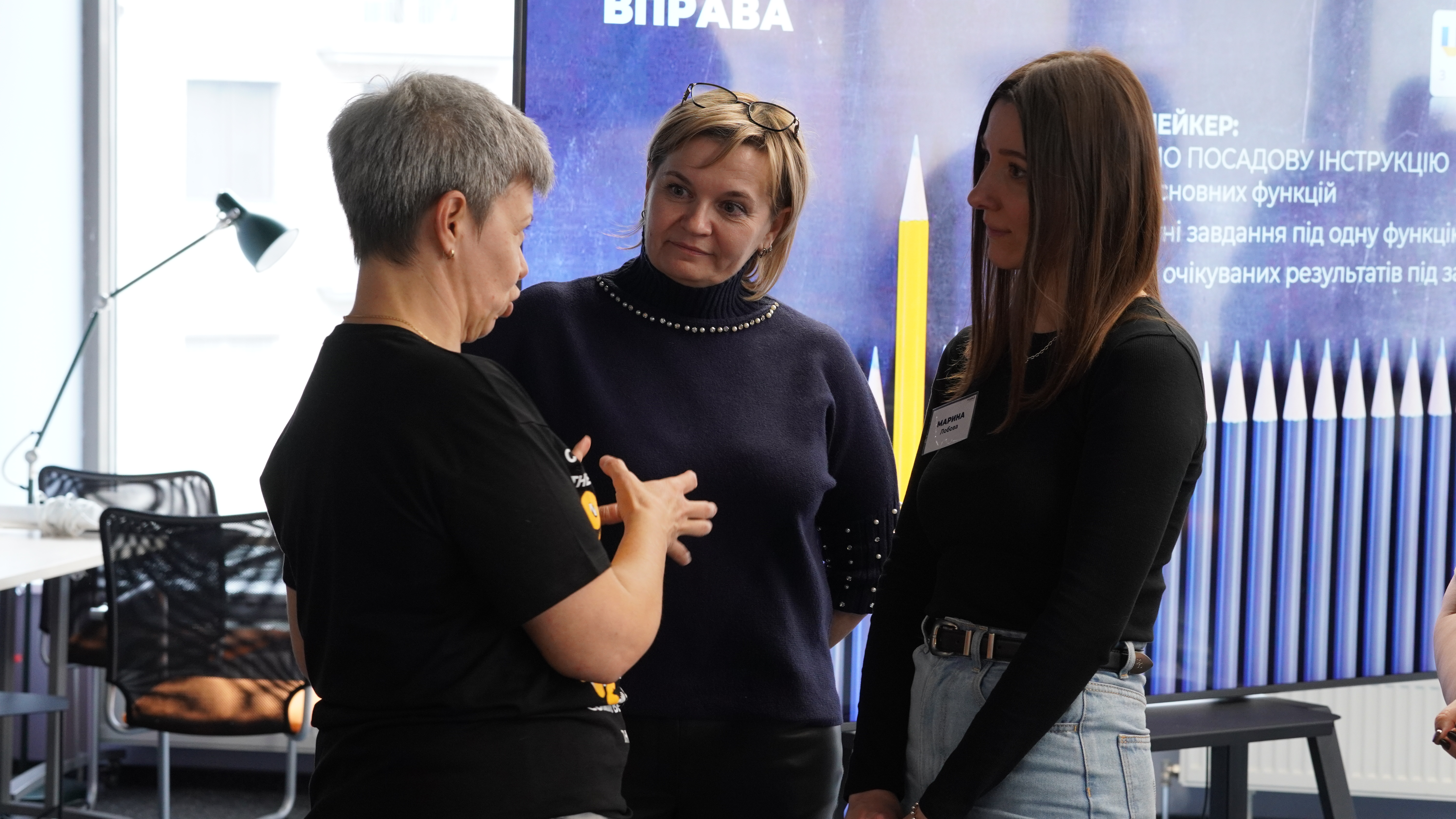
Participants worked with real cases, discussed challenges from their municipalities, exchanged experiences, and searched for solutions that can be implemented immediately. Many came to realize: everything discussed during the training programme is not abstract or theoretical, these are real tools that can already work in practice.
“There is an internal need for my team to be effective, humane, happy, and safe. Now there is more — understanding, hope, and belief that this can actually be achieved. The practices shared by trainers and participants did not only confirm this but showed that the tools exist, the experience exists, and the solutions exist. All that is needed is to act, even in small steps. For our municipalities, a strong local government team can become a more valuable resource than even a new factory or enterprise. As they say — the right people in the right places deliver results. A chain reaction, even from small steps, can create that same ‘wow effect’ in every municipality. And considering that almost the entire country was represented in the programme, one can only imagine the scale of the movement that will follow.” - shares the training participant Ihor Demykh, the Managing Director (Secretary) of the Executive Committee, Liubeshiv Settlement Council, Volyn Oblast.
This tangible outcome demonstrates that there is no need to wait for perfect conditions or large-scale reforms, meaningful change can begin today, step by step.
Strong teams — strong municipalities
One of the programme’s key focuses was a systematic approach to working with people. A competency-based approach does more than change methods — it shapes a new quality of people management, where each team member clearly understands their role, value, and contribution. Through competency planning and analysis, municipalities can build teams capable of responding to modern challenges, making timely decisions, and supporting the development of each employee.
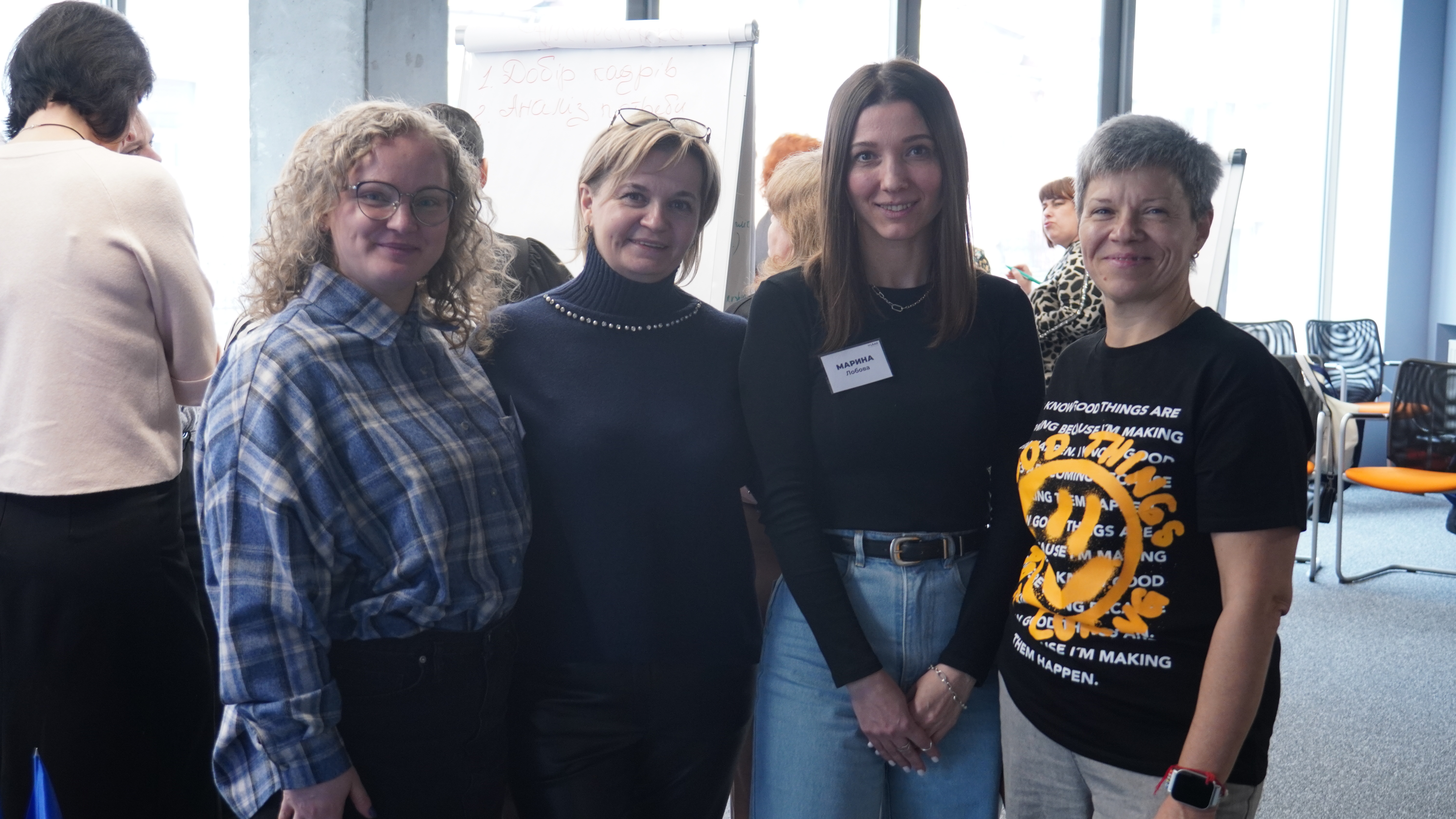
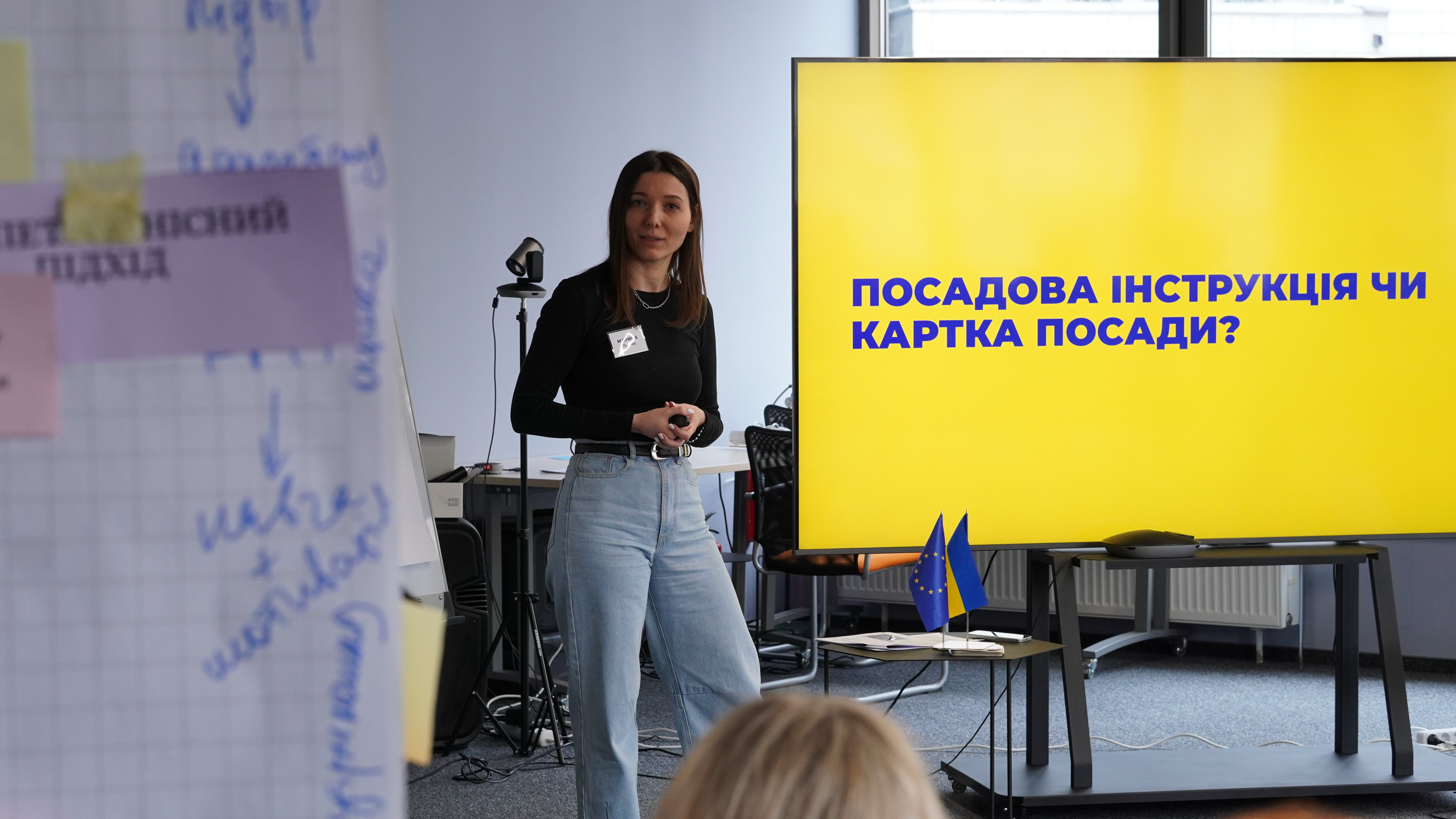
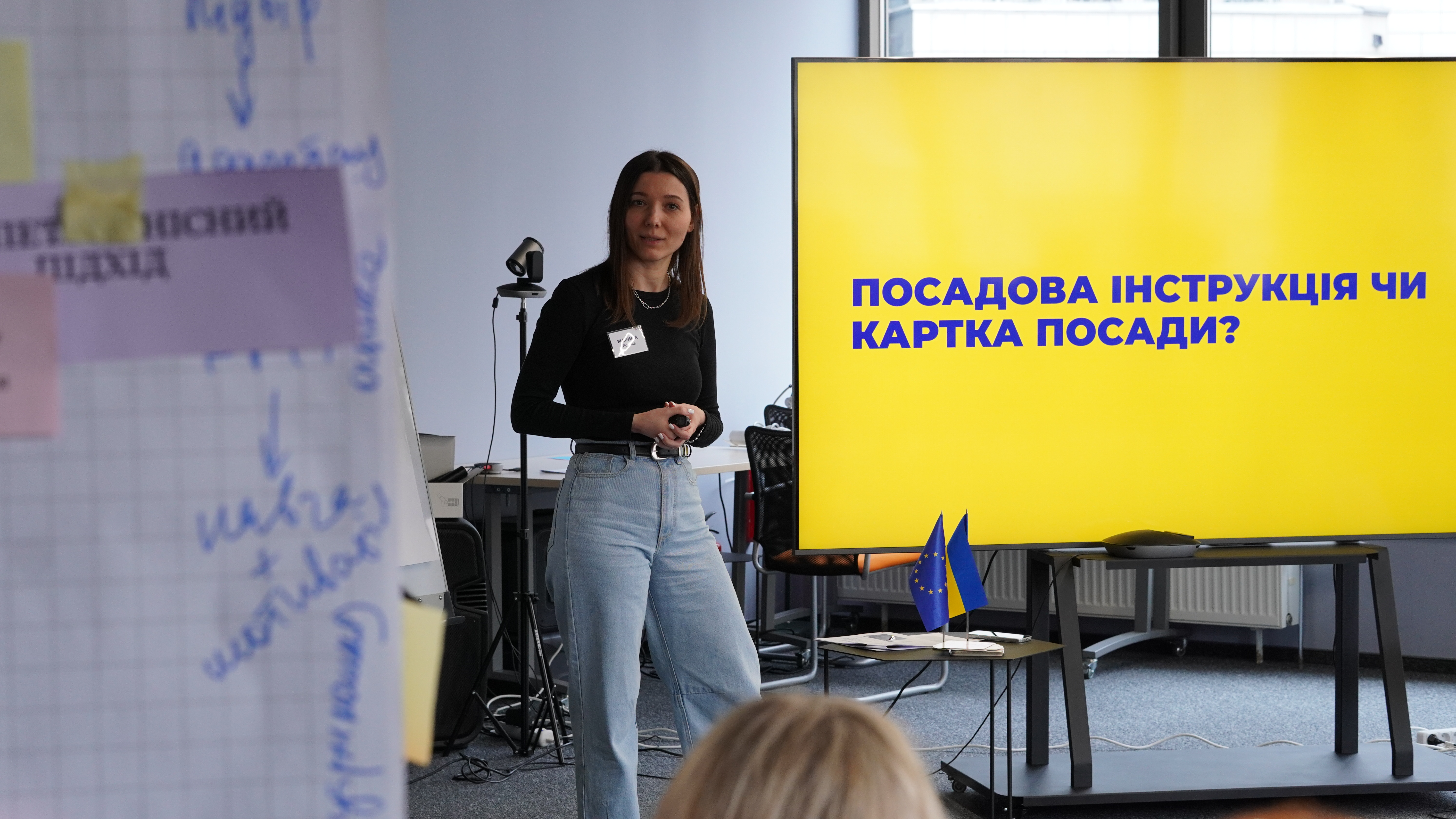
“Workforce planning is no longer about ‘filling vacancies’. It is about strategic thinking: do you have the right people in your team today, and will you be ready for tomorrow’s changes?”— highlights Maryna Lobova, a Deputy Head of Regional Operations Unit at U-LEAD with Europe, trainer.
This is how management logic evolves: from reactive approaches to strategic ones, based on anticipating needs, developing talent, and creating environments where people want to work and grow. A strong municipal team is an active, cohesive community capable of initiating change, supporting one another, and delivering visible results.
About the people who change the system
The training programme is not only about tools and methodologies, but also primarily about the people who use them. They determine whether knowledge remains theoretical or transforms into concrete managerial decisions at the municipal level.
These are professionals and leaders who take responsibility in complex environments, seek new approaches to familiar challenges, and are ready to rethink their own practices. In conditions of constant uncertainty, the ability to learn and adapt is no longer an advantage, it is a necessity.
As one of the participants noted:
“I am grateful for the opportunity to see with my own eyes the truly dedicated people who keep local self-government functioning today. I am confident that Ukraine will change for the better, because we are the ones who were born, raised, and shaped for this. We must continue to ‘burn’ ourselves and ignite others, not be afraid to learn, to lead by example — but also to take care of ourselves, because we are unique and irreplaceable.” — says one of the participants, Olha Radchenko, the Managing Director of the Executive Committee, Zazymia Village Council, Kyiv Oblast.
These words reflect one of the programme’s key outcomes: creating environment where local change leaders emerge and grow. Such individuals become true drivers of change, not because of formal authority, but because of their ability to influence, unite, and initiate transformation within their municipalities.
A new vision of the HR role
The training programme provided participants with a clear understanding of the evolving role of HR in local self-government — from an administrative function to a strategic one. HR professionals are becoming key actors in building effective teams, planning human capital development, and creating environments where each employee feels valued.
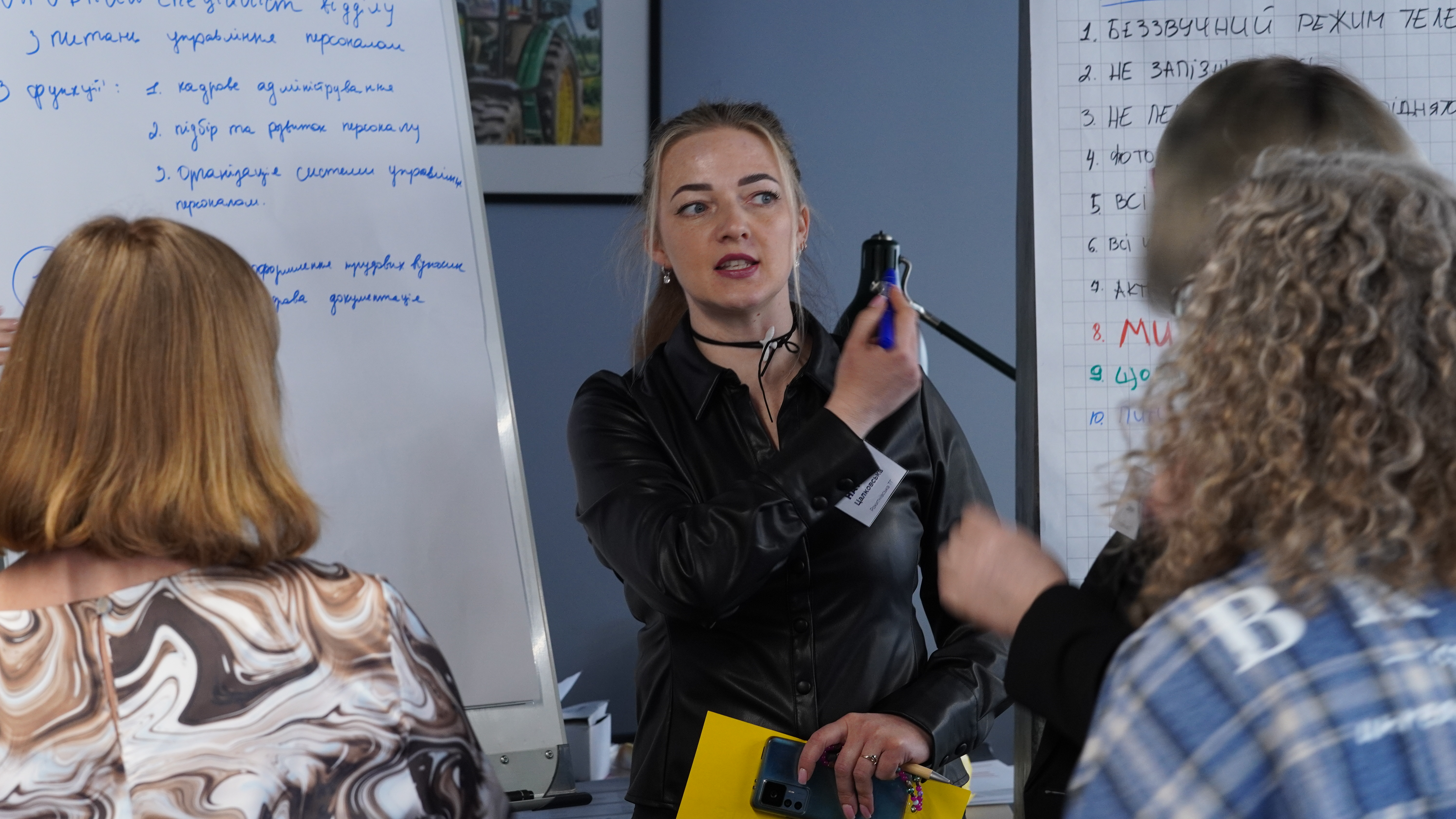
“The training was very intensive and dynamic. The trainers introduced a new perspective on the role of HR in local self-government. The transformation of personnel departments into modern HR services is especially relevant in the context of legislative changes, as the new law shifts the focus from formal administration to strategic people management. This enhances organisational effectiveness, strengthens employee motivation, and ensures the development of human potential in line with modern challenges and standards. My personal takeaway: it is important to make people feel important — this is the foundation of effective HR. HR shapes a culture where each employee feels valued, contributes to organisational development, and becomes part of a shared success.” — emphasises a participant, Nataliia Tsalkovska, the Head of HR Department, Rokytne Settlement Council, Rivne Oblast.
The programme demonstrated that today HR is a driver of change in municipalities — enabling adaptation, introducing modern standards, and improving overall organisational effectiveness.
This is just the beginning
The training programme has ended, but the most important part is only beginning.
“Effective people management is about creating conditions where people want to work. Motivation, development, clear expectations, and a culture of trust are the elements that enable teams to achieve their best results.” — says Larysa Kochur, an Advisor on Local Self-Government Organization and HR Management, U-LEAD with Europe Regional Office in Kyiv Oblast, trainer.
What lies ahead is the implementation of changes in municipalities: first decisions and small steps that will gradually shape a new quality of people management in local self-government bodies. And very soon, participants will continue this journey in the next training programme — taking their first confident steps forward. Because real change begins where action starts.