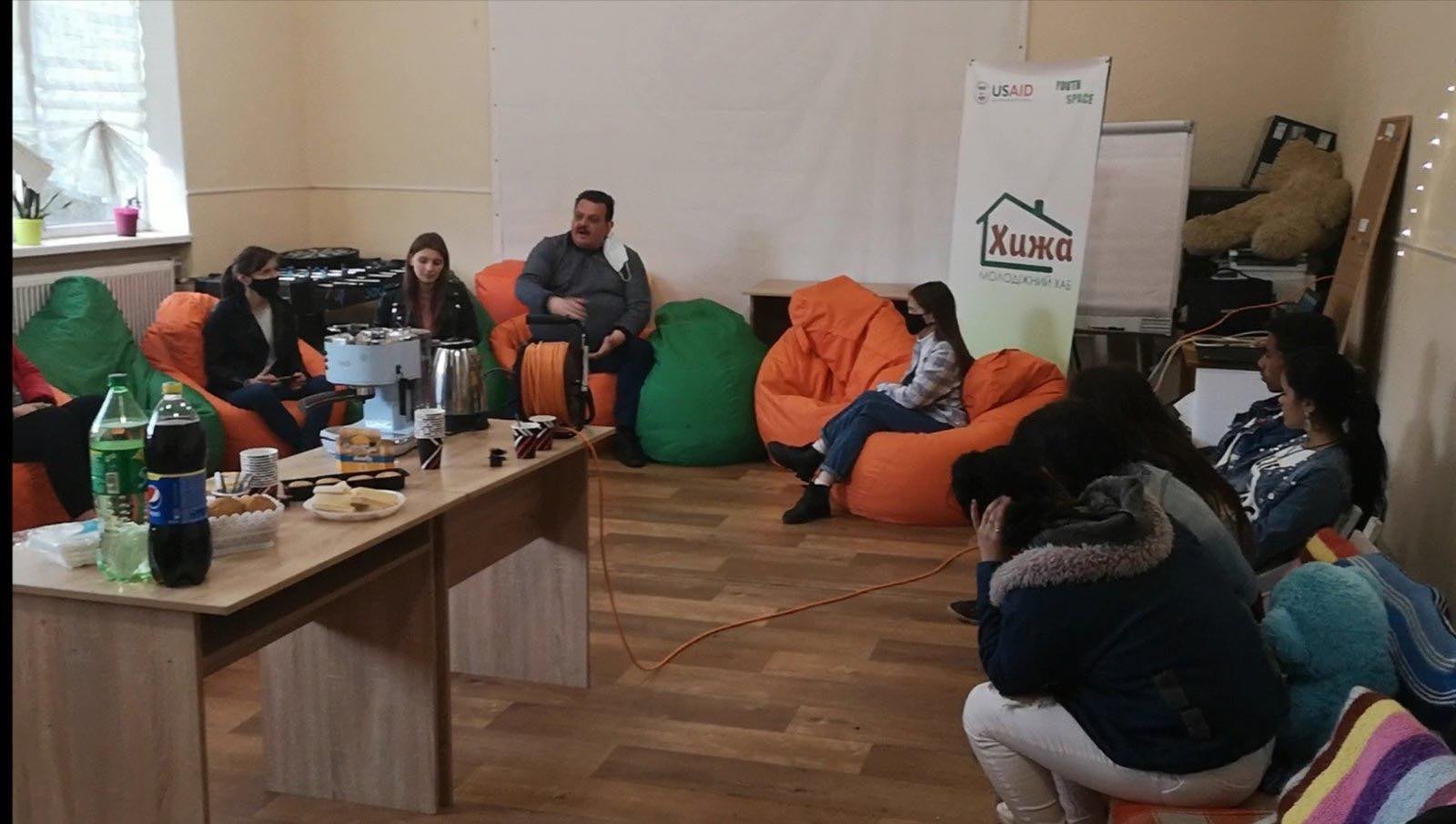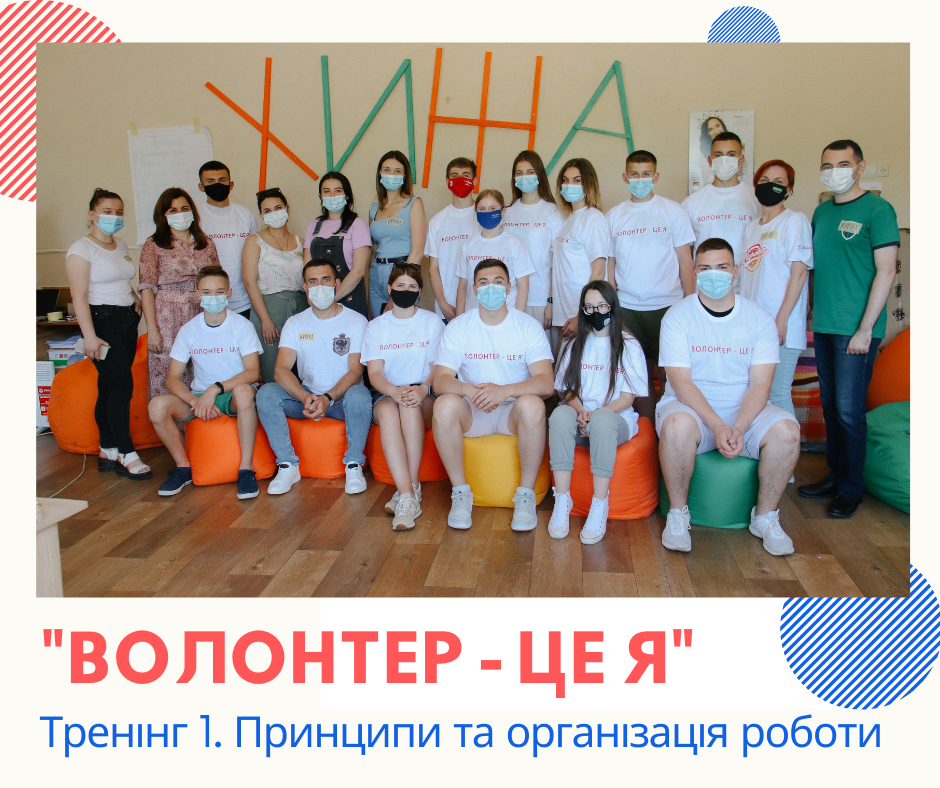



During the COVID-19 pandemic, when municipalities were suffering from isolation, uncertainty and a lack of opportunities for young people, several dozen teenagers and young adults from four municipalities in Zakarpattia Oblast took a step that went far beyond the scope of a single project. In 2021, they participated in the “I Am a Volunteer” initiative, implemented with the support of U-LEAD with Europe. At the time, it took the form of a short training course and several volunteer activities.
Four years have passed, making it clear that these initial steps spurred the changes that are now influencing the youth policy, municipal development, and even municipalities’ capacity to respond to the challenges of war and demographic crisis.
What actually transpired? Which achievements were immediately apparent, and how have they developed since then? And why is volunteer work not about “free labour” but about the future of municipalities? We discuss this with Eleonora Vyshniak, an Organisational Development Manager at the Centre for Community Initiatives, a non-governmental organisation.
When volunteering becomes a foothold: Why is this project beneficial for municipalities
The year 2021 has been exceptionally challenging for small municipalities. The pandemic curtailed social contacts, education shifted to remote learning, and young people lost their usual activities and spaces where they could engage and grow.
Eleonora Vyshniak remembers that period very clearly:
“Small municipalities faced extreme isolation. No place to go, no school, the Internet is barely connected. Young people were at a loss – and we needed to help them regain the feeling that they could do something for their community.”
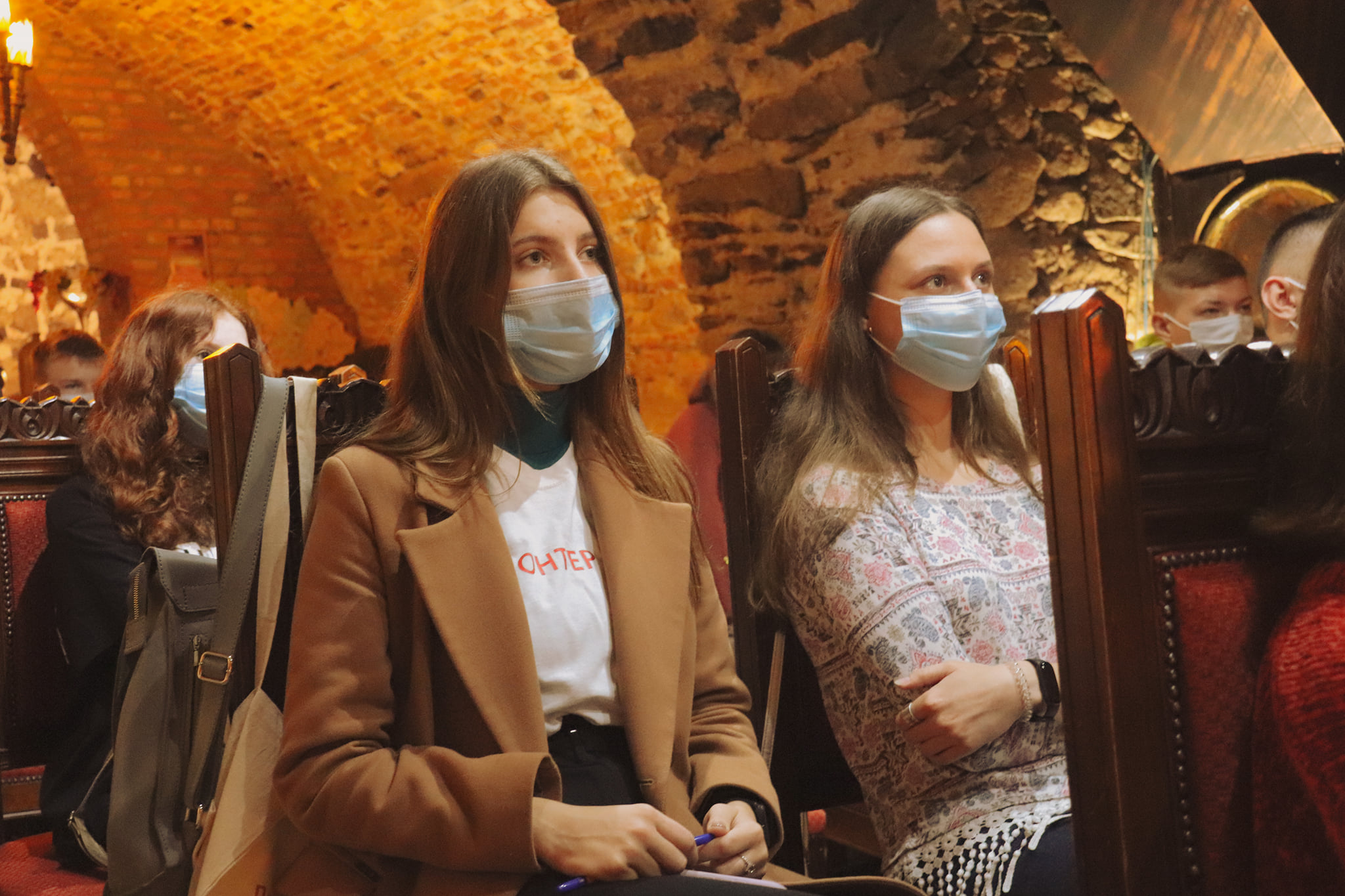
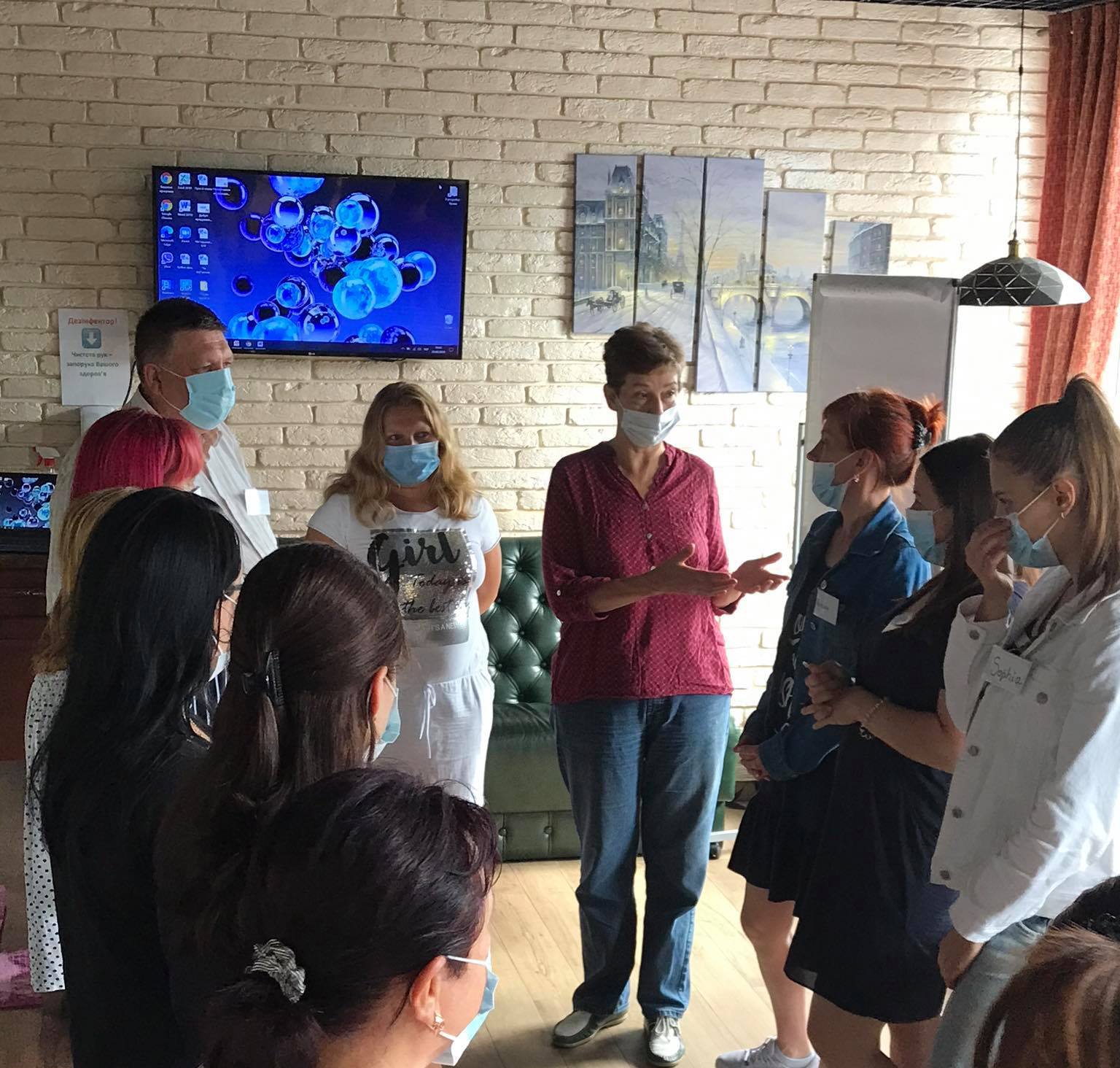
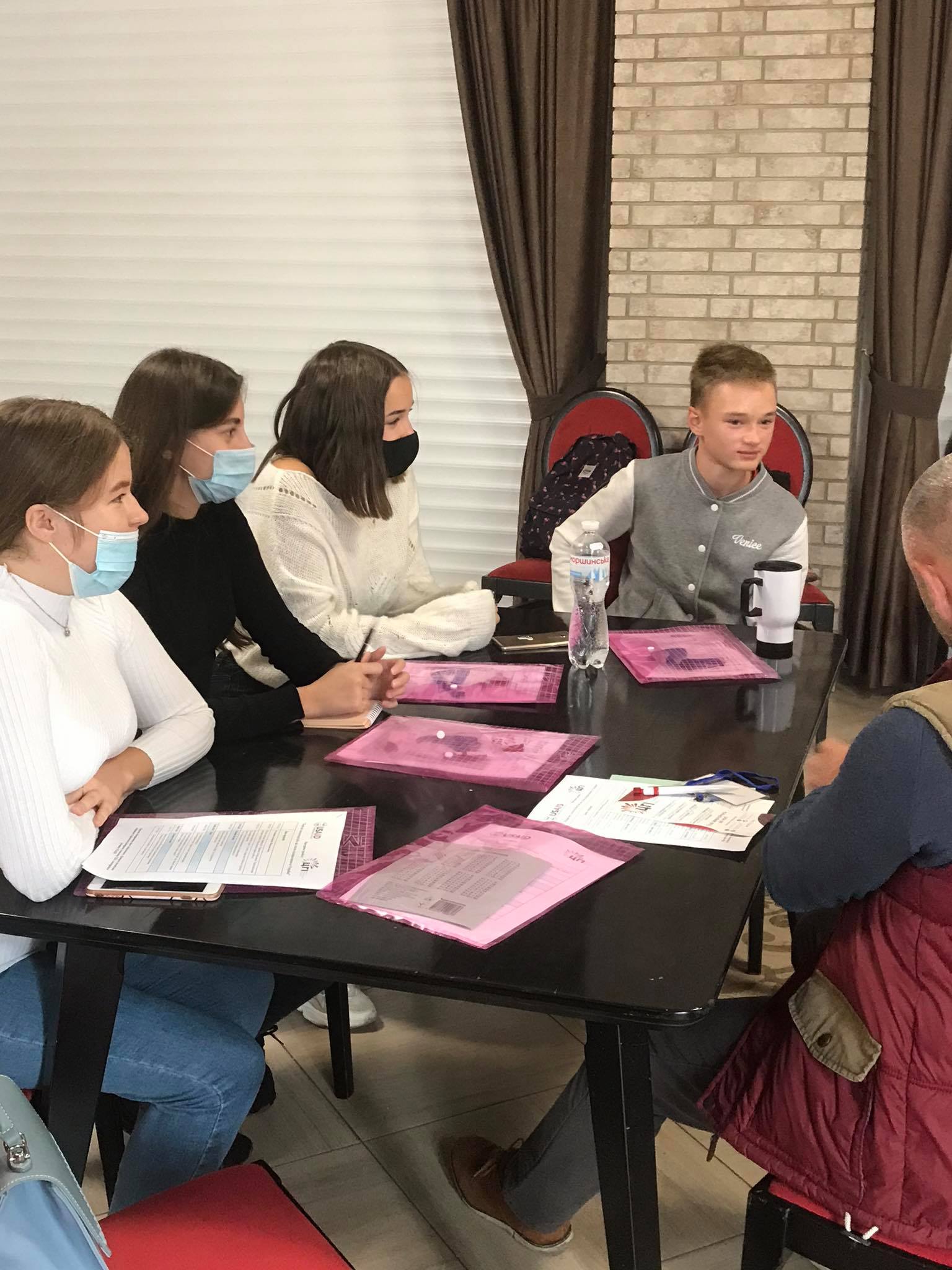
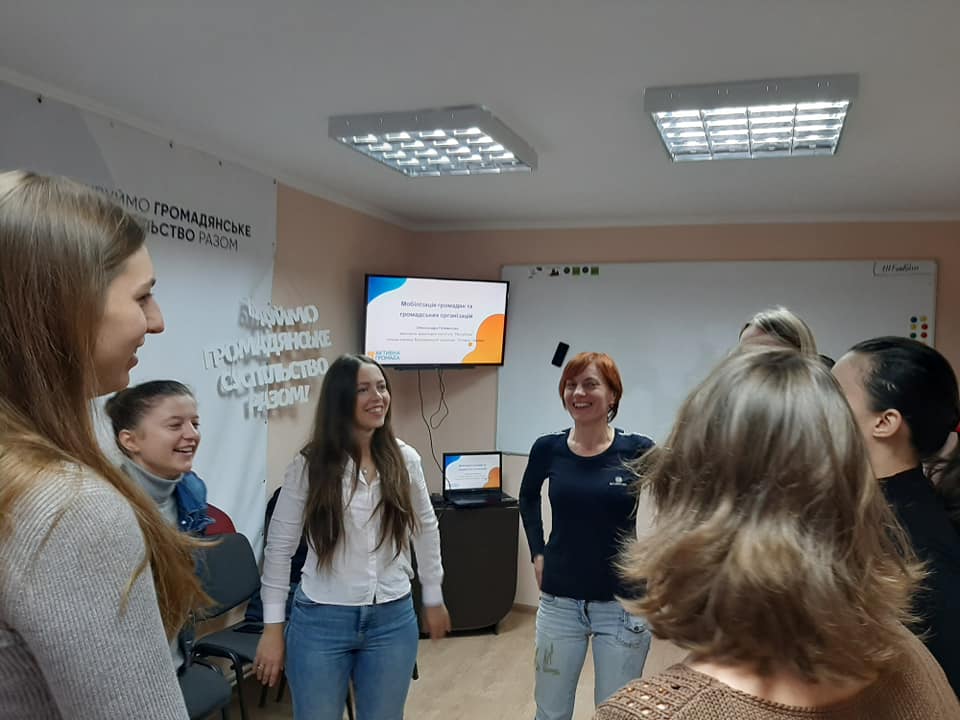
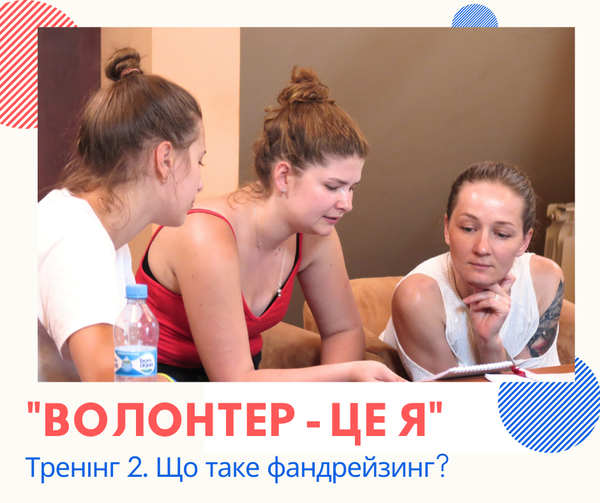
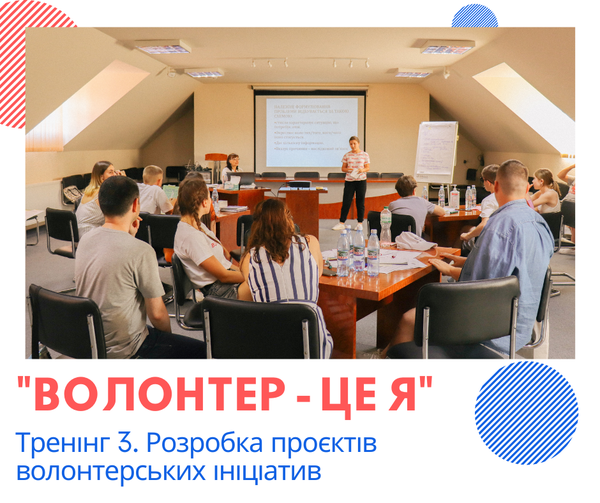
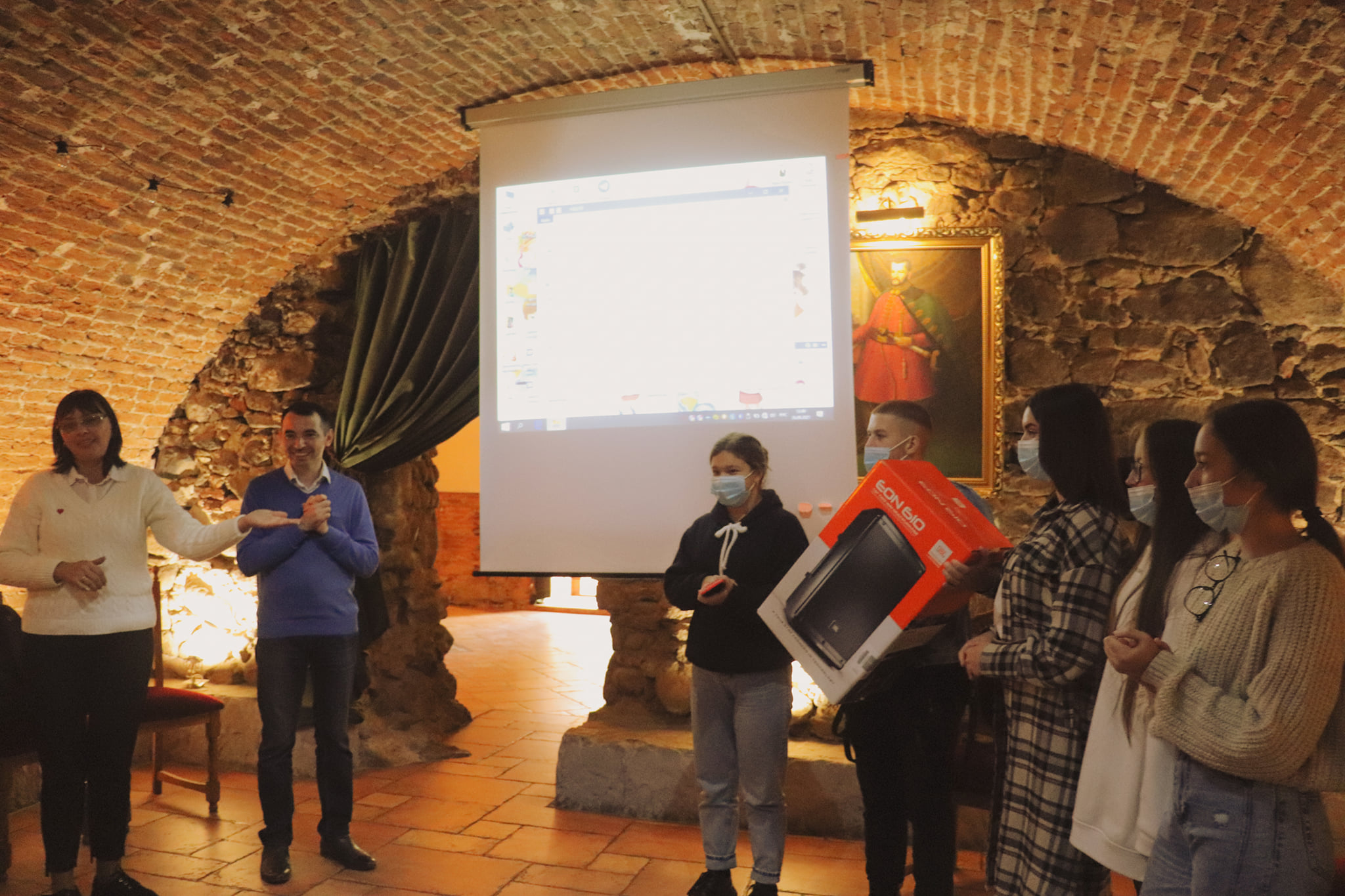
In response to this need, U-LEAD with Europe backed the “I Am a Volunteer” project. It covered the municipalities of Perechyn, Dovhe, Batiovo and Tiachiv, offering young people the opportunity to attend three offline training sessions on volunteering, fundraising and project development. Then each team had to create and implement their own volunteer initiatives.
This emphasis on action was a key factor: “The thing that made it special was that they got through the whole cycle for the first time, from idea to implementation. It was not someone else’s doing, but their own,” says Eleonora.
First results: when small initiatives have a big impact
After the training sessions, the teams moved on to the practical part, and it was here that it became clear how quickly young people can take action when they have the tools and support they need. In a few months, participants from four municipalities designed and implemented their volunteer initiatives, with each one addressing a specific local need.
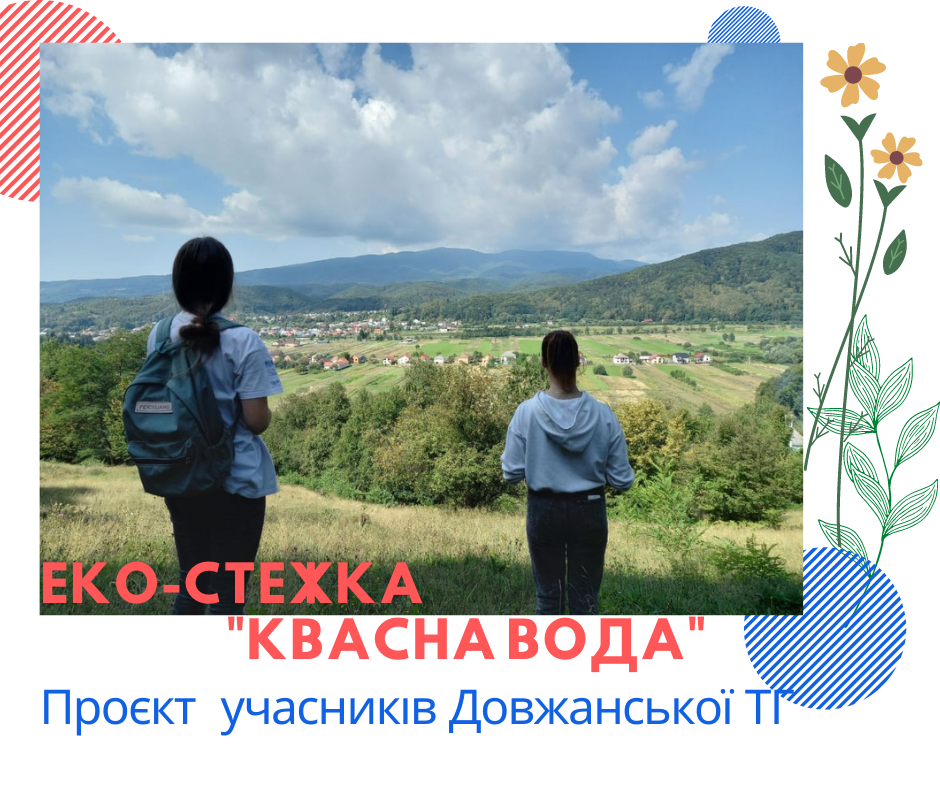
In Dovhe, young people took on the task of improving the Kvasna Voda Spring, a place that the locals use every day. This initiative ultimately received the most votes in the final vote. Eleonora explains why:
“They did something that people really needed. It brought a real, tangible benefit – and the municipality supported it wholeheartedly.”
In Batiovo, the young people tackled an issue that had long called for attention: cleaning up and sorting rubbish. Rather than a mere campaign, it was an endeavour to alter the municipality’s attitude towards environmental issues by engaging both younger schoolchildren and adults.
In Tiachiv, the team chose the path of fundraising and held a series of events to raise money for the treatment of Pavlo Motychka, a boy whose treatment was being covered by donations from virtually the entire oblast at the time.
“Tiachiv sought to gain experience in fundraising and approached the task with the utmost responsibility. They did not just raise money but joined a greater common cause,” recalls Eleonora.
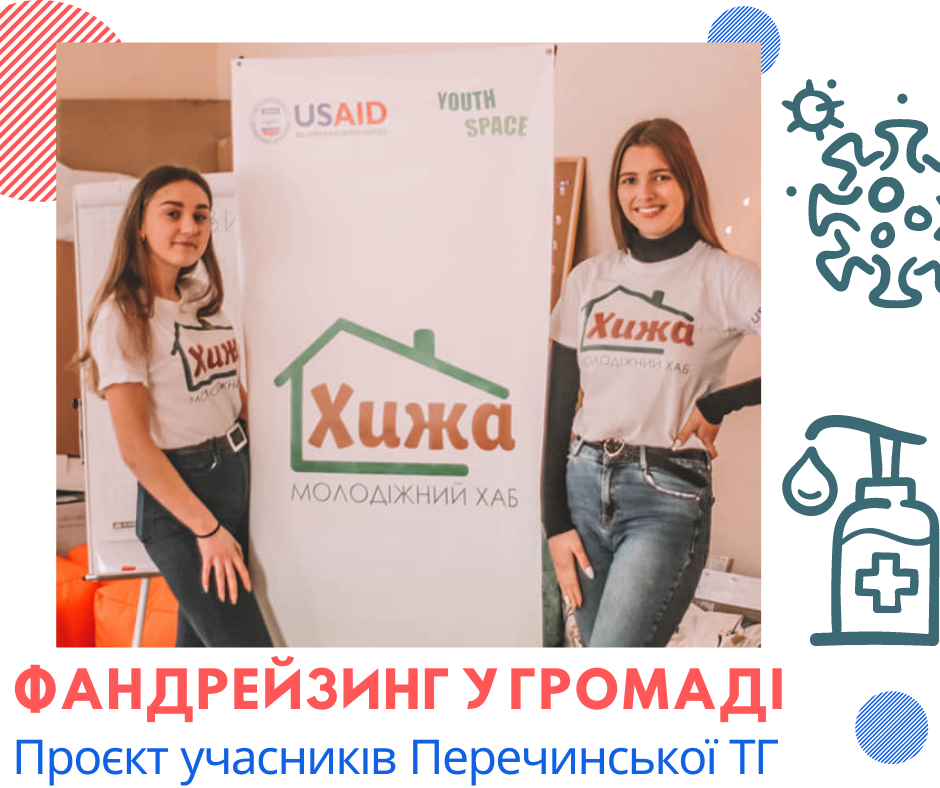
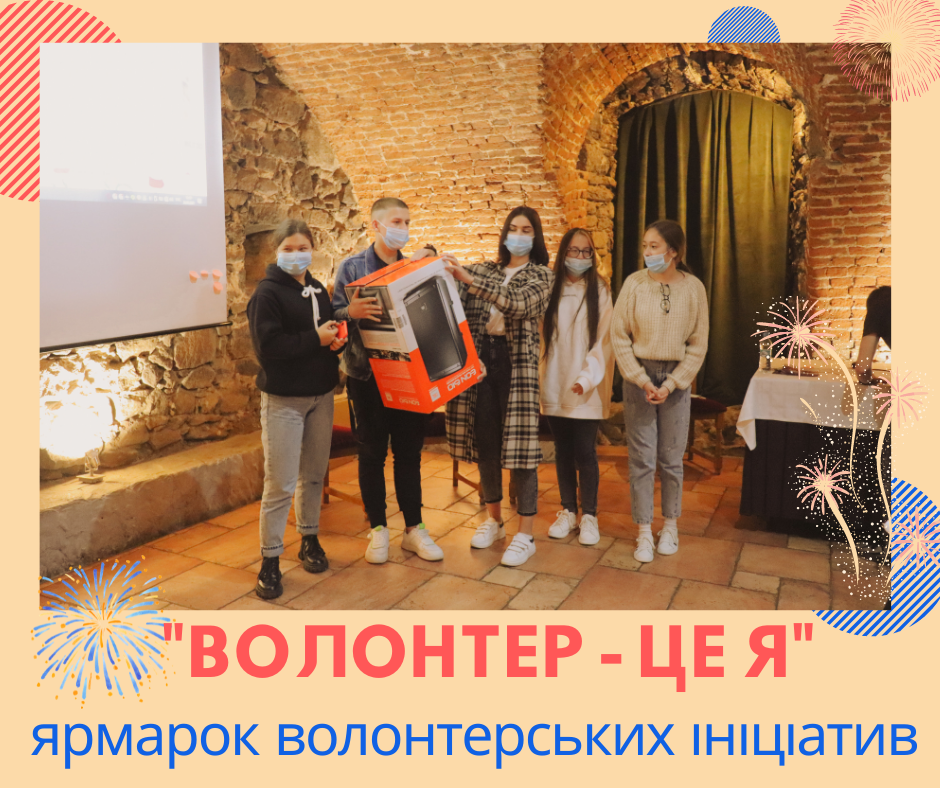
The Perechyn team organised a volunteer fair, bringing together active young people from the city and taking the first step towards further initiatives.
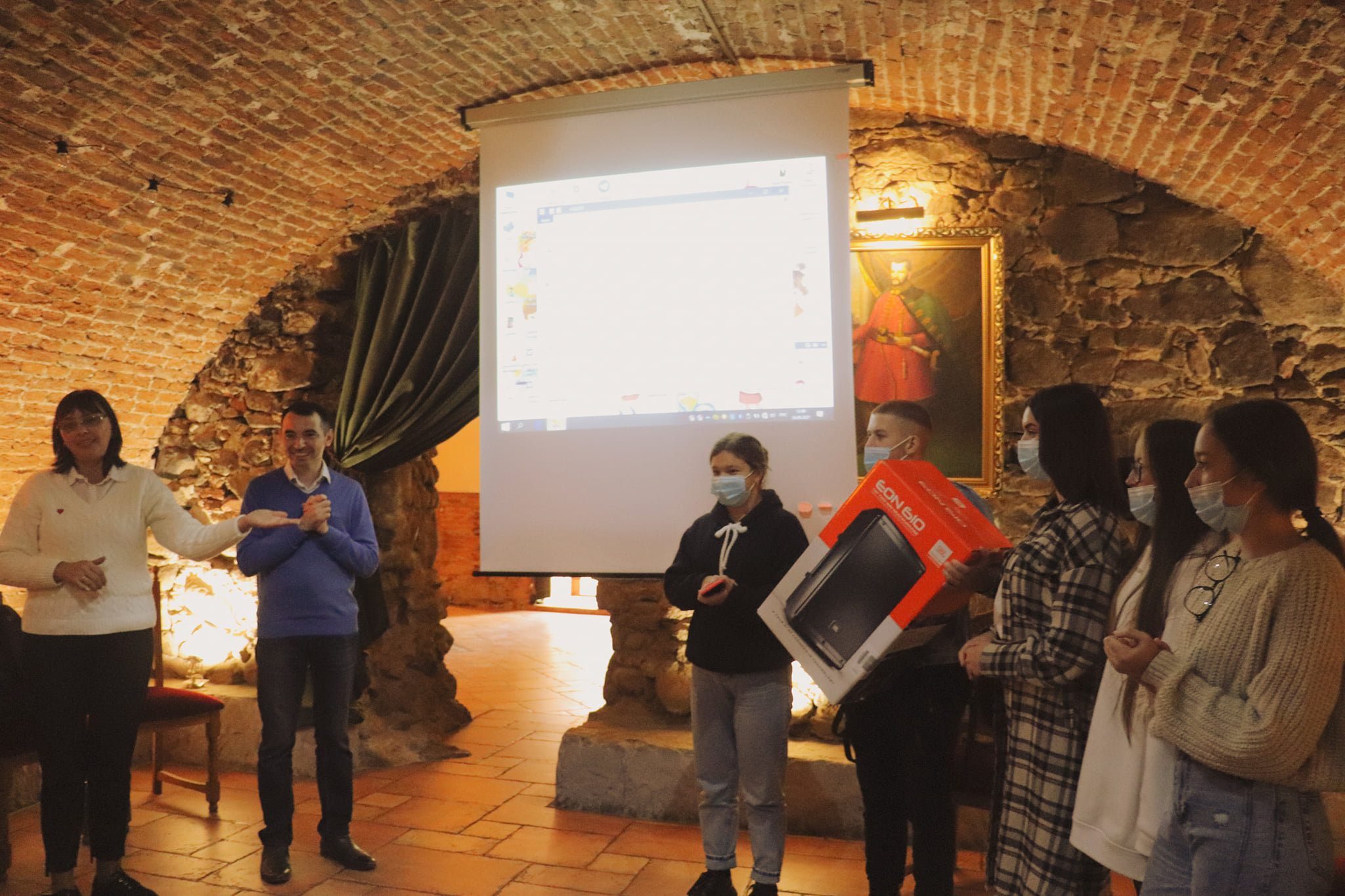
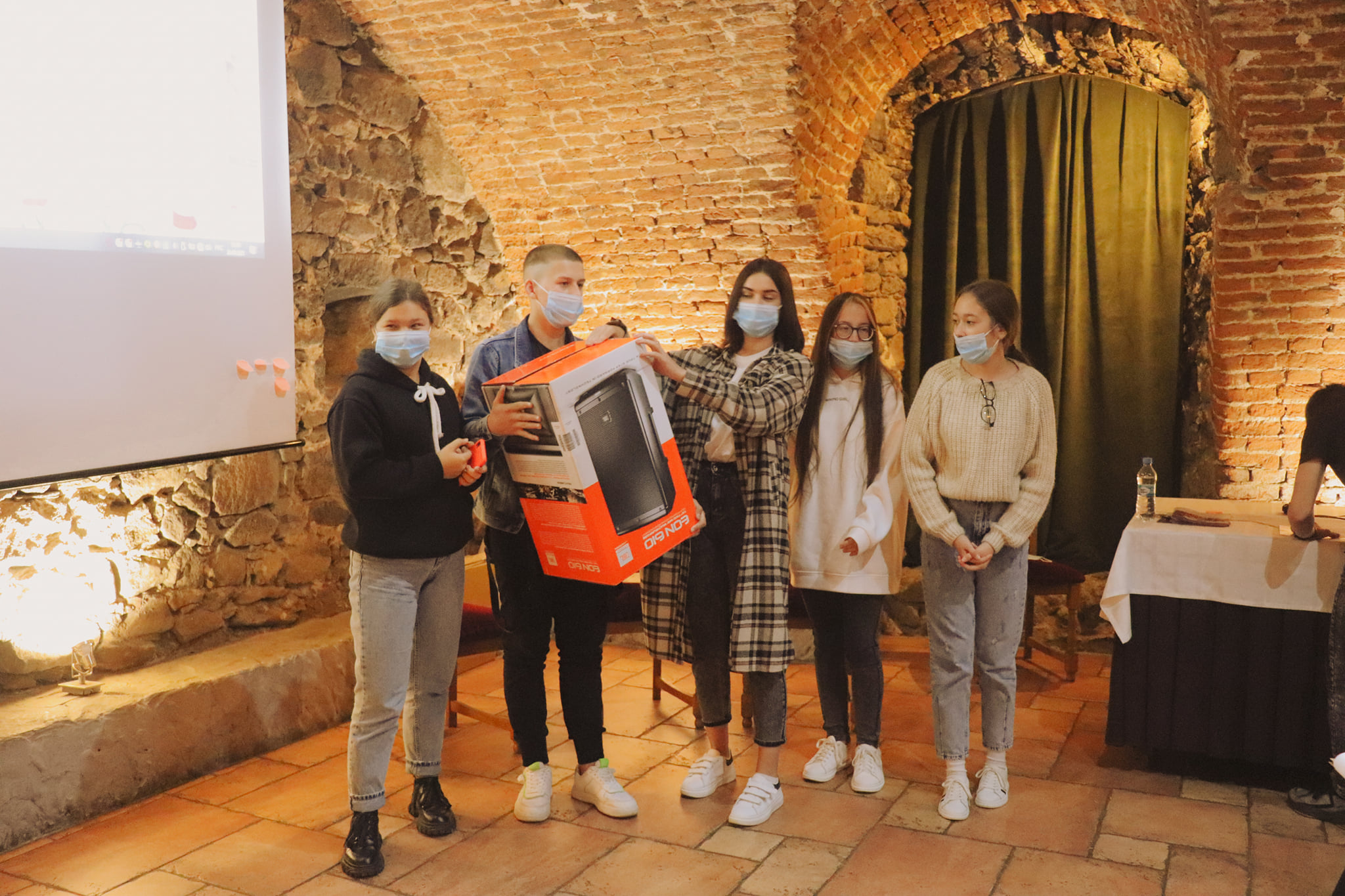
In total, as part of the project, there were four volunteer initiatives, three training sessions, 10 themed publications, two promo videos about the volunteer movement, and the final Volunteer Fair at Uzhhorod Castle brought together 40 participants from different municipalities of Zakarpattia Oblast.
This fair was the first public platform where young people could present their work, receive feedback and, most importantly, feel part of a wider community of volunteers.
“It was a space for sharing experiences and recognition. Young people felt that their efforts were making a difference. And that’s extremely motivating,” says Eleonora.
The project also had less obvious but very important short-term results. For the first time, municipalities saw horizontal connections between youth teams, and healthcare professionals who received support through the initiatives felt the morale boost of participation.
All this brought the municipalities to the next stage: when the project ended, but its effects were just beginning to be felt.
The long journey of a short project: How and what changed in the municipalities over the following years
The project has ended, but the changes it sparked really took off later on.
“Changes in a municipality do not happen immediately. However, we saw that youth councils in these municipalities became much more proactive. For them, volunteering is no longer a one-time action but a way of life,” says Eleonora.
In Dovhe, the youth hub, which was only being established at that time, is now one of the most dynamic in the oblast. Today, it has five locations and is a hub for youth development and volunteer activities.
In Batiovo, the volunteer centre at the lyceum has become the first place that IDPs turn to during the full-scale war. Young people who once learned fundraising and campaign management as part of the project responded to the real crisis and continue to work today.
In Perechyn, some of the project participants joined the youth council of the new convocation. They were the ones who spearheaded the transformation of the urban space, including the revitalisation of the local beach in the Kaminchyky Tract. “They worked there all summer [of 2025]. We did some cleaning, painting, made furniture out of pallets and set up a space for relaxation. No one needed to explain why they were doing it – they were doing it for themselves, for their municipality,” says Eleonora.
The skills acquired in 2021 have proven to be crucial after 24 February 2022: organising people, fundraising, rapid response, teamwork – all of this helped municipalities in the most difficult months of the war.
When volunteering becomes a point of growth for youth and the municipality
Today, municipalities in Zakarpattia Oblast operate in a multidimensional environment of change. Alongside the war-related challenges, their development is also shaped by long-term processes such as demographic changes, youth mobility and competition for human resources. At the same time, these processes increasingly highlight the role of human capital as a key factor in municipal development and the need for tools that help to preserve and develop this capital.
Pavlo Logvinov, the Head of the Regional Office of U-LEAD with Europe in Zakarpattia Oblast, seconded this. “For any municipality, human capital is the main resource. When young people leave, it’s not just labour or ideas that the community loses – it loses its future. That is why, in our initiatives, we seek to maximise support for youth development and engagement by creating opportunities for young people to participate in public life and supporting formats that are effective in the long term. This focus will remain a priority for us in the future as well. In this context, volunteering is of strategic importance: it fosters a sense of belonging and trust between people, creating an environment that makes people want to stay.
Through small but meaningful actions, young people learn to take responsibility, organise themselves, plan and see the results of their work. This is the basis of the economic viability of any municipality. After all, development begins where there are people who care and who are ready to act for the benefit of their environment,” says Pavlo Logvinov.
Eleonora Popadynets points out that working with young people requires a systematic approach and a long-term vision:
“Unless the municipality invests in youth and volunteering, finding people who are willing to take responsibility and work for development will be increasingly difficult over time.”
According to her, young people are not only looking for a job. They are looking for an environment, a space where they can be heard, offer ideas, take action and see results. “It is important for young people to have a place where they can make a difference. If there are no opportunities like that, they will look for them elsewhere,” she explains.
This is where volunteering can become a tool that works even when major systemic solutions are not yet available. It gives young people something they often don’t get from school, university or even formal programmes:
- sense of impact (“I did this, and it changed things”),
- social security (a supportive team),
- opportunity to develop skills needed in the job market, such as communication, coordination, fundraising and planning,
- sense of community, which is a key factor in decisions to stay or return.
Eleonora describes it very aptly: “Volunteering creates this feeling: I was here, I did it, I am part of it. This is what motivates me to stay or return. Because a municipality is not only about infrastructure. It’s primarily about people.”
For municipalities, volunteering is a way to strengthen internal capacity: to build an active community of people who know how to work together, support each other, and respond to challenges.
“Perhaps one initiative will not solve all the issues. Nevertheless, it fosters an environment of people who care. This is where sustainable development begins,” she concludes.
In this respect, although volunteer practices are not a universal solution, they can provide an important foothold for municipalities seeking to retain young people and build a future today.