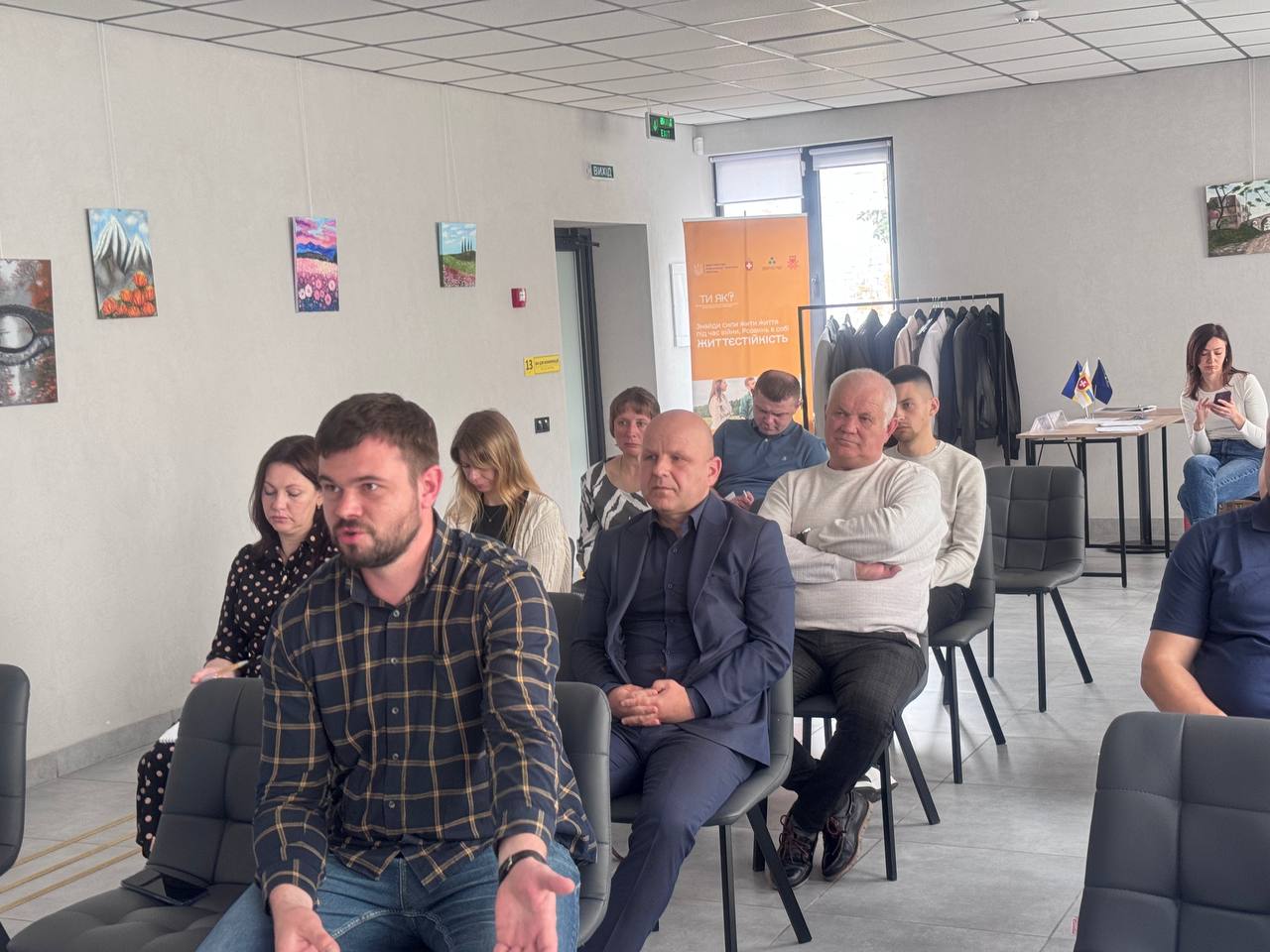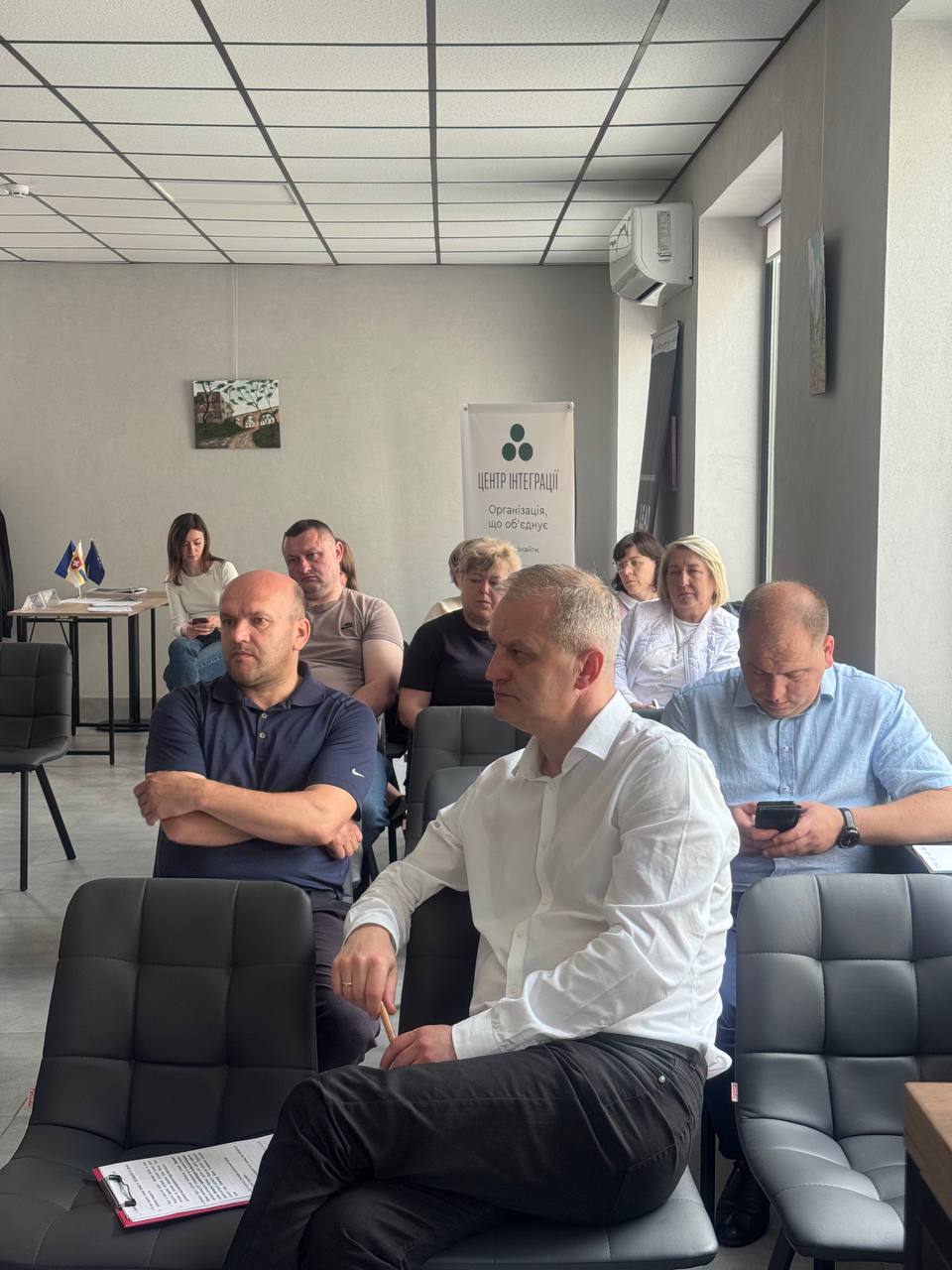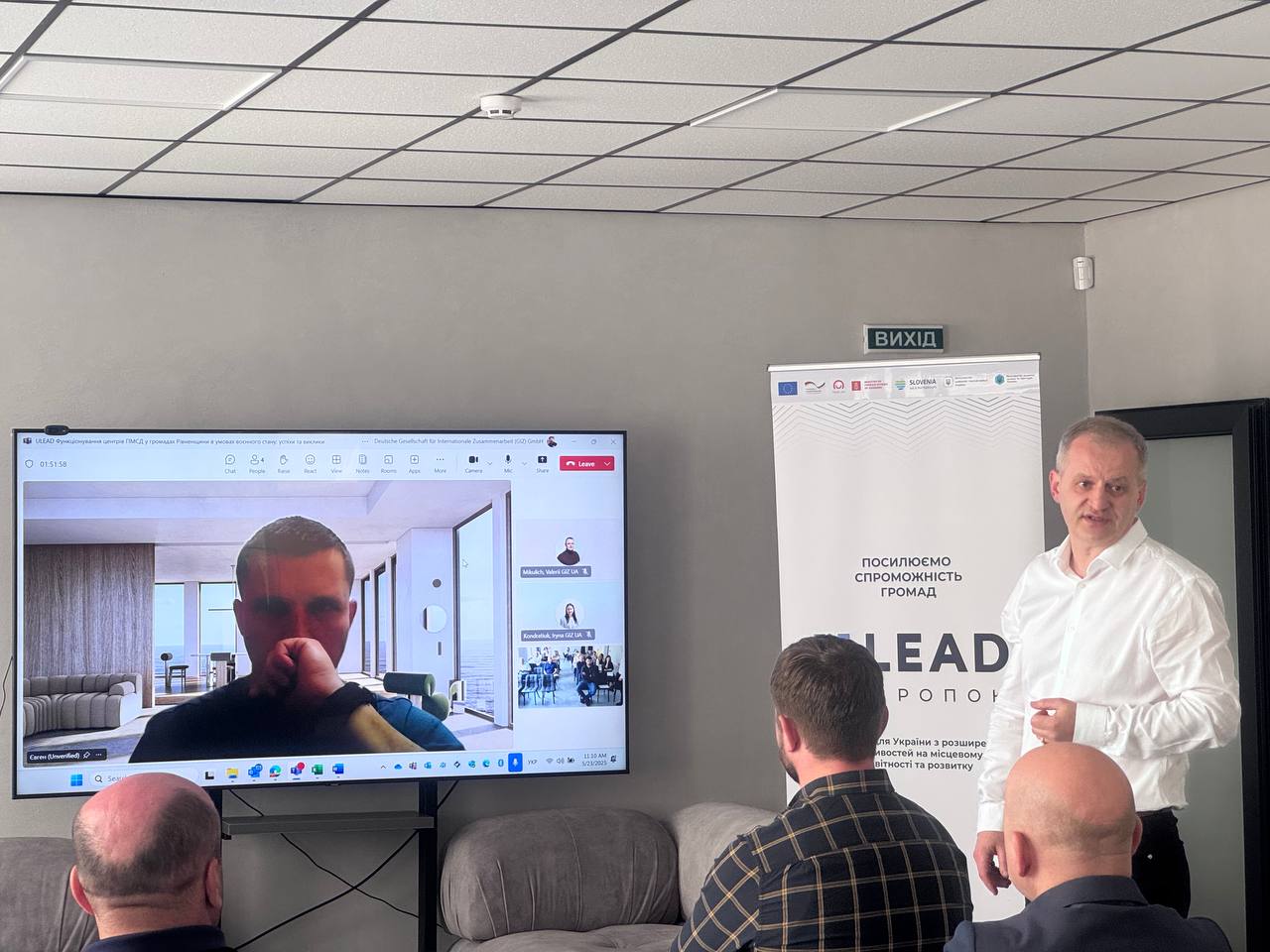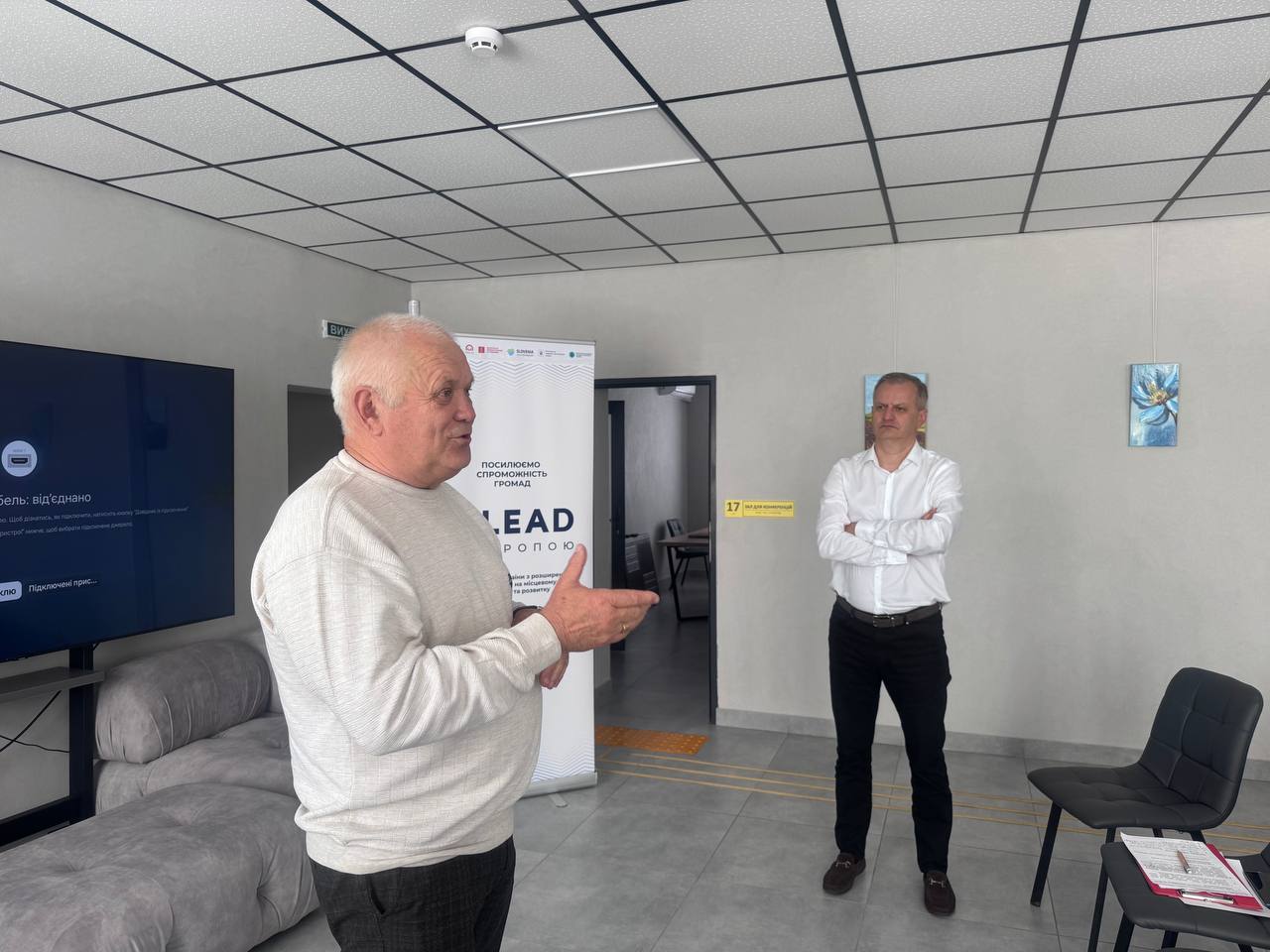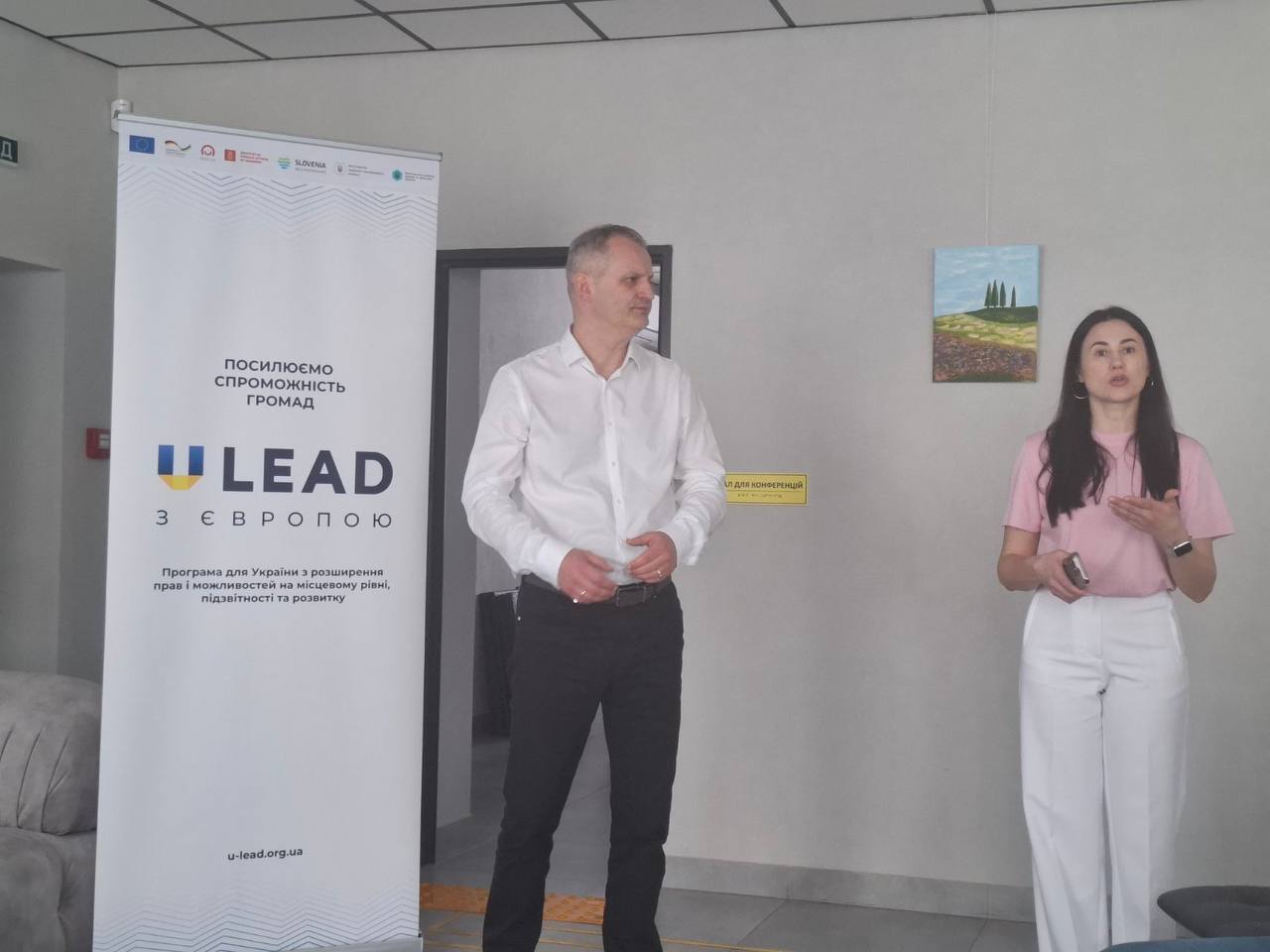






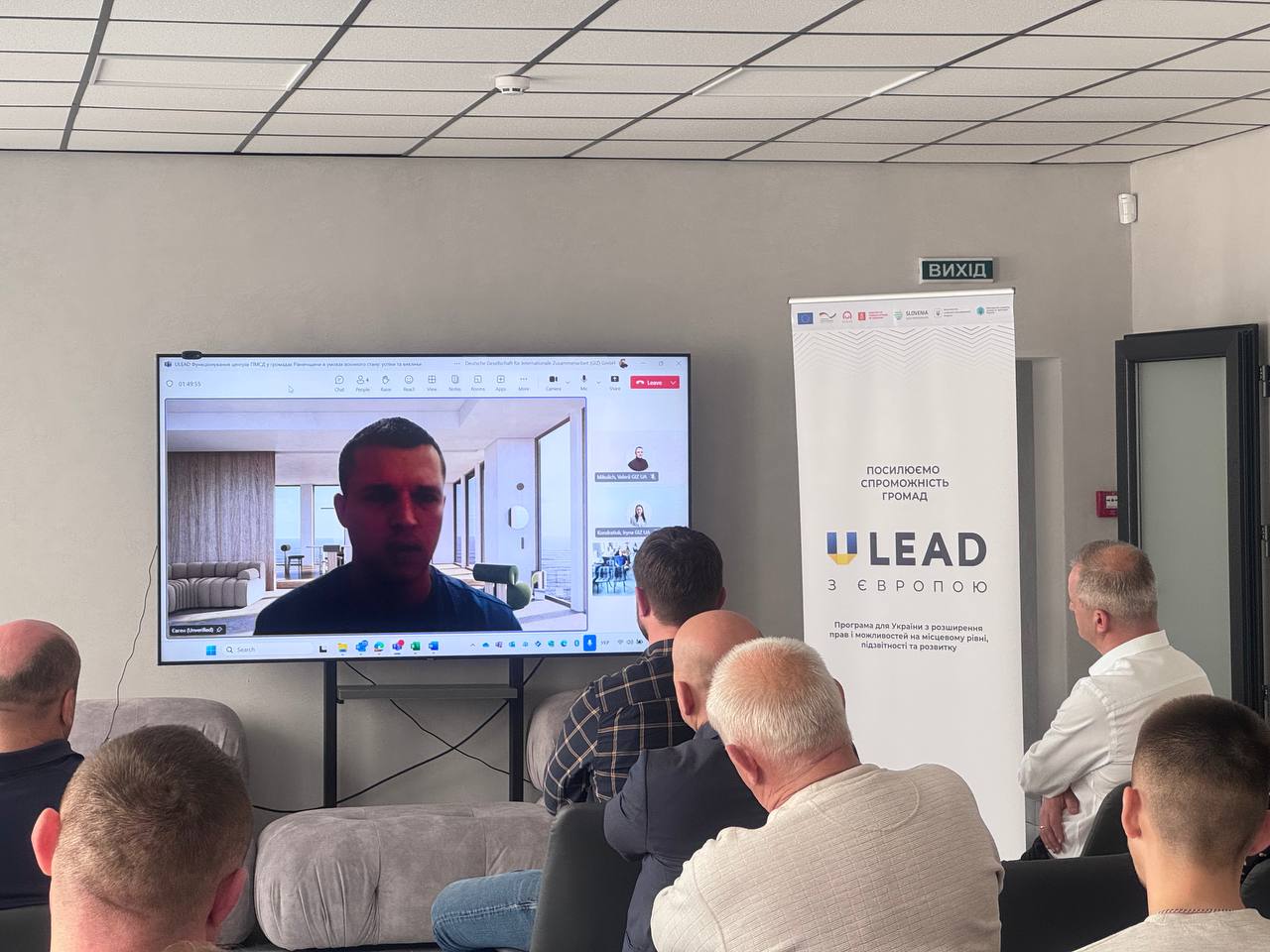
It aimed to present effective models of organising healthcare services in municipalities, share practical cases and build horizontal connections between senior officials of municipalities. The event was organised by the team of the Regional Office of U-LEAD in Rivne Oblast.
“The quality of healthcare services in small rural municipalities is significantly inferior to that in cities. However, municipalities can seek different ways out of this situation: through cooperation, exchange of experience and search for local solutions. We organised this event to facilitate the exchange of best practices between municipalities,” said Ruslan Syvyi, Head of the Regional Office.
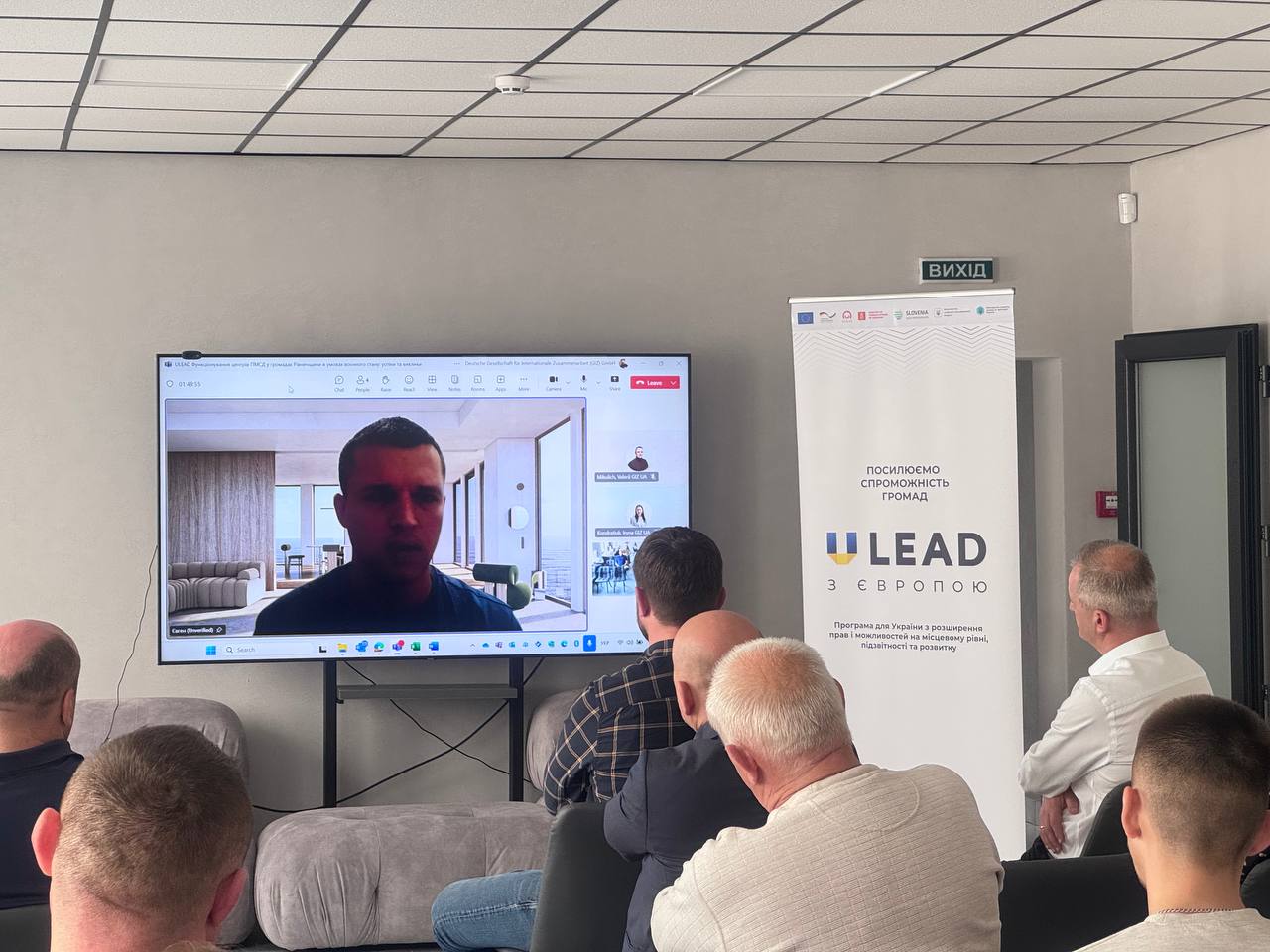
The event was opened by Yevhen Meshko, a health expert from U-LEAD with Europe. He presented primary healthcare models that municipalities can adapt aligning them to local resources and needs.
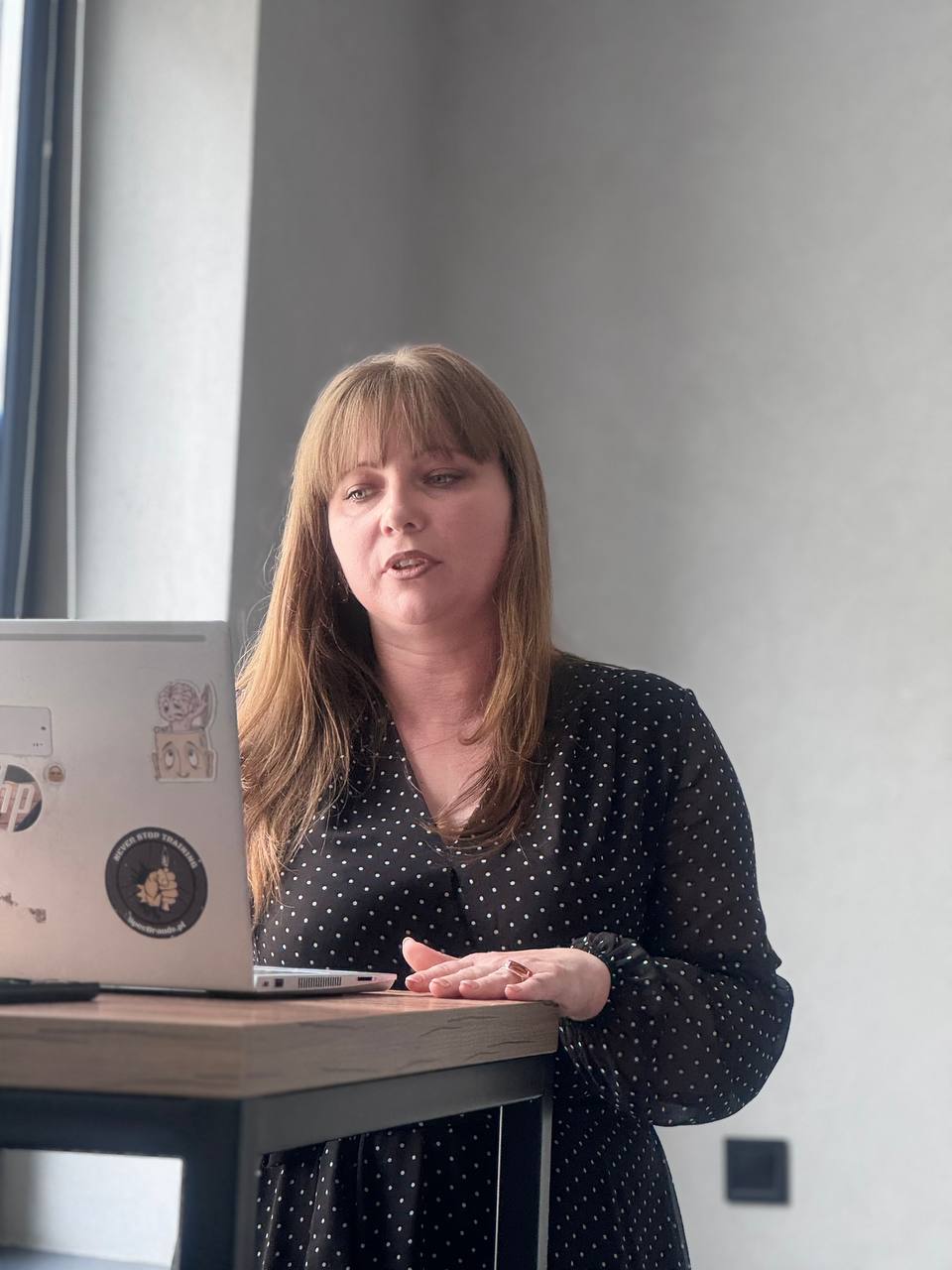
The event also highlighted local budget expenditures that can be directed to healthcare. Relevant clarifications were provided to municipalities by Iryna Kondratiuk, adviser on Municipal Finances and Management at the Regional Office.
During the event municipalities spotlighted the experience of operating primary healthcare centres, shared successful examples of managing healthcare services as well as challenges and ways to overcome them.
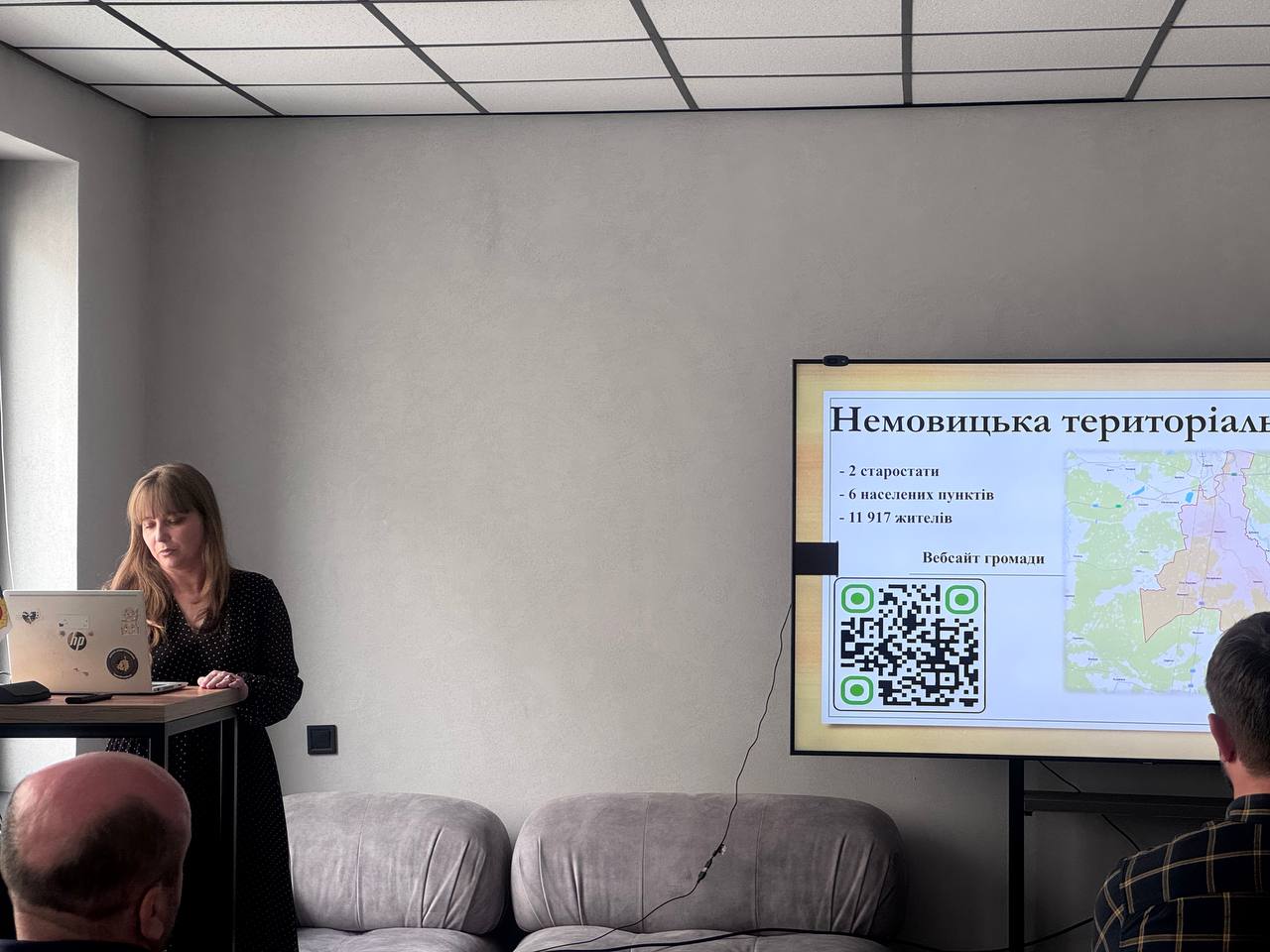
The Nemovychi Primary Healthcare Centre managed to build a sustainable model of healthcare services that functions effectively even in the vicinity of a large, former district capital city. The head of the facility, Liudmyla Henko, noted that the key to sustainability was cooperation with local authorities.
“We’ve created proper conditions for high-quality public services, which would be impossible without the support of the local council,” she said.
As of today, the municipal non-profit serves a population of over 11,000, of which 10,000 have signed declarations with the Centre. The facility is almost completely self-sufficient.
“We operate under Order No. 504 of the Ministry of Health. Our Centre conducts all required tests and express tests, and we actively engage visiting teams from regional centres, such as ob/gyns and the mobile fluorography team,” added Ms Henko.
The facility operates a day-stay unit and offers paid services, including injections, IV and massage. An emergency point operates on weekends and at night. The operations of the Centre and medical supplies are funded at the expense of the local municipality.
Special attention is paid to establishing horizontal connections: the municipality regularly exchanges experience with colleagues from other primary healthcare centres to improve the quality of services.
“Our staff are locals who know the needs of the municipality well. We also accept patients from surrounding villages - the main thing is that a person receives the necessary and high-quality care,” said the head of the Centre.
Valentyn Khanenko, head of Medychnyi Prostir, a municipal healthcare facility, stressed the importance of cooperation with other primary healthcare centres to exchange best practices. According to him, rural healthcare system is not just a service, but a sign of democracy, empathy and dignity. That is why the support from colleagues is so critical in this area.
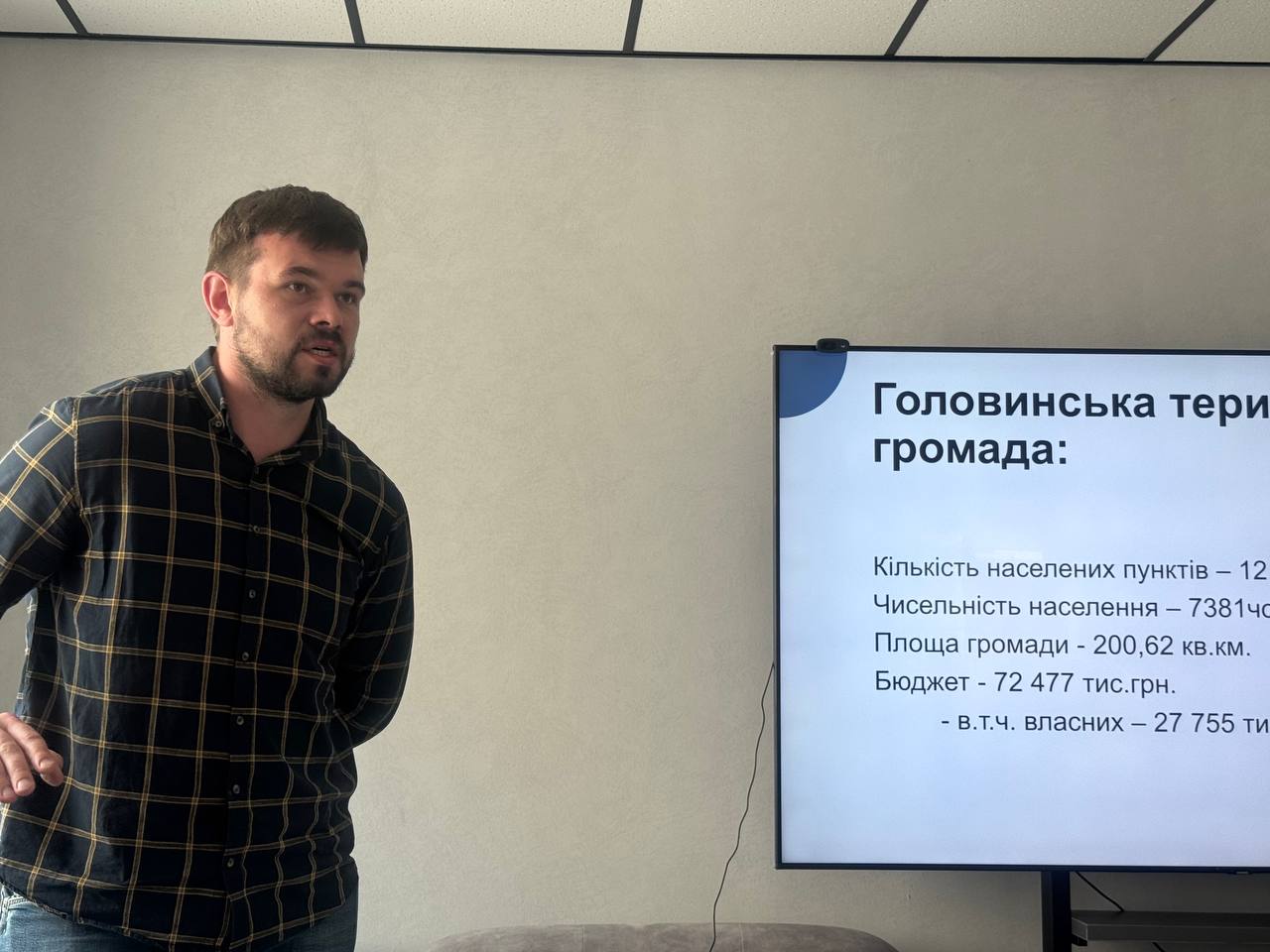
Oleksandr Bachuk, head of the village of Holovyn, concluded the meeting with a practical case. He spoke about the creation of Holovyn Primary Healthcare Centre in wartime.
Summarising the event, Ruslan Syvyi, Head of the Regional Office, underlined that municipalities appreciated the proposed format for sharing experience:
“These events do indeed bolster municipalities. They allow us to take a helicopter view of challenges, find practical solutions, and strengthen the capacity of local authorities to provide services of higher quality. That is why we will scale such formats for mutual support, learning and sharing of successful practices.”