






The full-scale war forced many healthcare facilities in Luhansk Oblast to leave their native municipalities and seek a new home in safer regions of Ukraine. Along with this, hospitals faced numerous challenges, from finding premises and a shortage of staff to keeping their licences. Expert assistance from international partners, including U-LEAD with Europe, helps municipalities overcome these hurdles. Ihor Ahibalov, the Head of the Regional Office of U-LEAD in Luhansk Oblast, spoke about the experience of supporting healthcare facilities relocated from Luhansk Oblast.
Key challenges: staffing, licences and cooperation with municipalities
Even before 2022, the key problem for healthcare facilities in Luhansk Oblast had been staffing shortages. Many practitioners left in 2014, while some doctors remained in the occupied territories or moved abroad. The full-scale invasion only exacerbated the situation, as some hospitals went into “standby mode”, since one could hardly resume work without the administration and medical staff.
In addition to the staffing issue, there was also the question of legal formalities. Healthcare facilities operate under contracts with the National Health Service of Ukraine (NHSU), so after moving they had to re-certify compliance, including the equipment inventory and staffing. U-LEAD’s advice played an important role at that time, notably regarding legal issues and compliance with the requirements of the NHSU.
Another challenge was cooperation with host municipalities. Local self-government bodies found premises for the relocated institutions, but then came the question of how to integrate the hospitals into the local healthcare system. Where it was possible to retain medical staff, the first thing they did was provide doctors with housing. In some localities, the host municipalities even provided financial support from local budgets.
Examples of cooperation and support
Here are a few cases showing how partnerships between relocated hospitals and host municipalities help keep healthcare services available:
- Svatove — Bakhmut — Brovary. After the relocation, doctors from Svatove found jobs in Brovary and strengthened the staff of Bakhmut hospital, which had also relocated. Through joint efforts, it was possible to reopen the facility and expand the range of services.
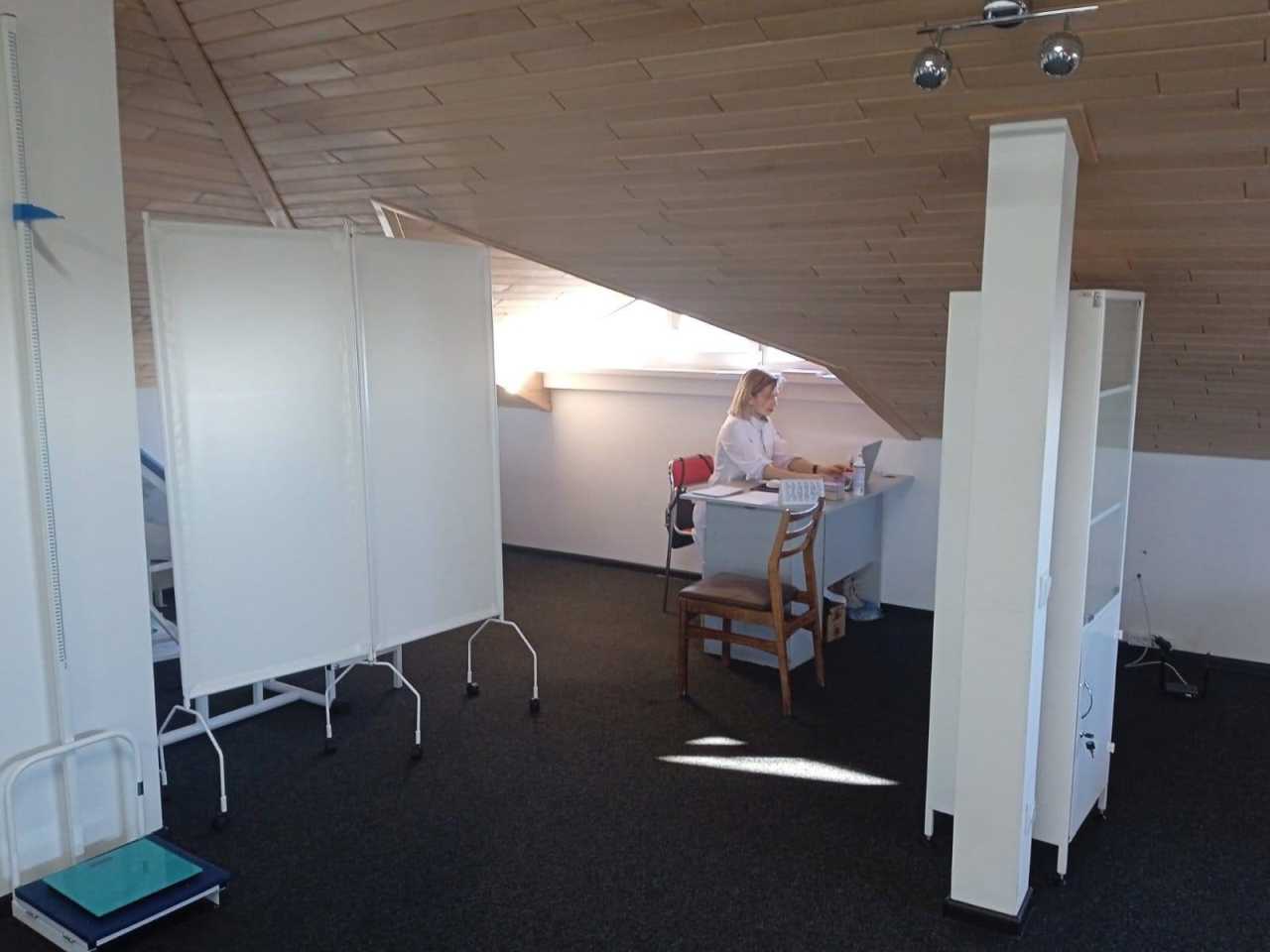
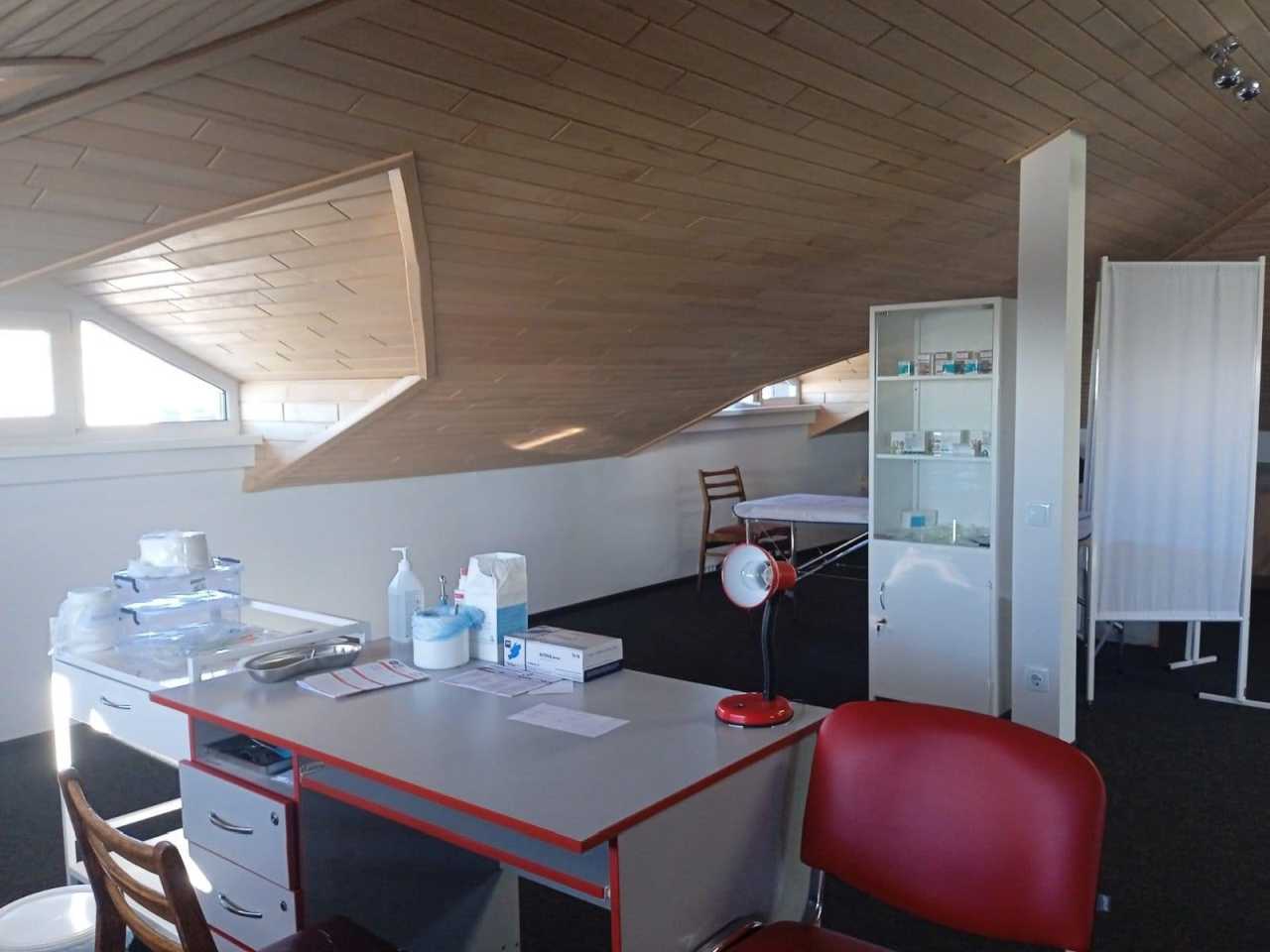
- Bilovodsk — Rivne. Rivne allocated a space for Bilovodsk Primary Care Hospital in a municipal building. Together with the host, the facility organised repairs and furnished the offices. U-LEAD’s legal support and advice on property leasing issues helped the municipality complete all the necessary procedures.
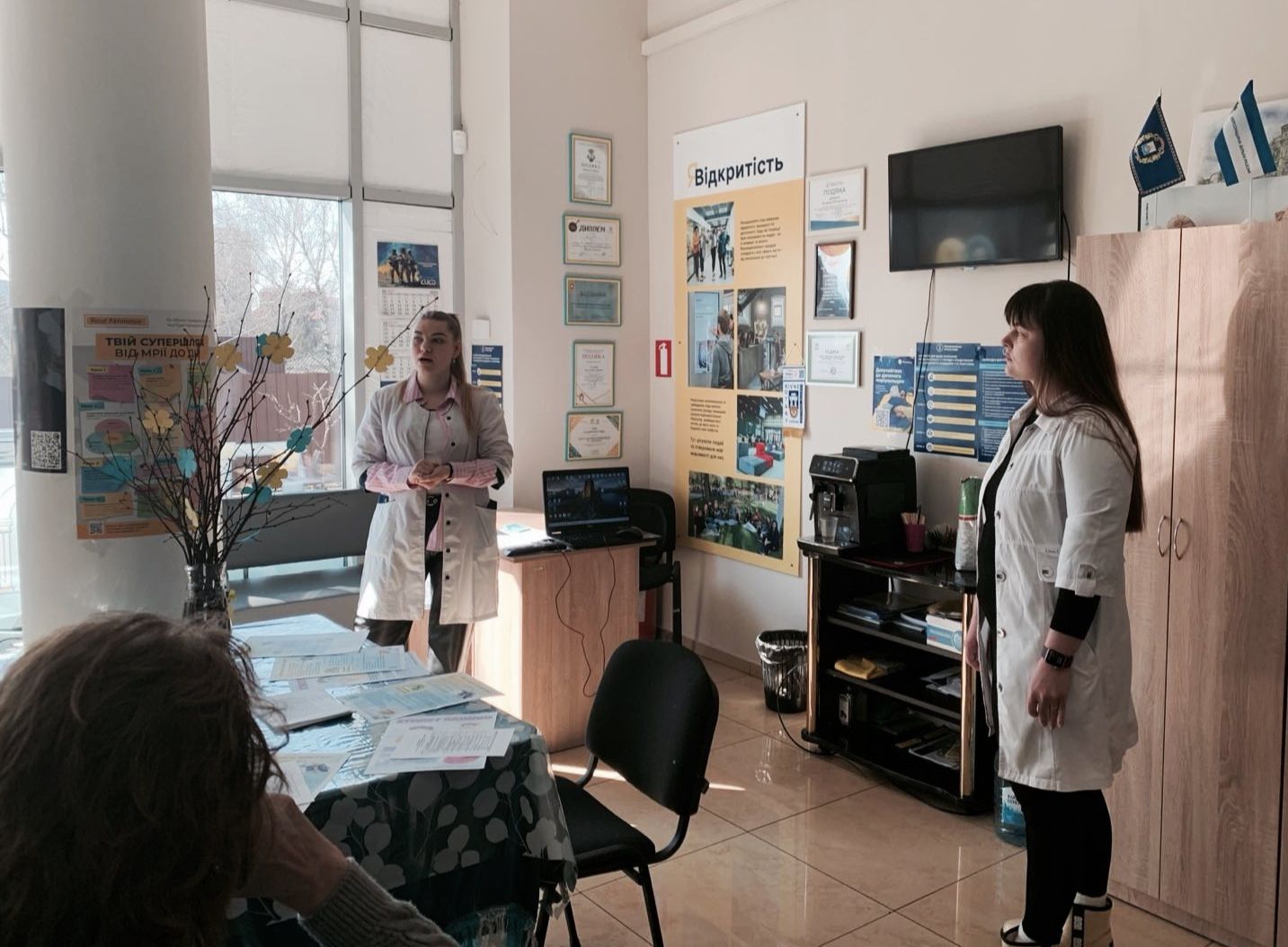
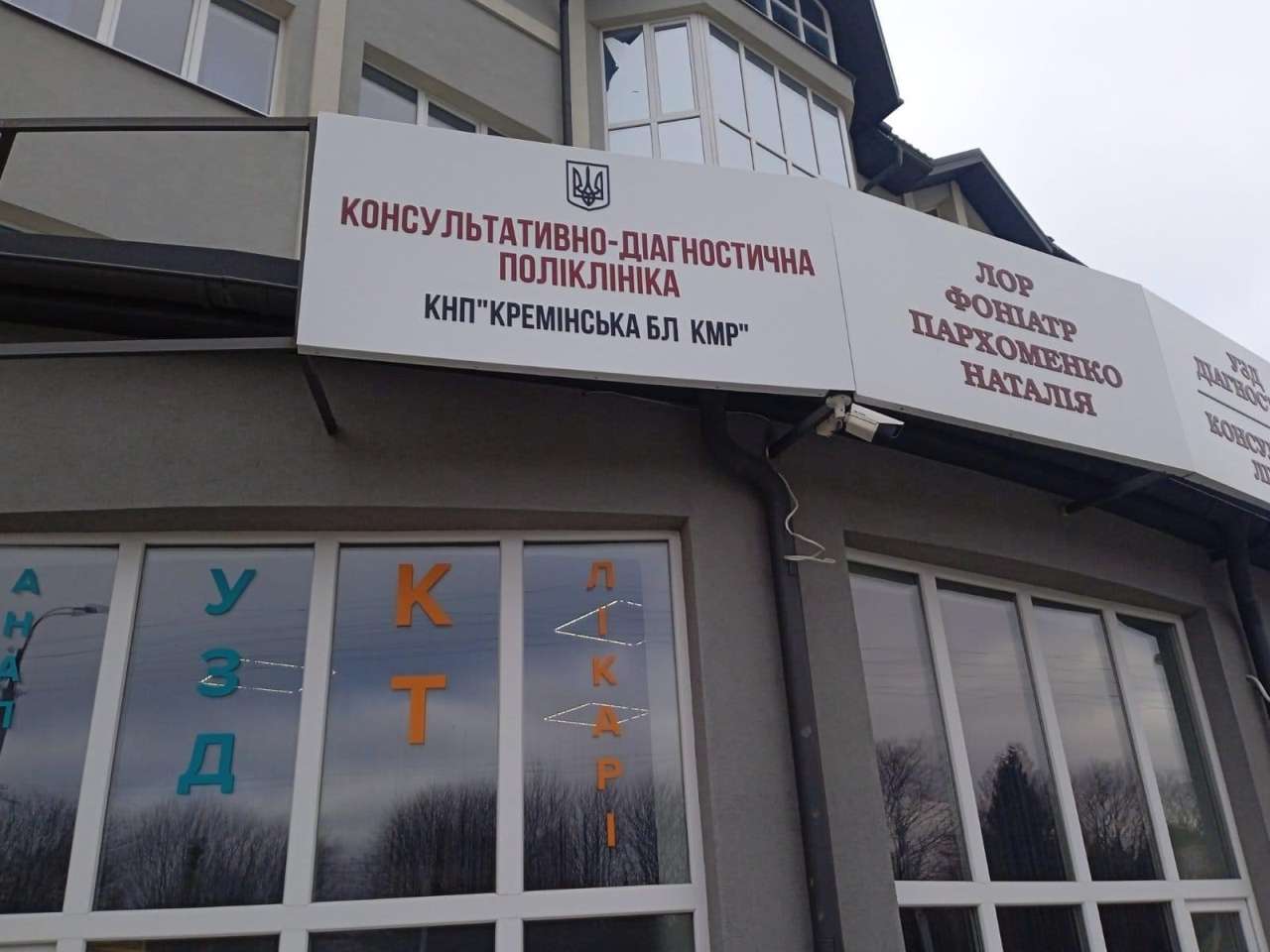
- Kreminna — Rivne. Following the relocation, Kreminna Primary Care Hospital took some of the burden off Rivne’s healthcare system by providing assistance to internally displaced persons. U-LEAD experts held extensive consultations with the facility on issues related to property leasing, amendments to collective agreements, and ensuring the validity of agreements with the National Health Service of Ukraine.
The future of healthcare facilities
To date, each municipality has decided on its own strategy: some have moved to liquidate their facilities due to a lack of resources, while others have chosen to keep them going and develop them. Where operations have been successfully resumed, new opportunities are emerging. In the future, relocated hospitals may become growth points, as there is a rising demand for treatment and rehabilitation of military personnel.
Despite all the difficulties, thanks to cooperation with host municipalities and advisory support from U-LEAD, healthcare facilities of the Luhansk region are finding new opportunities for advancement and continue to provide high-quality care to people.