



Joining forces to empower municipalities
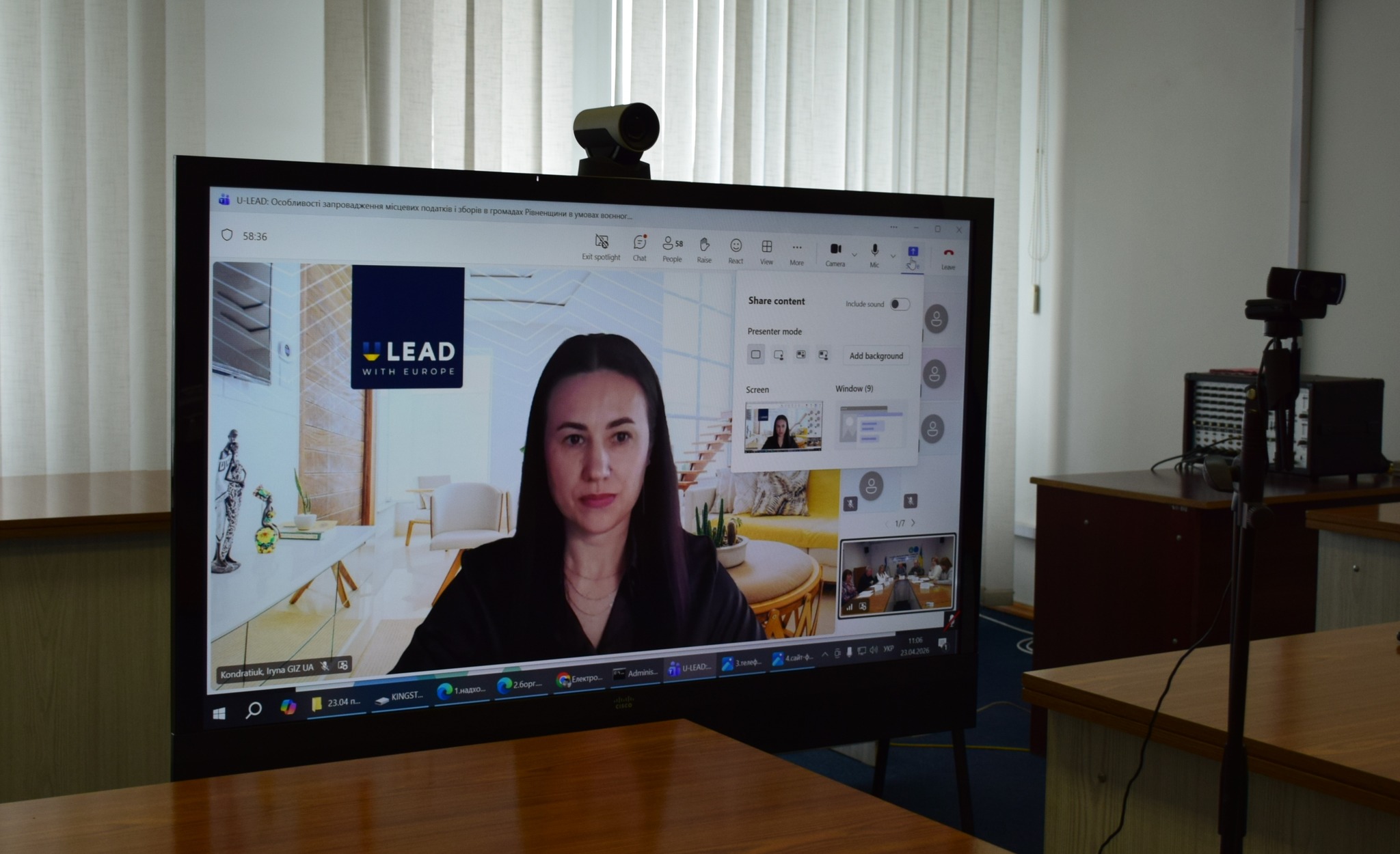
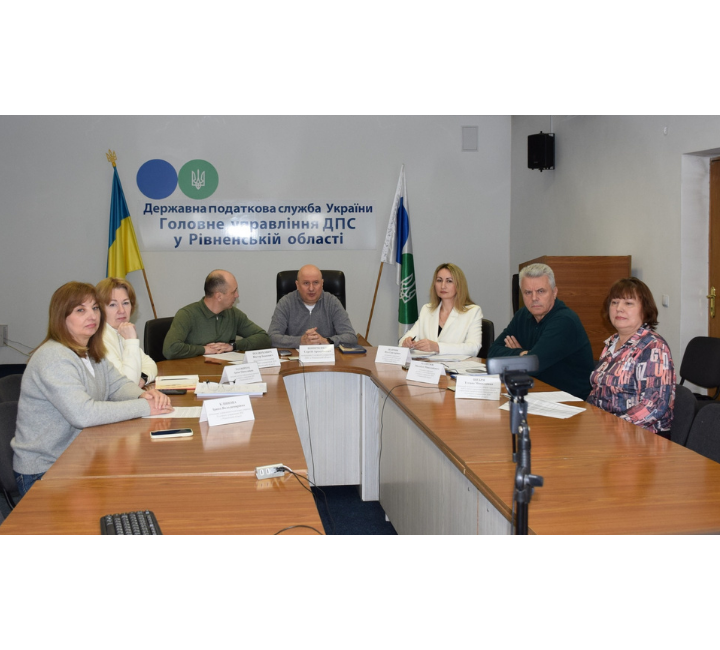
The event once again highlighted the importance and necessity of cooperation between tax authorities and local authorities. Iryna Kondratiuk, an Adviser on Municipal Finance at the Regional Office, stressed that a municipality’s financial independence is directly dependent on the proportion of local taxes in its budget:
“Local taxes and duties are one of the main sources of revenue for local budgets. The larger their share of budget revenue, the stronger the municipality’s financial capacity. It is therefore important that local authorities and the tax office work well together and administer these payments effectively”.
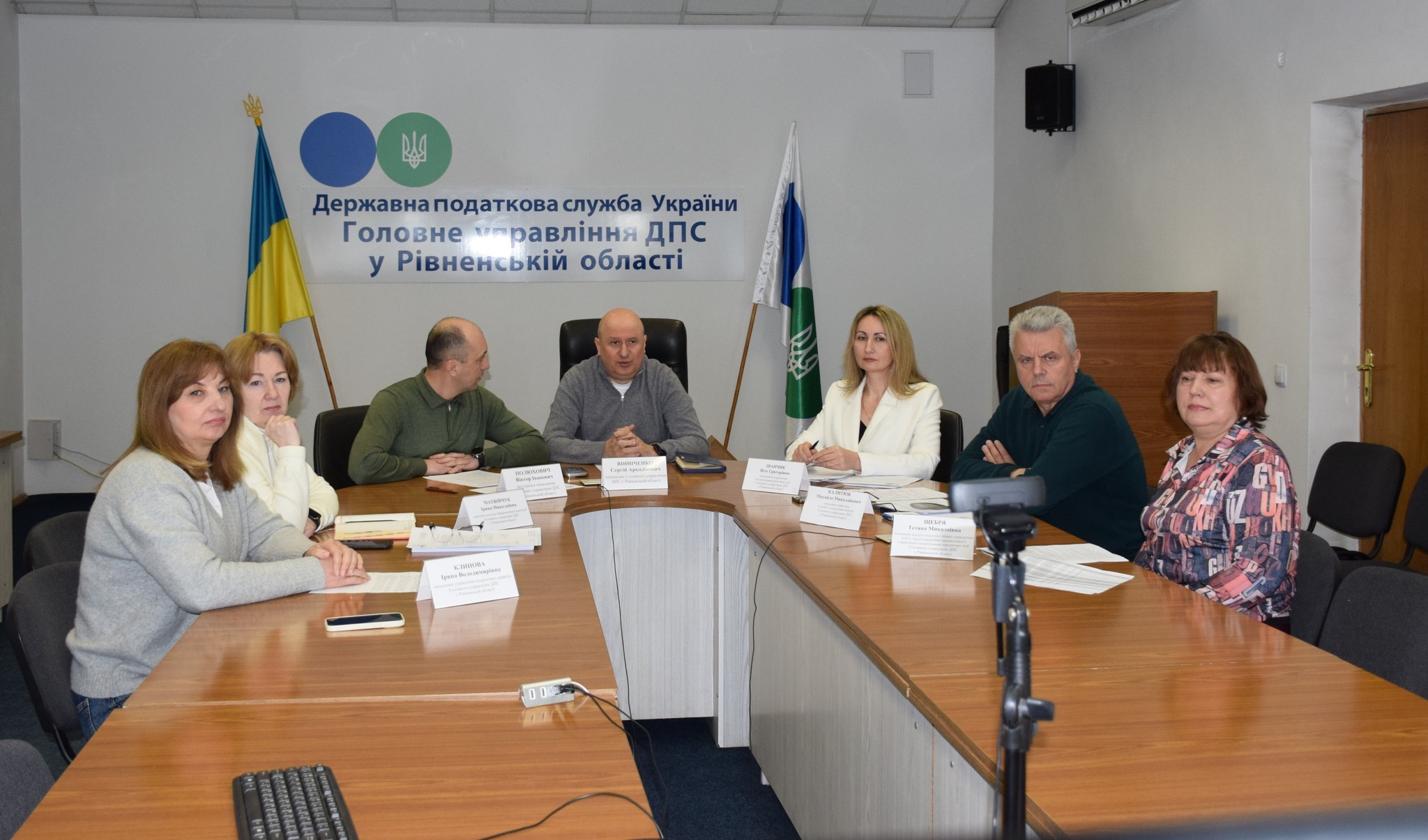
Serhii Vinnichenko, the Head of the State Tax Service in Rivne Oblast, called on municipalities to actively cooperate. He underlined that local self-government bodies are closest to taxpayers, so their day-to-day work in keeping the public informed and identifying new taxable entities is crucial. According to him, as the tax system undergoes active modernisation, local authorities need to engage with these processes and play an active role, ensuring a stable flow of revenue into local budgets to support regional development.
Key figures and challenges
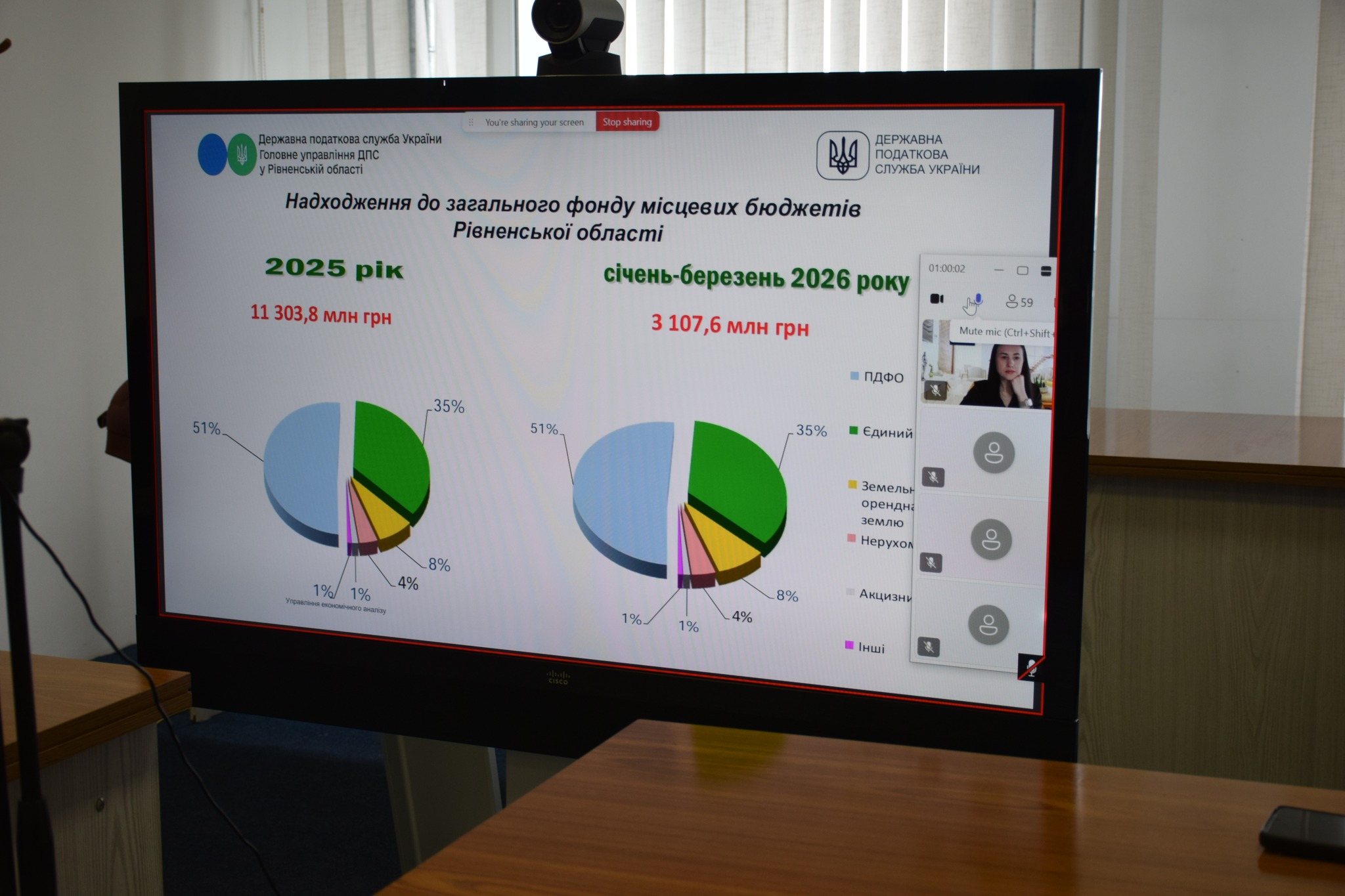
Throughout the discussion, tax officials placed great emphasis on the municipal revenue structure. Although personal income tax continues to be the main source of revenue, local taxes — such as land tax, property tax and the single tax — also play a significant role. Taken together, they account for around 47% of municipalities’ revenues. Participants at the event made it clear that these payments hold the greatest potential for municipal development, provided the payment process is properly put in place.
Despite the positive trend, there are still certain difficulties in the tax collection process. Experts have identified several key obstacles, including outdated or incomplete data in state registries, the existence of tax debts (even small amounts) and residents’ lack of awareness of their tax obligations. Resolving these issues requires more than just state oversight; it also calls for effective outreach at the local level, so that every taxpayer understands the importance of their contribution to the collective budget.
New services and plans for the future
Discussions also covered interaction with the tax authorities via digital services. Online portals, chatbots and mobile applications enable faster data exchange and cut through unnecessary red tape.
“The participants agreed to continue exchanging information on tax rates and relief schemes, as well as to work together to streamline their taxation databases. The combination of digital tools and active communication will enable municipalities in Rivne Oblast to ensure a stable revenue stream for their budgets in the future,” concluded Iryna Kondratiuk.