






The settlement municipality of Manevychi in Volyn Oblast comprises 36 populated areas, with its centre in the settlement of Manevychi. Given that much of the area is rural, the development of the countryside has always been a top priority. An additional challenge is that the municipality is forest-covered by 74%. In order to revitalise the agricultural sector, craft production and rural areas, the village council adopted a strategic decision at its meeting: to expand the role of the head of the Regional Development Department and formally designate her as the Rural Development Officer.
This decision was a natural outcome of the team’s participation in the training programme “Introduction of the Position of a Rural Development Officer and Organisation of his\her Activities” run by U-LEAD with Europe.
As noted by Anatolii Parkhomiuk, the Head of the Regional Office of U-LEAD in Volyn Oblast, the training programme covered the fundamentals and analysed practical case studies, providing municipalities with an opportunity to share their experiences:
“The aim is to ensure that local authorities have a clear understanding of how to respond effectively to challenges and promote the sustainable development of rural areas, even in the face of constant change and the drive towards European integration.”
A professional approach without unnecessary costs
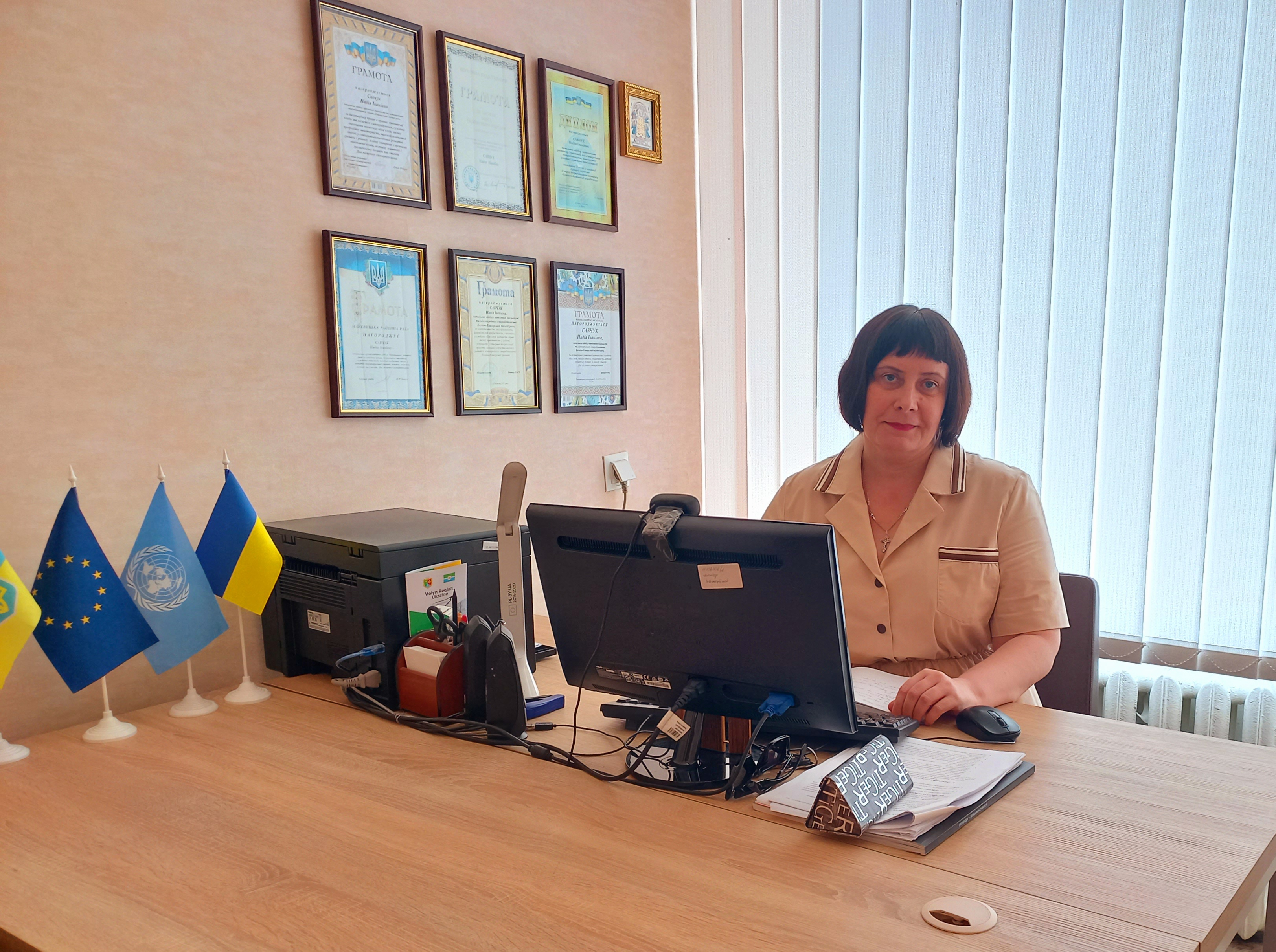
“The council decided against expanding the staff to create a new officer position, opting instead to entrust this area to a professional who knows the region inside out and has experience in project management,” — explained Nadiia Savchuk, the Head of the Department of Regional Development, Investment and Project Activities. The village council passed amendments to the regulations governing the department and to the job description of the head of the department.
“We chose this approach because it makes the most sense. I’m already involved in investment and understand the specific circumstances of each of our villages. These responsibilities are now officially enshrined. The training helped us understand how to organise this work properly so that we can provide professional support to farmers and agribusinesses,” - says Nadiia Savchuk.
Manevychi on a par with Lutsk and Ivano-Frankivsk: Best practices of adapting to climate change
An important step in this new role was the Executive Committee’s decision to develop a Climate Change Adaptation Strategy. In Ukraine, only a few local self-government bodies have this type of document so far: large cities such as Lutsk and Ivano-Frankivsk are already working on it, whilst for smaller municipalities it is a novelty.
The municipality already has practical experience that will shape the document:
“We assessed environmental risks, submitted applications for funding through donor-funded competitions, and even planted species that are not native to our region. All of this helps you understand exactly what to include in your strategy. For example, if we have a drought in the summer, businesses will have to plan for greenhouse cultivation. It is essential to approach the planning process correctly, in line with Ukrainian and European legislation, whilst factoring in climate anomalies,” - says Nadiia Savchuk.
Strategy as a gateway to business grants
Having such a strategy in place offers local entrepreneurs a real opportunity to attract funds. Without a climate risk assessment, no business project will be selected for funding by international donors today, says Nadia Savchuk.
“If our municipality develops an adaptation strategy and is granted the necessary powers, our businesses will be able to submit projects for funding. Provided that the applications are prepared correctly, these projects will be selected and secure actual investment or grants. Municipalities that lack a strategy will simply be left behind,” explains the expert.
A large working group has been set up to develop the strategy, comprising village starostas, businesses and members of the public. The Officer acts as a moderator to ensure that businesses’ plans are consistent with the municipality’s development strategy. For example, if a village is focusing on organic produce, the Officer oversees that new projects adhere to these principles.
“This benefits both the authorities and businesses. When we have a clear plan and someone in charge of it, businesses won’t have their grant applications blocked due to legal technicalities. We are preparing the municipality so that any project — from a small farm to a large-scale operation — can secure support and investment,” concludes Nadiia Savchuk.