


A municipality where it all began with a commitment to be closer to people
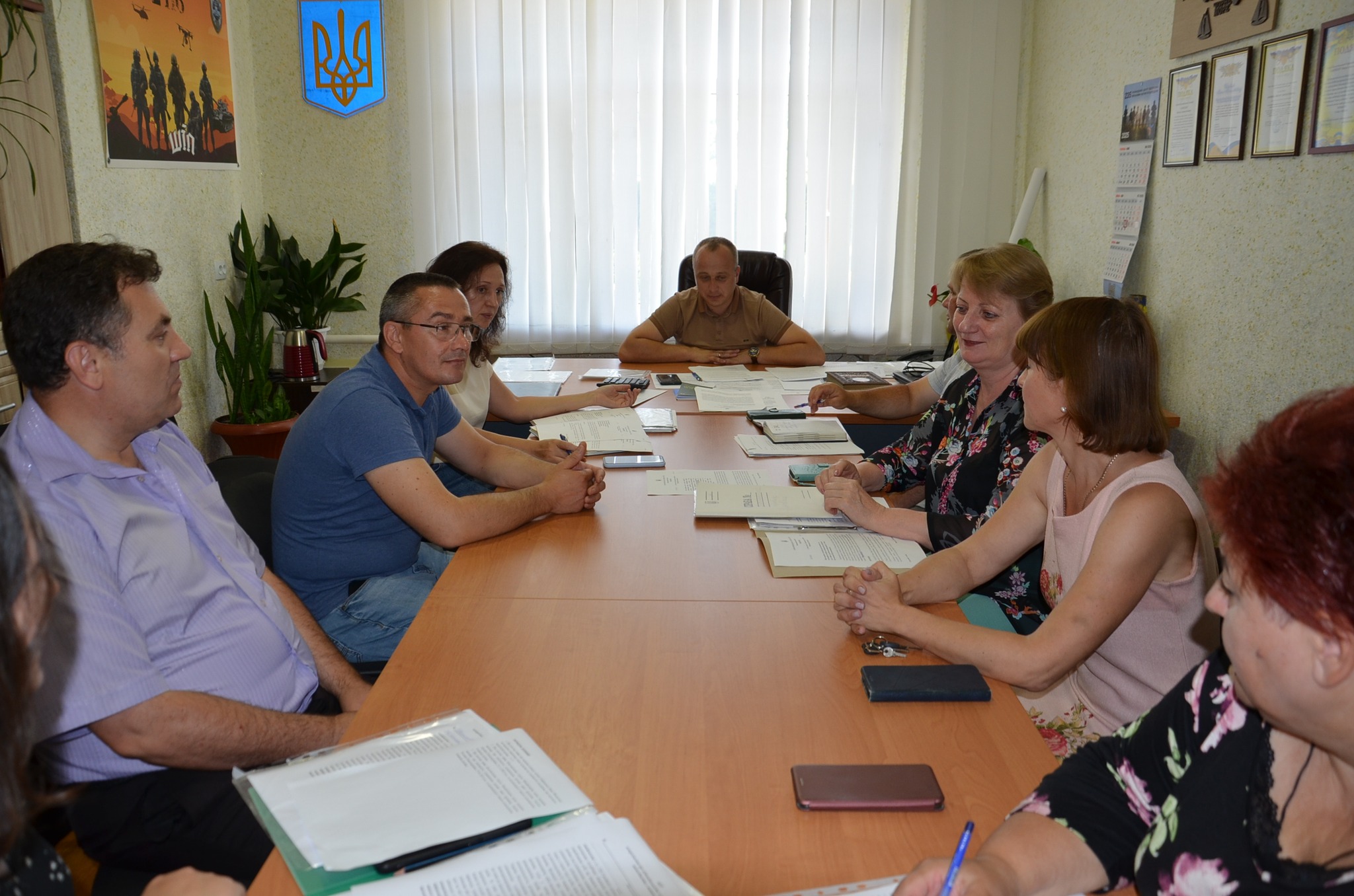
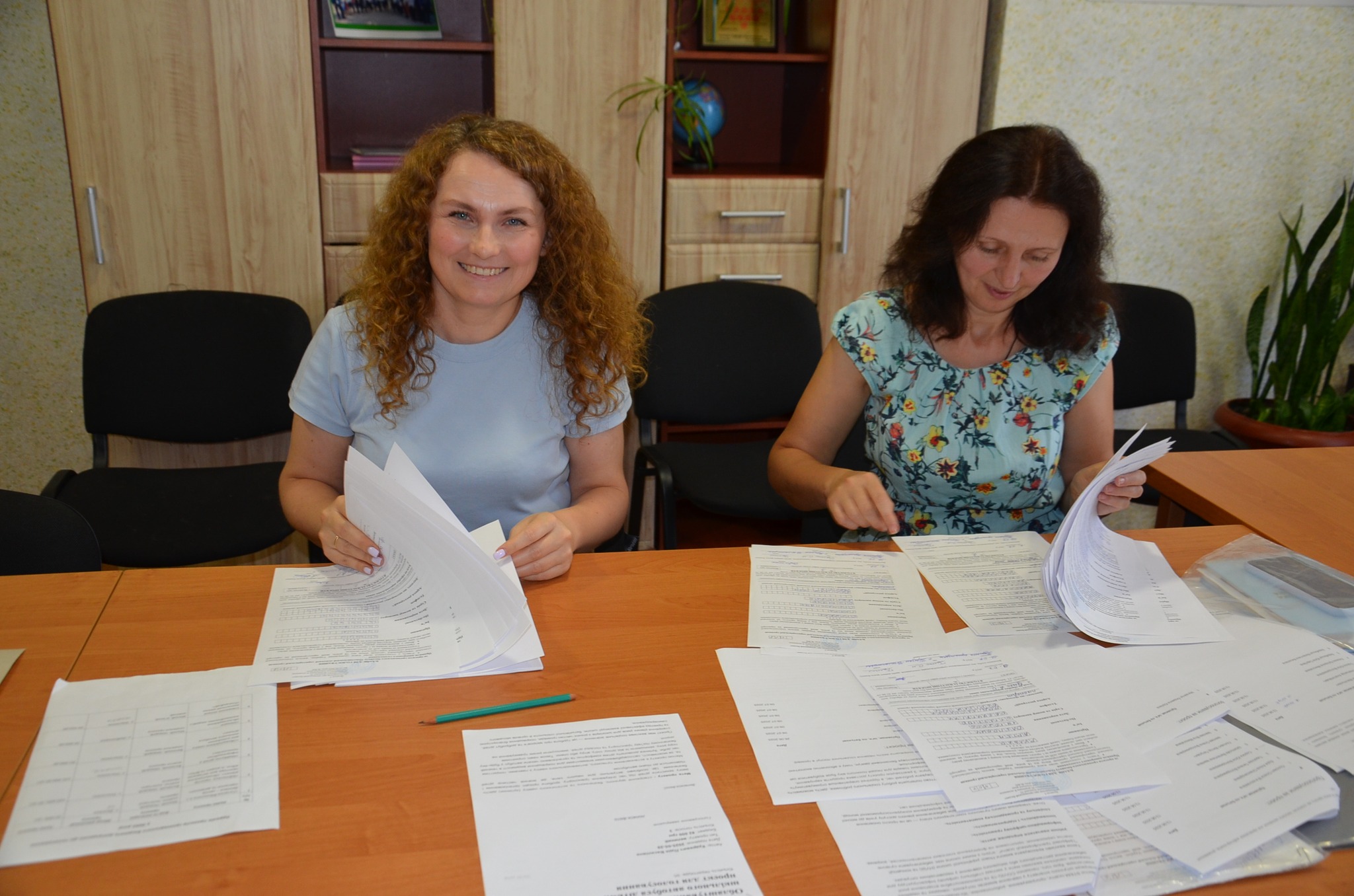
The municipality came up with the idea of participatory budgeting after learning about the training programme offered by U-LEAD with Europe and deciding to join. The chief accountant of the village council, a communications specialist and a financial department officer joined the training last year. They successfully completed the program and eventually developed their own Participatory Budgeting Regulation and launched the first competition with the support of U-LEAD experts.
“Our goal was to get closer to people and show them that their ideas can be brought to life,” says Oksana Skotselias, the Chief Officer of Financial Department of Olhopil Village Council. “We figured we’d learn first, then put it into practice. What happened was the opposite — training and implementation happened at the same time. The deadlines were tight, but we managed.”
“The hands-on approach of the U-LEAD support programme allows participants to learn by doing. The introduction of participatory budgeting in the Olhopil municipality is a prime example of this. It’s great that this long-term process has yielded good results for the municipality,” says Vitalii Shvets, the Head of the Regional Office of U-LEAD in Vinnytsia Oblast.
The first step — the first projects
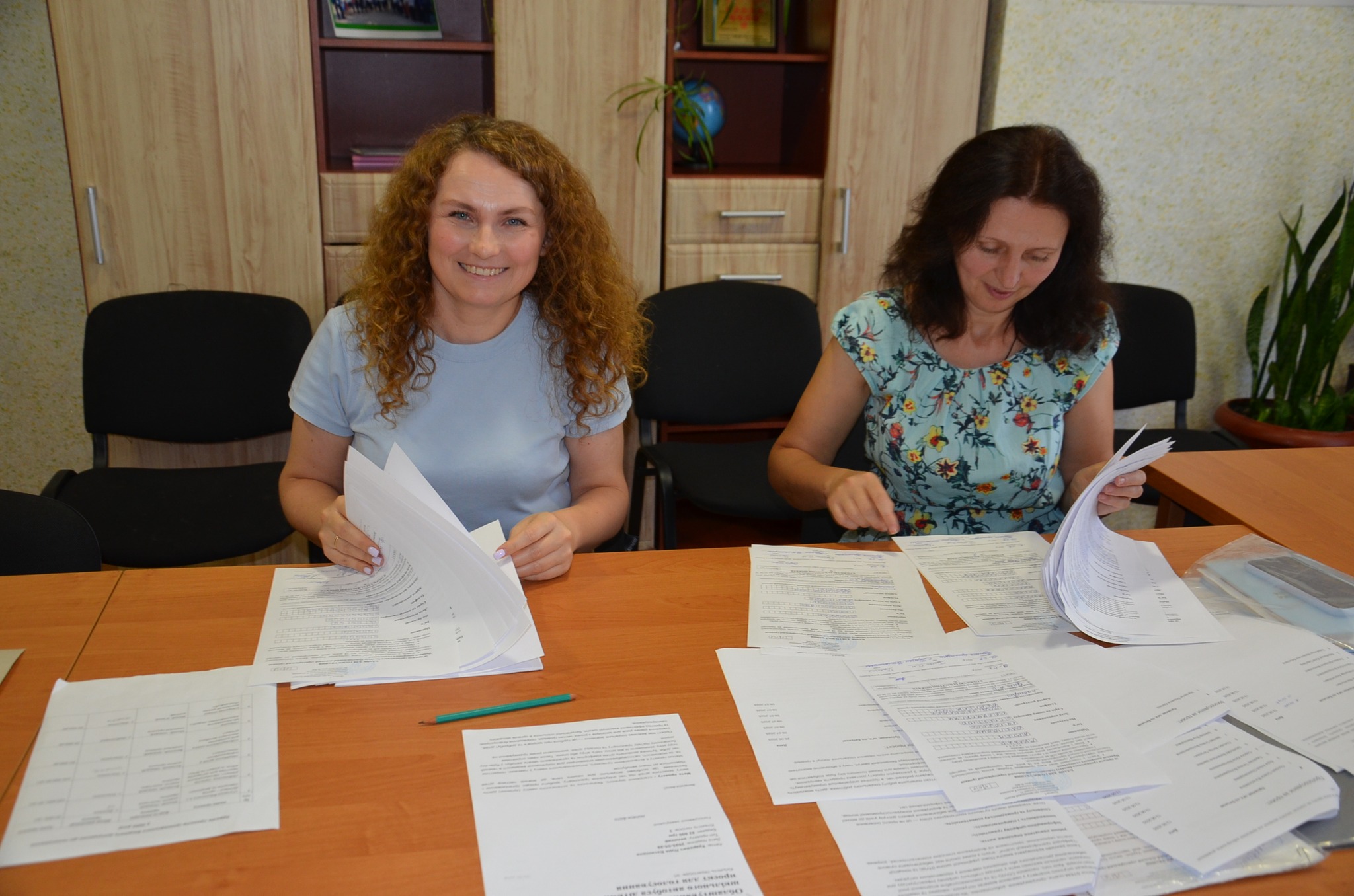
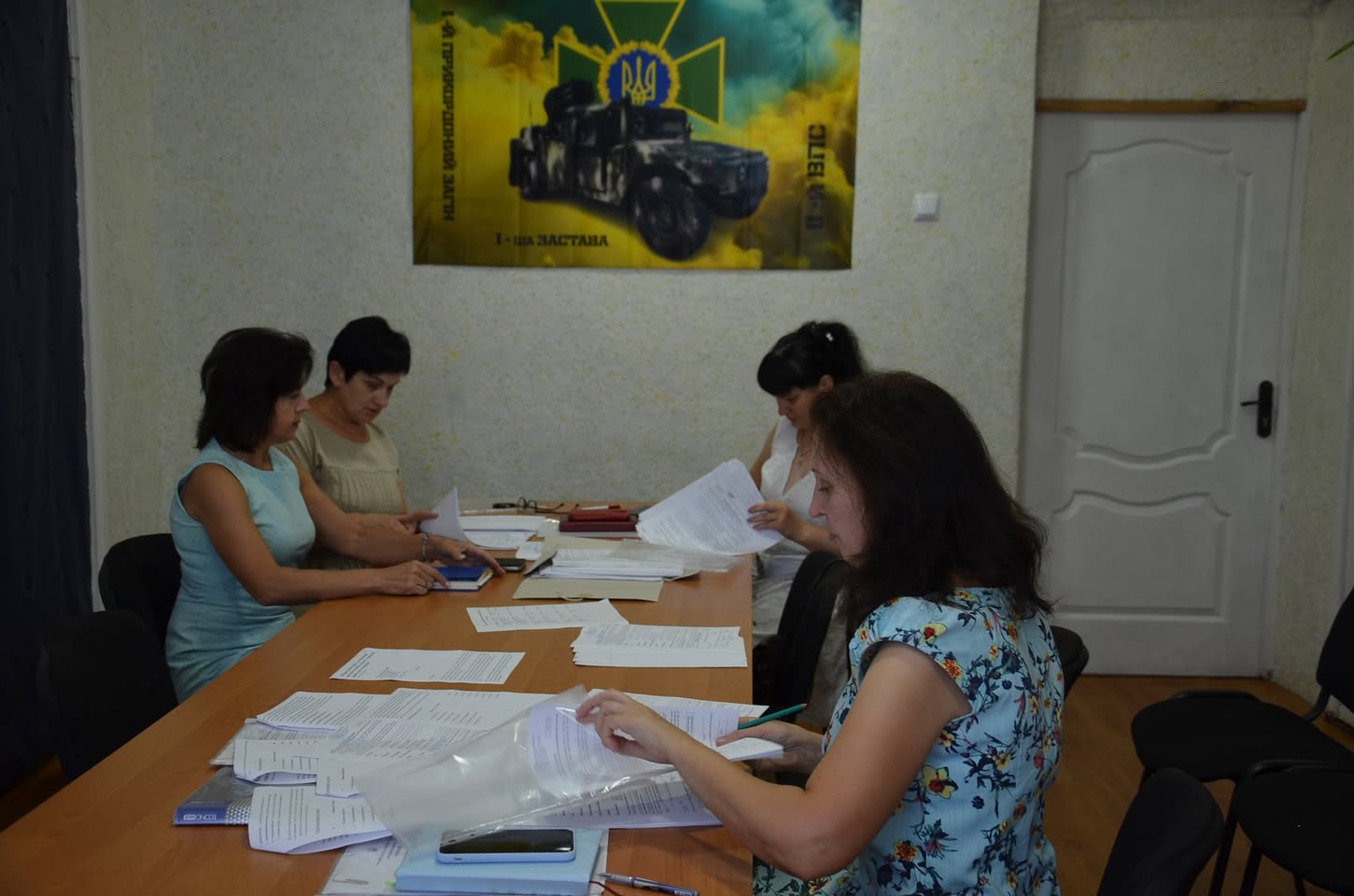
In 2024, the municipality announced the first competition for participatory budget projects. The budget allocated UAH 330,000 for these needs. Five projects were submitted, and all of them passed the selection.
“We decided to accept all projects because we had sufficient funds, but we still held a vote to hear people’s feedback and draw up a ranking list,” the specialist explains.
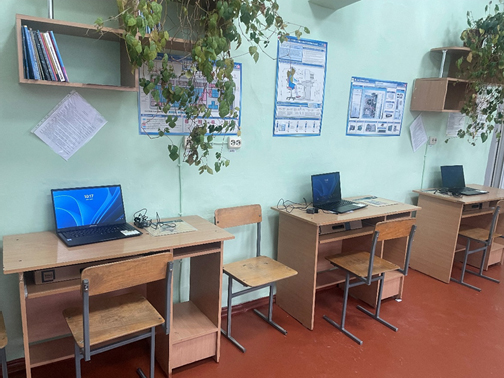
For example, in Demivka, a computer science teacher submitted an idea to purchase laptops for the school. Following the vote, it was supported, and the municipality procured the equipment through Prozorro. In the village of Berizky, proactive residents initiated a new playground: the purchase has been completed, and it is being installed.
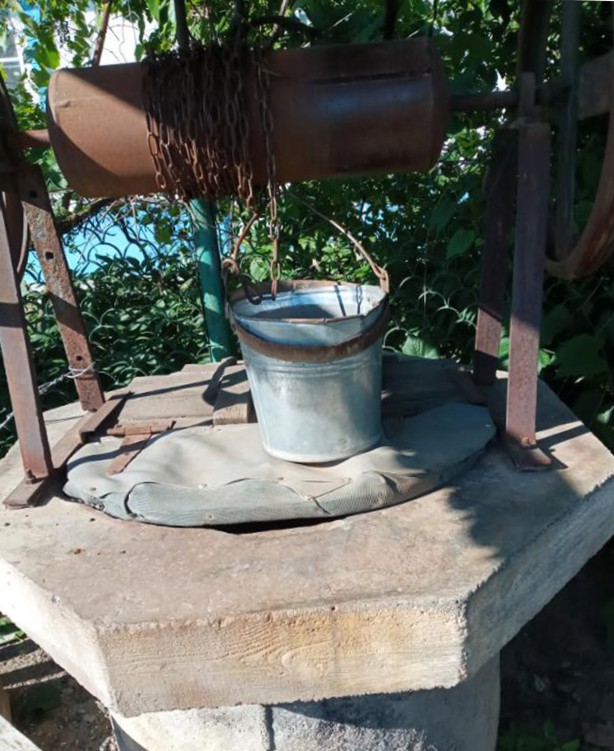
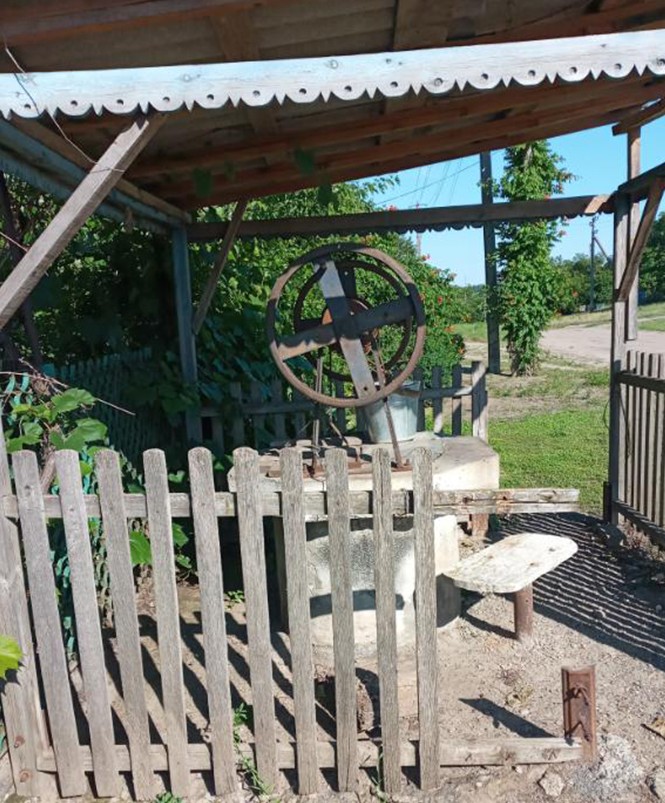
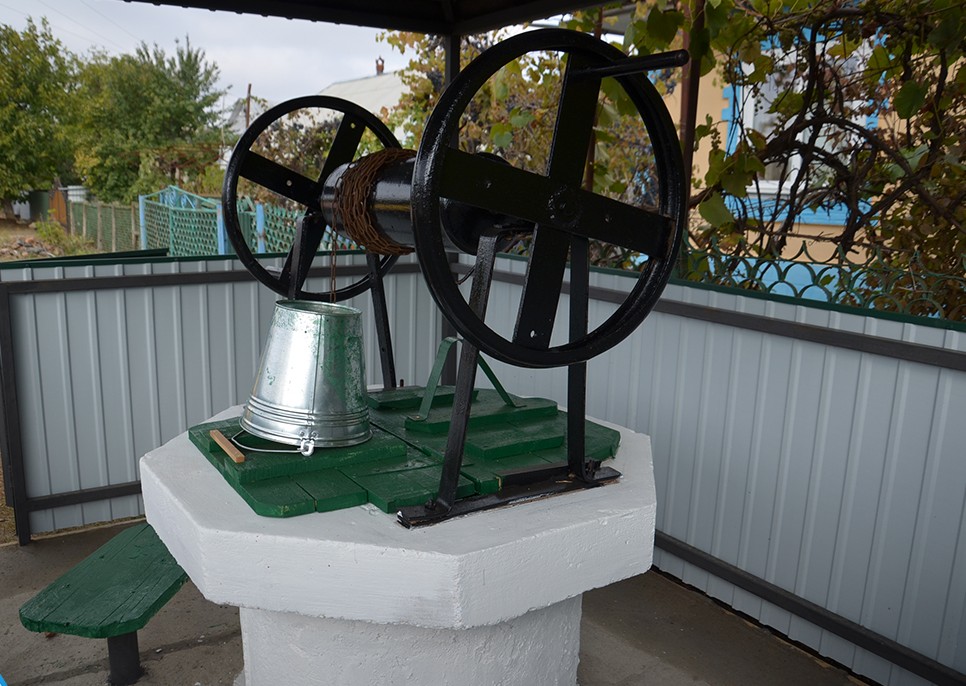
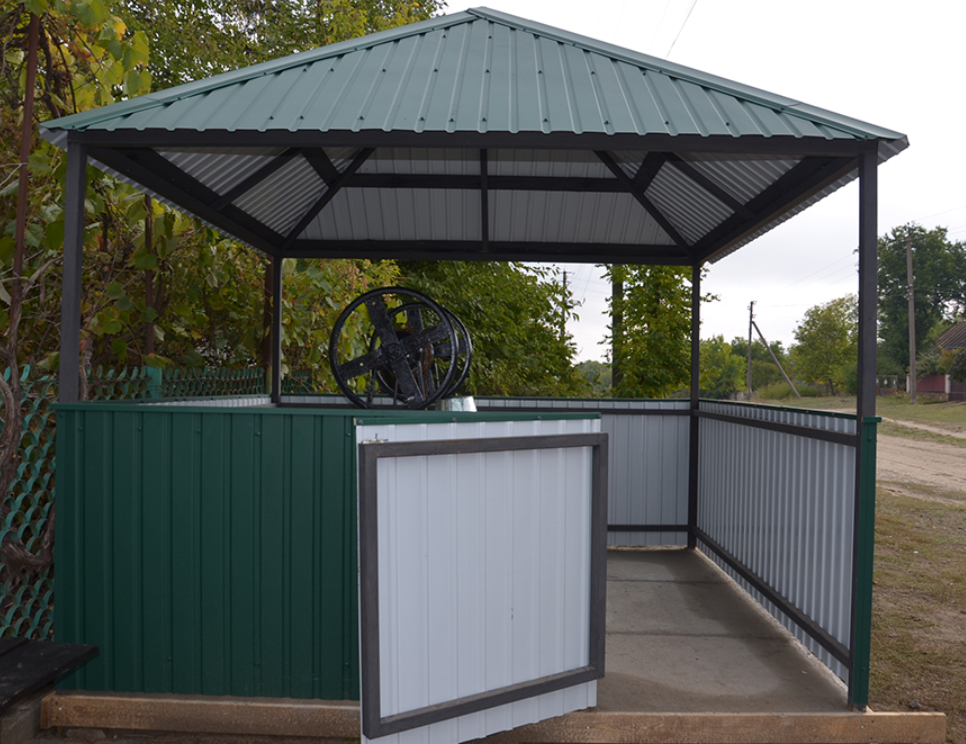
Another important project was a public well in Olhopil itself. Residents submitted an idea to improve the well on Druzhby Street — a facility they use every day, especially whenever the water supply is cut off. After winning the competition, the well was cleaned, a roof was installed, and the surrounding area was tidied up, restoring it to its role as a safe and convenient public space.
In Liubomyrka, residents rallied around an old playground that had been neglected for years and took up the idea of creating a renovated, safe space for children.
Liubomyrka: an example of unity as the main strength
Liubomyrka is a small village with a population of about 300. There are up to 40 children here, nine multi-child households and several IDP families. In 2022, the school in the village was closed, and the children are now studying in Olhopil. Nevertheless, they still wanted to create a safe play area for them.
“We realised that we could change the situation ourselves, - says Alla, public activist and co-author of one of the projects. - the playground has long needed updating. That is why Nataliia Mazur, a young athlete Olexii Ivonichenko and I developed and submitted a project to build a modern children’s playground and renovate a football pitch.”
The initiative won, and work began in the spring of 2025. They restored the swings, repaired the carousel and installed a tennis table and new sports equipment.
“The estimate did not include the cost of installing the equipment, so we did this work ourselves — parents, neighbours, young people. This unity is pleasing and inspiring,” says Alla.
New Year — new ideas
The residents of Liubomyrka decided not to rest on their laurels after their initial success. This year, they submitted a new social project — the purchase of an electric scooter for a social worker who cares for elderly people on a daily basis.
“She has more than ten people to serve,” explains Oksana Skotselias. “The street is several dozen kilometres long, and she covered the entire distance by bicycle. Now, through the project, she will receive an electric scooter to help people faster.”
The idea was supported by residents — the project won this year’s vote and will be implemented in 2026.
In general, as Oksana Skotselias recalls, people were initially wary of the new participatory budgeting initiative, but they quickly warmed up to it: “There was little activity in the first year. We undertook extensive outreach work, published articles and posted announcements. Some people argued that it would be better to allocate this money to other needs.
In 2025, seven projects were submitted to the competition — almost twice as many as last year. According to the municipality team, once residents saw that the initiatives were actually being implemented, they were more willing to submit their own ideas.
When participation becomes a joint endeavour
“This is a crucial tool because it helps people get organised and identifies active residents — those who want change and improvement for their neighbourhoods or municipalities as a whole,” says the municipality head Mykola Savchenko. “Initiators explain the initiative and its importance to other people, go door to door, collect signatures, and this instils discipline. They see their responsibility and realise that they can make a difference. This in turn encourages them to participate in other competitions — regional, national and even European ones.”
By way of an example, the head cites a public library — a space for young ideas and changes:
“In two years, our young creative specialist has literally reformatted the library. She keeps up with the times, updates the equipment and engages children and young people in workshops. This goes to show that even in a small village, you can create a modern space and attract people.”
The U-LEAD with Europe team also speaks about this path and the transformations in the municipality. Liudmyla Hurba, an Adviser at the Regional Office of U-LEAD with Europe in Vinnytsia Oblast and the Coordinator of the Working Group on Communication and Public Participation, emphasises:
“I am proud that the experience of participating in the U-LEAD training programme on participatory budgeting helped Olhopil Village Council not only to develop a set of documents, but also to kickstart a process of qualitative change. This path – from the adoption of a local regulation to a twofold increase in the number of projects – is the ultimate proof that motivated local authorities and engaged residents are capable of creating a ‘small revolution of participation’ in their municipality.”
This is how, through the joint efforts of the municipality, activists and U-LEAD specialists, the participatory budget in Olhopil has become an indicator of trust. People see the results and feel that their voice matters.