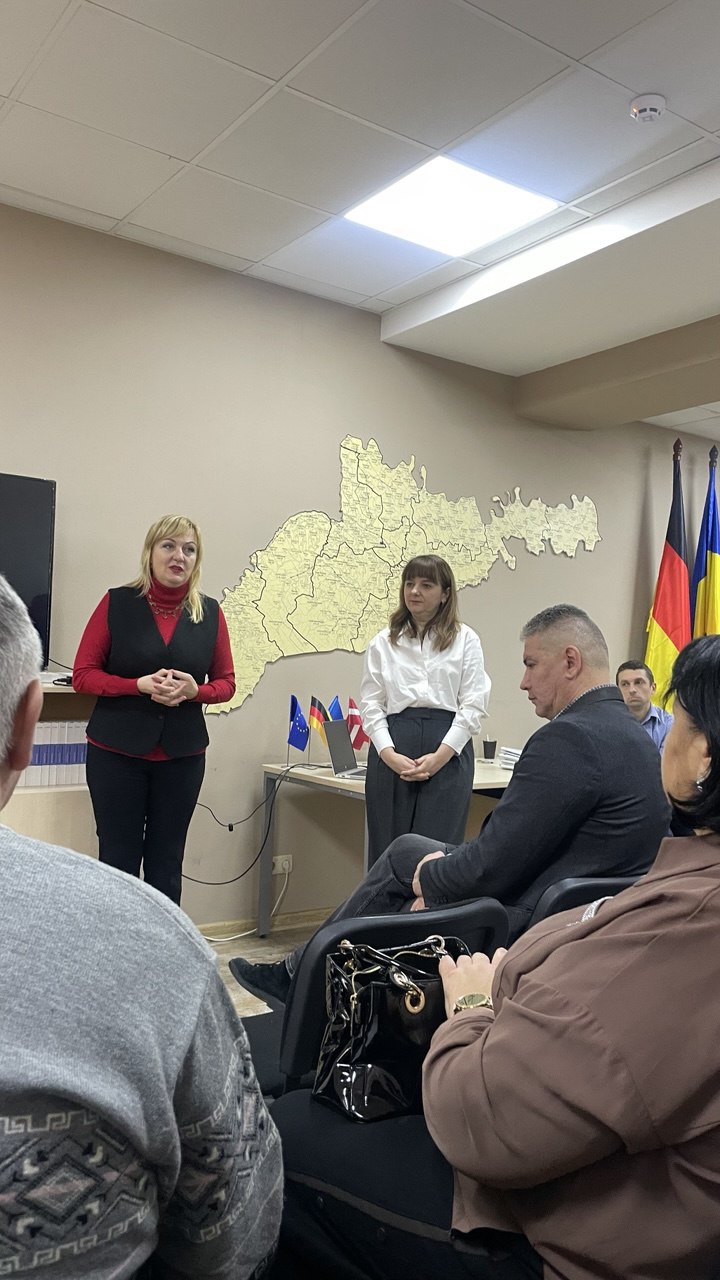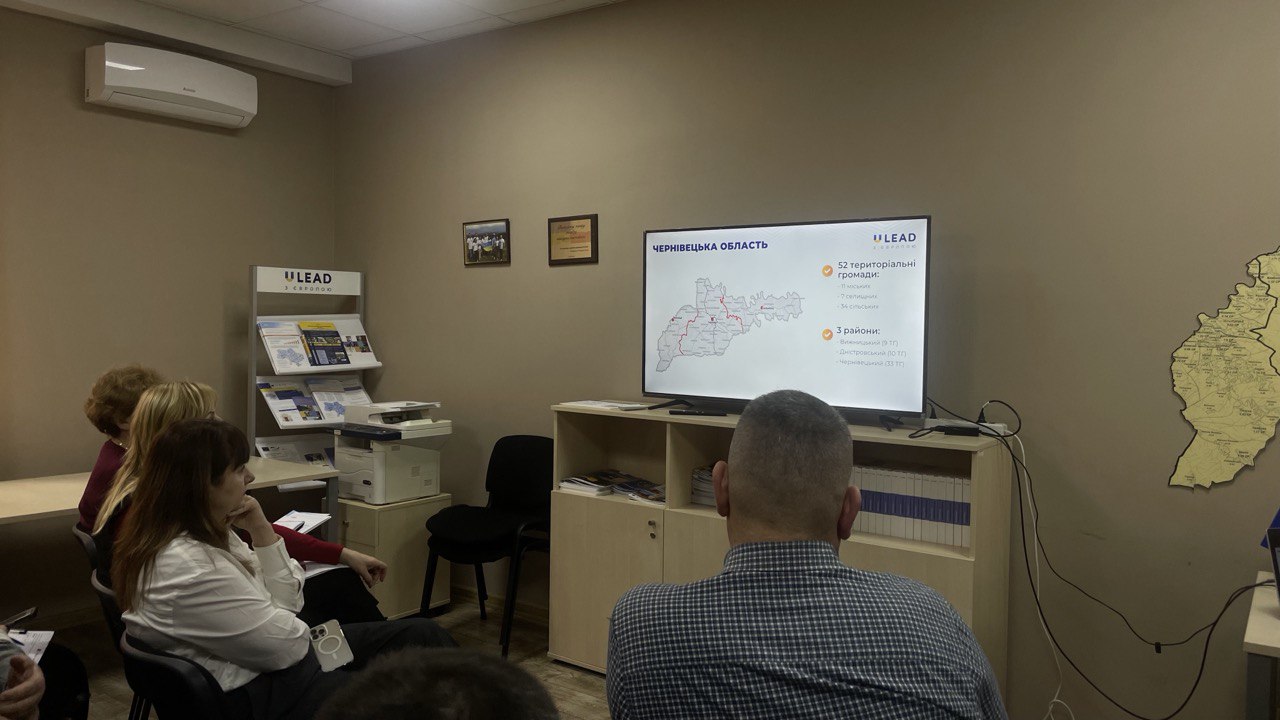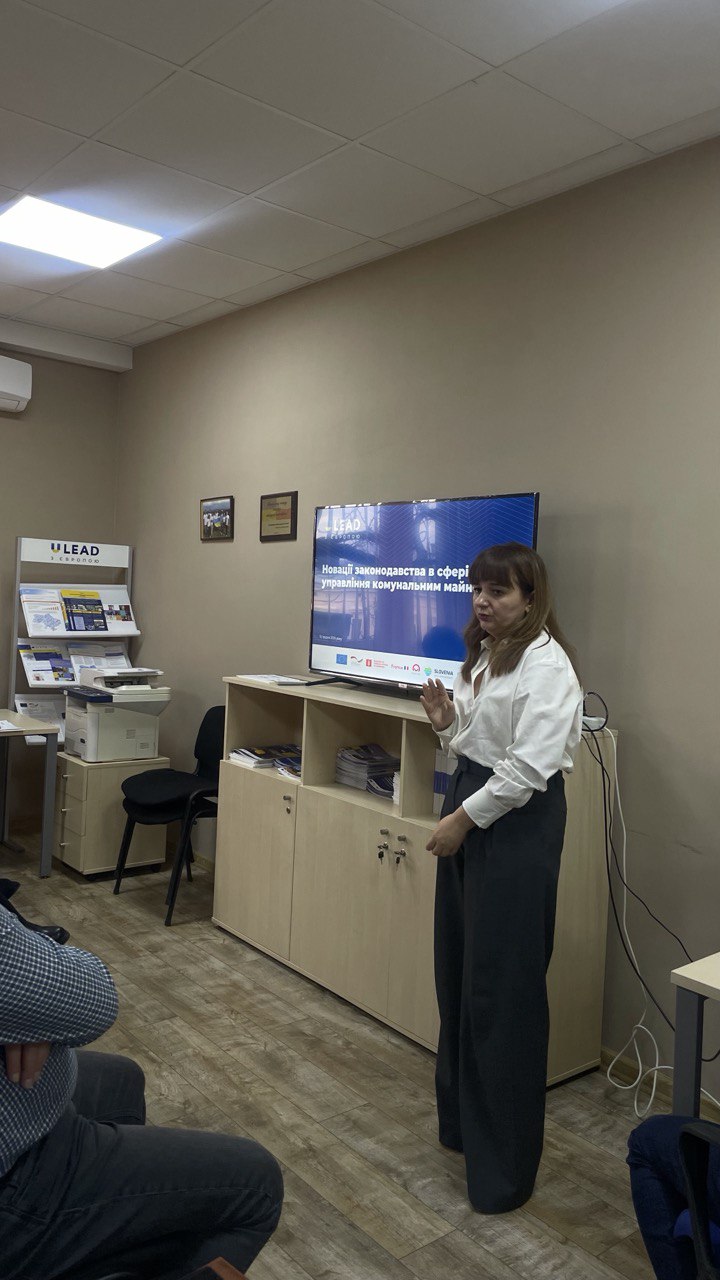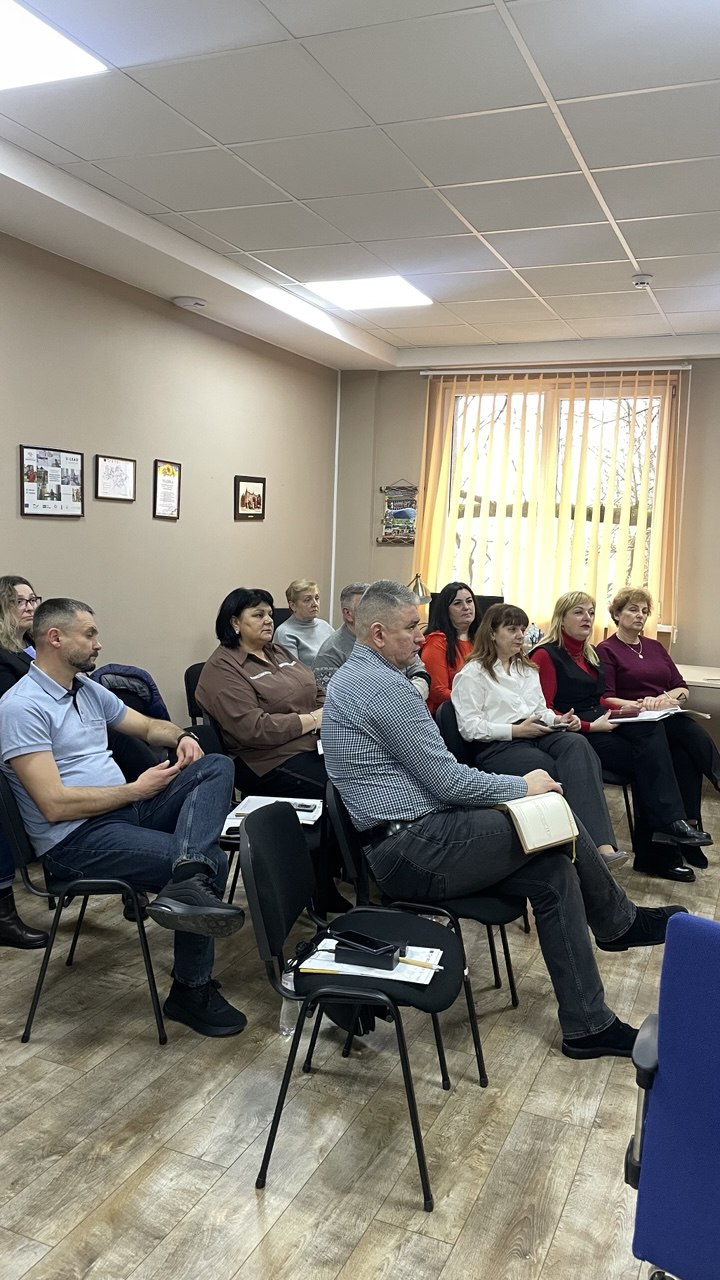




This is one of the most important changes in the laws governing the management of municipal property and the activities of municipal enterprises. For the local self-government bodies, it means a shift from the previous model of legal regulation as well as the need to rethink established approaches to managing assets, enterprises and public services in the context of limited resources and wartime conditions.
The municipalities acknowledge that some of the changes are reasonable and long-awaited, but their practical implications require careful consideration.
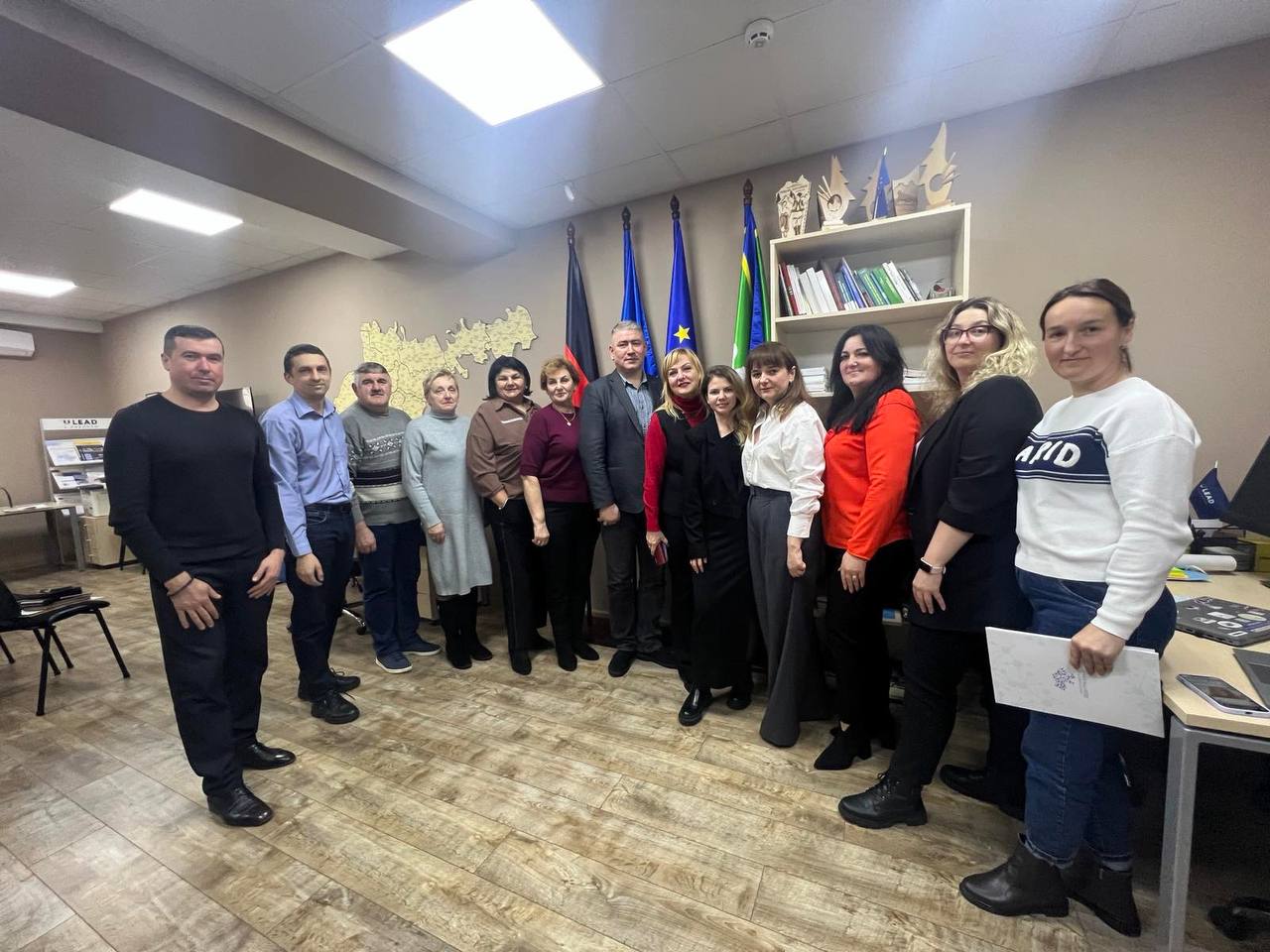
For example, the municipality of Novoselytsia, Chernivtsi Oblast, which has a population of over 22,000, is focusing on further organising the activities of municipal enterprises.
As noted by Serhii Arsenii, the First Deputy Mayor of Novoselytsia, the changes will have varying effects depending on the type of institution.
“For municipal non-profit enterprises, this involves re-registration, while municipal commercial enterprises will undergo reorganisation. While little will change for schools and other public institutions, which will continue to operate as usual, municipal enterprises will find themselves in a different situation: they will effectively be given free rein and become fully-fledged market actors,” he says.
According to Serhii Arsenii, these processes are more predictable for large municipalities, while smaller ones require a particularly careful approach and preliminary analysis.
In Mamaivtsi municipality, with a population of over 20,000, changes are also considered in a broader administrative context. Nataliia Katriuk, the Head of Mamaivtsi Village Council, points out that the new rules call for a clear understanding of the powers and responsibilities at the local level:
“Difficulties will certainly arise. Every local self-government body must understand the trajectory it is following and the resources it has at its disposal. Only time will tell how these changes will affect compliance with obligations”.
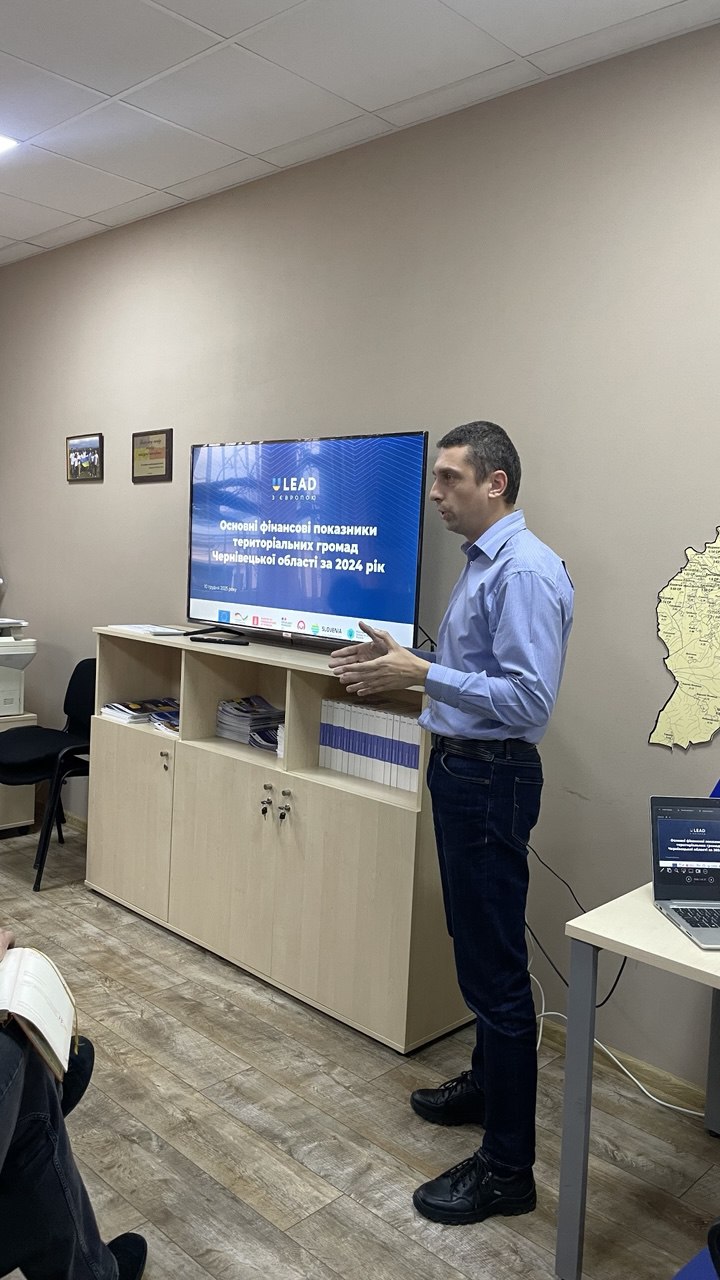
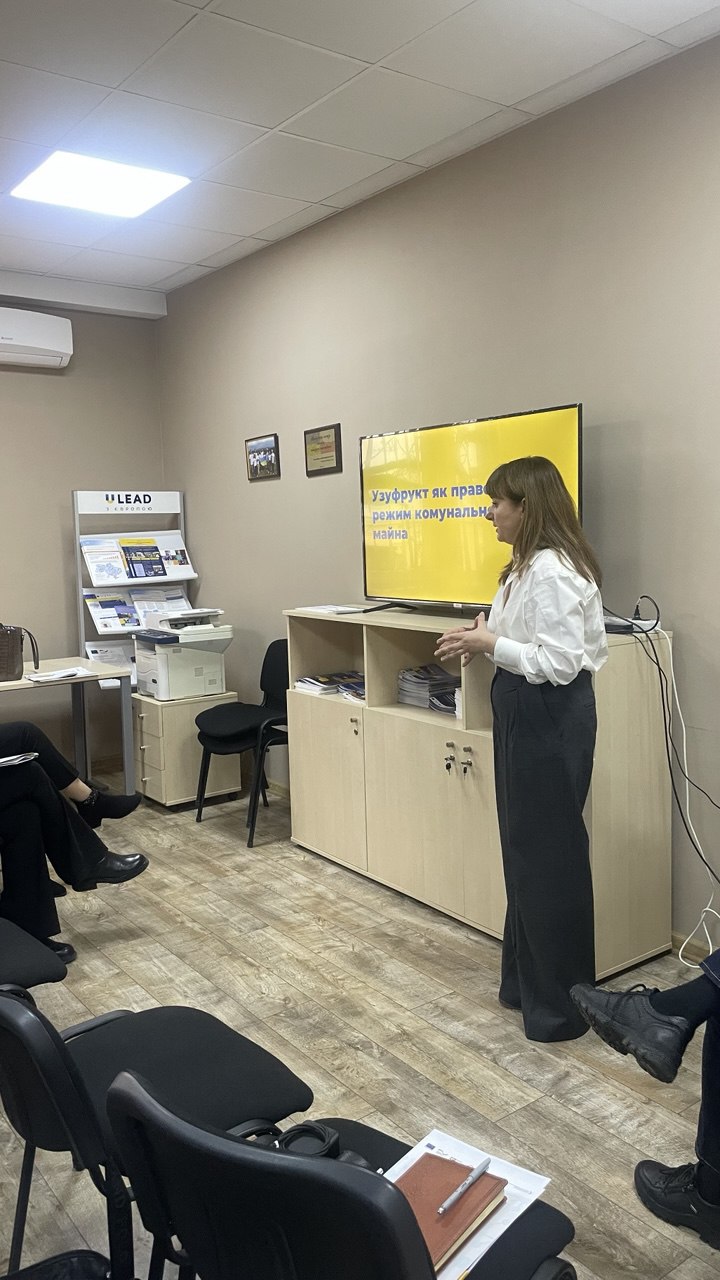
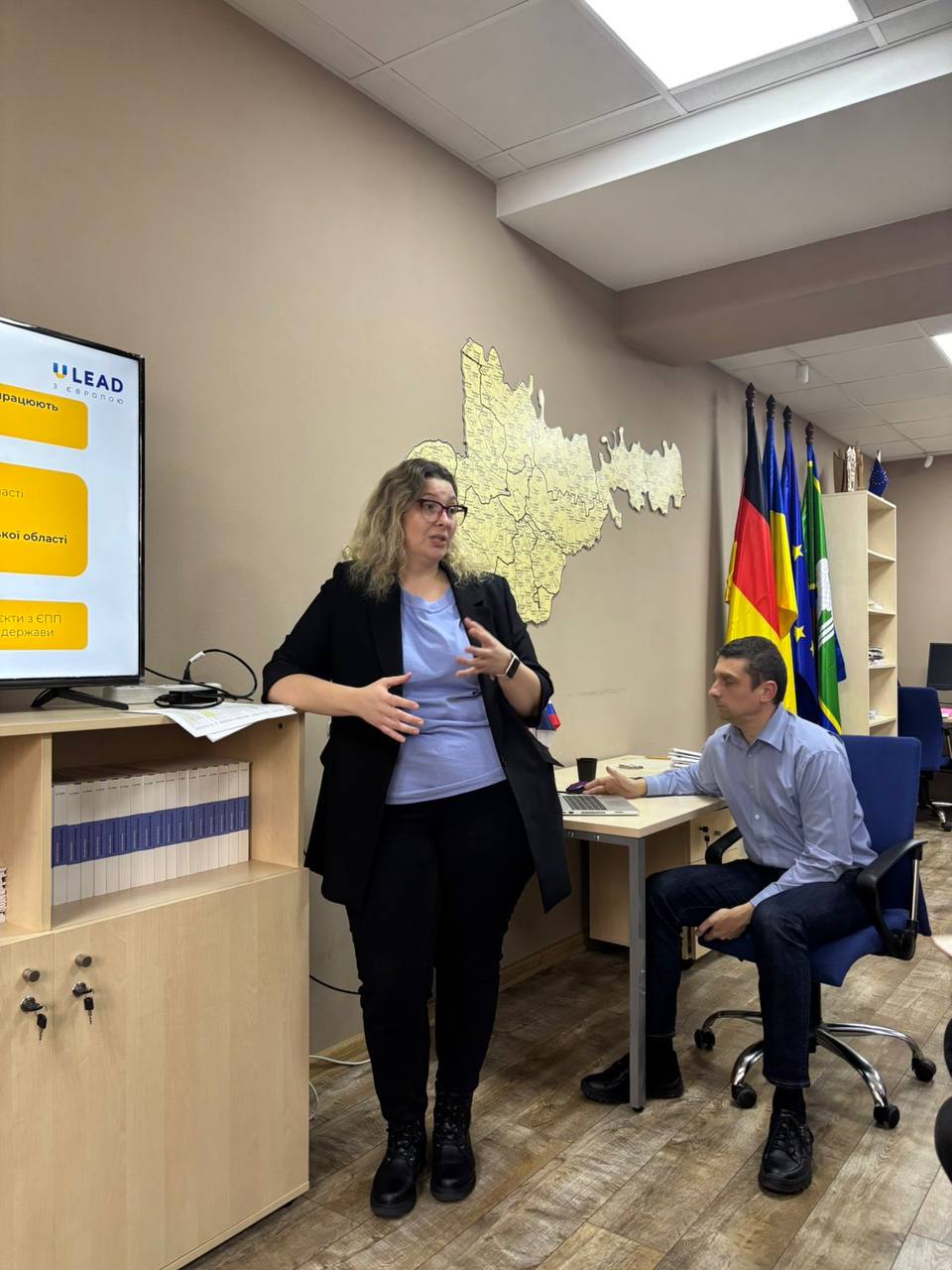
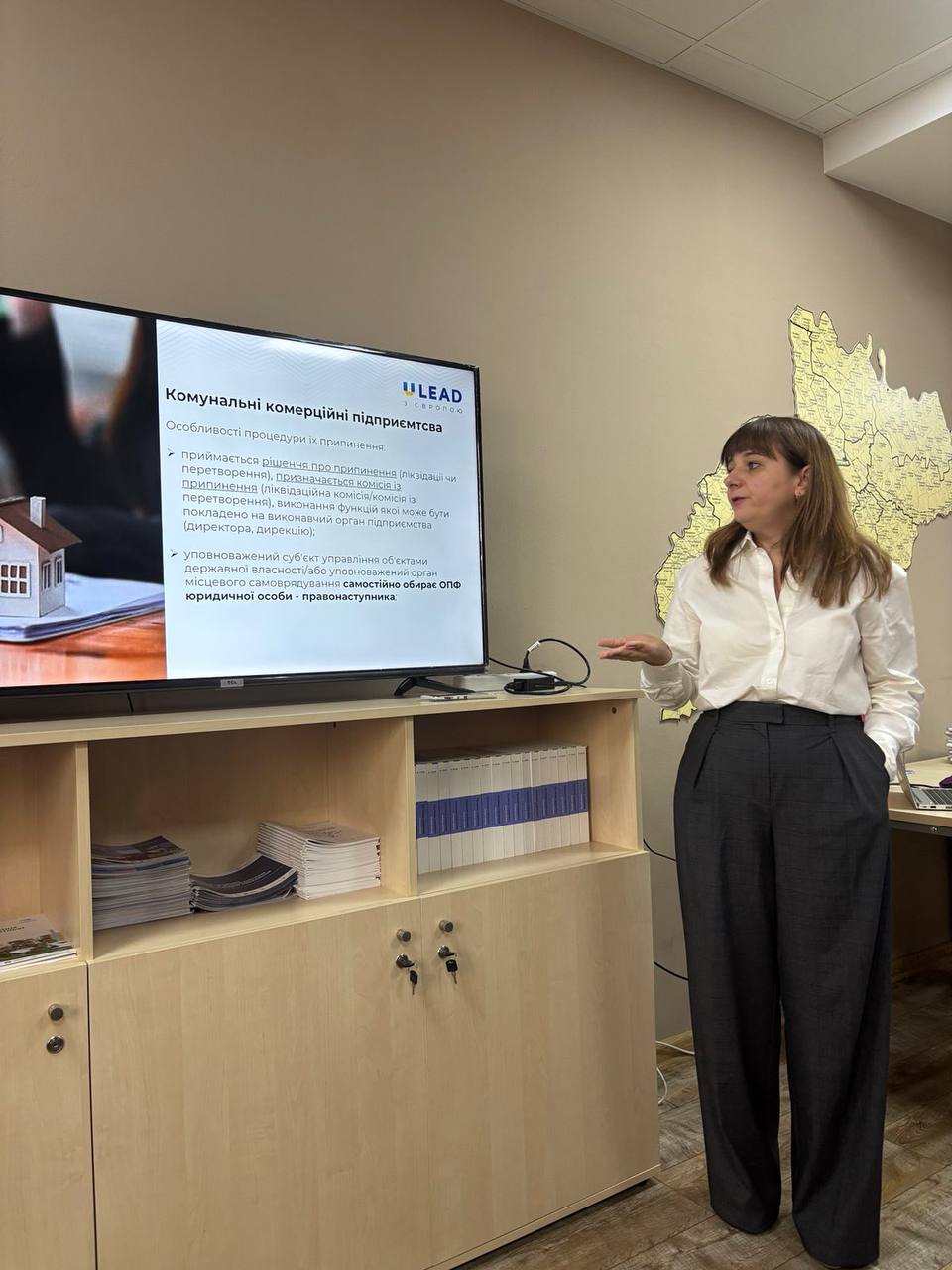
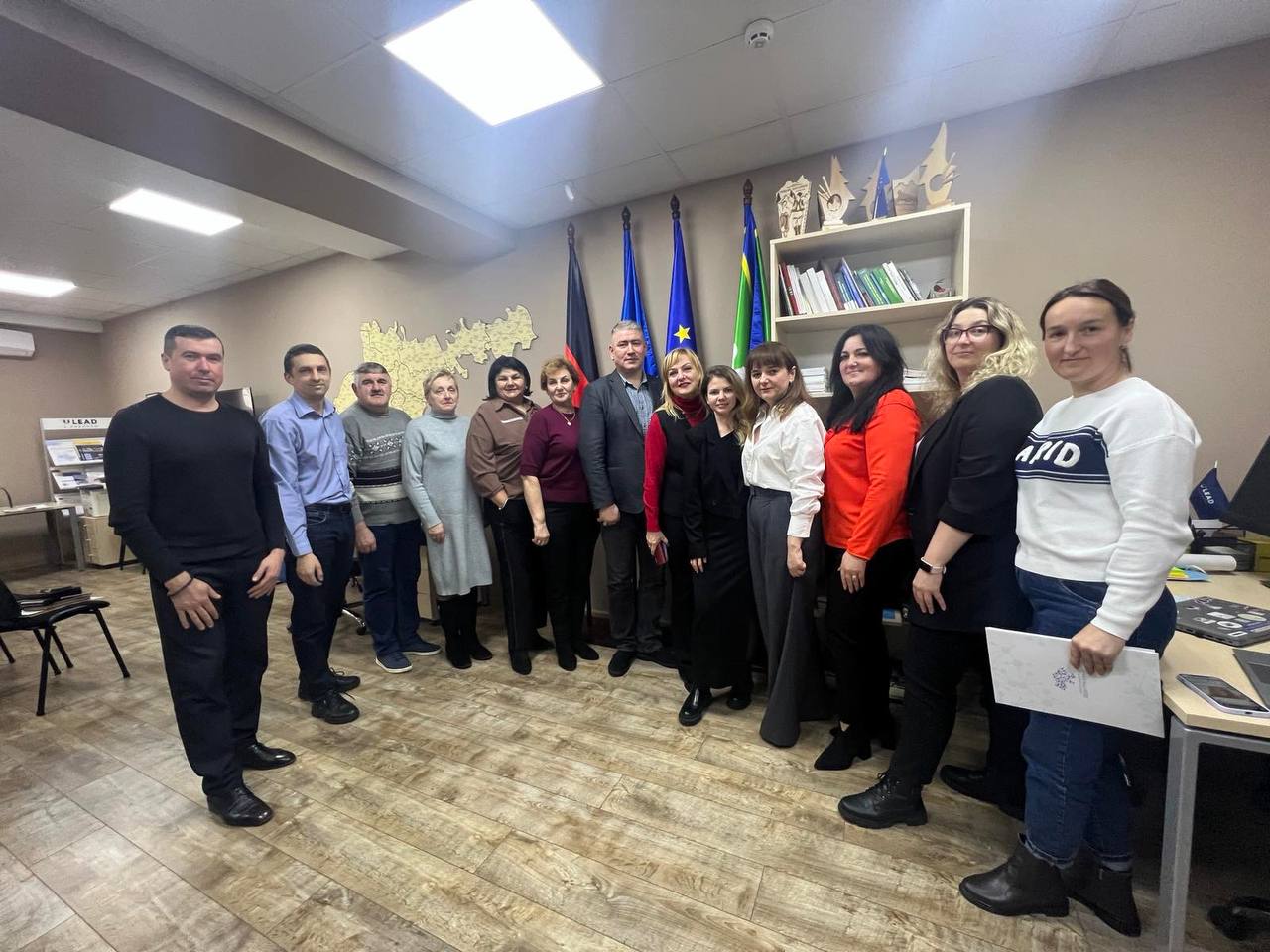
In light of these changes, advisory support for municipalities during the transition period is taking on particular importance. Victoriia Cheban, the Head of the Regional Office of U-LEAD in Chernivtsi Oblast, emphasises that the repeal of the Commercial Code is a systemic change, and municipalities have time to prepare for it.
Local self-government bodies will have a three-year transition period until August 2028, which should be used for assessments and developing administrative decisions.
“This is the time for analysis and decision-making. Now it is time to do your 'homework': identify the enterprises operating in your municipalities, determine the organisational and legal forms into which the municipalities would like to transform them, and submit the relevant issues for consideration at council hearings,” says Ms Cheban.
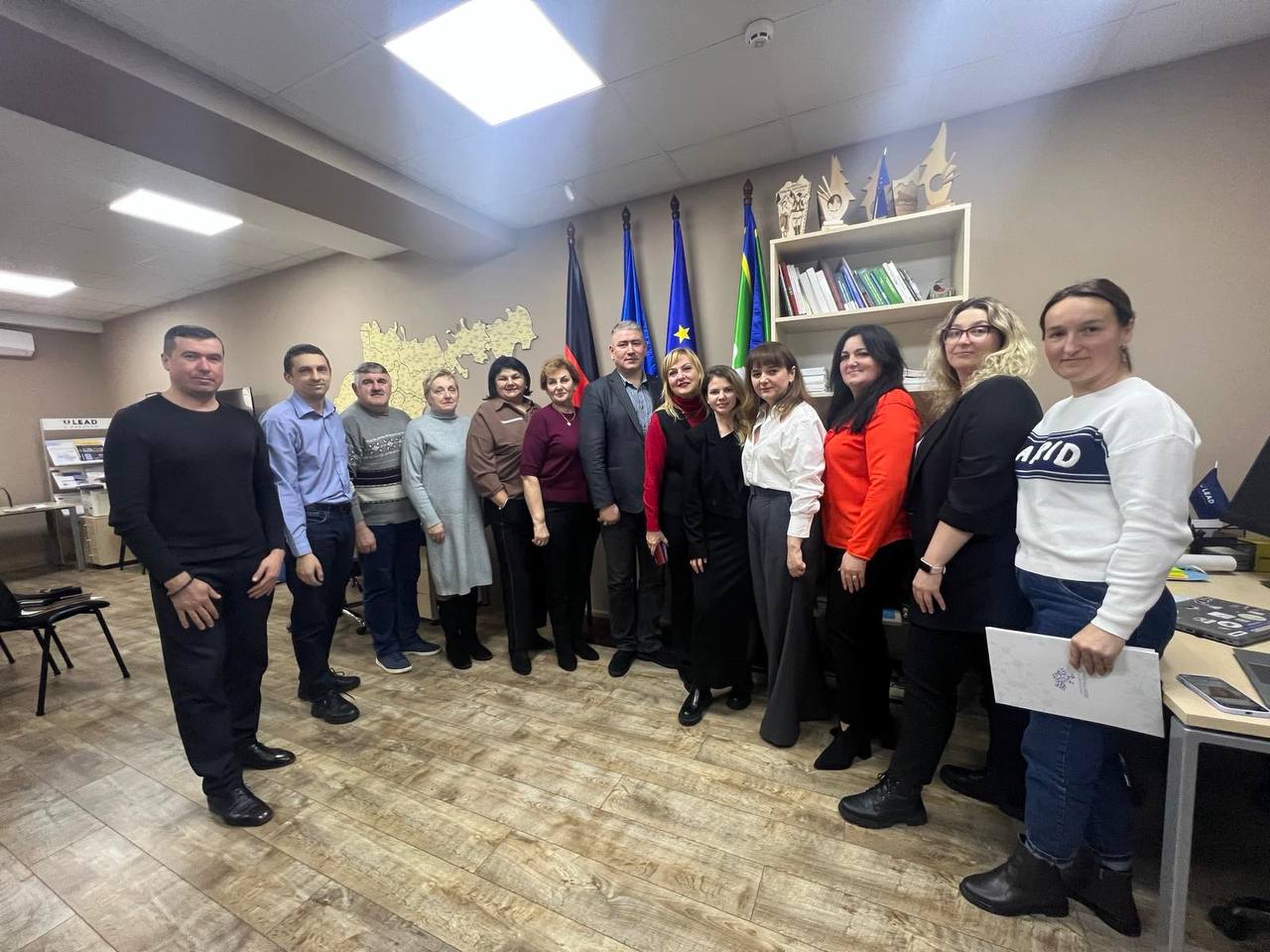
At the same time, she insists that the local self-government bodies will not be facing these challenges alone.
“We will continue to support municipalities in this process, from assessing the situation to developing administrative decisions and documents necessary for adapting to the new regulatory environment. We are here for you,” states the head of the Regional Office.
The repeal of the Commercial Code is slowly shaping a new administrative landscape for municipalities. Under these circumstances, what matters most is not the legislative changes themselves, but the ability of the local self-government bodies to navigate the transition with an understanding of the scope of their responsibilities and financial implications, while receiving expert support.