





U-LEAD offered municipalities to undergo training under the Project Quality Index, a capacity building programme using the Good Project Index (GPI) method to identify gaps between the project idea and the municipality’s ability to implement it and make informed decisions throughout the process.
Teams of 10 municipalities from Chernivtsi, Zakarpattia, Rivne, Ivano-Frankivsk and Volyn Oblasts participated in the capacity building programme. Each of them had previously applied for the Interreg cross-border cooperation project competition. Even though the applications were rejected, the applicants wanted to improve them. The training consisted of an offline module, independent work on the project application, expert visits to the municipalities and expert support for the participating teams.
Over the five days of training, the project teams, together with U-LEAD experts Yevhenii Luksha and Kseniia Okhotnyk, explored the EU requirements for projects, mastered the GPI method, learned how to avoid common mistakes and discussed the logical-structural approach to the preparation and implementation of projects.
According to the experts, the GPI method has two components. The first component assesses the project application, its logic, priorities, compliance with the budget and donor requirements. The second one - is the actual capabilities of the municipality, its project capacity, experience and other factors. “A high-quality application without the municipality’s capacity to implement the project risks ending up as nothing more than a piece of paper. And vice versa, a municipality with strong potential may miss out on receiving support due to weak justification or technical errors in the application,” emphasises U-LEAD.
At the stage of practical application of the GPI method, municipalities piloted each component by independently filling out the self-analysis matrix and conducting an assessment of their actual project capacity together with U-LEAD experts.
“Municipalities were able to assess their project capacity. They clearly identified the managerial, organisational and financial aspects that need to be strengthened in order to successfully participate in international competitions, and have learned to adapt large-scale ideas to the real world by dividing large projects into stages. Working with experts helped to assess the quality of existing applications as well as make decisions on whether to continue working on the current project or to rethink the concept in line with the terms of the upcoming competitions,” Hryhorii Pererva, the Head of the Regional Office of U-LEAD with Europe in Kyiv Oblast, shared his impressions of participating in the municipal project capacity analysis.
The training has been a point of growth for the project team of Duba municipality, Zakarpattia Oblast.
“Our municipality has been participating in cross-border cooperation competitions for several years now. Some applications win, others don’t. We wanted to pinpoint what we were doing wrong and how to change it. Having assessed the application we had submitted to one of the EU competitions using the GPI method, we realised that we had a lot of work to do. The project analysis matrix highlighted the direction for future development. Moreover, following the advice of U-LEAD experts, we decided to expand the initial project and added new ideas to submit it to the upcoming competition. U-LEAD helped us articulate a new vision for our application and scale it up to the entire municipality,” said Lidiia Bilak, the Head of the Economic Development, Investment, Information Policy and Tourism Department of Duba Village Council.
The theoretical component is reinforced by the practical one, and large projects should be split into smaller ones in order to take small steps towards the goal. This was the lesson learned by participants from the municipality of Velyka Omeliana, Rivne Oblast.
“During the training, we learned to approach the project from a new perspective, analysing the structure of the application, finding weaknesses, correcting common mistakes and laying the groundwork for successful applications in the future,” said Tetiana Omelian, the Chief Officer — Project Manager of Velyka Omeliana Village Council.
She added that at the stage of assessing the application and project capacity, she had gained two important insights. Firstly, you must understand the specifics of co-financing EU projects and allocate money for their implementation in the budget. Secondly, the municipality’s project activities should be outlined in the Municipal Development Strategy.
“When we discussed the results of the project capacity assessment with experts, the implementation of the project was stressed to take coordinated teamwork. Each employee must understand their role in the implementation of projects. We also received guidance on the areas that require strengthening strategic planning and increasing project competencies,” said Tetiana Omelian.
She noted that the original project, the application for which was being refined, had been titled “Community of Practices on Cross-Border Disaster Preparedness and Resilience.
”According to the project logic, this involves the redevelopment of part of the administrative building into a situational crisis response centre with training, simulation and other spaces. “The assessment of the project application revealed that any high-quality implementation would first require developing design and estimate documentation and a feasibility study. That is why we decided to split our big idea into small projects,” said the project manager.
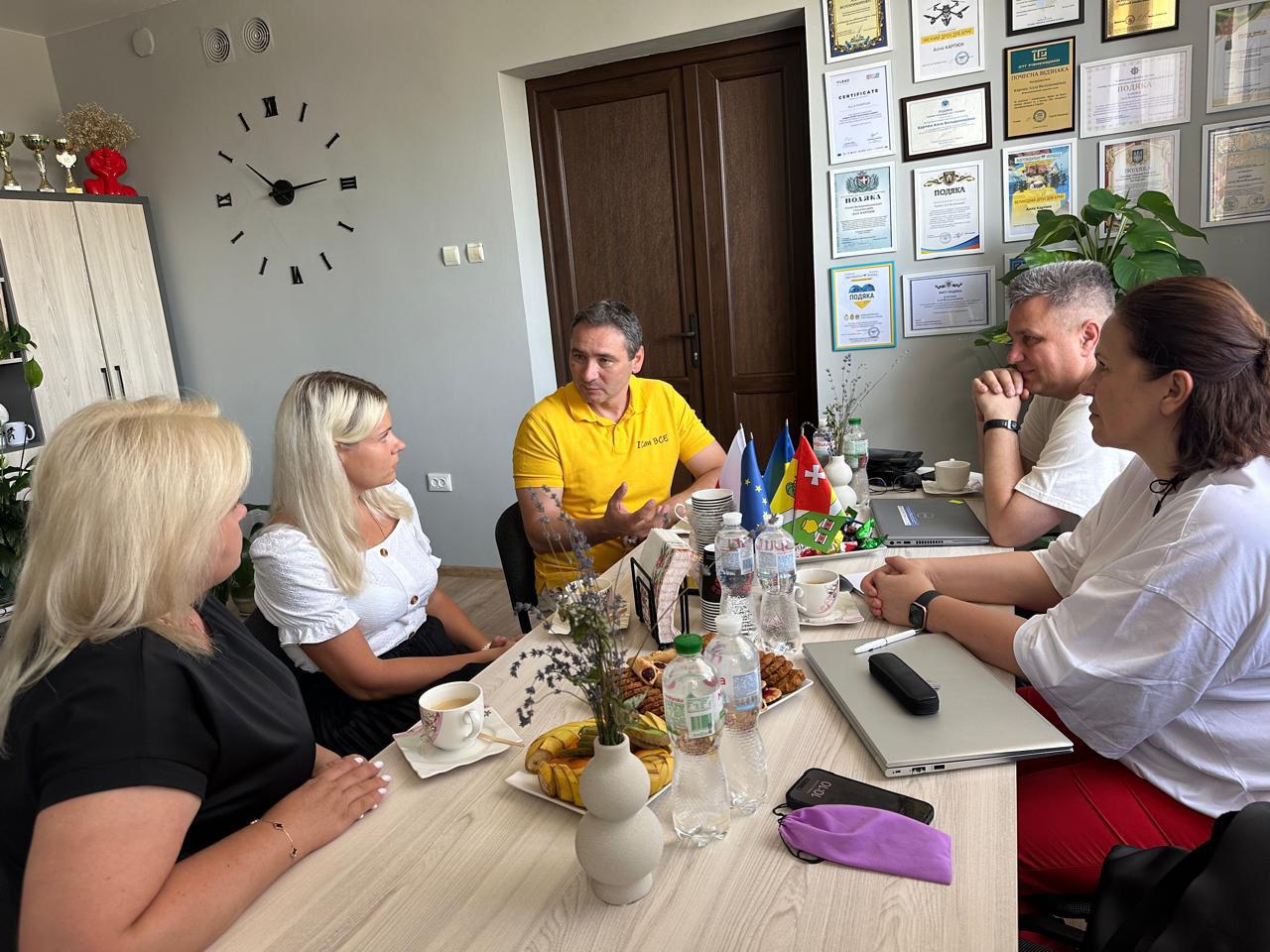
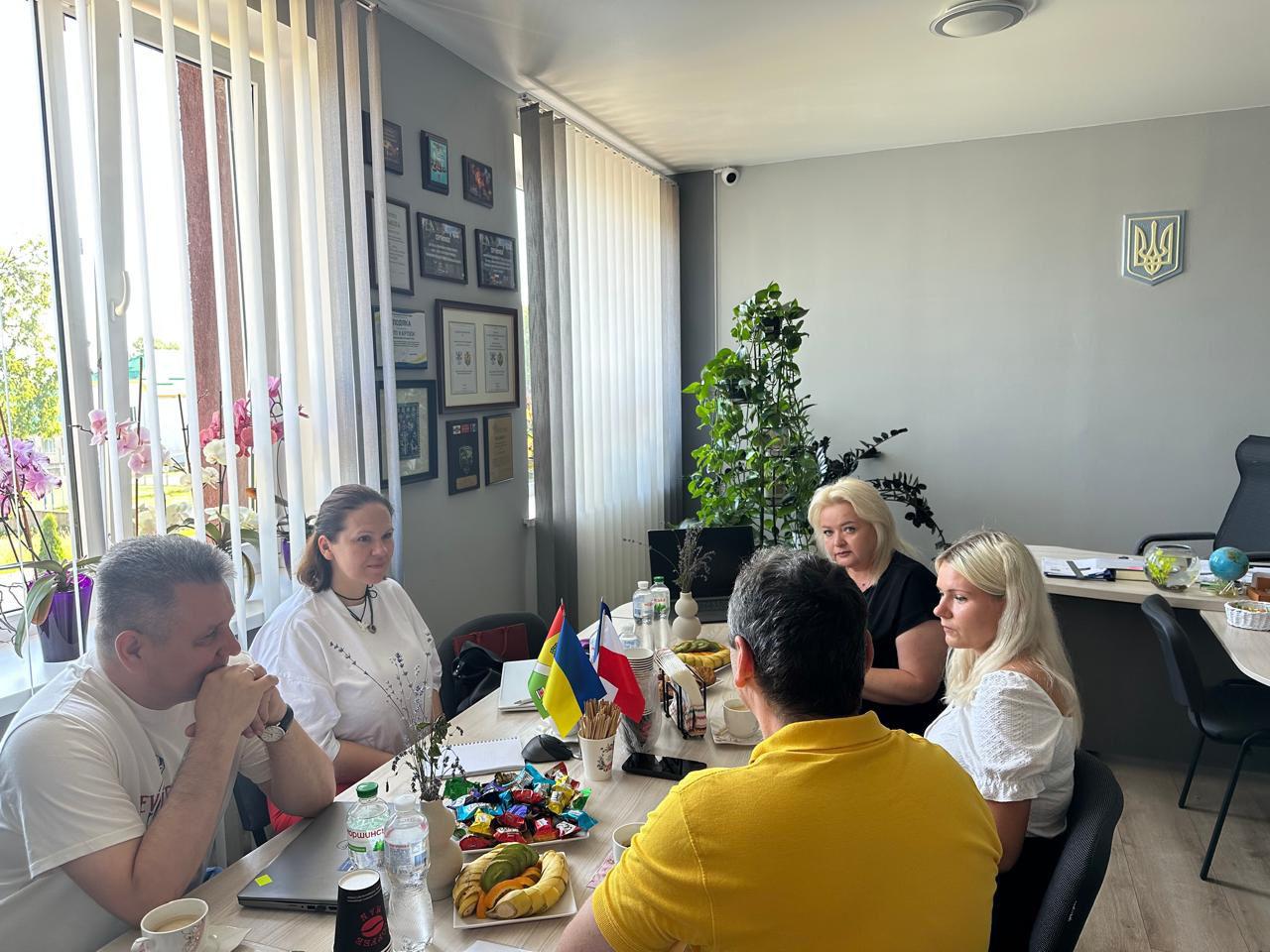
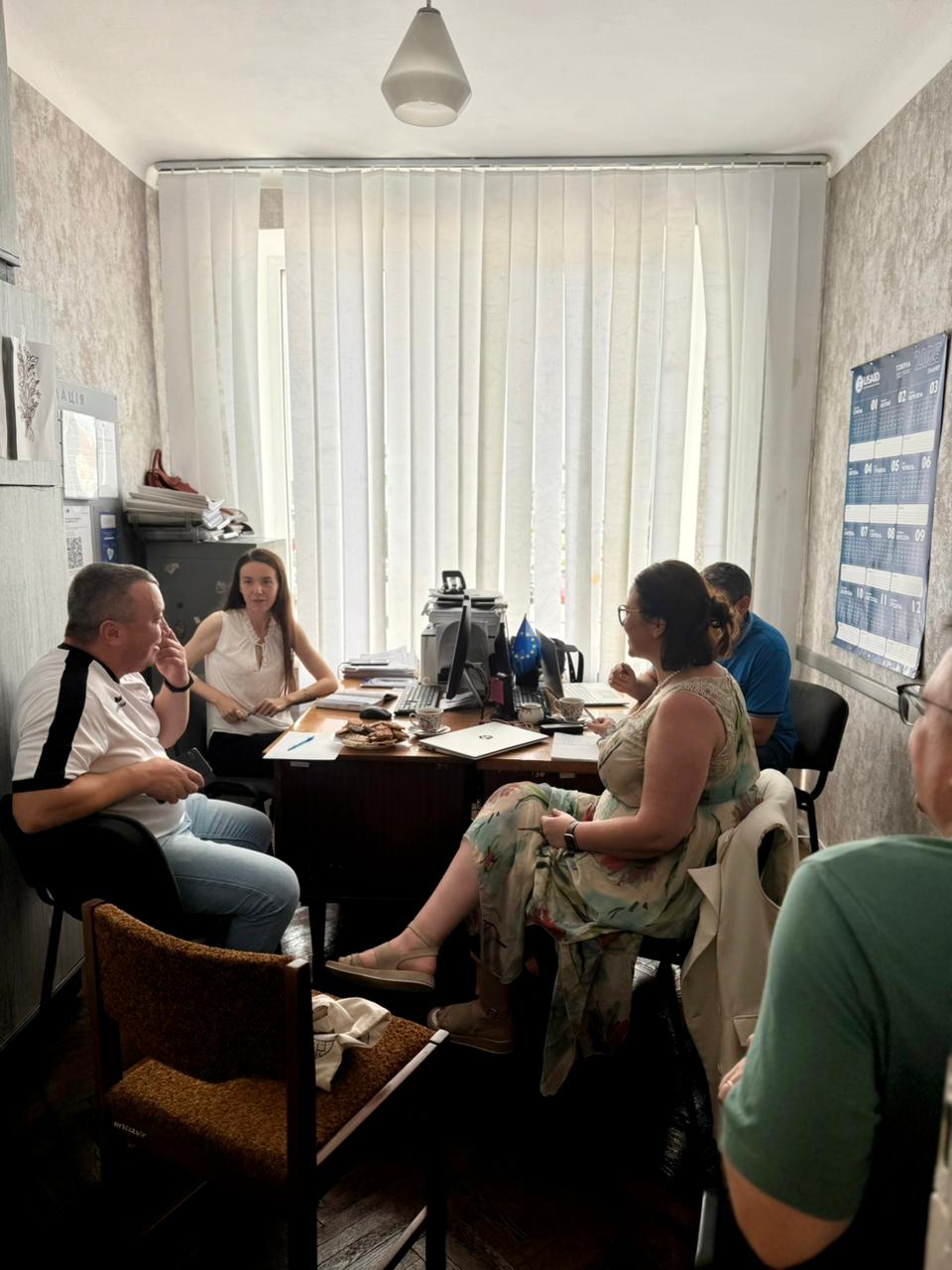
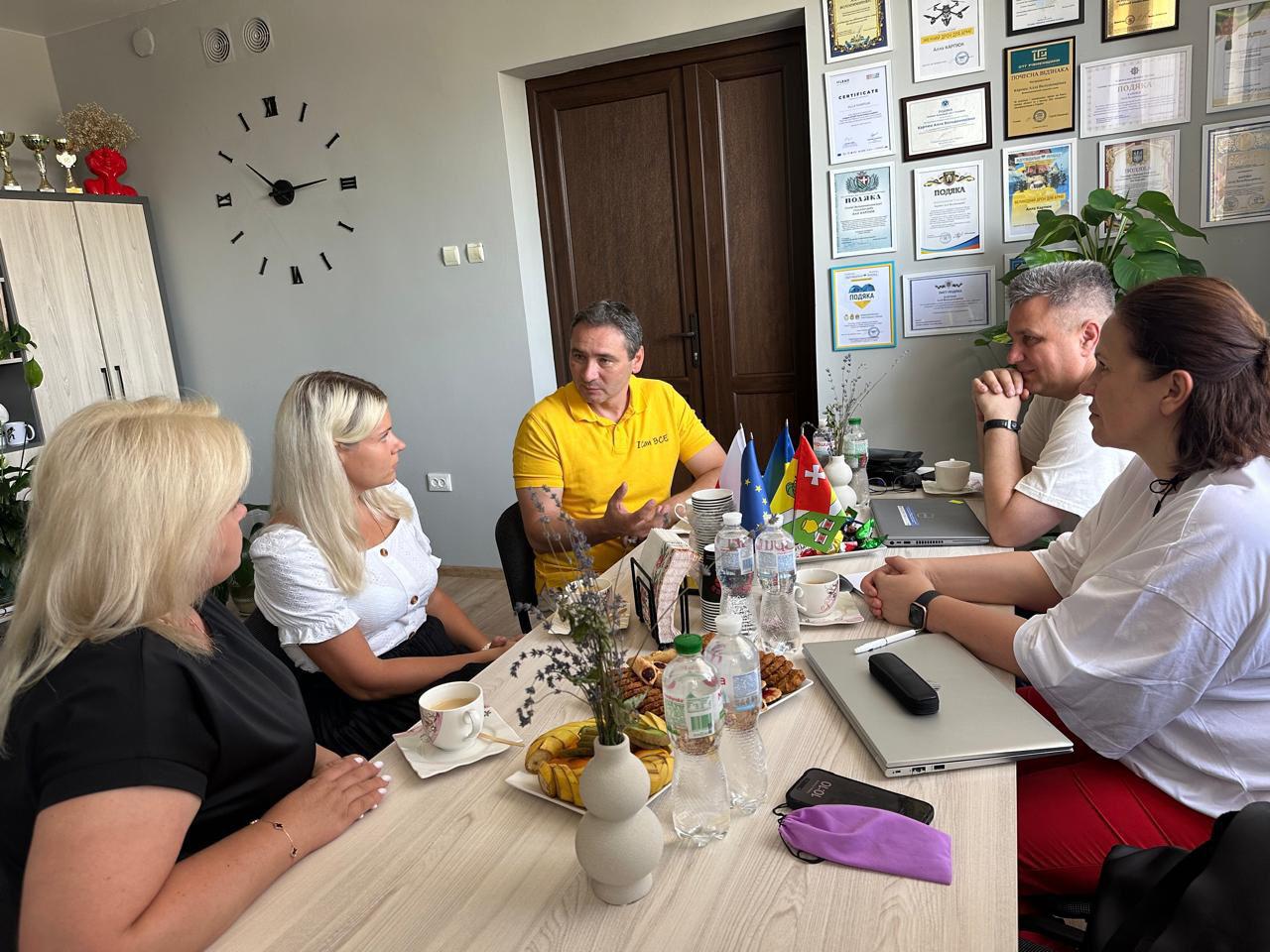
Commenting on his impressions from the visits to the municipalities, the head of the Regional Office of U-LEAD with Europe in Zakarpattia Oblast, Pavlo Lohvinov, stated: “In the course of this activity, experts established communication with the municipality in order to show that it is important not just to win the competition, but to be ready for each next stage. They explained that the project requires a comprehensive approach that would account for strategic documents, budget and technical readiness. This approach fosters in the municipalities the ability to actually implement the project rather than just submitting an application.”
According to Tetiana Tatarchuk, the Deputy Head of the Operational Department of U-LEAD with Europe — Coordinator of the Project Quality Index Programme, when writing cross-border cooperation projects, Ukrainian municipalities either joined almost-written projects or had their own section, which they described, and most of the information was prepared by foreign municipalities. This did not contribute to the project preparation process, and when piloting the GPI method, this weakness is immediately apparent.
“The spillover effect of the GPI method is that the role of our municipalities is reassessed at the stage of improving the project application, and they become leaders, full-fledged partners, mastering the logical-structural approach, correctly designing the components of the project application and actively working to strengthen the project capacity in their municipality. This is the path to equal partnership and a new, higher-quality level of project management in Ukrainian municipalities,” said Tetiana Tatarchuk.
She also reaffirmed that a presentation of the GPI method was planned after the completion of the training programme. So stay tuned for announcements and come to the infosession in September 2025.