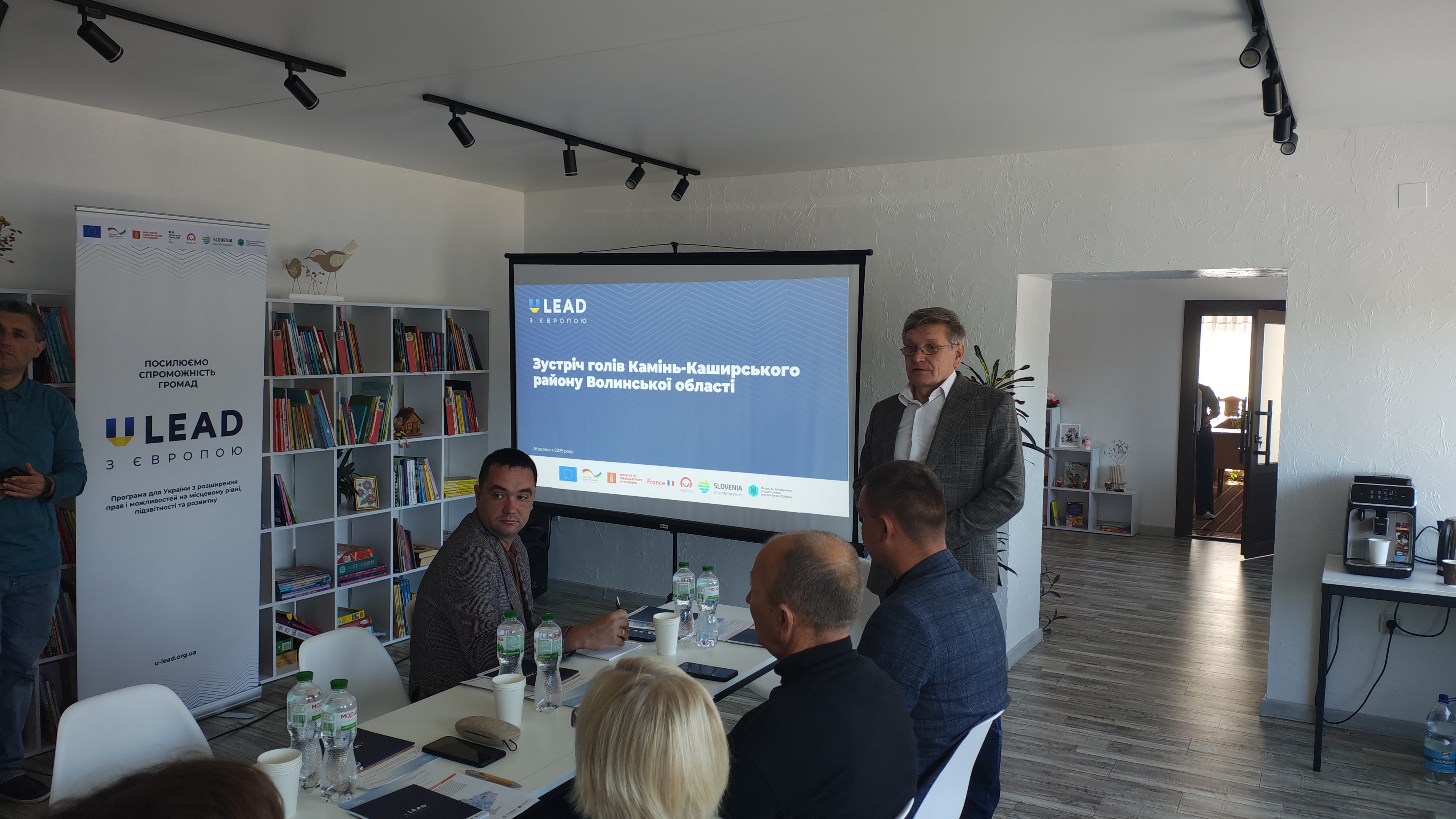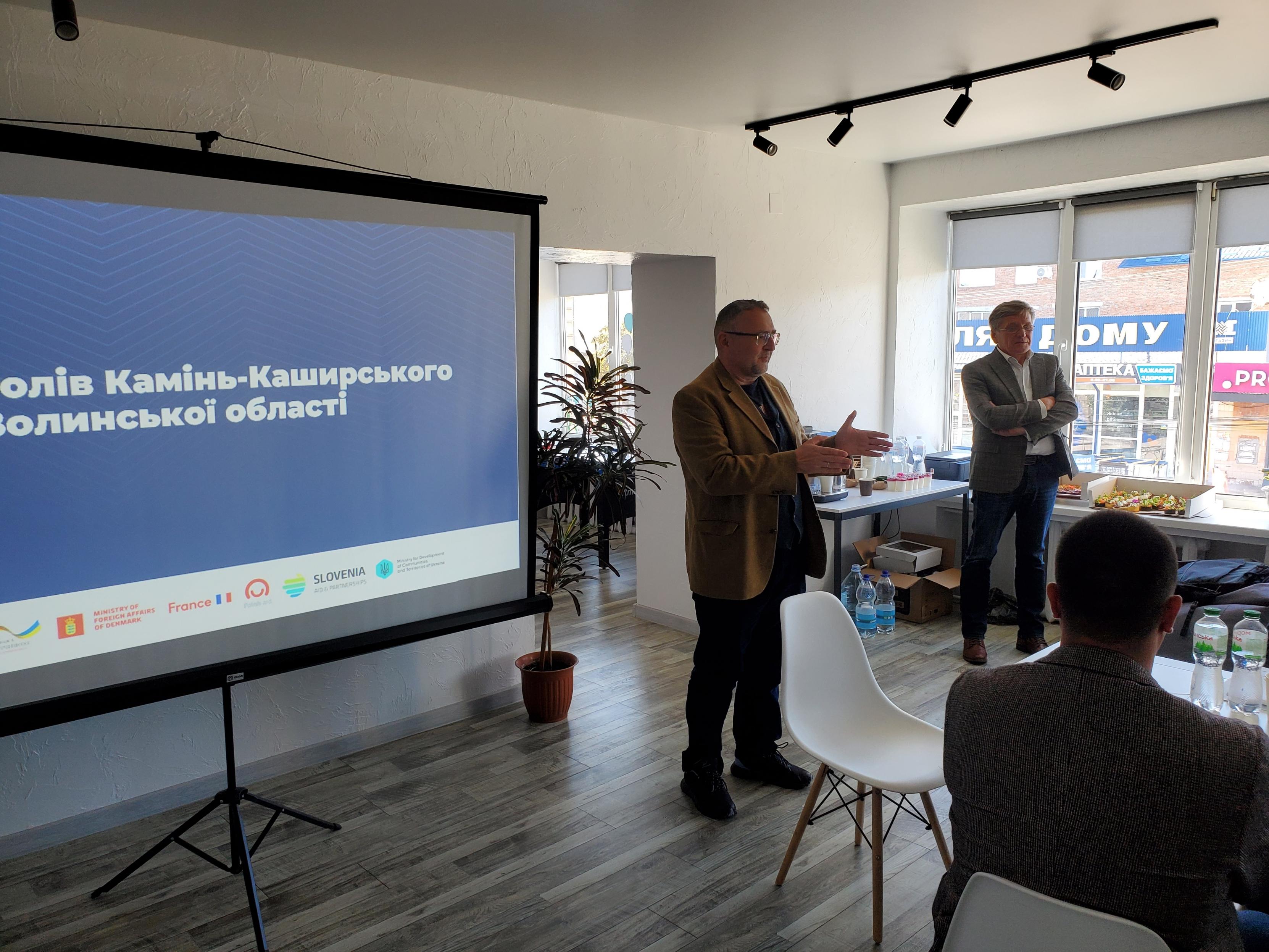





A major task of U-LEAD is to help municipalities master complex topics and legislative innovations, providing explanations and advice. That is why this topic remains highly relevant at present, as the Strategy is a new document that defines the strategy for municipal development for the next five years. It was important to clarify the issues that are of greatest concern to municipalities and affect their daily lives.
A general strategy has been adopted. What does this mean for municipalities?
The Strategy for the Development of Agriculture and Rural Territories until 2030 is designed to help municipalities plan their development and use resources effectively.
The document covers two important areas: agricultural development and support for rural areas.
“This means striking a balance between high performance, retaining jobs and complying with the European environmental standards,” - said Andrii Pohorilyi, a Policy Advisor for Decentralisation and Local Self-Government at the Regional Office, - “it provides a clear roadmap: what to do, when and how to do it so that municipalities can truly thrive.”
The document provides for joint efforts by state authorities, local self-government bodies and NGOs:
“If there is no proper coordination, even the best plans won’t get off the ground,” the Advisor emphasised.
In order for the Strategy to officially work, the Government issued Order 1163-р on 15 November 2024, adopting the document and approving the implementation action plan. “Otherwise, we would be unable to plan specific projects in municipalities, as we would lack legal basis,” explained Andrii Pohorilyi.
As early as in August 2025, the new Order 880-р clarified the Strategy to account for modern challenges, including water use, resources and other issues, the Advisor added.
A new approach to rural development
“The legislator sets three important tasks for state bodies: a document needs to be drafted to outline the conditions for rural development in line with the European principles, positions of rural development officers need to be introduced at the regional level, and appropriate conditions for rural growth need to be put in place,” said the Advisor. U-LEAD is already working with municipalities and running a major training programme for 75 municipalities across Ukraine on the topic of “Introduction of the Position of a Rural Development Officer and Organisation of his/her Activities”.
The Strategy defines development priorities
The key areas of municipal development in accordance with the Strategy include preparing agriculture for Ukraine’s accession to the EU, supporting the sustainable development of villages and fostering conditions for the agricultural sector to be strong and competitive. The same is true for the development of the processing and food industries. “We must learn to work to produce more and of higher quality, but without destroying the environment and preserving jobs,” the Advisor said.
“Three conditions are important for the success of the Strategy’s implementation: long-term food security, environmental sustainability and strengthening the socio-economic structure of rural areas. These factors lay a solid foundation for municipal development and set the framework for each project.”
The Strategy also identifies seven key goals that should make Ukrainian villages modern and strong. These include institutional capacity, food security, stable income for producers, rational land use, climate-smart agriculture, modernisation of the agri-food sector and support for rural municipalities. “These are seven steps that must be taken on the path to sustainable development of rural areas,” noted Andrii Pohorilyi.
The future of rural areas is in the hands of municipalities
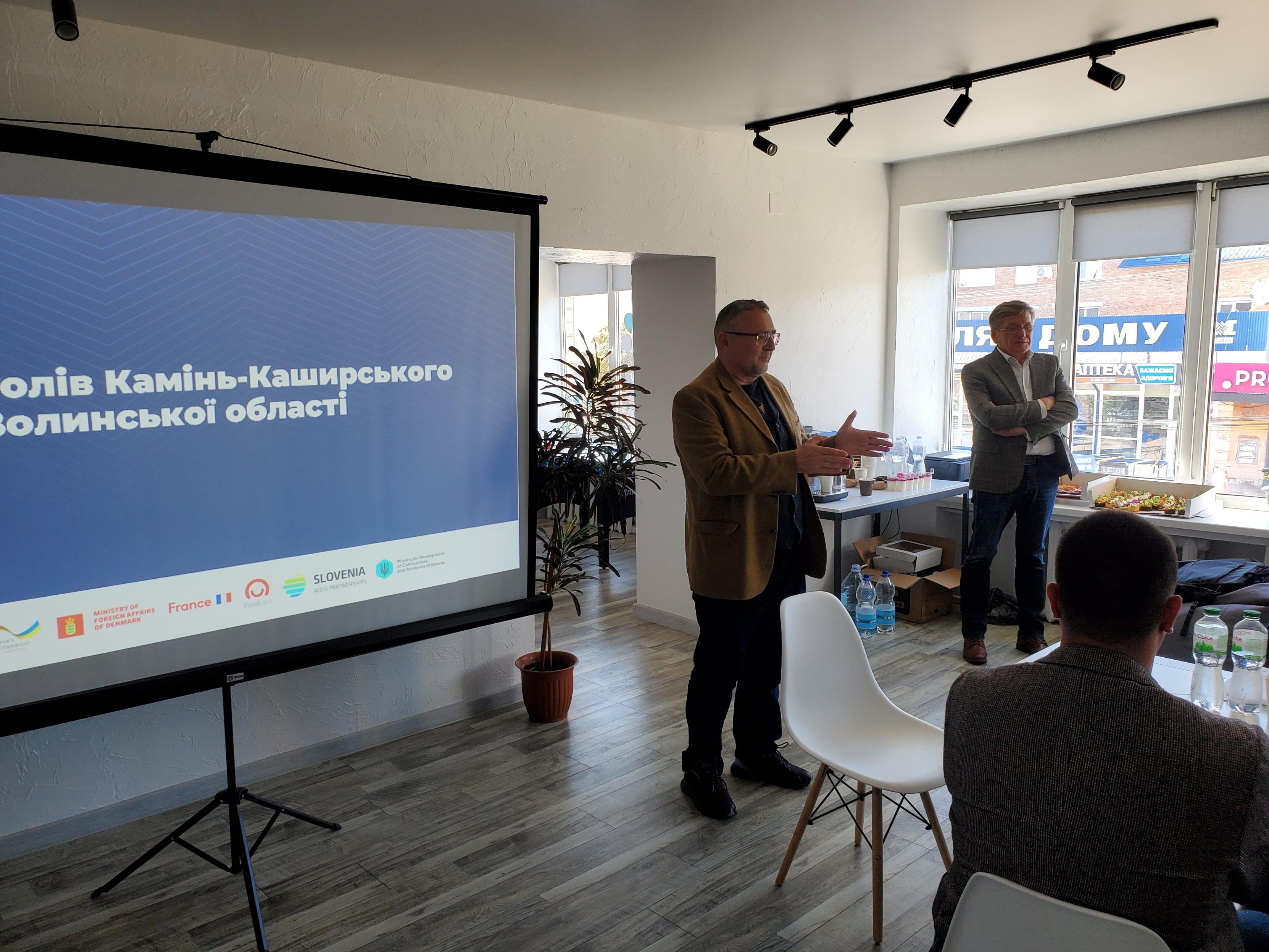
The event showed that the Strategy for the Development of Agriculture and Rural Territories until 2030 is not just a piece of paper. It is a practical tool that helps municipalities plan and implement projects, strengthen the rural economy and improve people’s lives. As Anatolii Parkhomiuk, the Head of the Regional Office, summed up:
“The future of rural areas is in the hands of municipalities, and now they have a roadmap to get there.”