



From the perspective of U-LEAD with Europe, Shyroke stands out for its openness and willingness to learn. As noted by Tetiana Bordyug, the Head of the Regional Office of U-LEAD in Zaporizhzhia Oblast, the municipality has been steadily building international contacts since its inception and is not afraid to promote itself.
“The municipality of Shyroke is one-of-a-kind in its openness and eagerness to try new things and start new projects. They are not afraid to communicate, ask questions, talk about their strengths and weaknesses. Many officials are learning English, studying project cycle management and seizing every opportunity to further their own development and that of their municipality,” says Ms Bordyug.
At the same time, the war has dramatically complicated international cooperation for municipalities in Zaporizhzhia Oblast. Security challenges are pushing local self-government bodies to focus on the basic needs of residents, yet development and international integration remain critically important. For this reason, U-LEAD continues to provide municipalities with individual consultations and practical support on international cooperation, helping them transition from sporadic contacts to systematic cooperation.
For Shyroke municipality, international cooperation is a conscious strategic choice. This is supported by Denys Korotenko, the mayor of the municipality, who emphasises that even amid ongoing hostilities, the municipality cannot afford to lose momentum in its development.
“We live and work in conditions of war, constant safety risks and limited resources, so it is important for us not to lose momentum in our development, while at the same time preparing the municipality for the future. We recognise that Ukraine’s European integration is inevitable, and municipalities must be prepared for this now – through governance approaches, values, standards and partnerships,” says Mr Korotenko.
International partnerships directly inform the municipality’s strategic decisions in governance, development and recovery. An internship in the municipality of Hjørring in Denmark provided an opportunity to witness first-hand how European governance models operate, with a focus on data, digital solutions, transparency, and accountability.
One of the most noteworthy outcomes of international cooperation at this stage has been the building of trust and sustainable partnerships. In 2025, Shyroke signed a Memorandum of Cooperation with a Finnish municipality of Nivala and established a mentoring relationship with the municipality of Hjørring as part of a career guidance project implemented jointly with U-LEAD.
The Agency of Development of Shyroke municipality, a public institution, plays an important role in the practical implementation of international cooperation. It acts as a coordinating body, from finding partners and preparing proposals to supporting agreements and launching joint projects.
“The Development Agency effectively acts as an operational headquarters for international cooperation, from finding partners and preparing proposals to supporting agreements and launching projects," explains Yuliia Noskova, the Head of the Agency.
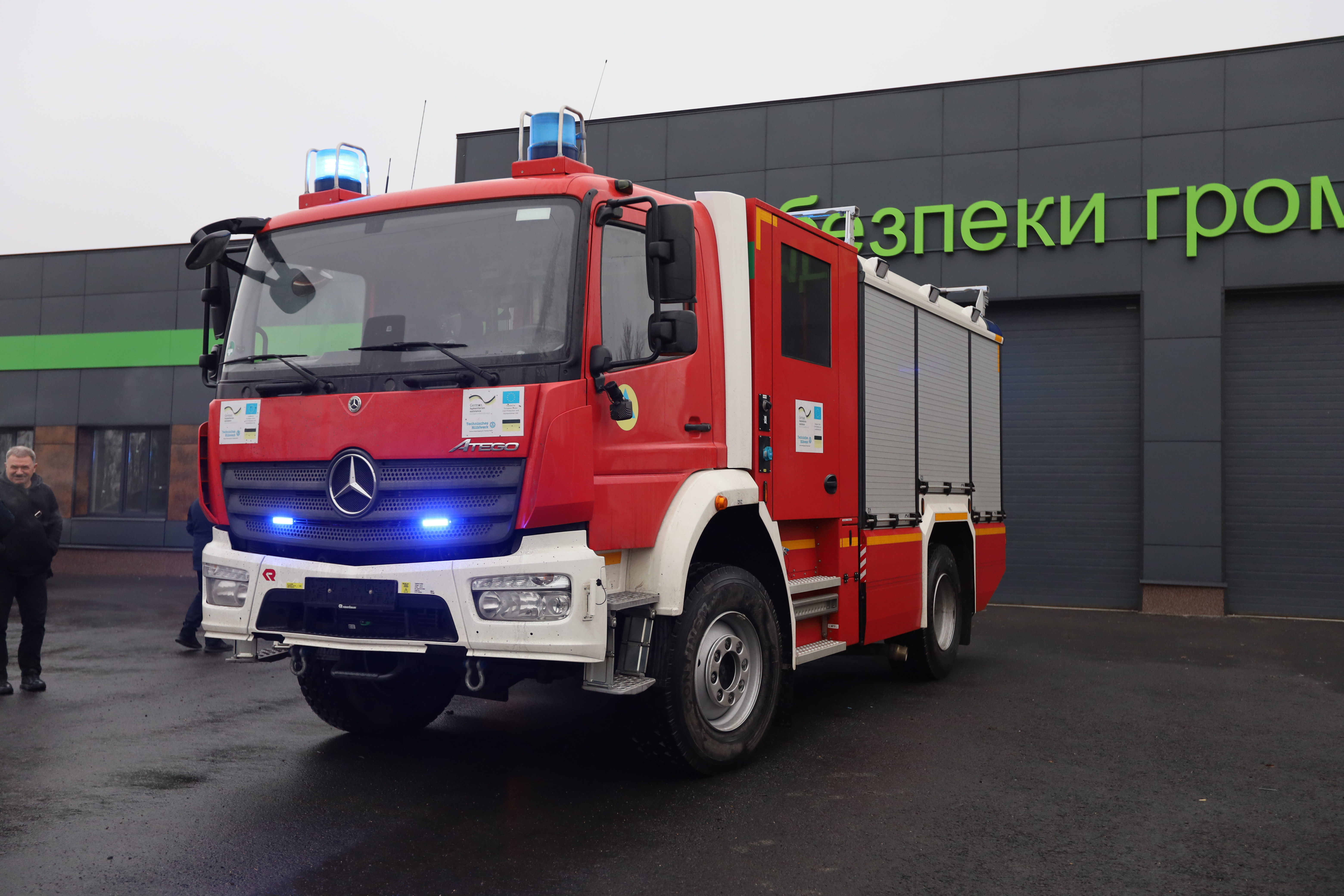
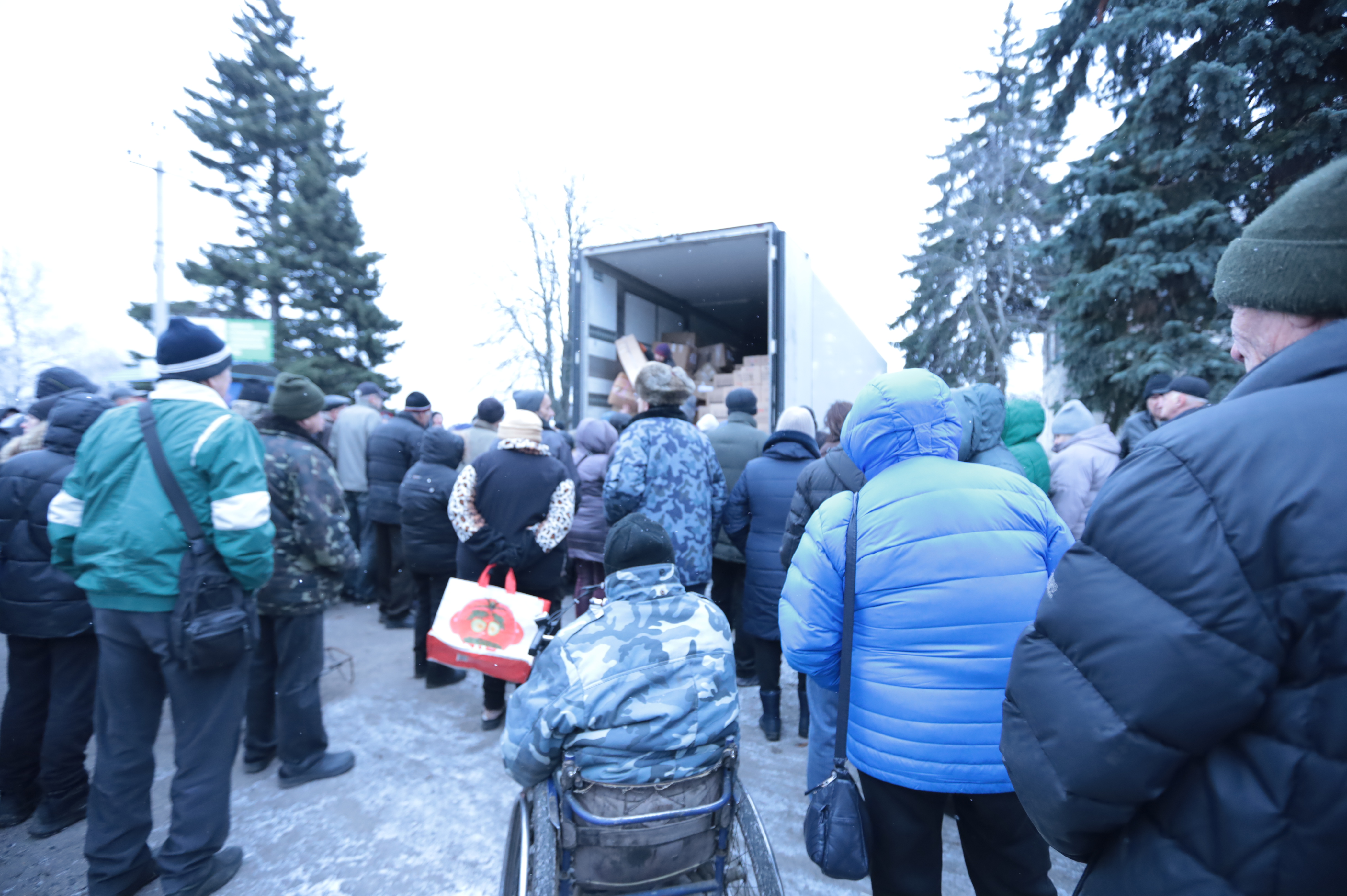
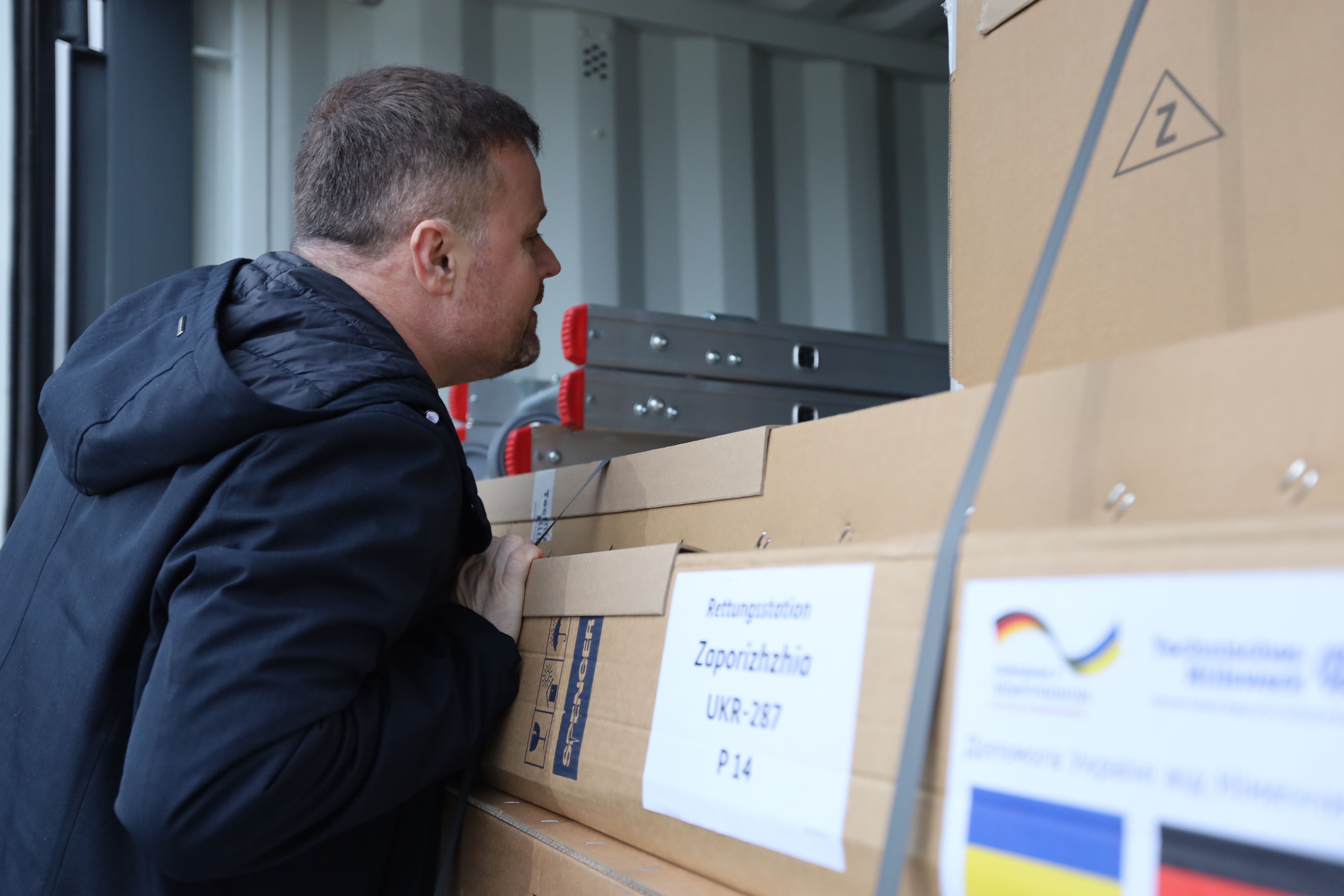
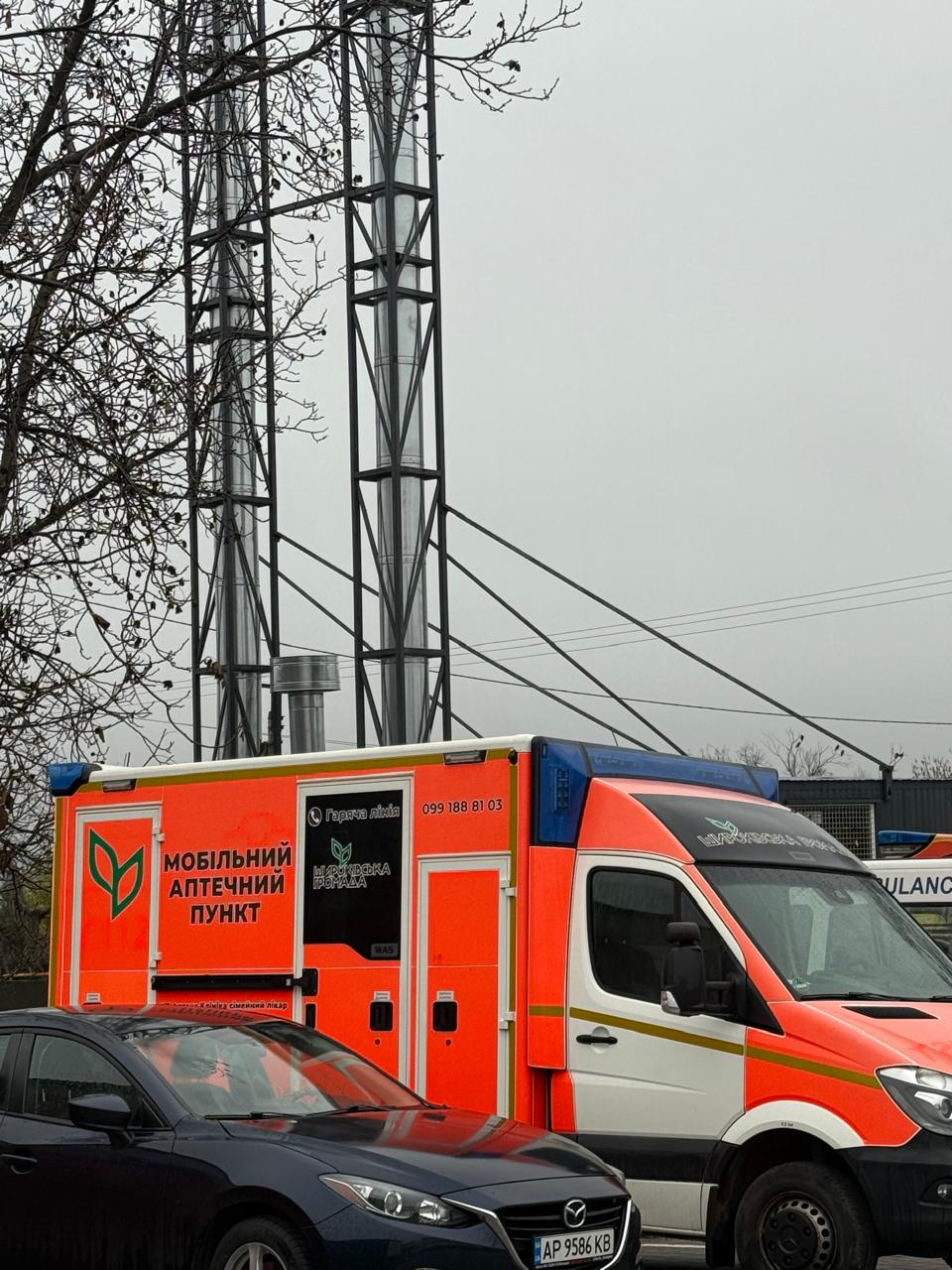
In the first years of the full-scale war, the international cooperation of the municipality took on a largely humanitarian role. Over time, the focus gradually shifted towards long-term partnerships and strategic projects that require systematic training and professional communication.
“At the outset of a full-scale war, the entire team was involved, everyone who had any contacts. Today, however, our focus is on long-term, sustainable international cooperation, which is one of my key areas of responsibility,” says Ms Noskova.
Among the most successful cases, the head of the Agency highlights cooperation with Denmark and Finland. The Danish experience served as an example of policy consistency and a people-centred approach for the municipality team, while the partnership with Finland’s Nivala showcased the importance of trust and a similar security context.
“The Danish experience sets an example of policy consistency and a human-centred approach, where the system does not restrict people to a service, but teaches them to use tools independently. We’ve been discussing this philosophy within the team as one that is worth adapting in our municipality,” says Ms Noskova.
The municipality’s location near the front line remains both a challenge and an opportunity. For some potential partners, this is a risk factor, especially in the context of investment. For others, however, the experience itself is a source of interest and a basis for cooperation.
“Our partners are openly interested in Ukraine’s experience in the areas of security, crisis response, and how the municipality functions during wartime. This goes to show that Ukrainian municipalities today aren’t just on the receiving end of knowledge, but are equal participants in the European dialogue,” says Denys Korotenko, the mayor of the municipality.
“We acknowledge that, given the current circumstances, it is more challenging for municipalities in Zaporizhzhia Oblast to engage with international partners. Ensuring the basic needs of residents in wartime is a priority. At the same time, please remember to keep development in mind. International integration is the path Ukraine is steadfastly following. Hence, municipalities can and should pursue international cooperation, and we, for our part, are always ready to contribute with advice and practical support,” states Tetiana Bordyug, the Head of the Regional Office of U-LEAD in Zaporizhzhia Oblast.
Looking ahead, the municipality has identified two key areas for international cooperation: restoring human capital and developing the local economy. Strengthening teams, implementing educational and veteran policies, supporting businesses and green solutions are all considered to be the foundation of the municipality’s resilience.
The experience of the municipality of Shyroke shows that even close to the front line, municipalities can remain open to learning, systematically build international partnerships and work towards the future. This combination of realistically assessing challenges and being prepared to invest in development sets the stage for long-term sustainability and recovery.