



Last year, the municipality decided that it was high time to create its own municipal cultural institution. The Regional Office of U-LEAD Europe in Chernihiv Oblast helped local authorities bring this project to life.
“Although we had plenty of proactive people ready to write projects and promote culture, we ran into a legal barrier,” recalls Nataliia Oliinyk, the Head of the Executive Committee of the municipality. “U-LEAD experts advised us on regulatory documents, staffing and steps we needed to take. Without this support, the process would’ve been much more challenging.”
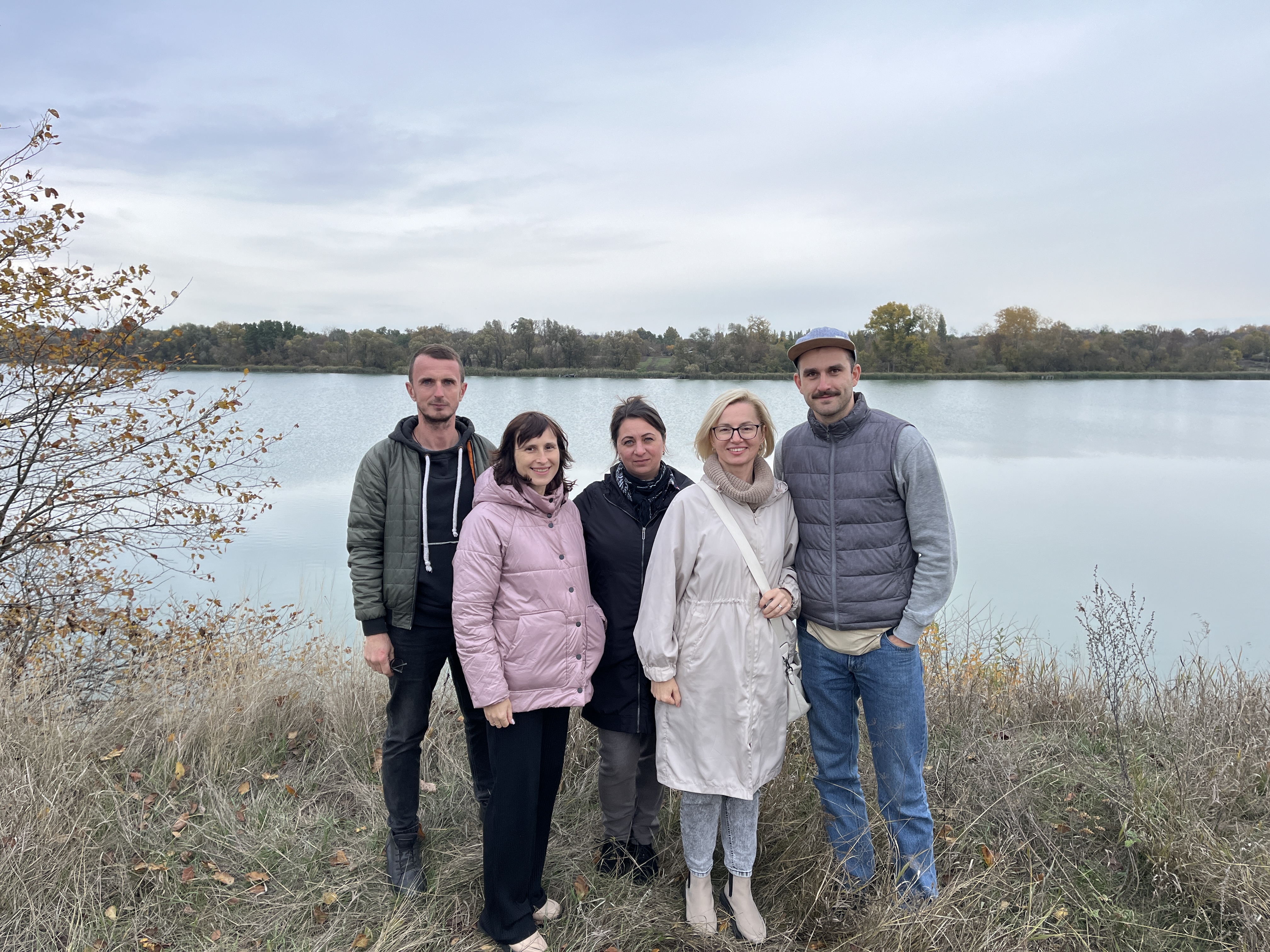
“Creating this sort of centres as a strong, independent institution in the municipality is essential for a boost in cultural development, quality services and implementing projects. This indicates that the municipality’s leadership is aware of the importance and prospects of the cultural sector,” says Iryna Kudryk, the Head of the Regional Office of U-LEAD in Chernihiv Oblast.
Dmytro Smovzh got the position of the head of the newly created Centre for Culture, Leisure, and Sports through a competition. Before the war, he and his family lived in a Kyiv suburb and collaborated on projects related to Ukrainian traditional culture. After the full-scale invasion began, the family decided to move to a quieter place, eventually settling in Lynovytsia.
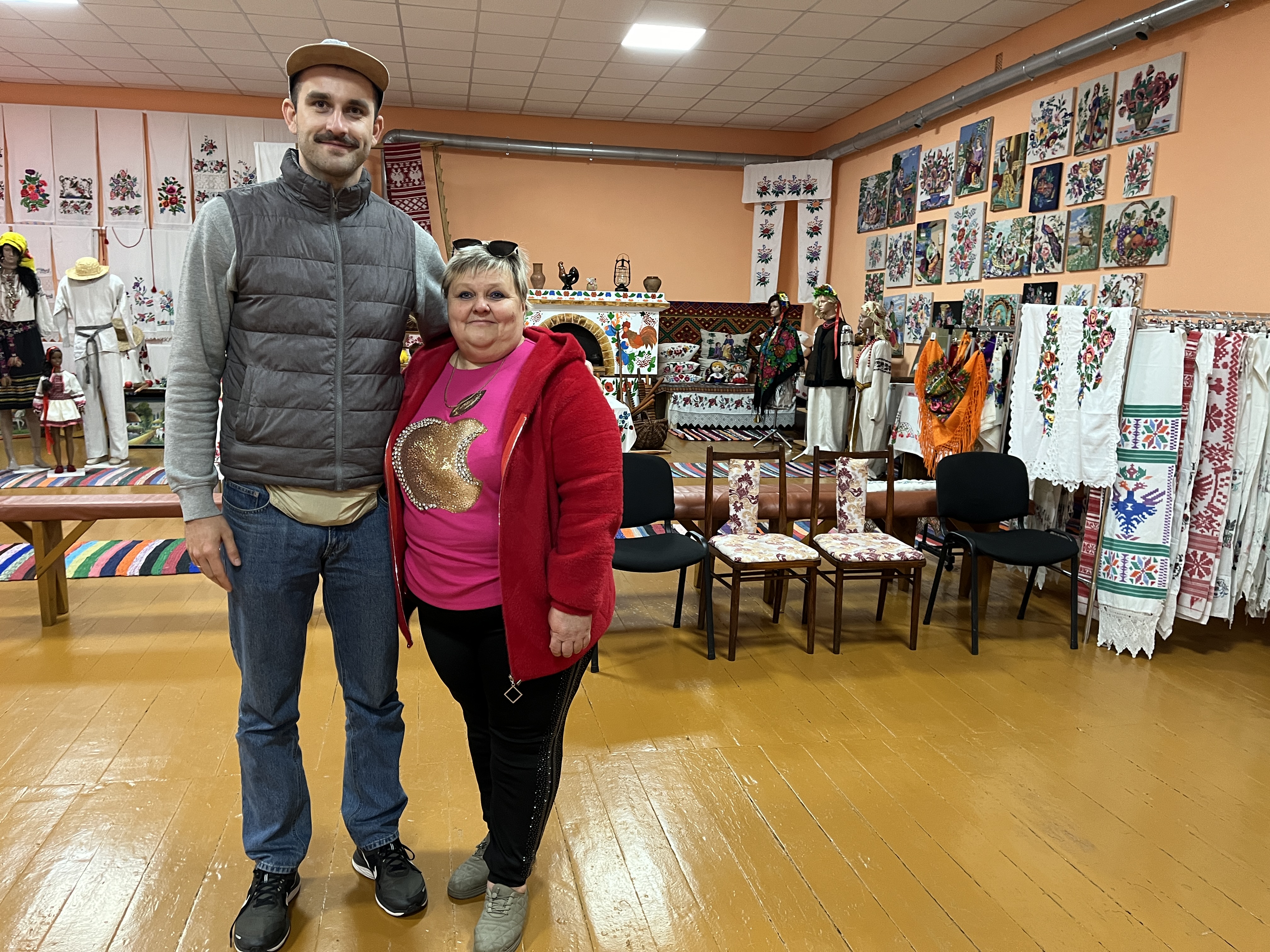
“My wife and I have long wanted to be close to Ukrainian traditional culture, to the countryside, so we decided to live here. On Trinity Sunday, we came up with the idea of inviting our Kyiv friends, who are part of an authentic folk band, and hosting a cultural event. They performed and the local residents really loved it.”
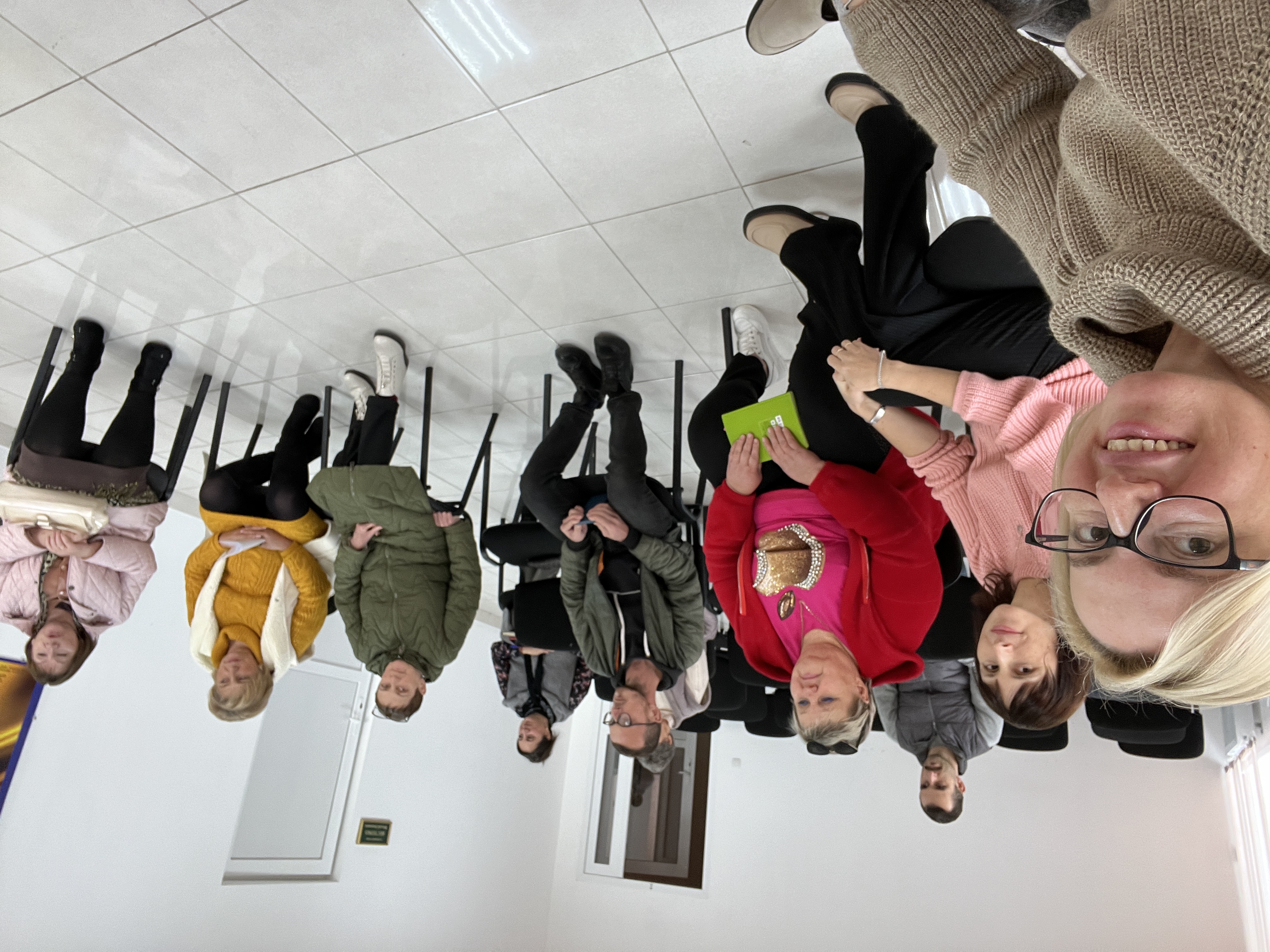
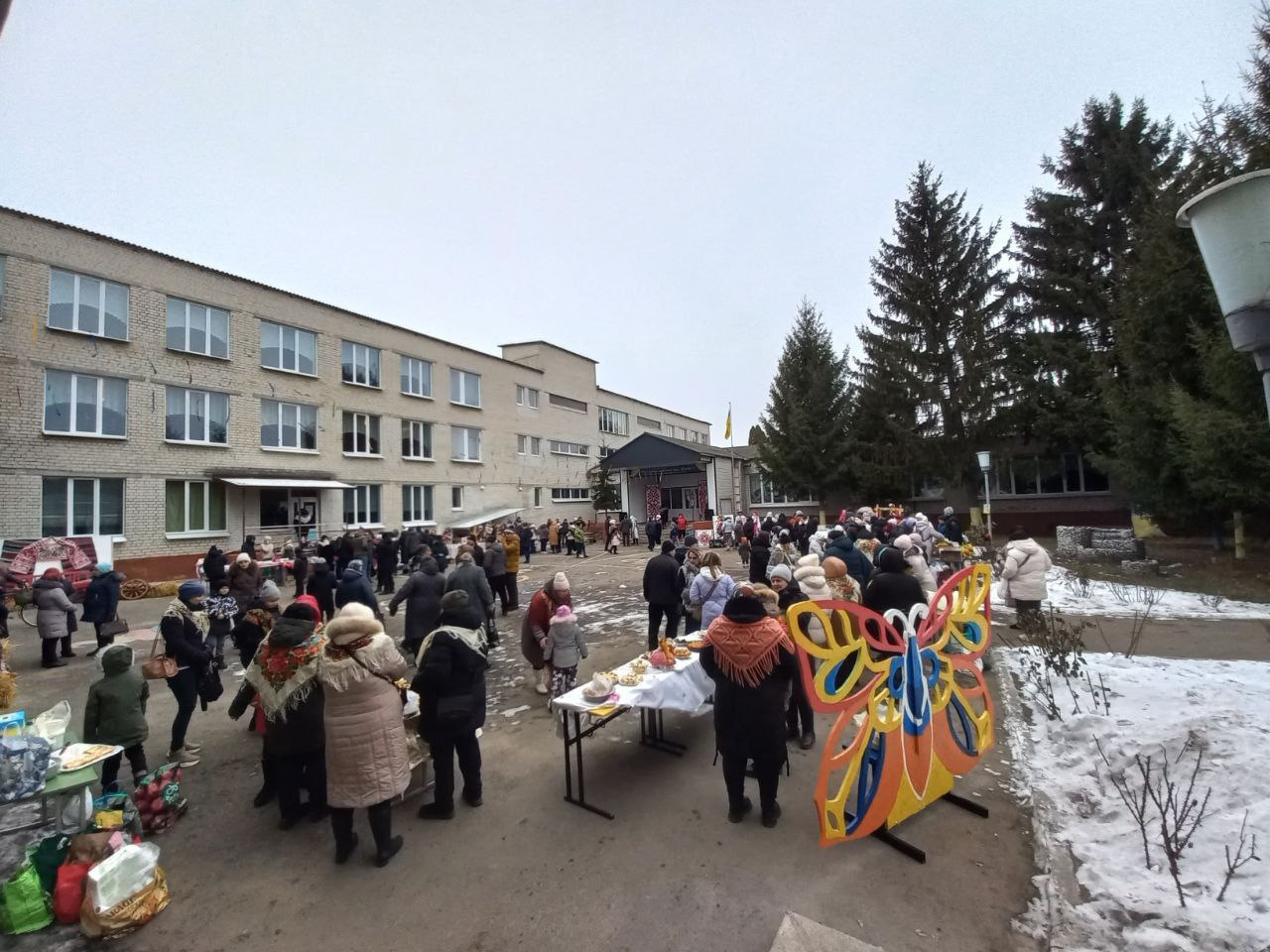
At first, Dmytro helped locals as a volunteer, joining in the organisation of cultural events. His energy and experience were quickly noticed by the municipality, and when the question of setting up the Centre arose, he applied for the competition and won. The Centre officially opened in February 2025, uniting six cultural houses and three libraries. Within two weeks, the Centre team, led by Dmytro, held its first event — a Masnytsia charity fair.
“Teams representing kindergartens, schools, the Administrative Services Centre and the outpatient clinic prepared treats and sold them at the fair. We raised UAH 82,000. This event became an example of how culture can unite the community around important issues,” says Dmytro.
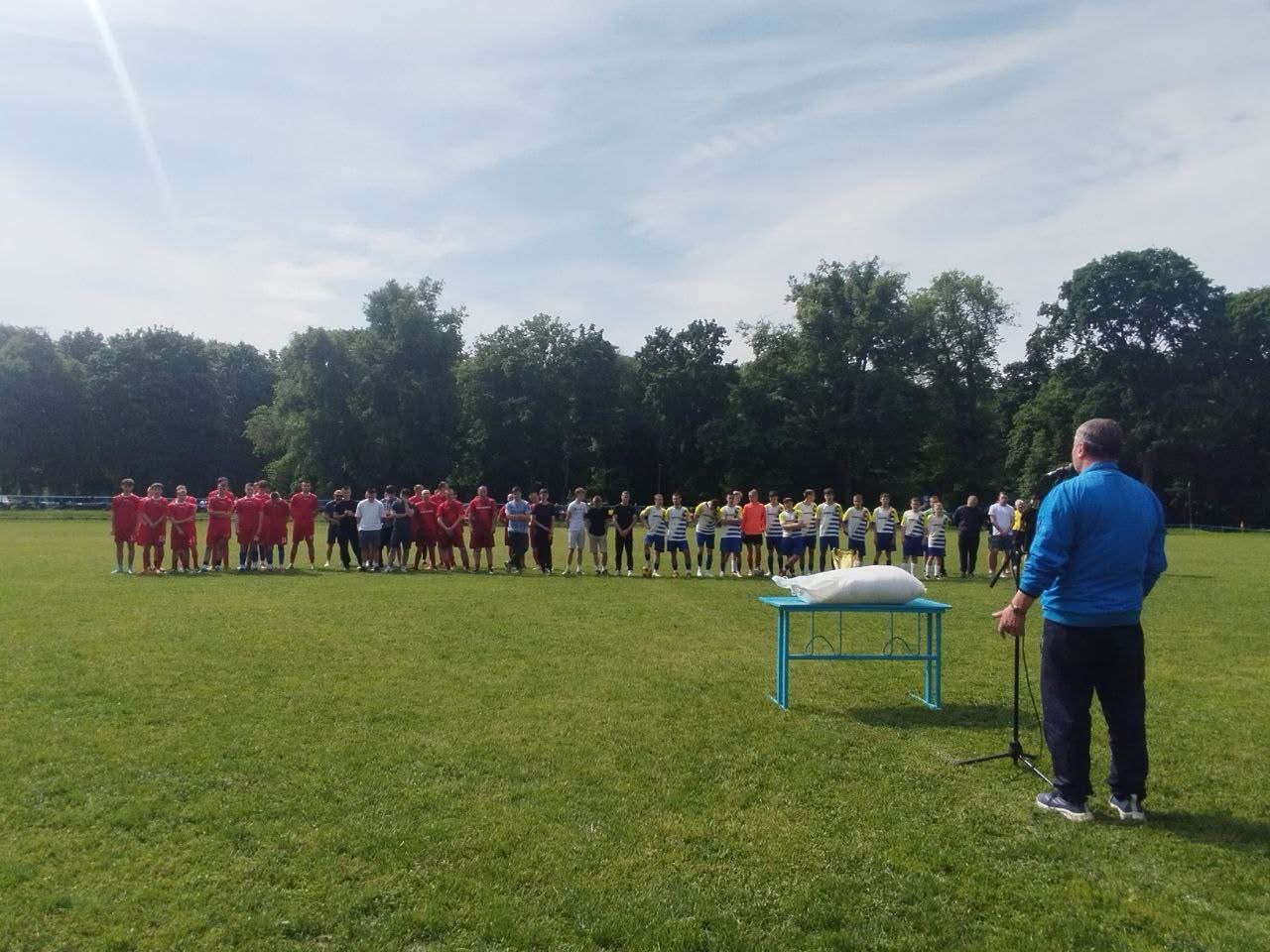
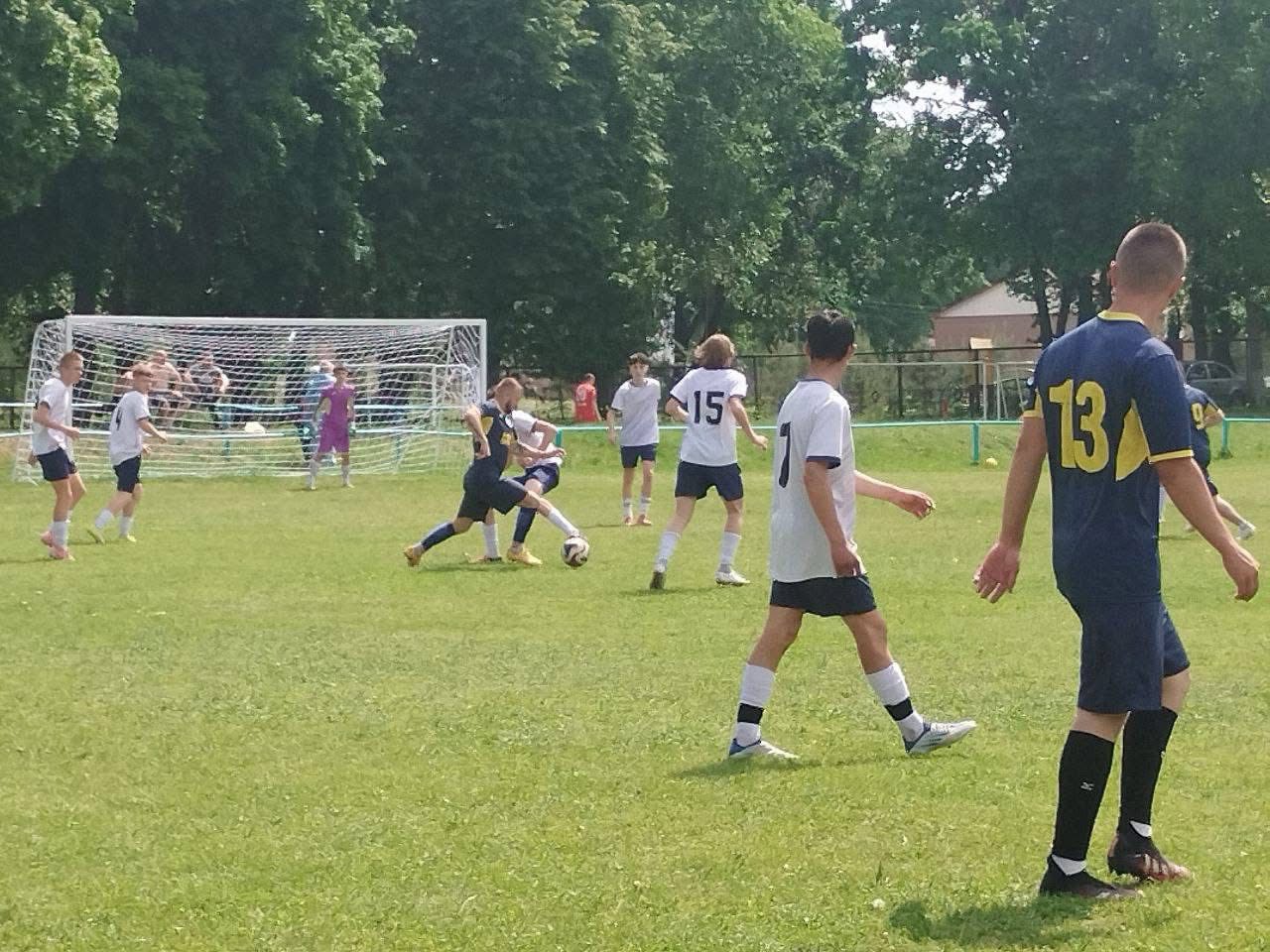
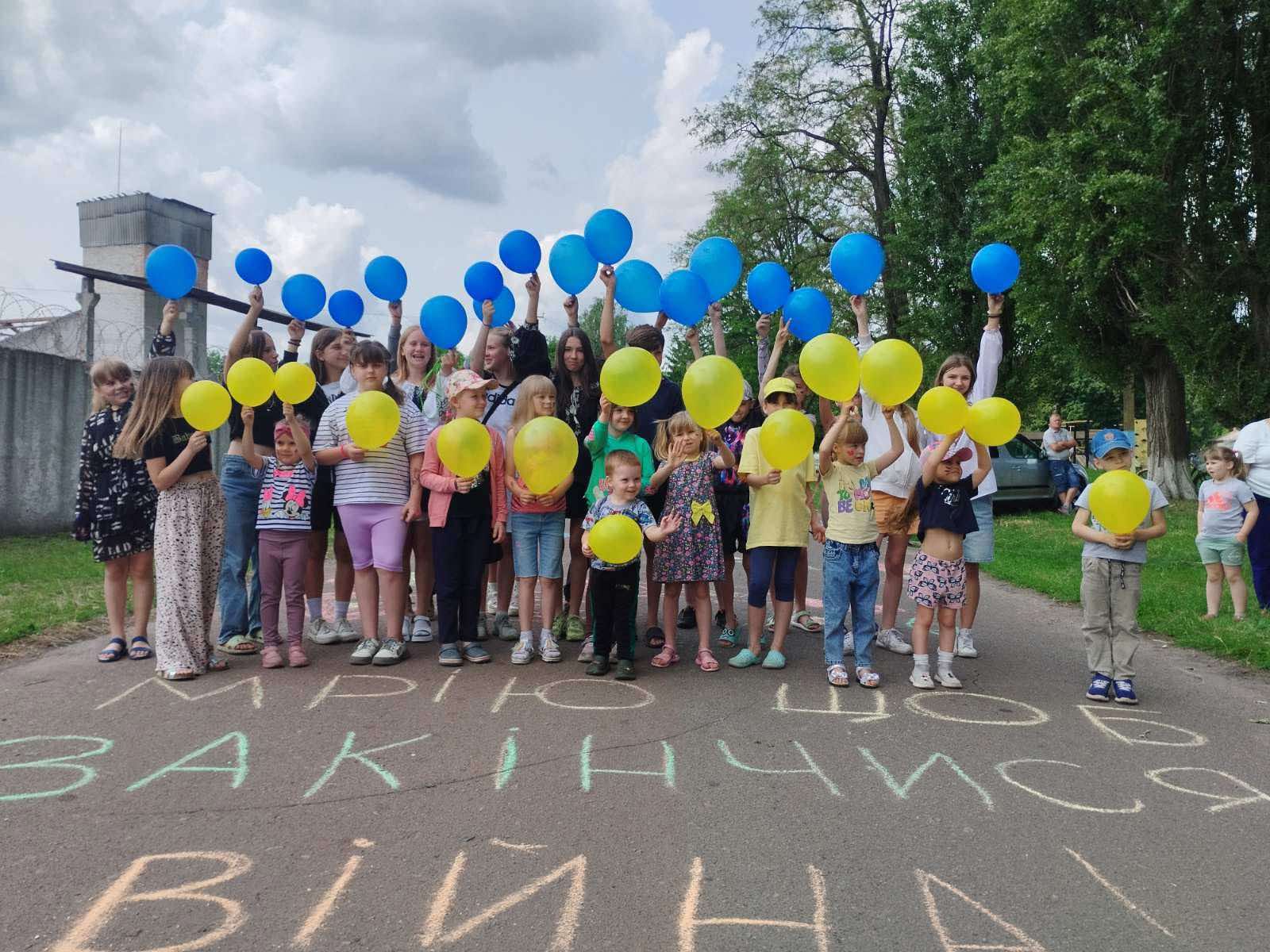
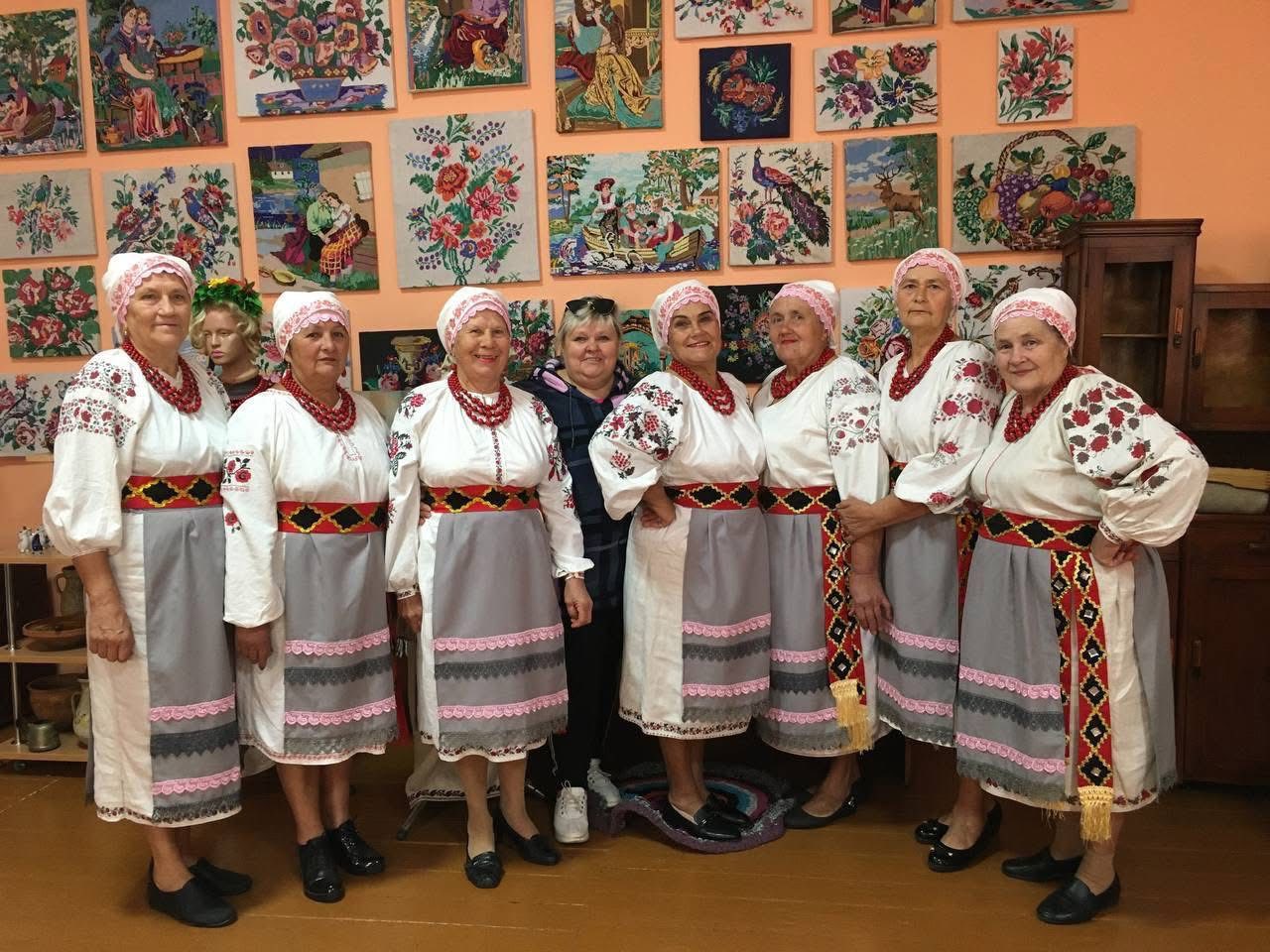
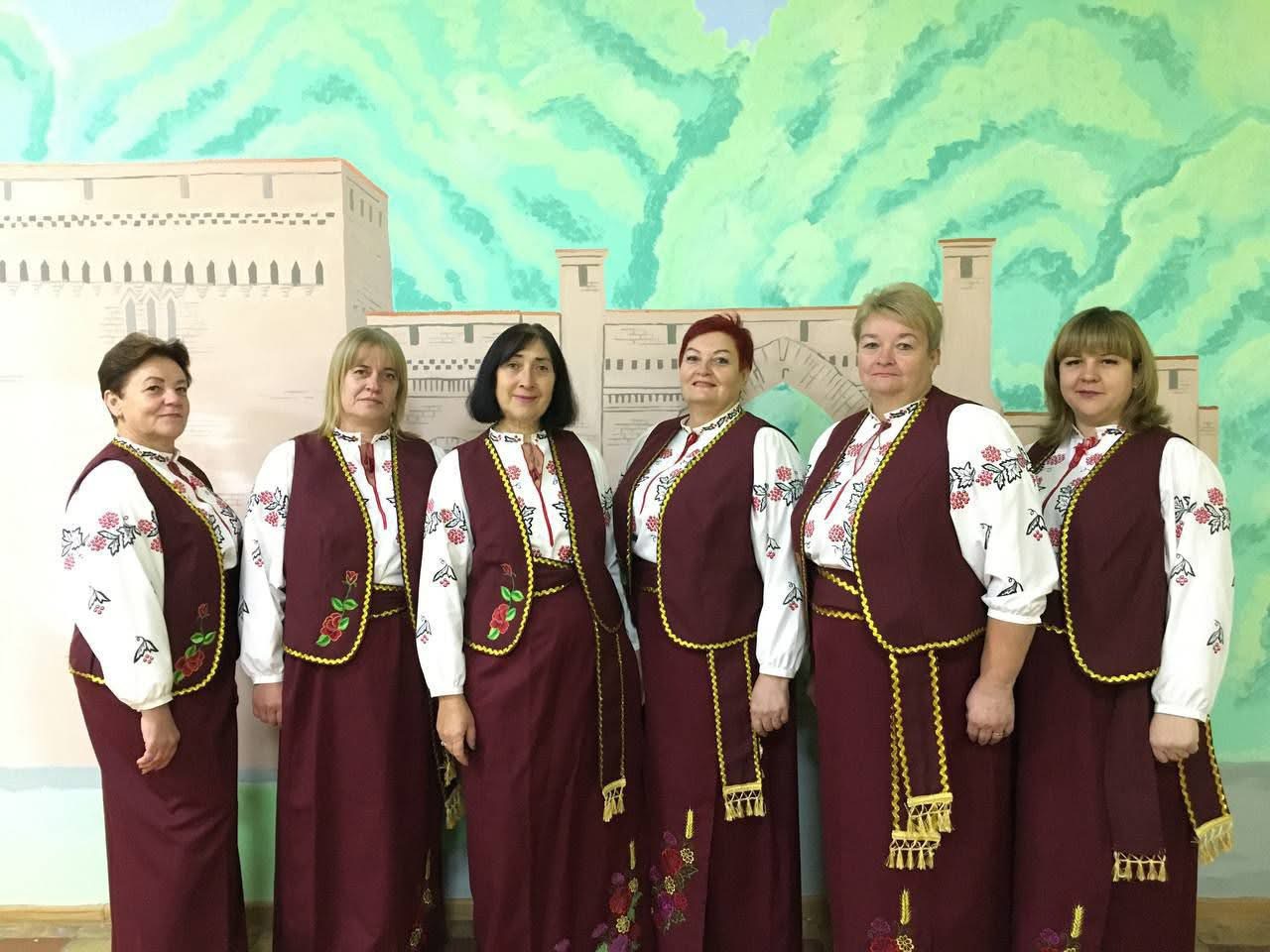
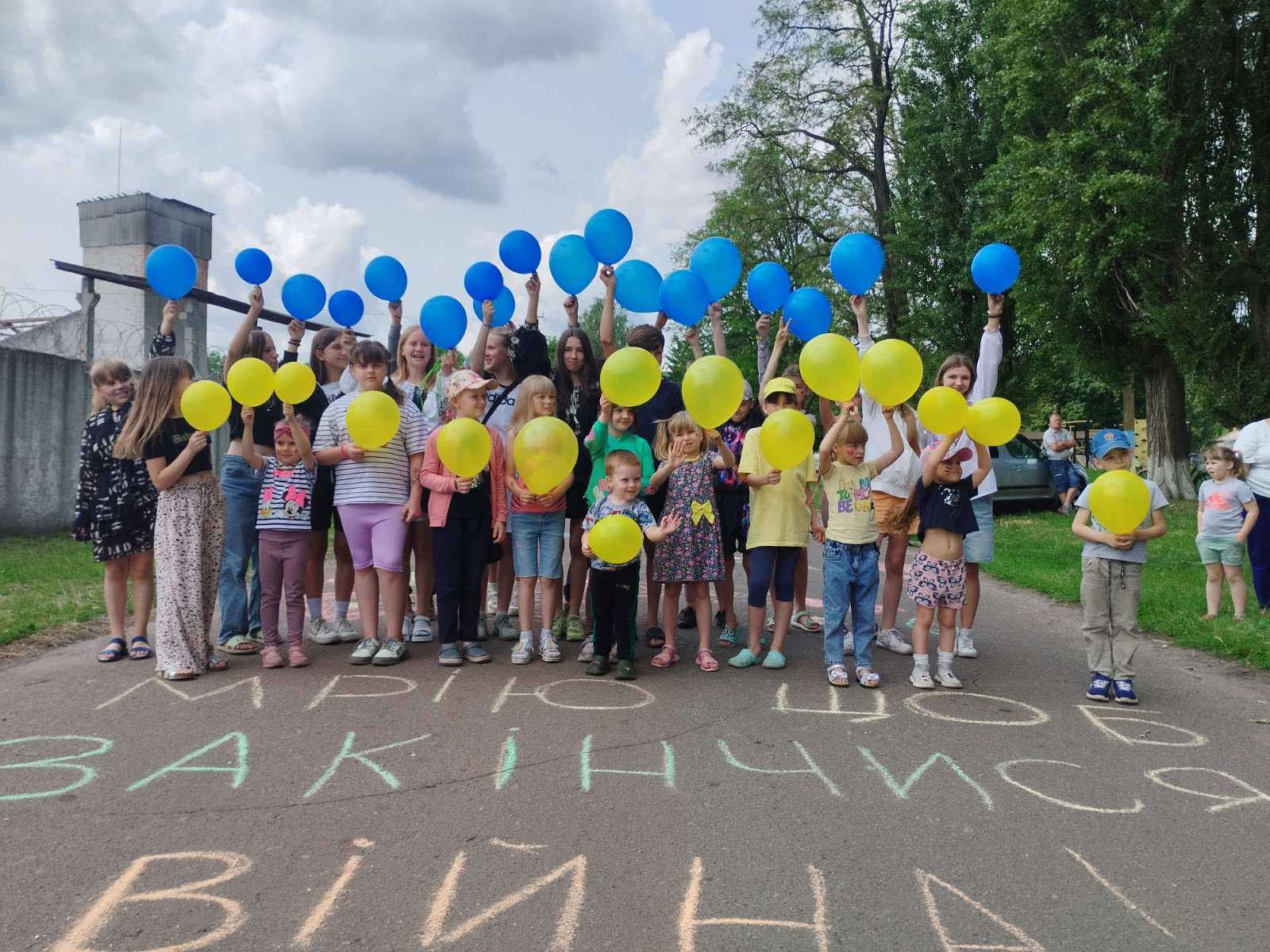
The Centre’s structure includes six culture houses and three libraries located in different starosta districts of the municipality. Emphasis is placed on working with children: they take part in extracurricular activities where they sing, play table tennis or billiards and do outdoor sports. Adults also find a place for themselves at the Centre, as it offers choirs, including an award-winning amateur choir that is a regular at festivals, as well as volunteer activities.
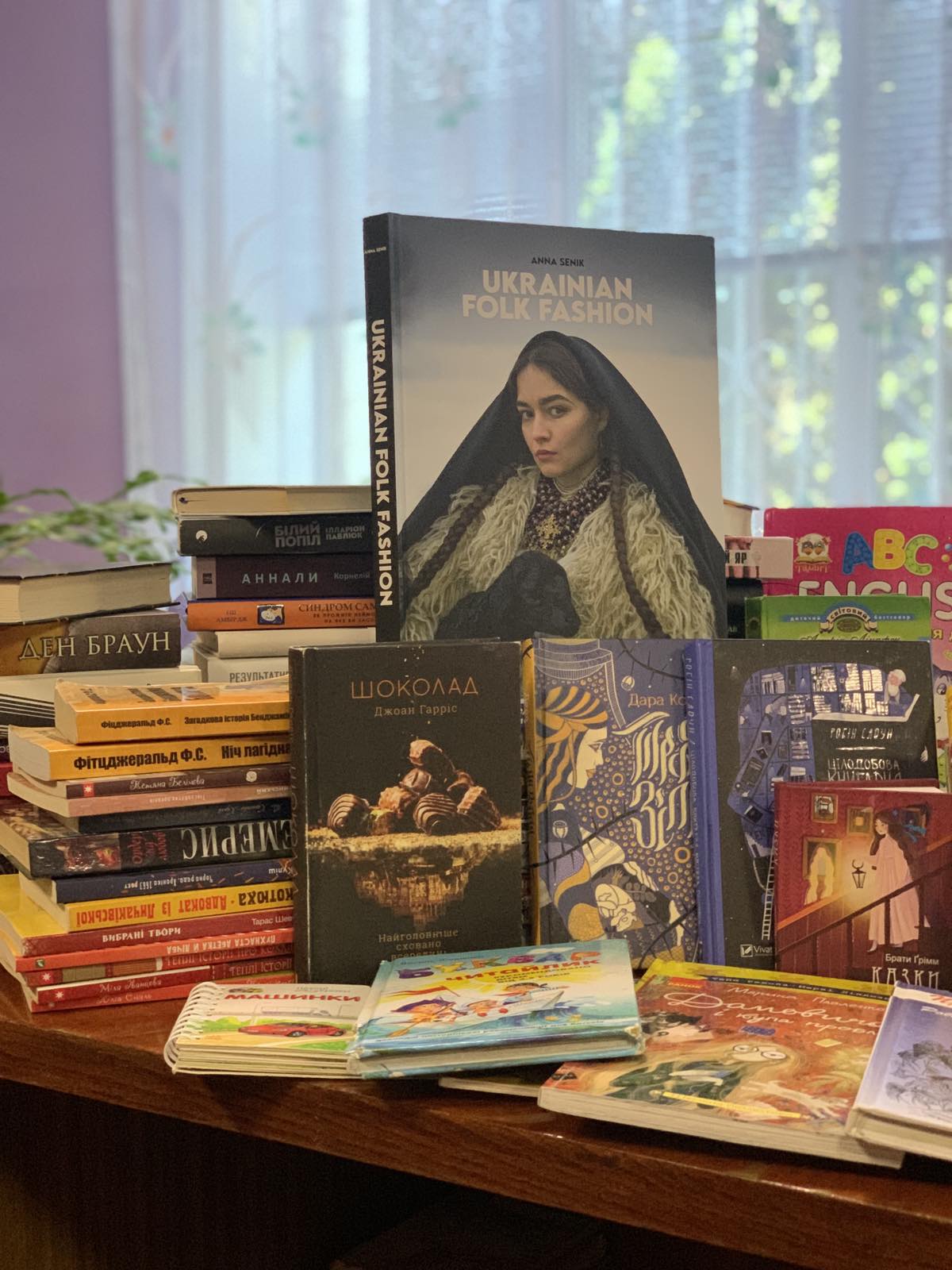
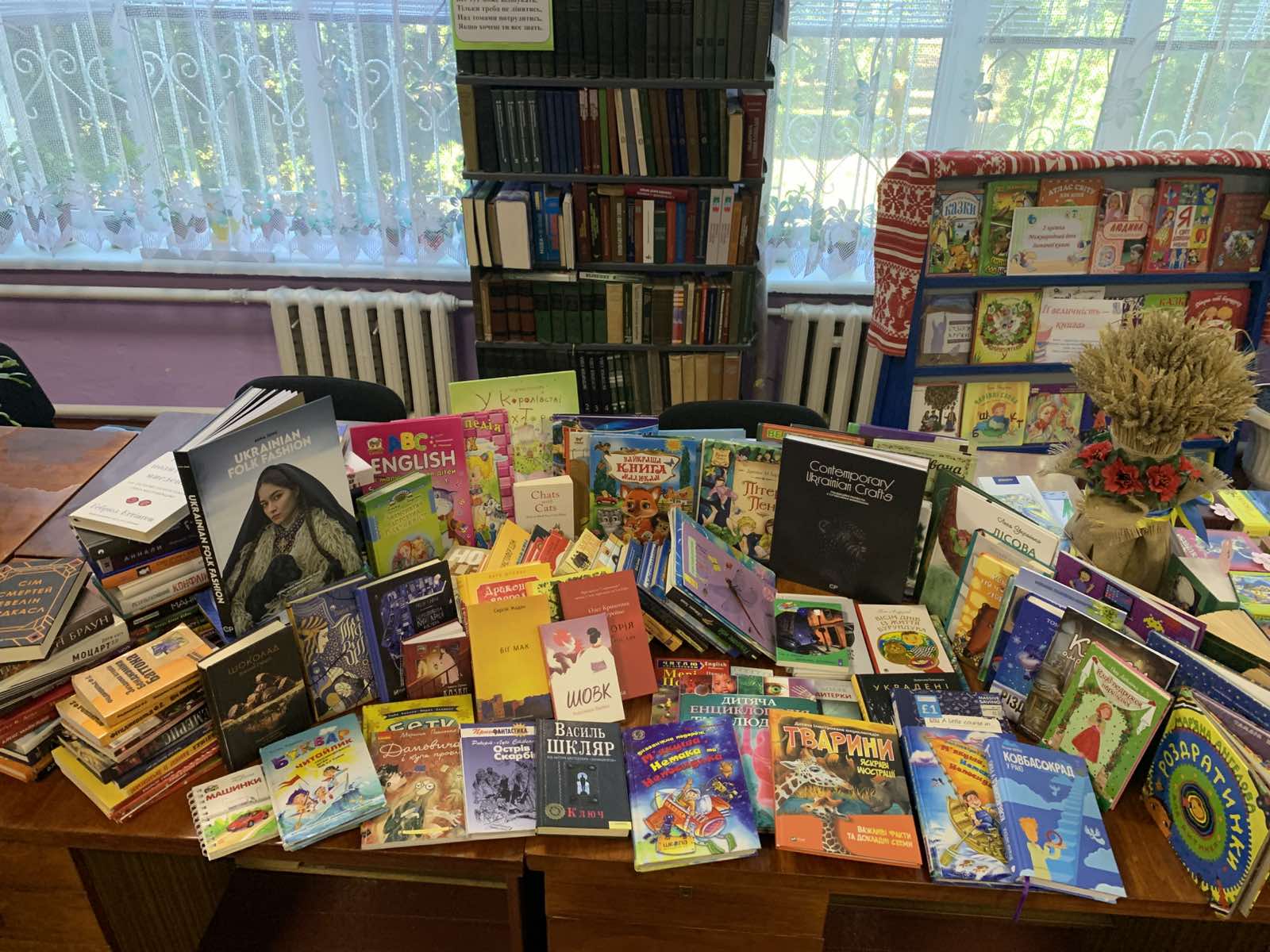
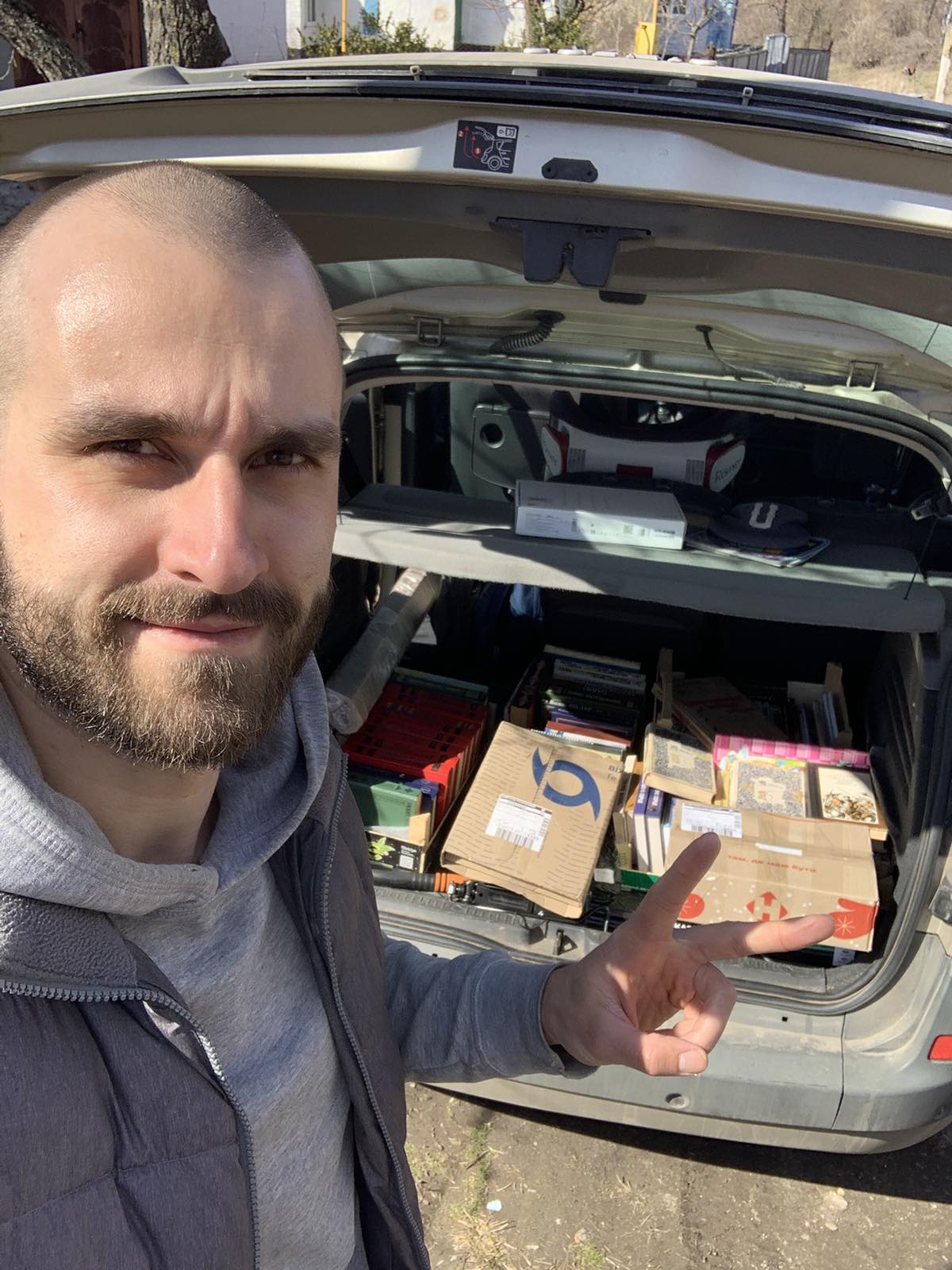
One of Dmytro’s initiatives was the “Books for Rural Areas” campaign. It all started when the head of the library department complained that the libraries lacked modern books. Dmytro made a post on Facebook, reached out to his friends, and within a few days, many people who were eager to help learned about the municipality.
“Books were sent from all over Ukraine; even publishers got involved. This is how we received over 400 brand-new editions for children and adults, including art books, modern detective stories and titles from The New York Times Best Sellers list. This is a real treasure for our libraries,” says Dmytro.
In wartime, culture is not a luxury but a lifeline. It is a way to preserve memory, hope and a sense of community.
“Culture is the foundation of our identity,” Dmytro emphasises. “It is in everything, from lullabies to songs played at graduation ceremonies and memes comprehensible only to us. The community’s duty is to nurture this culture even in the most difficult of times.”