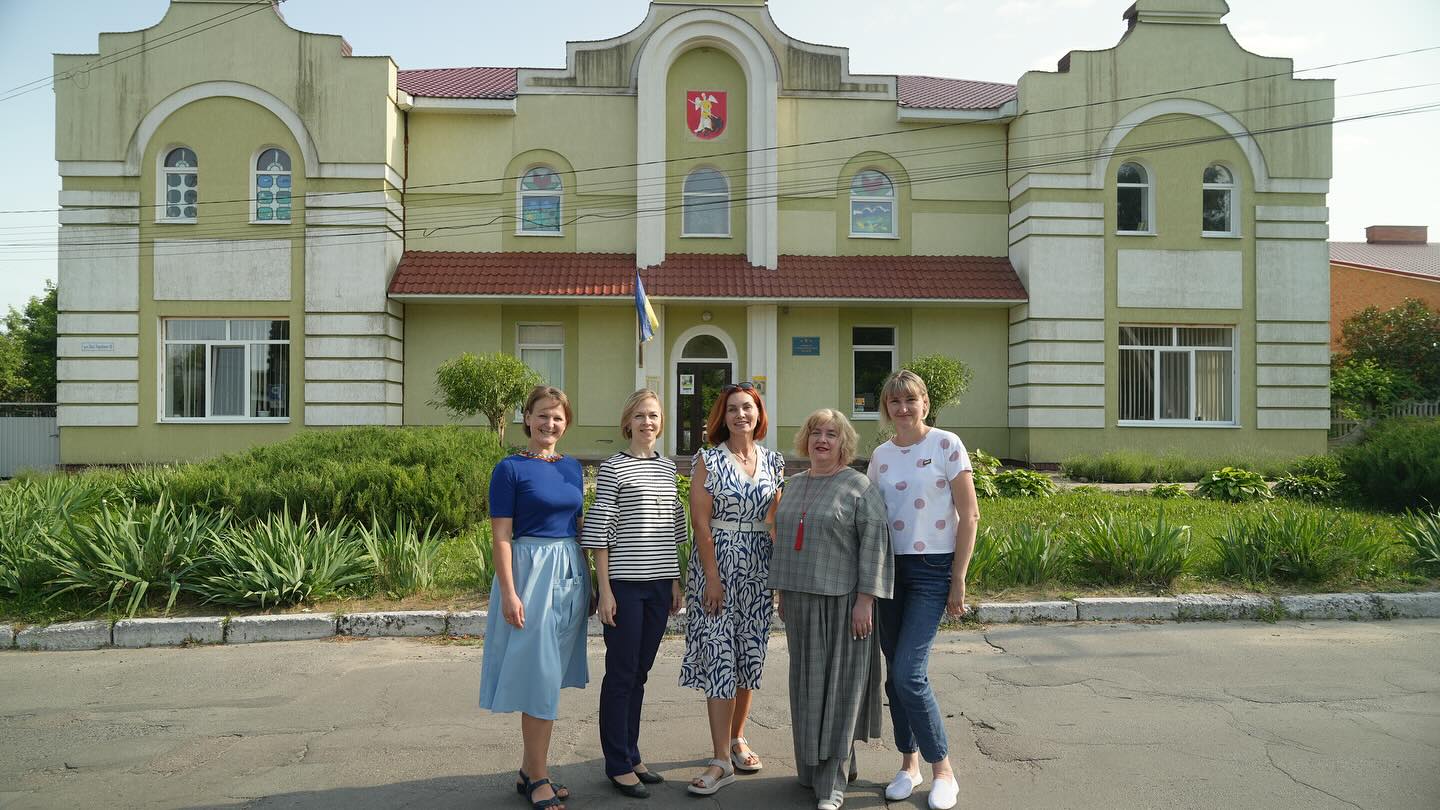




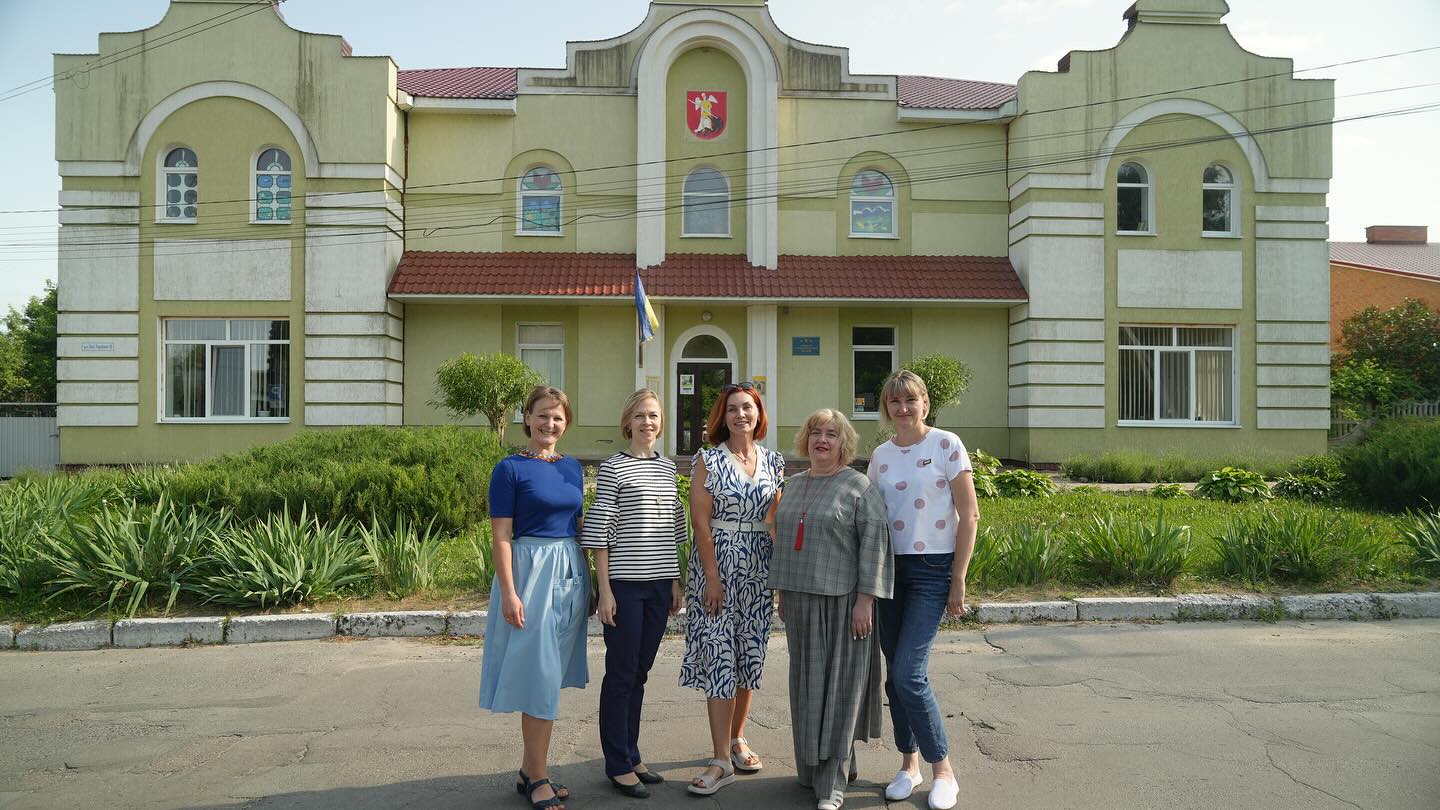
The idea of making the museum barrier-free is the basis of the project “SmartMuseumGadyach: Accessible to Everyone”. U-LEAD experts advised the museum team on submitting an application for the Culture. Regions competition held by the Ukrainian Cultural Foundation. Among 306 applicants from all over Ukraine, the project ranked 11th and received funding.
At Gadyach Museum, there have been many instances when visitors in wheelchairs were unable to view the exhibition, as it is located on the second floor and there is no elevator in the building. So the museum team had an idea: to use virtual reality technology so that everyone could admire the exhibits in a specially equipped room on the first floor, without having to climb the stairs. VR glasses would be a solution for people with limited mobility while making the museum more attractive to young people. This idea provided the basis for the grant application.
“We started with the idea of making the museum accessible to people with disabilities, and in the process we realised that we could make it even more accessible. Now we are working on a virtual tour with voice-over and English translation, which can be viewed online from all over the world,” says Iryna Orlova, the Director of Gadyach Museum of Natural History.
The museum team had a strong idea and was able to formalise it properly with the help of advisory support from the Regional Office of U-LEAD with Europe in Poltava Oblast. Together with U-LEAD experts, they turned the concept into a convincing application to the UCF.
“The application already had potential, but we needed to fine-tune the wording and add more specifics and quantitative indicators. The application ended up sounding fresh,” says Dmytro Tsybulko, an Adviser on Municipal Management and Development at the Regional Office of U-LEAD with Europe in Poltava Oblast.
The museum also creates QR codes for exhibits that allow visitors to quickly access additional information using smartphones. VR tours and digital tools open up new education opportunities — for example, teachers will be able to use the museum’s videos in local history lessons.
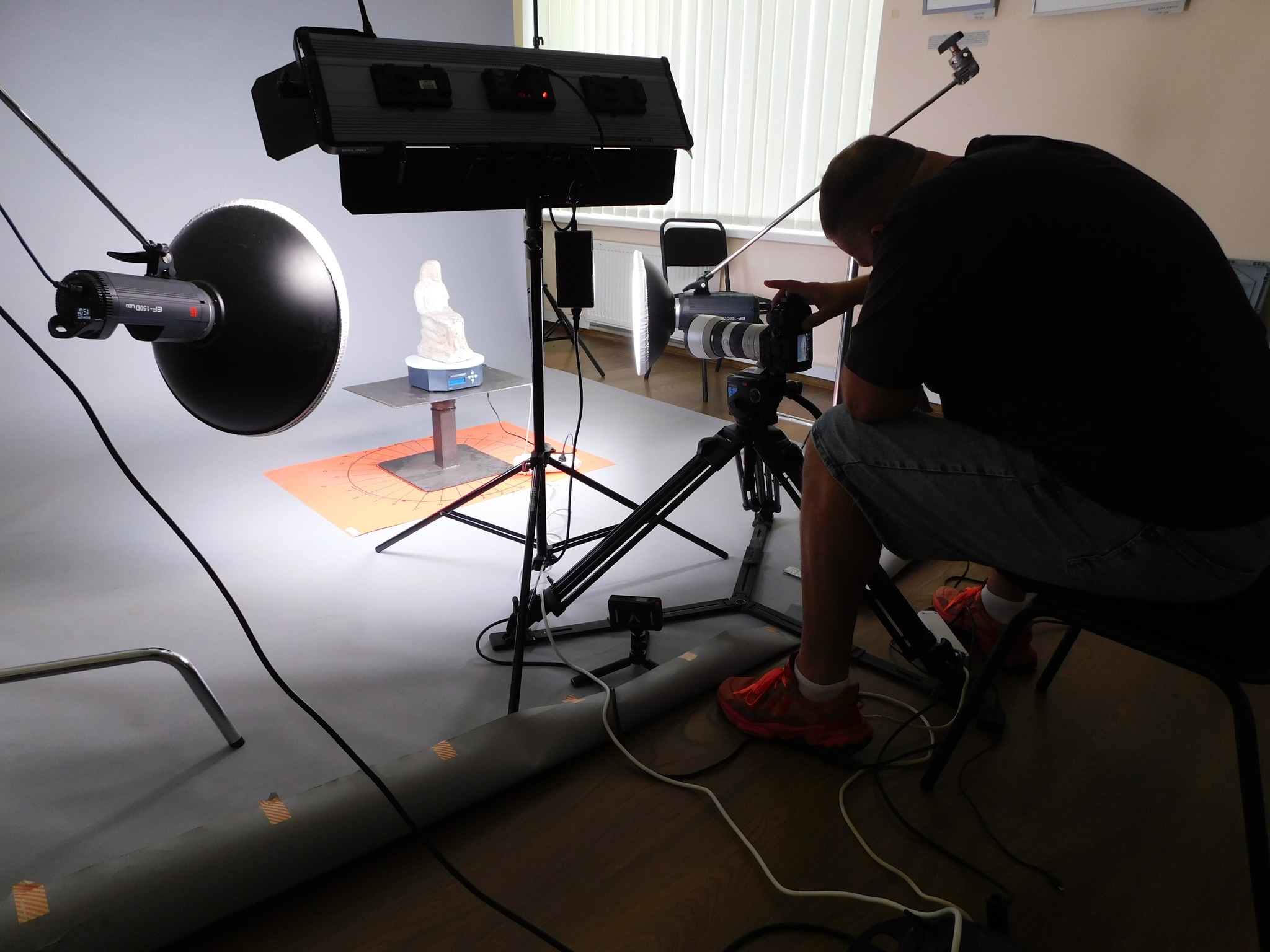
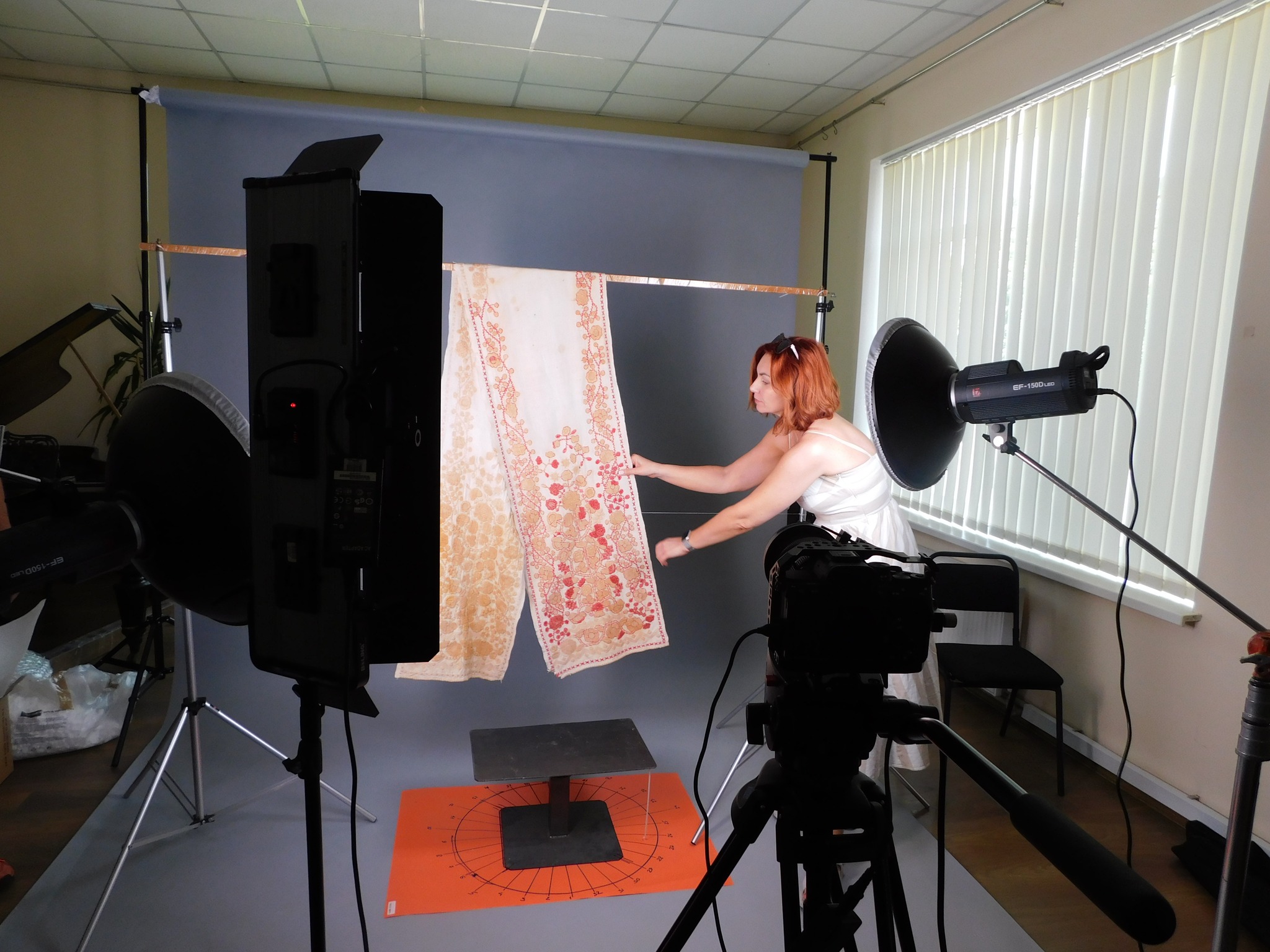
In partnership with UkraineOpen, the museum has already digitised 20 valuable exhibits, including unique ceremonial embraided towels “rushnyks”, old books, personal belongings of the Kosach family and original newspapers edited by Olena Pchilka. They will be stored in digital format, which is important for both accessibility reasons and to preserve cultural heritage in wartime.
“Since the beginning of the full-scale invasion, many museums have partially or completely lost their collections. That is why digitalisation is a necessity rather than merely a modern trend. It’s a chance to preserve memory, even if physical artefacts are lost,” says the museum director.
The initiative makes cultural heritage accessible and convenient for everyone who wishes to connect with the history of their native land. Thanks to U-LEAD’s support, the museum was able to take a step towards greater inclusivity and open its exhibition to a wider range of visitors. The museum is currently developing virtual tours. A promotional campaign will be launched in early autumn.
“We often see that people have no idea that we have such a museum. So, we will endeavour to raise awareness about it, and our virtual space in particular, in Gadyach municipality and beyond. This is our history, our roots and our pride,” says Iryna Orlova.