



“We used to hear about Interreg Europe and think it was something very far removed from us, as if it didn’t concern us yet. Then there was a U-LEAD event in Nizhyn that focused on international activities for municipalities and explained that Ukrainian municipalities could join the programme. That was when we started to feel that it was actually possible. After the training, I came back and told our project manager that we should give it a go,” recalls Yuliia Petrenko, the Deputy Mayor of Bobrovytsia.
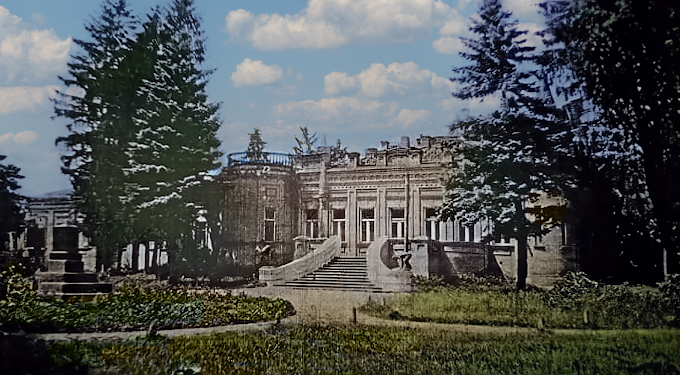
The municipality’s first step was to register on the Interreg Europe platform. The team then set about looking for an idea that could lay the groundwork for an international partnership. Bobrovytsia decided to focus on its cultural heritage — the palace of the Katerynych family.
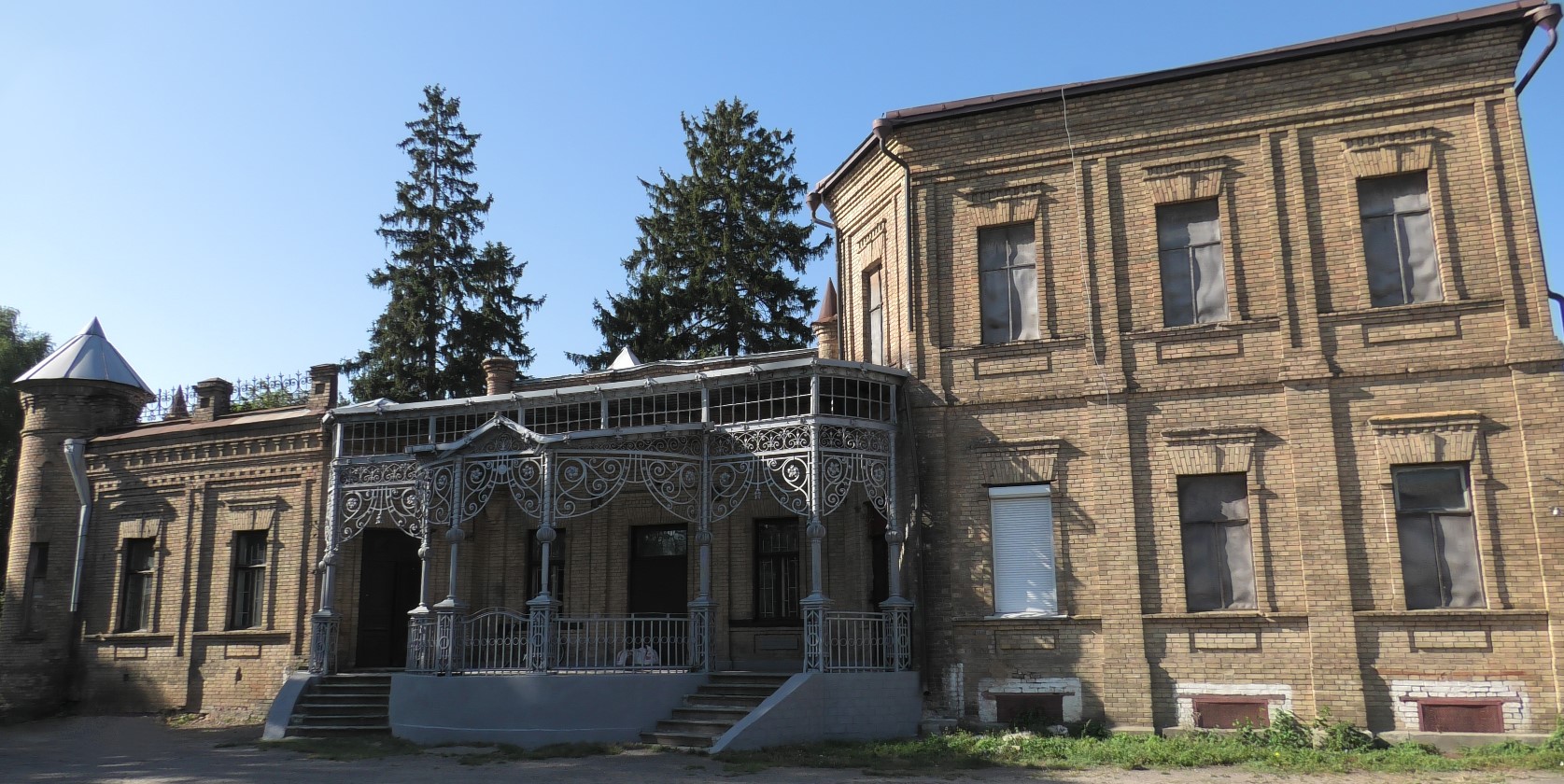
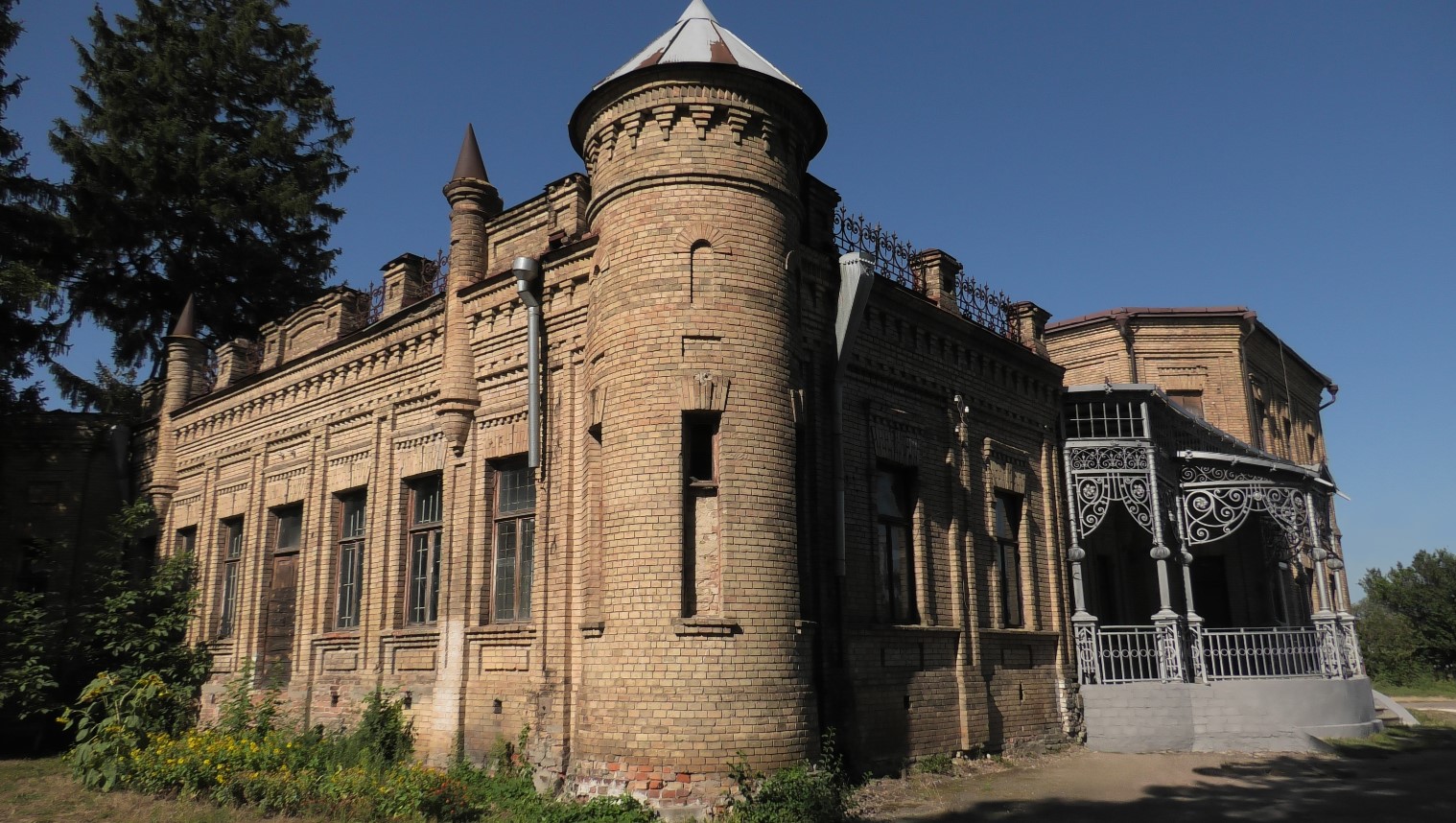
The palace was built in 1895 to a design by the architect Semyon Lazarev-Stanishchev. The red-brick mansion with the Katerynych family crest is still decked out with wrought-iron decorative flourishes, antique tiled stoves and internal metal roller shutters, which were a technical innovation at the end of the 19th century. The Katerynych family held balls and entertained guests here, while also supporting local artisans, education and cultural initiatives. During the Soviet era, the palace was first used as a primary school, and later as a club for the sugar factory. Today, a branch of the central library is housed within these walls.
“When we were thinking about what to include in the application, I suggested we focus on the Katerynych Palace. As someone who works in the field of cultural heritage, I recognised that we already have a strong foundation, experience and resources. Still, we never even imagined that we would receive support. It was more of a long shot,” says Yuliia Petrenko.
On 8 April 2025, the municipality received a letter of approval for the application. Following this, Bobrovytsia City Council team spent several months taking part in online meetings with Interreg Europe representatives and international experts. The municipality shared its experiences, showed its partners around the Katerynych family palace and sought out best practices that could help with its upkeep.
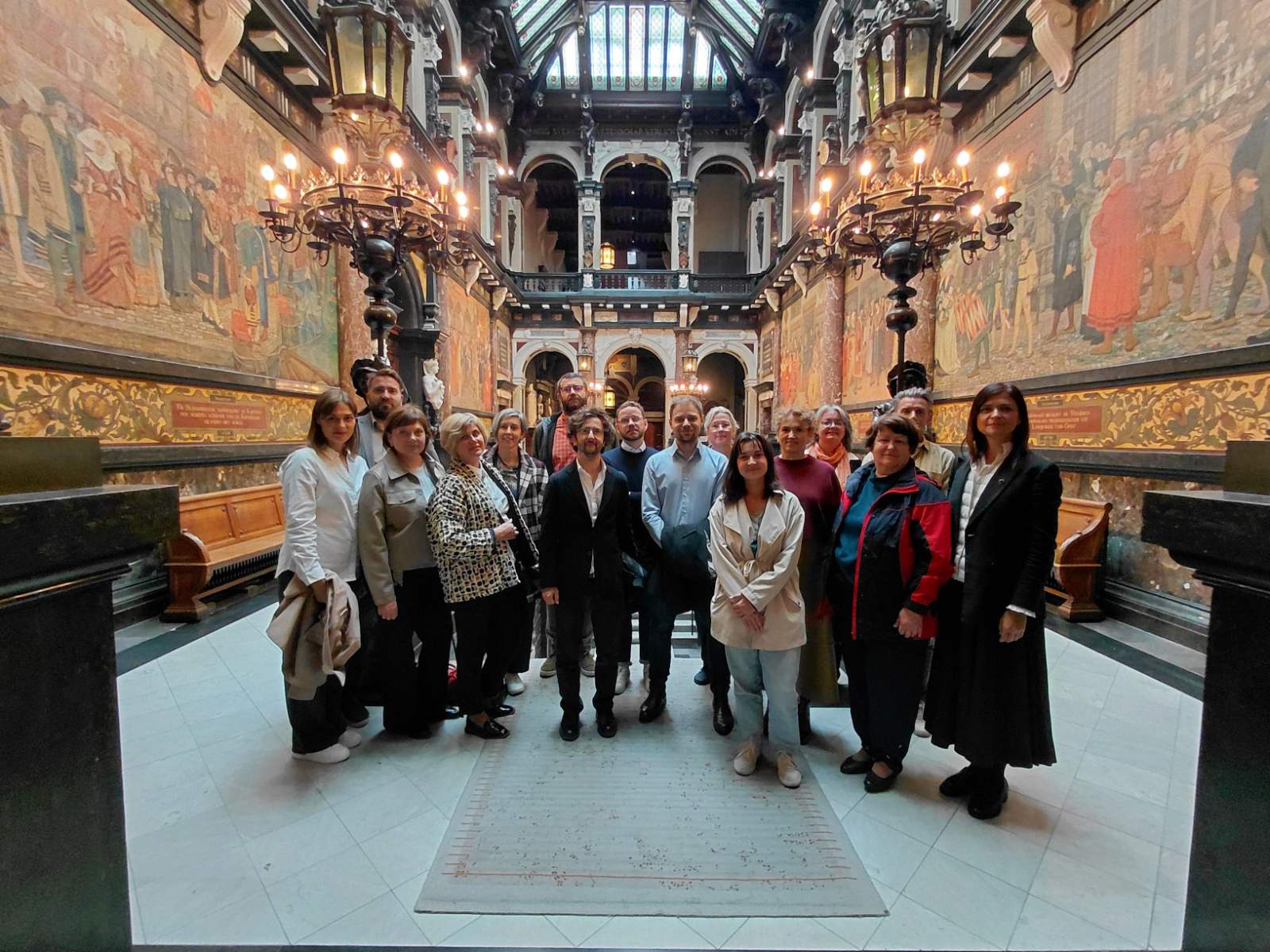
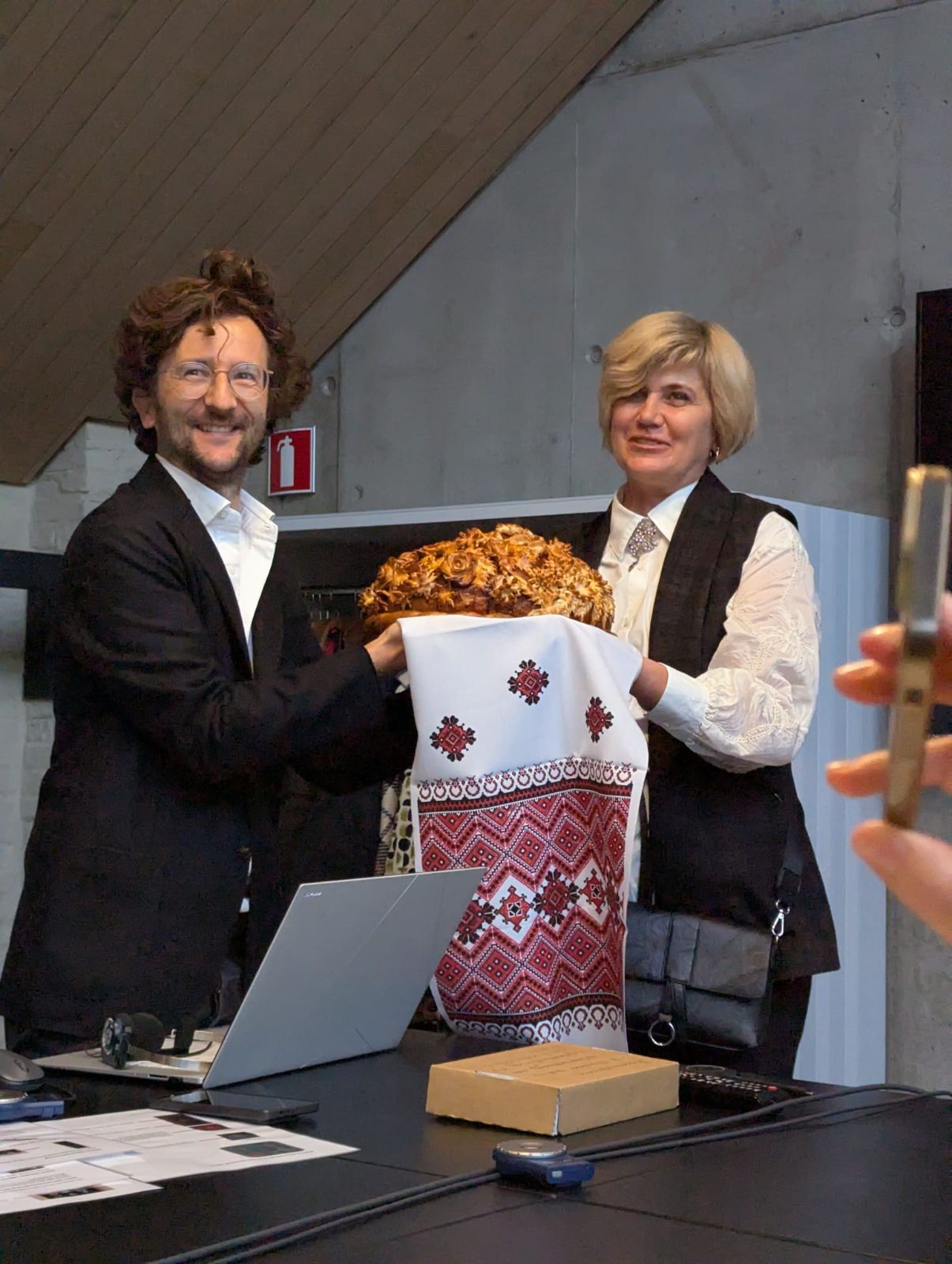
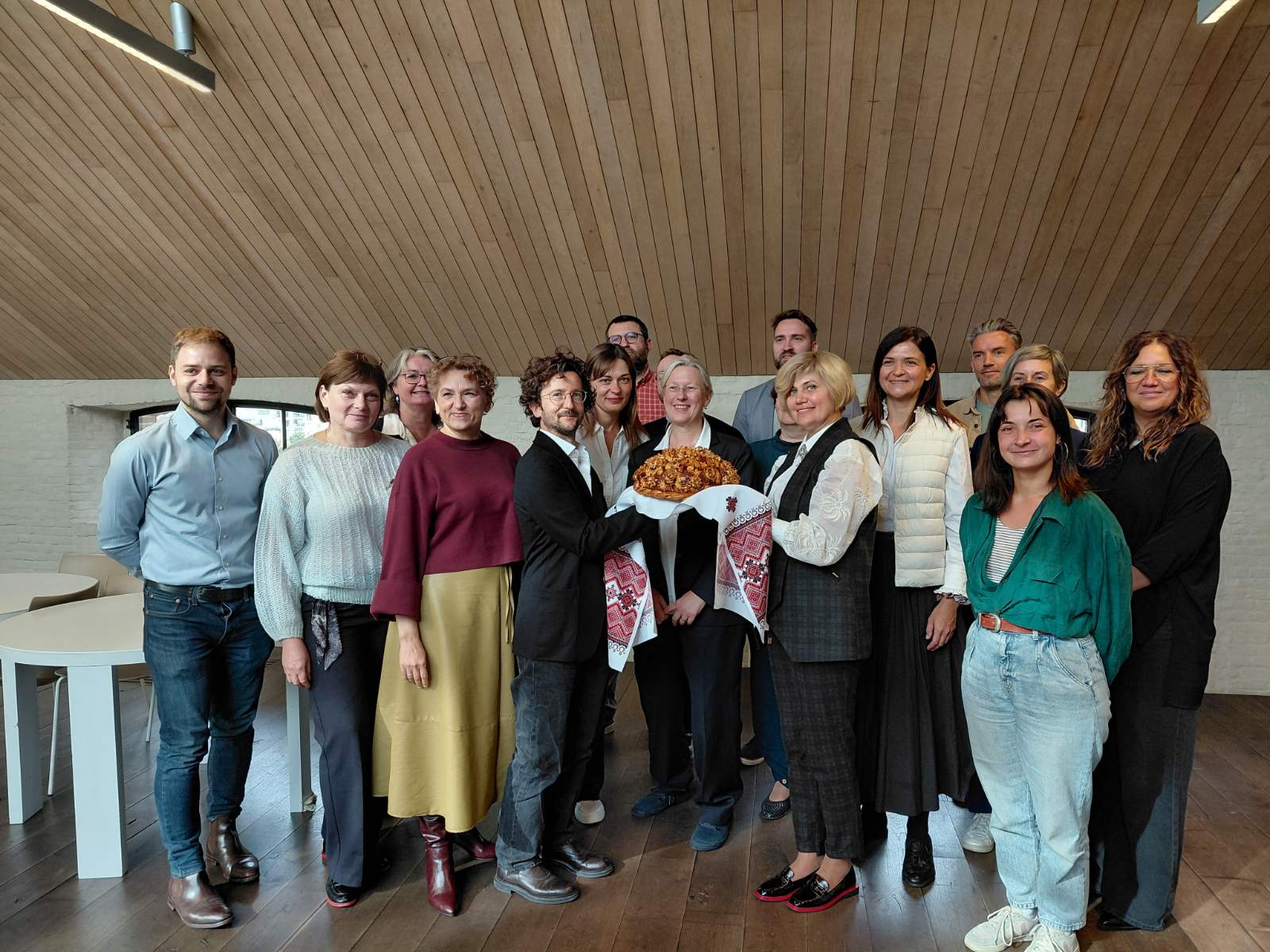
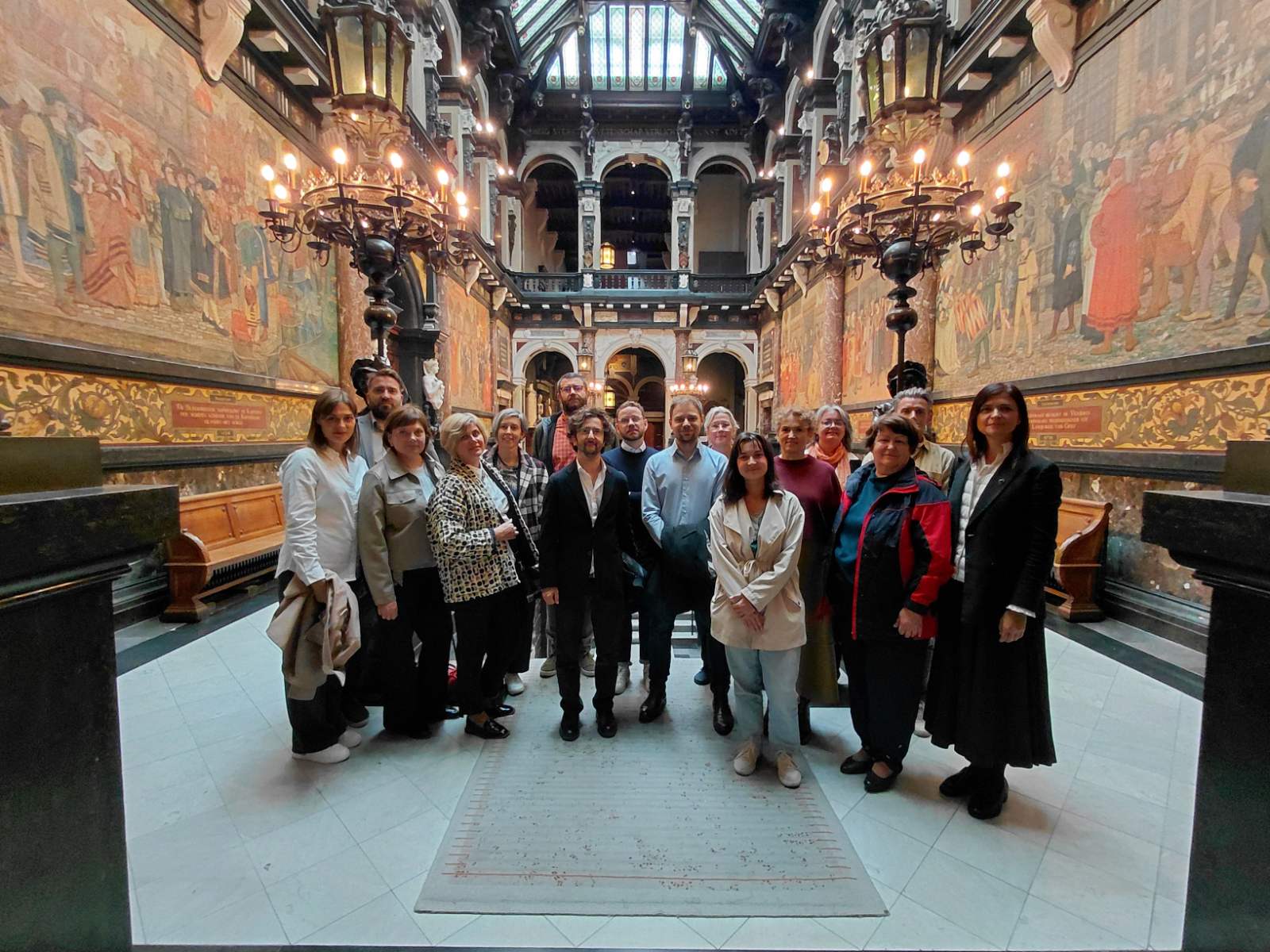
Later, Interreg Europe held an off-site meeting in Antwerp, Belgium. Officials of Bobrovytsia municipality worked alongside experts from Belgium, France, Bosnia and Herzegovina, Estonia and Romania on a development plan for the palace, a marketing strategy and the search for funding sources. Zsolt Csók, the Technical Director of Transylvania Trust in Romania, also joined the project, and the municipality continued to work with him after the main part of the programme had concluded.
Following the meeting in Antwerp, the municipality continued to work with its international partners beyond the scope of the main programme. One of the new developments has been collaboration with undergraduate architecture students. Together with architect Oksana Khoroshavina, the municipality is establishing a partnership between Kyiv National University of Construction and Architecture and Romanian partners, with a view to involving students in researching and interpreting the space of the Katerynych Palace. The municipality hopes that student projects and research will contribute to the future restoration of the landmark.
“It is very important to us that this collaboration continues beyond our trip to Belgium. We still have a discussion group with experts; we can turn to them for advice, discuss ideas and seek guidance. We are also planning a partnership between our palace and a palace in Romania so that we can apply for international projects together. This collaboration is ongoing,” says Yuliia Petrenko.
Concurrently, the municipality is striving to preserve and promote the attraction itself. The Katerynych Palace has already made it through the steps needed to be included in the register of architectural heritage sites. The building began hosting exhibitions, meetings, conferences and guided tours for local residents. The team has fitted out two rooms: one to showcase the historical background of the Katerynych family and the palace itself, and the other for cultural events.
The municipality is also encouraging young people to explore the grounds of the palace and the historic park laid out by Petro Katerynych. Schoolchildren are doing research projects, whilst in Bobrovytsia plans are already underway for new events that will help establish the palace as a recognisable cultural hub for the municipality.
“The case of Bobrovytsia municipality is exactly the kind of outcome we at U-LEAD always hope to see when we design and implement our training initiatives, programmes and events. Not only did officials from Bobrovytsia City Council gain new knowledge, but they also put it into practice so effectively! This new know-how has spurred both international partnerships and new projects, and I truly believe it has opened up new development opportunities for the municipality,” concludes Iryna Kudryk, the Head of the Regional Office of U-LEAD in Chernihiv Oblast.
In Bobrovytsia, people say that the palace should be enjoyed now, rather than waiting for all the restoration work to be completed. This is why the municipality hosts events there, engages young people, and seeks out partners and new avenues for cooperation. The municipality’s experience of participating in Interreg Europe has shown that even a small community can find partners in different countries and join forces with them to shape the future of its cultural heritage.