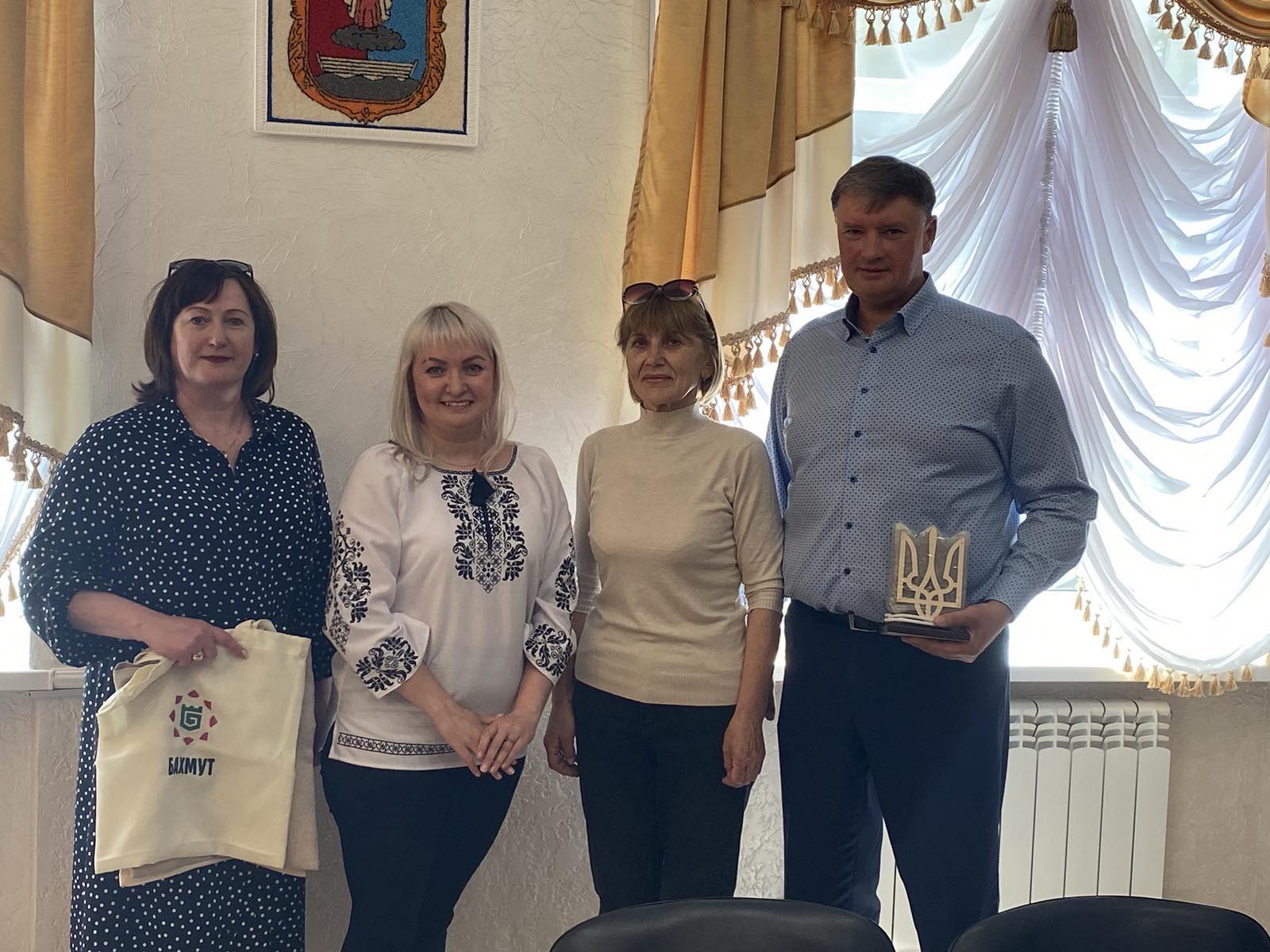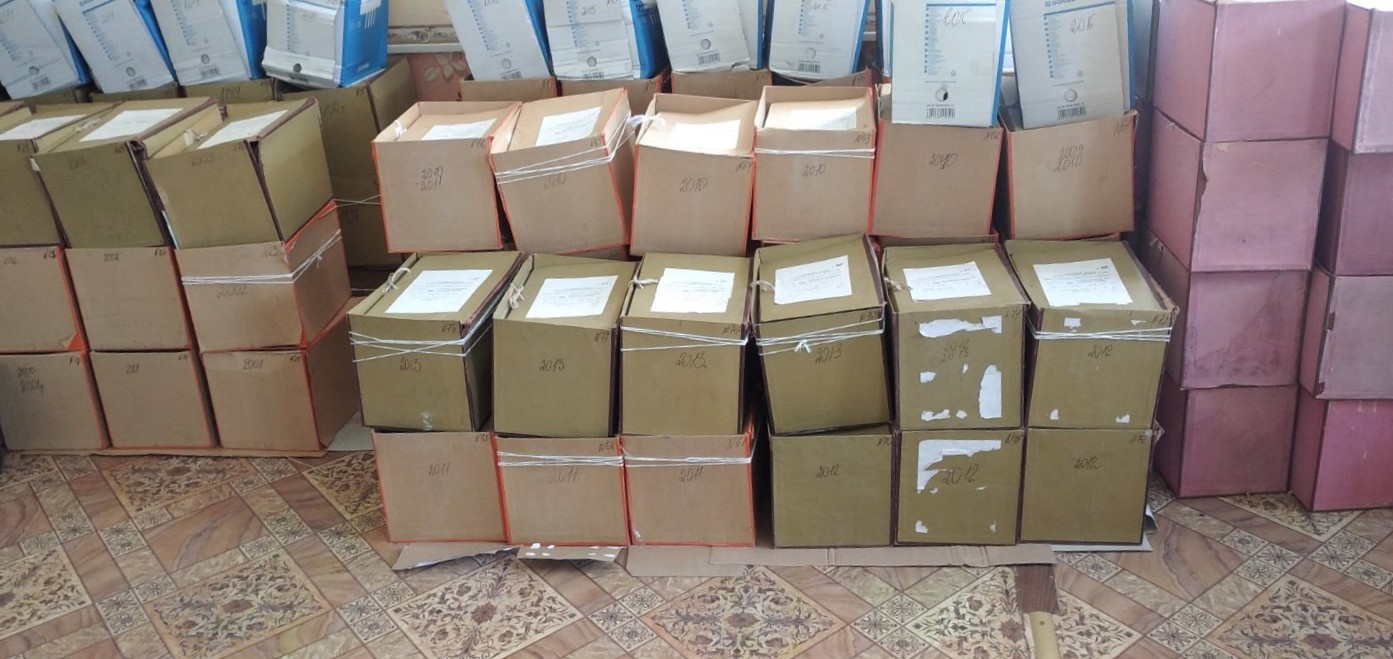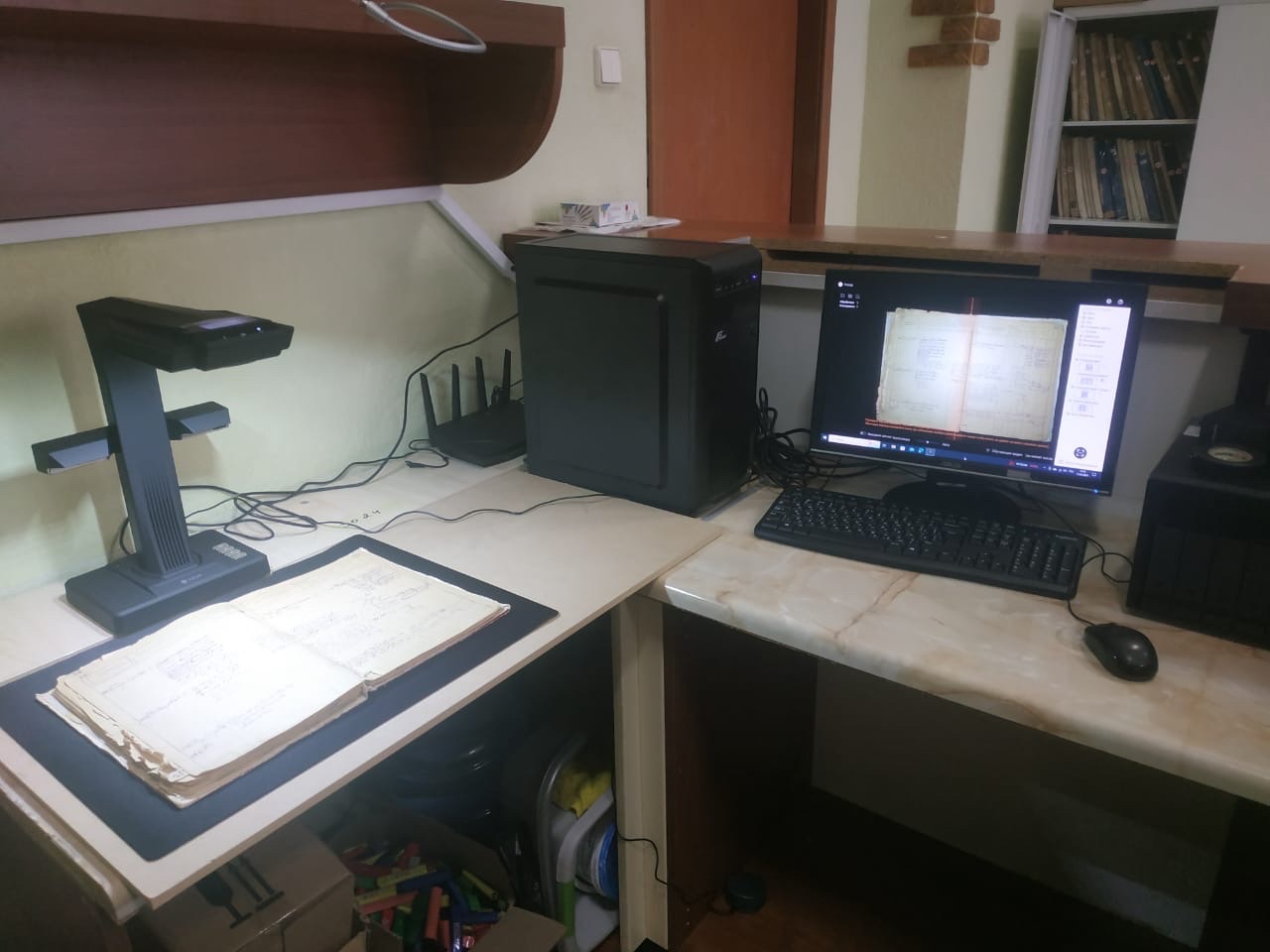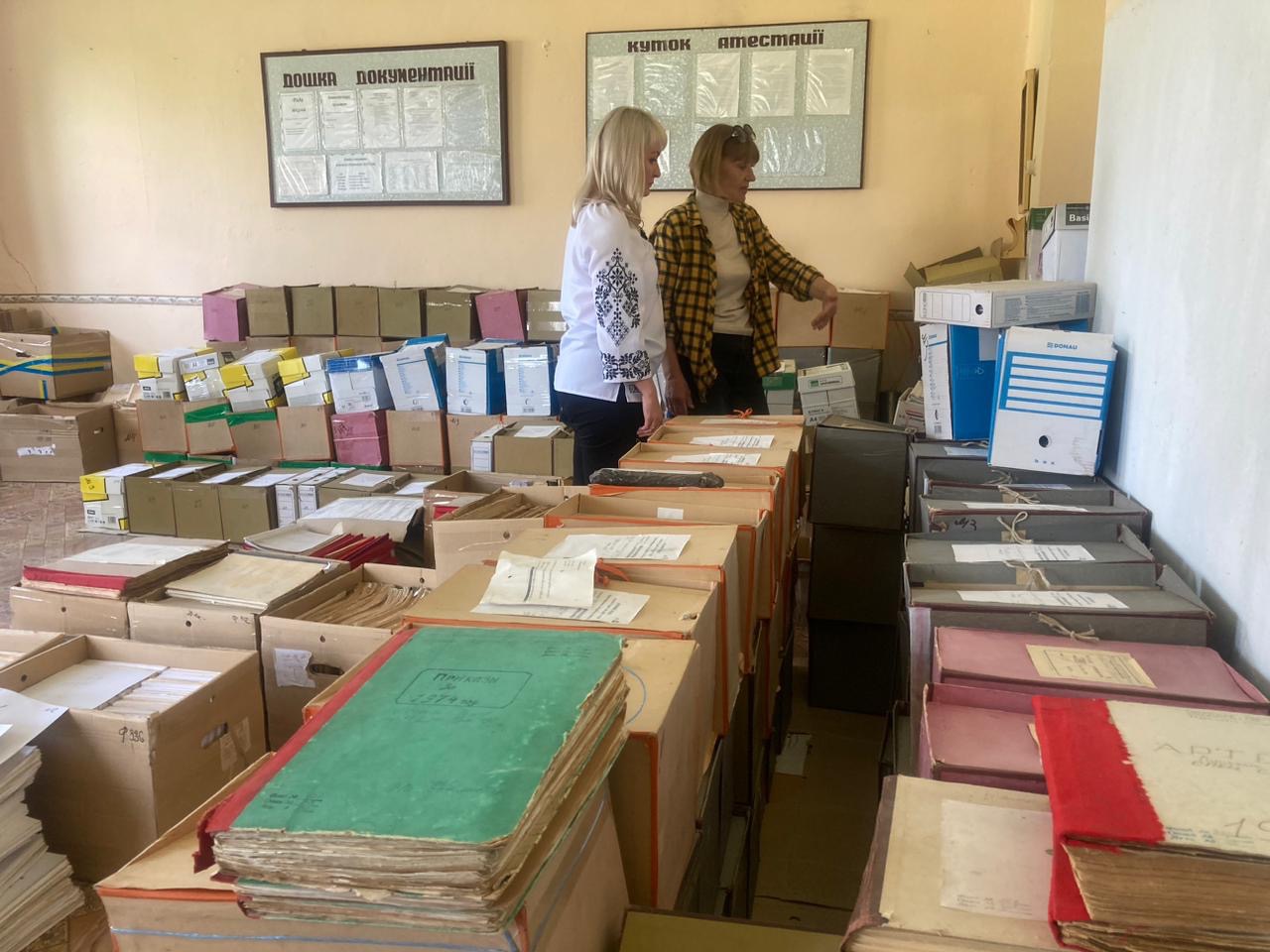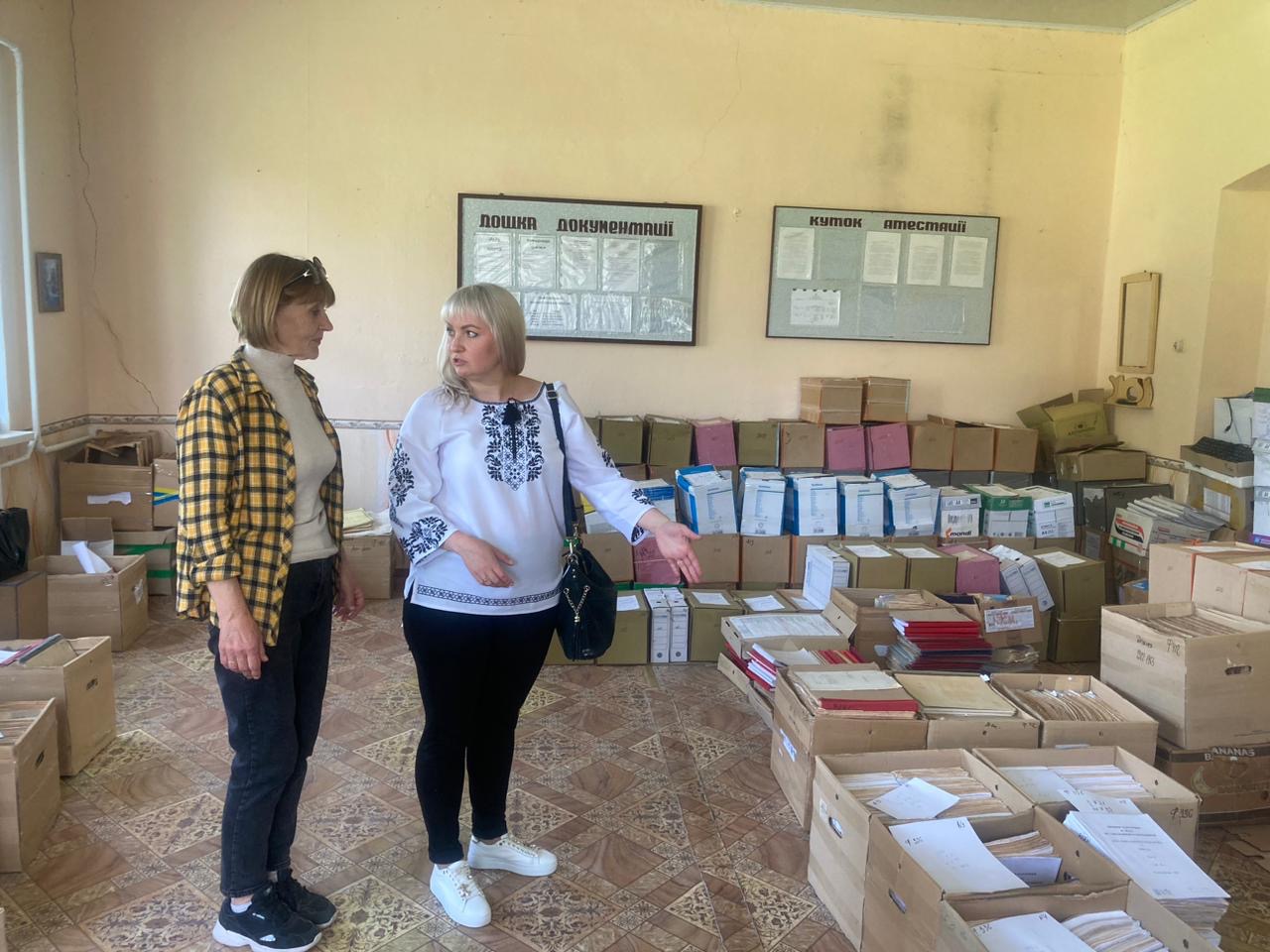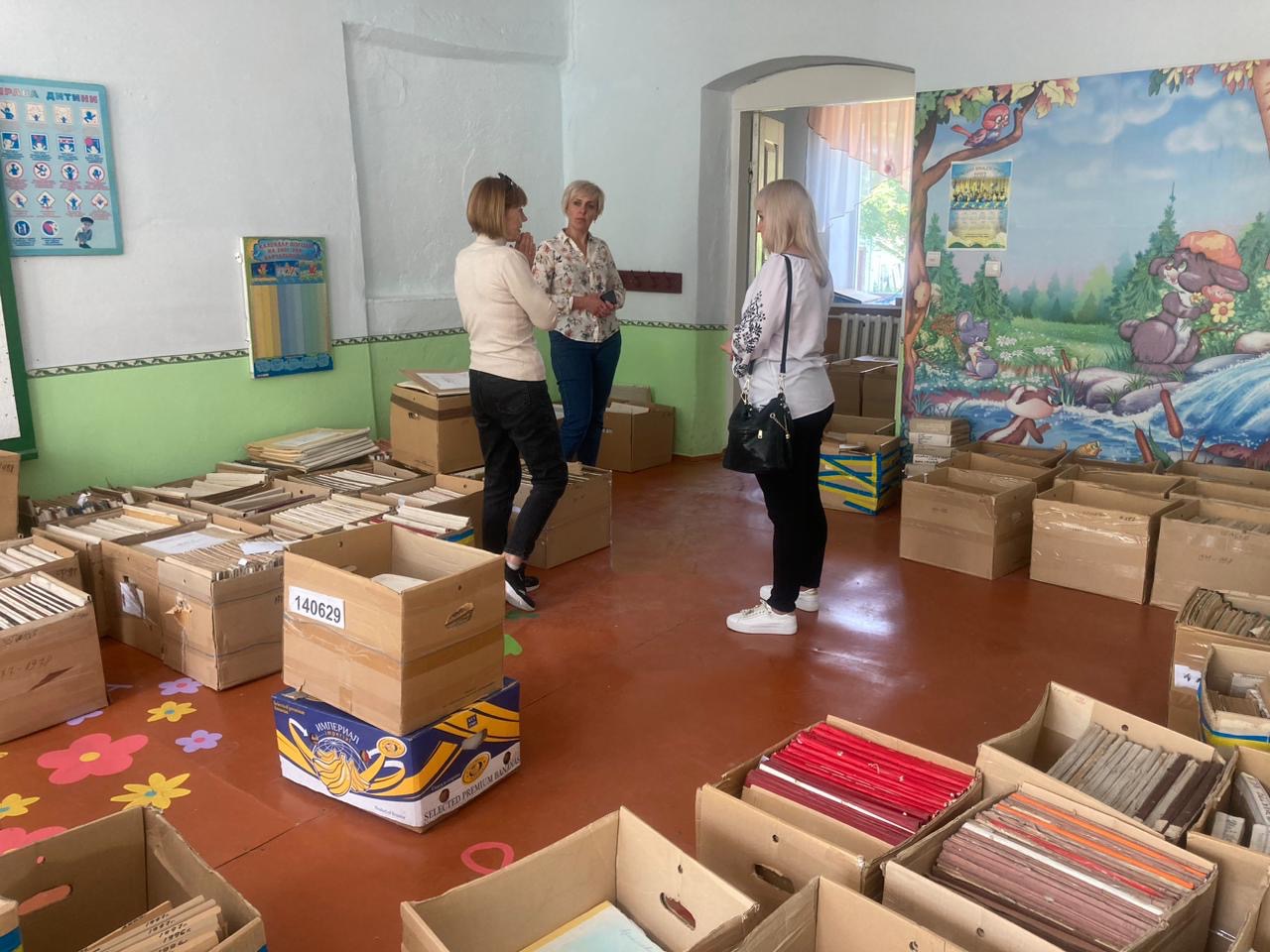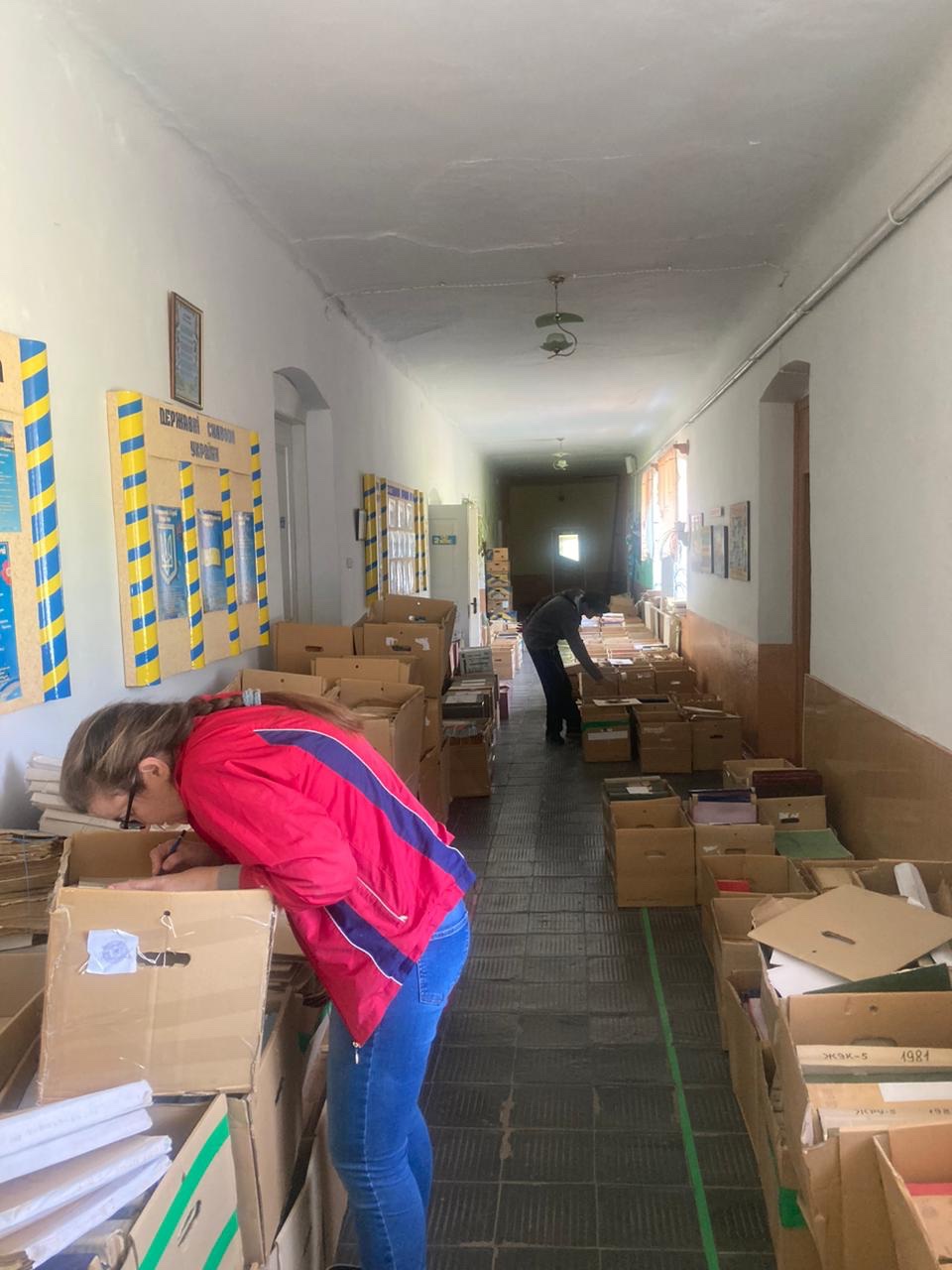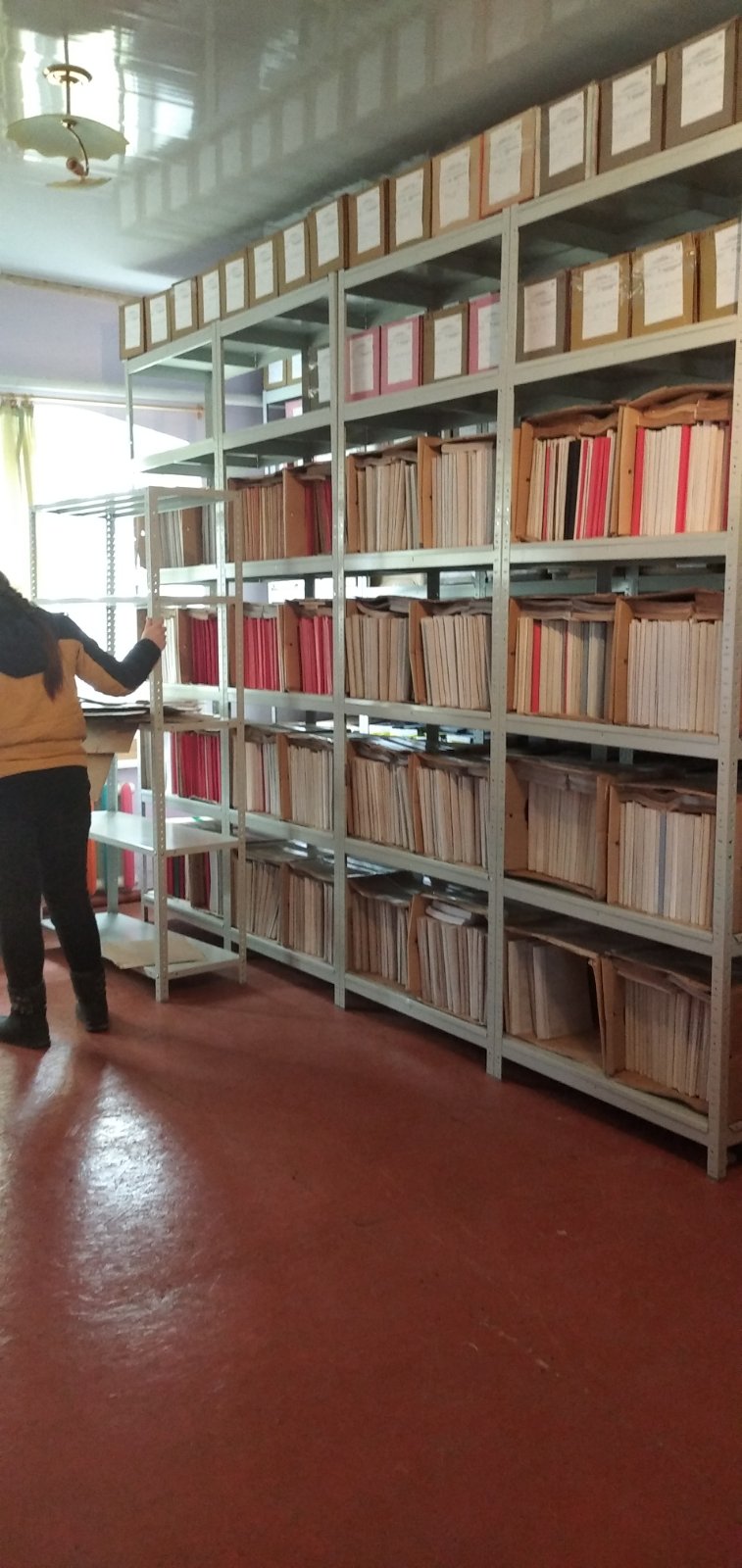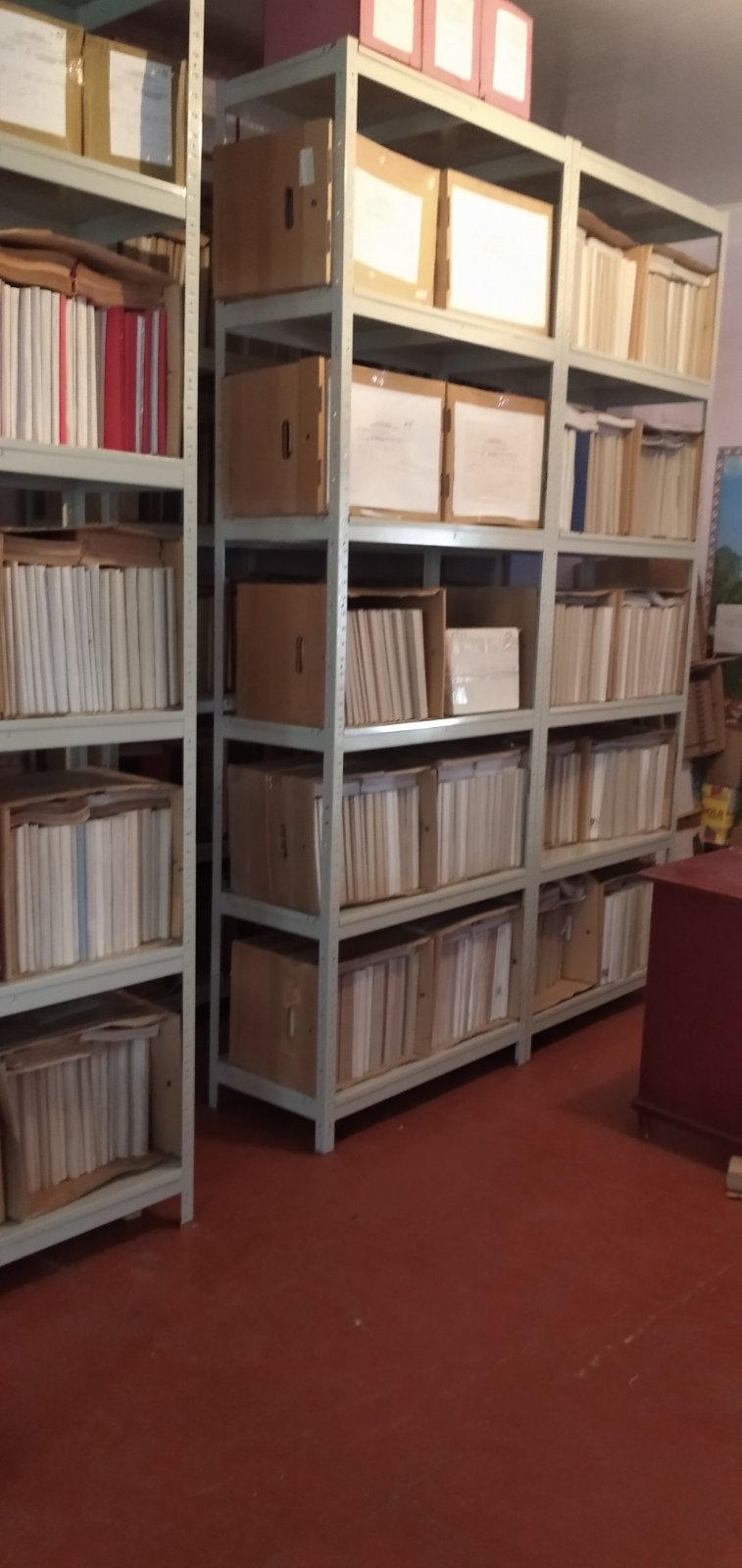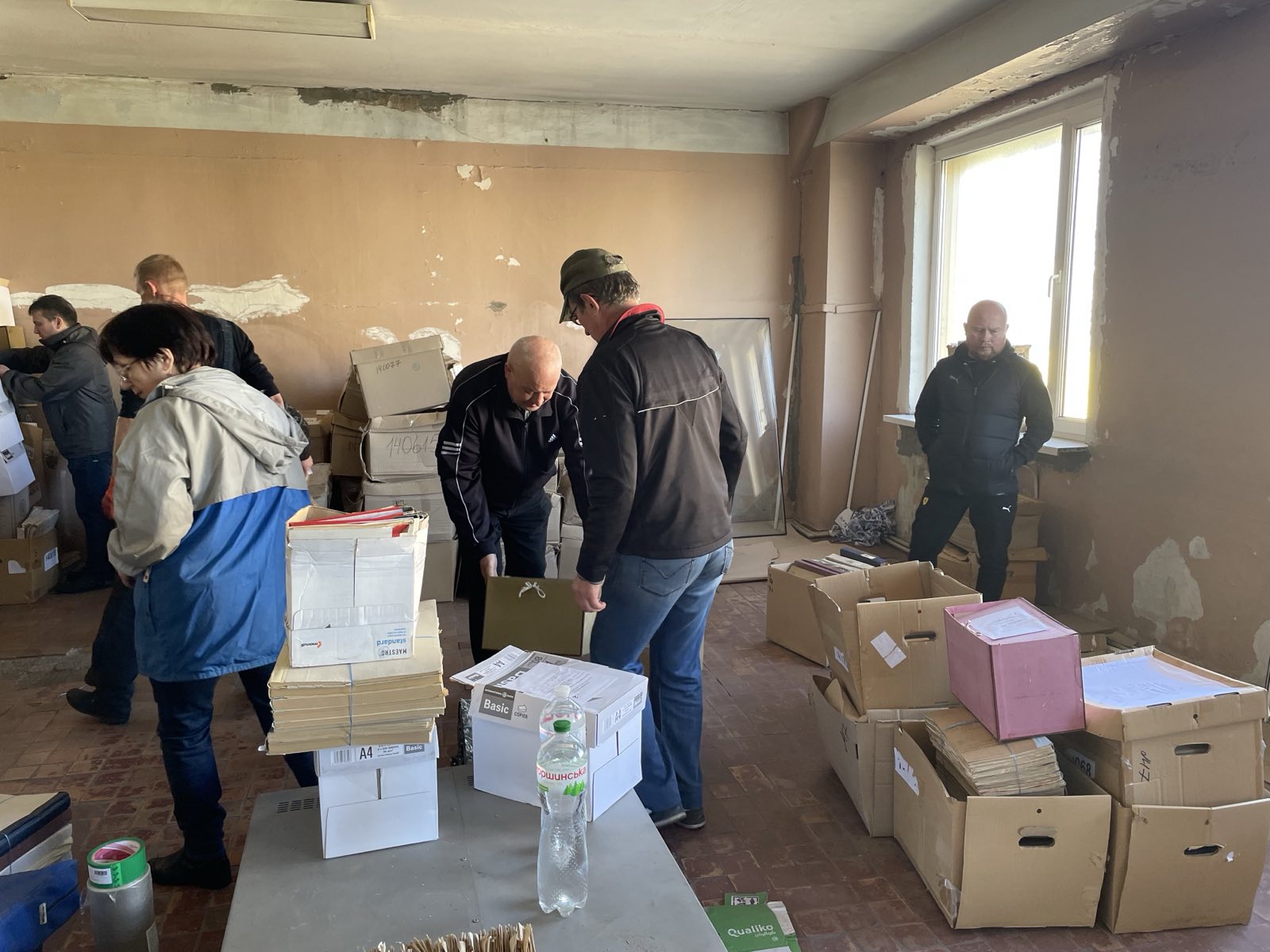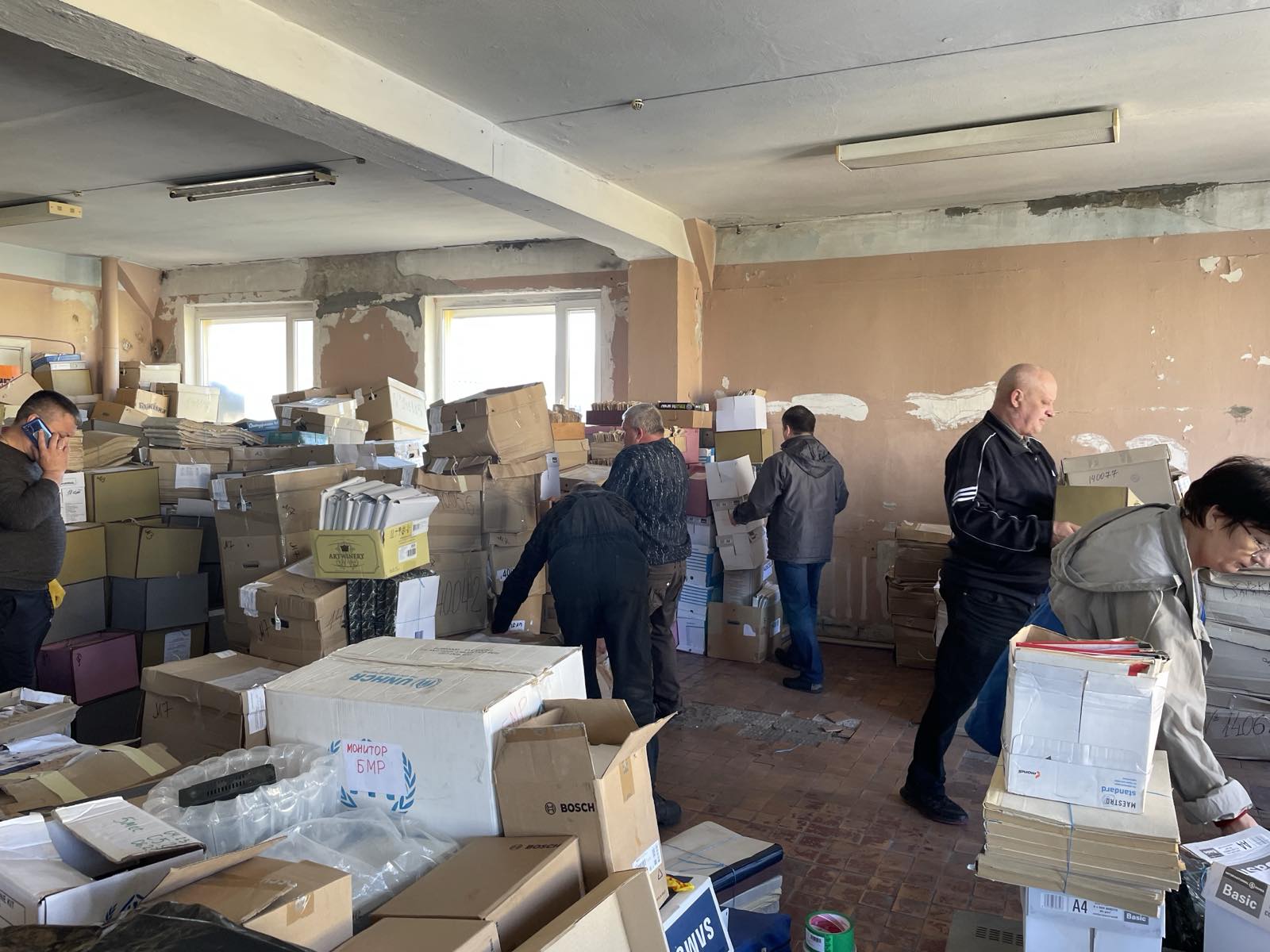







Today, the former school building in Khmelnytskyi Oblast is once again abuzz with activity: Bakhmut municipality archive works here. It was allocated some classrooms, equipped with shelves, and every file has been manually transferred with careful record-keeping. The archive continues to function as before, providing certificates of employment history, property, construction, extracts and copies of decisions of the executive committee, council, etc.
Each such file represents not only a technical task. It is also a matter of trust. A person turns to the archive knowing that their rights, their history are preserved there. And that is why it is crucial not only to preserve archives, but also to support their work even in the most difficult circumstances.
Why is saving archives so important?
An archive is not just a collection of papers. It ensures the continuity of the municipality’s work. It contains documents confirming title to property, executive committee decisions, employment records, development plans and life histories. Without them, people cannot apply for a pension, prove their right to land or get an extract for the court.
“Documents are no joke. People seek verification of their employment history, land ownership rights and registration of houses and apartments. And if there is no archive, these documents can never be retrieved,” says Maryna Ivanushkina, the former Head of Executive Committee of Bakhmut City Council.
In peacetime, this system is often taken for granted. In wartime, however, it’s more vital than ever. Because the fate of both property and people depends on preserving these documents.
“This is not just administrative memory. This is the history of people, their rights, their future. Without the archive, it’s not just documents that we lose. We lose a part of ourselves,” says Viktoriia Trotsenko, the Head of the Regional Office of U-LEAD with Europe in Donetsk Oblast.
She emphasises that preserving archives is also a security concern.
“Russians are well aware of the value of archives. They take them out during the occupation. We must realise as well: it’s not just about papers. It’s about personal data, about the history of municipalities, which can be used against them.”
How Volochysk municipality became a reliable partner for relocation
When the question arose of where exactly to transport the archives of Bakhmut municipality after the evacuation, Yuliia Myronenko, the Head of Archival Department, had already resided in the village of Ripna, Khmelnytskyi Oblast. This is her hometown, and the archive was eventually housed in the very school she once attended.
“This used to be my school,” says Yuliia. “It now houses the village starosta’s office, a rural health post and several free classrooms. I contacted the municipality to find out if there were any plans for these premises.”
According to Olesia Khrushch, the Head of Legal Department of Volochysk City Council, the municipality immediately responded to the request of Bakhmut team and supported their decision.
“We responded to the appeal of the archive manager right away, aware that these documents needed to be urgently saved. She herself chose a room that met the technical specifications in terms of area, humidity and temperature. She checked everything. Our mayor gave his blessing, and we supported the registration process.”
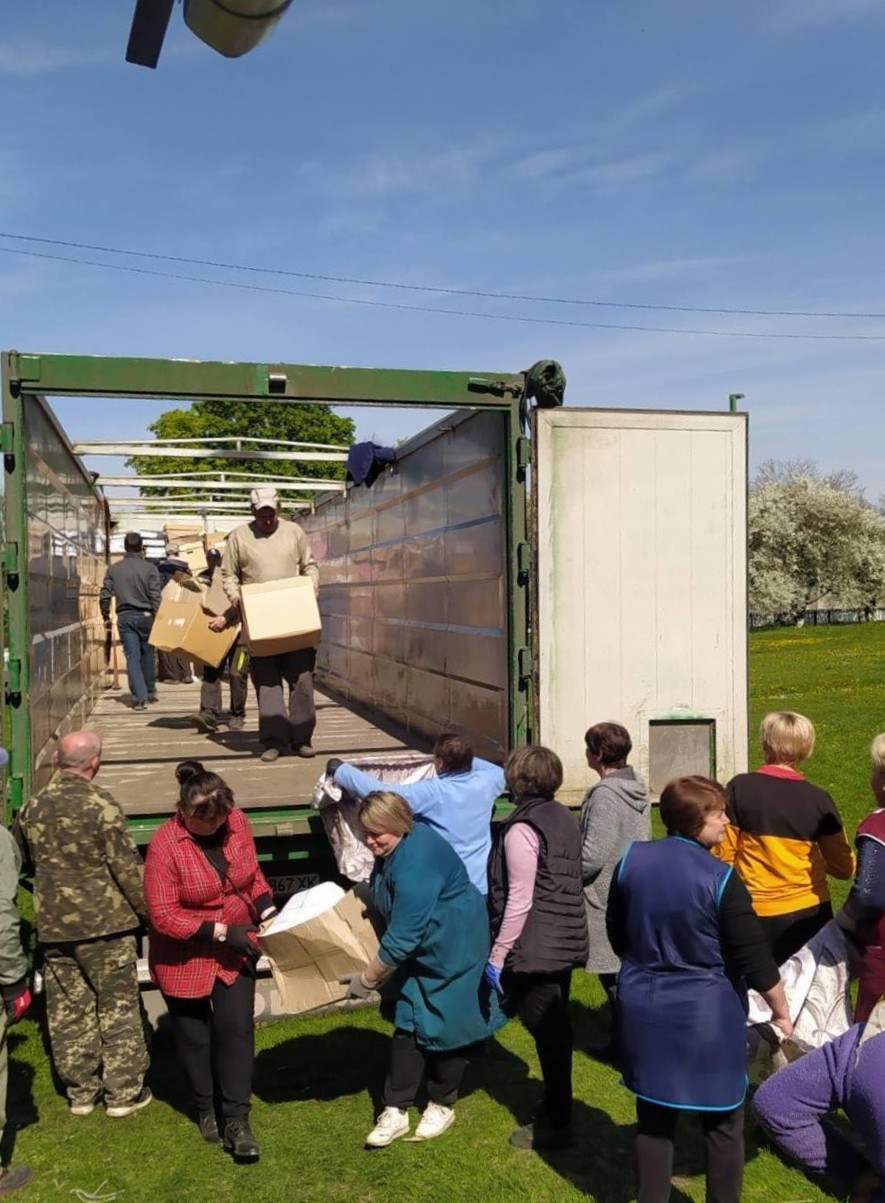
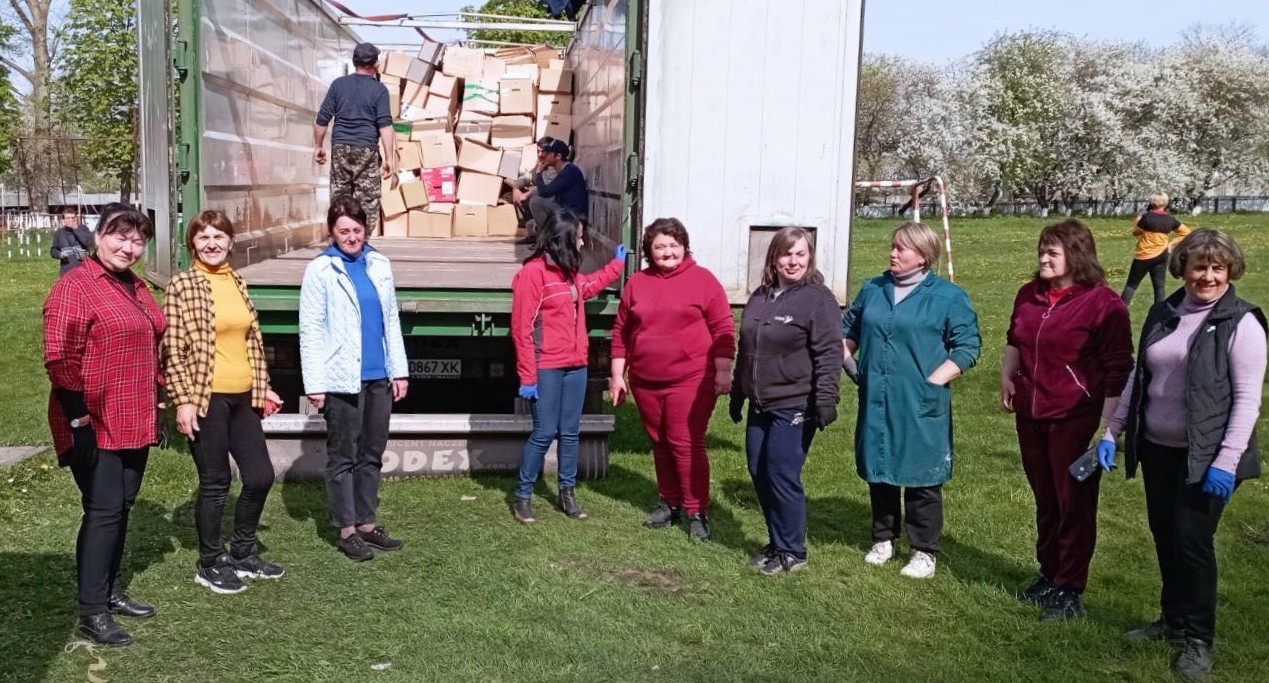
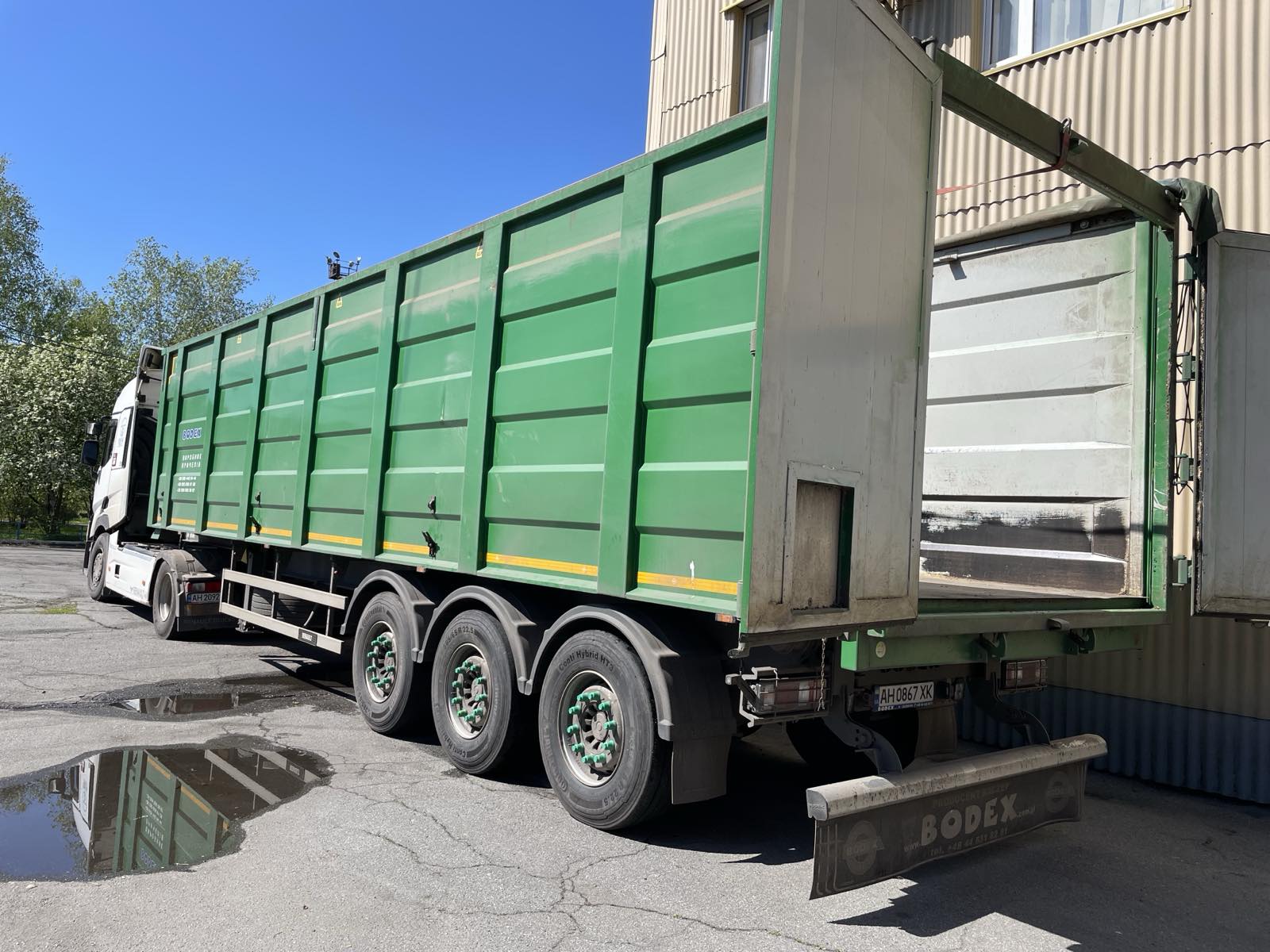
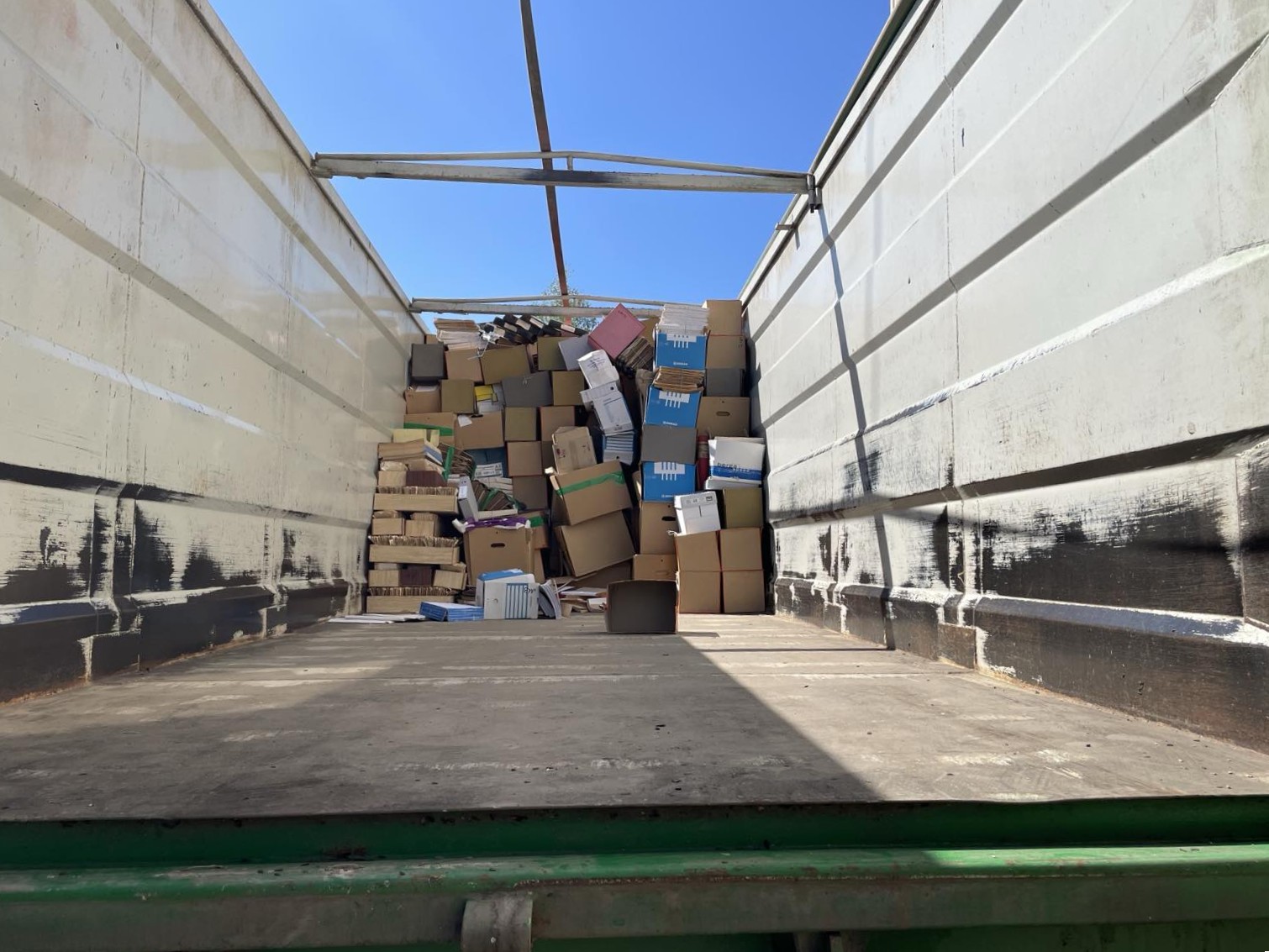
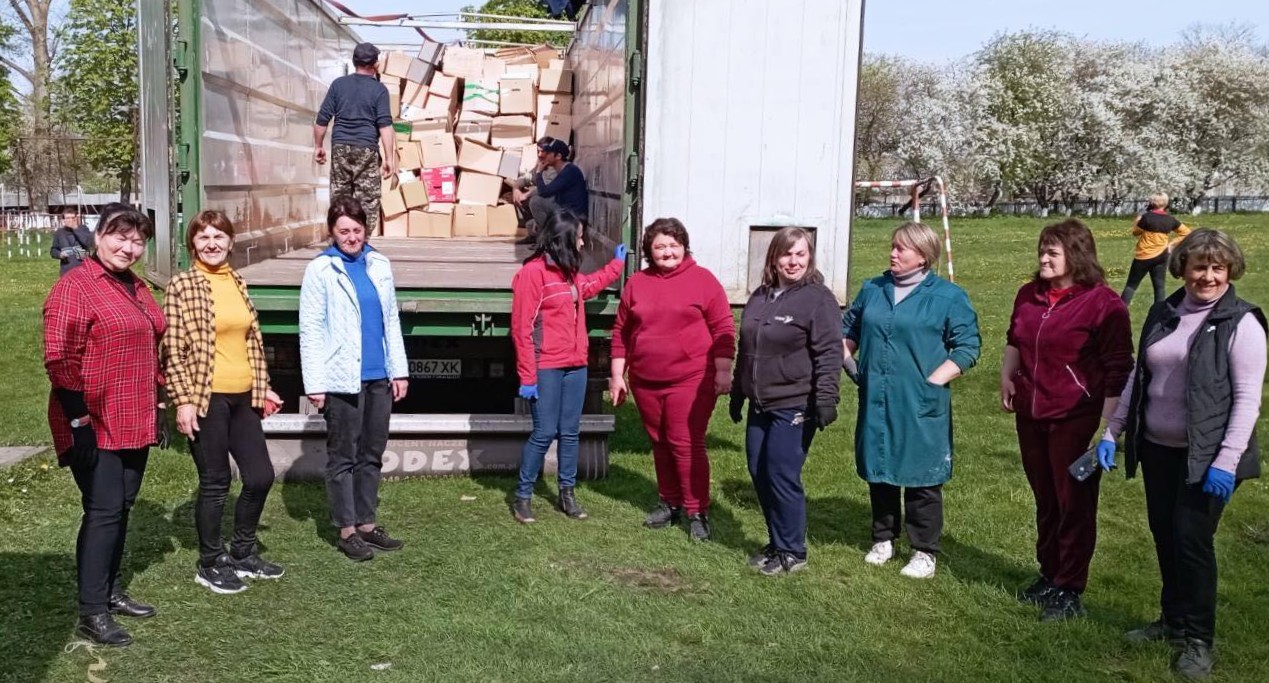
Thus, the archive began to prepare for evacuation. For the second time, since initially the archive had been taken to Dnipropetrovsk Oblast, but no suitable premises was found there. A particular challenge was finding transport, because the archive is large and transporting a huge amount of documents is not easy. As Maryna Ivanushkina recalls, a local agricultural enterprise provided a truck for transportation. The archive was loaded manually, removing window frames, stretch-wrapping up boxes and placing them onto pallets — all in order to fit them into the body of the grain truck.
“Yuliia Mykolaivna [Myronenko] said, "I won’t go back by train. I’m going with the grain truck; I’ve already agreed with them. I’ll accompany the archive.” So Yuliia Mykolaivna, in her beautiful dress, left with the entire cargo. It was both funny and terribly touching at the same time.”
When the truck arrived, the village already knew about it, and the arrival of the archive turned into a real event. Residents, especially employees of the local Department of Education, Youth and Sports, gathered to meet the truck and help with moving the archive to the school.
For about a year, the team manually sorted through the documents, some on site and some transferred to new racks once they became available. At first, everything was simply stored on pieces of cardboard.
“We laid out the files, organised them, then assembled the shelves. Some were purchased with budget funds, and some we received from international partners. Everything is now fully catalogued, 100%, although some of it is still on pallets. But everything is accounted for and easily accessible.”
Today, the archive is back up and running again. Yuliia Myronenko says that nothing has fundamentally changed in their work except for the address:
“We keep issuing certificates and extracts. Both individuals and legal entities contact us to verify their employment history for pension accrual, certificates of land ownership and renaming of city streets.”
It’s not about pieces of paper. It’s about people
In conversation with Viktoriia Trotsenko, the Head of the Regional Office of U-LEAD with Europe in Donetsk Oblast, you can really feel her pride in the municipalities that have managed to preserve not only their documents, but also their resilience, accountability and humanity in inhumane circumstances. Bakhmut is one of these municipalities.
“Bakhmut municipality is an example of resilience and foresight. They thought about the archive even when the future was completely uncertain,” says Viktoriia. “And instead of simply taking out the papers, they resumed work so that people could continue to receive certificates and extracts, so that history could be preserved.”
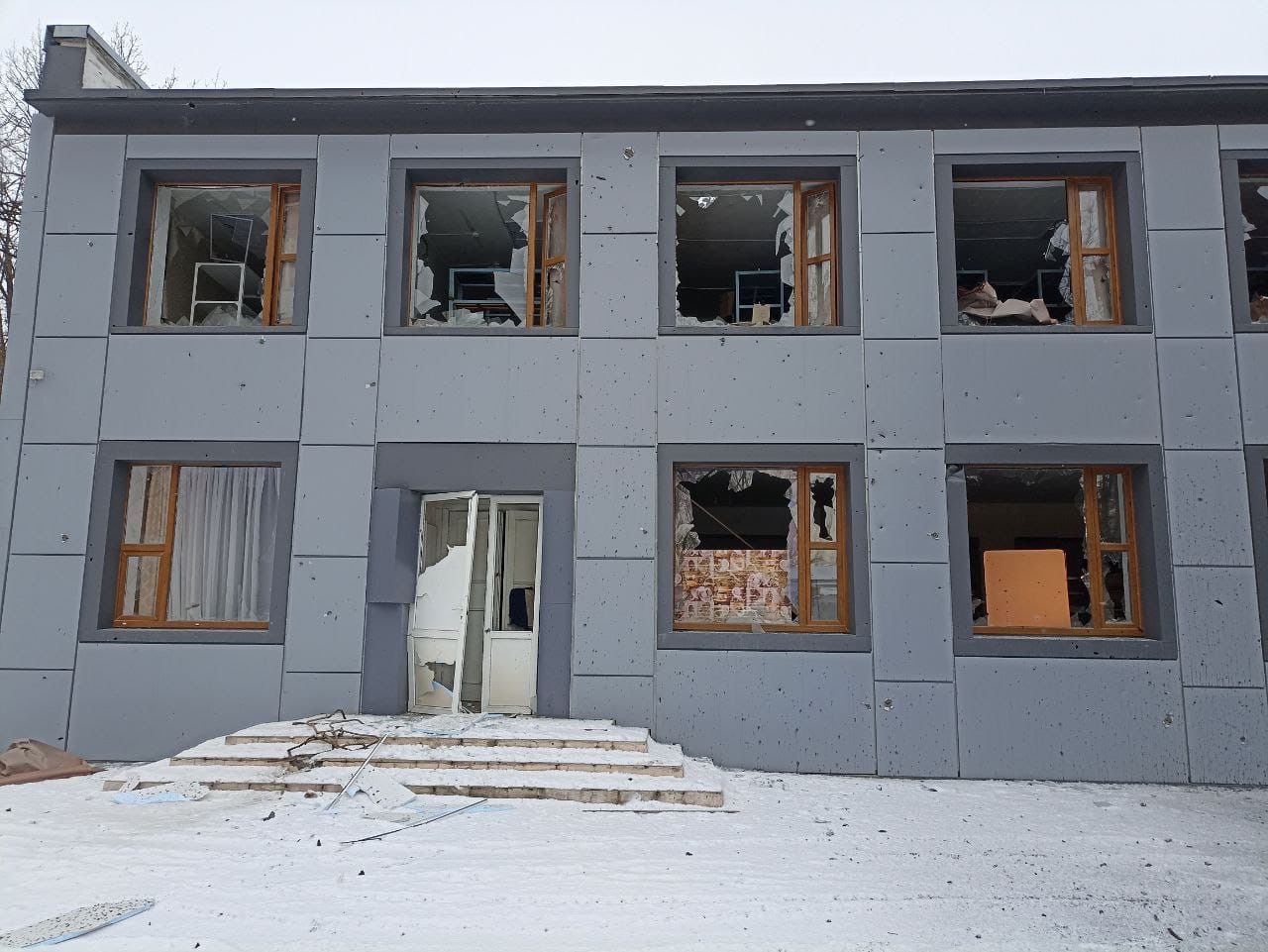
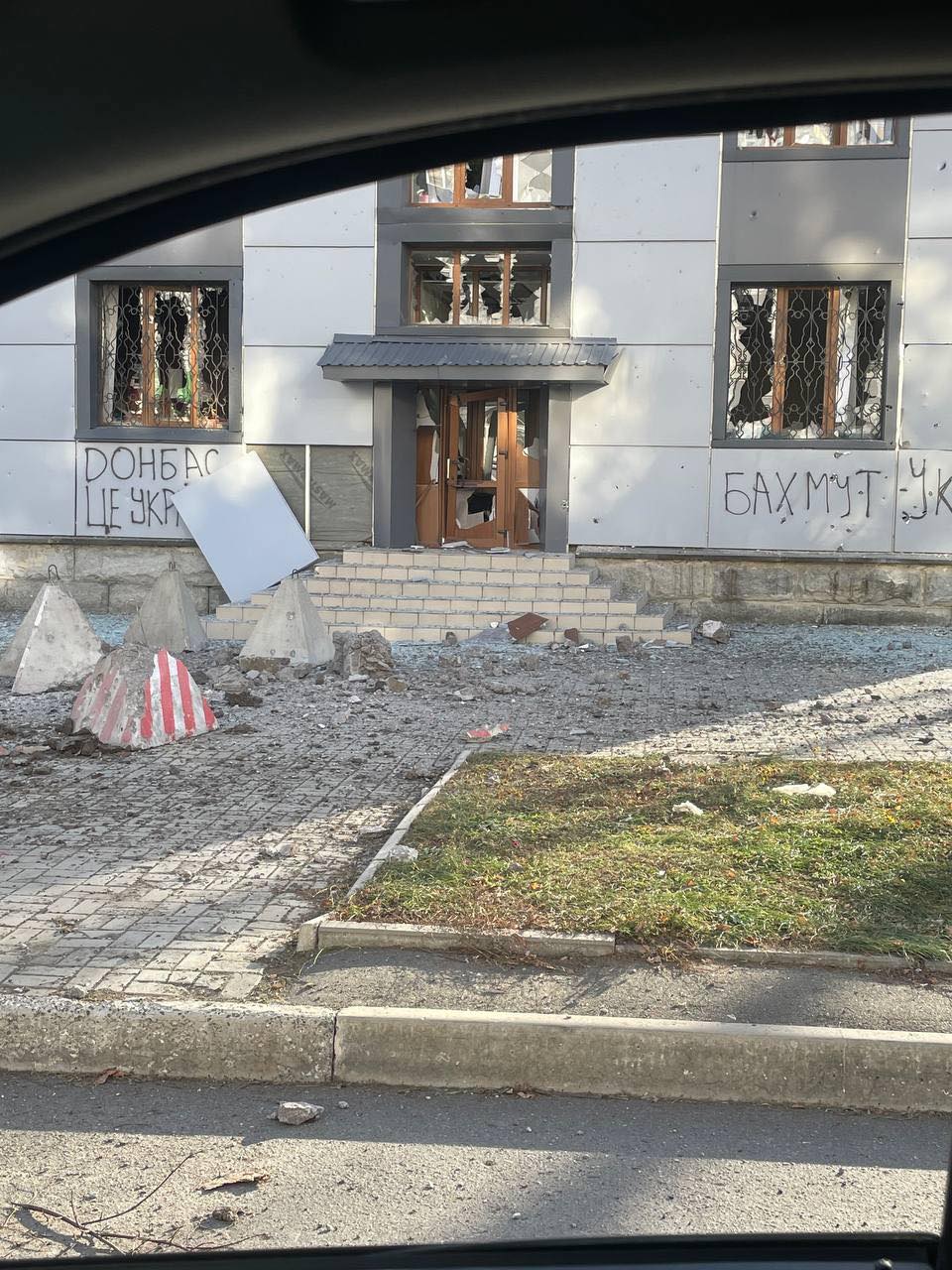
Not all municipalities had this opportunity. Some lost their archives forever under shelling or occupation. Others were left with only fragments that could be saved. The story of Bakhmut municipality is not just a technical case. This shows that even amidst chaos, you can still act responsibly.
“The documents contain personal data, life histories. If we lose this, we lose more than just information; we lose part of our identity,” says Viktoriia. “Every municipality needs to understand this, especially those near the frontline today.”
Ukraine currently lacks a centralised model that would provide for pre-determined secure storage locations, logistics or digitisation hubs. This places the responsibility on municipalities to make decisions independently, quickly and with no clear instructions.
According to Viktoriia Trotsenko, during meetings with the municipalities of Donetsk Oblast, U-LEAD experts often discuss archival matters in addition to the administrative work in wartime:
“We analyse specific cases, offer advice on how to act in a crisis. And we always stress that a clear emergency plan is a must. Hopefully, you’ll never need this plan. But if you do, it will make saving the archive much easier. The municipality of Bakhmut has shown that it is possible,” she summarises. “It has also shown that even in the hardest times, you can keep what matters most — public trust and your connection to the past.