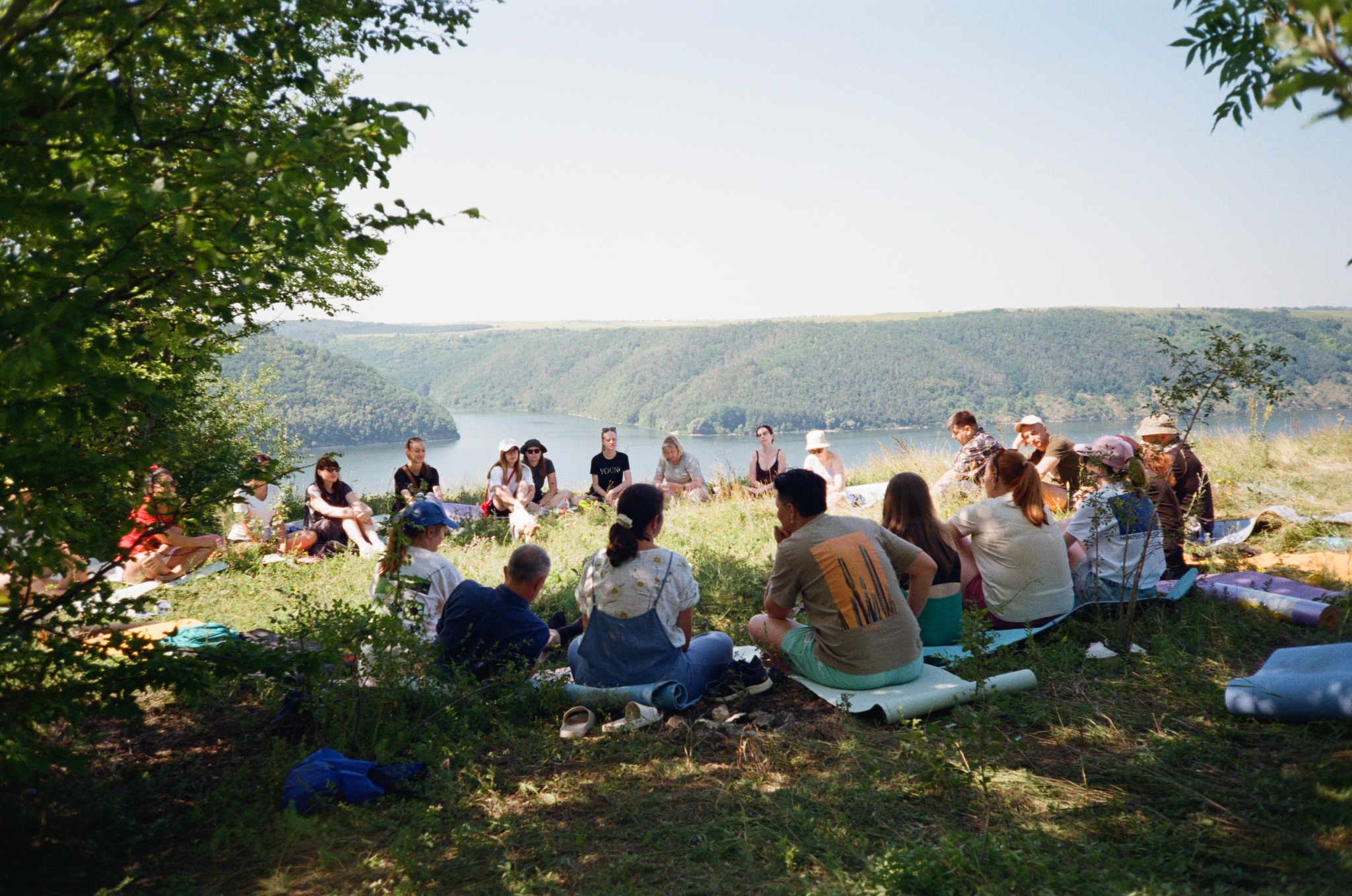



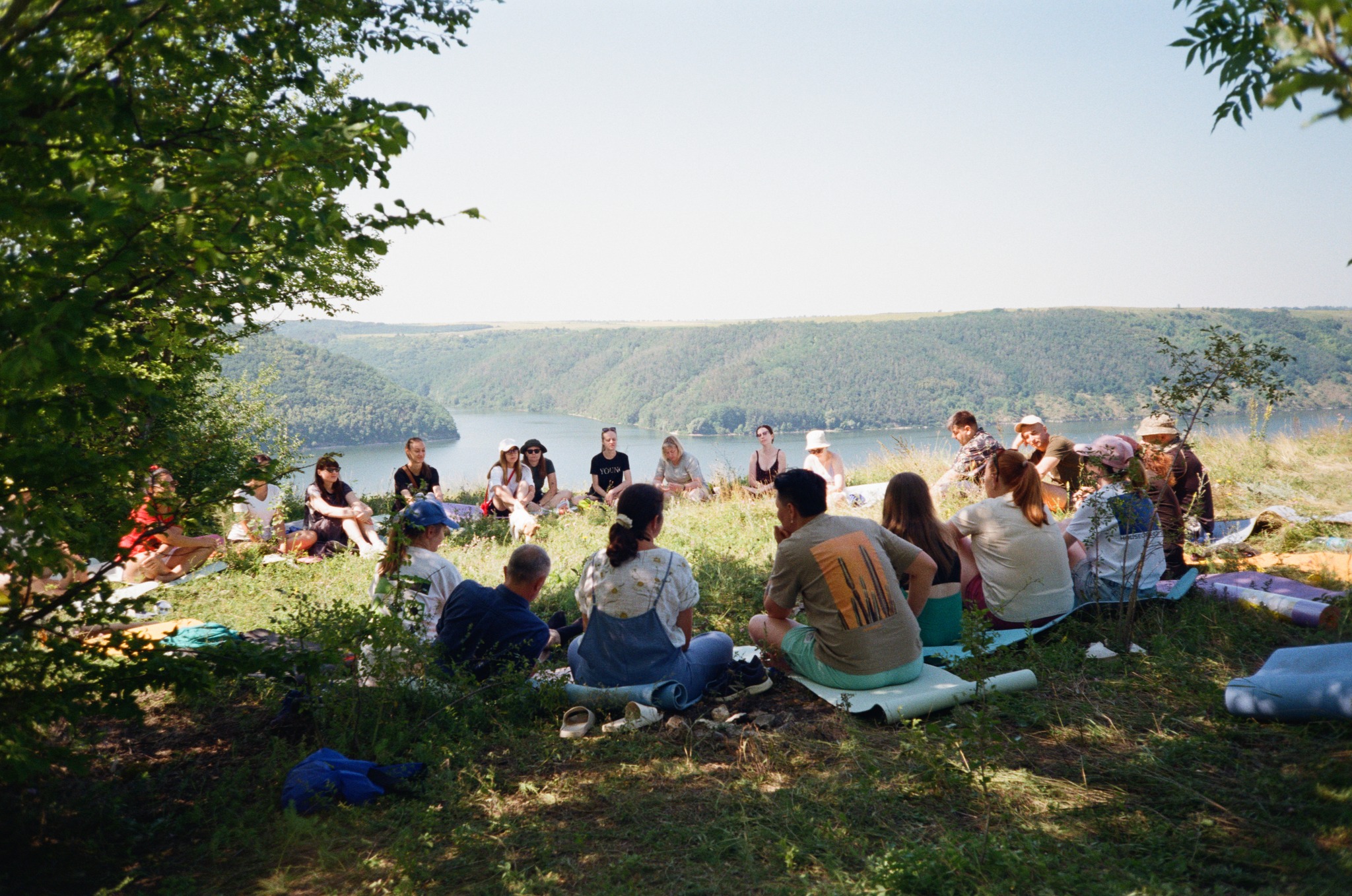
The focus of the discussion was culture, not as a one-off event, but as a long-term resource for development. Participants talked about how cultural initiatives can bring people together, support young people and vulnerable groups, boost tourism and local businesses, and build a unique municipal brand.
“Today, cultural projects are a powerful tool for municipal development. They help attract residents, foster conditions that encourage young people to stay and develop locally, open up opportunities for local businesses and tourism, and raise the profile of municipalities,” said Yuliia Mazur, the Head of the Regional Office of U-LEAD with Europe in Khmelnytskyi Oblast.
During the session, participants explored how to initiate a cultural project and how to translate an idea into sustainable initiatives that contribute to municipal development. Of particular note was the partnership between activists and local authorities, as well as the role of identity, shared values, traditions and heritage.
Recognising the uniqueness of a municipality — its stories, symbols, people and places — sets the stage for cultural projects and brand building. This approach helps municipalities bring people together and attract visitors, investors and partners. At the same time, culture responds to modern society’s demands: it creates spaces for interaction and encourages residents to participate in co-creating events.
A separate emphasis was placed on the economic dimension of culture. Residencies, festivals and creative spaces drive new jobs and entrepreneurial initiatives. Tourist routes, fairs and art events bring new visitors to municipalities, and with them comes demand for services, local products and hospitality.
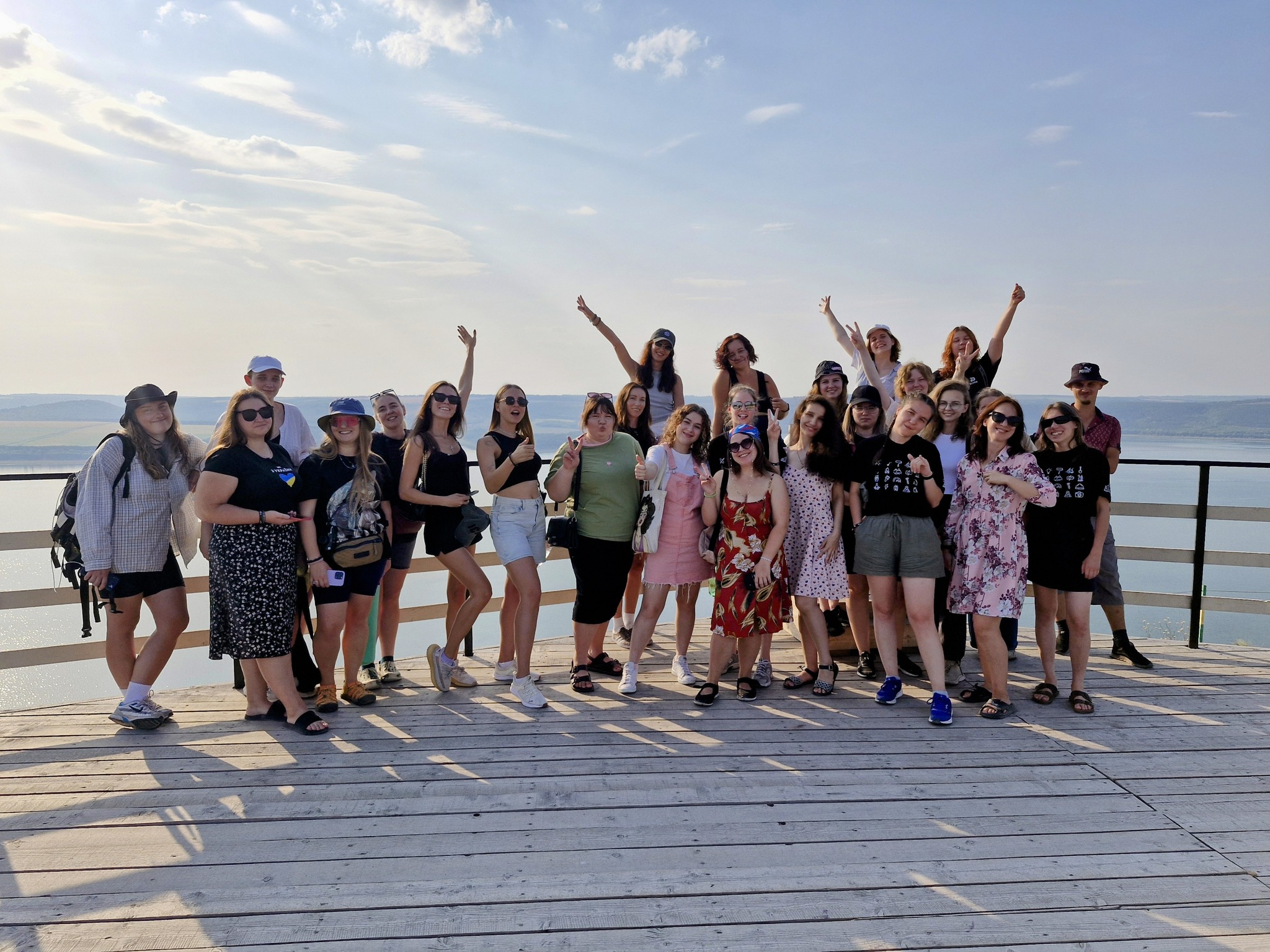
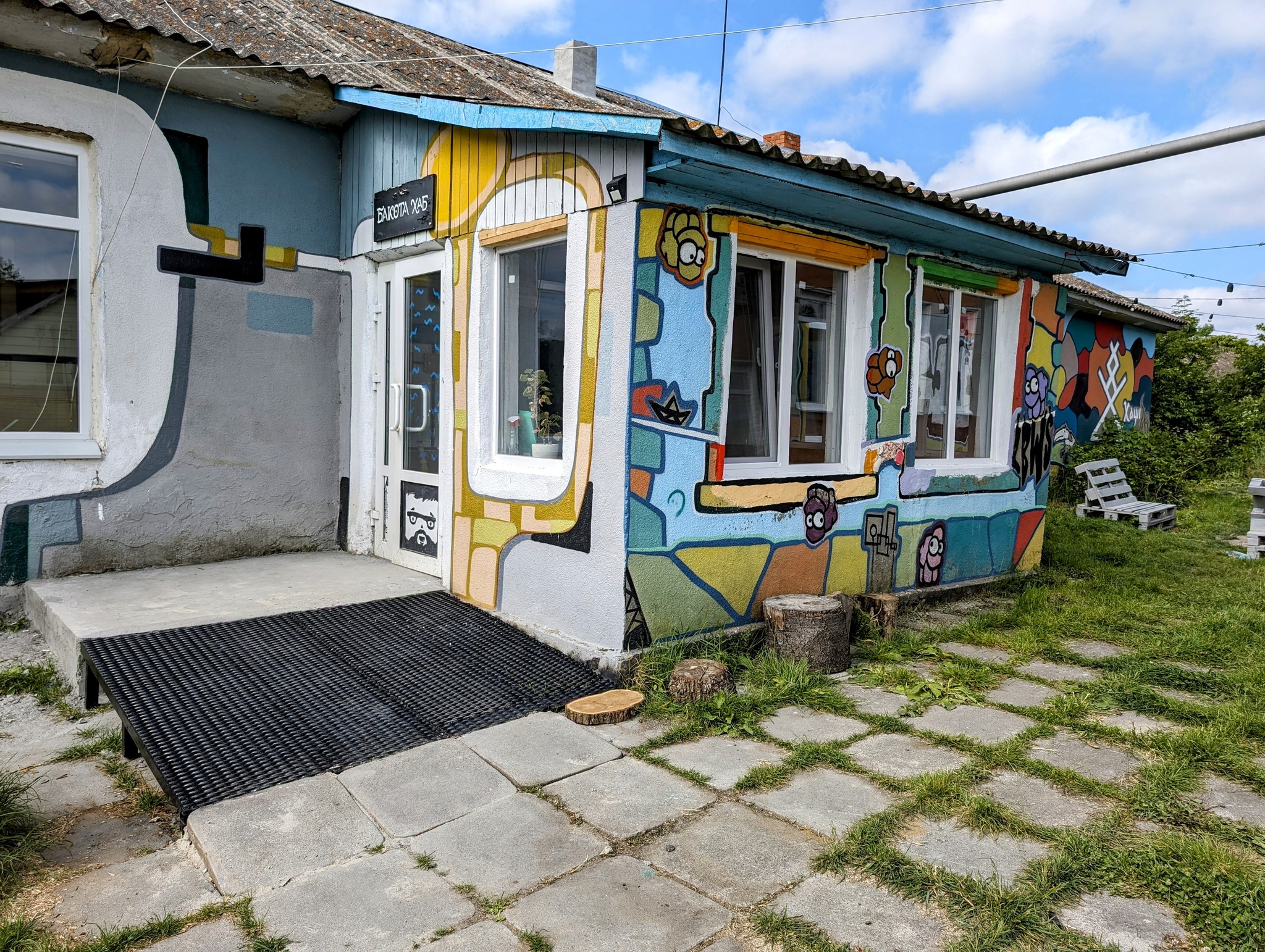
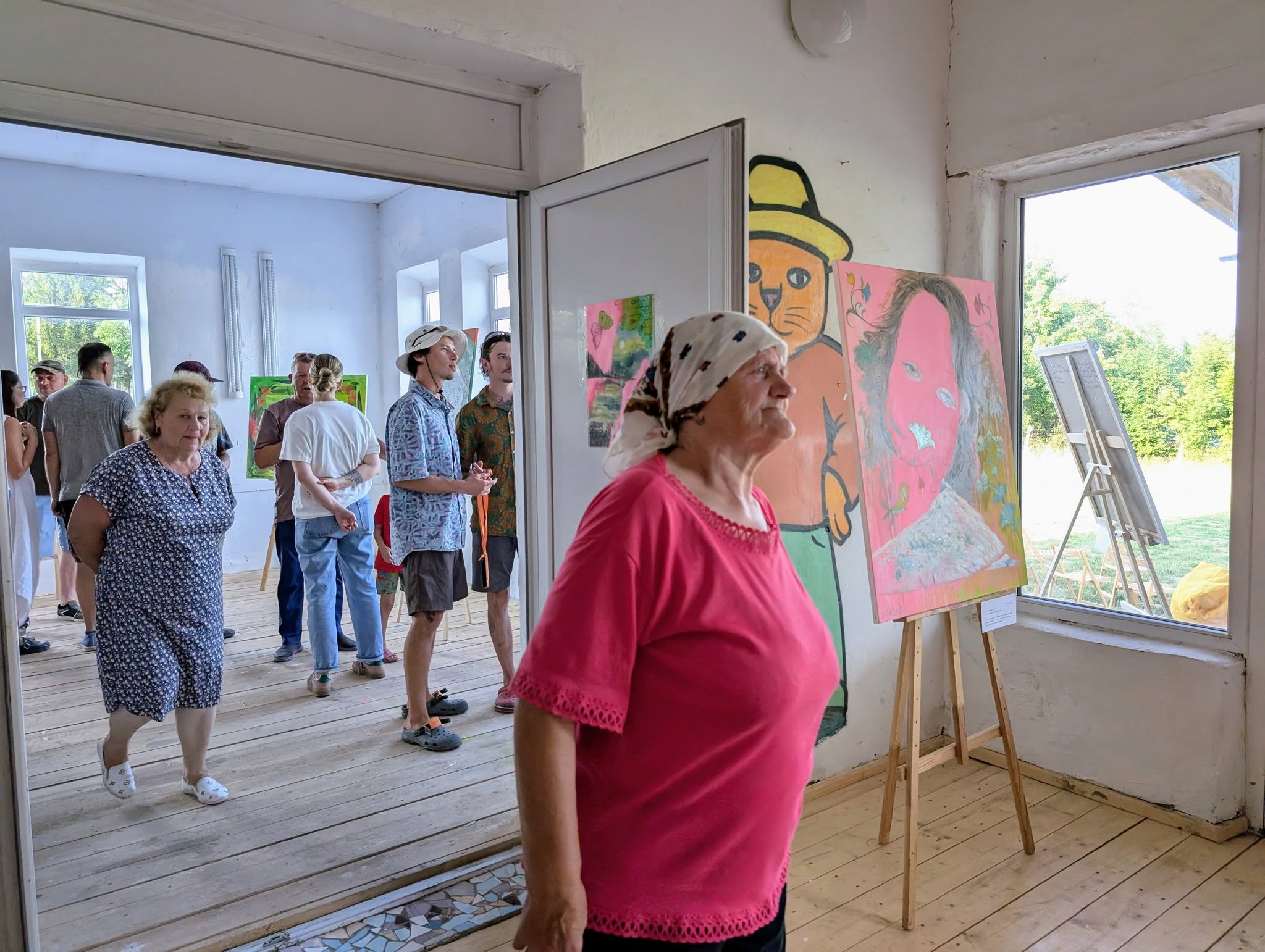
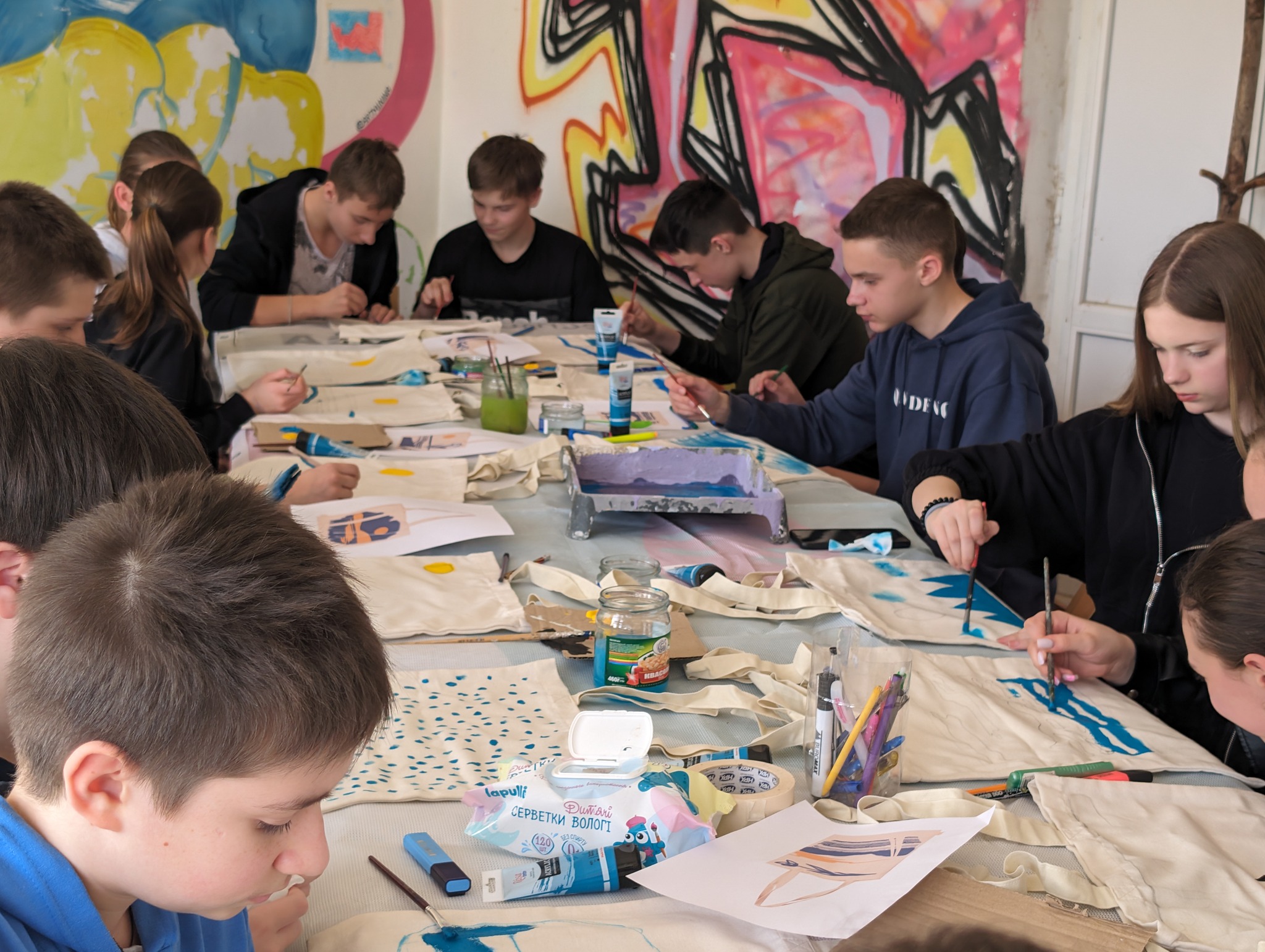
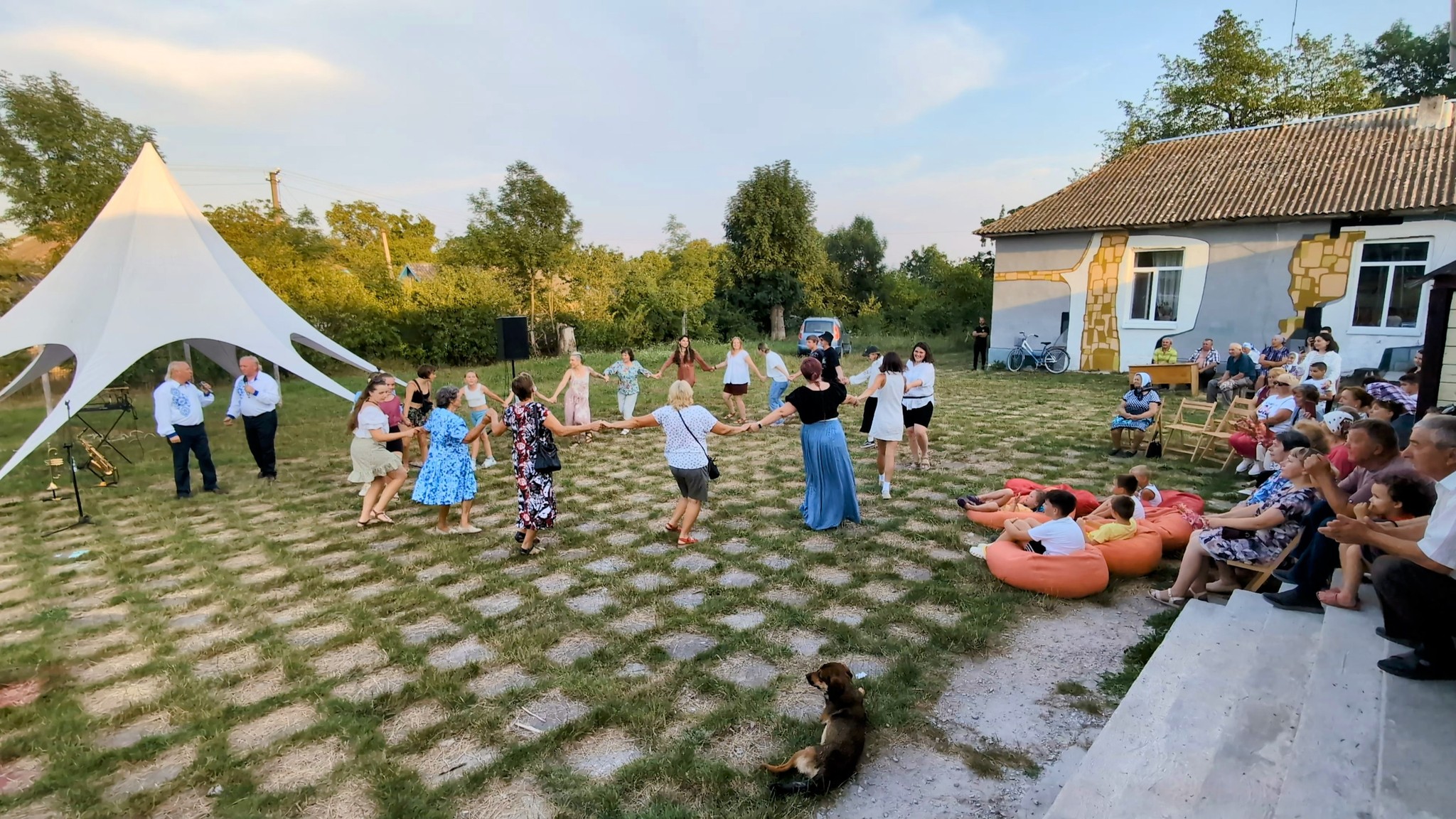
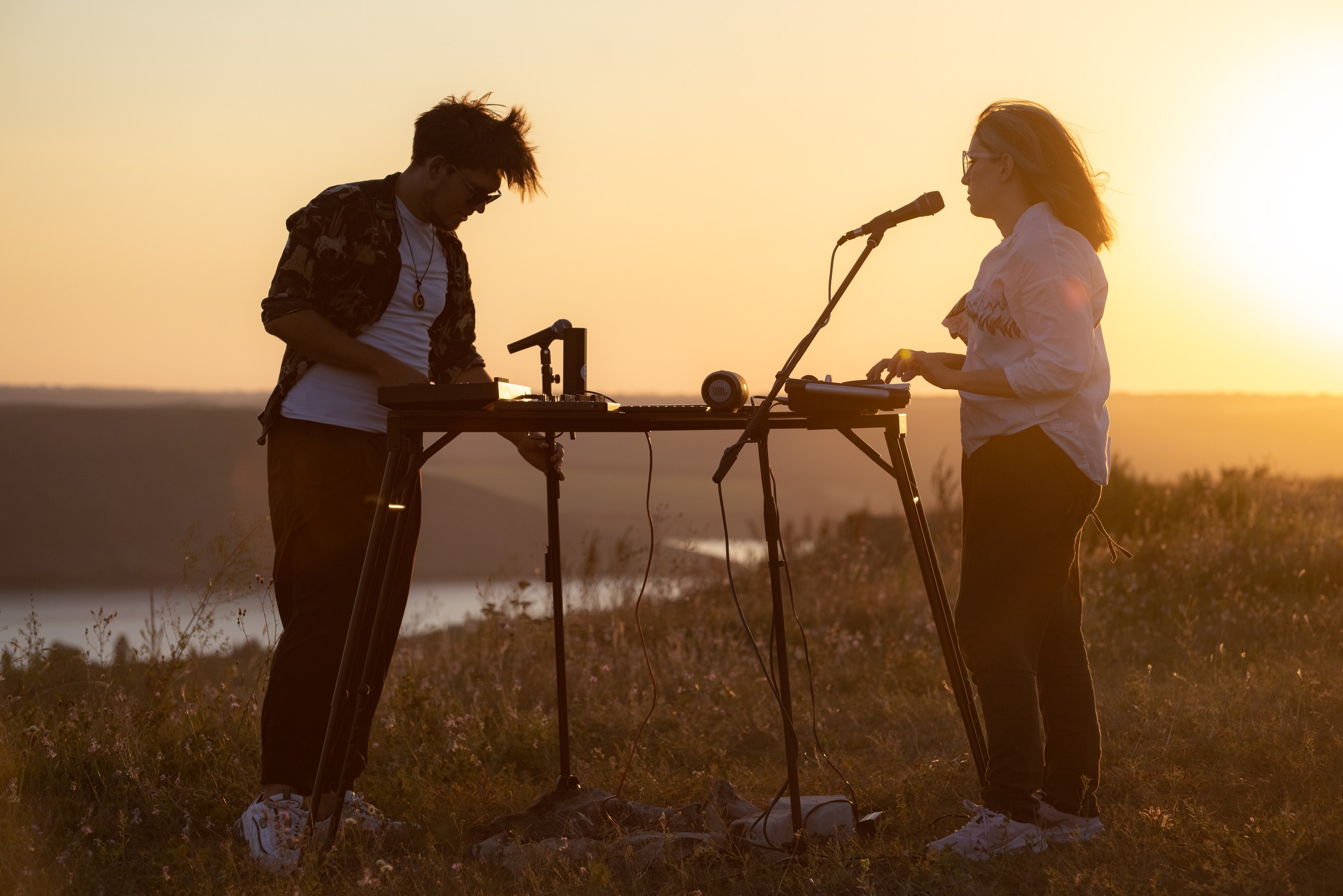
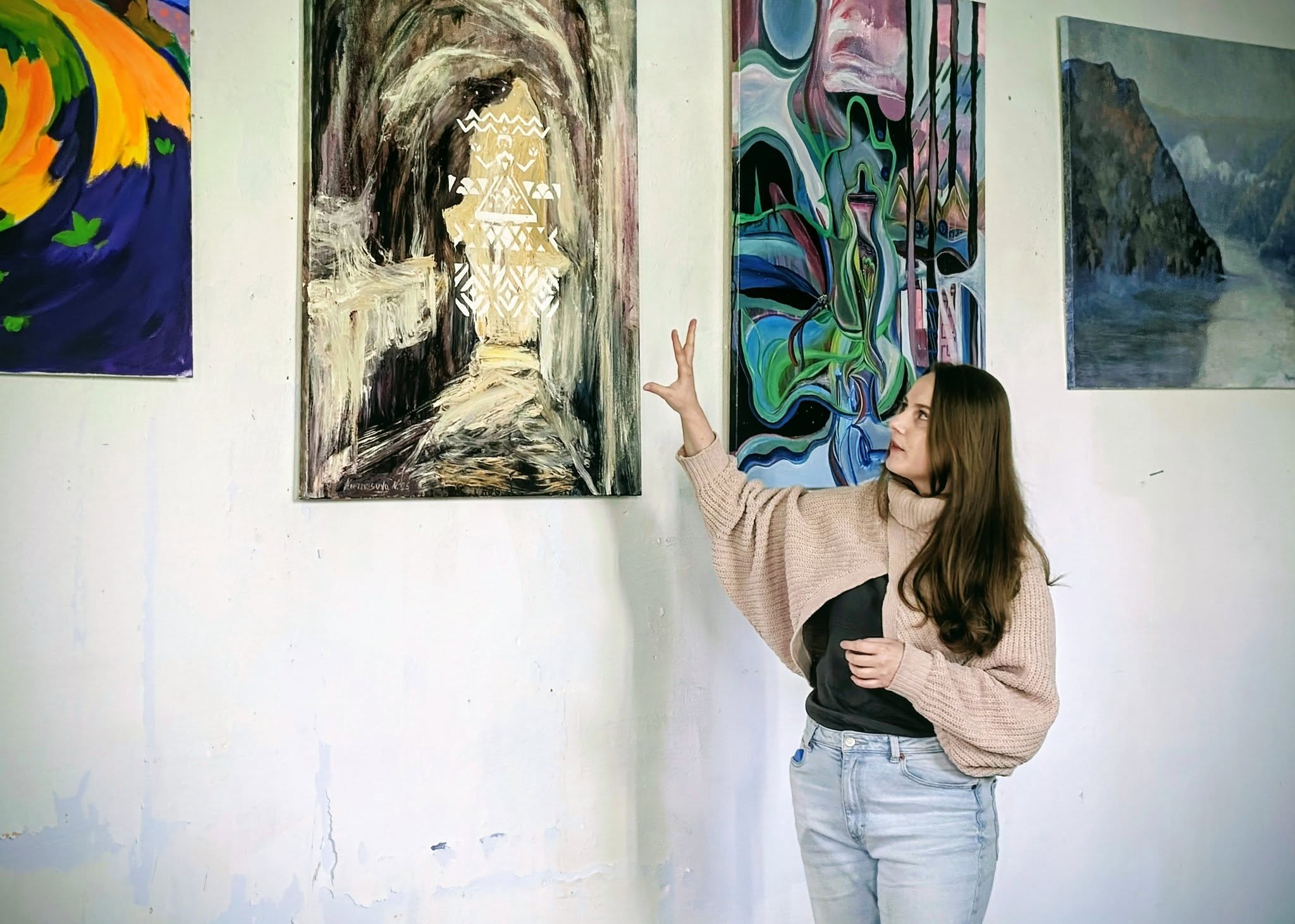
A practical example of this approach can be found in the activities of Terytoria as well as Bakota Hub, a cultural and educational space created in 2021 in a disused school in the village of Horaivka, in Stara Ushytsia municipality. Today, Bakota Hub is a venue for artist residencies, exhibitions, concerts, lectures, workshops, classes and youth initiatives.
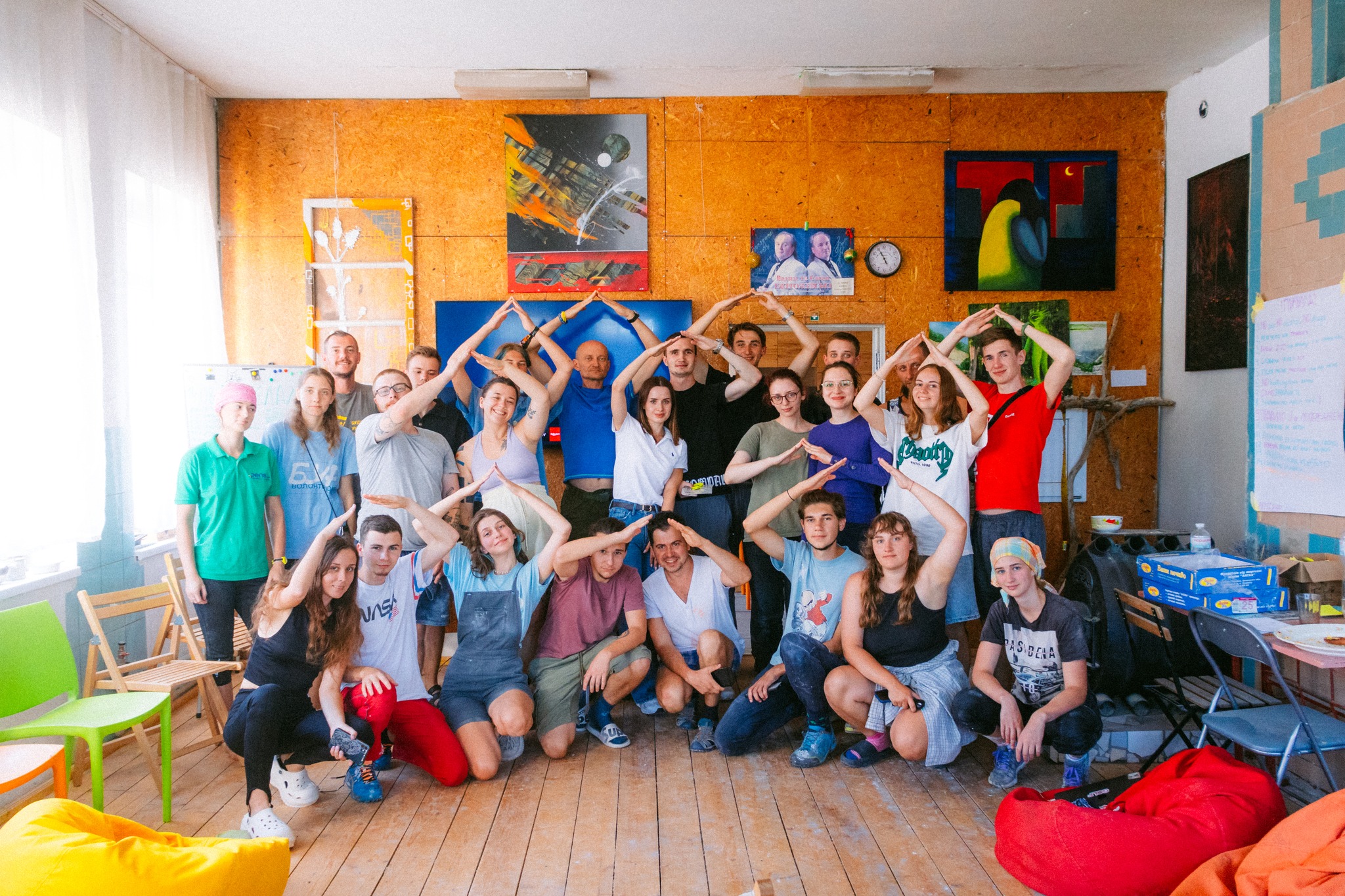
With the outbreak of full-scale war, this space also became a haven for IDPs and, later, a platform for their integration and work with veterans and their families. Bakota Hub team consistently involves local residents in its activities. They become contractors in cultural projects, register as individual entrepreneurs, pay taxes and, therefore, strengthen the economic development of the municipality. Over the past three years, Terytoria has implemented more than 20 projects in the municipality. In particular, with the support of U-LEAD in 2024, the NGO held a number of patriotic camps for youth and rehabilitation camps for veterans. As part of this initiative, Bakota Hub received the necessary equipment and infrastructure for these activities, strengthening the capacity of the NGO.
Cultural initiatives also help promote the municipality well beyond the oblast. One of its activities is to cooperate with public figures who act as ambassadors for the region, raising awareness of the municipality and promoting its positive image. The experience of Bakota Hub shows how culture drives these processes in real life.
“One of our projects helped spread the word about Bakota not only in Ukraine, but also internationally. Artists from abroad came to visit us, worked with the local community, and collected stories about the region for a book that will be presented at European book festivals and fairs,” said Alina Oliinyk, a Project Manager at Terytoria and Co-Founder of Bakota Hub.
The case of Bakota Hub illustrates that culture is effective when it is created with and for people. Projects like these help municipalities find their voice, strengthen internal ties and transform culture into a powerful tool for sustainable development and visibility.