




The history of this municipality is a remarkable example of how, in the extremely trying circumstances of full-scale war, local authorities are not merely seeking solutions for themselves but developing a tool that has become a point of contact for municipalities from different regions.
What began as a local solution eventually scaled up to a network of trust and interaction between municipalities from across Ukraine. This is how intermunicipal cooperation came into being — a model where municipalities voluntarily pool their efforts, resources and best practices to address common challenges. In this case, the goal is to provide food to those who need it most. This vision has been embodied in the Food Security logistics centre, which has brought together not only resources, but also trust, a common goal and plans for the future of several municipalities from different oblasts of Ukraine since 2023.
How it all started: the need that became a catalyst
At the outset of the full-scale invasion, the municipality of Pokrovske faced a number of extremely difficult challenges. How to deliver food to remote localities where supply chains were disrupted? How to help local producers who cannot sell their products? How to support the most vulnerable groups of people, such as internally displaced persons, the elderly and families with children?
"Recognising the extent to which these issues were critical for our municipality, we decided to take a step towards solving them and applied for the competition. This is how we became one of four pilot municipalities in Ukraine to receive training and expert support in developing a food security programme," said Svitlana Spazheva.
This is how the Food Security Programme of the Pokrovske Municipality for 2022–2023 was born. The idea of creating a modern logistics centre emerged during its development jointly with experts from U-LEAD with Europe and the Agricultural Consulting Service NGO. In addition to the expert support, the Programme provided financial assistance.
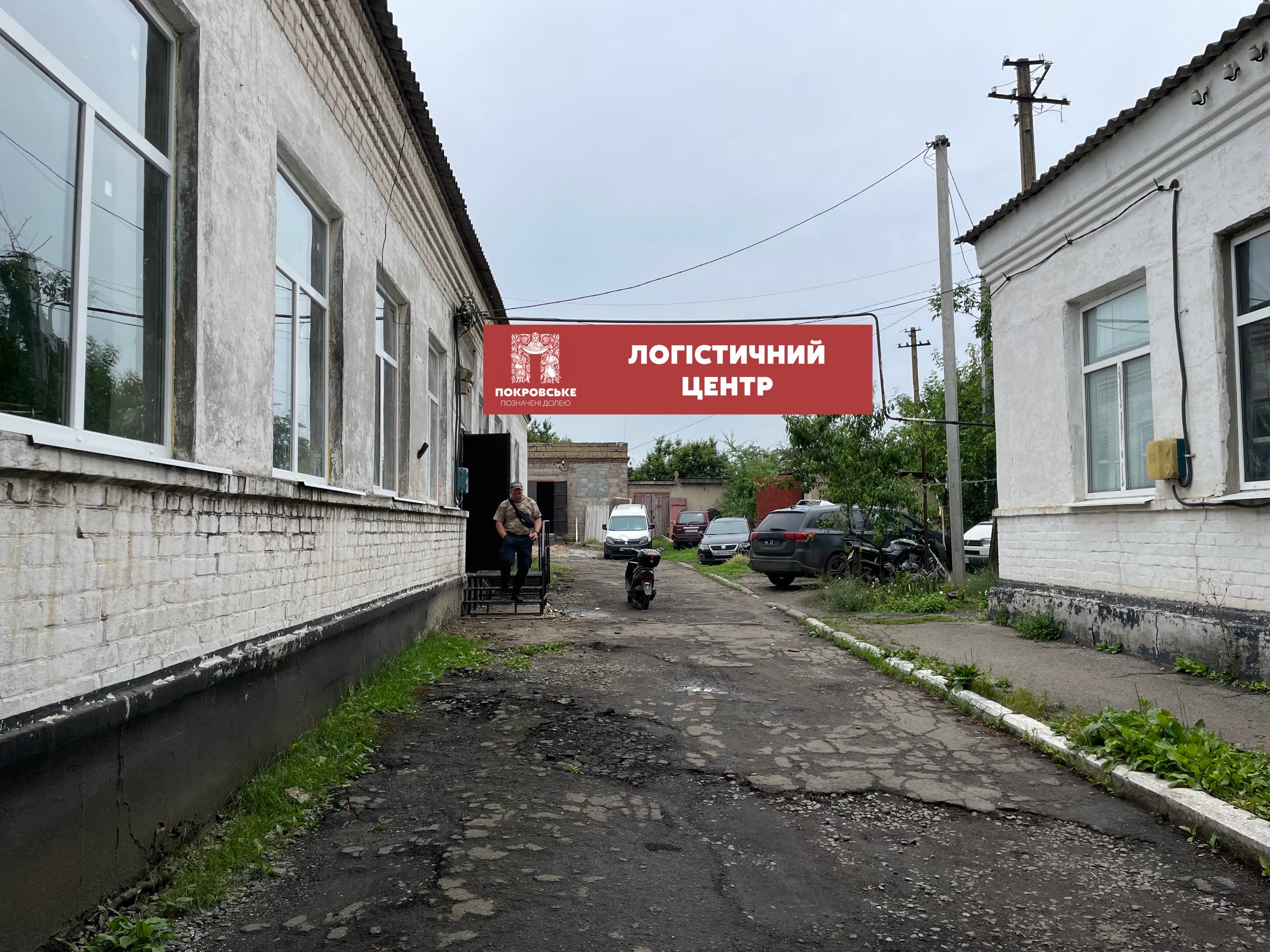
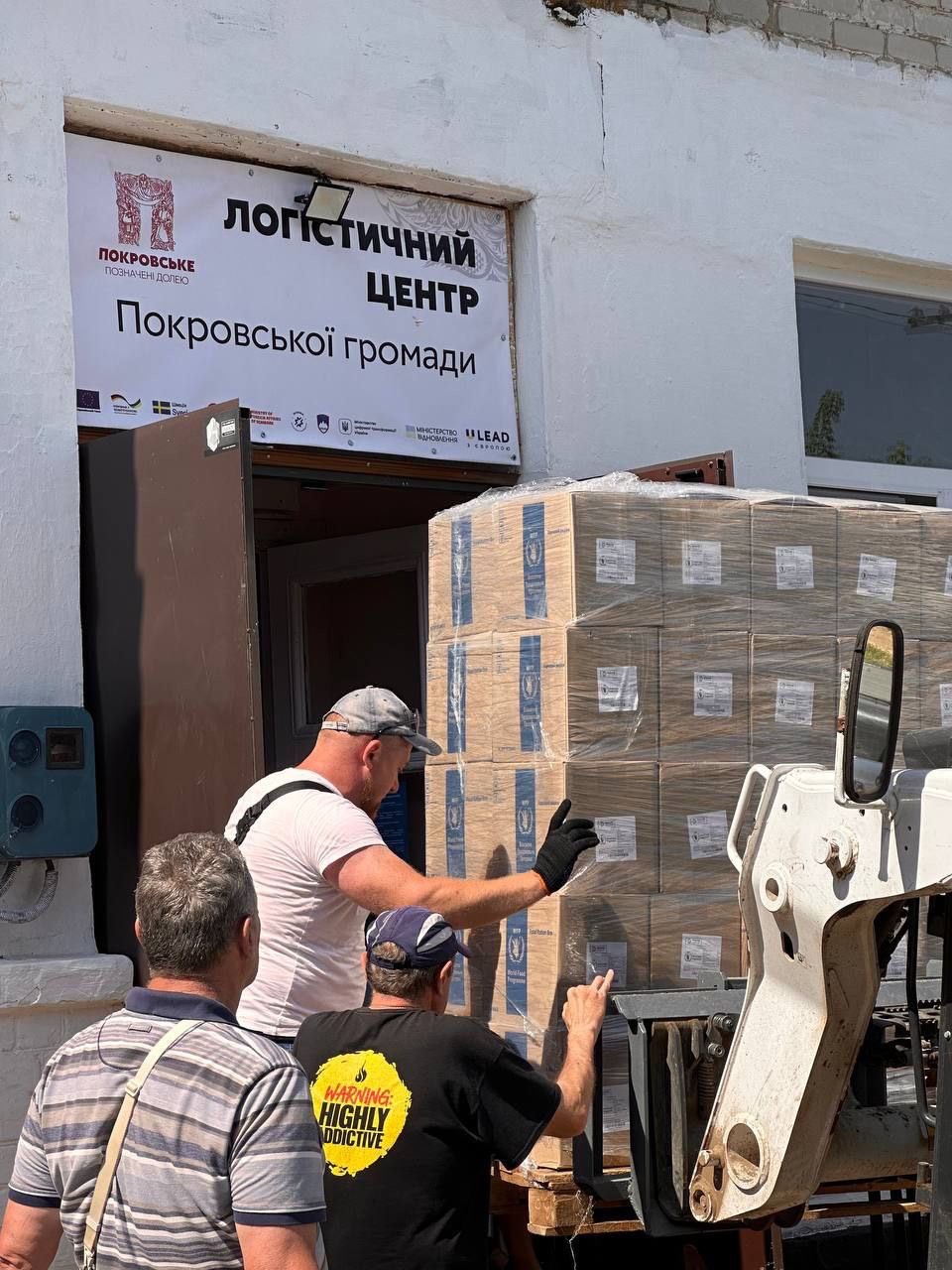
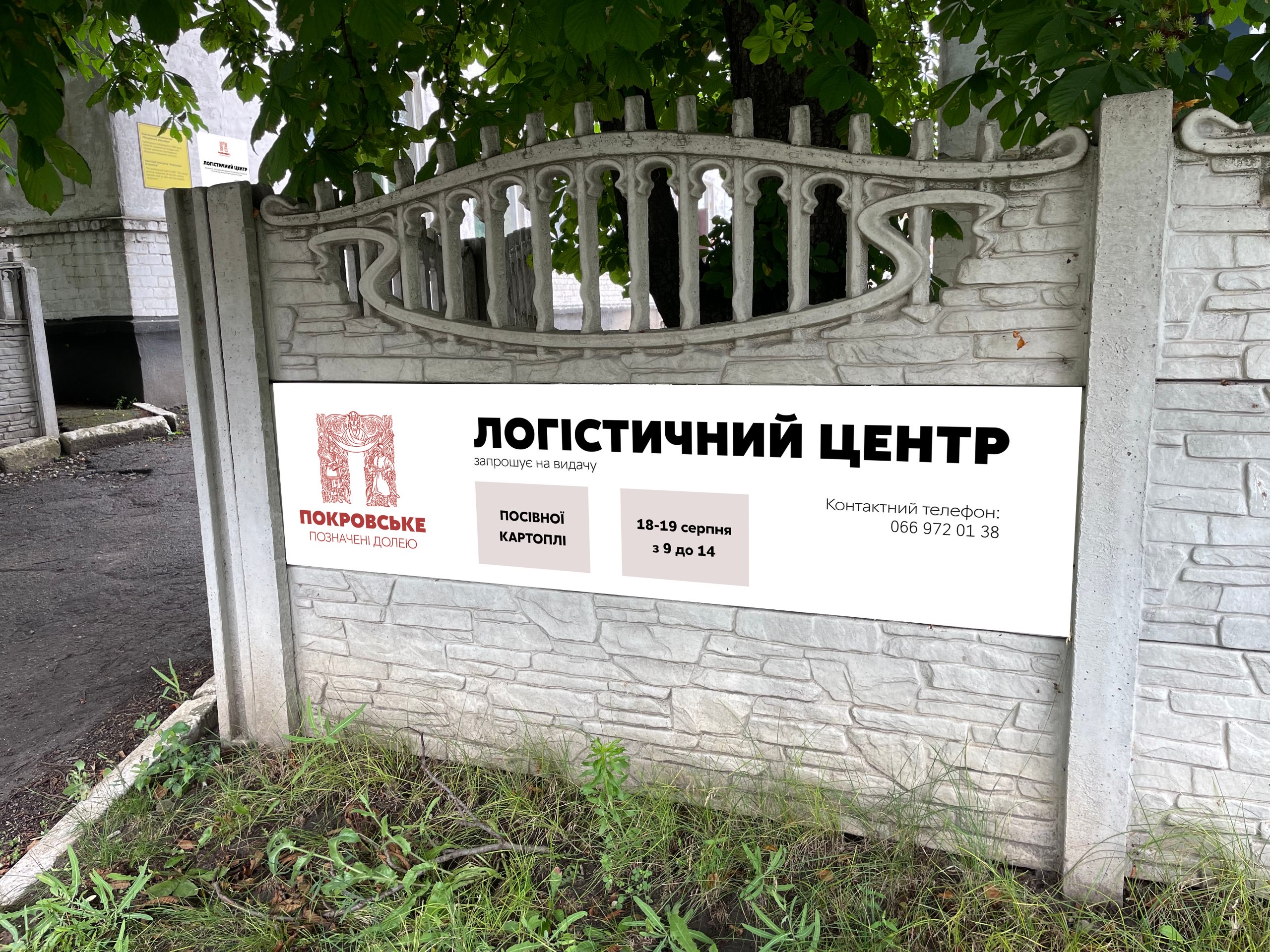
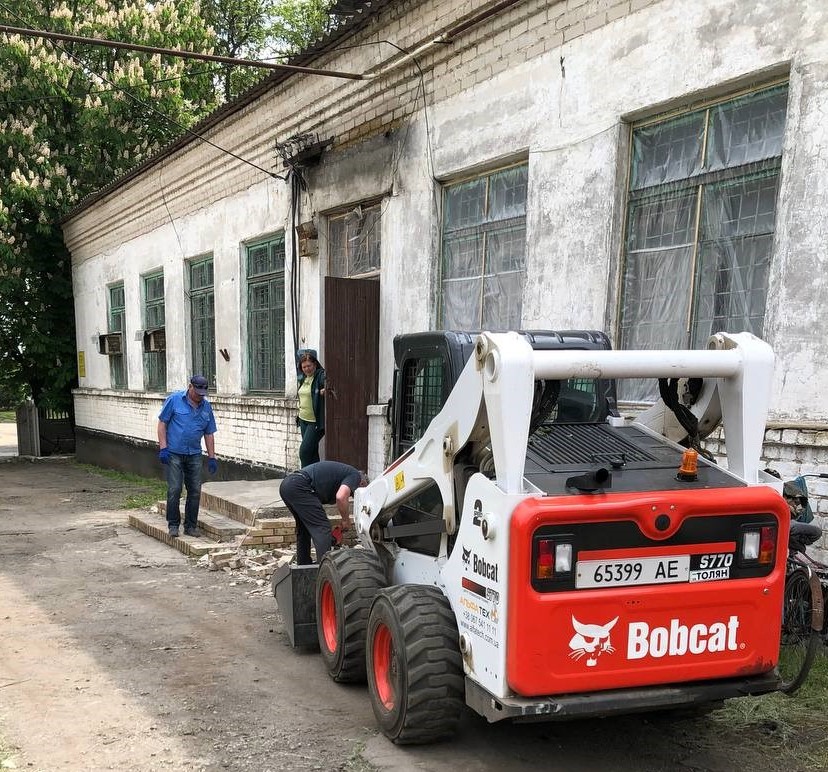
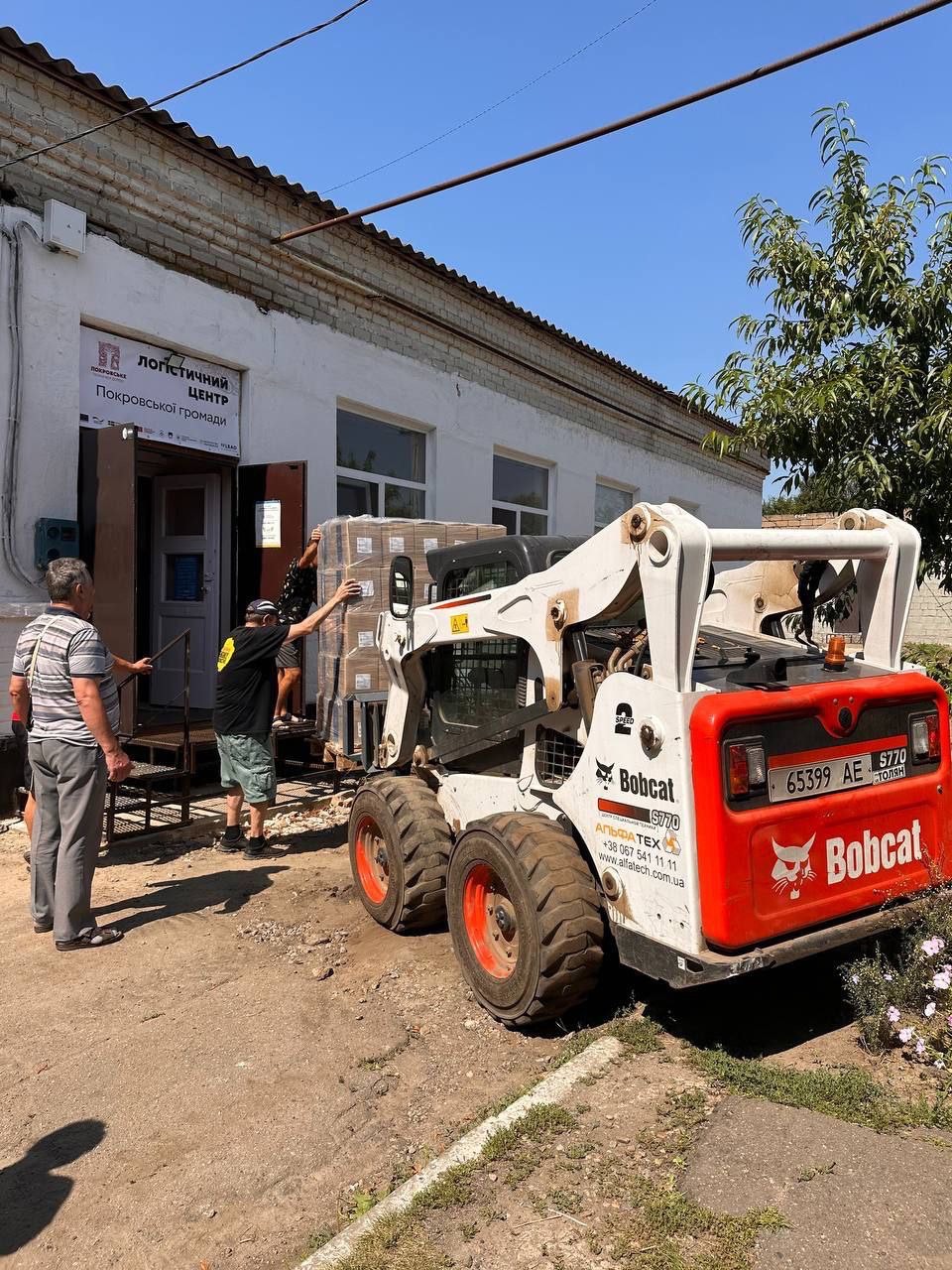
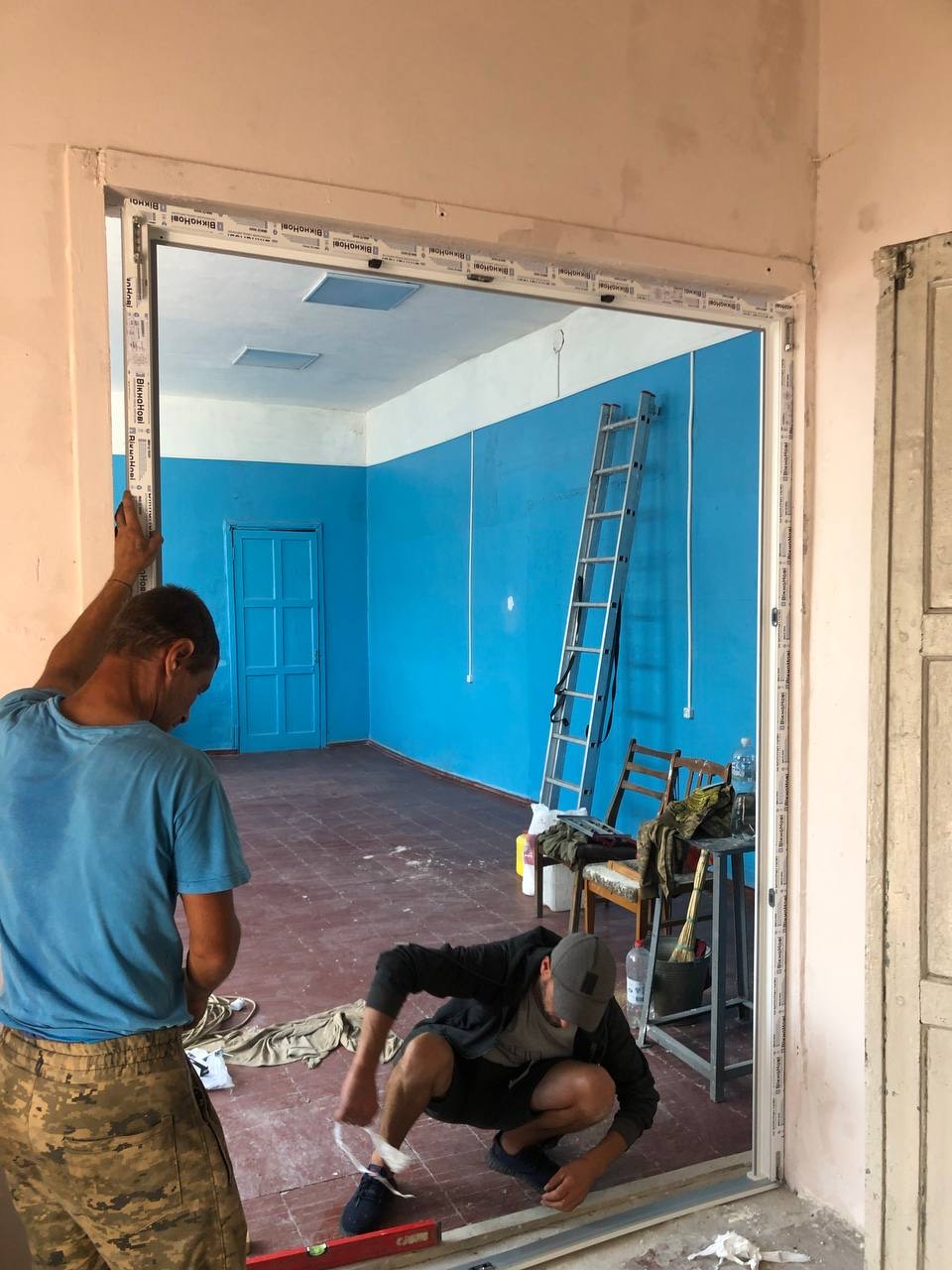
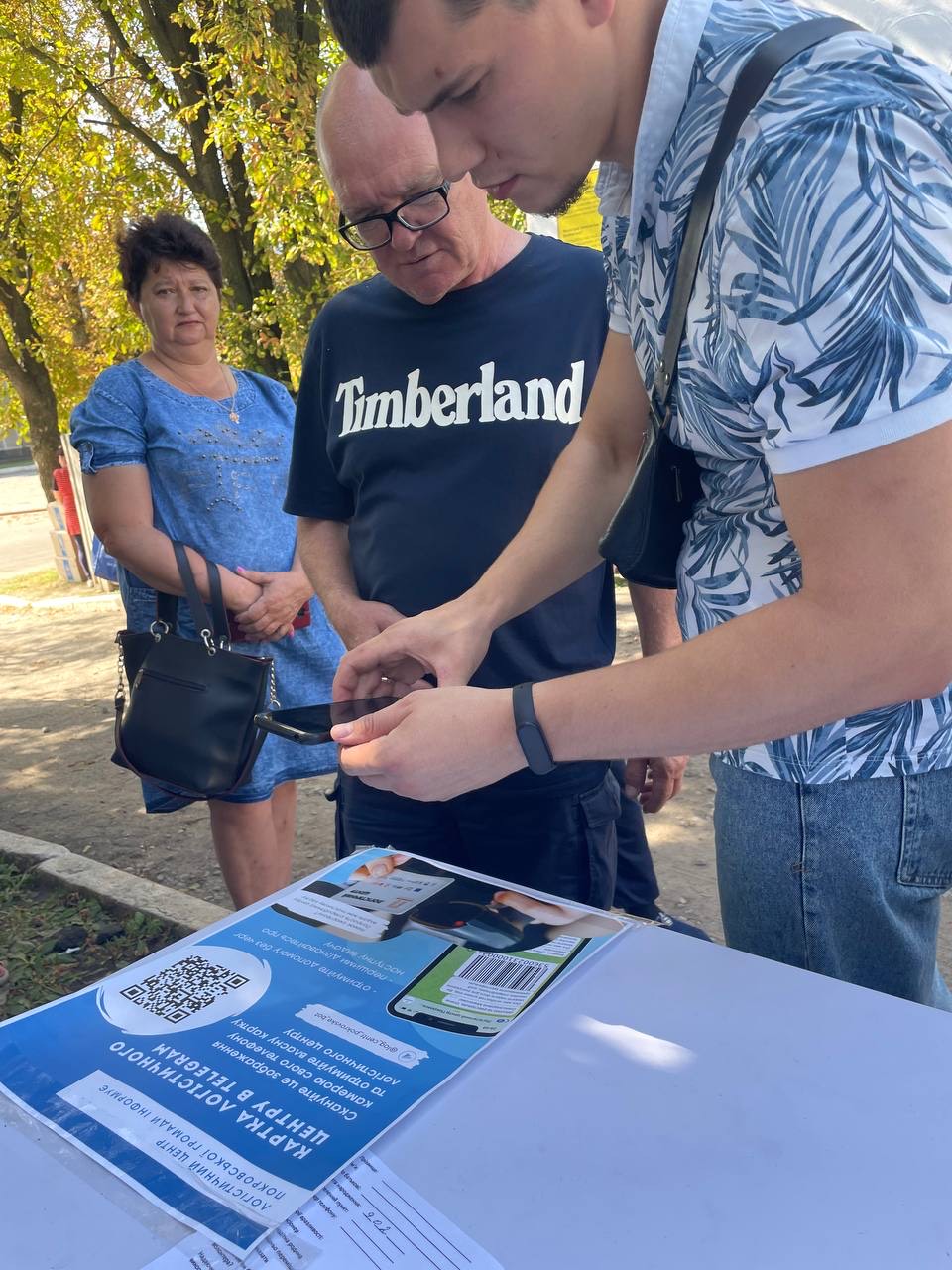
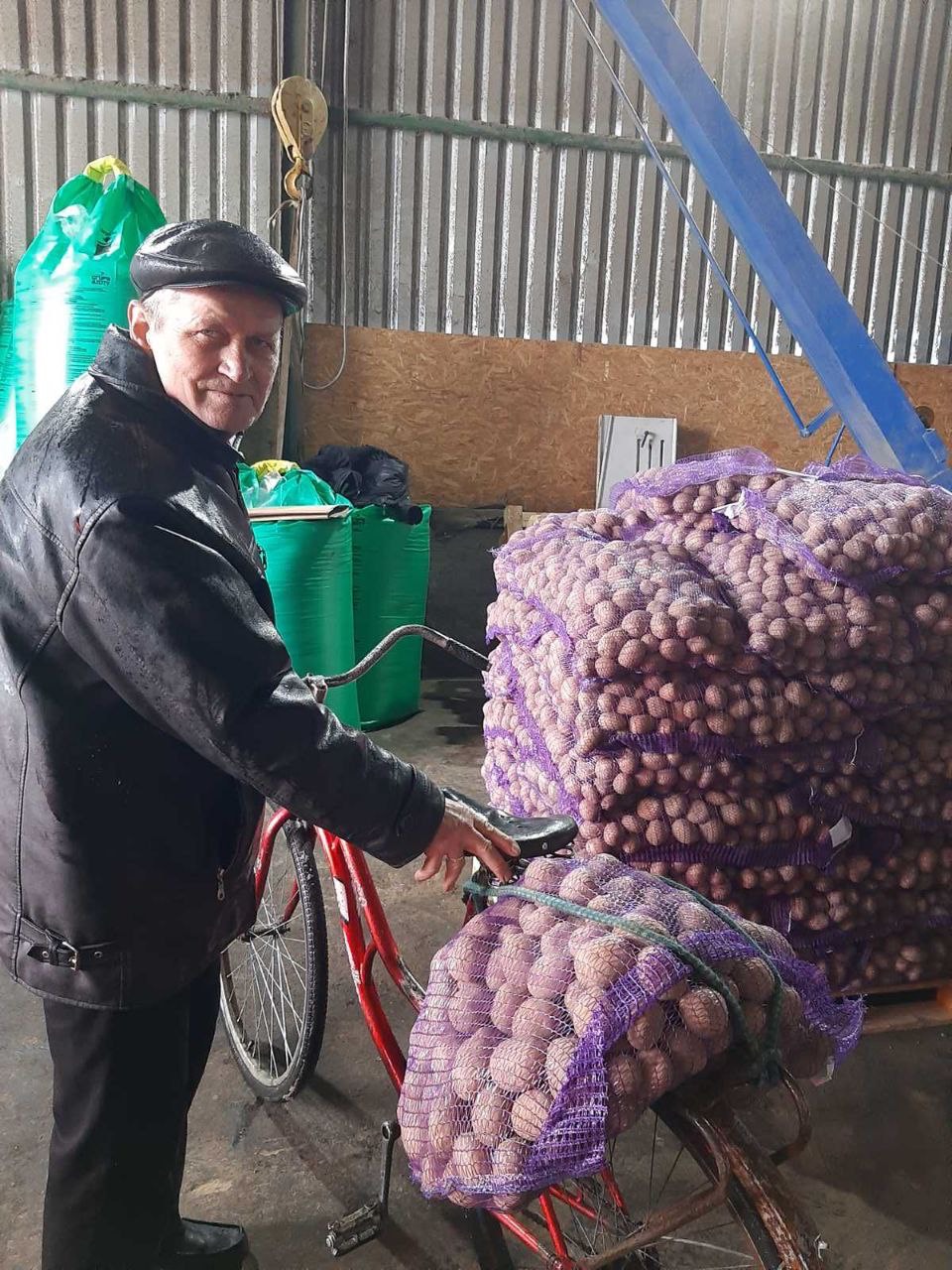
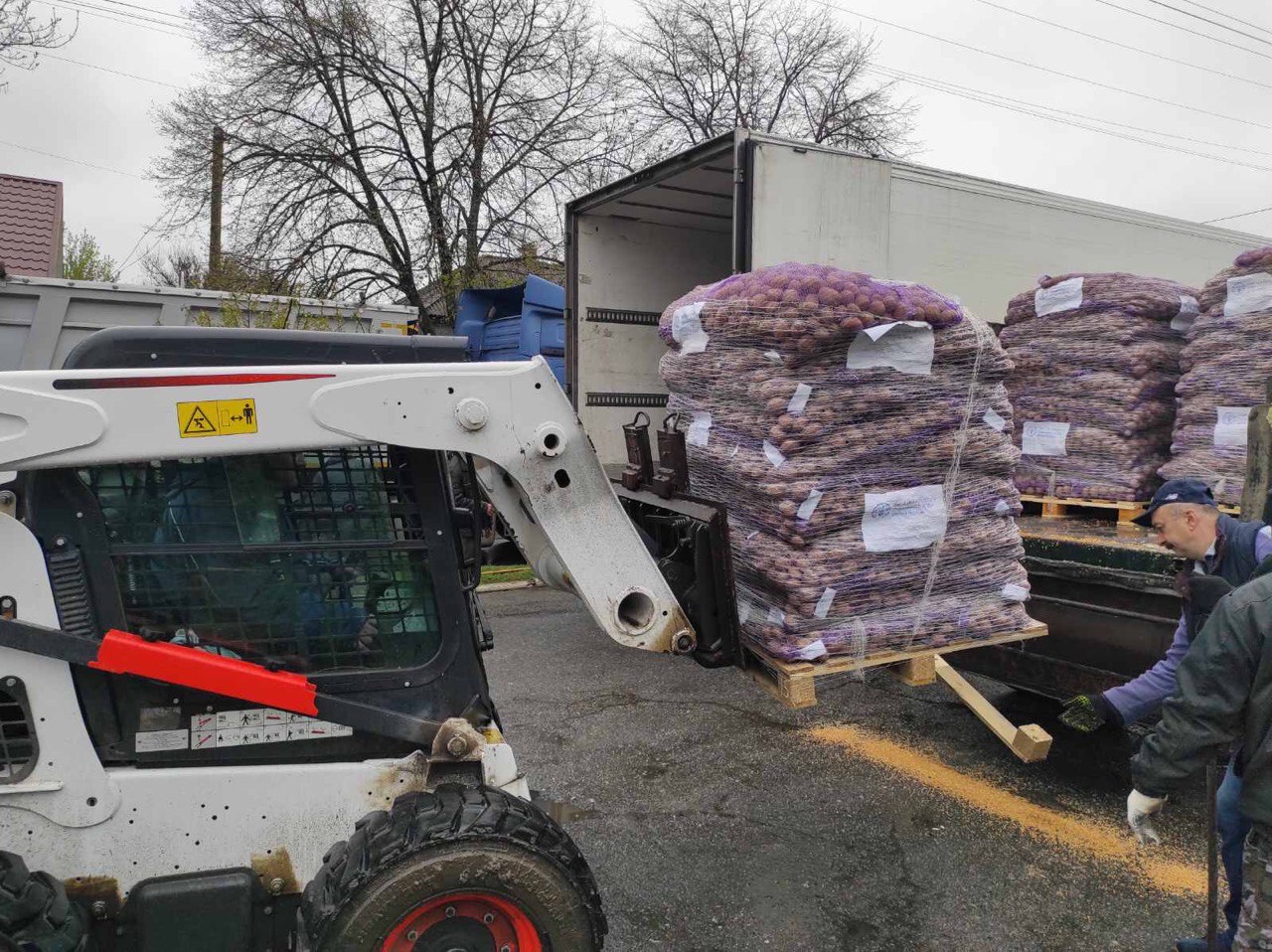
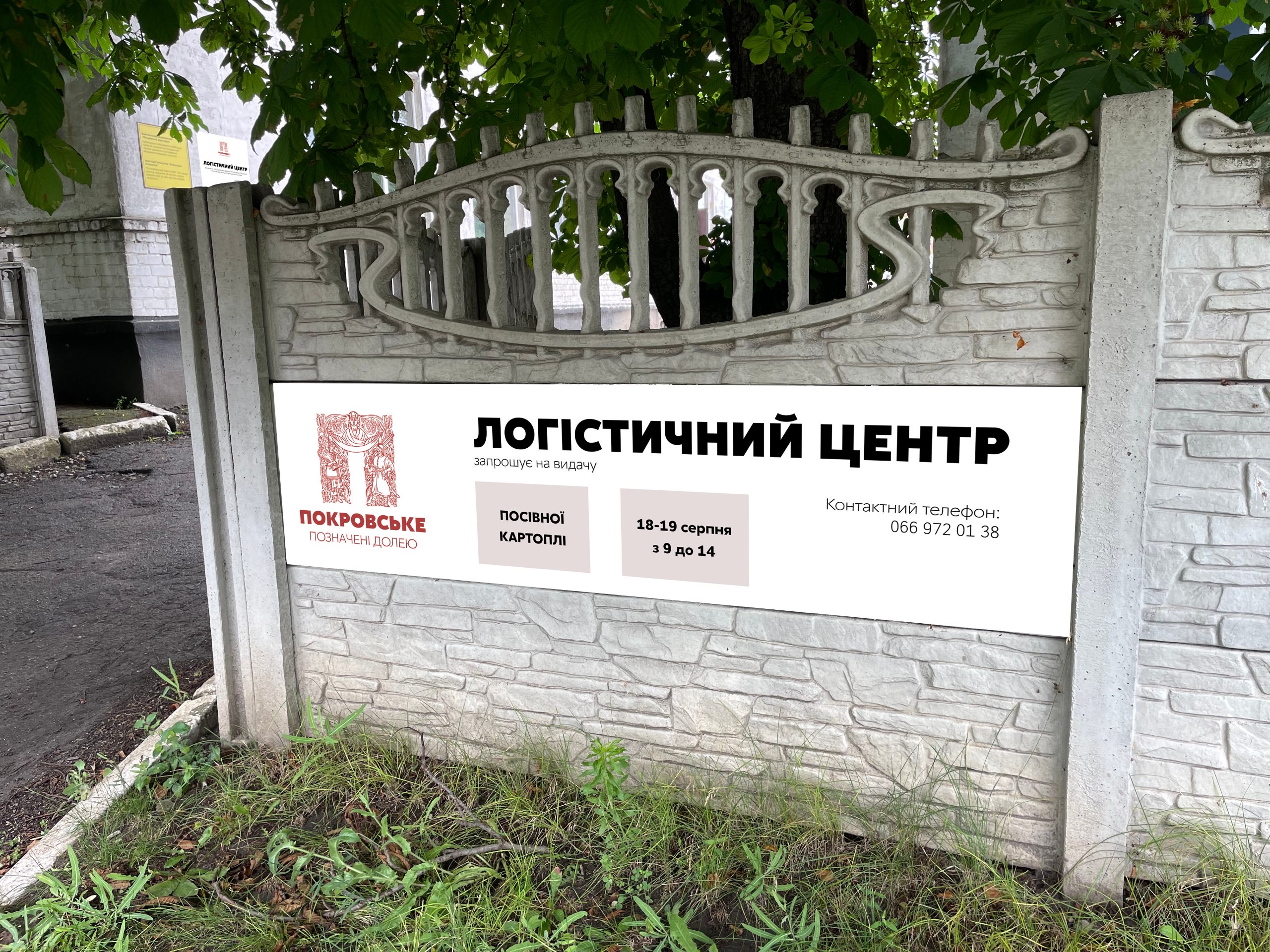
The centre was established in a former printing house. It was renovated, equipped with a cold room, two warehouses for dry storage and a generator to ensure uninterrupted operation. Since August 2023, it has been running at full capacity, serving an average of 4,500 persons every month, including IDPs and socially vulnerable groups of people.
The logistics centre as an intermunicipal cooperation hub
The main feature of the logistics centre, however, is something different. It has become a platform for intermunicipal cooperation.
"Municipal food security is a common goal that brought together residents and businesses. Once established, the logistics centre became an effective tool for Pokrovske to address the needs and come up with step-by-step solutions to the problems," said Olena Tertyshna, the Head of the Regional Office of U-LEAD with Europe in Dnipropetrovsk Oblast.
Following the launch of the logistics centre, other municipalities got in contact with Pokrovske. At first, it was neighbouring ones such as Malomykhailivka, Dnipropetrovsk Oblast; Komar, Donetsk Oblast; Huliaipole, Zaporizhzhia Oblast. Over time, the geography expanded. Currently, municipalities from Kharkiv, Sumy and Zaporizhzhia Oblasts cooperate with the centre, including Blyzniuky, Hlukhiv and Mykhailo-Lukasheve. And this is important, because it showcases how cooperation goes beyond regional borders.
"We entered into memorandums of cooperation, and municipalities make good use of the services of the logistics centre. The most common forms of cooperation are storage of goods and logistics services," explains the mayor of the municipality.
Benefits for all
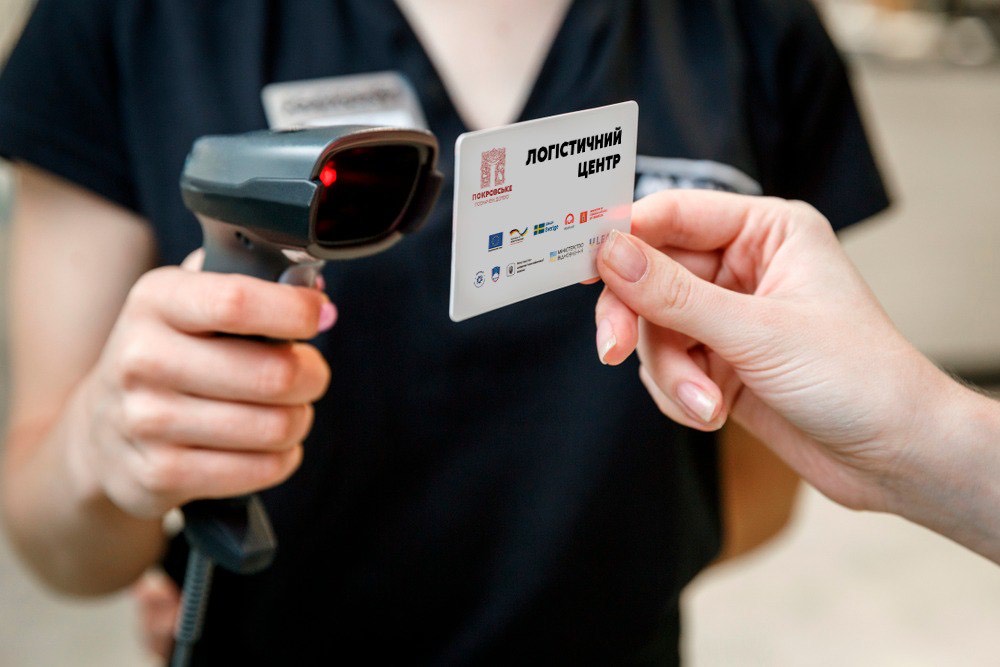
The cooperation enabled the municipality to reduce the burden on the local budget (due to engaging charitable funds in the supply of aid) as well as to better integrate internally displaced persons and increase public trust in local authorities. The centre has also partnered with more than 10 charities, and the aid distribution mechanism itself is now clear and transparent.
“The logistics centre is an effective tool for improving food security, uniting the public and the business community, setting up a clear mechanism for accumulating and distributing goods, as well as providing logistics services to other municipalities,” said Svitlana Spazheva.
Plans for the future: scaling up and stronger partnerships
The municipality already has a clear vision of further development:
- creating a product packaging workshop;
- cooperation with local producers to build an effective “cultivating — gathering — packaging” cycle;
- setting up a strategic stockpile of foodstuffs;
- providing each municipality resident with an emergency package at least once a year.
All these initiatives involve both efforts inside the municipality and coordination with partners who already have experience of joint work. In the future, the logistics centre can lay the groundwork for even stronger partnerships where municipalities plan and implement long-term solutions together rather than simply exchanging resources.
The case of Pokrovske municipality proves that intermunicipal cooperation is not just a simple gesture. It is a tool that works. When municipalities band together around a common challenge, such as food security, the result is not just a band-aid solution but a long-term partnership that can change the logic of governance, strengthen public trust and ensure sustainability for years to come.