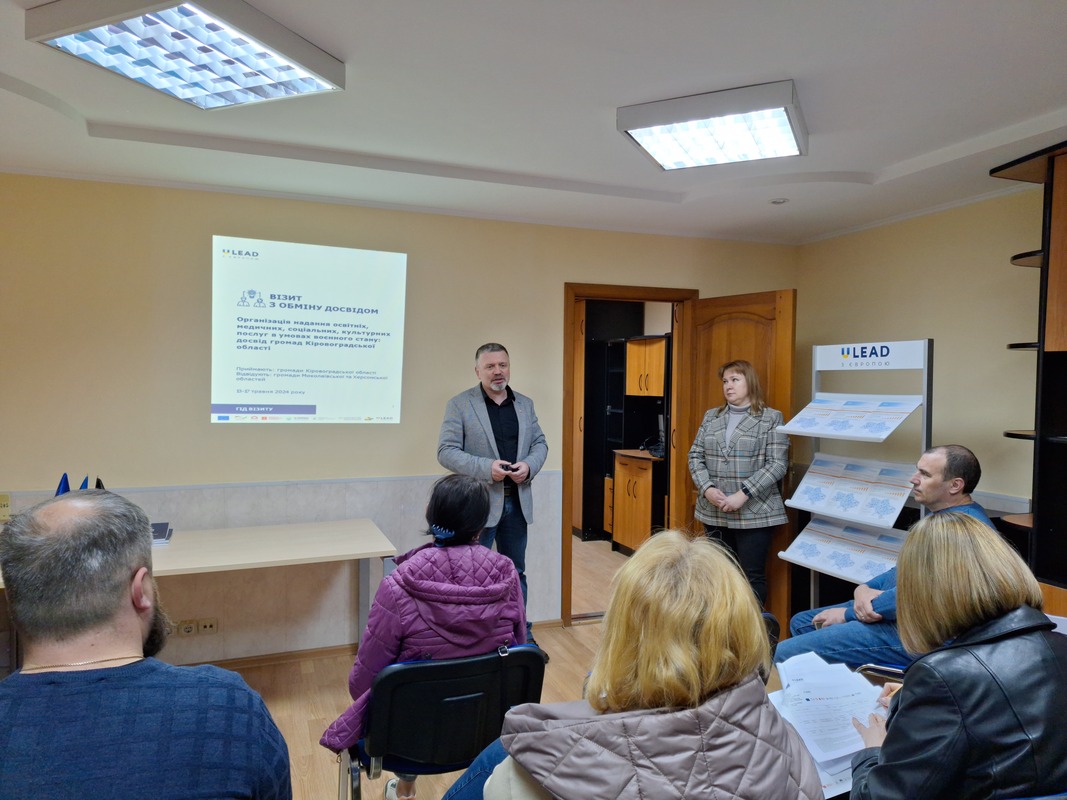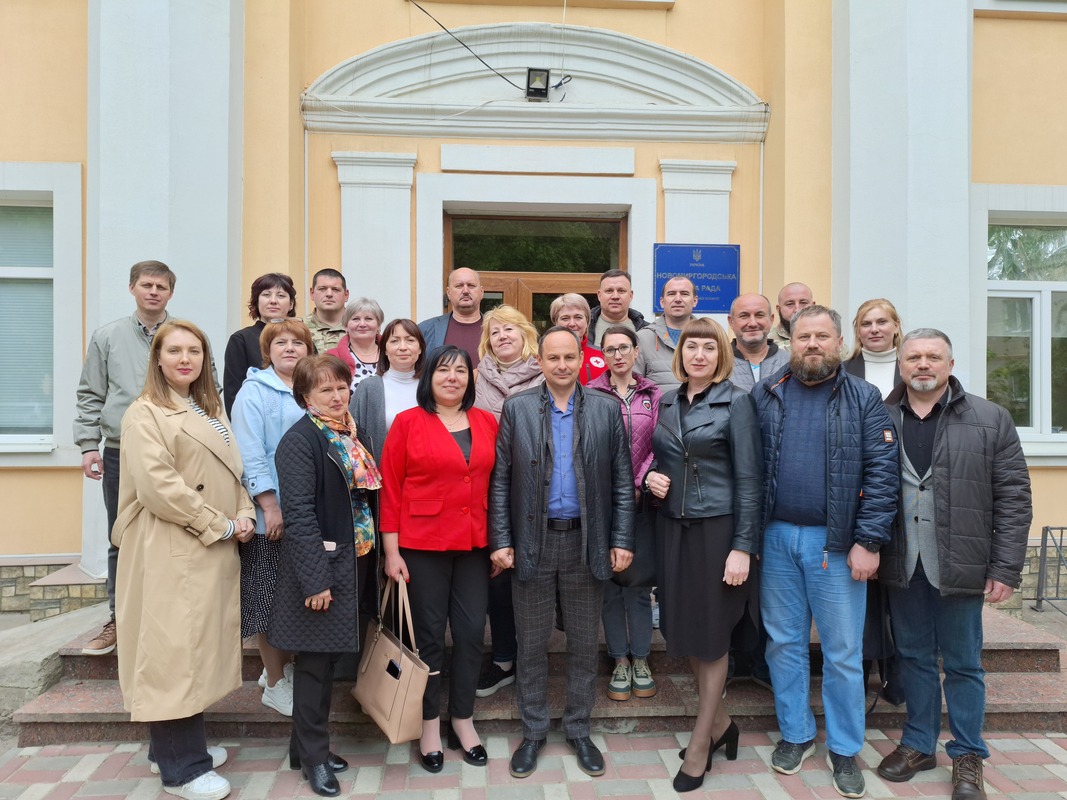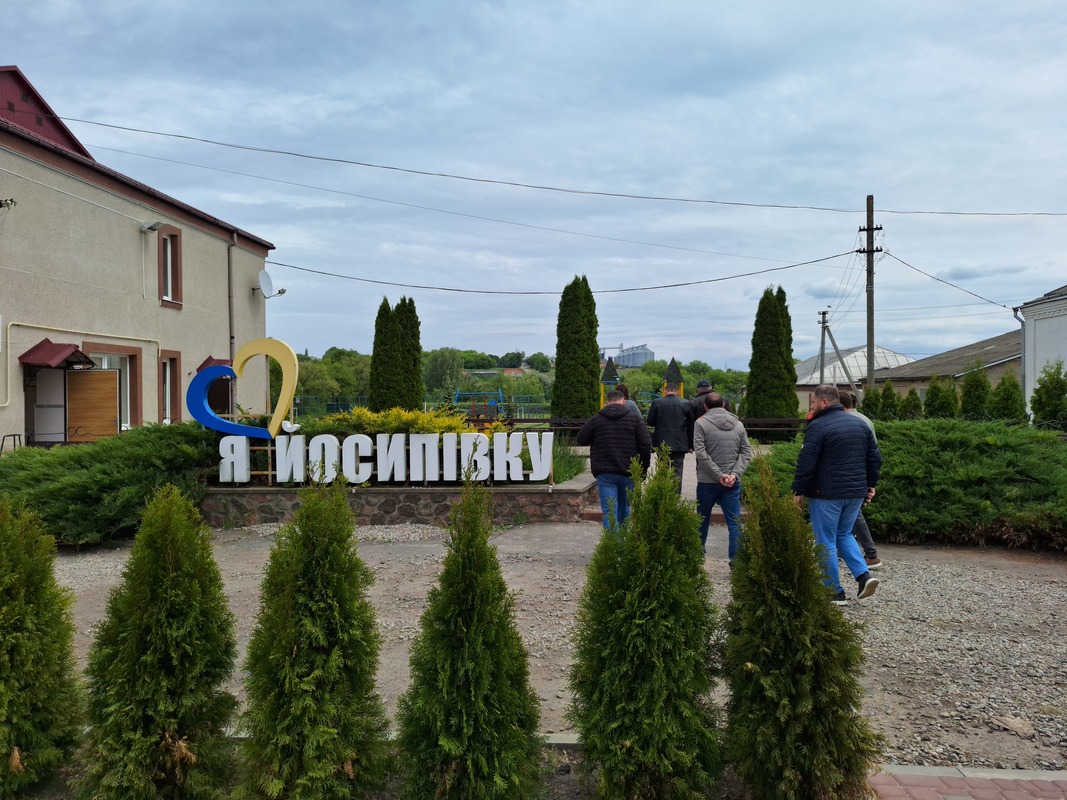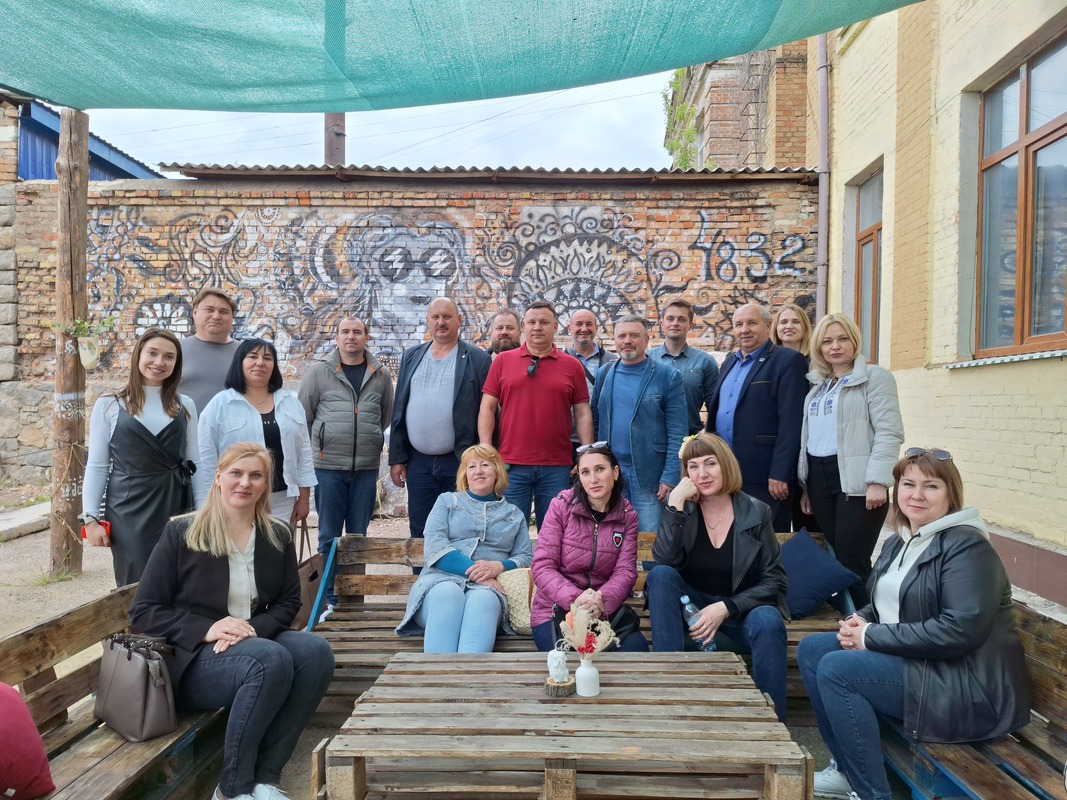




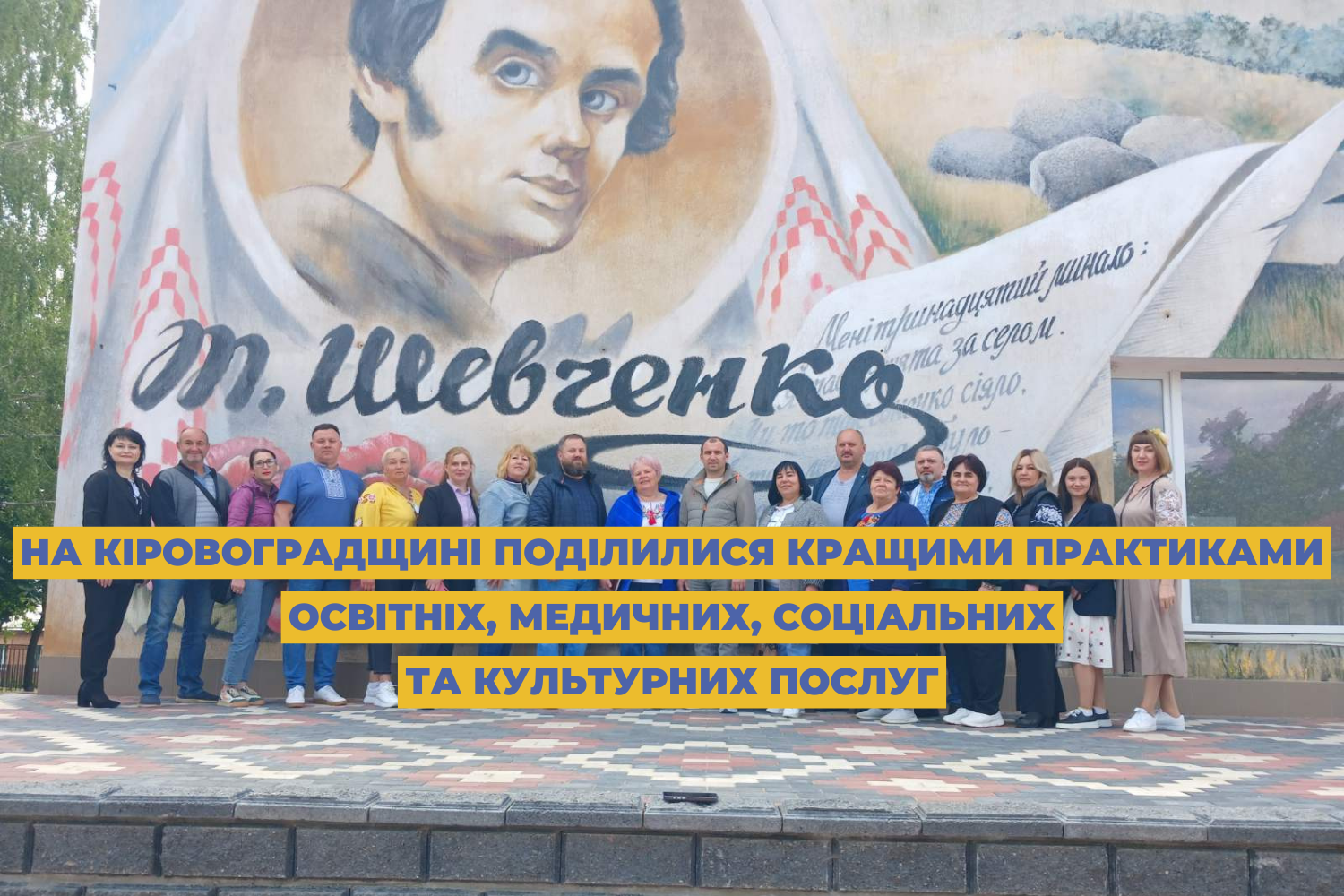
The municipalities of the Kirovohrad Oblast have their own methods and techniques for managing municipal facilities, and they are eager to share them with their colleagues from other regions. The delegation visited the municipalities of Novomyrhorod, Bobrynets and Dmytrivka.
“Municipalities now face many challenges, including the provision of educational and health services. Still, even in this difficult situation, we can see that they find new management solutions, adjust management processes and attract new resources for the development of municipal services. The municipalities of the Kirovohrad Oblast have relevant experiences, and they are ready to share them with their colleagues from the Mykolaiv and Kherson Oblasts. The municipalities, being currently at the stage of reconstruction planning, are in need of new approaches and ideas,” said Oleh Yaremenko, Head of the Regional Office.
Healthcare, social services and municipal inspection: experience of the Novomyrhorod municipality
Ihor Zabazhan, Mayor of Novomyrhorod, told the visitors about their major municipality development projects and shared their plans for the near future. According to him, their municipality is fully committed to improving the educational and medical services because it understands that the public demand for them:
“Our municipality is the largest in our oblast, with a population of 27,000. This format of unification has its pros and cons. As for the pros, by creating a municipality based on one district, we managed to keep the social sector fully intact. The cons primarily relate to the extensive geography covered by a large number of infrastructure facilities. We use our best efforts to ensure that educational, healthcare and cultural institutions function properly and have proper funding.”
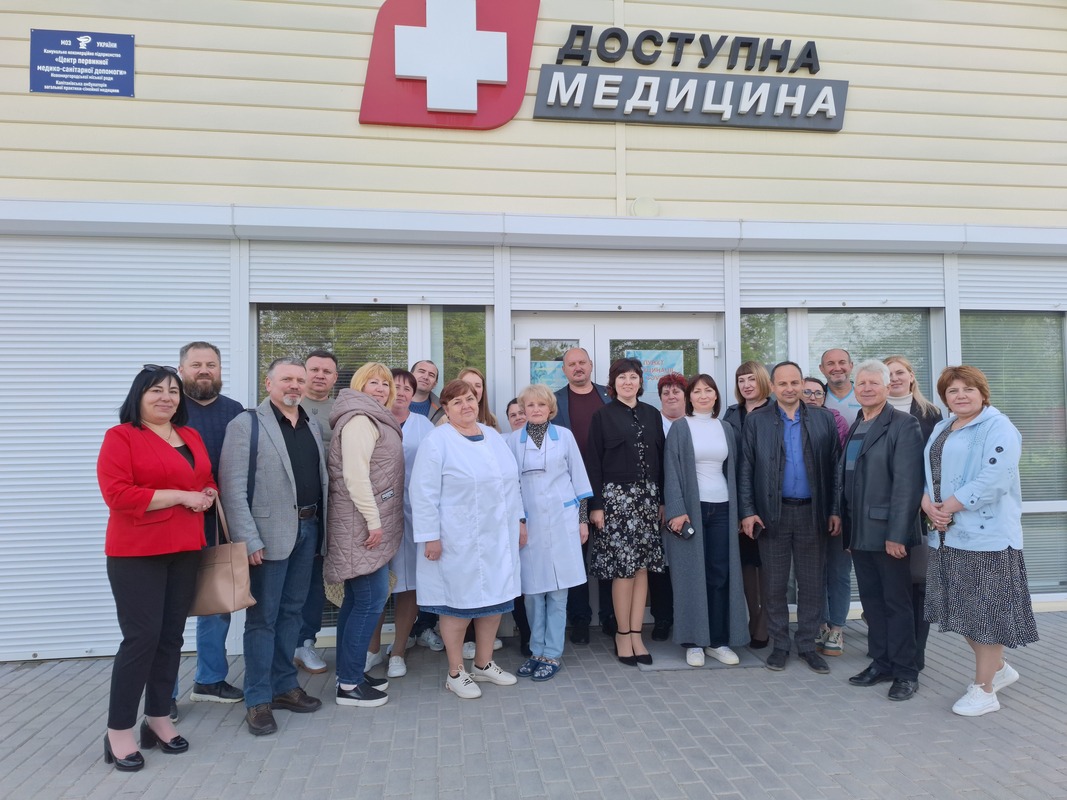
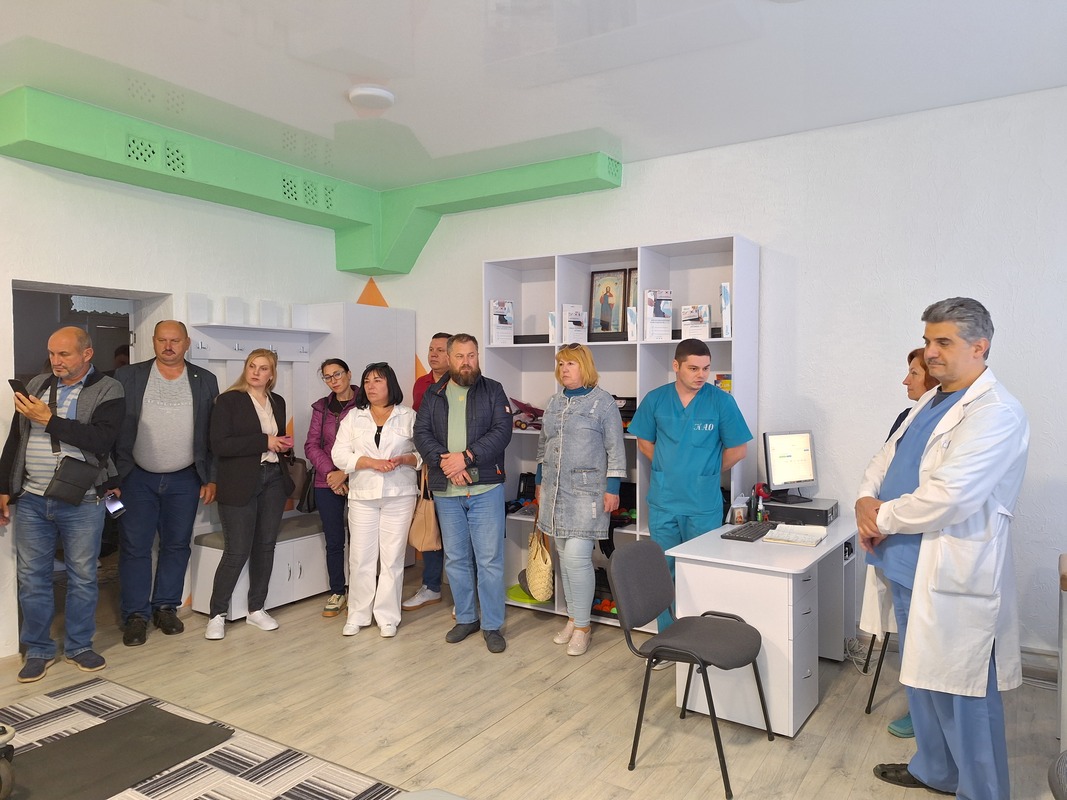
The first location was the Outpatient Clinic of General Practice and Family Medicine, which was opened in 2019 in a newly built building in Kapitanivka. The facility has modern equipment and an ambulance for high-quality patient care.
“We have a municipal Primary Healthcare Centre, which covers all residents with its services. There are outpatient clinics, medical and obstetric care facilities and health centres with the necessary equipment and access to telemedicine services in towns and villages,” said Olena Kolodiazhna, Head of the Healthcare Department of the Novomyrhorod City Council.
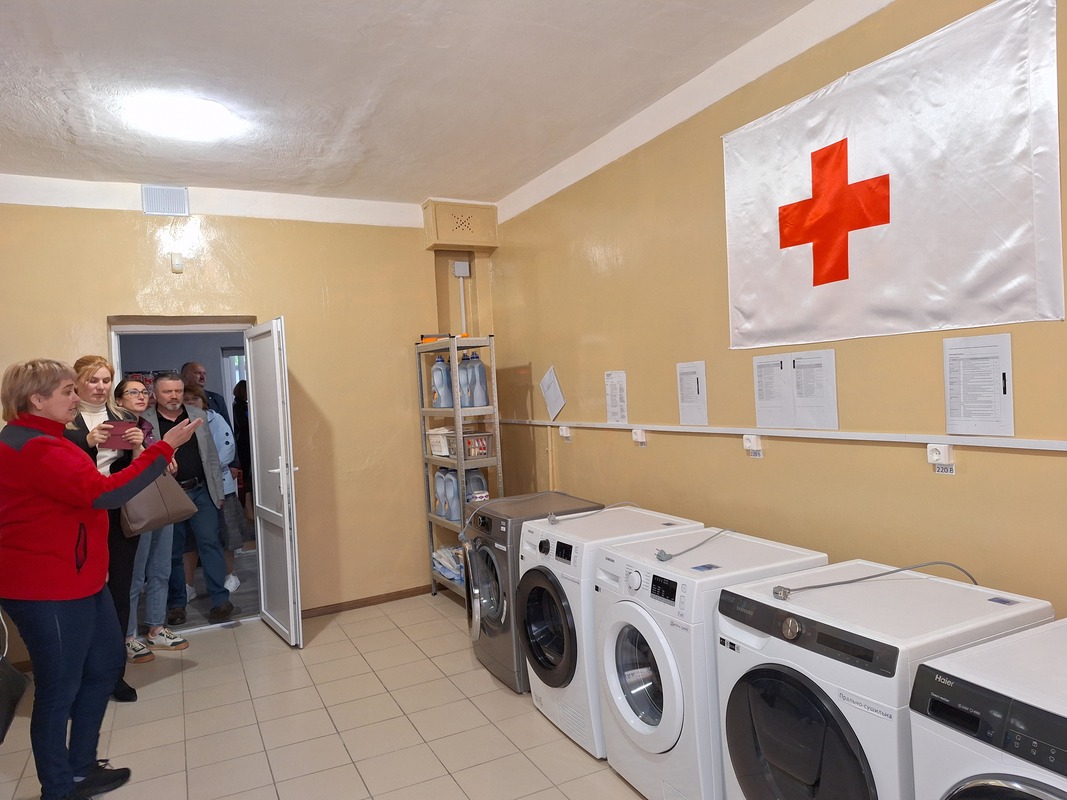
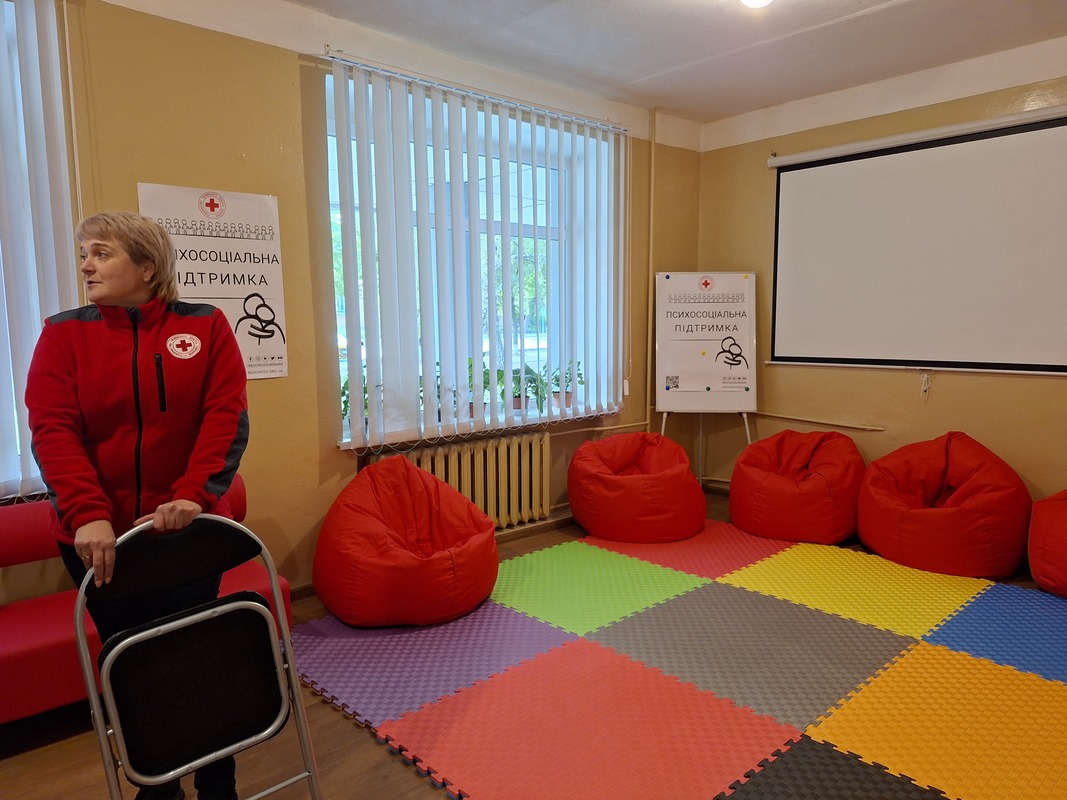
The participants visited the Hygiene Service Centre set up by the local branch of the Red Cross Society with the support of BRAVO, a Danish project. This Centre is primarily intended for vulnerable groups of people who can use a social laundry and shower there. The Centre’s volunteers also work a lot with children, providing them with social and psychological support.
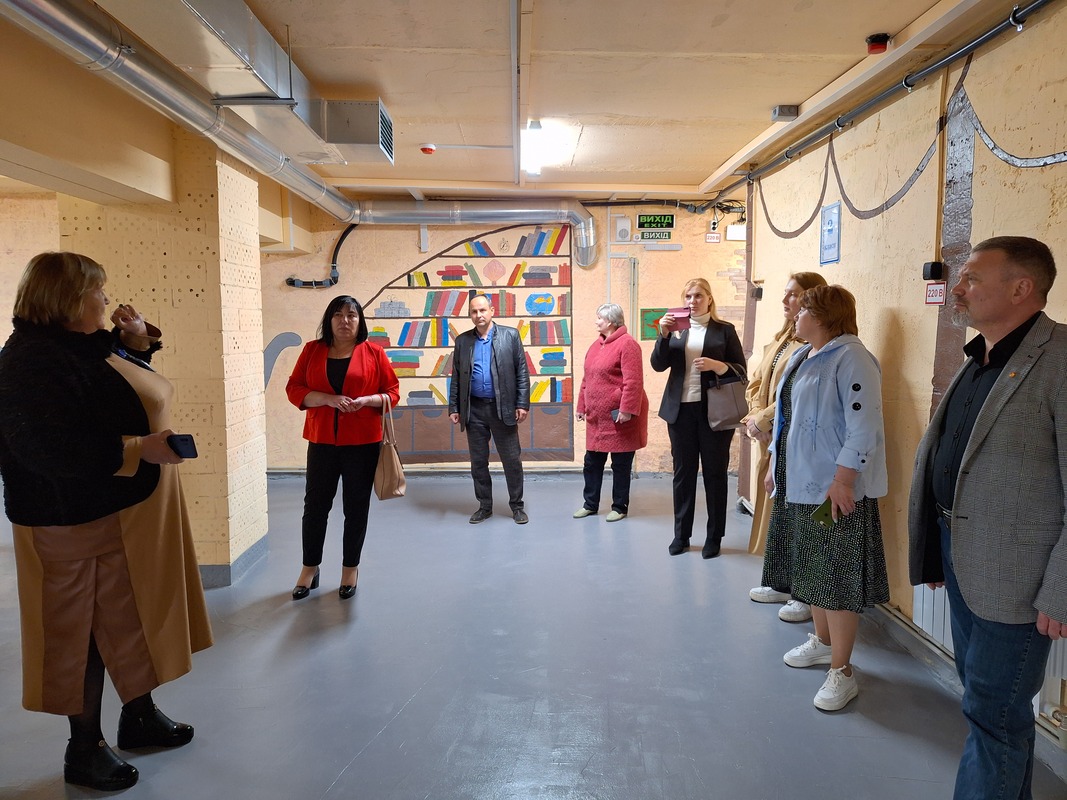
The current situation requires a special focus on safety. All schools in the municipality have bomb shelters. The delegation inspected one of these shelters, which was built this year. According to municipal officials, the funds used to set it up mainly came from the state subvention, and part of the work was covered by the local budget. The bomb shelter meets all modern requirements; it is heated and has a ventilation system, bathrooms, study and play areas.
Since 2021, the Municipal inspection has been operating here. Its employees oversee the security and protection of property, monitor the implementation of landscaping rules and work to strengthen public order and safety. Moreover, the Novomyrhorod municipality has a modern video surveillance system with a built-in AI feature, which helps in identifying offenders.
Another local perk is landscaping. The visitors toured the local park, which has long become a favourite spot for recreation and walks for the locals.
“For the first time after the full-scale invasion, I had a chance to take part in an event of this format. The work of the Novomyrhorod municipality team is truly impressive, and we were privileged to see a number of interesting facilities. They pay a lot of attention to landscaping, park areas and the safety of citizens. I learned a lot of information that will definitely be useful in further work,” said Mykhailo Petrakovskyi, Deputy Head of the Vilne Zaporizhzhia municipality of the Mykolaiv Oblast.
Administrative services, education, culture and youth participation: best practices of the Bobrynets municipality
The delegation spent the second day of the visit in the Bobrynets municipality, where they saw the organisation of administrative, social and cultural services up close.
As was said by Leonid Kravchenko, Mayor of Bobrynets, the united municipality of Bobrynets was among the first to be formed in Kirovohrad Oblast:
“The Decentralisation Reform was a catalyst for development, giving us powers, resources and new challenges, including humanitarian ones. In addition to preserving healthcare, educational and cultural institutions on our territory, we pledged to further develop them and improve the services they provide.”
After presenting the main directions of the municipality’s work, the guests visited a number of locations and observed the work of various institutions.
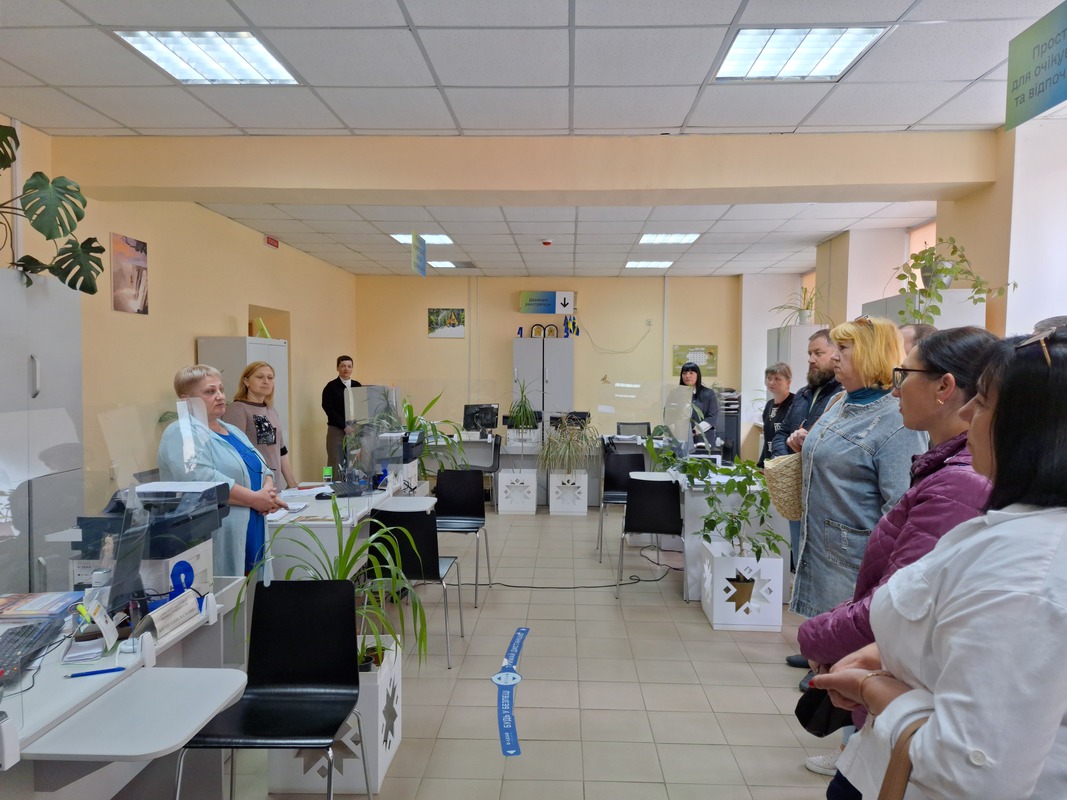
There is a state-of-the-art Administrative Service Centre, launched in 2020 with the support of the U-LEAD with Europe Programme. Since October 2021, it has been operating under the Diia.Centre brand. Here, residents can receive more than 395 different services.
Next, the delegation visited and learned about the work of the Veteran Hub, created in 2023. In the same year, the Psychological Hub was established to provide psychological assistance to military personnel and their families.
“We have received many internally displaced persons (IDPs) who lost their homes and needed shelter and psychological support. Being the first point of contact for IDPs, we came up with the idea of a reception point where they would receive everything they needed. We provided them with food, housing and advice with the documents. Almost the entire social sector has been committed to meeting the needs of IDPs, and a significant part of them has already integrated into our municipality and lives here,” said Iryna Kharchevna, Head of the Department of Social Protection and Public Health.
A modern Rehabilitation Department for Persons with War-Related Disabilities and Injuries operates in the Bobrynets Hospital. The participants of the visit saw the premises of the future dormitory for IDPs, which are being renovated with the support of international partners.
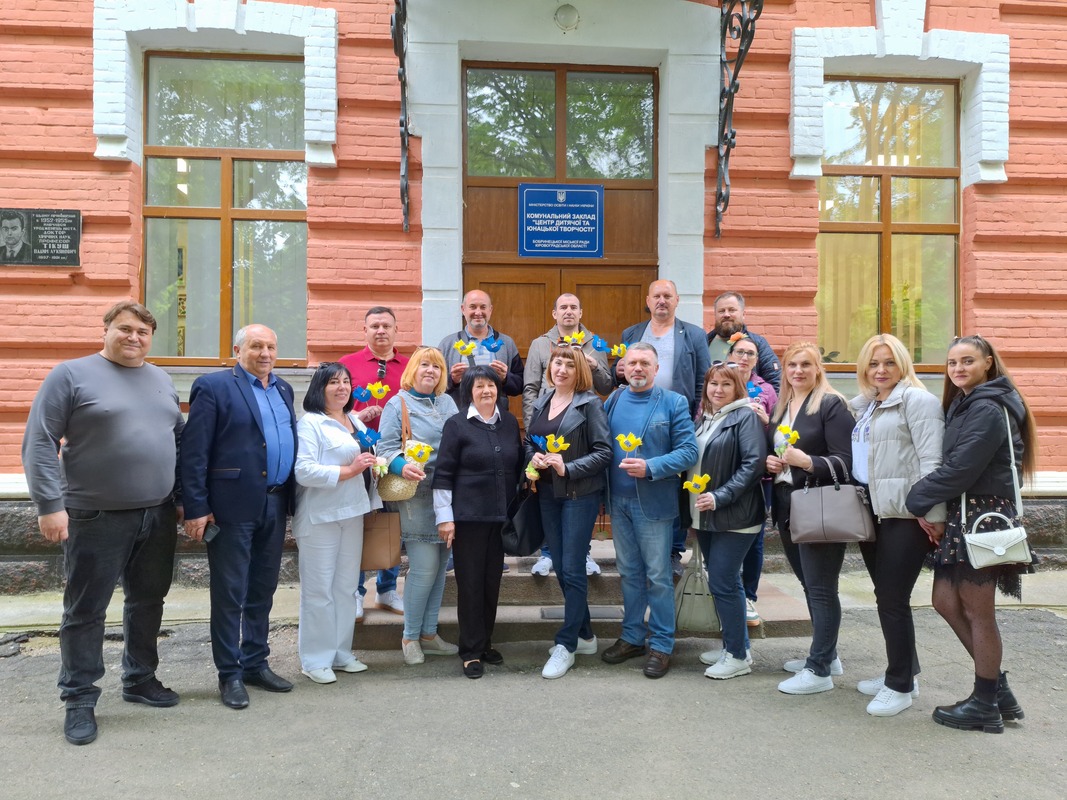
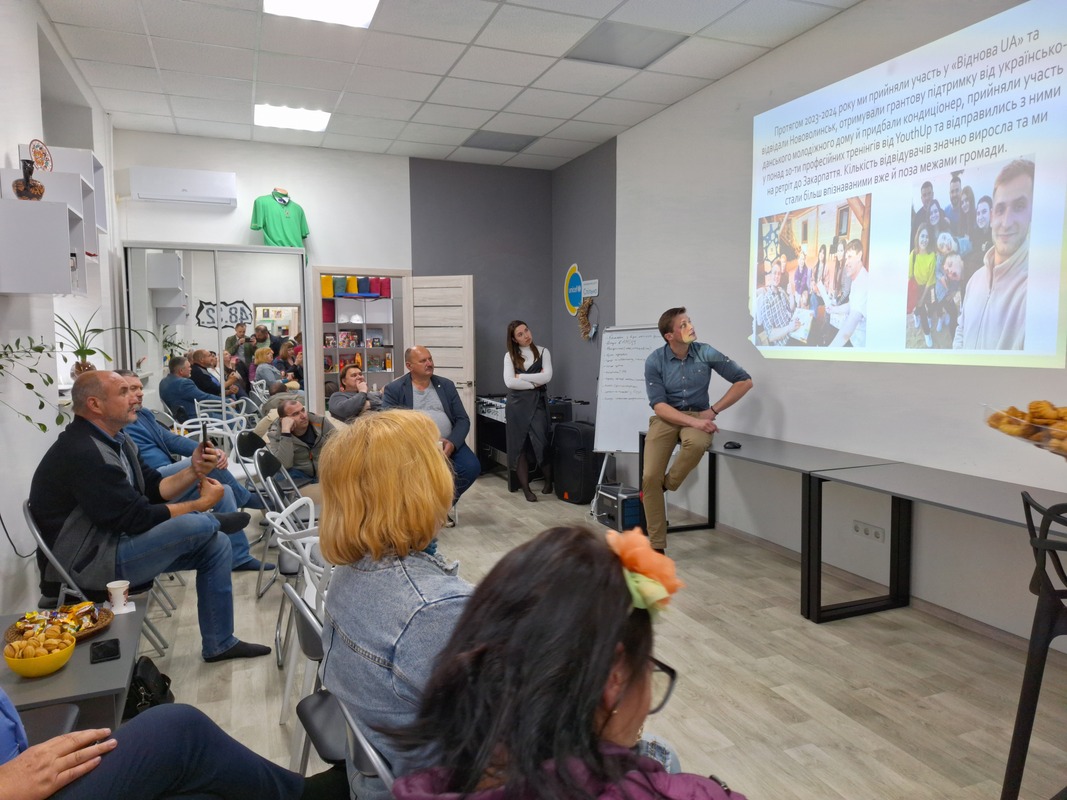
Children and youth are a priority for the Bobrynets municipality. The visitors saw this clearly when they witnessed the work of the local Children and Youth Creative Centre and visited the 48.32 Youth Centre. The latter was created with grant funds, and local youth contributed to its arrangement, programmes and events.
According to Ilia Rybachuk, Director of the Youth Centre, local youth are eager to attend educational events, come to watch movies, participate in the book club, play board games and spend their free time here. There are, as he says, only four centres like this in the Kirovohrad Oblast, and the Bobrynets-based centre is among the most active ones.
“It was the first time I had a chance to study the experiences of other municipalities in the format of a study visit. These municipalities obviously have qualified employees who do a lot for their development. We need to learn from the experience of working with active youth and think about recreation infrastructure. Once the war ends, we will start rebuilding social facilities, and we are hopeful for the support of our colleagues and their advice,” said Serhii Paladii, Deputy Head of the Pervomaisk Settlement Military Administration.
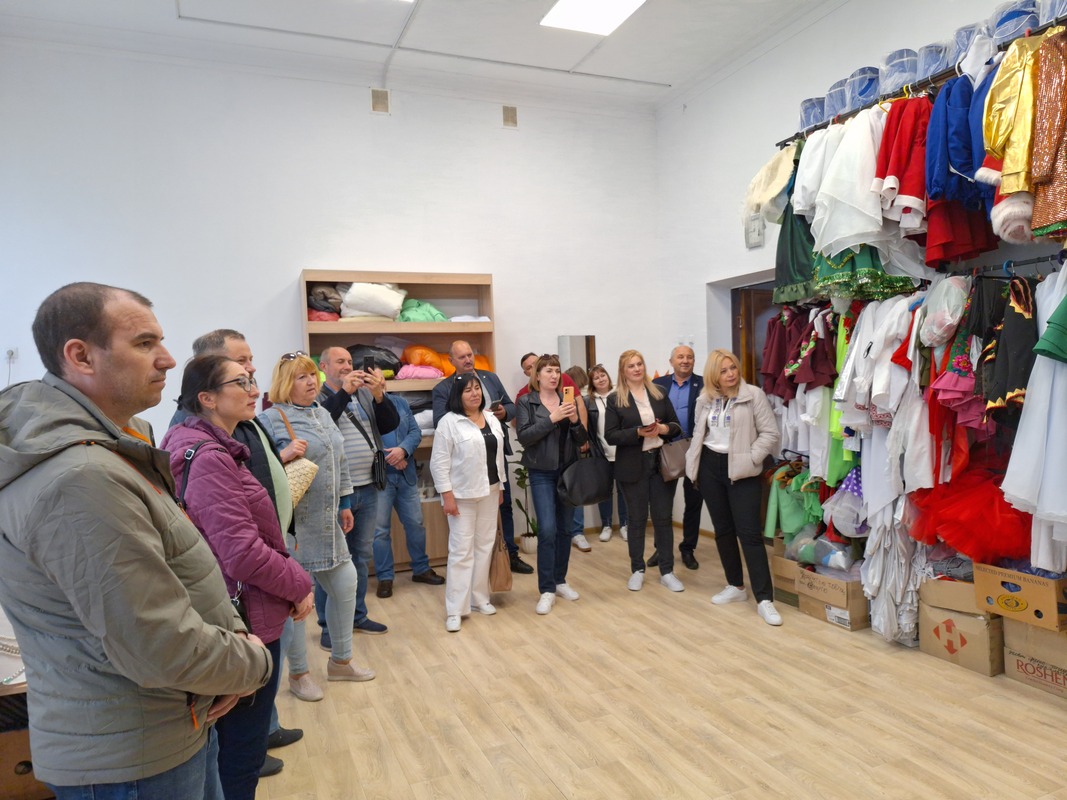
The municipality is also developing a cultural direction through the successful collaborative efforts of the Culture and Leisure Centre. Visitors from the Mykolaiv and Kherson Oblasts were able to see how local cultural institutions operate and learn about the peculiarities of the Silver Age University, which is renowned far beyond the Bobrynets municipality or even the Kirovohrad Oblast.
“The visit left positive impressions only. I saw practical cases of territorial development. Their management practices of education, medicine, social sphere and youth participation are impressive. This experience must be used during the restoration and rebuilding of the municipalities of the Kherson Oblast,” said Mykola Chystikov, Deputy Head of the Kalynivske Settlement Military Administration.
Educational and social services in rural areas
The delegation spent the final day of the study visit in Dmytrivka municipality.
Nataliia Styrkul, Head of the Village Council, spoke about the history of its creation and the key figures of its socio-economic development. Ms Styrkul also shared with her colleagues the experience of managing education under martial law and organising educational services. She named civil defence and safety as their priority, so when organising the educational process and providing other services, employees strictly follow safety rules and regulations.
Following the discussions, the guests visited educational and social institutions of the municipality, including the local lyceum and kindergarten.
The delegation also visited the Social Services Centre, which was created in December 2020. The Inpatient Department of the Centre hosts 36 elderly people receiving care on a permanent basis, and 112 people are covered by social assistance services at home.
Oleh Ilnytskyi, Head of the Regional Office of U-LEAD in the Mykolaiv Oblast, who also headed the delegation, believes that municipalities should have various tools for effective management of the social services system:
“In Kirovohrad Oblast, we saw developed mechanisms and management solutions that allow them to promptly respond to challenges caused by the war. We learned about the approaches that are most appropriate in specific cases. For example, the visit to the Dmytrivka municipality showed us best practices of education management and social services in rural areas; we saw their institutions, facilities and bomb shelters. This experience is very valuable as we can look at certain processes from a different perspective and work out how it can be applied in other municipalities.”
At the end of the day, guests from neighbouring oblasts visited an anti-radiation shelter in one of the schools. The shelter is equipped with an exhaust system, centralised water supply and drainage, modern bathrooms and other amenities. The shelter is also accessible to persons with special needs, for whom an inclined wheelchair elevator has been installed.
“I gained a lot of positive experience. In the Novomyrhorod municipality, we saw excellent results of social partnership between the government and the business community. One such example is a park area where people can relax in their free time. I was pleasantly surprised by the work of the municipal inspectorate, boosting the security situation in the city and municipality. Inspector patrols and a video surveillance system help to solve public order and other security issues. In the Bobrynets municipality, we were shown a positive case of youth participation. Even with a small budget, grant funds can be attracted for the implementation of various development projects. The local leadership makes informed decisions to optimise the work of social institutions, which is also a useful experience for us,” concluded Oleksandr Slavinskyi, Deputy Mayor of Novyi Buh.