




The team representing the Shpola municipality took part in the training programme “Steps for Specialists. Interaction of Local Self-Government Bodies and Volunteer Associations” organised by U-LEAD with Europe and learned how to join forces with volunteers more effectively to ensure quality assistance.
To implement the training programme, U-LEAD partnered with the Ukrainian Voluntary Service, an NGO whose experts, Anna Bondarenko and Olena Vuzka, continuously worked with the participating municipalities.
“Highlighting the active growth of the volunteer movement in municipalities since the beginning of Russia’s full-scale invasion and the contribution of the local self-government bodies in these processes, the U-LEAD with Europe Programme sought to help in the development of tools for the interaction of local self-government and volunteer associations. And now, a year after the training ended, we’ve got curious about how exactly our participants used the newly acquired knowledge,” said Mykhailo Shelep, Coordinator of the Training Programme and Adviser on Decentralisation and Local Self-Government at the Regional Office of U-LEAD in the Rivne Oblast.
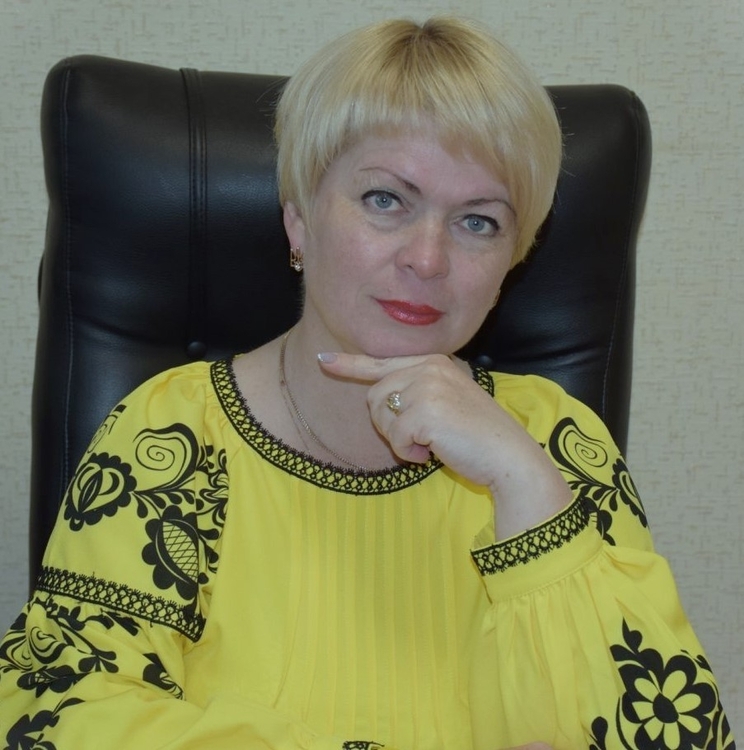
Iryna Kalandyrets, Deputy Mayor for Executive Affairs of the Shpola Municipal Council, spoke about their experience of interaction and support of the volunteer movement in the municipality. Along with the other two representatives of the municipality, Ms Kalandyrets took part in the training programme.
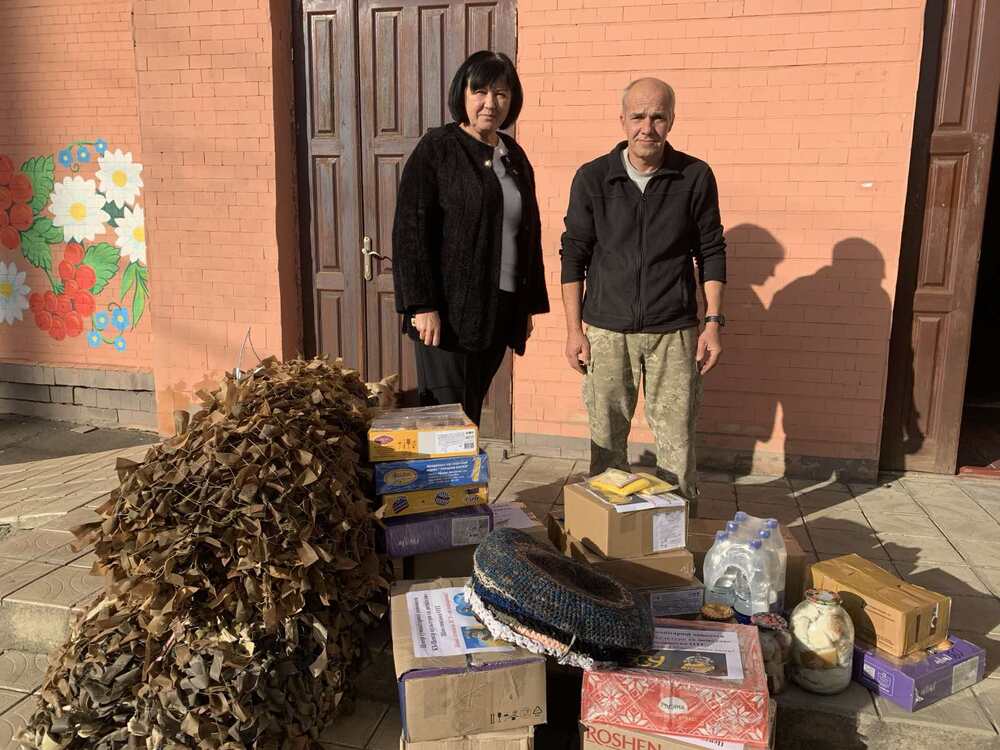
In the beginning of the full-scale invasion, the municipality established its Humanitarian Support Centre. At that time, IDPs from the areas affected by hostilities started to trickle into the town. The municipal administration set out to help them with housing and humanitarian aid as they settled. The former Municipal Centre for Culture and Leisure was converted into an actual coordination headquarters where people of the entire municipality brought clothes and food, as well as helped unload and sort all the aid.
“As we kept the headquarters running, we realised that it really should be a “linchpin” for all volunteer initiatives of the municipality. When I saw that U-LEAD was organising a training programme on interaction with volunteers, my colleagues and I signed up right away. After all, we have already started working a lot with volunteers but lacked knowledge on how to build systemic cooperation,” said Ms Kalandyrets.
The first thing that the local self-government team learned from the programme is that while the work with volunteers can take different formats, it should be organised clearly. According to Ms Kalandyrets, she also realised the importance of communication with volunteers and seeking beneficial cooperation for both parties:
“I do believe that in addition to interacting with volunteers, local self-government also supports them. With information, resources, funding and by boosting their spirits.”
In 2022, the residents of Shpola registered the Kryla Charity Foundation aimed at volunteer assistance with equipping the Armed Forces of Ukraine, namely the servicemen of the Shpola municipality serving at the front lines. The town authorities decided to build a partnership with the Foundation and join forces to provide assistance.
“We saw how active the Foundation was in 2022. They organised fundraisers, purchased necessities for the military, enlisted the help of their contacts from abroad and, most importantly, the locals trusted them. We decided to enter into a memorandum of cooperation between the local self-government and the Kryla Foundation in order to also have a legal framework in place and help them in a more transparent and consistent manner,” she said.
Many residents of the Shpola municipality joined the army, so families and wives of military personnel increasingly came to the city council requesting bulletproof vests, combat boots, helmets and vehicles. Employees of the city council discussed how they could further support them and unanimously decided to donate their one day’s wages every month to the Kryla Foundation since it specialised in this type of assistance.
Iryna Kalandyrets shared the local self-government practices:
“Our team has more than 130 employees, all of whom agreed to donate their one day’s pay subject to their written consent. We agreed on this cooperation with the Foundation on the condition that we would report to our team first, so that people understand the needs covered by the funds, as well as report to the entire municipality. From October 2023 to August 2024, the City Council transferred approximately UAH 80,000 to the Foundation’s account every month. December saw double this amount.”
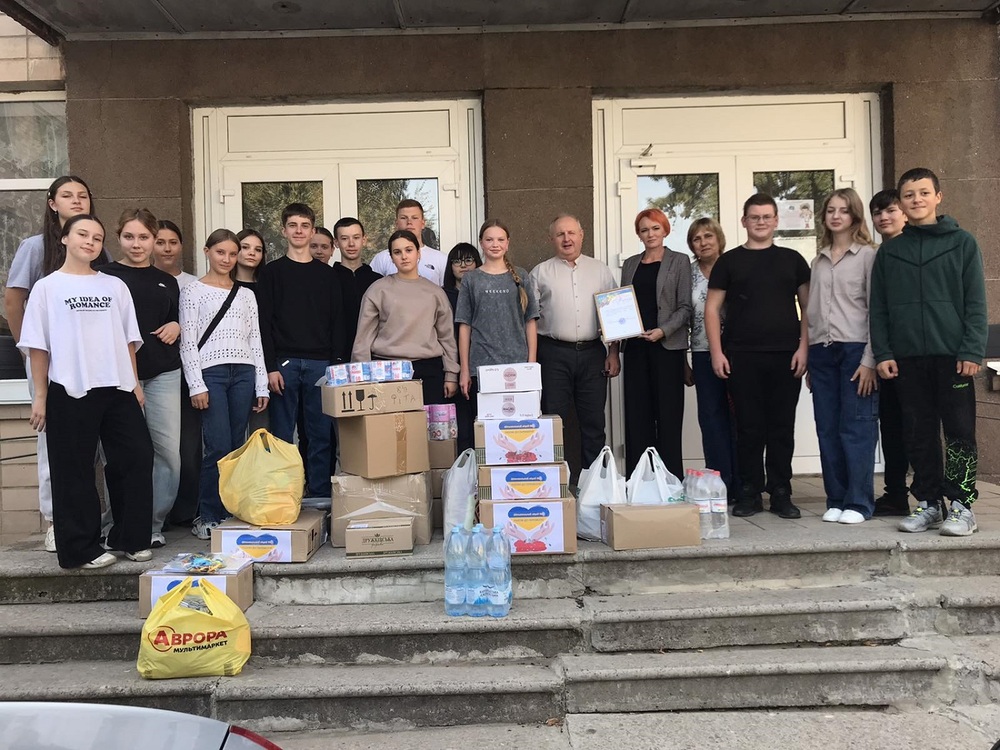
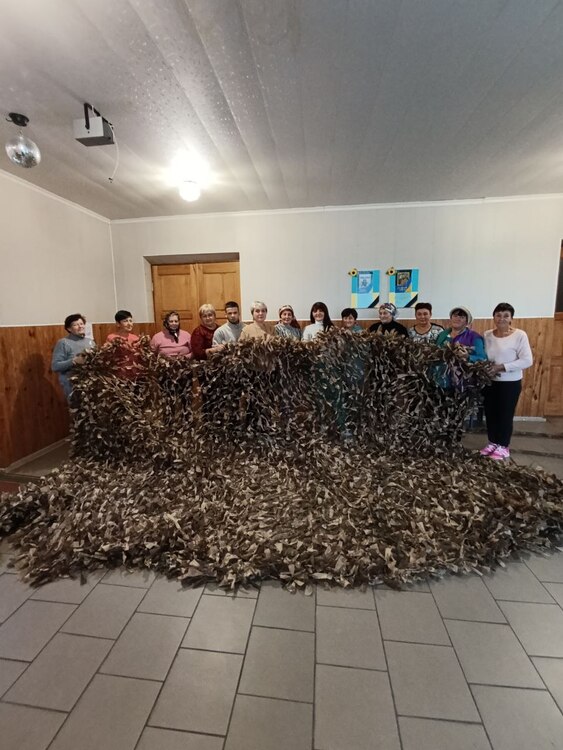
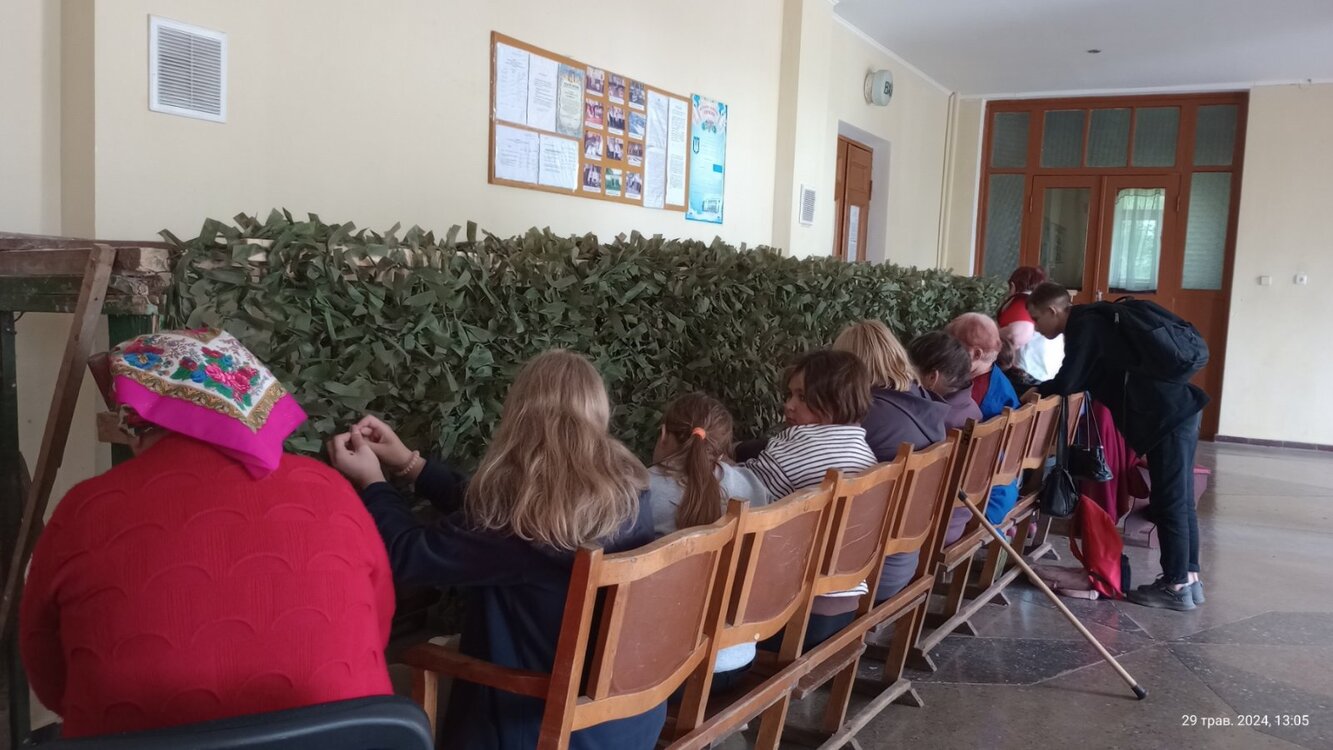
Shpola also regularly organises charity fairs that feature the municipality’s starosta districts. Local artisans sell wicker baskets, homemade cookies, bread and a variety of knitwear or jewellery. There are volunteer units in every school and culture and leisure centre in the municipality. These are called “spider centres” because children, employees of these institutions and local activists gather there and weave camouflage nets and rugs and make trench candles. They also bake pies and make meatballs and sauerkraut to hand it over to the defenders of Ukraine.
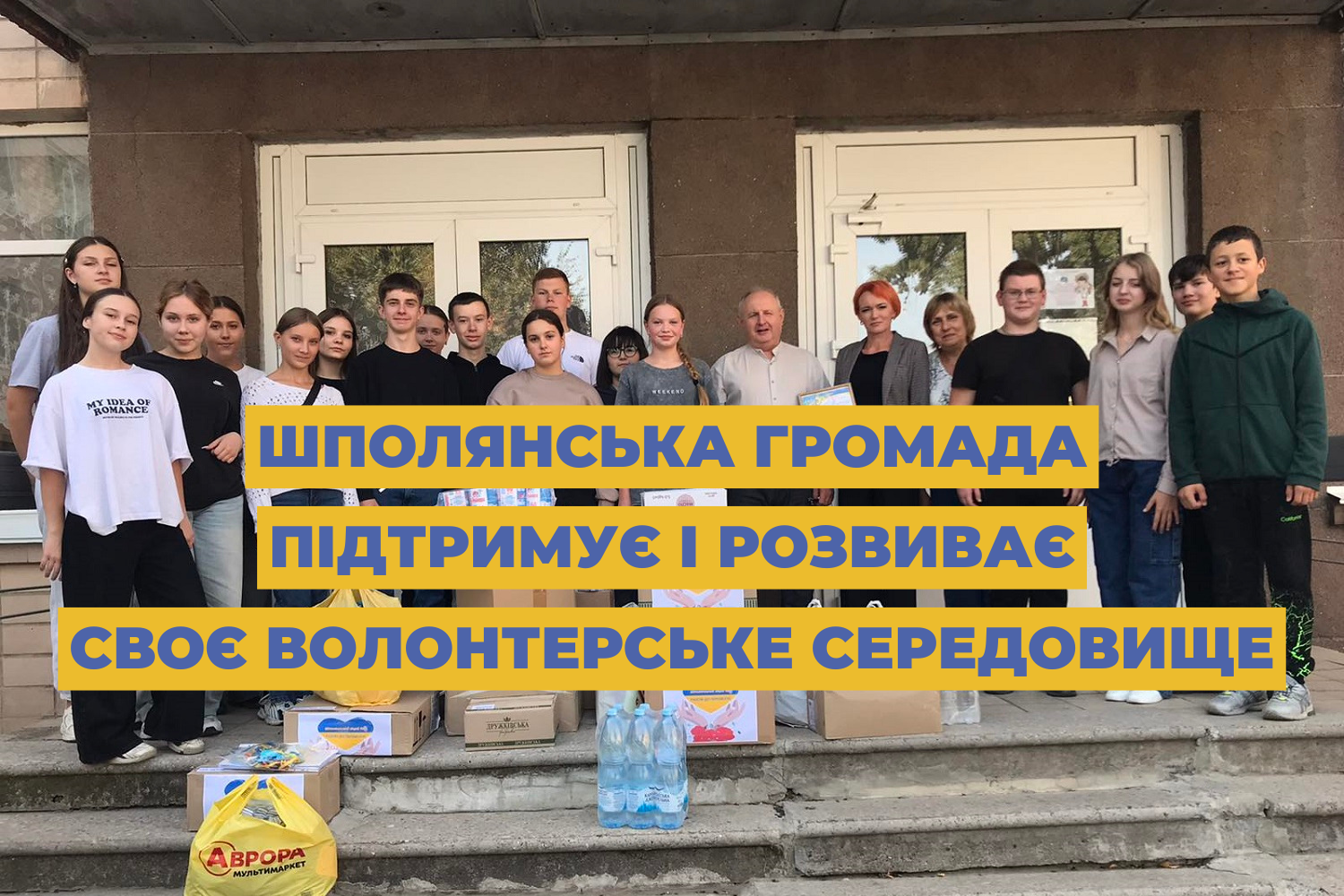
“The municipality has a population of over 33,000, and, according to our estimates, about 40% of residents volunteer. In schools, children create initiatives and organise fairs, while parents and friends join them. Parishioners of the Church of the Nativity of the Most Holy Theotokos also started a volunteer project called Righteous Wrath.”
The Righteous Wrath volunteers both raised money and themselves bought spare parts for drones, as well as fundraised for vehicles. They later took some courses and now independently assemble the drones and transfer them to the front lines. Another volunteer group called Volia, headed by a former tax office employee, was created at the same time. They registered an official charity, and from then on the city council has also supports their fundraising efforts with monthly contributions.
Another practice that the team worked out after consultations with experts is the importance of quality public communications about the work of the local-self-government in social media.
“While studying at the programme, I realised that quick and efficient communication is a must. We see the transparency of our work as a priority. People trust us because we regularly inform about fundraising or volunteer initiatives, report on the assistance provided and post photos or videos of our defenders thanking us.”
The Shpola municipality still lacks a comprehensive targeted volunteering support programme, but the local self-government body began supporting initiatives long before its development. Iryna emphasises that this programme is vital for transparency and openness to other volunteer initiatives, so they continue working on it.
“We are currently working on a volunteer programme and would like to complete it by the end of the year. It’s really important to us to be involved with the whole volunteer community. We are not aiming to adopt a document just to check the box, so we are analysing all our current work with volunteers so that this programme reflects our real activities. I believe that the time of chasing empty figures has long passed, and now is the time for real work,” said Iryna Kalandyrets.
For reference. U-LEAD with Europe launched the training programme “Steps for Specialists. Interaction of Local Self-Government and Volunteer Associations” in May – July 2023. Teams from 40 municipalities representing 19 oblasts of Ukraine took part in the programme. Each of the teams consisted of three people, namely local self-government officials, employees of municipal facilities and institutions, volunteers and representatives of local public associations.