





During the years of full-scale invasion, local councils have faced numerous challenges, one of the most relevant being the outflow of young people from the regions in search of better educational, economic and social opportunities. This trend has already posed a serious threat to the sustainable development of many Ukrainian communities, weakened their human resources and social structure.
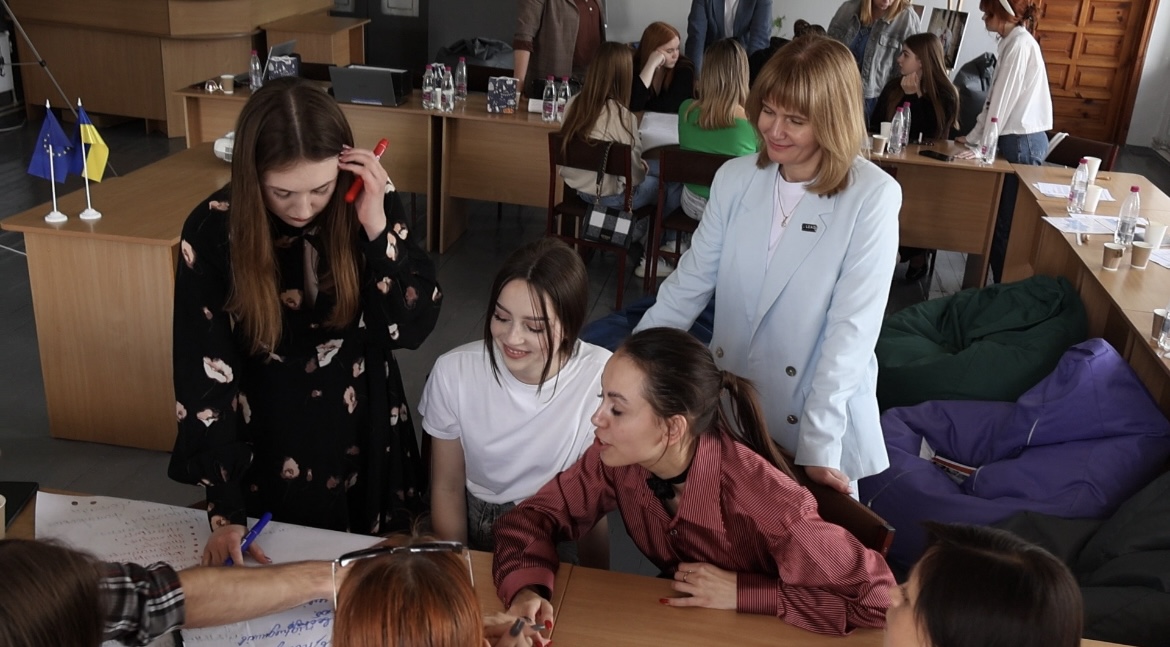
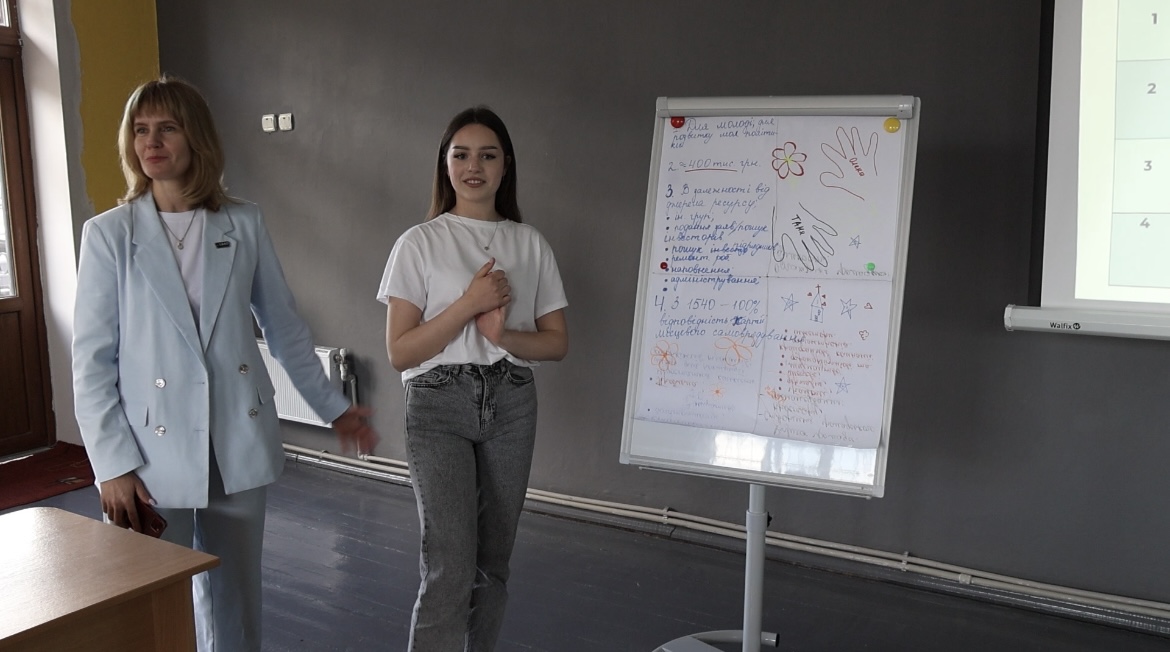
Realising that local self-government bodies should play a key role in creating favourable conditions for the development of youth in order not only to preserve but also to attract them to active participation in community life, U-LEAD with Europe has implemented a number of training activities on youth involvement, including a 4-month comprehensive support programme for the establishment of youth councils in local government bodies.
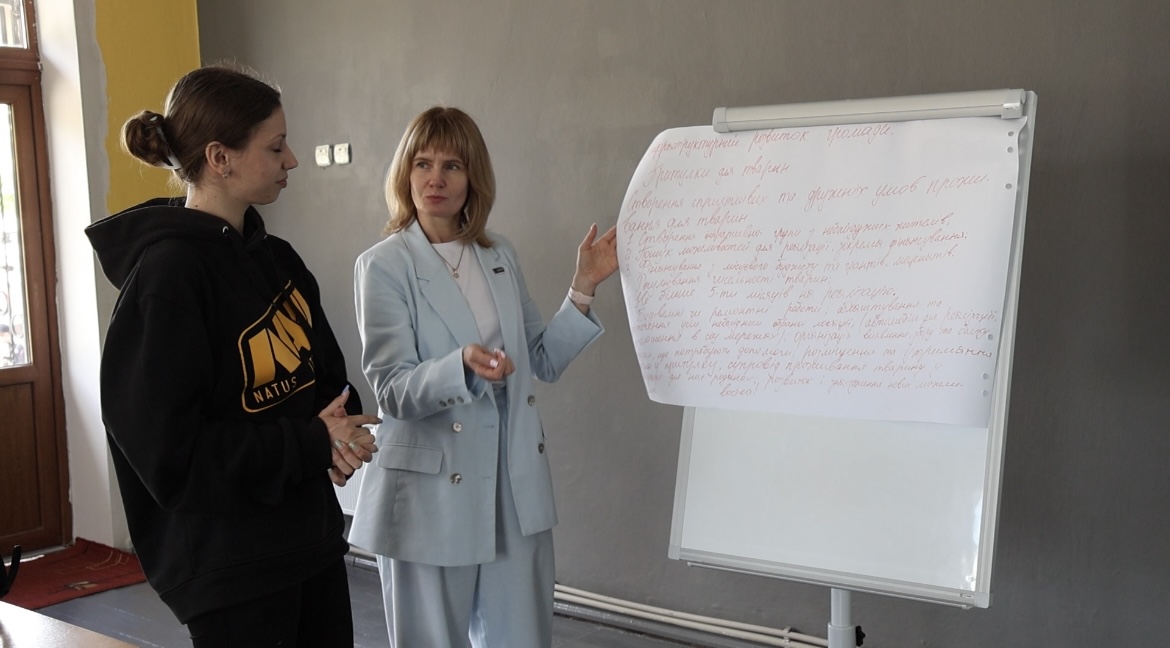
Head of the working group “Public Participation”, coordinator of the Support Programme “Establishment of youth councils in communities”, decentralisation and local self-government adviser of the U-LEAD with Europe Regional Office in Vinnytsia oblast Liudmyla Hurba shares her thoughts on youth involvement in public life and formats of such interaction with local authorities.
Here is what she said:
Of course, following the legal procedure and forming youth councils is only the beginning. The process of building relationships of trust and partnership between representatives of local councils and young people is much more complex and time-consuming. The youth council should become a kind of platform for the active involvement of young people in the processes that affect their lives and lives of their communities. It is a tool for finding young leaders, developing their civic responsibility, and becoming the voice of youth at the local level.
However, this tool will not work if it is approached formally.
As the head of the working group on public engagement and the coordinator of training programmes, I had a unique opportunity to participate in seminars, trainings and information sessions on youth engagement tools. There were a lot of stories that ultimately boiled down to two painful issues for local self-government representatives: How to keep young people in the community, and why are young people passive?
As much as it pains me to admit, not all local councils’ officials are motivated to dive deeply into youth issues, to learn something new and important for young people in their communities, to invest their energy and strength in building cooperative relationships with young people. They often ask about tips that should produce effective results.
During the training, one of the participants raised his hand to ask a question: What is most relevant for youth now? Speaker’s counter question was as follows: Have you asked your youth what they are interested in? There was an awkward pause. Then discussion followed.
In fact, you can invite famous artists, organise a disco, create a bead-weaving club, set up a skateboarding area, and still not achieve the desired result in terms of establishing cooperation with young people.
Why?
Because there is no synergy of actions. After all, even the best initiatives of local governments will not produce the desired result if they do not match to the needs of young people.
A few examples. Young people are willing to know how to start their own business, so local government authorities need to train youth how to start a business in the community. The local council is building a skate park, but youth don’t want to go skateboarding, they want to go running, and the community needs to build running tracks instead of investing in a skate park...
This is how it works with the youth council. It is not enough to decide to create a youth council, you need to help it get started: provide young people with knowledge and experience in governance processes, explain how the local self-government system is structured, help the council implement its first initiatives, and demonstrate that their contribution to the development of their communities is valuable.
Hence, there is no universal tips for all local self-government bodies on how to build interaction with young people. Something may work in one community and work not quite well in another.
The only universal tip for all is to study the needs of young people, ask youth where they see the points of development of youth policy in the community and take into account the peculiarities of local content.
However, there are a few starting points (tips) that can help local councils get started with youth engagement:
- Speak the language of youth. Simple and interactive. Spread the information that young people need to know through the communication channels that are used by youth.
- Ask the questions in a right way. It is better if these are open-ended questions with the opportunity for young people to give their answers and express their thoughts.
- If possible, involve an official in the process of formulating youth policy in the community who is “on the same page” with your youth and is respected. This will increase the sense of solidarity on both sides.
- Meet young people. The more often, the better. Mix up meeting formats: online meetings, interviews, live meetings...
- Don’t do meetings and surveys for the sake of surveys. Young people need to feel that they were invited/asked not just for the sake of it, that the data received from them is used by the local authorities, that their opinion is taken into account and that it has led to changes.
- Therefore, the most important advice is to act! If you’ve conducted a survey and found out what your young people are interested in, but no changes have occurred, don’t be surprised that no miracle has happened. If we do not act and do not change anything, the level of trust will only deteriorate. Action is what should result from researching the needs of young people.
The younger generation has enormous potential for municipalities development, but it will depend on the actions of local self-governments whether they are active or passive, whether they seek change in the community and are not indifferent to local issues or choose to live and develop their opportunities elsewhere.
So if you don’t know what changes young people want to see in their communities, it’s time to ask them.