

Halyna Karakutsia, the Head of the Education Department of Bilyky Settlement Council, recalls that in the early years following the establishment of the municipality, the team worked on developing a management system and analysing the education network. The local administrative body is responsible not only for education, but also for culture, youth affairs, sports and tourism; hence, the team has been pursuing a multi-pronged approach. They also had to assess the network of educational establishments inherited from the former Kobeliaky District and determine the next steps for its development.
“We were seeking partners with experience and practical knowledge, and the experts from U-LEAD with Europe were among the first to help us with this,” says Halyna Karakutsia.
The municipality embarked on a detailed analysis of the education system. It included general secondary schools and pre-schools, but lacked other important elements of the system, such as extracurricular activities, an inclusive resource centre and a professional development centre. This called for new management approaches to the organisation of the education network.
To identify the next steps, the municipality team consulted with U-LEAD experts. Together, they considered various options for change—reorganisation, reorientation or closure of educational institutions—as well as discussed personnel matters and the holding of public consultations. Serhii Rybalko, an Adviser on Decentralisation and Local Self-Government at the Regional Office of U-LEAD in Poltava Oblast, notes:
“The municipality is relatively young, and when they started working with the education network, they realised they had many schools with few students. This is a problem for the education system, because the fewer children there are in a school, the more expensive it is to run. This has highlighted the need to optimise the network and find solutions that will benefit the municipality.”
Ultimately, the municipality managed to convert one educational establishment into a primary school branch and close the other. According to Halyna Karakutsia, they managed to avoid conflicts through open communication with the municipality and a phased approach to implementing the changes.
“We don’t decide on things once the school is already closing. For us, closure is the final chapter. By this point, we need to have resolved all the issues: where each child will be taught, where the teachers will work, and how we will use the premises. So, when the school closes, everyone already knows what’s going to happen next,” she explains.
Simultaneously, the municipality worked on developing other aspects of the education system. They have teamed up with Novi Sanzhary Inclusive Resource Centre, created a professional development centre for teachers and expanded extra-curricular education options. An important milestone was the participation of municipal officials in U-LEAD training programmes. Notably, as part of the programme aimed at establishing a network of lyceums, the municipality team drafted the statutory documents and a draft resolution on the establishment of a lyceum. Today, Dold-Mykhailyk Lyceum in Butenky has been included in the network of lyceums due to open in 2027.
Another significant outcome of this collaboration was the municipality’s participation in a support programme aimed at improving the evaluation of the education network. It provided the municipality with a tool for a comprehensive analysis of the education system, developed by U-LEAD experts.
“We use this tool when analysing the performance of the education sector and planning its development. In fact, we drew on this data when drawing up the municipality’s education development programme,” says Halyna Karakutsia.
According to Serhii Rybalko, this methodology is one-of-a-kind for Ukrainian municipalities, as it enables a comprehensive assessment of the state of the entire education system.
“This methodology covers the analysis of pre-school, out-of-school and general secondary education. These tools were previously used mainly at specific levels of education, particularly in lyceums. We took a broader approach and selected several dozen of the most effective educational indicators, criteria that help municipalities see the true situation of their network and understand what changes are needed,” he says.
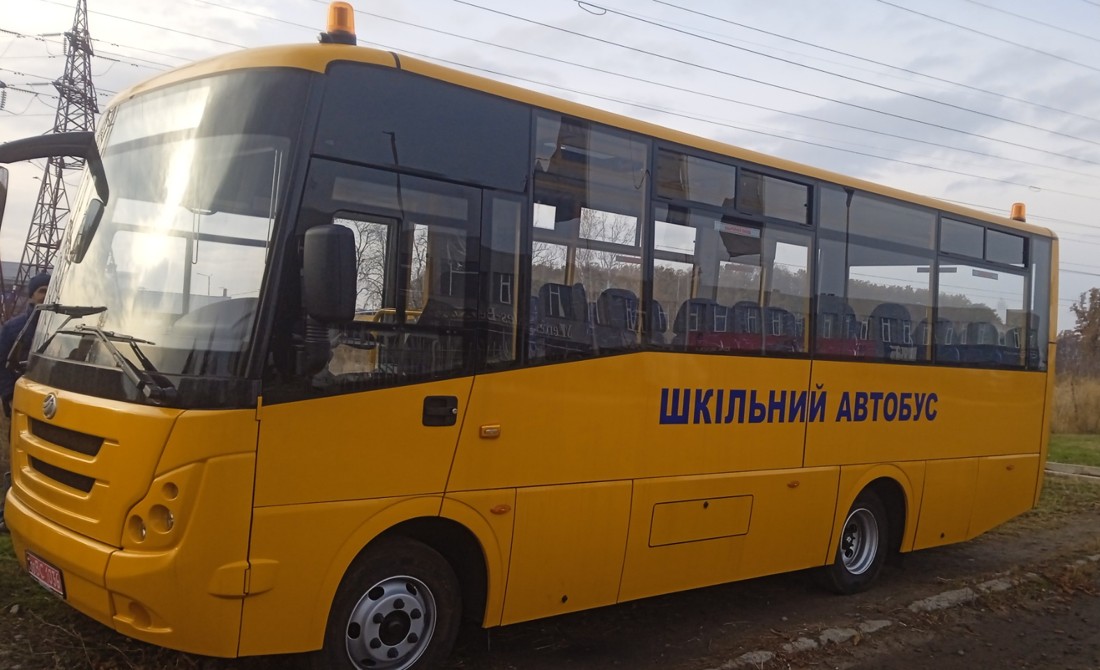
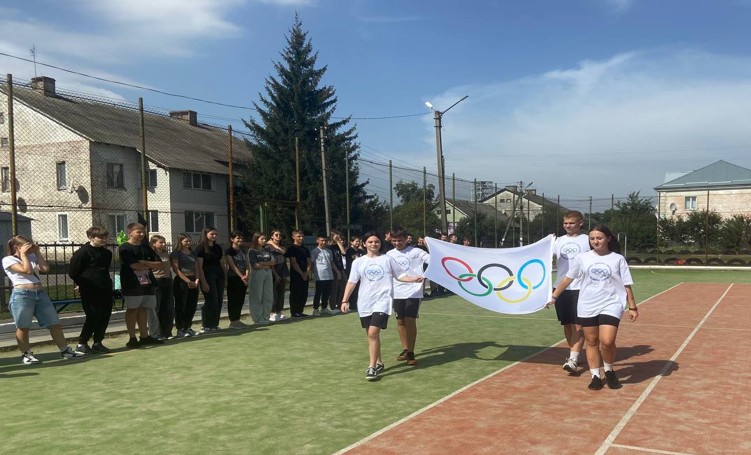
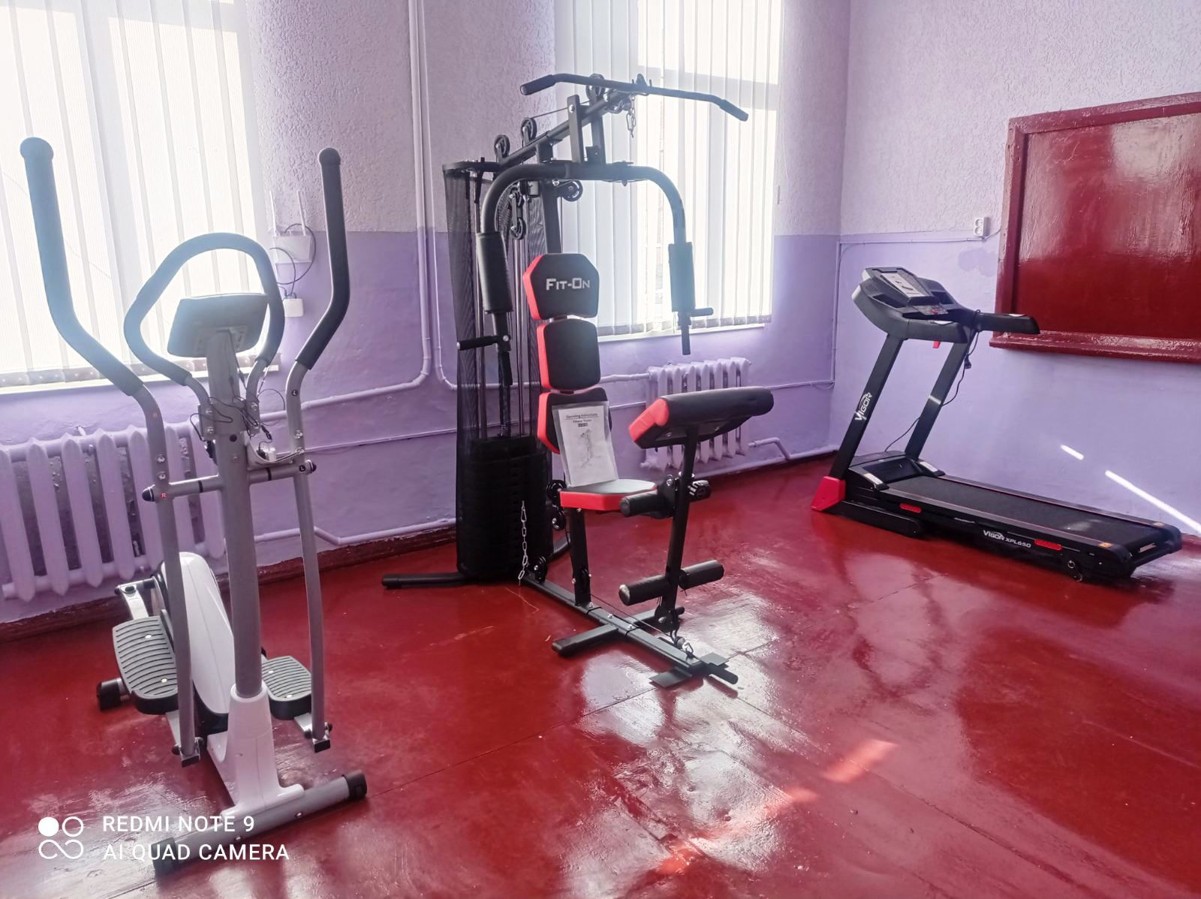
Today, the education system in the municipality of Bilyky has achieved greater balance. The municipality is now channelling the funds previously spent on maintaining under-enrolled schools into the development of other schools and the improvement of learning conditions. They have purchased school buses, expanded school transport routes, set up a centre for teaching Defence of Ukraine, and are expanding their network of clubs and extracurricular activities.
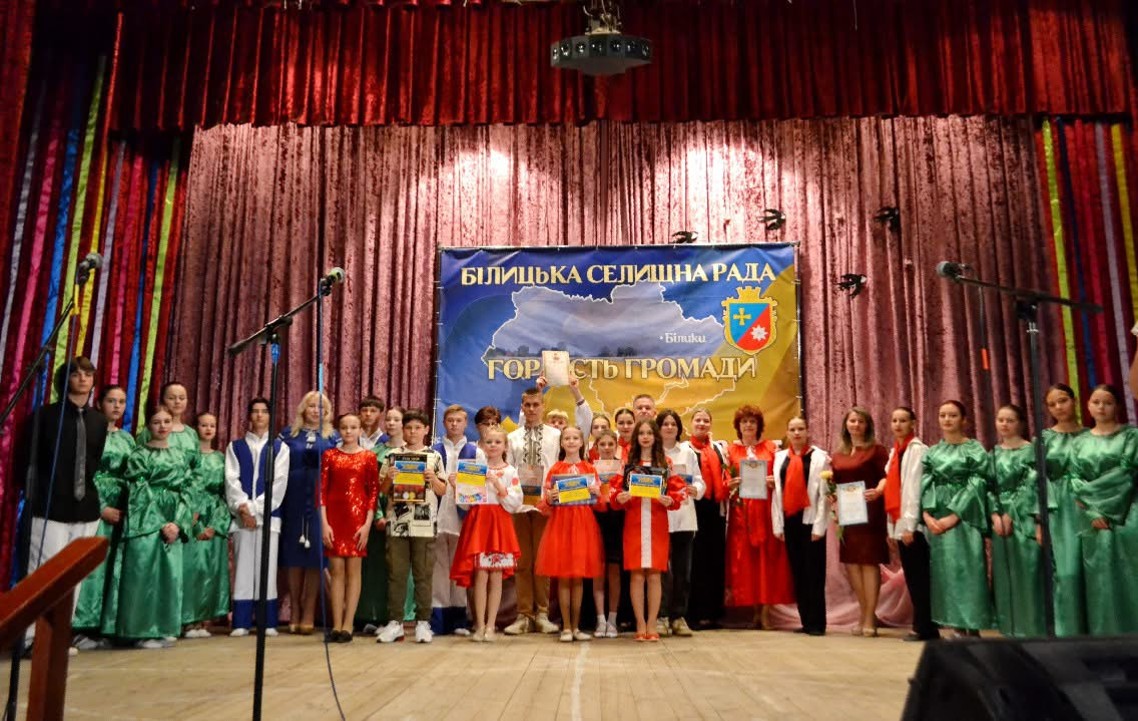
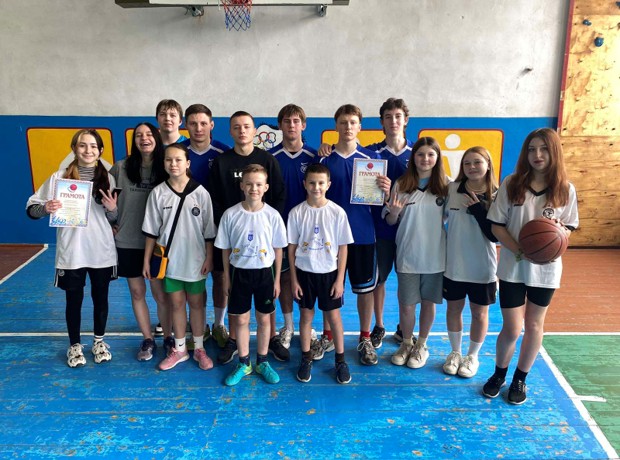
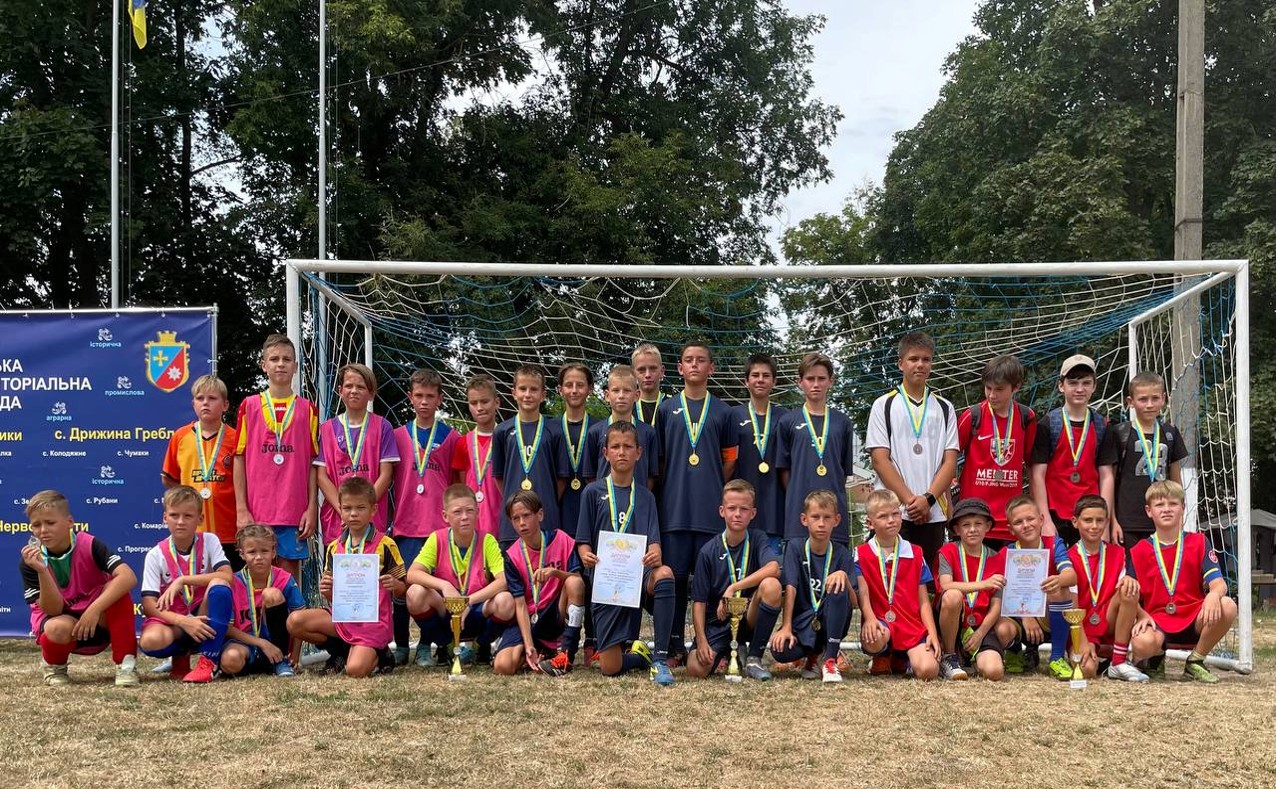
According to Halyna Karakutsia, the municipality’s education system now meets the needs of its residents: the average number of students per homeroom is around 16, and pre-school education is available to all children in the municipality. Extracurricular activities include an art school, as well as technical and sports clubs operating within general secondary schools.
The experience of the Bilyky municipality proves that systematic analysis, open communication with the public and expert support are key to making complex decisions and gradually building an effective education network.