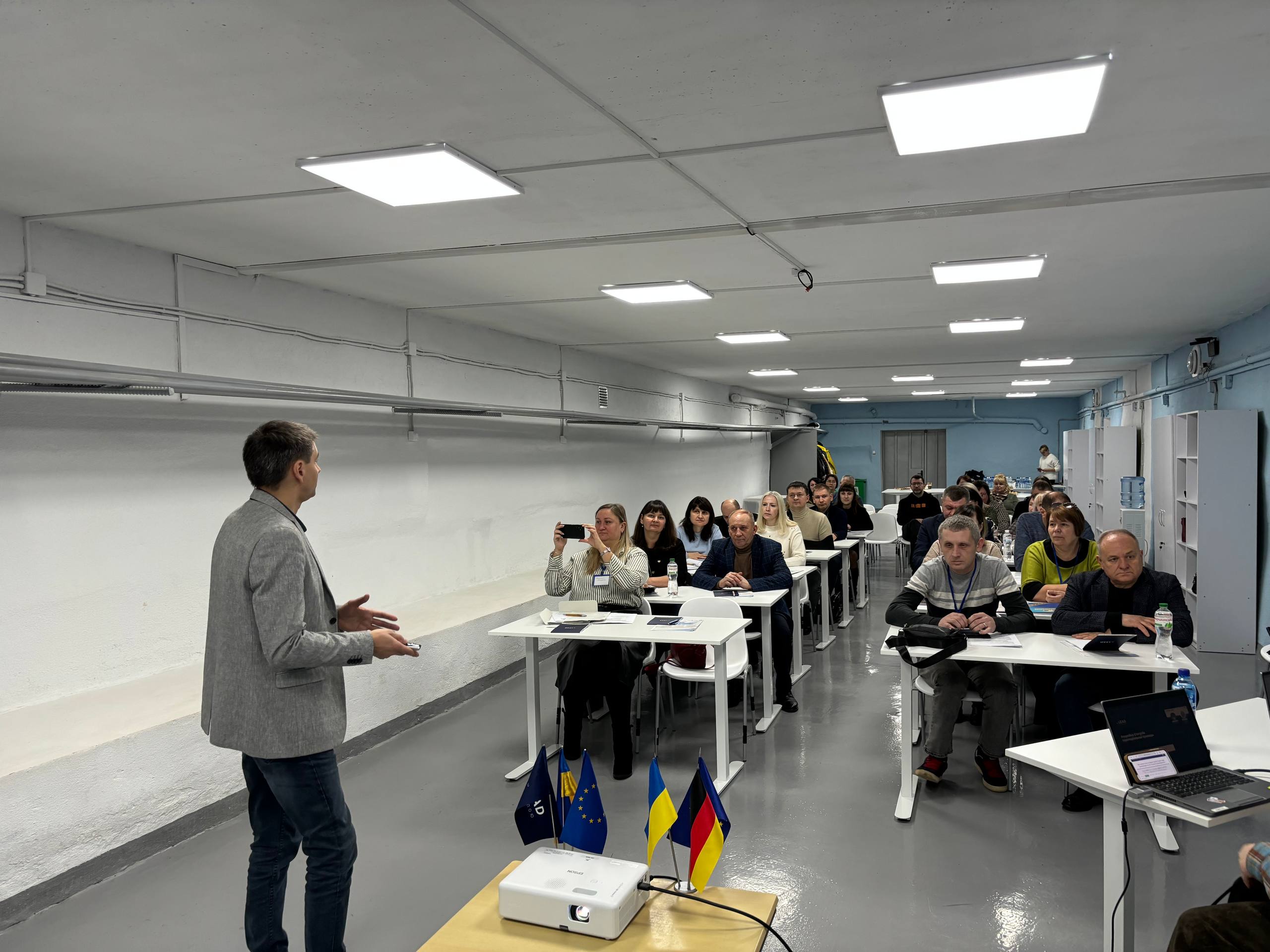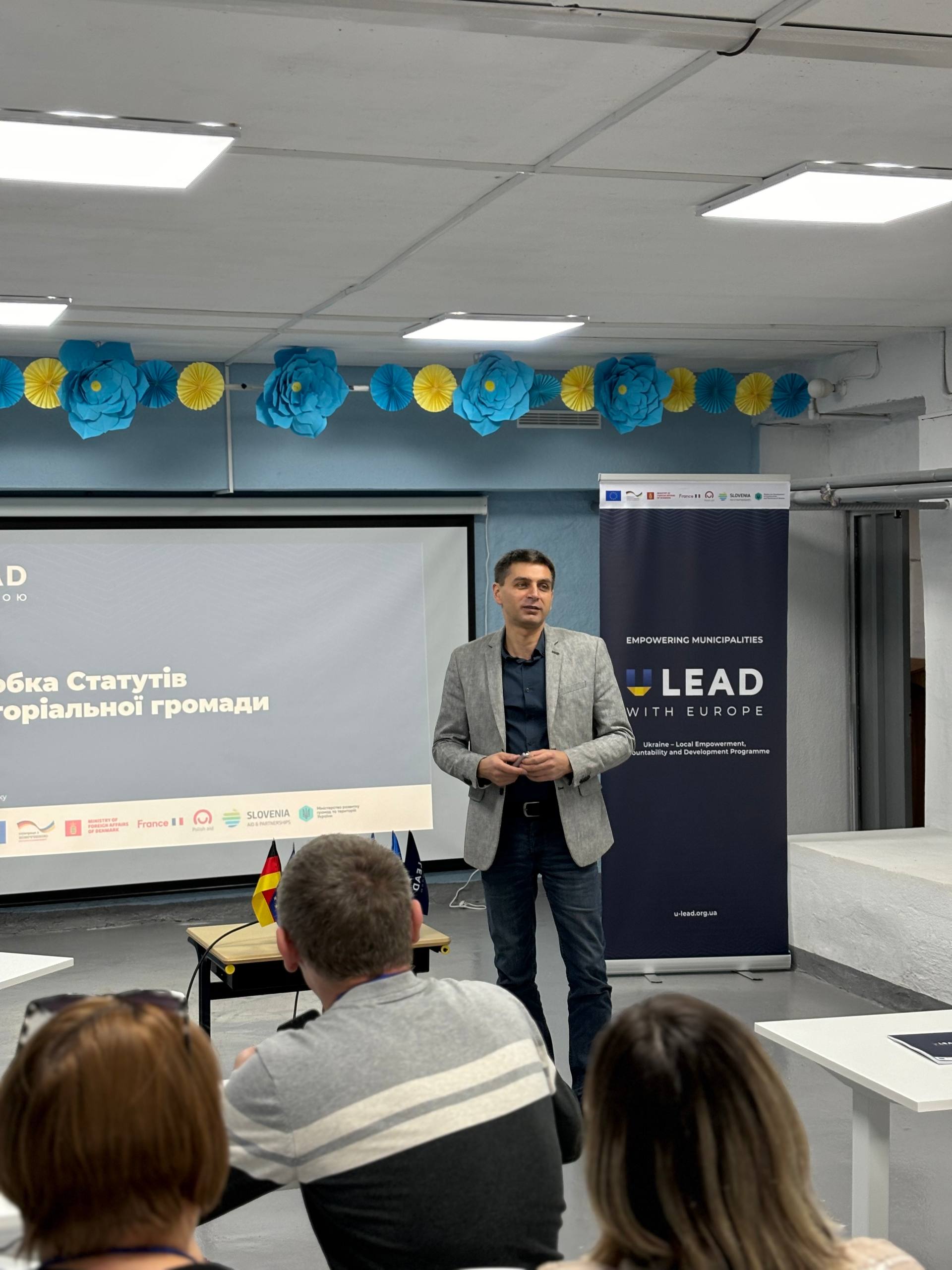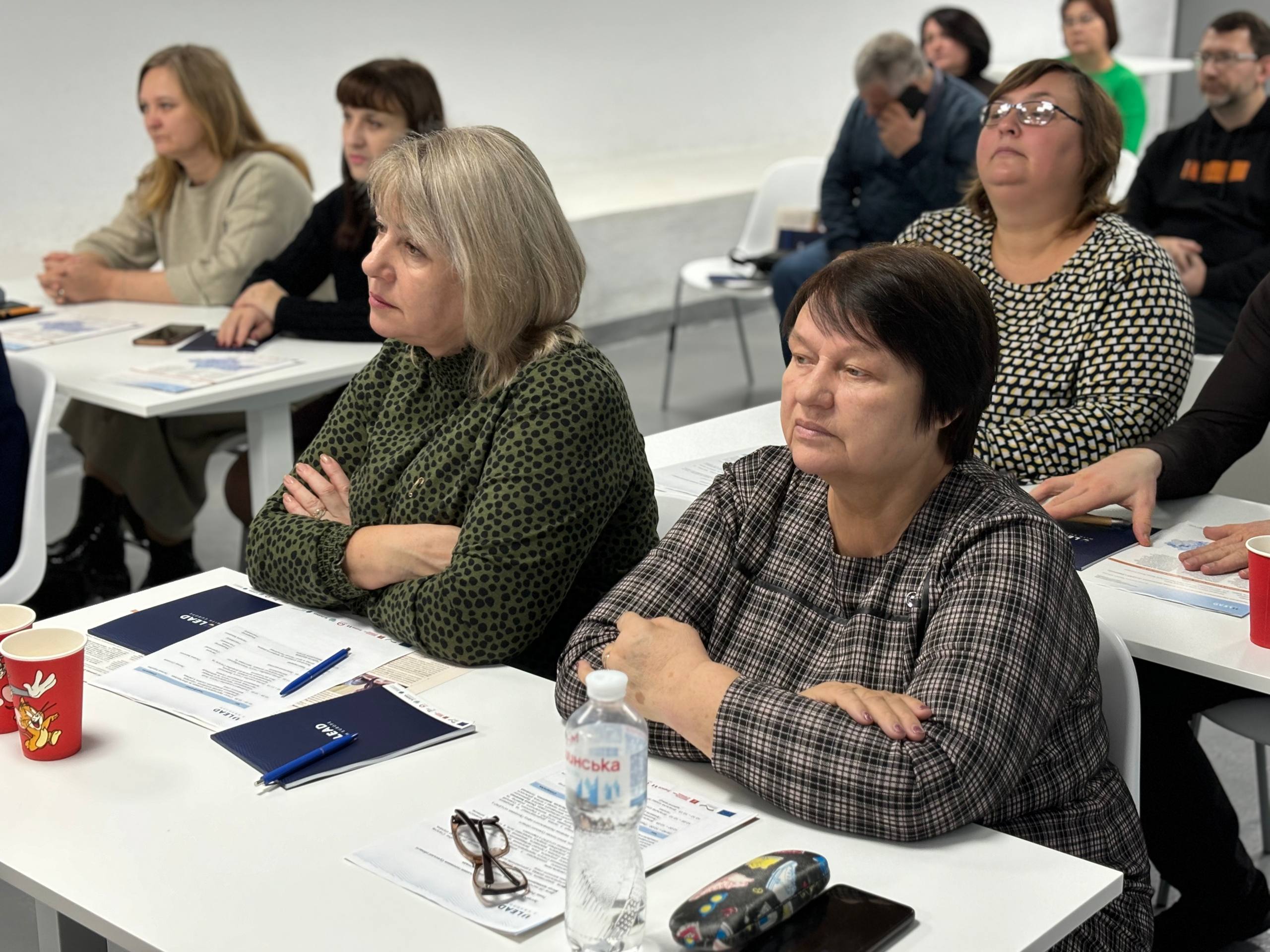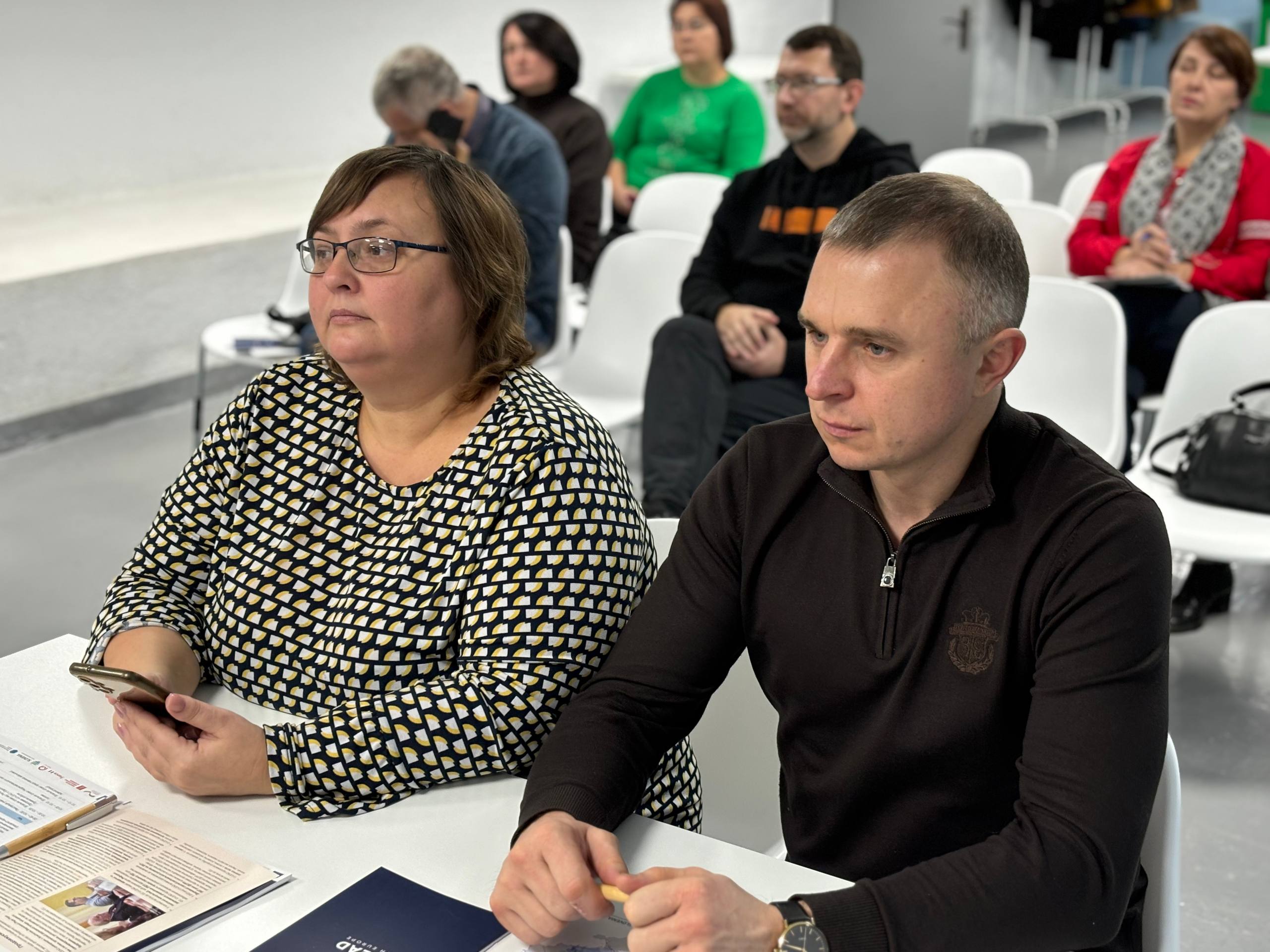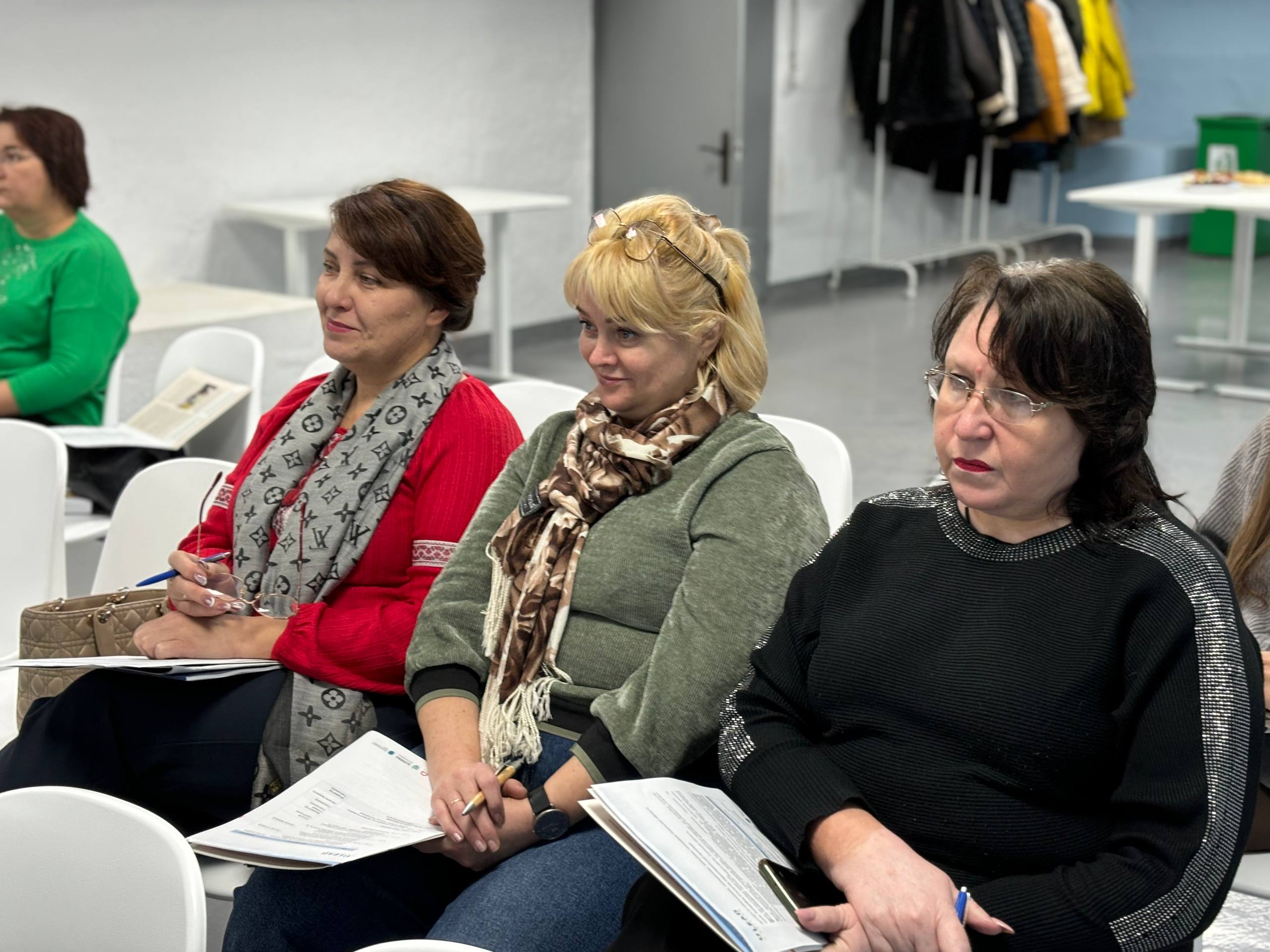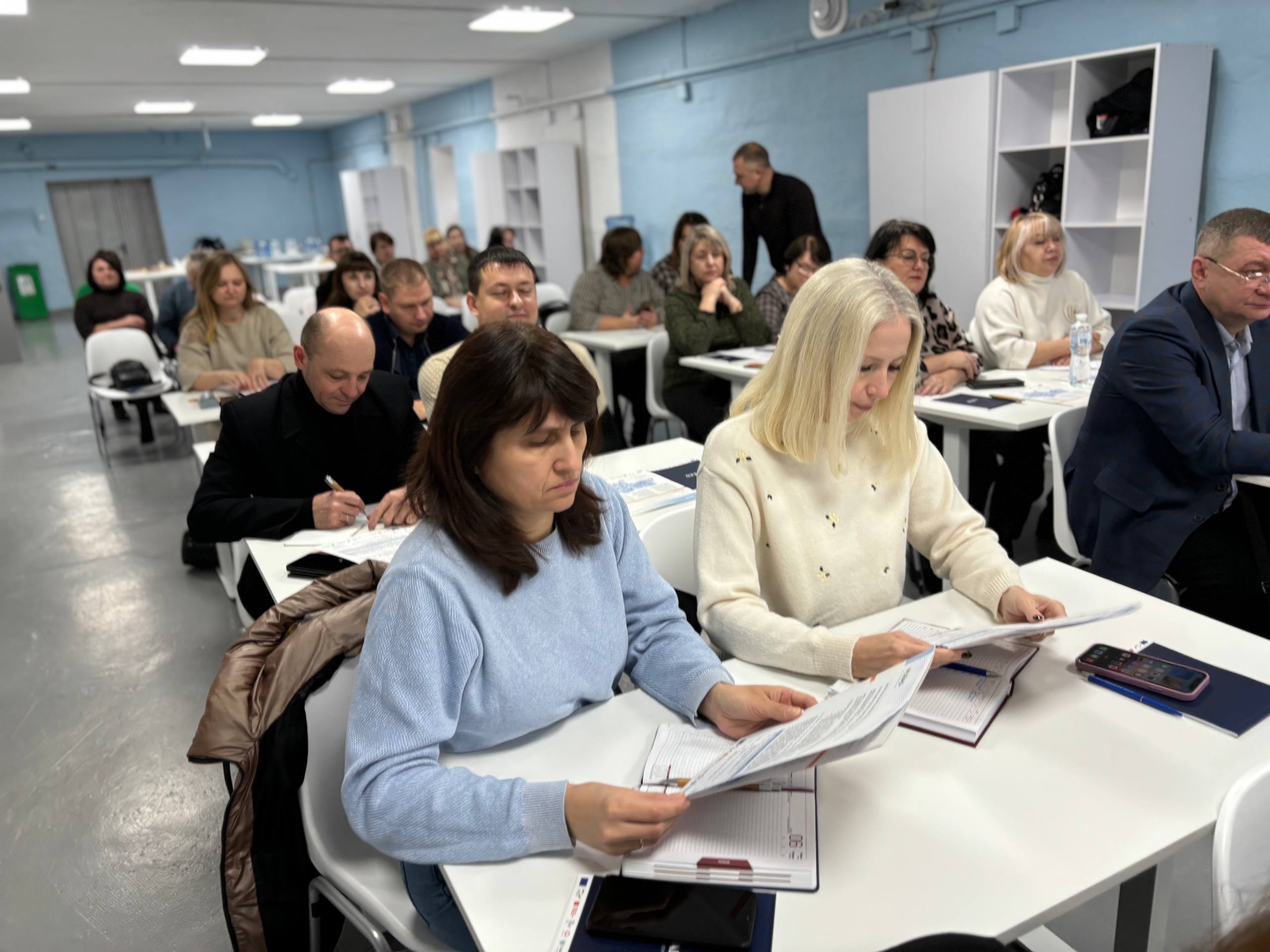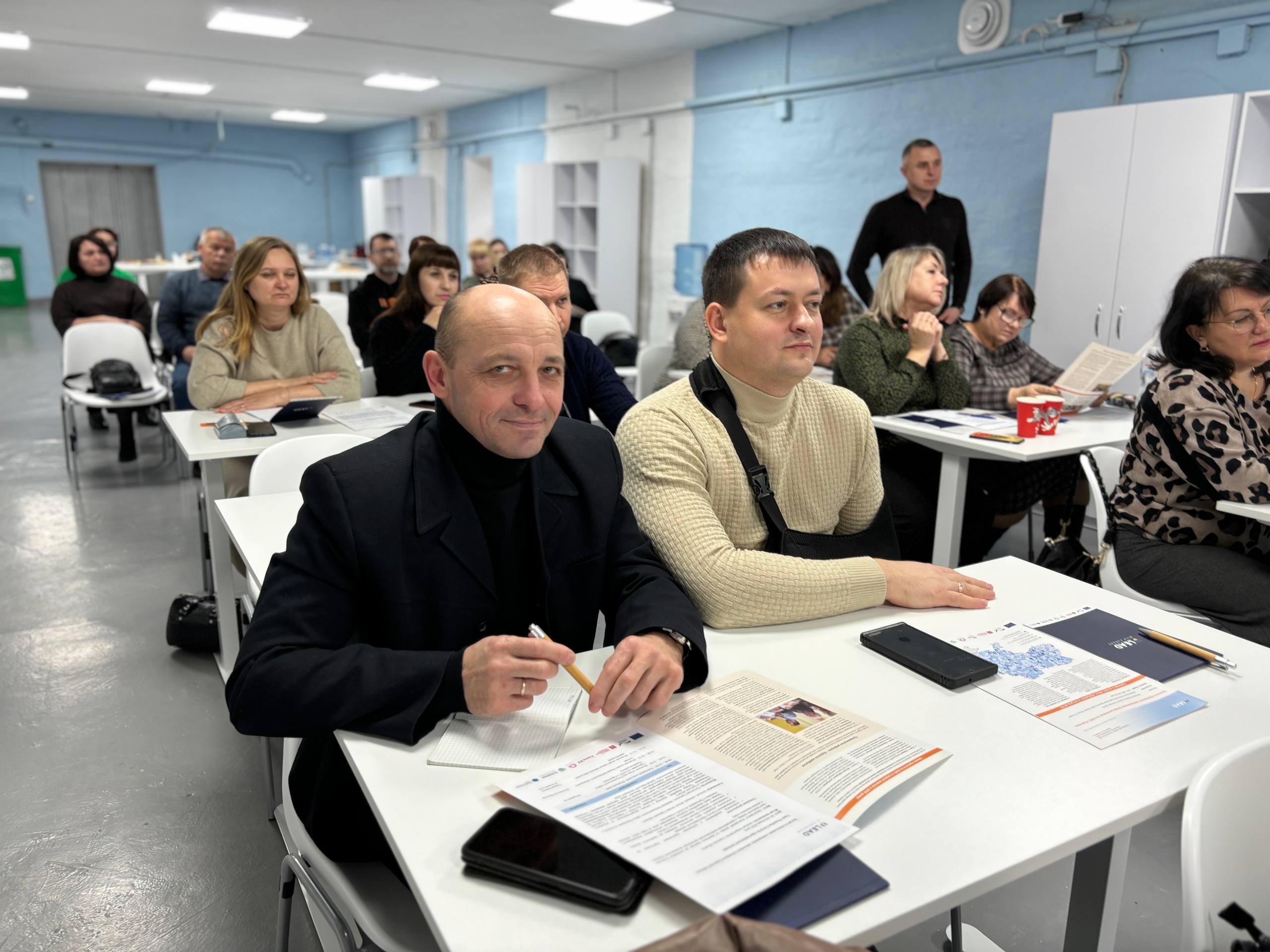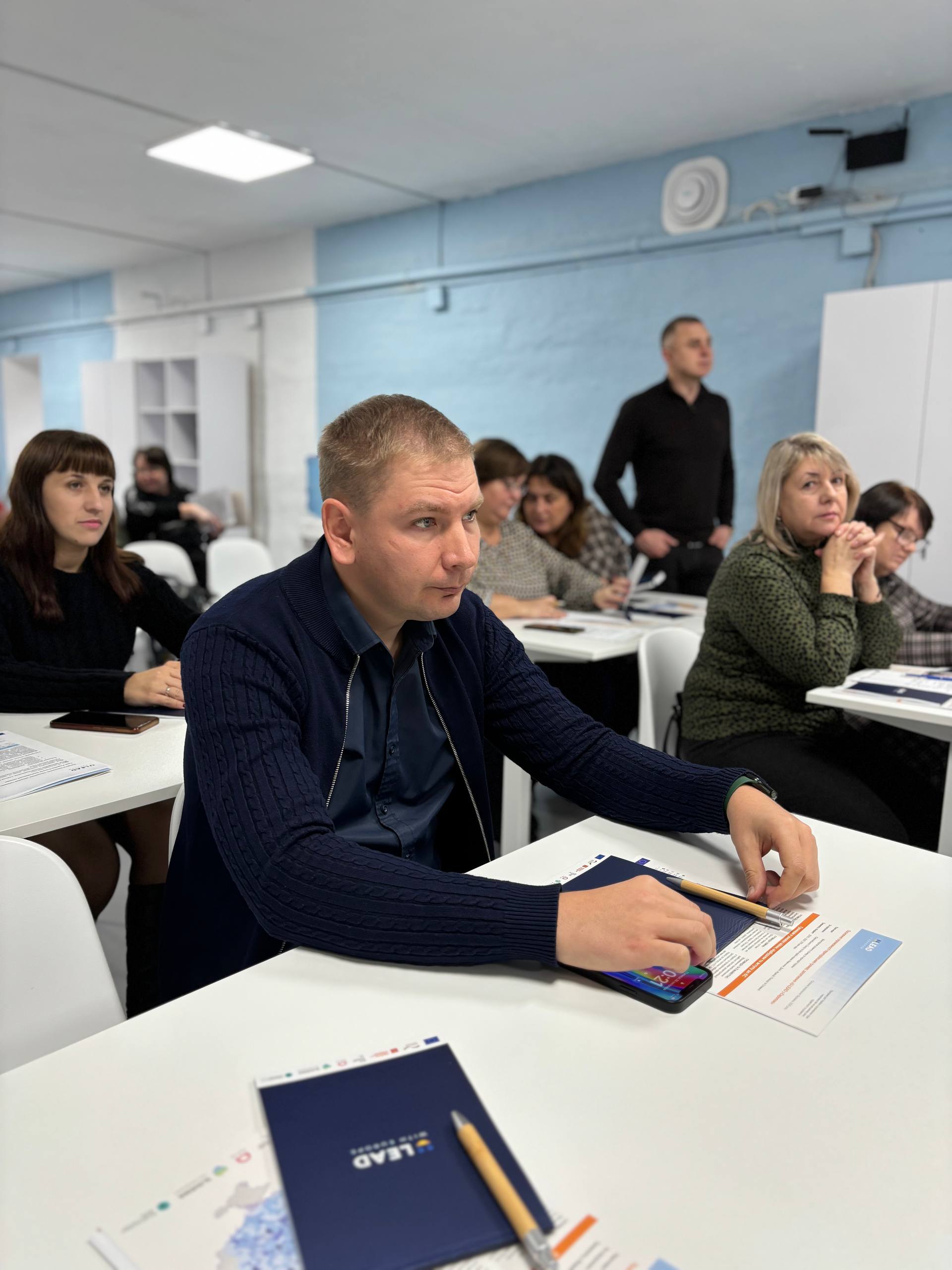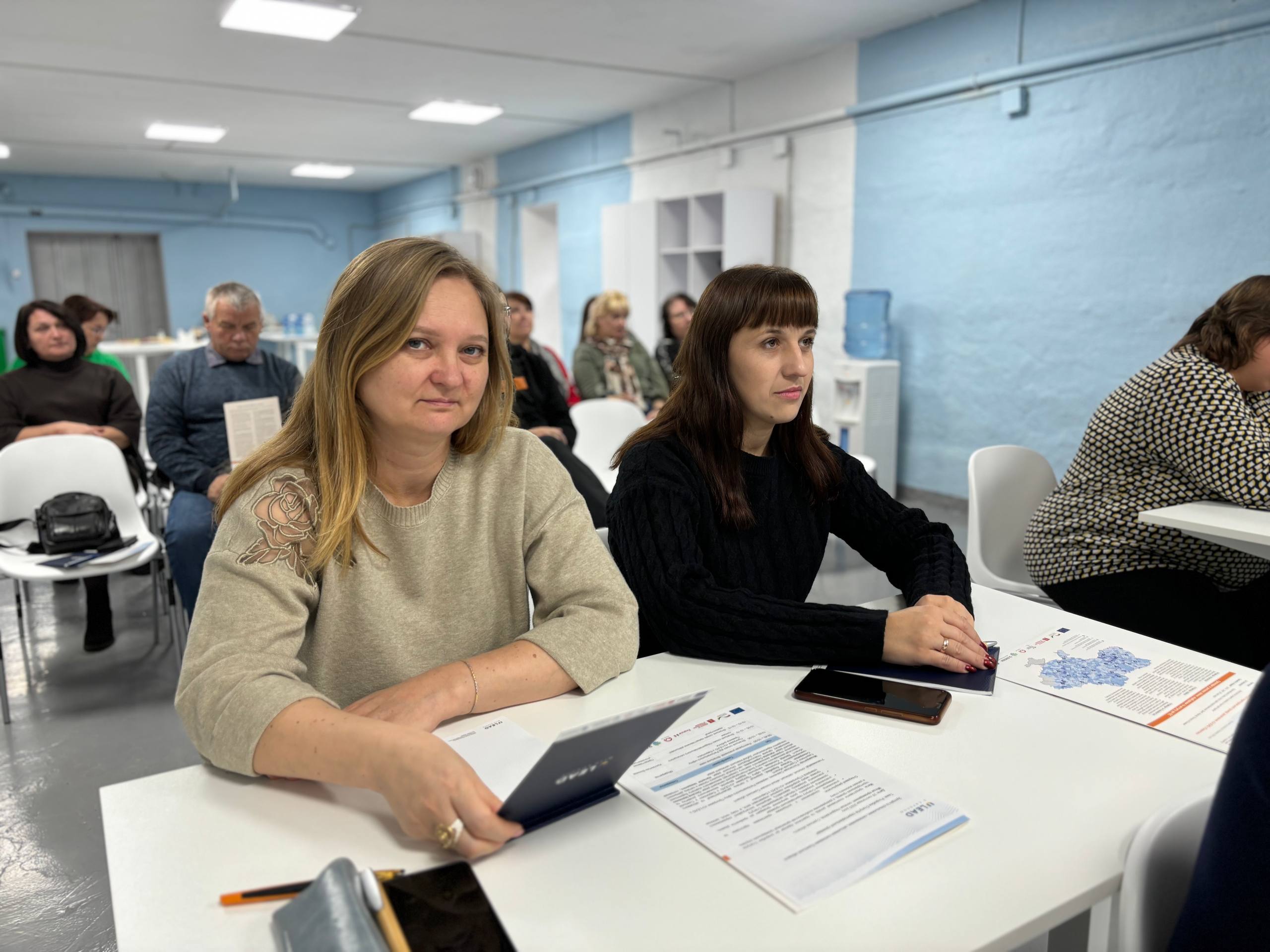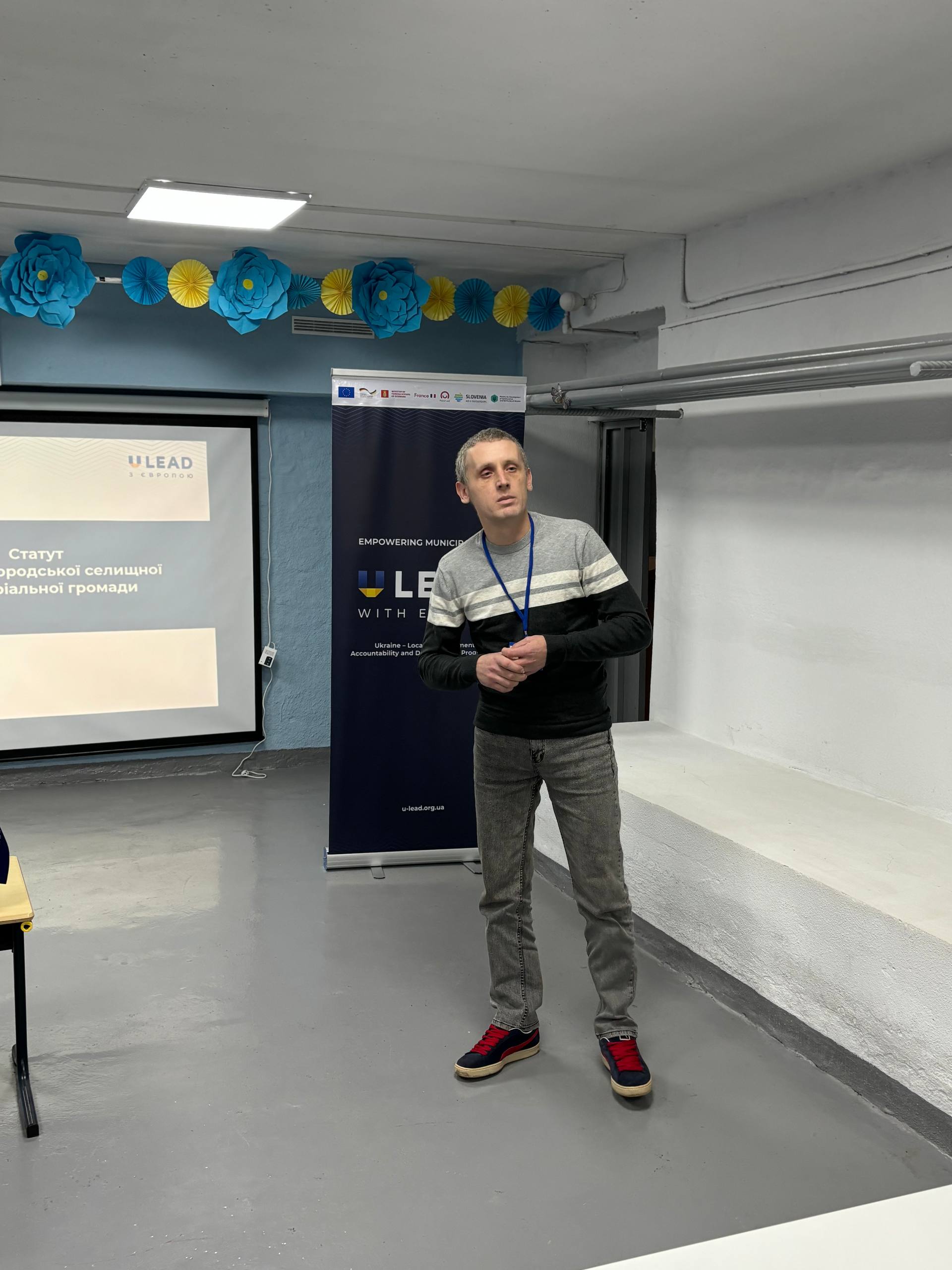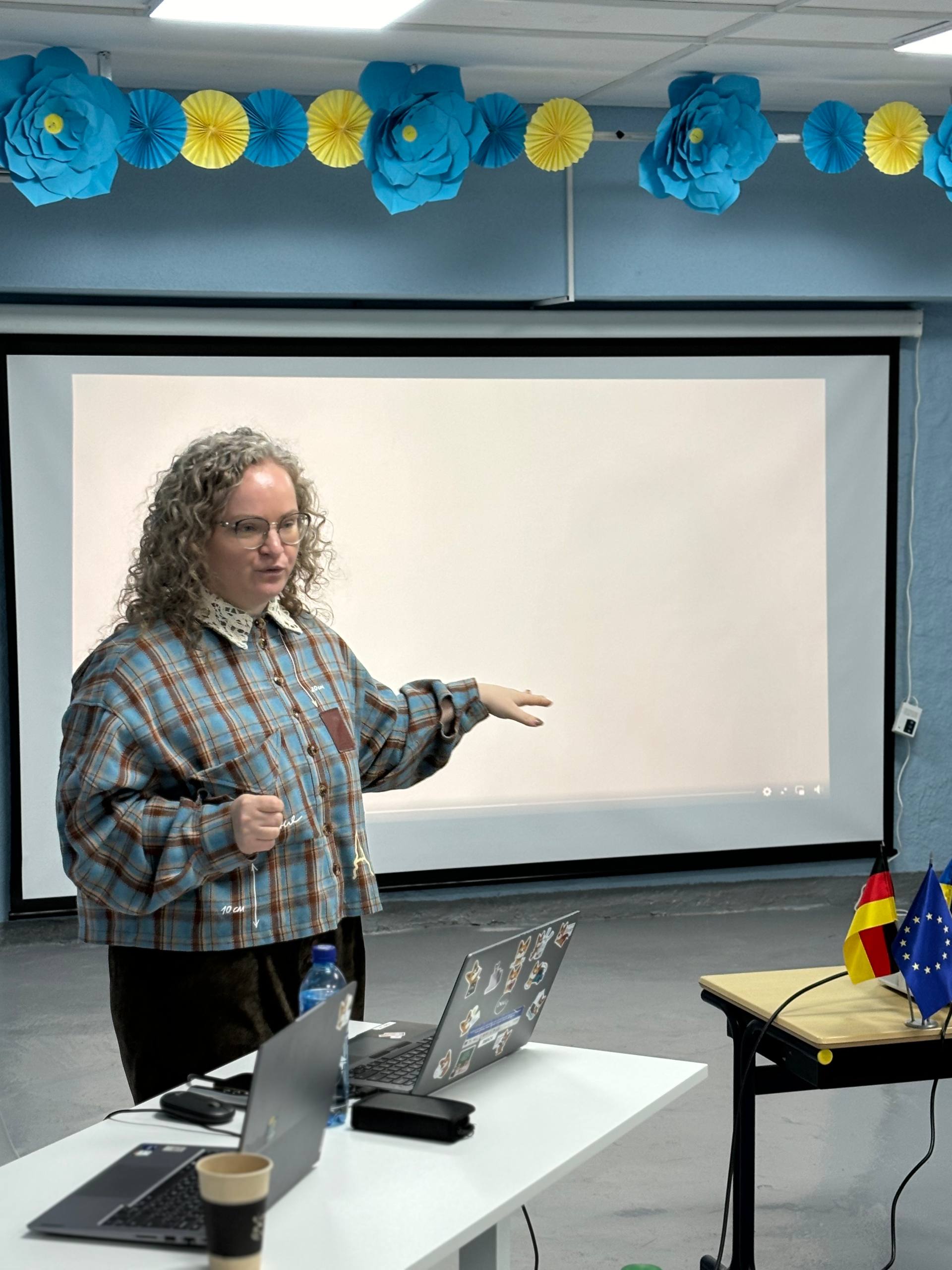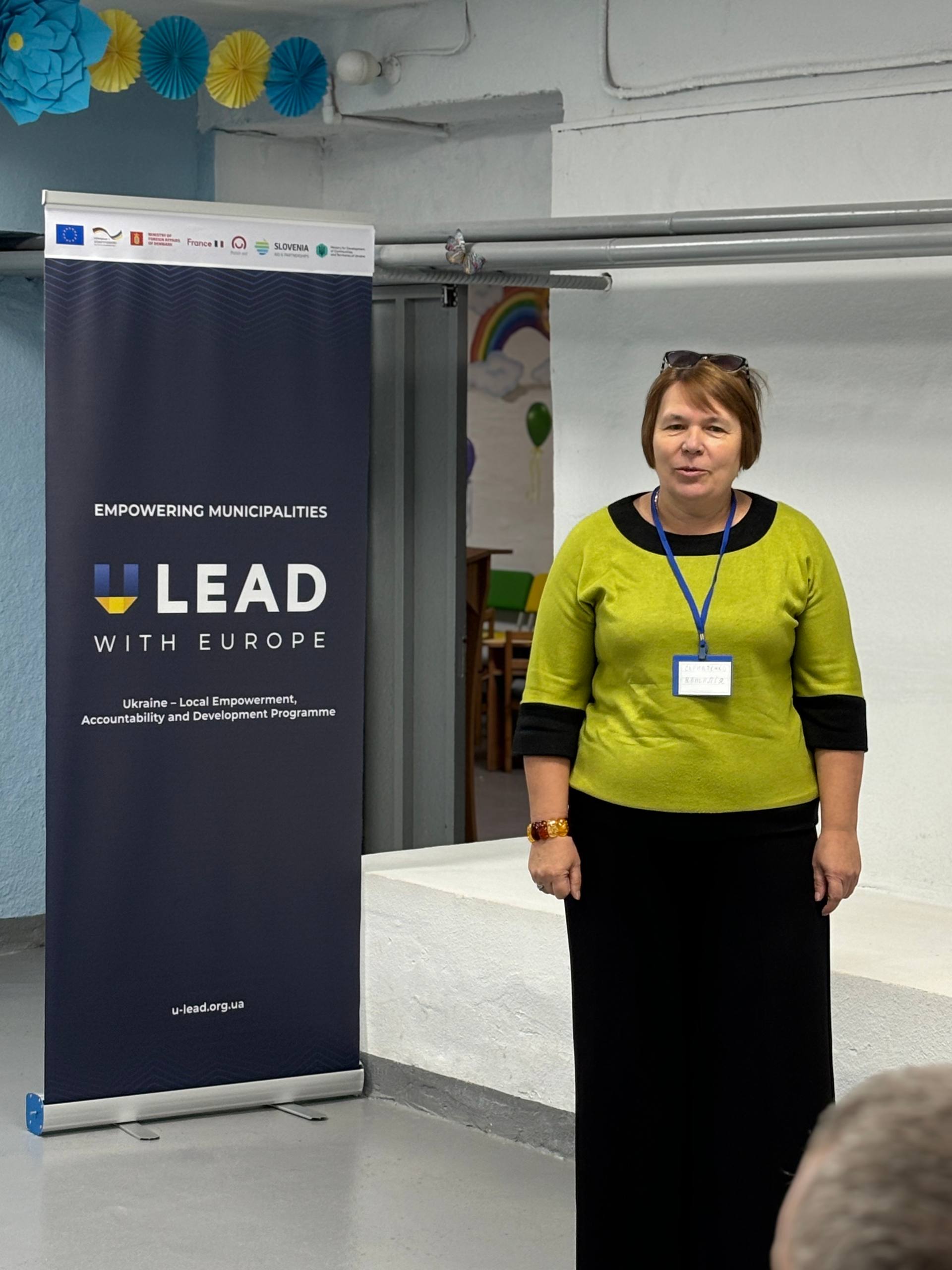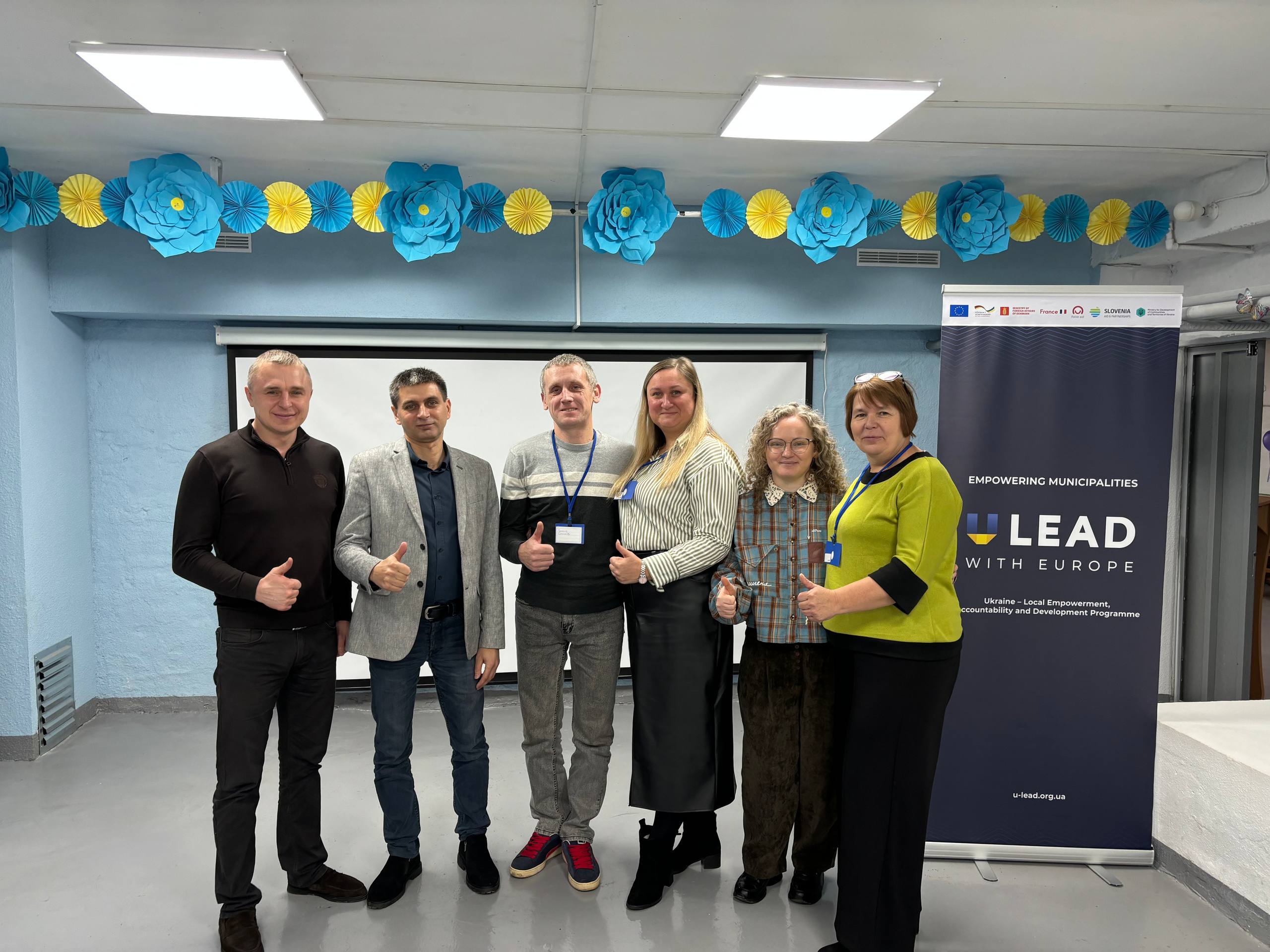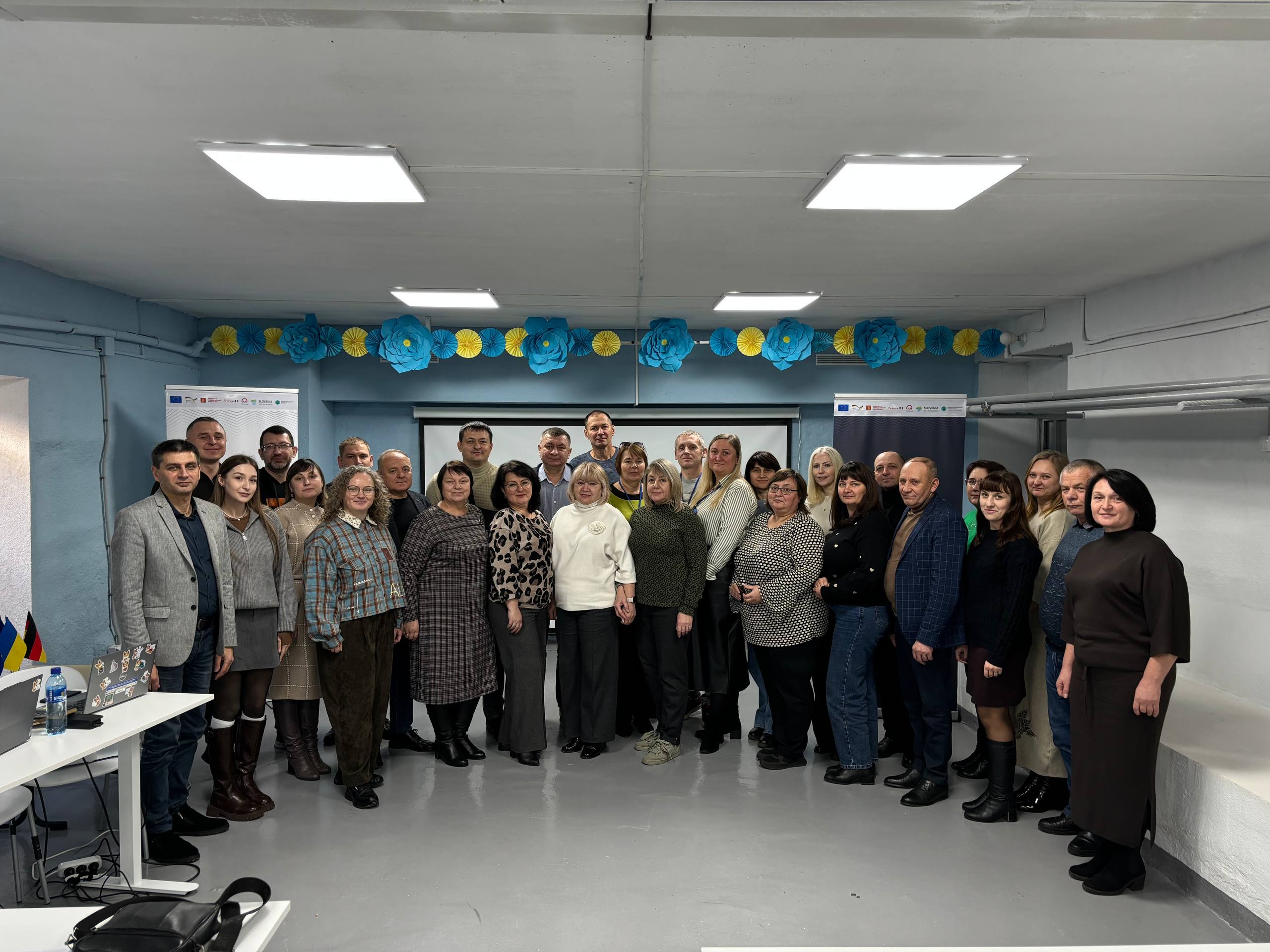



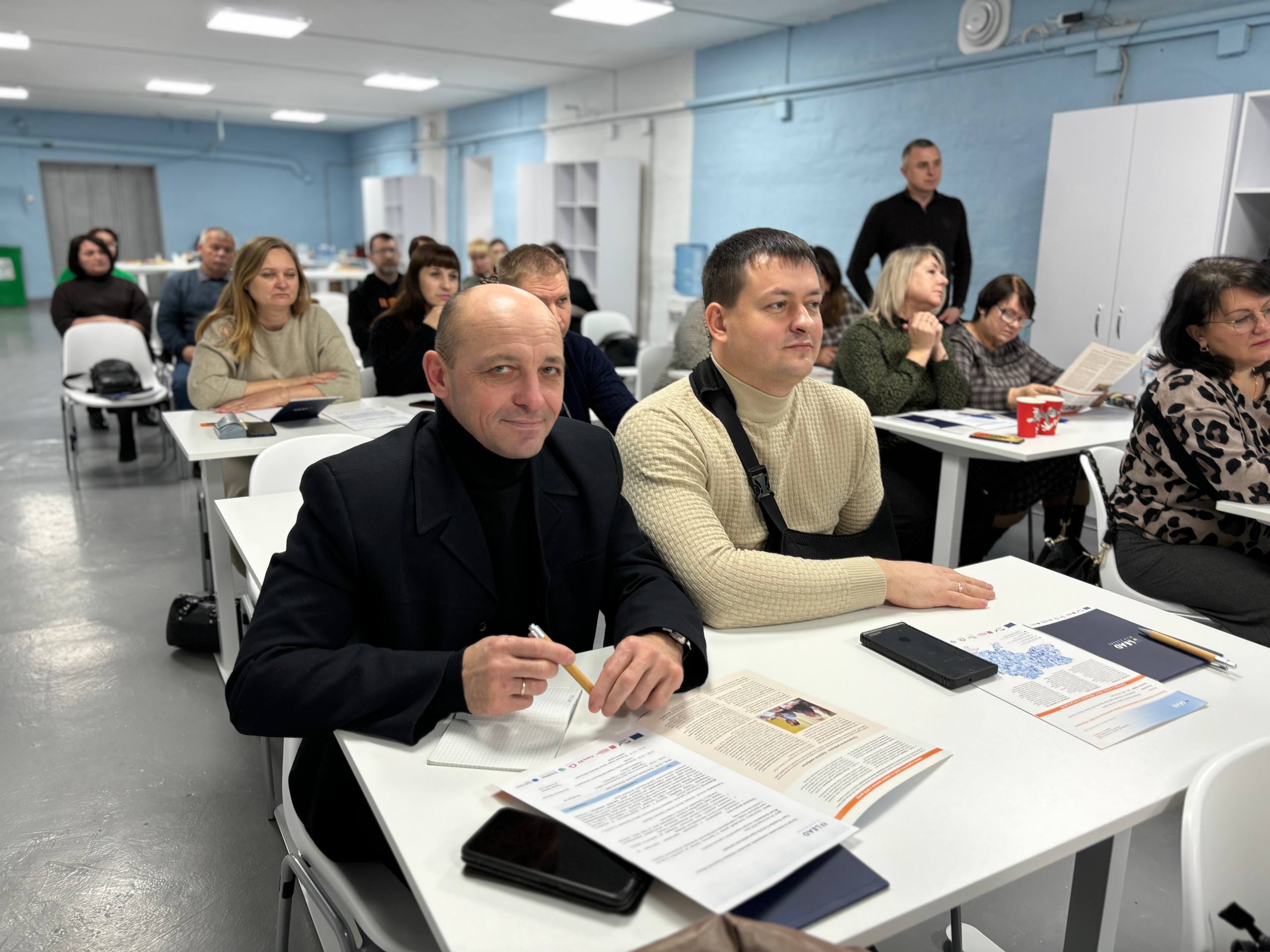
“If we had started developing our charter earlier, we could have avoided many mistakes.” This candid statement by Leonid Sotnikov, the Head of Finance and Economic Development Department of Znob-Novhorodske Village Council, set the tone for the meeting of the heads of village, settlement and urban municipalities in Sumy Oblast. The event took place in the municipality of Nedryhailiv and focused on practical approaches to devising charters for municipalities.
Municipalities came together for a meeting hosted by the Regional Office of U-LEAD in the Sumy Oblast to not only receive expert advice but also share their real-life experiences in drafting their charters. The meeting was structured around a dialogue between municipalities: those that had already developed or approved their charter shared their experiences with others that were just starting out.
Charter is a set of guidelines for the life of a municipality
Tetiana Korobka, a Policy Advisor for Decentralisation and Local Self-Government at the Regional Office of U-LEAD in Sumy Oblast, underlined that the charter is not just a document, but a set of guidelines for the life of a municipality. It determines how residents can be involved in the decision-making process and influence the development of their area. Although the charter will only become mandatory for all municipalities on 1 January 2027, it is important to understand now how to prepare it together with residents.
According to Tetiana Korobka, municipalities must discuss and approve their charters by the end of 2026:
“It is important to understand that there is no one-size-fits-all charter. It must be unique to each municipality, as it depends on its economic conditions, location and people. One thing to keep in mind is that this document won’t work without the public getting involved. Dialogue, clarifications and feedback are essential components of its creation.”
The Case of Znob-Novhorodske municipality: when a document is a lifeline
The participants were most interested in the experience of municipalities at the frontlines. The municipality of Znob-Novhorodske has been experiencing daily threats, incessant shelling, infrastructure destruction and a shortage of personnel for several years.
Leonid Sotnikov said that the charter had become a tool for the municipality to plan its activities and even an effective argument in discussions with international partners, who often inquire about its availability:
“We have no idea what tomorrow will bring. It’s incredibly challenging to plan and manage work in border areas. All I can say is that if we’d had the Charter 10 years ago, many mistakes in the process of planning our municipality’s activities could have been avoided,” he said.
Throughout the process of drafting the document, the municipality was advised by U-LEAD experts. They developed a regulation on the working group, involved department heads, and worked in a hybrid – online and offline – format.
Nova Sloboda municipality: when communication makes a difference
The key challenge for the municipality of Nova Sloboda in the process of drafting the charter was to engage the public. Not everyone is interested in local self-government issues, so they had to come up with new approaches. Nataliia Skrypchenko, the Deputy Head of Nova Sloboda Village Council, spoke about this.
Discussions were held in various formats, both online and while distributing humanitarian aid. Each proposal was processed, and after the consultations, the council approved the charter.
Nataliia Skrypchenko presented the structure of the document in detail. It consists of ten sections that outline the system of local self-government bodies, the rights and obligations of residents, participation mechanisms, public control, cooperation with other entities and engaging youth in the municipal development.
Duboviazivka municipality: inspired by the Czech Republic
The municipality of Duboviazivka shared their experiences from a study trip to the Czech Republic. In Brno, they saw that the core processes in municipalities are based on participatory approaches, i.e. involving residents in developing decisions. This is the approach they intend to pursue, including through instruments that will be enshrined in the charter.
“Our goal is simple yet effective approaches”
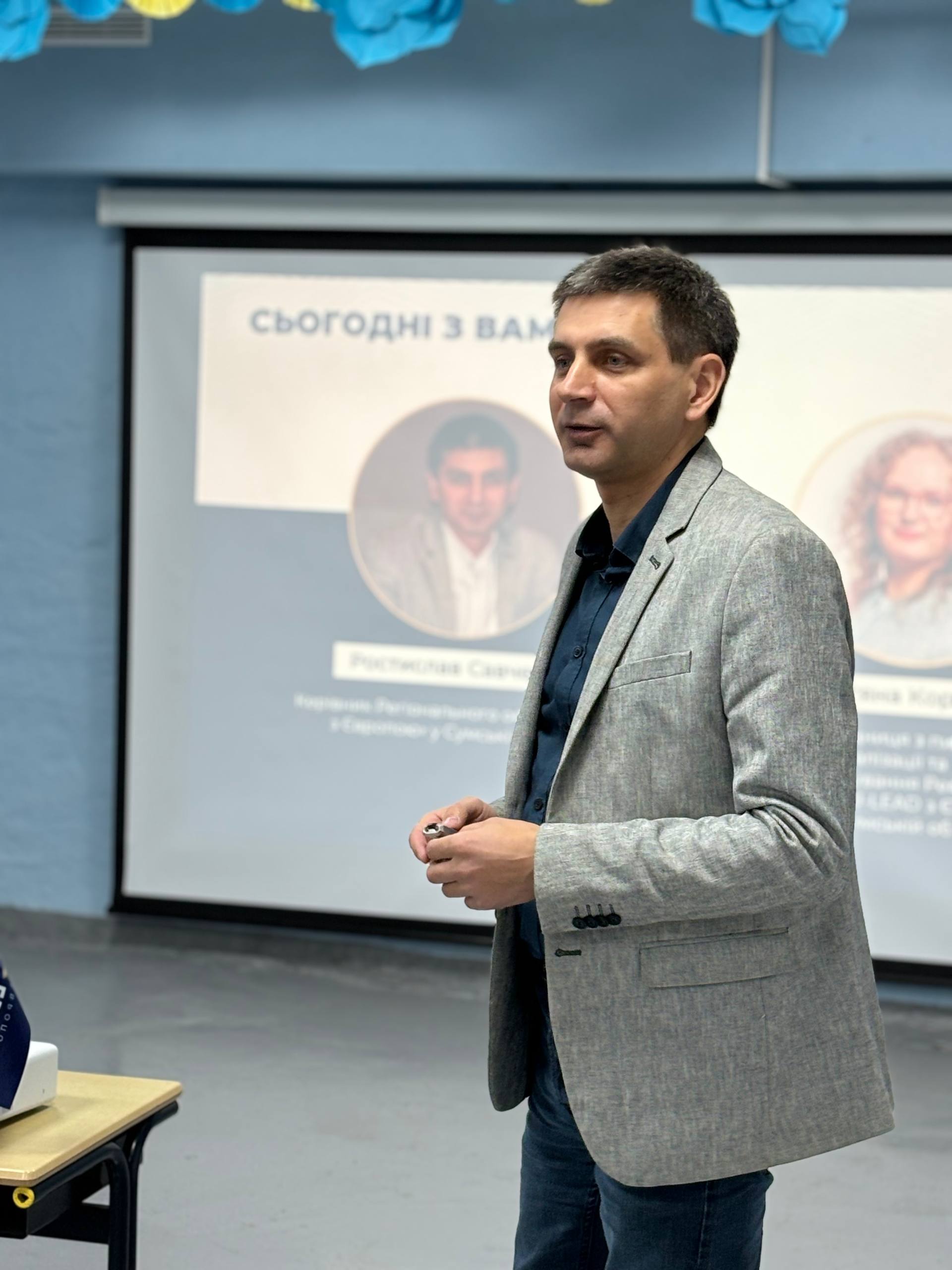
Summing up the meeting, Rostyslav Savchenko, the Head of the Regional Office of U-LEAD in Sumy Oblast, emphasised:
“Our goal is to show municipalities simple yet effective approaches to drafting charters, especially in wartime conditions. The most valuable aspect, however, is the case studies shared by the municipalities themselves. These kinds of meetings are where solutions that can be put into action right away are born.”
He added that municipalities from all over Ukraine turn to U-LEAD experts for support in devising their charters:
“Municipalities wish to figure out how to make their charters practical and useful for residents, rather than a mere formality. Our advisers provide this assistance and share practical solutions that are already working in other municipalities. This encourages municipalities to view their charter not as a dry piece of legal paperwork, but as a living tool for development and effective engagement with their residents.”