



Partnerships: what is the winning formula? The success of international cooperation, just like the happiness of a family, depends on the efforts of both partners. How not to miss out on opportunities? Why is it important to keep building a dialogue once you find a partner? How to find common ground with European municipalities? And why is it worth it — and never too late — to learn English?
How to signal your openness for partnering? And why is high-quality strategic planning the path to Europe that opens doors?
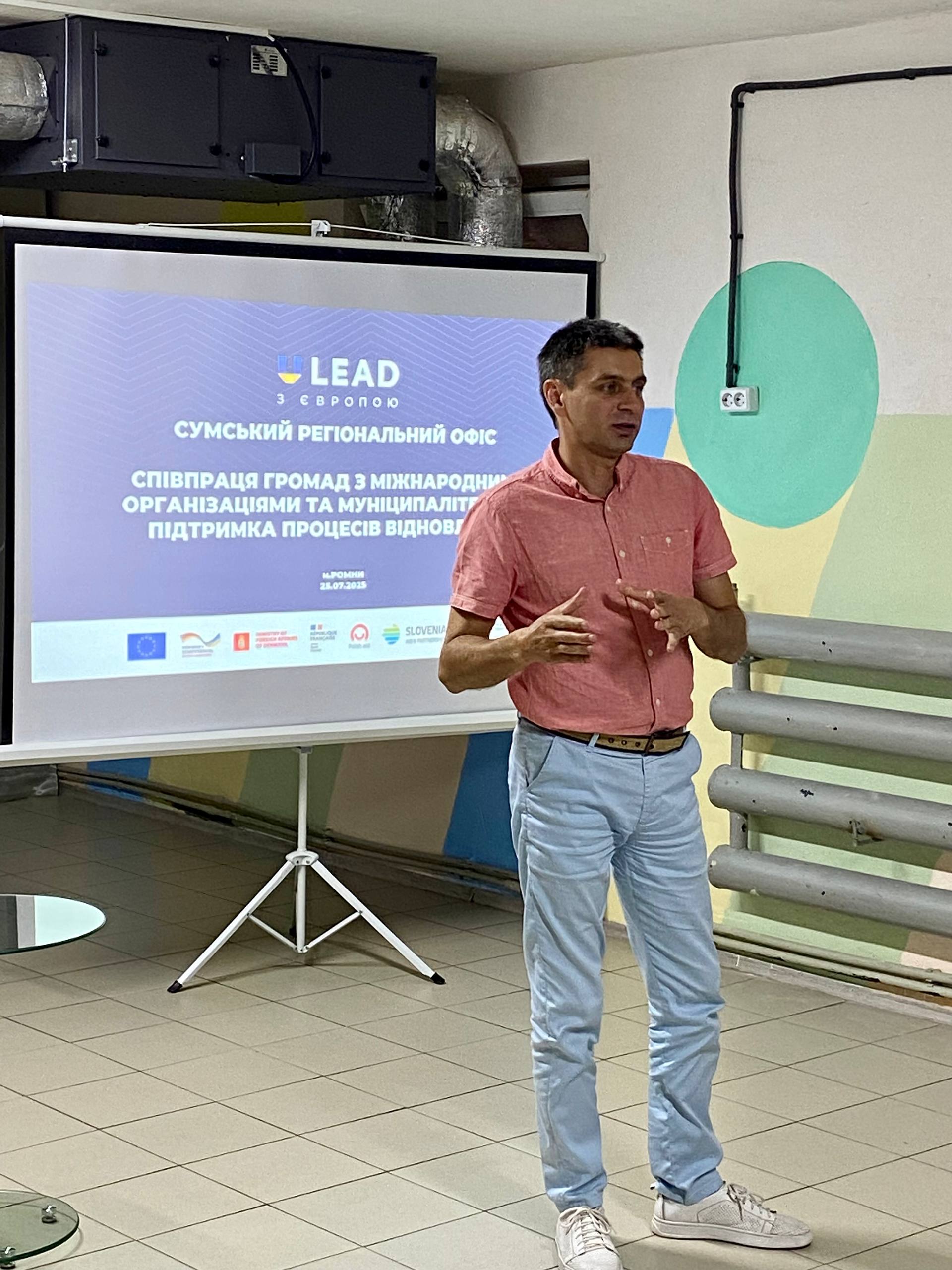
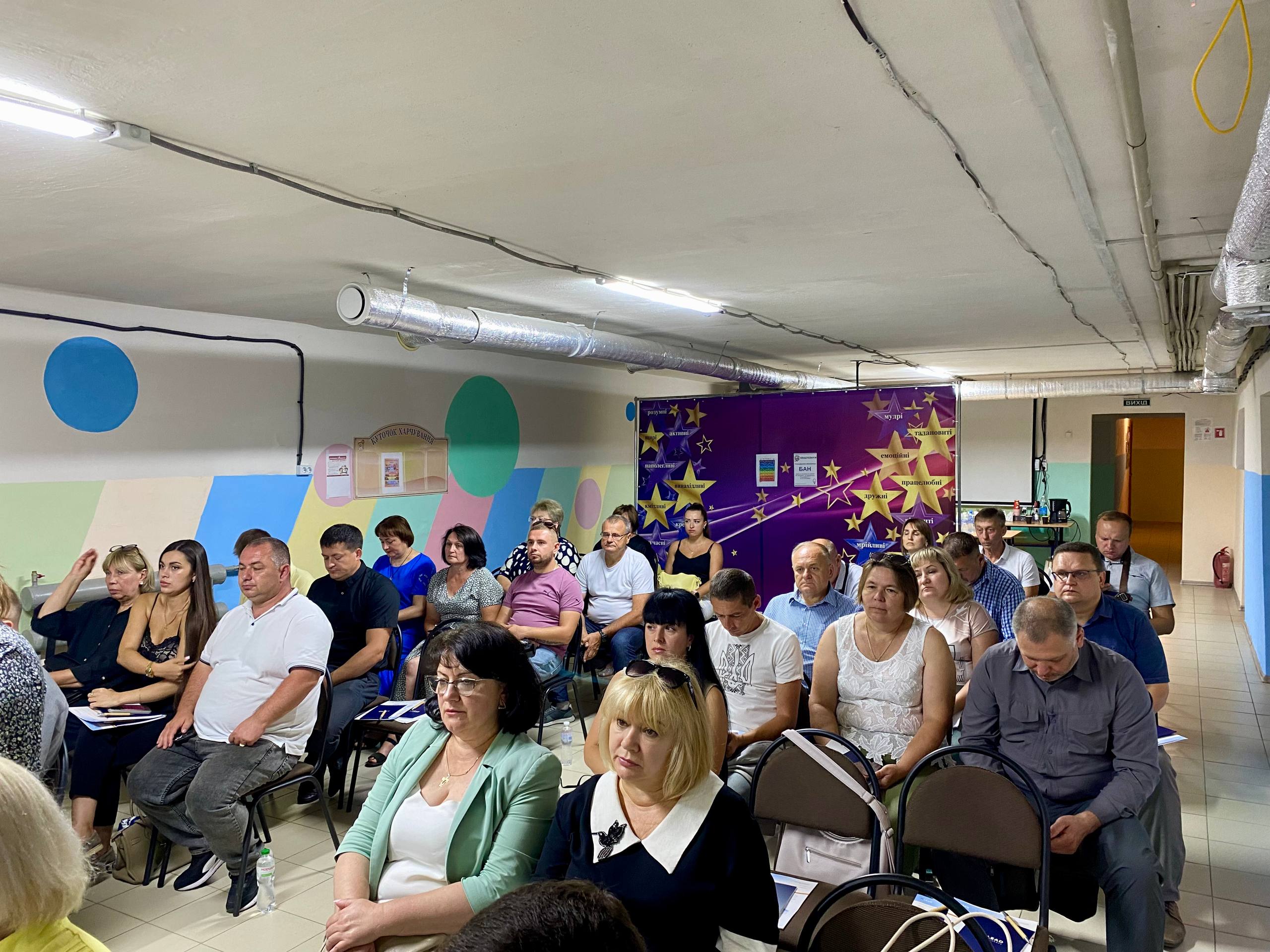
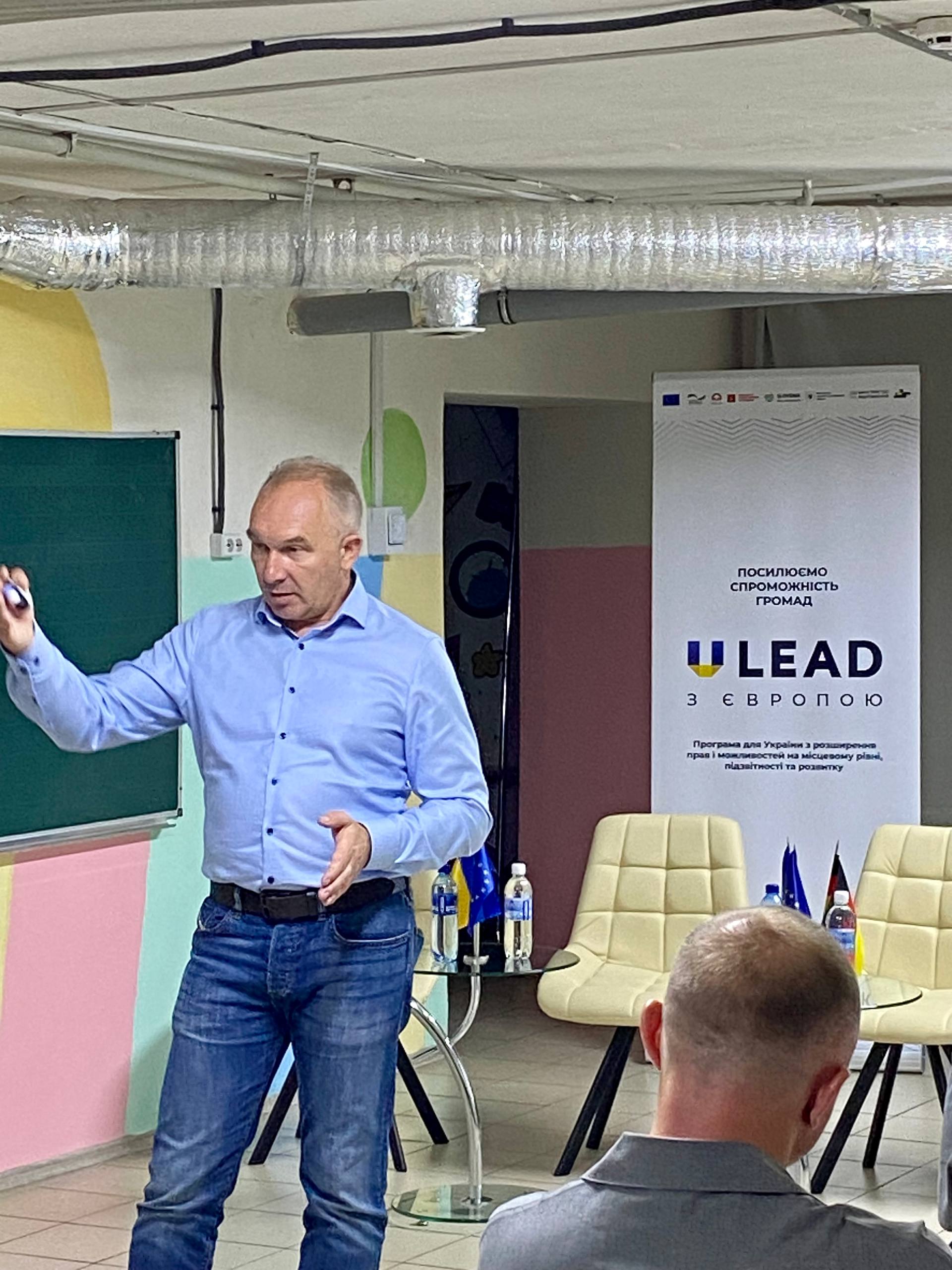
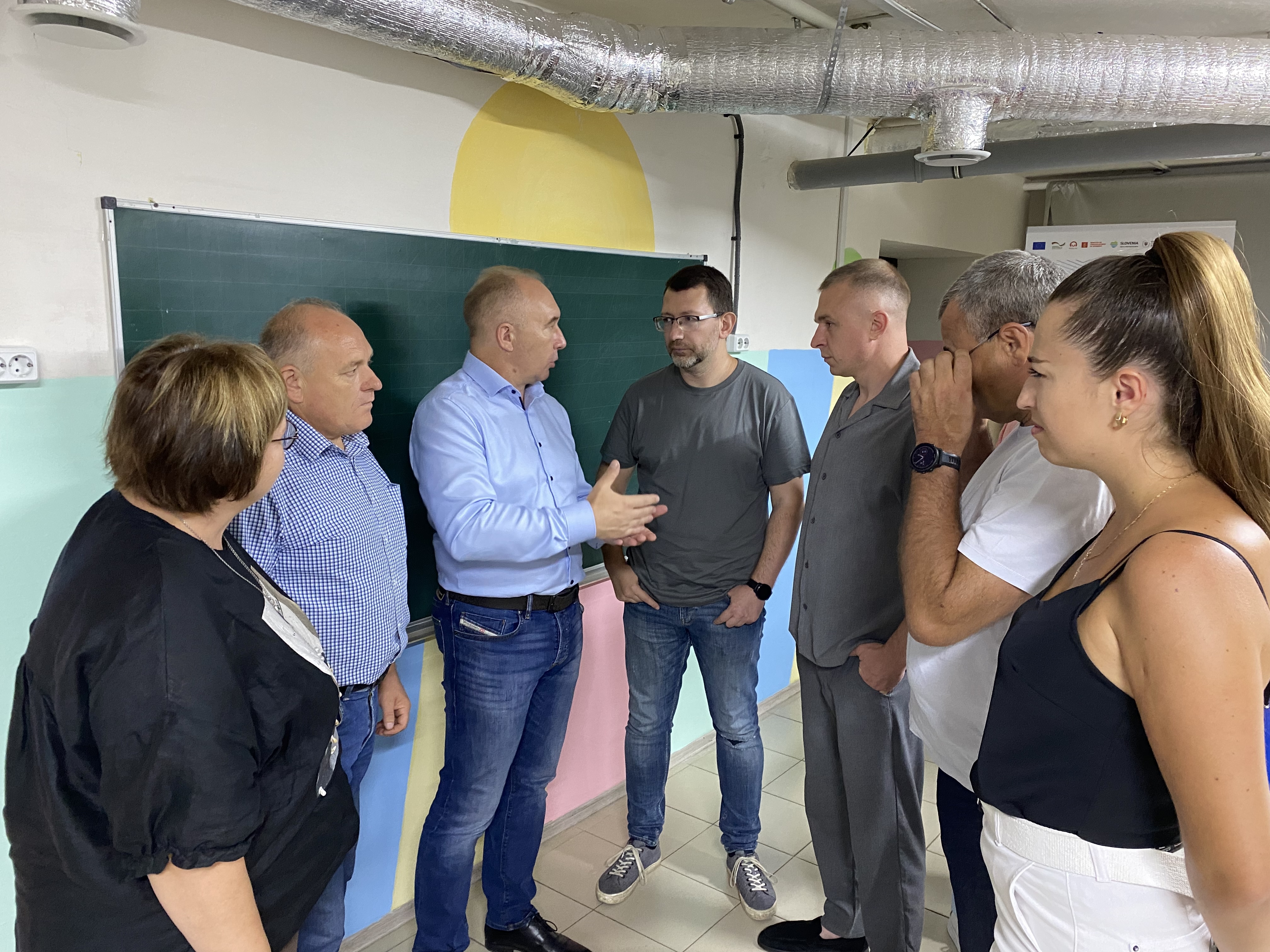
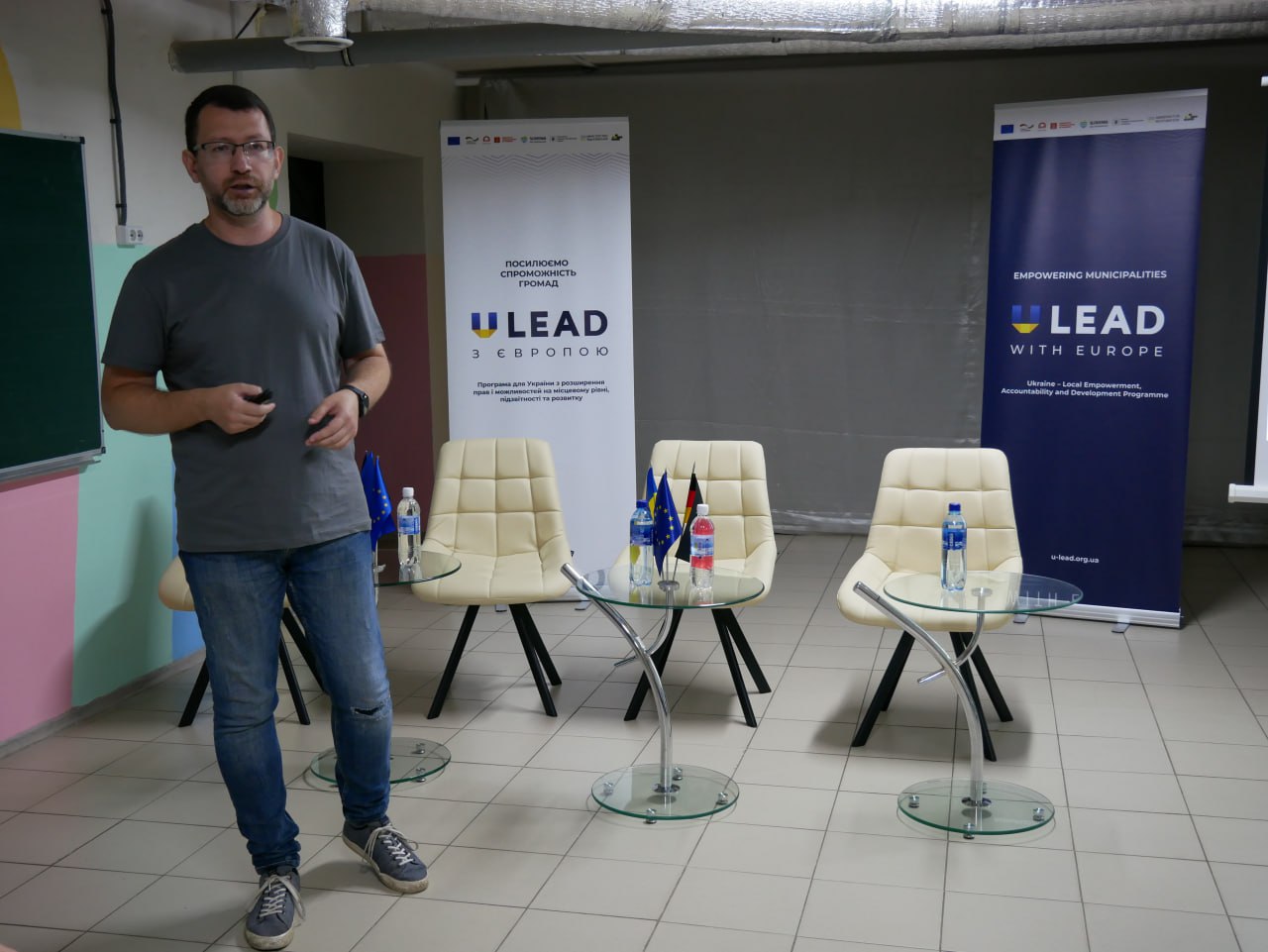
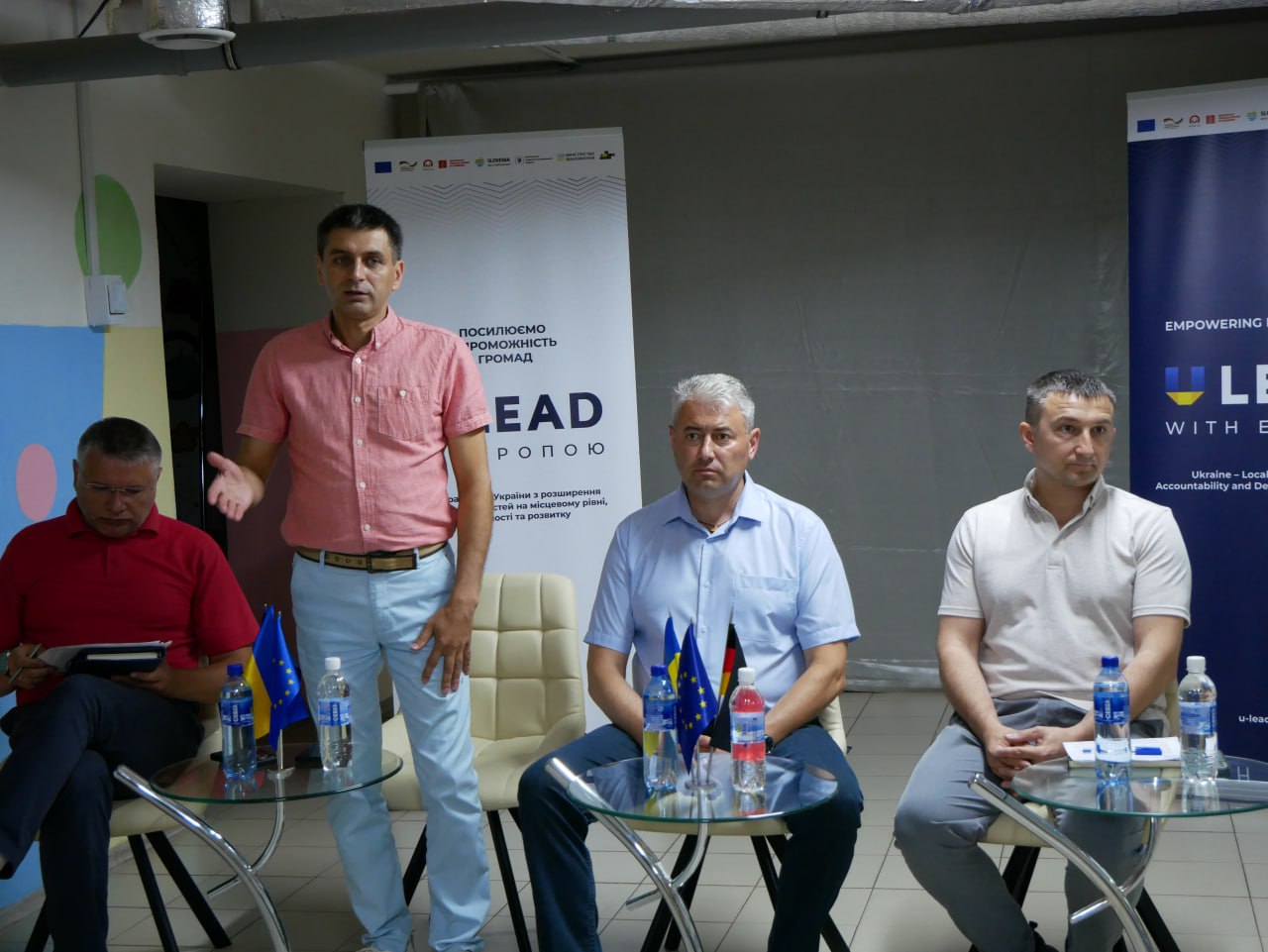
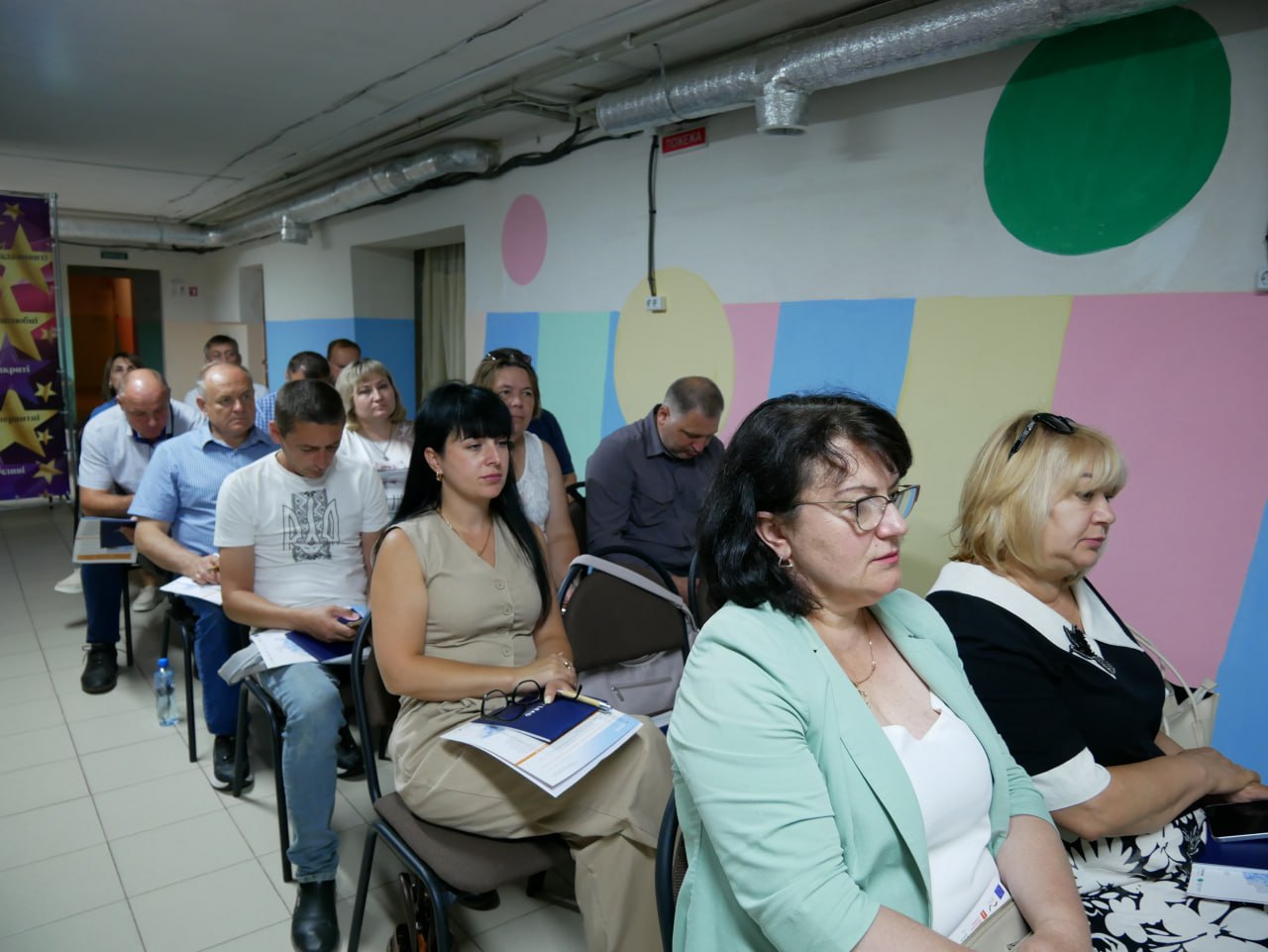
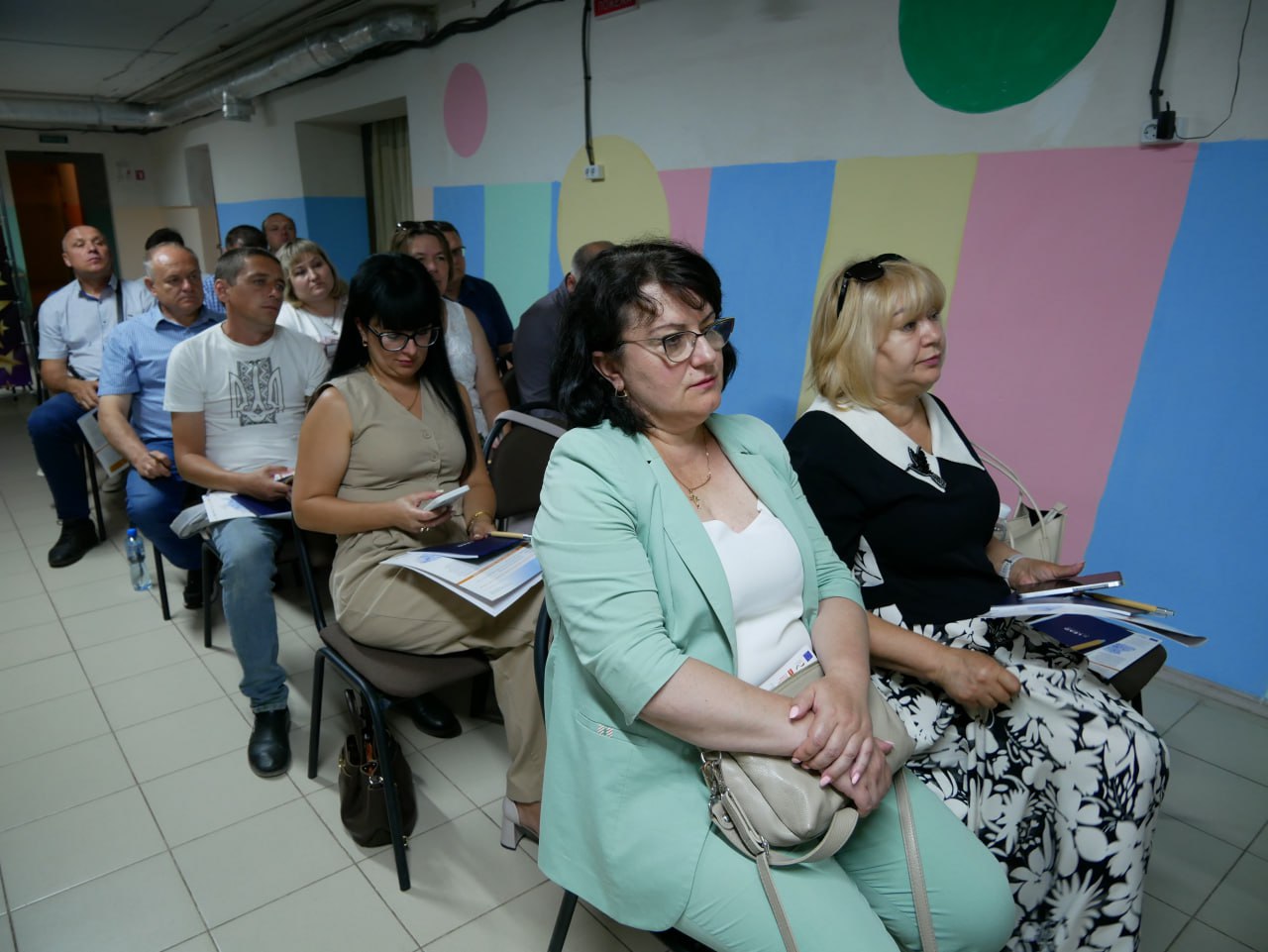
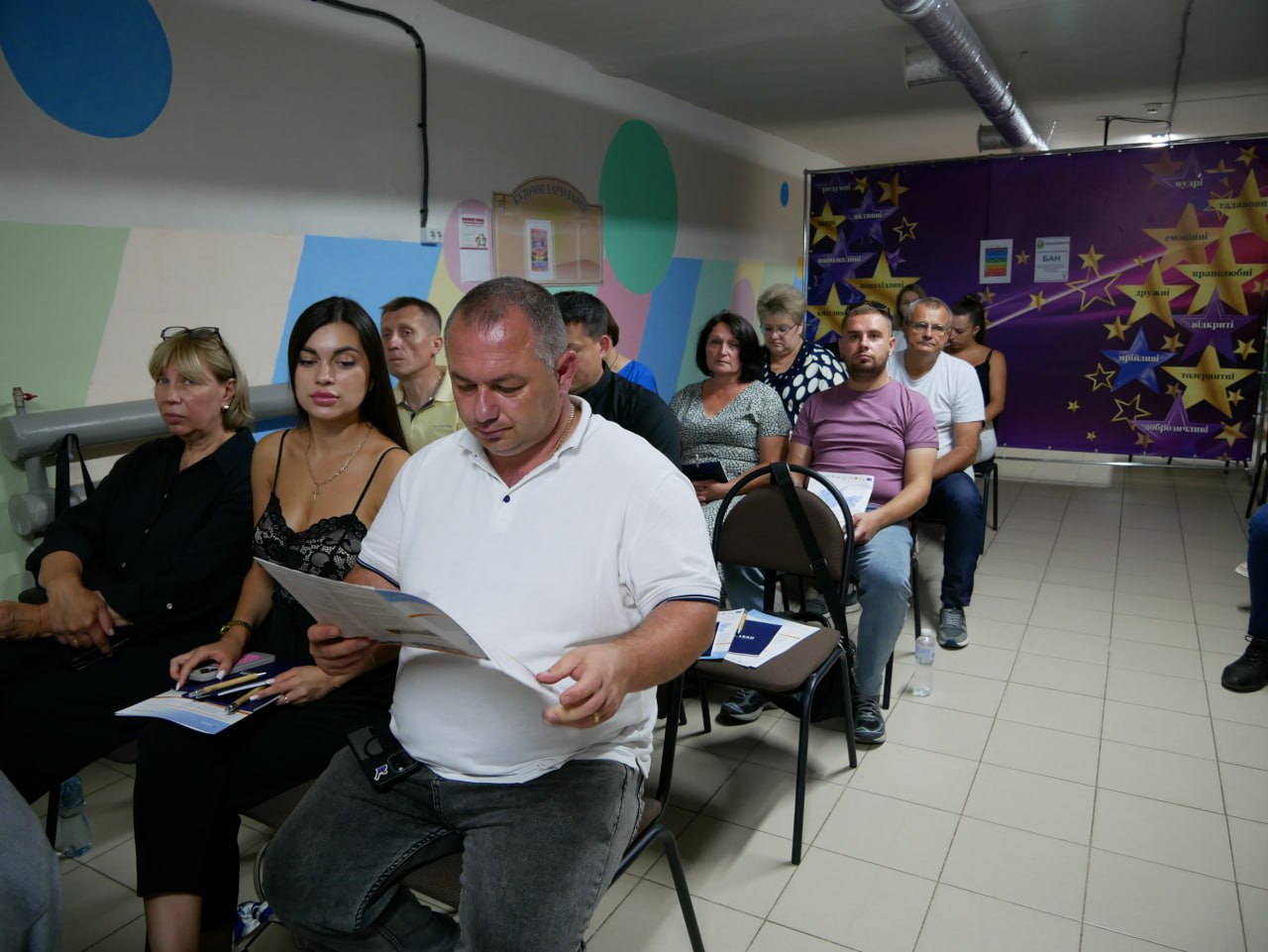
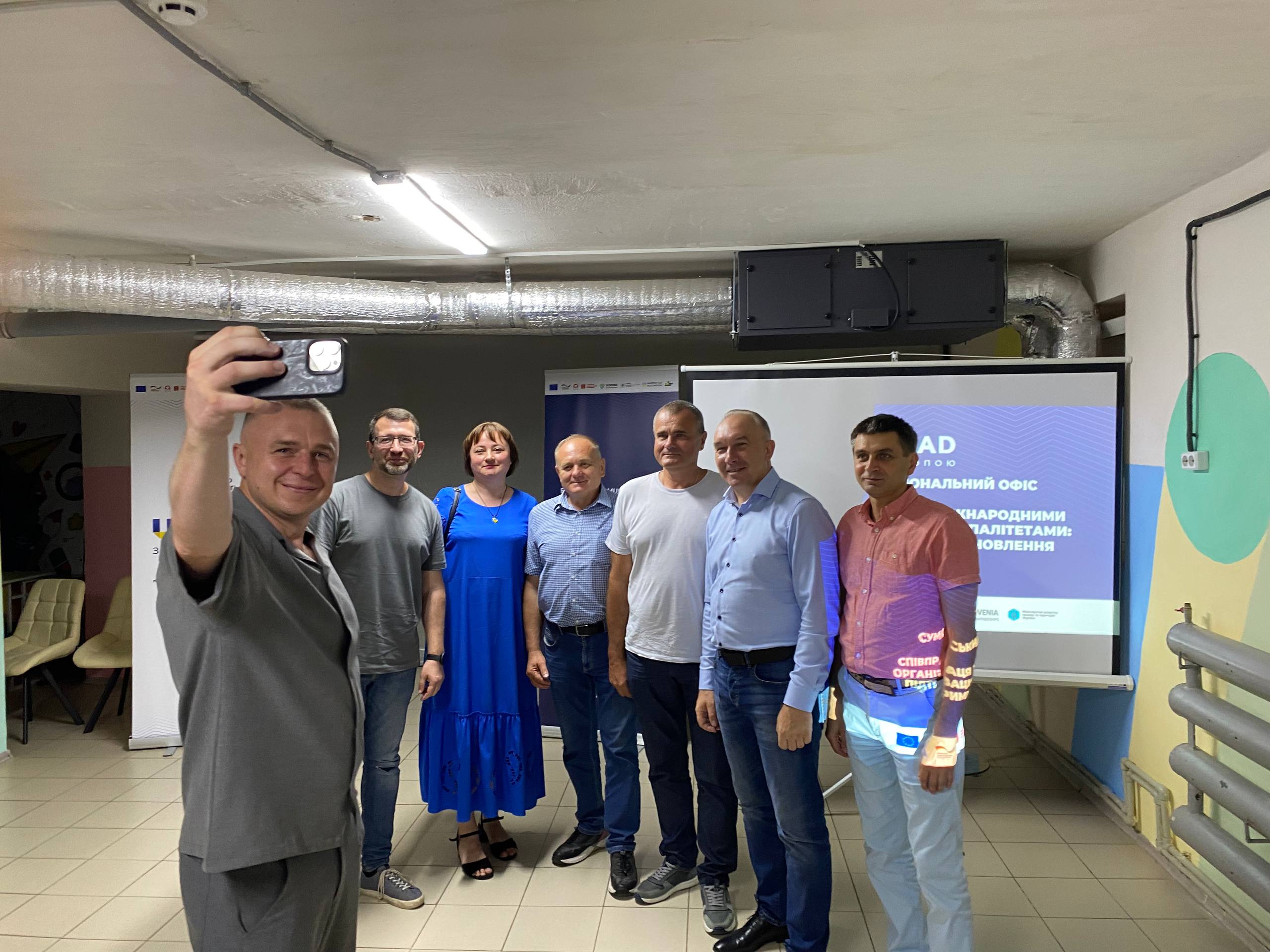
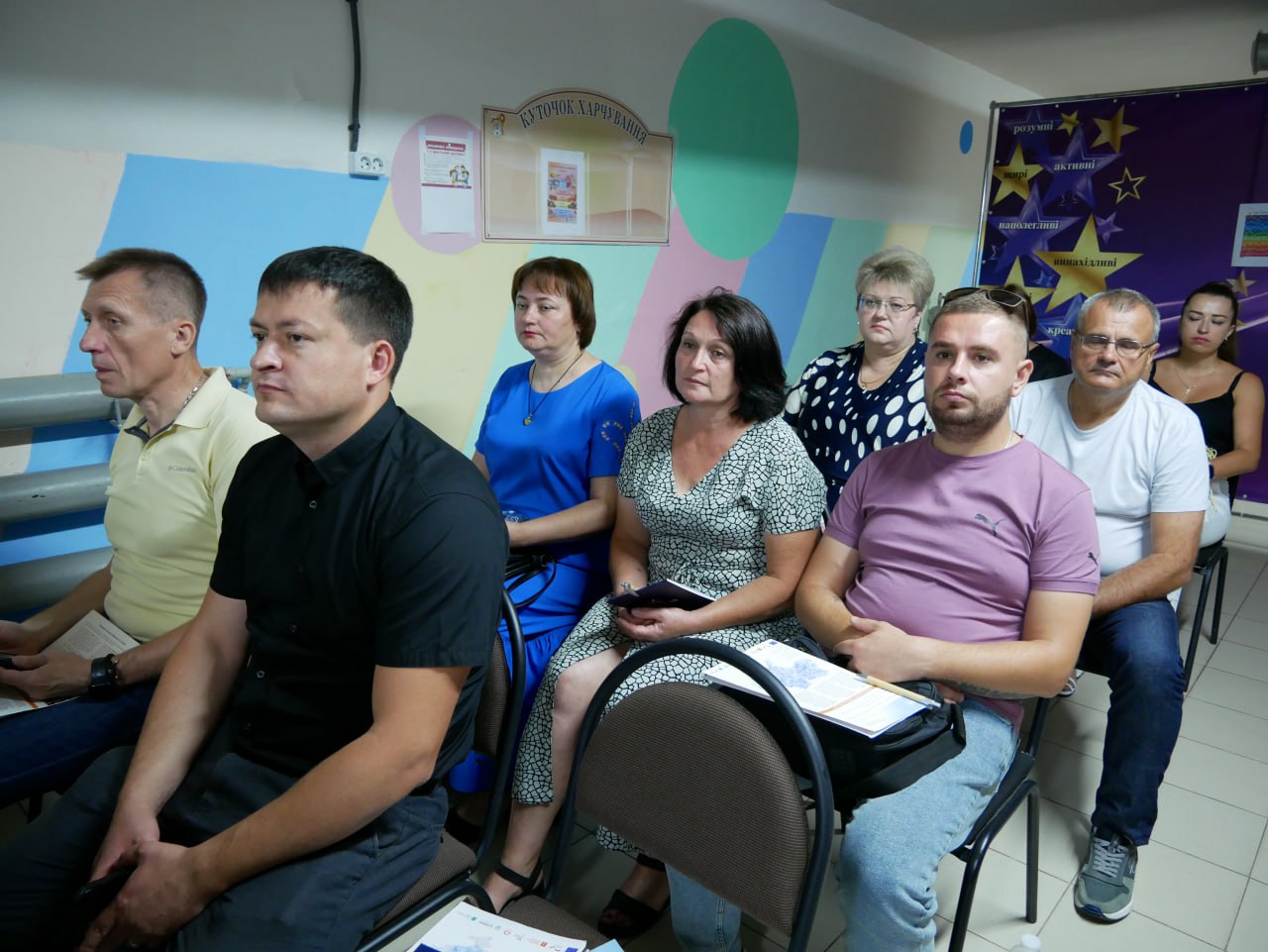
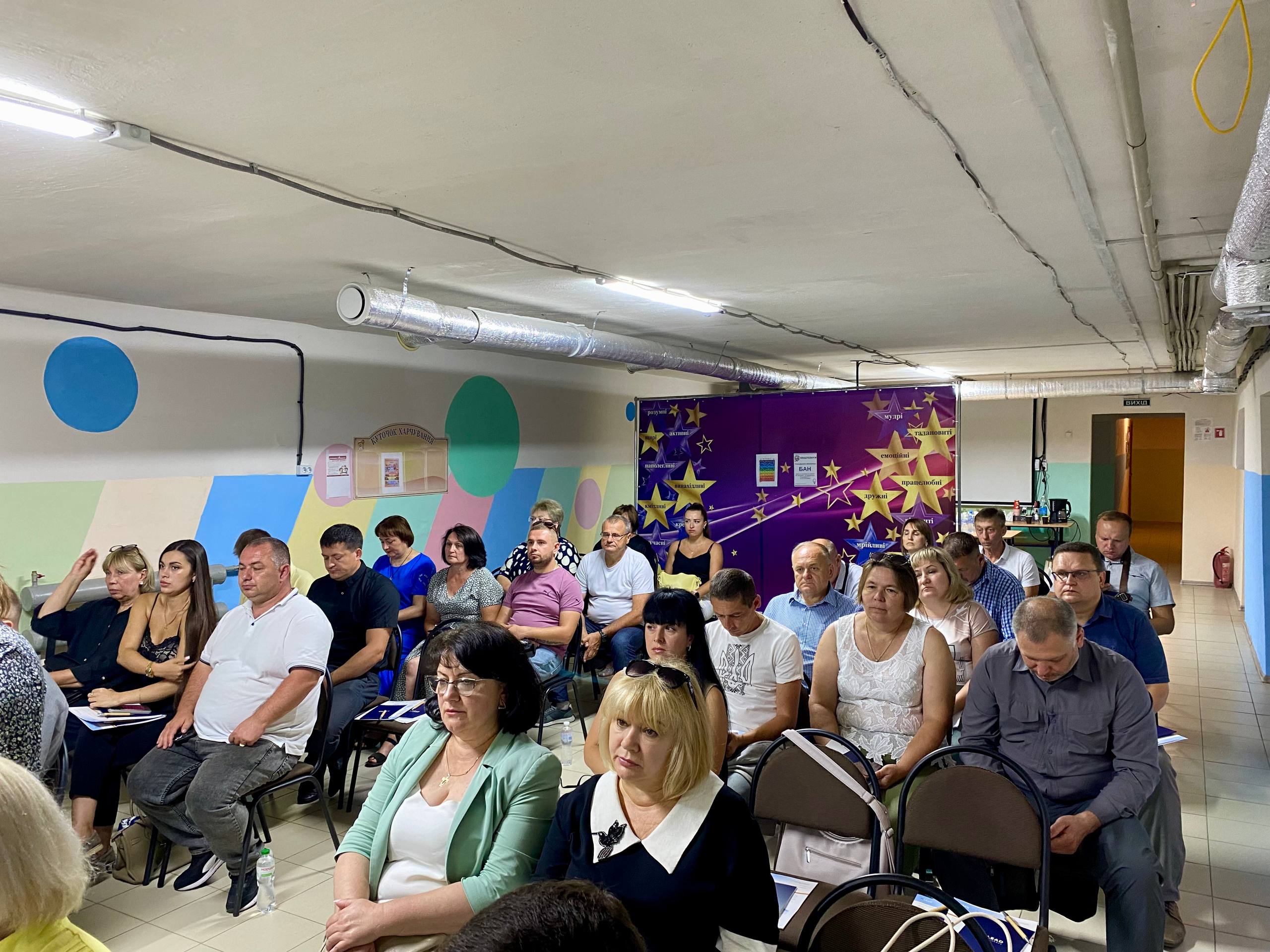
This and many other topics were discussed at a meeting with municipal mayors organised by the Regional Office of U-LEAD with Europe in Sumy Oblast and hosted in the municipality of Romny. Given the security situation, the event was held in a bomb shelter. Despite this, there was an atmosphere of trust, open dialogue and expert debate.
Senior officials of municipalities from Sumy, Konotop and Romny Rayons of Sumy Oblast learned best practices of international cooperation from their colleagues and shared their own experiences, challenges and potential partnerships with foreign municipalities and organisations.
“Romny municipality is not afraid of challenges. Instead, we are looking for solutions. We are well aware that today it is vital to build a dialogue with international partners, as well as to pool experiences, resources and efforts for the sake of a better future. I’m delighted that our municipality is the one to platform exchanges of ideas, successful practices and specific recovery strategies,” Oleh Stohnii, Romny Mayor, said in his welcoming speech.
The participants discussed how municipalities can cultivate international ties in difficult wartime conditions. Hryhorii Starykov, the Policy Advisor for Recovery and Development at the Regional Office of U-LEAD, stressed that attracting international assistance should be clearly planned out and comply with the European legislation:
“Planning documents are a necessity rather than bureaucracy. Ukraine is becoming part of the European community, and our legislation and framework for planning documents must also comply with the European standards.”
He emphasised that strategies, recovery plans and high-quality analytical data lay the groundwork for a successful partnership. In Sumy Oblast, 10 municipalities have already entered into a total of 41 international agreements, which showcases systematic efforts.
A prime example of the importance of a hands-on approach is Konotop municipality, which, despite the tough times in 2022 and the occasional shelling of the city, hasn’t lost its can-do spirit. As Deputy Mayor Yurii Pavlov recalled: “In 2022, we were under siege for 40 days. And in May, we went on our first international trip. We saw that we had to be proactive — and this was our chance to put our best foot forward.”
Today, Konotop municipality has partnered with six EU municipalities and established cooperation with 19 international organisations; they keep actively building international relations and implementing joint projects. Among the current initiatives is preparing the construction of a new solid waste landfill — a project designed in cooperation with U-LEAD.
Kostiantyn Volkov, the Head of Nedryhailiv Settlement Council, presented the successful practice of his municipality, where pre-war “soft international ties” have grown into tangible partnerships. As part of the TIPS4UA initiative implemented by U-LEAD, the Nedryhailiv team is strengthening relations with the municipality of Opsterland, having recently completed an internship in this Dutch city. “When the war began, all our established contacts worked out. Our foreign friends helped us with vehicles, and this year they’ve provided technical assistance for the hospital,” said Kostiantyn Volkov.
Yurii Bova, Trostianets Mayor, also spoke about his experience. Under occupation by Russian troops in 2022, Trostianets municipality suffered large-scale destruction. That is why the first stage of cooperation with international partners was mostly about assistance with priority equipment and goods. However, nowadays, the municipality’s team is focused on long-term goals and large-scale projects that are important socially and economically, as well as mutually beneficial:
“Trostianets has six sister cities in Poland, Germany, the Czech Republic, France and the US, as well as numerous cases of cooperation with international organisations. At first, we received humanitarian aid, as all our municipal infrastructure was destroyed. Now, however, we are looking to further develop the territory. We have already implemented more than one project with the support of international partners. We invest in international communication, going on trips to learn best practices, bring awareness to what has been happening in Sumy Oblast and promote Ukraine. Most importantly, we build trust and openly disclose the assistance received. Our EU partners are ready to invest in the development of our territories and all of Ukraine even now. It would be criminal to miss this chance.”
Concluding the meeting, the Head of the Regional Office of U-LEAD Rostyslav Savchenko reaffirmed that despite the differences in experiences and resources, all municipalities are united by a common goal, to be part of the European community: “Each municipality has its own unique experience. Some started building ties before the war, while others have become more active recently. Yet everyone has one thing in common: a commitment to advancing their municipalities and strengthening international partnerships. It is important, however, to remember that Ukrainian municipalities also have something to share with Europeans.”
He pointed out that international support should be the foundation for sustainable development rather than a short-term fix: “The participants agreed: partnerships with international municipalities and organisations should not be a one-time source of assistance. Rather, they should lay the groundwork for the recovery and growth of municipalities in the post-war period. And the key factor here will first and foremost be the institutional capacity of local self-government rather than financial resources. U-LEAD is committed to supporting these efforts.”