


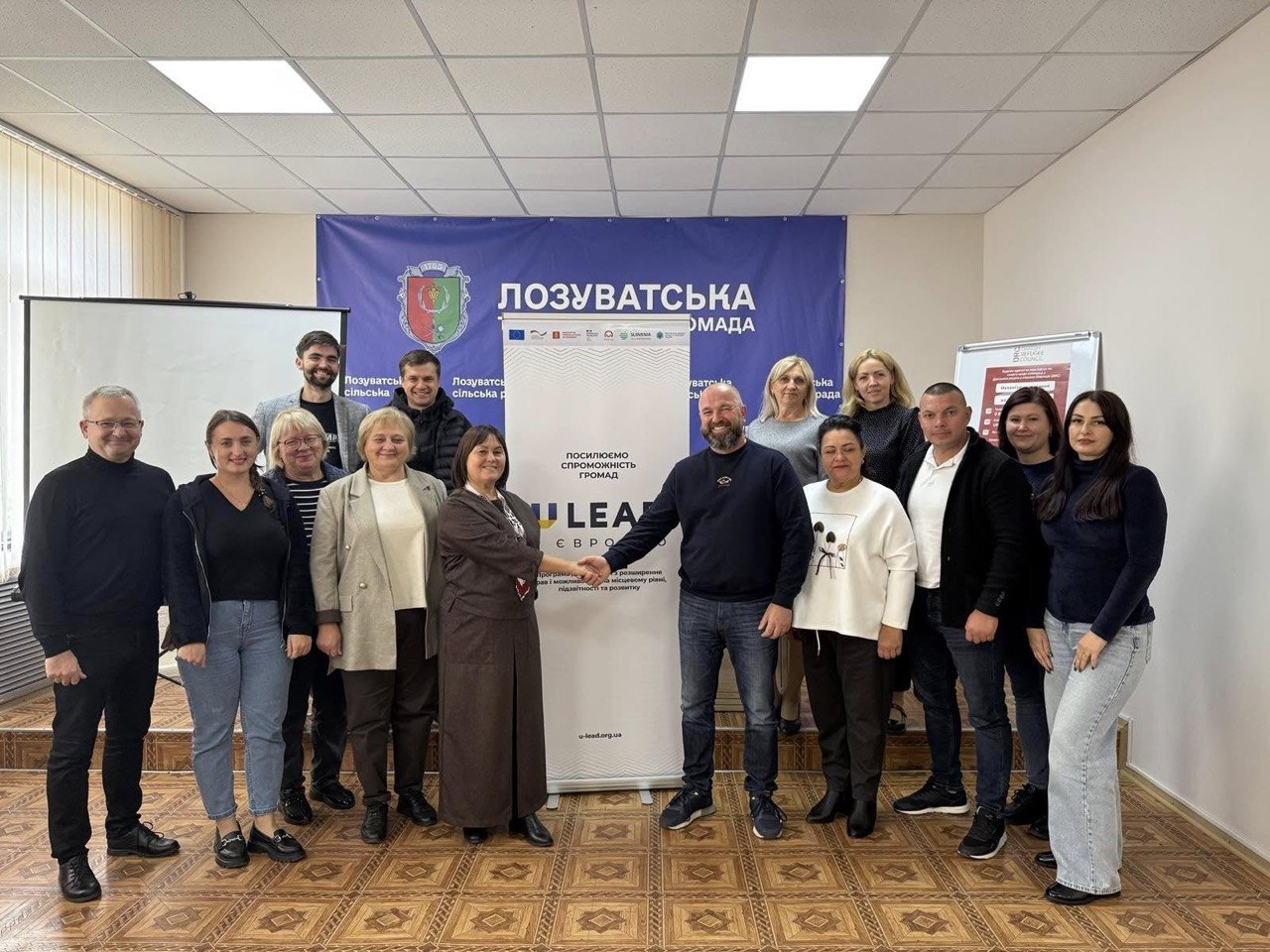
The rural municipality of Lozuvatka is relatively young. It was established in 2020 as an amalgamation of 32 settlements in Kryvyi Rih Rayon of Dnipropetrovsk Oblast. The advantageous location on the H23 national highway and proximity to Kryvyi Rih International Airport present the municipality with development potential but realising it without a strong management team is challenging.
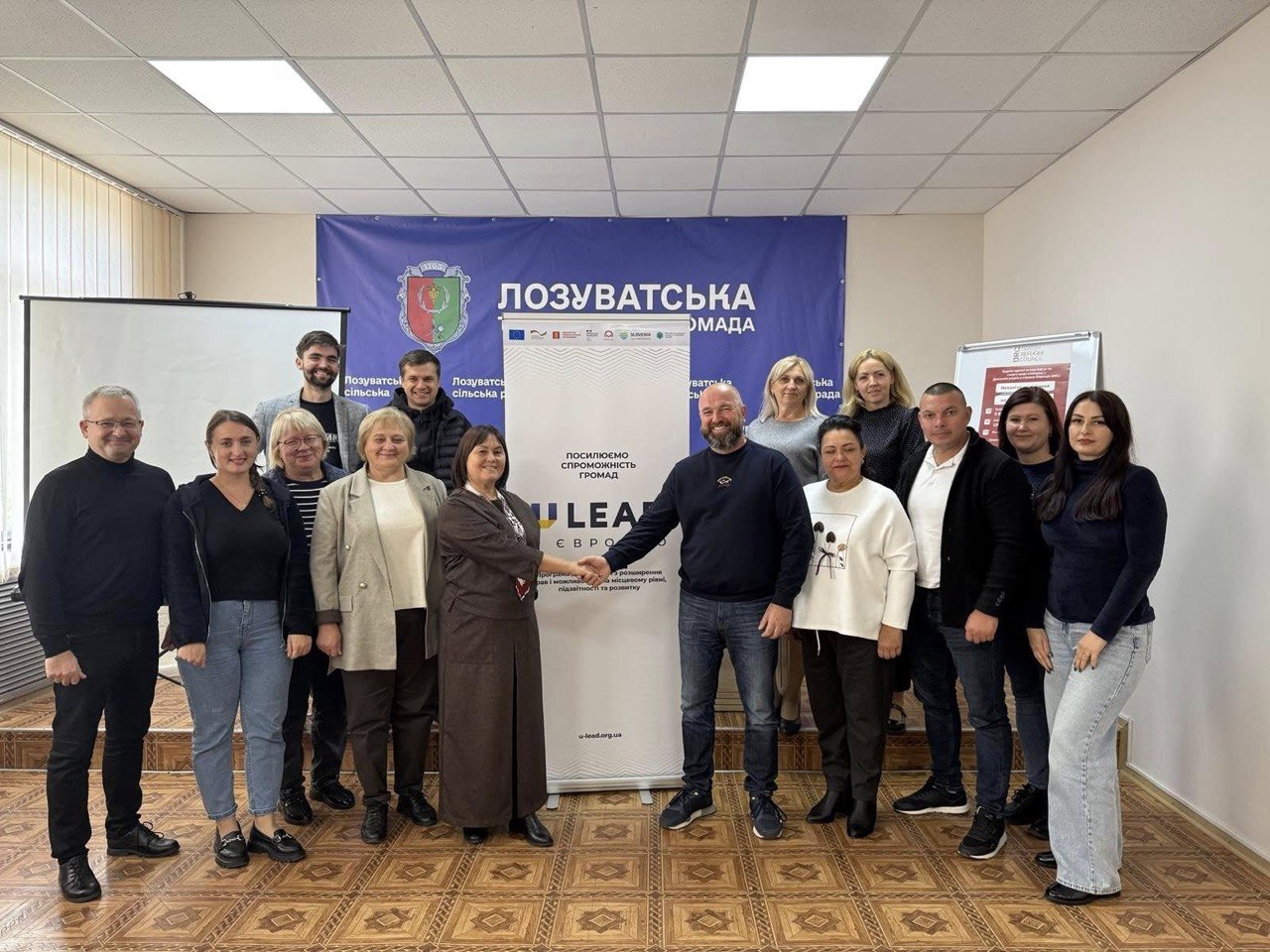
It was with this understanding that in 2024 the municipality began working with U-LEAD with Europe — not as a one-off participant in training, but as part of systematic work to strengthen institutional capacity.
Vitalii Yatsenko, the head of the municipality, explains: “The participation of Lozuvatka municipality in training programmes as part of its collaboration with U-LEAD with Europe was an important step for us in strengthening our administrative capacity and transitioning to systematic development. This collaboration has provided us with both knowledge and practical tools that have enabled us to implement modern governance approaches.
This facilitated more effective communication with residents, encouraged their involvement in initiatives, and made decision-making processes more open and transparent. Furthermore, mastering project cycle management has enabled the municipality to prepare competitive project proposals, attract grant funding and implement socially important initiatives.”
From training to day-to-day changes
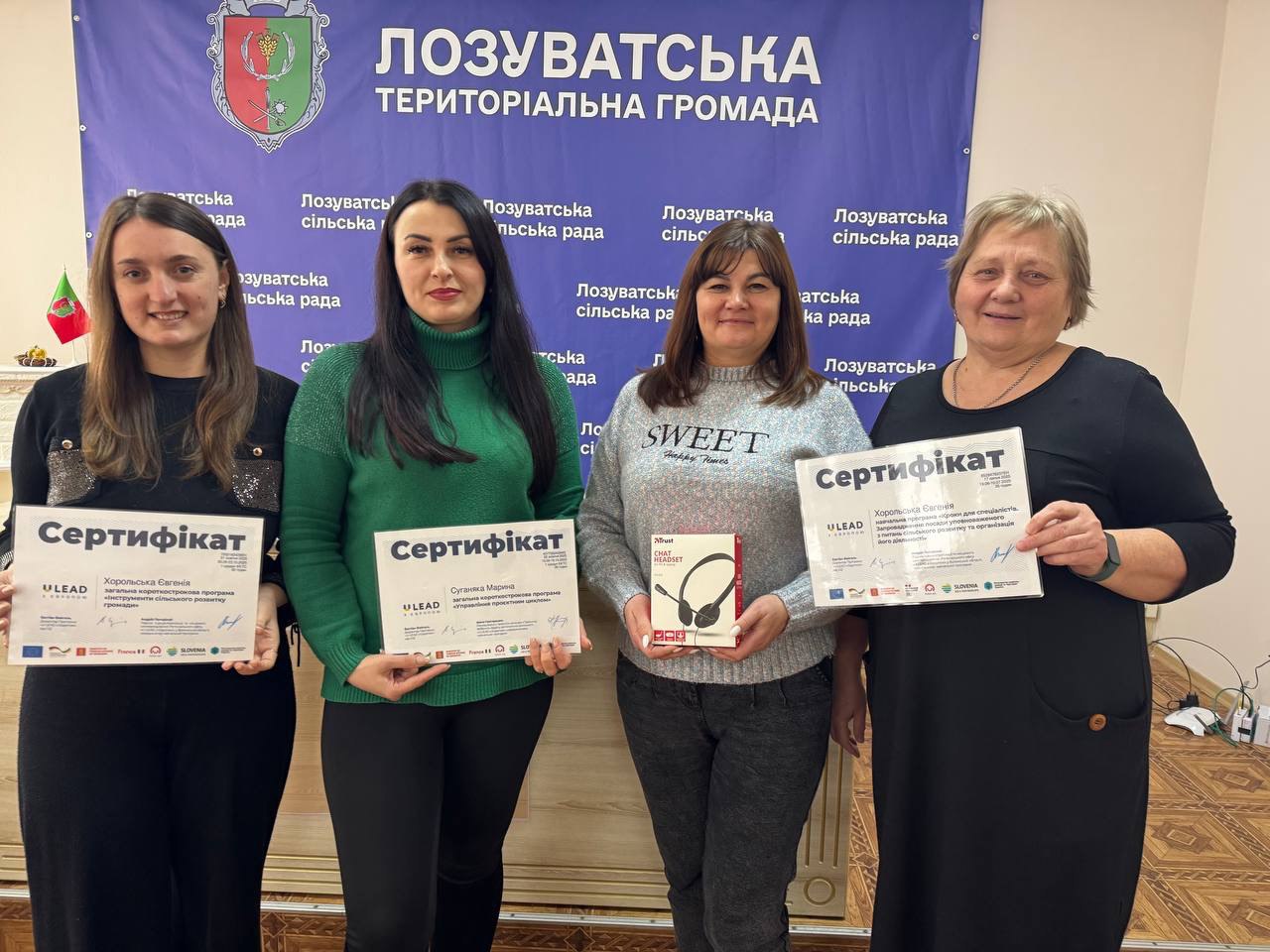
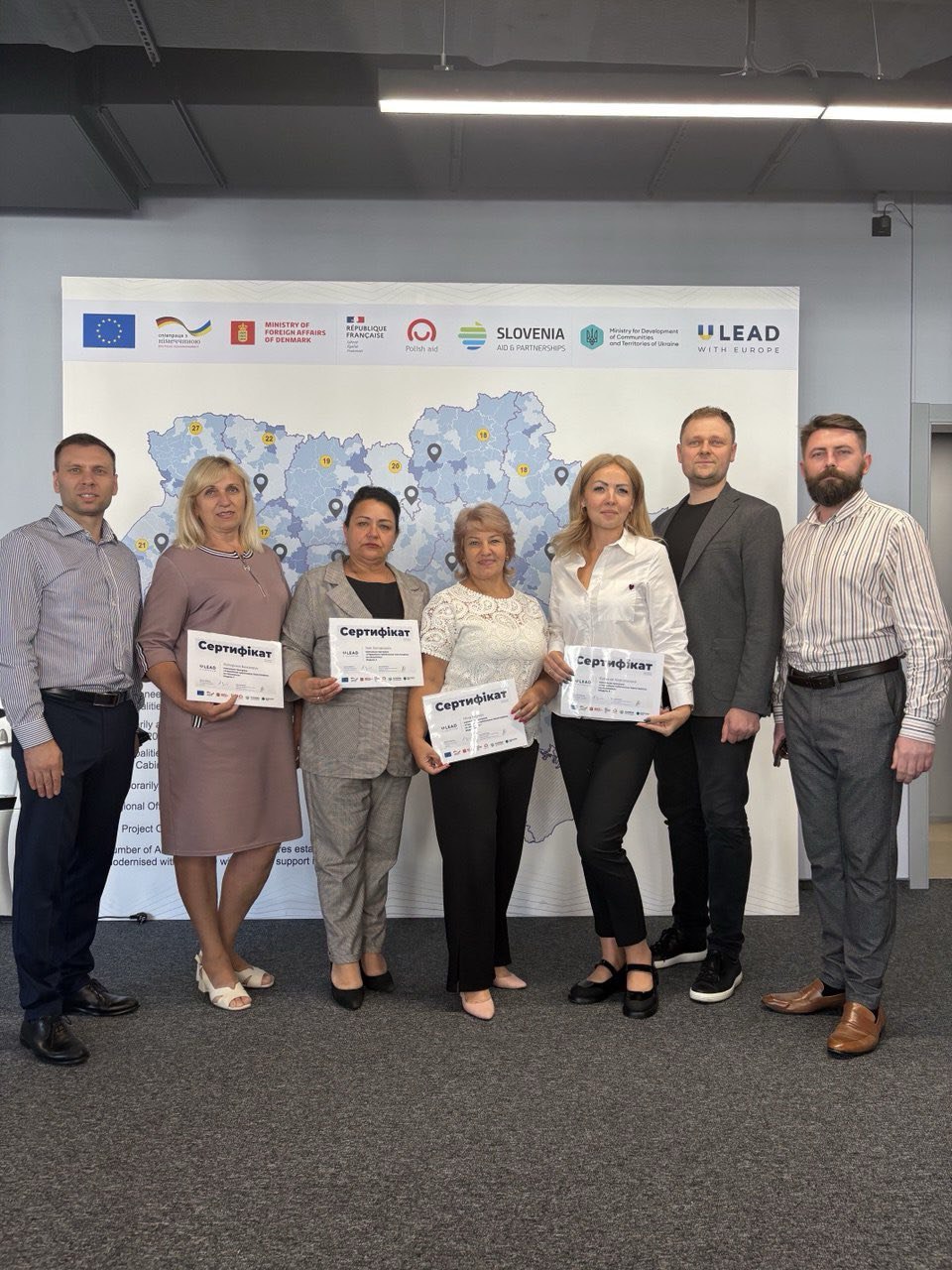
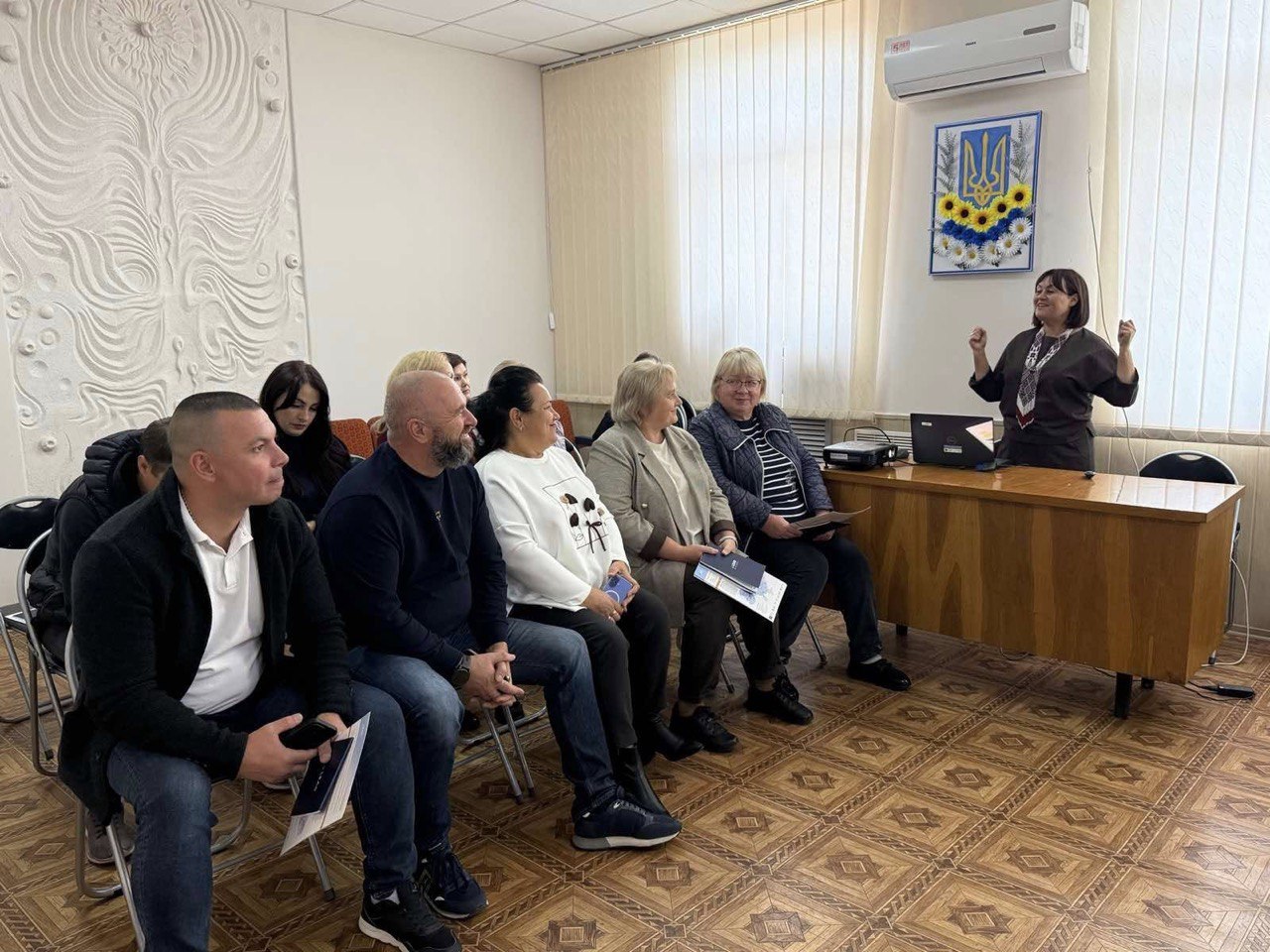
Over the past year, Lozuvatka’s municipal team participated in several training programmes offered by U-LEAD with Europe, including the ones on municipal property management, rural development, project cycle management and public investments.
At the same time, this work has yielded the most tangible and practical results in several specific areas: strengthening the municipality’s project capacity, developing international cooperation and implementing public investment instruments.
A project-based approach that delivers results
Another important step is systematic work on project cycle management. After the training, the municipality submitted a number of grant applications and has already seen concrete results: winning the grant competition held as part of the PRO_MentalHealth Psychosocial Programme for 2025–2026. This is a pilot project to provide psychosocial support to war-affected populations in Ukraine, in which teams of specialists provide comprehensive assistance, ranging from psychological counselling to social adaptation.
In addition, Lozuvatka participated in an exchange of experiences with other municipalities, including Kalush, Vyhoda, Kosiv and Dolyna. This gave them insights into how good practices work in other environments so they could adapt them to their own needs.
Stepping up project activities in the municipality logically led the team to another necessity: working with international partners and donors. After all, a successful project development department is hard to imagine without a professional who is fluent in English and can fully support international communication.
English as a management tool
Lozuvatka was the very first municipality where U-LEAD with Europe piloted the recruitment of an English-speaking specialist in project and international activities. For the municipality, this was not merely a new formality, but an important administrative decision to strengthen the team in order to directly open up opportunities for international cooperation.
Anastasiia Kovalenko from the Investment and Project Department at Lozuvatka Village Council says that joining the team wasn’t a spur-of-the-moment thing: “I found out about the vacancy from an announcement on the municipality’s official Facebook page. Before that, I had worked as an English teacher for over six years. However, I made a conscious decision to change my career path and use the language not only in teaching, but also in practice, in international cooperation and municipality development projects.”
The pilot programme included internships in local self-government bodies as part of internal onboarding. Following this, she is to be transferred to the position of chief specialist in the relevant department. With a separate decision, the local council set a 15% bonus for using English at work.
At the same time, the municipality stepped up its international activities: a memorandum of cooperation was signed with Elk River (Minnesota, US), the municipality joined the project “KRYTSIA: Support for the Recovery of the Kryvyi Rih Rayon” as well as the “Paths of Partnership” initiative. With the facilitation of U-LEAD with Europe, a partnership with the municipality of Klis, Croatia, has been established as part of the Bridges of Trust initiative, and cooperation activities are being arranged.
“I have been a municipal official for a little over four months. My main task is English-language communication and support for international cooperation. Alongside this, after completing a training programme on project cycle management, I joined my colleague in preparing a project application. The project has been approved and is currently being implemented in the municipality,” says Anastasiia.
The case of Lozuvatka municipality is part of the broader U-LEAD with Europe initiative: in 2025, the Programme piloted a model for engaging English-speaking specialists in project and international activities in four regions of Ukraine (Dnipropetrovsk, Sumy, Ivano-Frankivsk and Cherkasy Oblasts). The procedure for engaging these specialists was developed by teams from regional offices and involves supporting municipalities at all stages, from the initial request to the integration of the specialist into the workings of local self-government bodies, explains Olena Tertyshna, Head of the Regional Office in the Dnipropetrovsk Oblast:
“Bringing in an English-speaking expert to work in Lozuvatka on project activities and international cooperation has set a great example for other municipalities in the region. This pilot project has shown that language competence can be not just an added bonus, but an actual tool for strengthening municipal capacity.
We recently held a meeting with local self-government bodies in the oblast to discuss the results of this pilot project. Following the project, 29 municipalities expressed interest in engaging English-speaking specialists to develop international partnerships, with advisory support from the Regional Office. We consider this to be a positive and natural trend, as European municipalities are growing increasingly interested in Ukrainian ones, and European integration processes require a certain level of readiness for international cooperation.”
Public investment: from planning to systematic implementation
Another important result of the cooperation has been a focus on public investment. After completing the U-LEAD with Europe public investment training programme, the municipality approved a medium-term development plan, created a portfolio of investment projects and began implementing a digital project management system on the DREAM platform.
This signifies a transition from response-based decision-making to strategic development management, with a clear vision of priorities and resources.
Lozuvatka municipality shows how educational programmes, internal management decisions and openness to new approaches can grow into a complete system. Here, institutional capacity is not just some abstract idea, but the day-to-day work of a team that knows where it is headed.