


Today, Kolochava is working to answer that question — step by step. And U-LEAD with Europe is there to support them along the way.
The Borders Move — the Village Does Not
A look at the map of Kolochava as seen through the lens of the 20th century reveals that Europe was never just an abstract concept for the locals. Over the course of several decades, Zakarpattia was part of the Austro-Hungarian Empire, Czechoslovakia, Hungary, the Carpathian Ukraine and the Soviet Union. Governments came and left. The village remained — with the same mountains, highlands and people.
This experience made the local residents natural “Europeans” long before any official processes took place. Czechoslovakia left a particularly significant mark: in the early 20th century, a Czech writer Ivan Olbracht lived and wrote in Kolochava. Almost all of his works were written in or about this place. Literature made Kolochava as familiar to the Czechs, as Dykanka to the Ukrainians.
Another dimension has been added to its cultural appeal: in 2025, Kolochava was named one of the world’s best tourist villages by the UN Tourism. The combination of unique Carpathian landscapes, UNESCO-protected primaeval beech forests and a rich history of Central Europe has captured attention from around the world.
Yet international recognition is merely a by-product. The momentum began much earlier and for entirely different reasons.
How it all began: partnership from day one
Kolochava municipality is nestled in the Carpathian Mountains, surrounded by national parks and nature reserves on all sides. There is little room for traditional economic development. However, there is something different: the awareness that the development budget consists of grants, international cooperation and partnerships. Not just one of many options, but a path chosen deliberately.
That is why, when the municipality was only just beginning its official existence, the development focus had already been predetermined. U-LEAD with Europe has supported Kolochava right from the very inception of the municipality, providing advice on financial, legal and organisational matters, as well as staffing decisions — all of which are essential for a new municipality to function properly.
But the priority was something other than doing things for the municipality; rather, it was about helping it chart its own course. The municipality has drawn up a development strategy and a charter, with experts from U-LEAD with Europe contributing to the process; these documents laid the groundwork for the implementation of European standards.
A roadmap for European integration was published at the same time. This document, developed with expert support from U-LEAD with Europe, sets out specific priorities ranging from the development of tourism to improving energy efficiency and project capacity.
“We recognise that we need these documents. It’s not just a matter of understanding where we’re heading — we need a clear plan,” says Vasyl Khudynets.
A roadmap is not just a formality to tick off the agenda, explains Pavlo Lohvinov, the Head of the Regional Office of U-LEAD with Europe in Zakarpattia Oblast. This is a tool for systematic work: how a municipality implements European practices, standards and procedures in its day-to-day governance. Experience in Central European countries shows that municipalities that were institutionally prepared for change were able to develop much more successfully and attract funding from EU funds. Kolochava learnt this lesson early on:
“We acknowledge that local self-government bodies will play a vital role in Ukraine’s integration into the EU. Although municipalities are not directly involved in the country’s European integration process, they must be key players and support this process through their own contributions”.
Initial results: grants, partnerships, safety
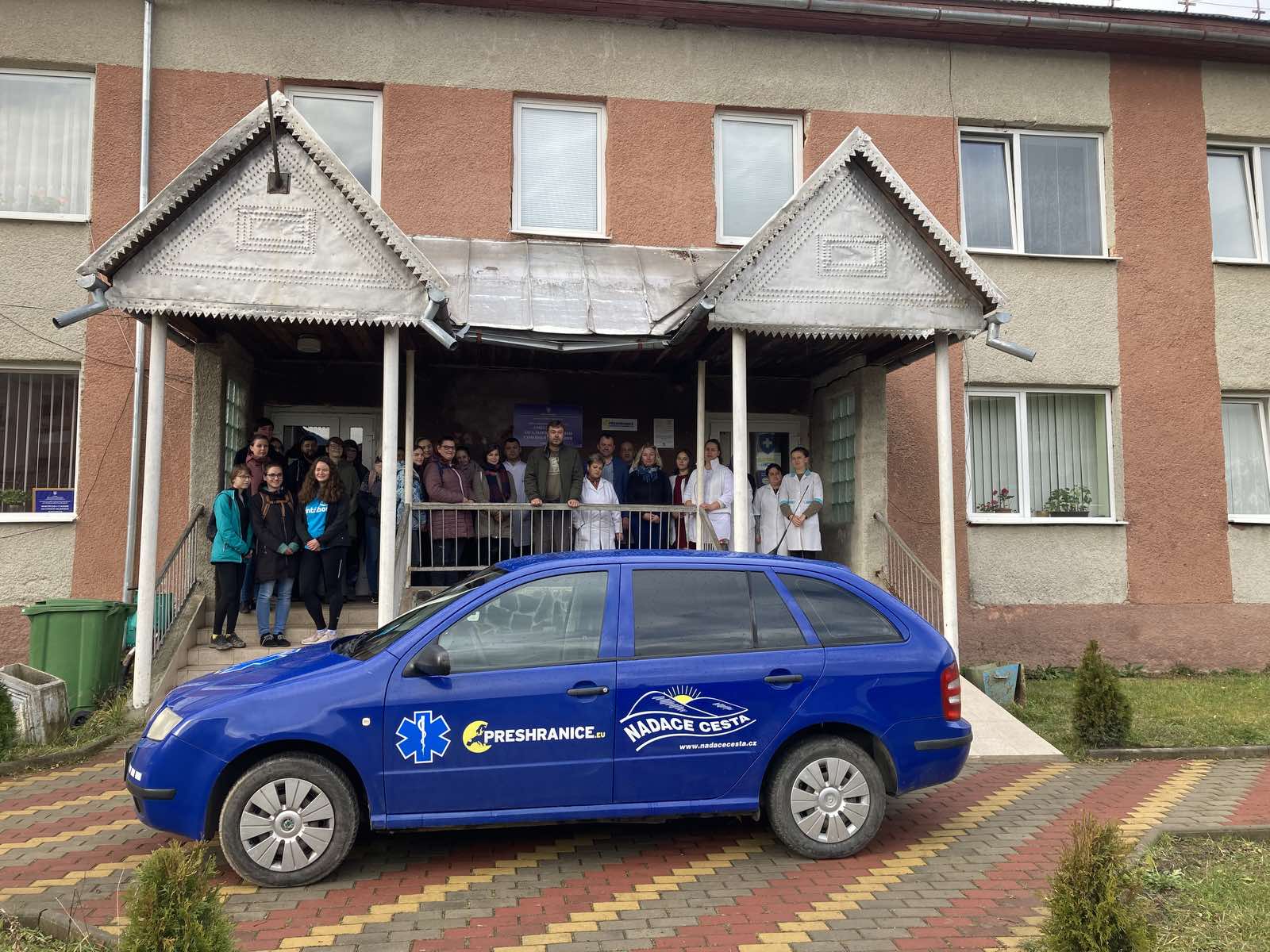
Access to the EU resources is one of the municipality’s priorities. This approach is already proving successful. The municipality has secured a number of successful mini-grants in areas such as eco-initiatives: solar solutions, recycling of local raw materials and educational programmes for young children. These partnerships span several countries, including the Czech Republic (cultural diplomacy and tourism) and Slovakia (the Carpathians tourism).
Another area of focus is safety. In collaboration with a Polish municipality of Siedlce, the grant project “Together for Safety in Border Areas” is being implemented to build a modern Public Safety Centre, which will respond to forest fires and floods, provide water rescue services and conduct training for local residents. This will integrate the municipality into European emergency response systems. The initiative is the first of its kind among local municipalities — and it is already being prepared for roll-out.
At the same time, the municipality is actively seeking opportunities to promote itself abroad. Vasyl Khudynets takes part in international and Ukrainian events — wherever there is a competition, a large audience, or an opportunity to raise Kolochava’s profile. Recent examples include Kolochava showcasing its attractions at an international exhibition in Prague, alongside the Pardubice Region.
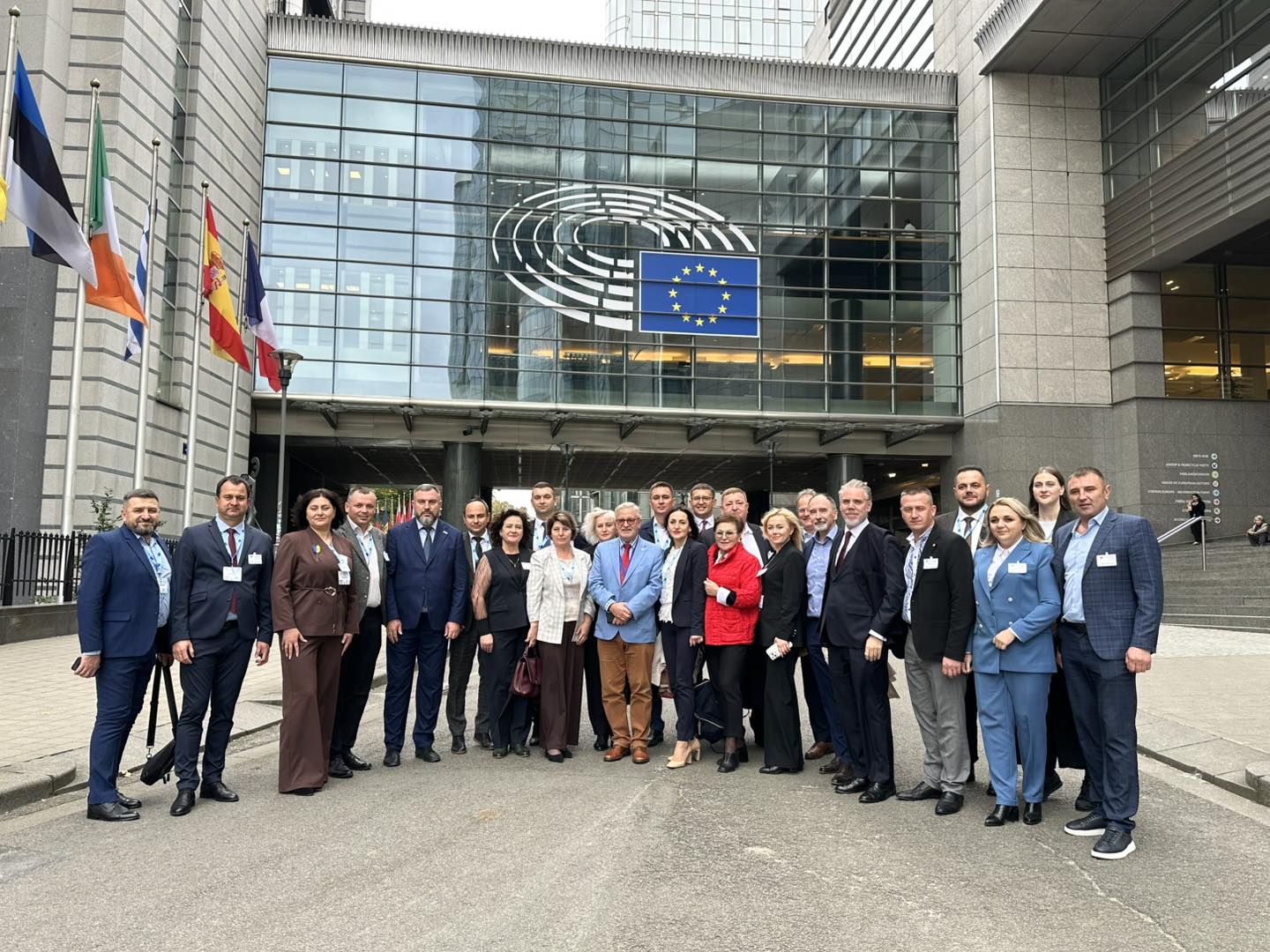
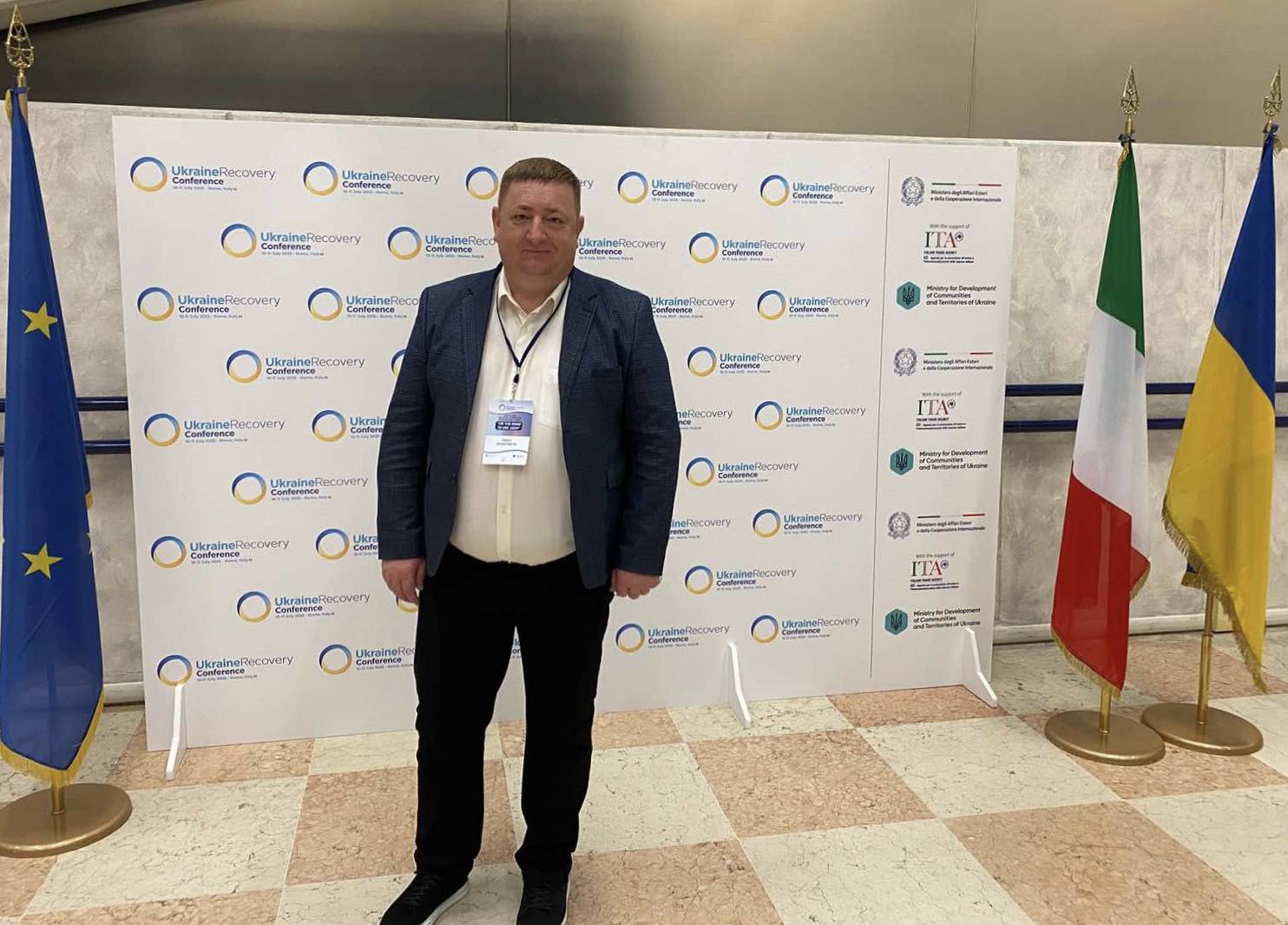
In 2025, with the support of U-LEAD, the municipality joined the European Week of Regions and Cities in Brussels and in preparatory events for the Ukraine Recovery Conference in Venice. Information about opportunities comes from various sources: some are highlighted by U-LEAD, whilst others are discovered through promotional materials. The municipality has separate presentation materials and promotional videos for each area of focus: one set for tourism, another for the economy.
Vasyl Khudynets believes that these events are more than just a platform for presentations; above all, they offer an opportunity to establish meaningful contacts with European municipalities.
From beneficiaries to equal partners
Although the municipality has several partners in various EU countries, Vasyl Khudynets openly admits that most of these partnerships still come across as a “legitimised way of obtaining humanitarian aid”. The municipality acts as a beneficiary rather than an equal partner. This is what spurred the idea of the European Grouping of Territorial Cooperation.
The European Grouping of Territorial Cooperation (EGTC) is a legal framework that enables local self-government bodies from different countries to act as a single organisation to apply for funding, implement projects and access pan-European funds. Ukraine already has one such tool, the Tysa EGTC, developed in collaboration with Zakarpattia Regional Council. Kolochava is striving to become the first municipality in the country to launch its own EGTC — this time on the municipality level rather than the oblast level.
Vasyl first heard about the tool from one of his Czech partners, a senator who asked him directly, “What can we do for you?” The answer came as a surprise: not humanitarian aid, but legal equality within a shared framework. U-LEAD is also providing advisory support to help him move forward, having involved the local Regional Development Agency in these efforts. Without this support, says Vasyl, the process would have ground to a halt right at the start.
The Czech town of Hluboká nad Vltavou and the Slovak village of Terchová have joined the future EGTC. Terchová is a mountain village similar in character and spirit to Kolochava: it is developing its tourism sector, is surrounded by nature reserves, and has its own Robin Hood-like legend.
Being part of these groups opens up access to pan-European funds, the very kind that municipalities in the EU member states use. Still, for Vasyl Khudynets, it is not just about the money.
“This is currently the only way we can truly become partners. We need to move from being beneficiaries of humanitarian aid to equal partners,” he says.
At the same time, Kolochava is also shaping its internal landscape — for those who have already returned or will return.
European Integration Office: a space for those returning
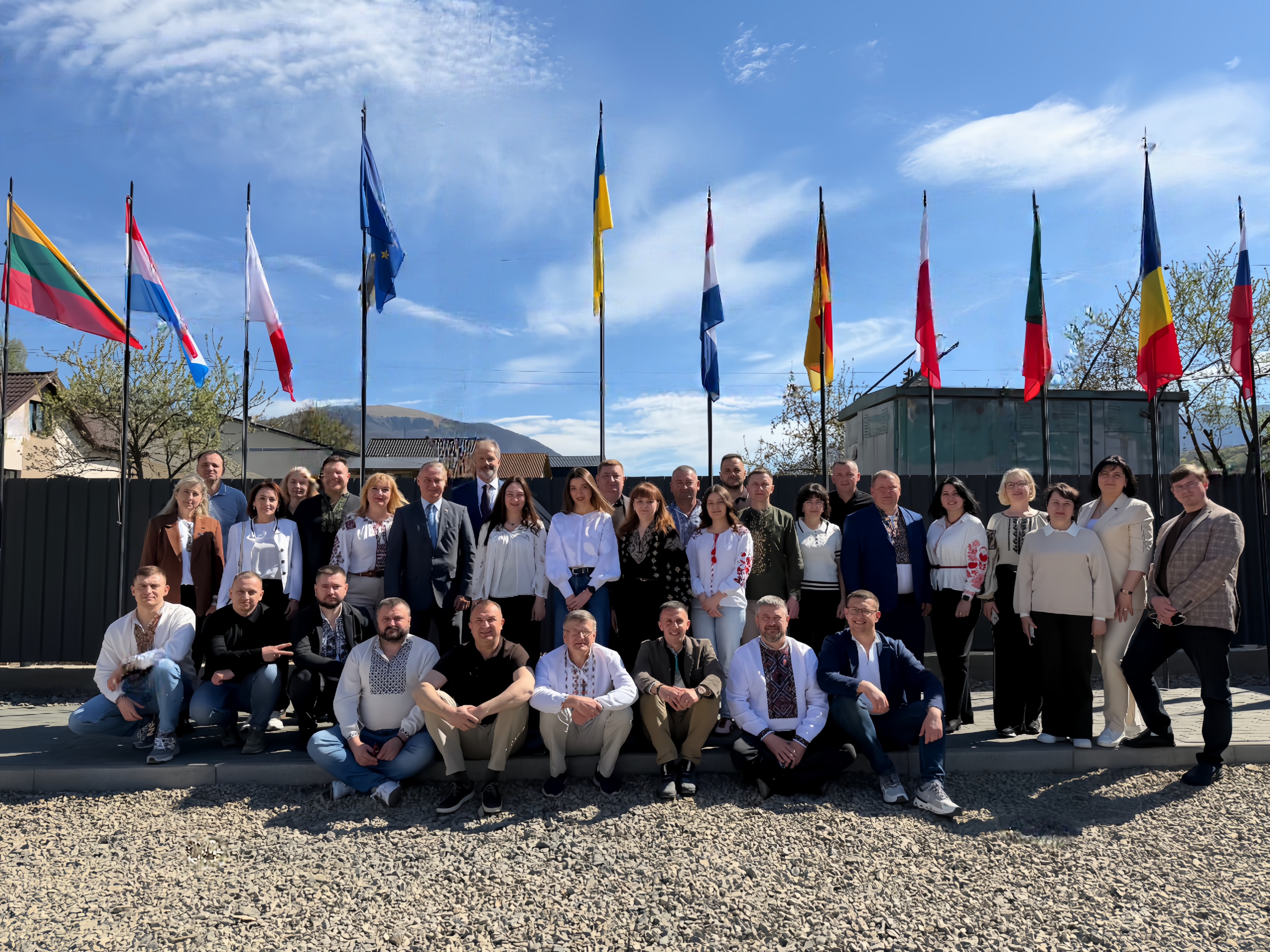
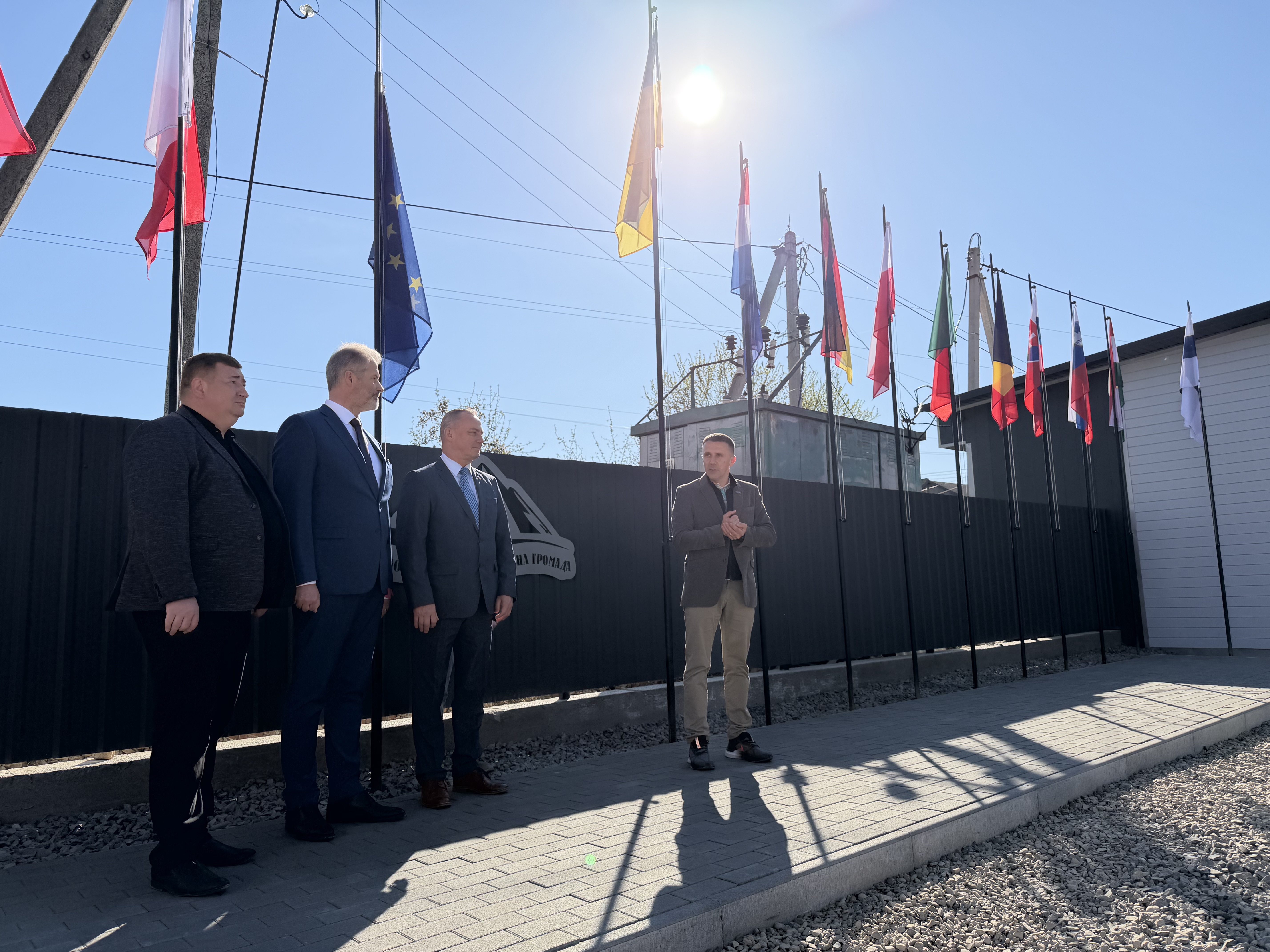
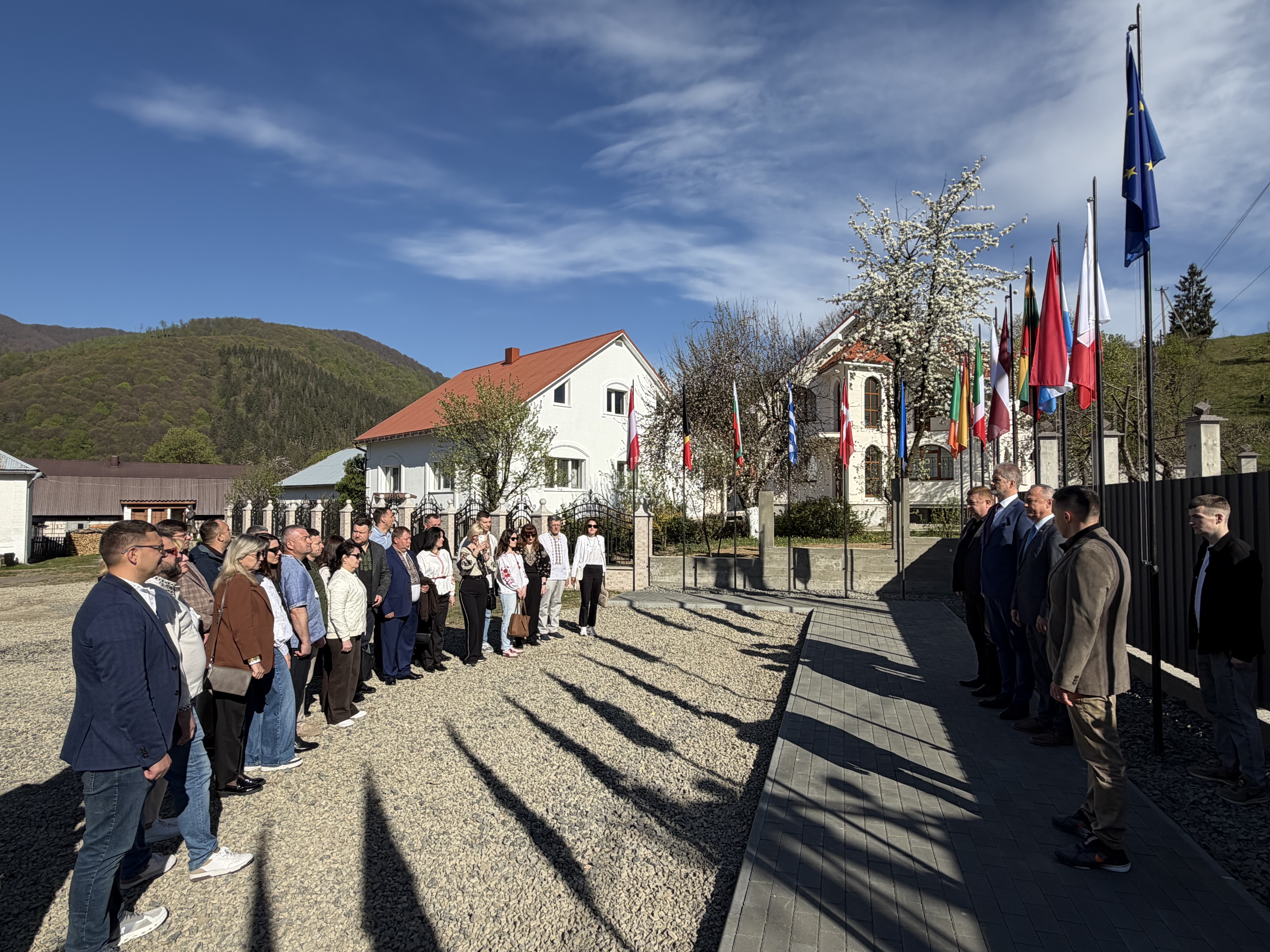
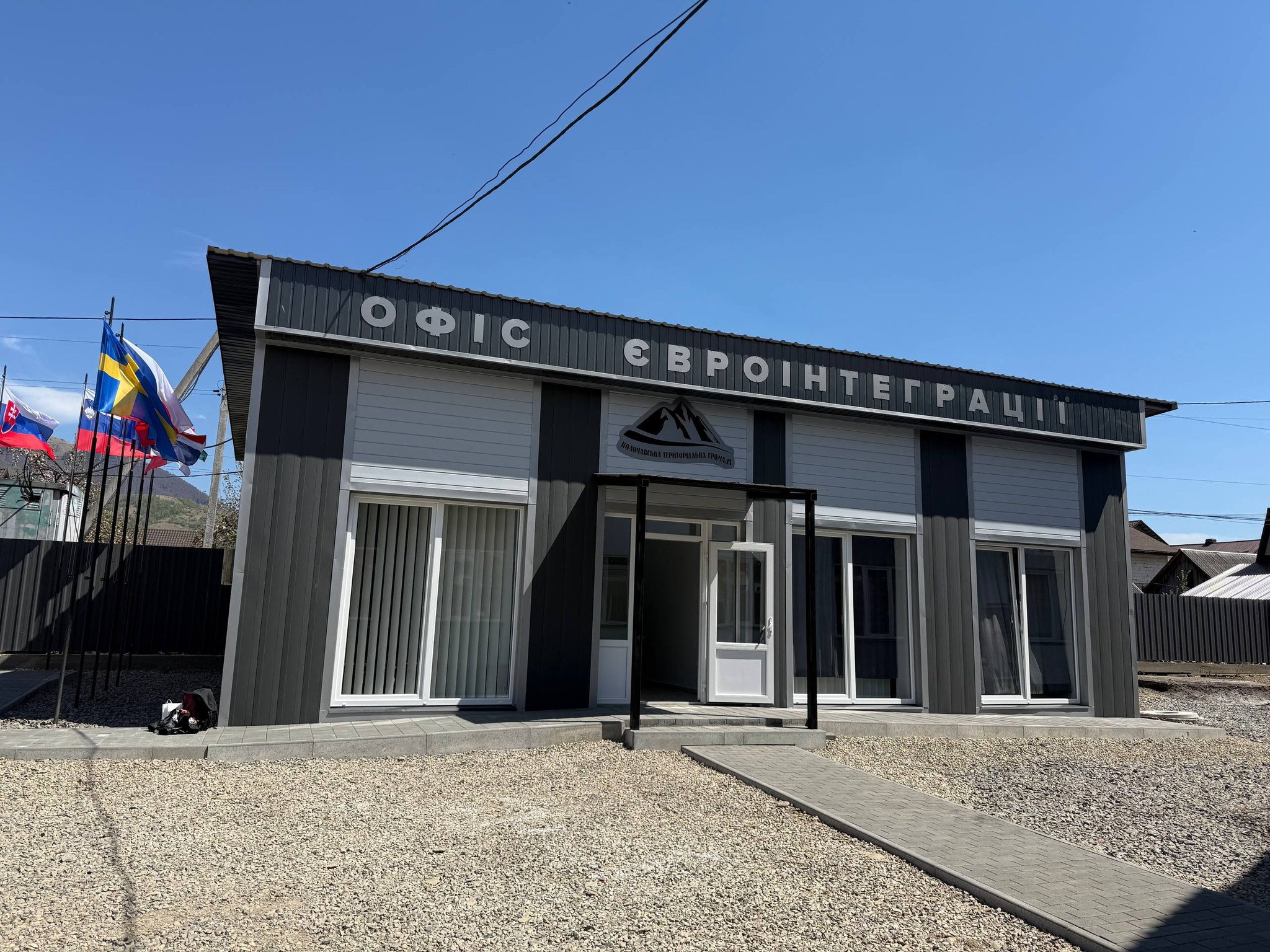
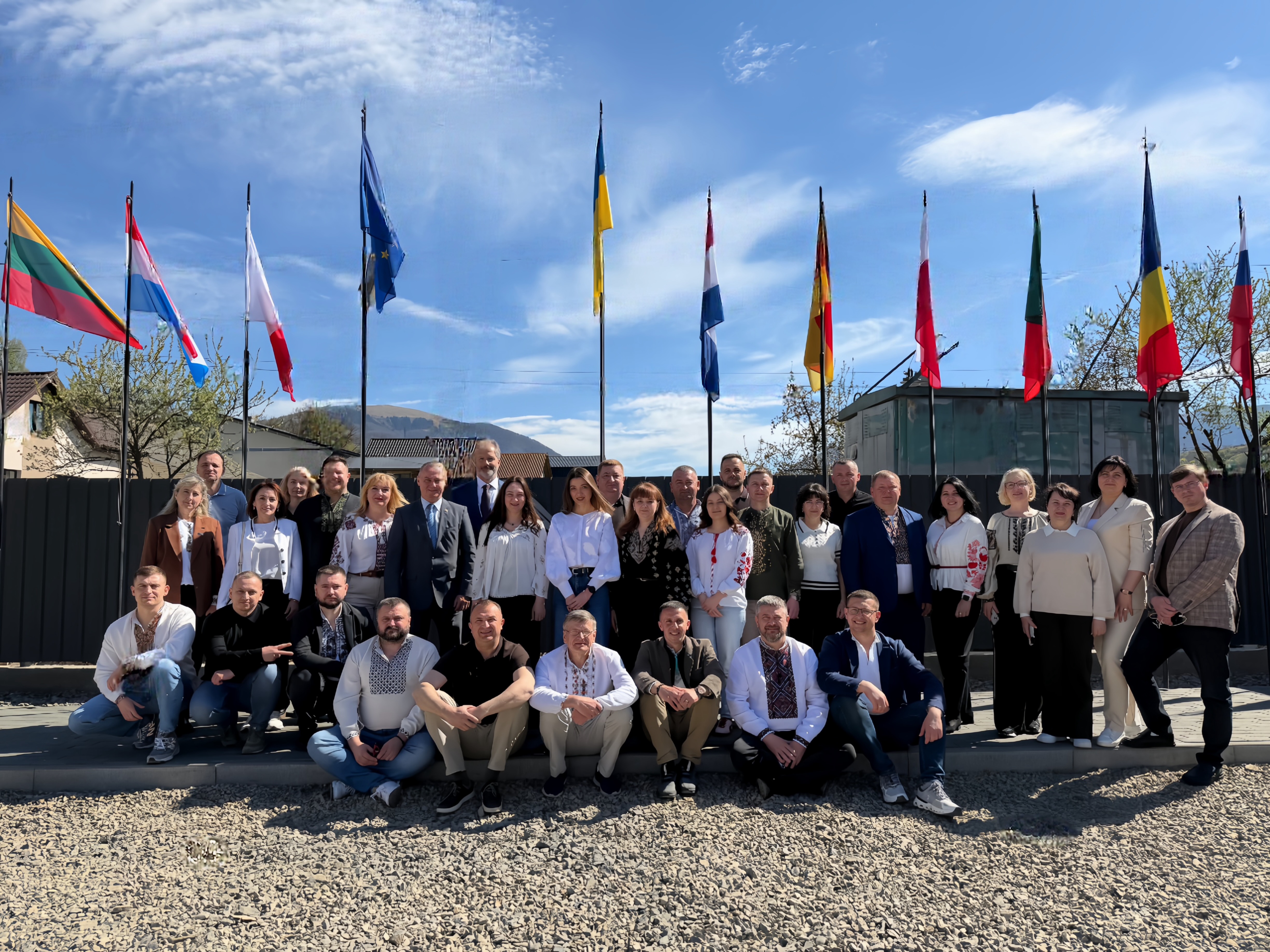
To mark the Europe Day, Kolochava opened the European Integration Office, separate premises consisting of a conference room and an office. One room here is called “Brussels” to represent the EU integration process and serve as a guiding principle for everything the municipality does. Another is called “Prague”: Kolochava has the strongest ties with its Czech partners, and this partnership is already yielding tangible results.
A significant proportion of young people from Kolochava now live and work abroad. They did so before the war, and the numbers have increased since. Yet their ties to the village remain strong: they keep in touch, stay connected and come back. They also bring back ideas — things they have seen in European cities. Vasyl Khudynets has even set up a private group where they meet to discuss what they can implement at home.
“At last, we’ve created a space where, when you come home, you won’t have to look for me. There will be people ready to listen to you,” he says.
This is the Office’s core function: a meeting place for people with experience of life in Europe and ideas that can be adapted to the realities of a mountain municipality.
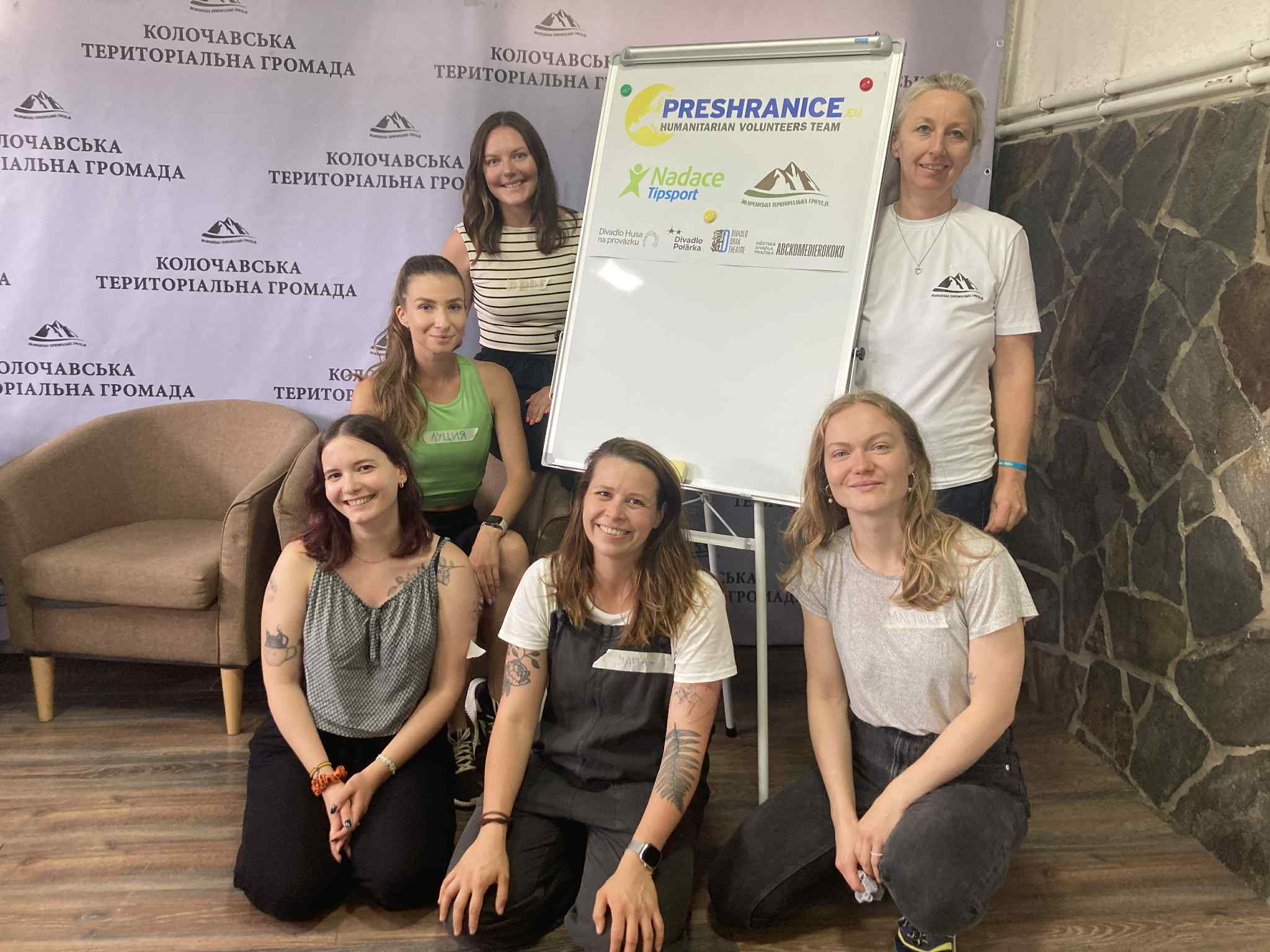
Its second function is that of a project office. An informal team is currently working on grant applications in the municipality, consisting of an economist, a journalist and teachers. Everyone is an expert in their own field, which is what makes the applications so high-quality. However, the office will provide an opportunity to establish this team as a fully-fledged institution, where people can officially work on international projects and receive fair remuneration for their efforts.
The European Integration Office is gradually taking shape as more than just a meeting place or a centre for project development; it is becoming a multifunctional hub — a space for consultation, training, international cooperation and the implementation of European standards at the local level. It is designed to serve as a gateway to European opportunities for local residents, businesses and local authorities.
“Doing the things they’ve been talking about for ages here”
The people of Kolochava have decades of experience working in European cities. They know how things work there. And now they want the same here.
“Now we can achieve here what our people have long talked about and wanted since returning from Europe,” says Vasyl Khudynets.
The roadmap, international partnerships, the EGTC, the Office for European Integration and the project team — all these are part of a single movement. A movement that began in Kolochava municipality many years ago and is now reaching a whole new level, that of EU-wide funding and equal partnerships.