






The full-scale war has completely transformed the way local self-government operates in Luhansk Oblast. Today, traditional village, settlement and city councils are replaced by military administrations, which have temporarily taken over as local self-government bodies. Municipalities of Luhansk Oblast have been relocated to other regions of Ukraine, where they continue to operate and overcome the challenges caused by the war, far away from home.
Ihor Ahibalov, the Head of the Regional Office of U-LEAD with Europe in Luhansk Oblast, talks about the way relocated municipalities of Luhansk Oblast are currently working, the difficulties they face and how they build a dialogue with host municipalities.
New map of municipalities of Luhansk Oblast
Despite the change in status, municipalities of Luhansk Oblast keep functioning. Some managed to relocate their management teams in time, so today they are mostly staffed by the same people as before the full-scale invasion. However, in some municipalities, such as Bilovodsk, Stanytsia Luhanska and Milove, some employees were unable to leave, so local self-government bodies have since hired new professionals, inter alia, from the host municipalities.
Geographically, relocated municipalities are spread out, and there is no single centre. Most often, they choose to work in those oblasts that host the largest number of IDPs from their municipalities. For example, many managing authorities currently operate in Dnipropetrovsk Oblast, Kyiv and Kyiv Oblast. There are also clusters of Luhansk municipalities in Rivne, Zhytomyr, Khmelnytskyi and Ivano-Frankivsk Oblasts. Many Luhansk residents also moved to Kharkiv, as many deliberately chose to stay closer to their homes, hoping that those would be deoccupied shortly.
Municipalities pooling resources
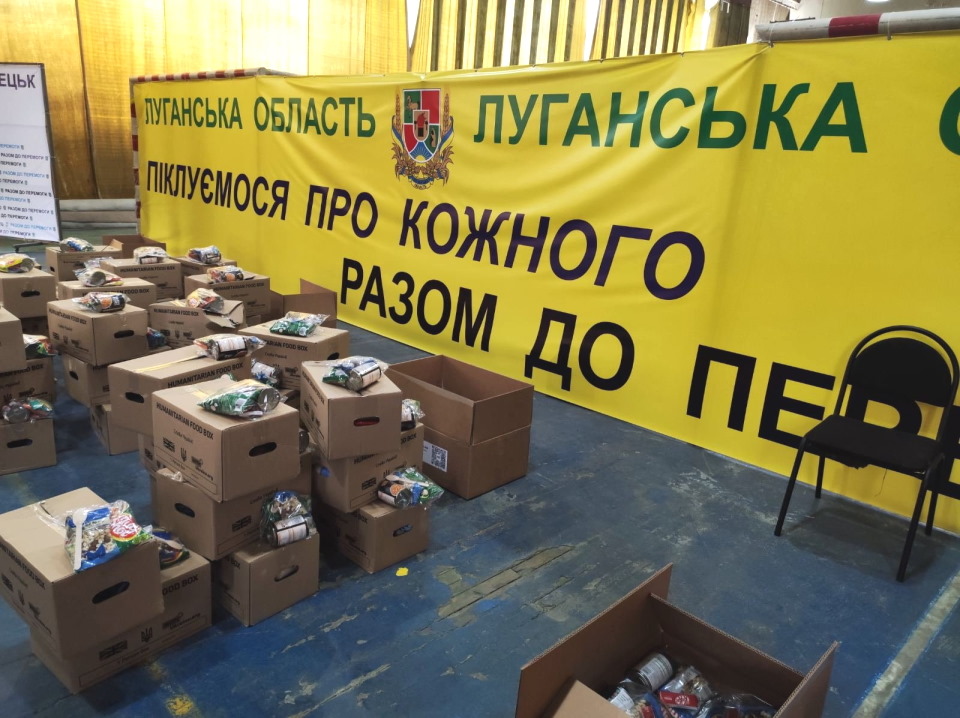
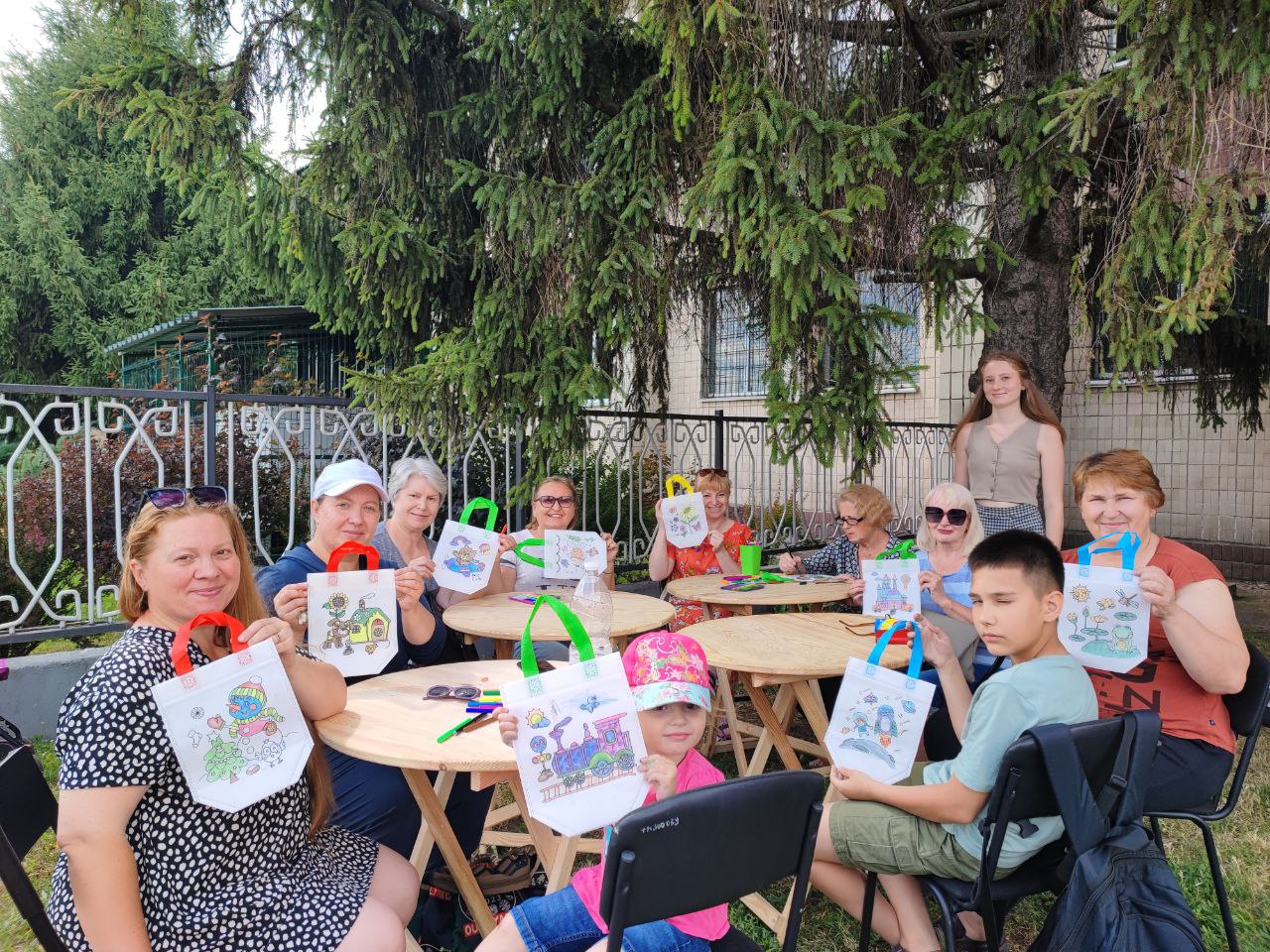
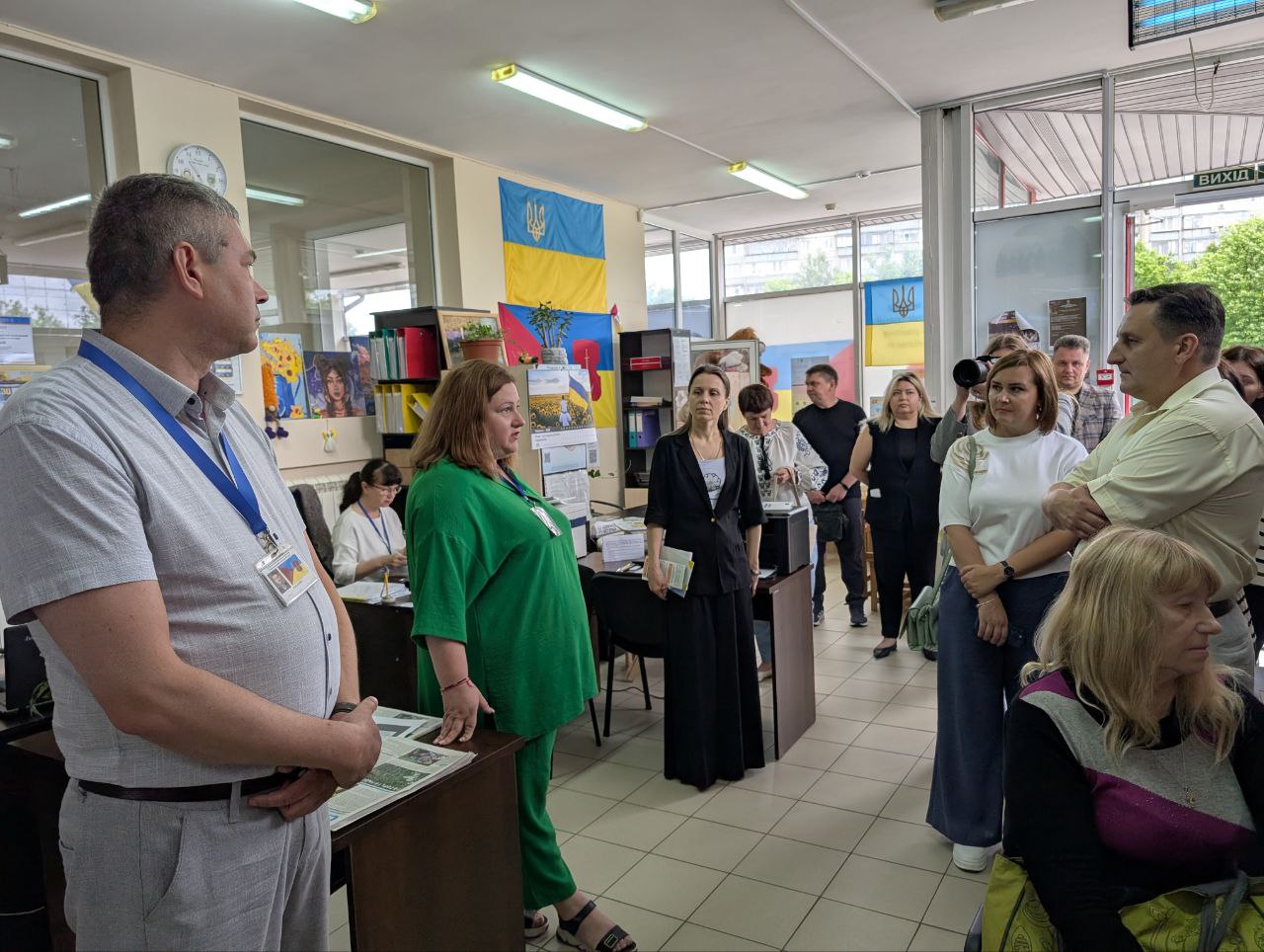
In order to function fully, relocated municipalities seek support in new territories. In most cases, they enter into memorandums of cooperation with host municipalities. Humanitarian hubs are opened there, which have grown from aid distribution points into multifunctional service centres. They offer IDPs social, administrative, healthcare and rehabilitation services and consult them on document issues. U-LEAD with Europe provides relocated municipalities with support when they set up these hubs. Among other things, U-LEAD’s experts advise on property leasing, re-launching institutions even if some documents have been lost or there is a staff shortage. Often these are unique challenges that we help solve together with municipalities, because the exact situation has never happened before.
Since schools could hardly be physically moved, most of the educational processes in relocated municipalities are organised online. However, many children study offline in schools in their new places of residence. This contributes to the development of host municipalities, because a growing student population means additional educational subventions. Therefore, municipalities are interested in integrating children of IDPs into the local education system. U-LEAD also advises municipalities on the further functioning of educational institutions, recovery of documents, payment of expenses and facilitation of cooperation within teaching staff. By way of example, in the municipalities of Markivka and Troitske, our team with a basically new senior leadership team helped agencies resume their operation by resolving a number of critical situations.
Another area of cooperation between municipalities is healthcare. Approximately a third of municipalities in Luhansk Oblast managed to relocate their medical teams along with part of their equipment. In these cases, they establish meaningful cooperation with local healthcare facilities at the new location. For instance, in Kharkiv Oblast, where many professionals left due to the war, doctors from Luhansk Oblast have been valuable additions. There are positive examples of relocated healthcare facilities compensating for the shortage of healthcare services and working on an equal footing with local colleagues. Relocated healthcare facilities mostly contact U-LEAD regarding property lease and inter-municipal cooperation.
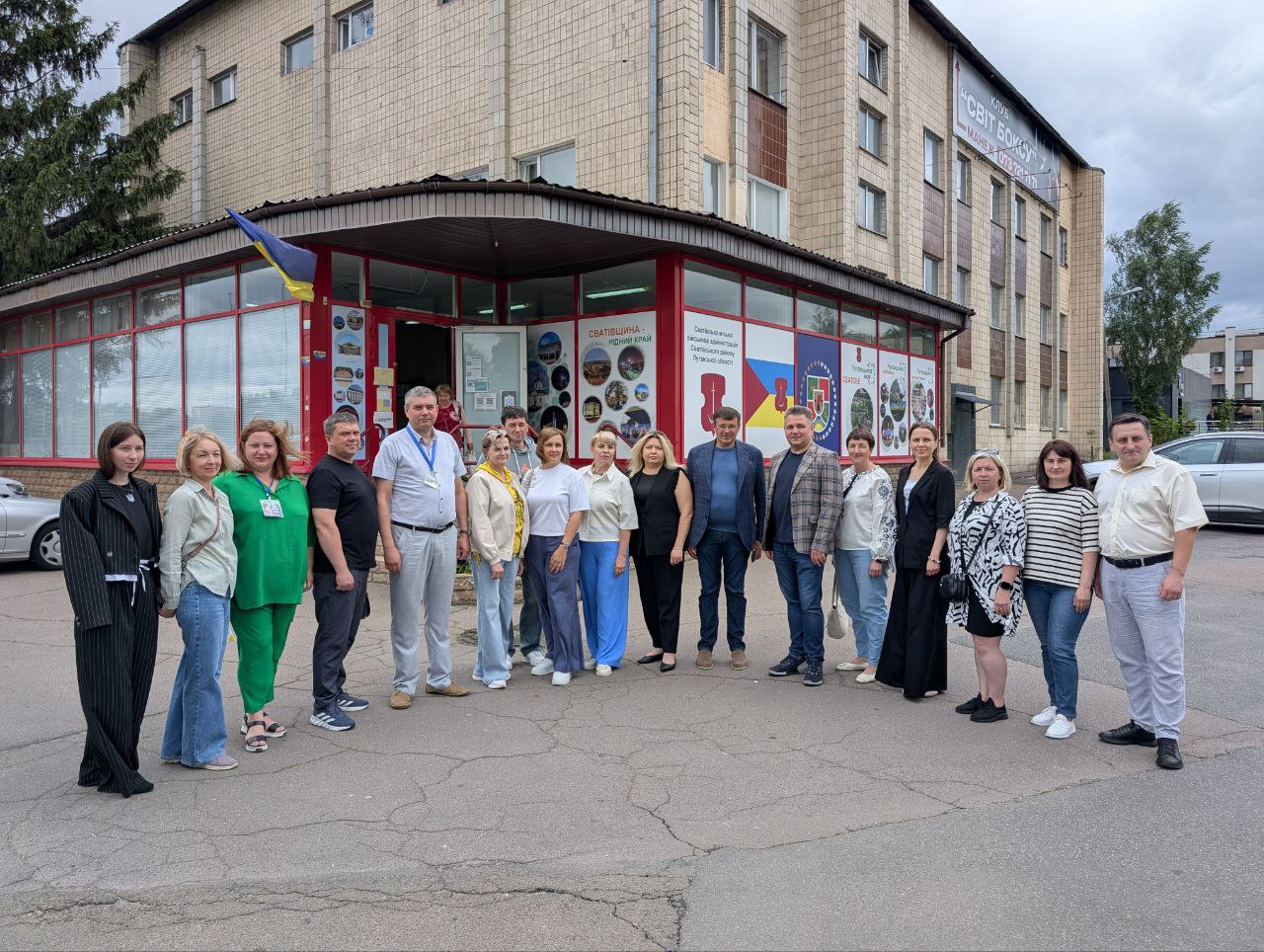
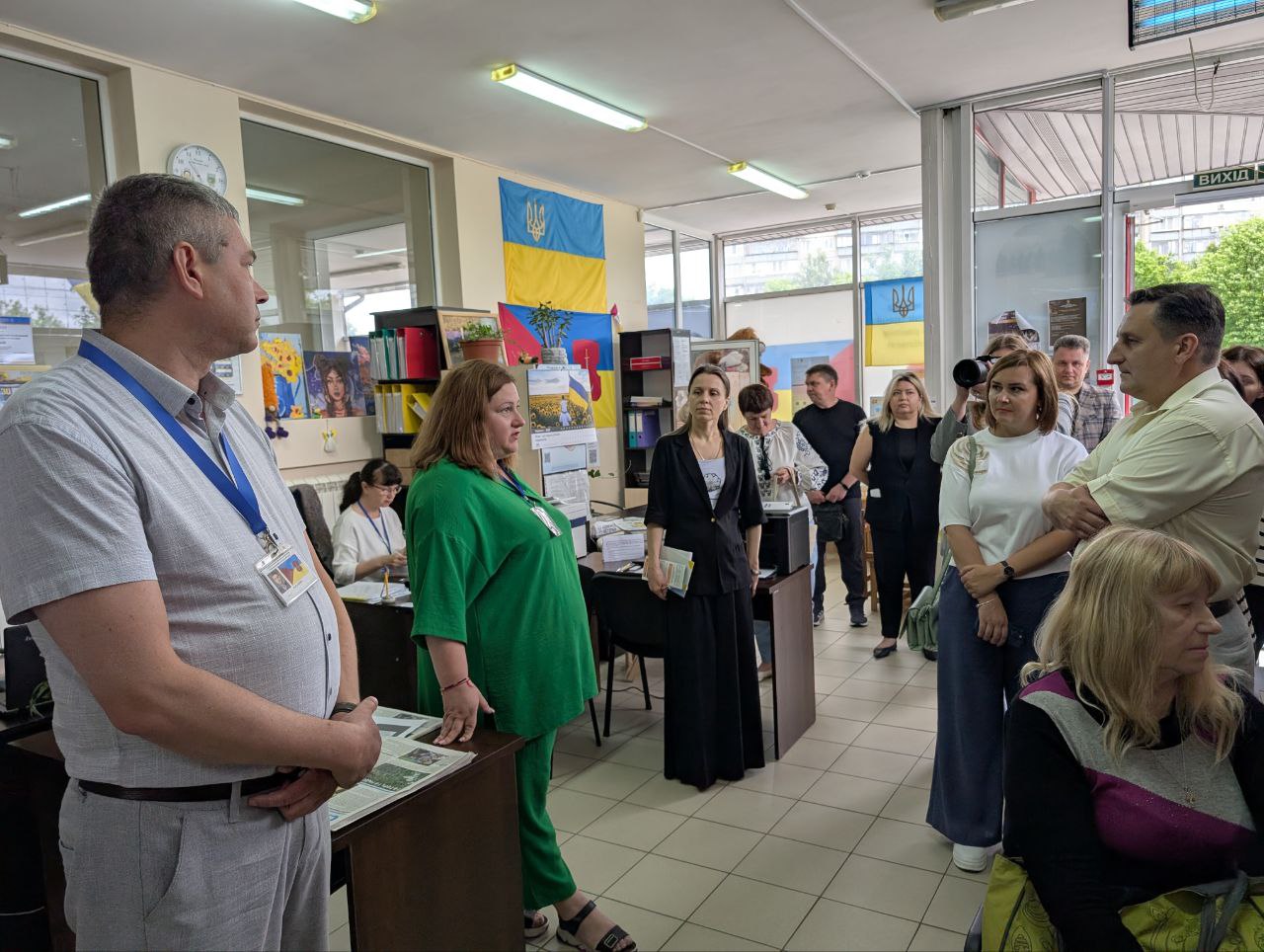
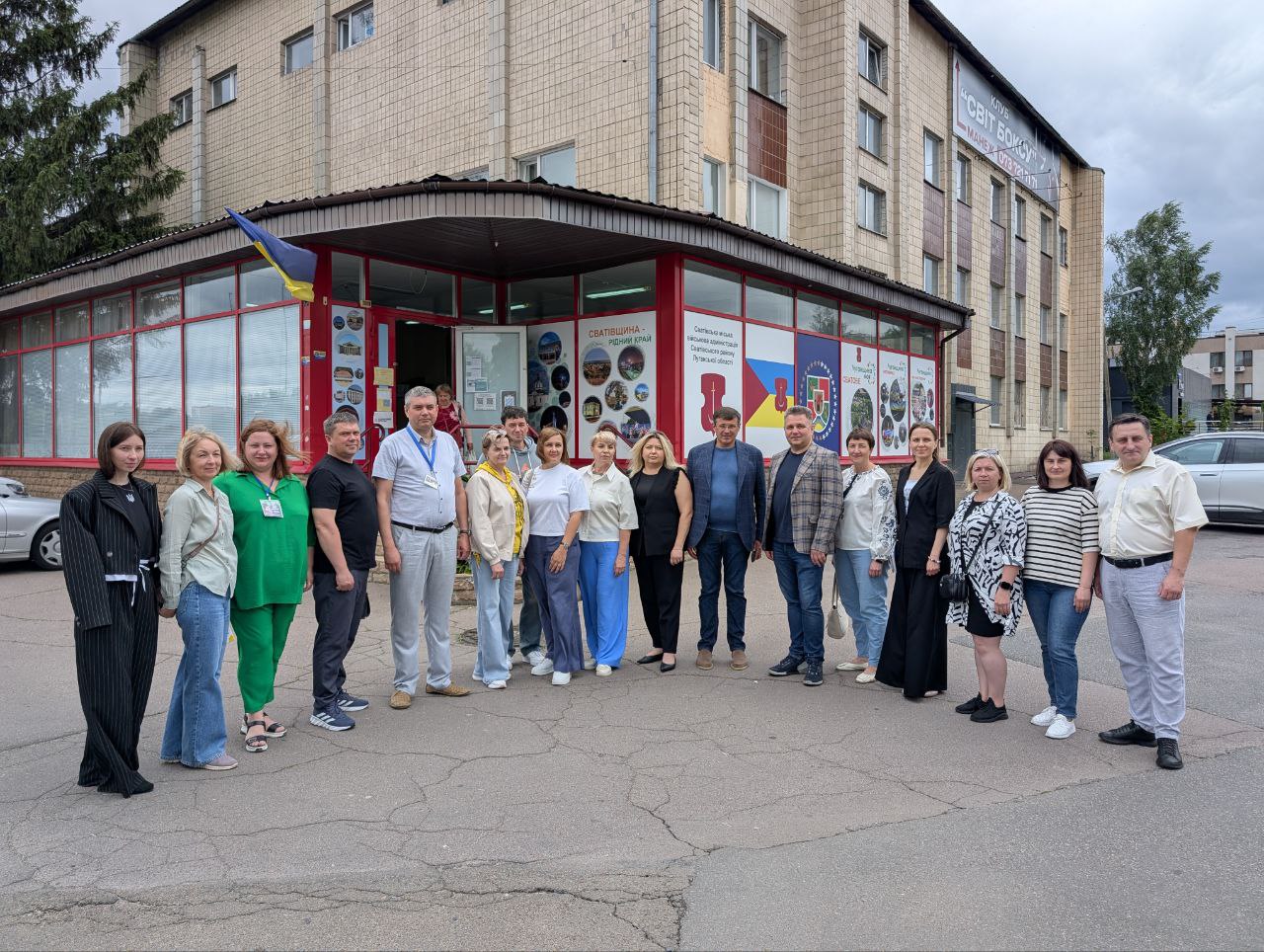
Administrative Services Centres (ASCs) of relocated municipalities take some load from ASCs in host localities. For example, the municipality of Svatove, currently operating in Brovary, has actively extended its services to the residents of the host municipality in addition to its own population. Last year, when updating the information on persons liable to conscription, its specialists took over a significant portion of the local ASC’s duties. This illustrates how joint efforts can benefit both municipalities.
The role of social services of relocated municipalities remains irreplaceable. Almost all of them have reopened their social protection departments and social service centres. A lot of work in this area has been done jointly by U-LEAD and municipalities. Particularly valuable is cooperation with proactive municipalities that come up with their own ideas. For instance, in Krasnorichenske municipality, we managed to bring many humanitarian missions together around a local social centre. With the support of U-LEAD, the municipality, together with NGOs, developed and implemented a mechanism for co-financing the system of evacuation of people from dangerous areas.
Employment and housing are the biggest challenges
For relocated municipalities, the pain points are employment and housing. Despite occasional cases of cooperation, this area still requires substantial improvement. In some cases, relocated businesses have partially resumed their operation in a new place, creating jobs and employing locals. There have also been initiatives to transfer land for agriculture. At the same time, there’s still this big question: how do you get working-age people to move to small towns and villages? U-LEAD offers advice to local self-government bodies in order to provide relocated municipalities with tools to build effective cooperation with host municipalities.
Rural areas, which are currently experiencing a shortage of workers, could become hotbeds for new business initiatives and jobs. However, success depends on the willingness of IDPs to stop waiting for assistance and start acting themselves. Relocated municipalities should focus on the working population as a driving force, promoting self-employment and small business initiatives. This is how municipalities can not only get back on track but also build a strong foundation for sustainable development in the new environment.
The experience of relocated municipalities in Luhansk Oblast shows that even in conditions of war and complete loss of control over the territory, local self-government can still be effective — provided that there is constant development, flexibility and partnerships. U-LEAD will continue to support these municipalities on their path of adaptation, recovery and search for new solutions, helping them preserve their identity and provide quality services to residents — regardless of their location.