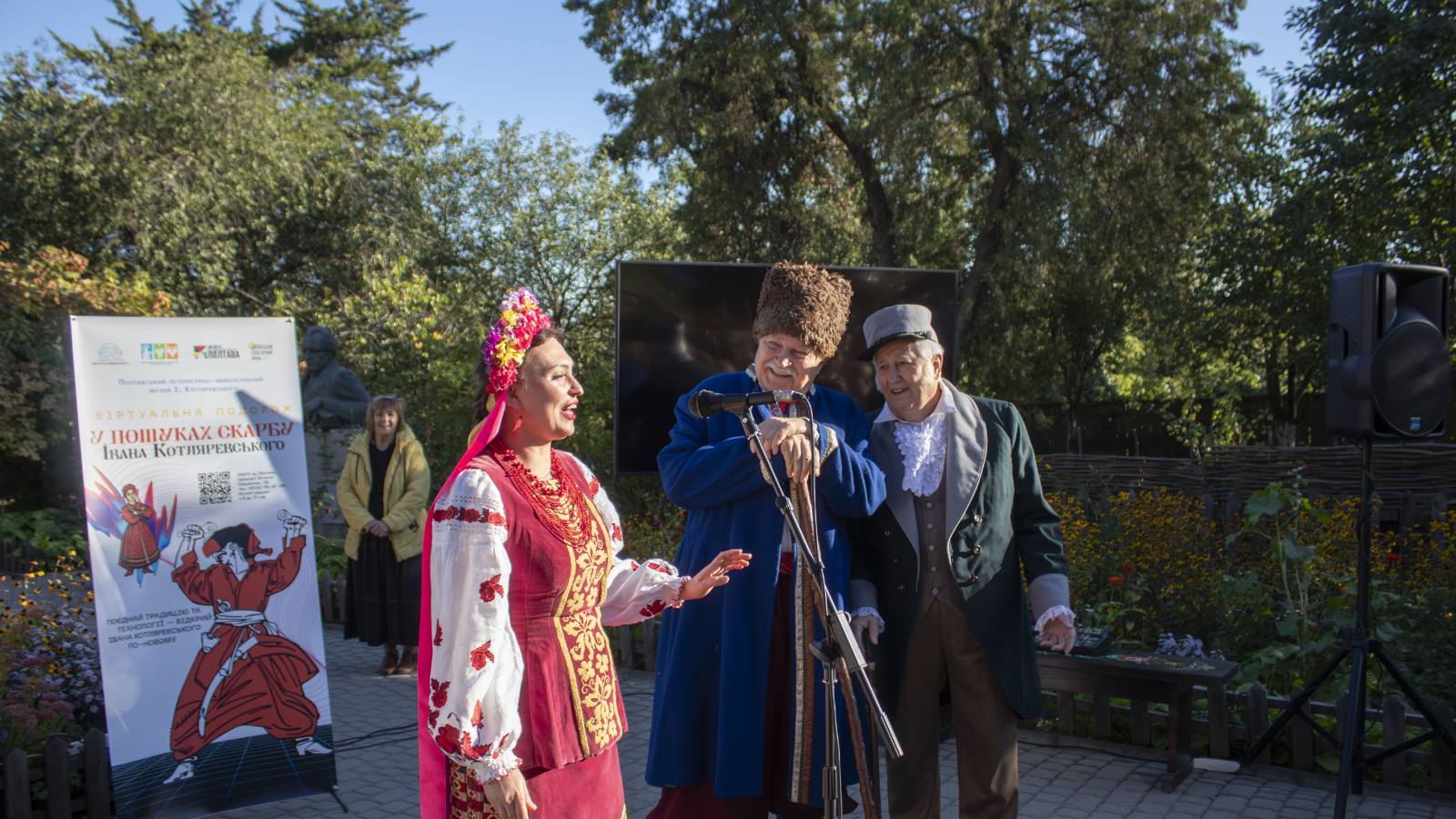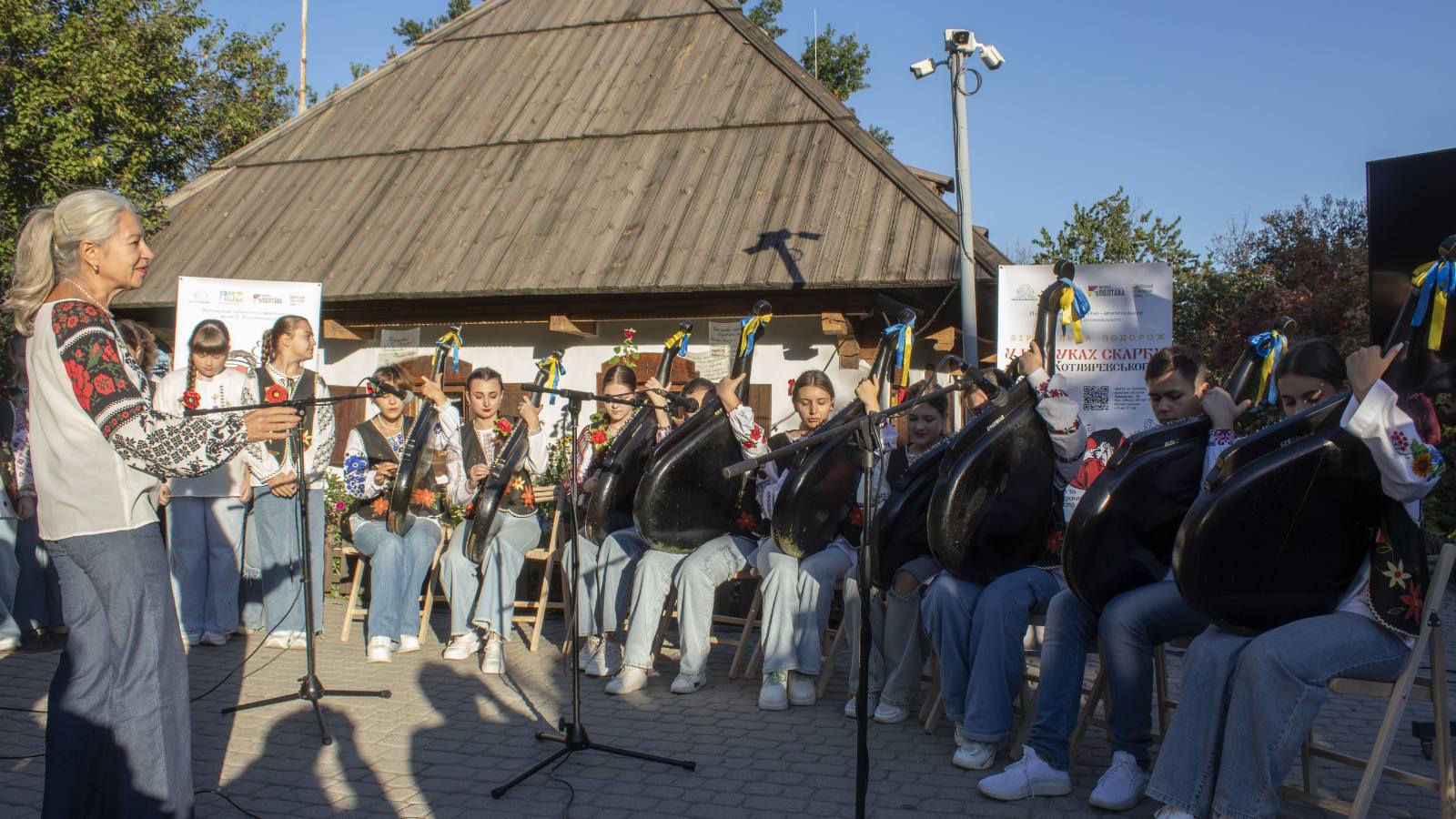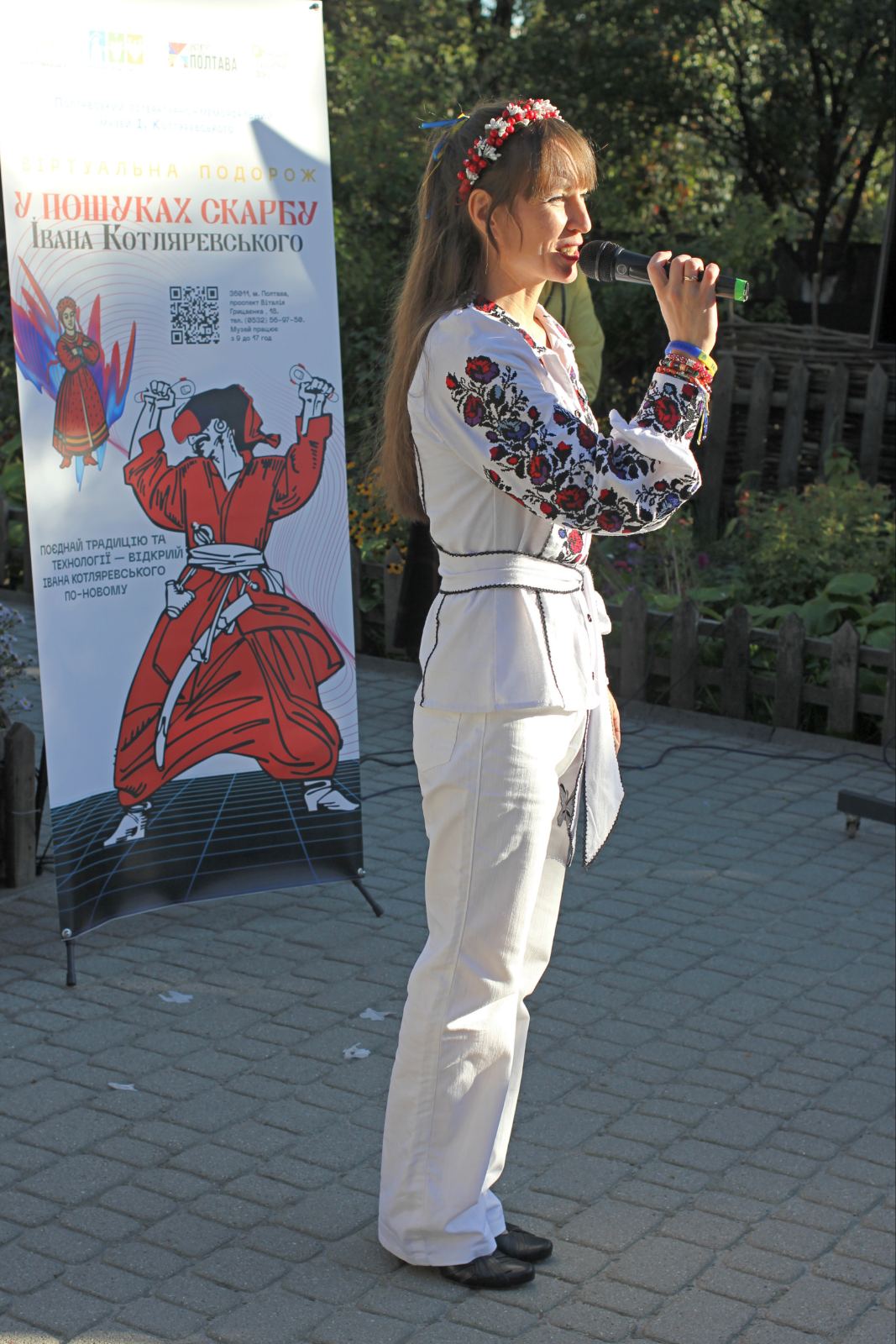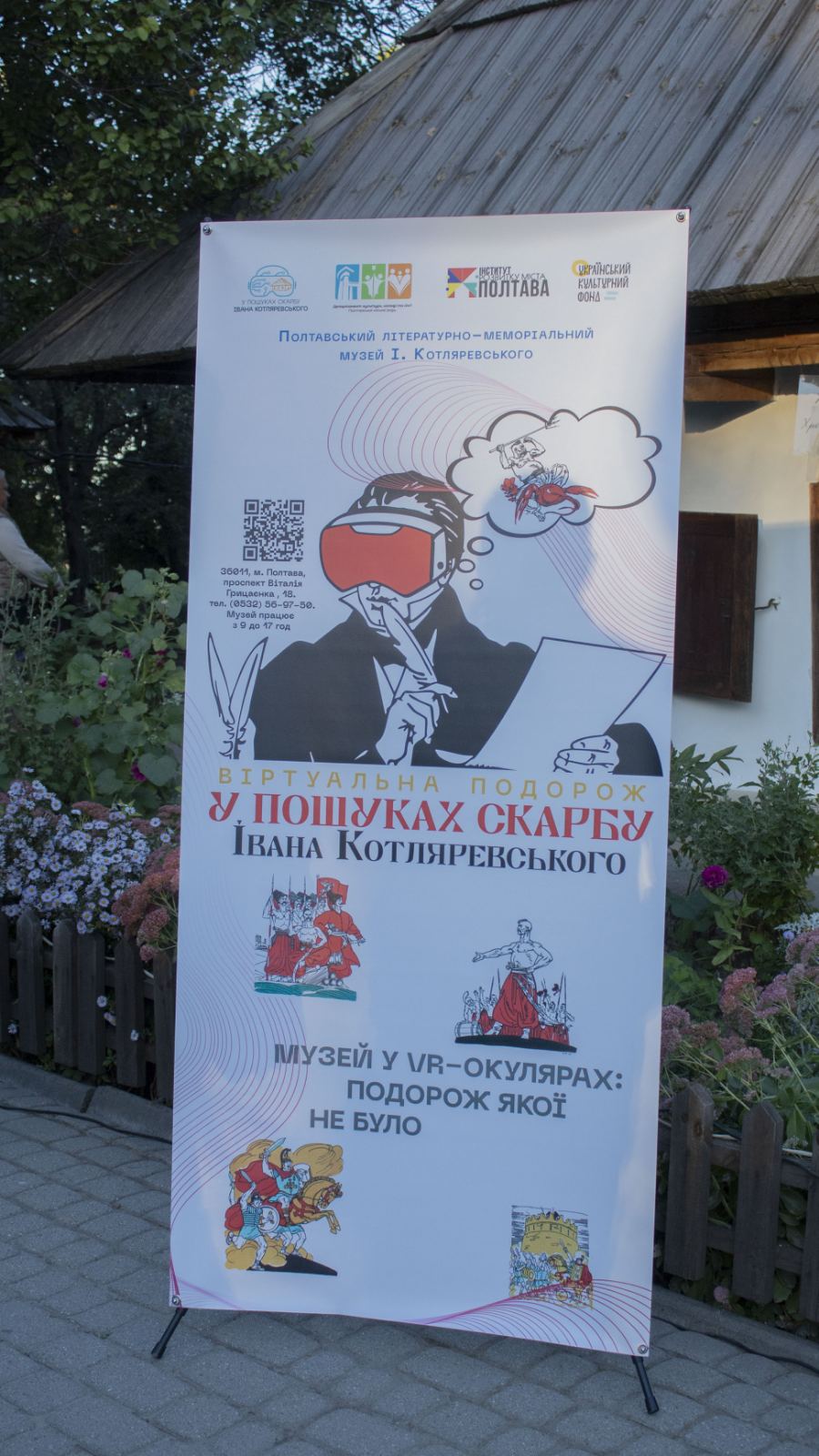






Ivan Kotliarevskyi Literary Memorial Museum in Poltava received a grant from the Ukrainian Cultural Foundation (the UCF) and brought to life a unique project entitled “Virtual Journey: In Search of Ivan Kotliarevskyi’s Treasures”, featuring VR quests that combine traditional guided tours with cutting-edge immersive technology. This initiative secured the museum its first-ever grant competition win, opening the door to new digital formats for its exhibitions.
The idea for the project grew out of the quests created by Diana Dashkova, a museum guide, for children of all ages, which she has been conducting since 2017.
“Kids played and learned about Ivan Kotliarevskyi’s work at the same time. I hid riddles in boxes, created puzzles, pieces of a key — and there was treasure waiting for them in the chest,” she recalls. The format proved to be appealing to different age groups, so the quests came in three levels of difficulty, catering to everyone from the youngest schoolchildren to linguistics majors.
In early 2025, Diana decided to digitise her work, which led to the idea for the project “Virtual Journey: In Search of Ivan Kotliarevskyi’s Treasures”, which was then submitted to the Ukrainian Cultural Foundation’s competition programme. While working on the grant application, the museum reached out to the experts at U-LEAD with Europe.
“We passed the UCF expert selection process on our own; however, U-LEAD was a huge help during the negotiation stage. We had a lot of adjustments to make, and only two or three days to do it. The Regional Office of U-LEAD in Poltava Oblast literally saved the day when they suggested how to make the changes correctly and advised on a number of issues. It was thanks to this that the agreement was signed and the project launched,” says Diana Dashkova.
Dmytro Tsybulko, an expert at the Regional Office of U-LEAD with Europe in Poltava Oblast, adds:
“Poltava City Council’s Department of Culture asked us for advice. When we got to work with the museum team, I could tell right away how excited they were about Kotliarevskyi’s story and how much they wanted to do something innovative. The deadlines were indeed very tight, but their energy and persistence were inspiring. It gives me great pleasure to see how the idea has turned into a true VR journey that now impresses visitors. This is a case where believing in the project and cooperation make the impossible possible. I am delighted that the Regional Office of U-LEAD with Europe in Poltava Oblast has contributed to this incredible success.”
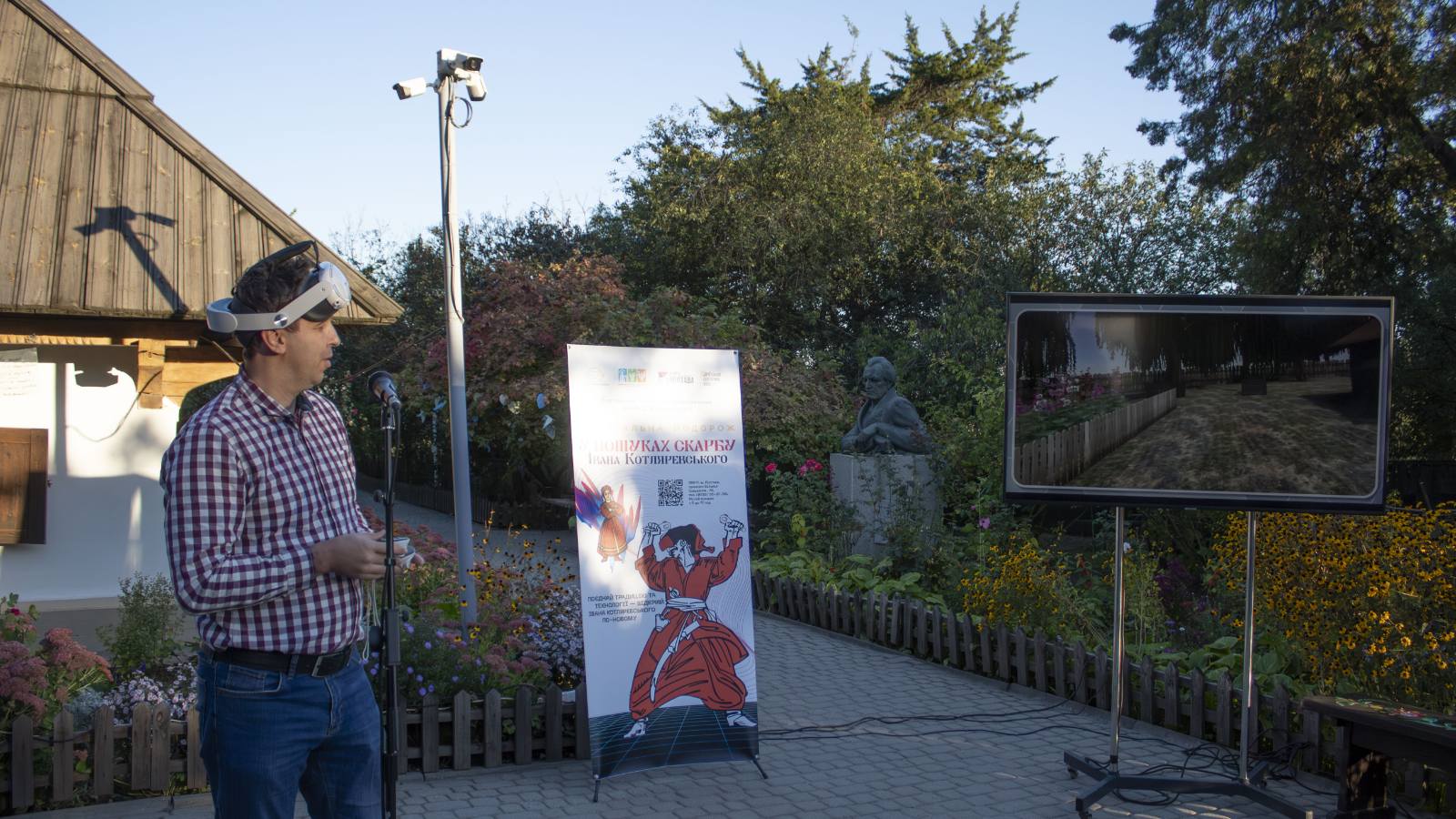
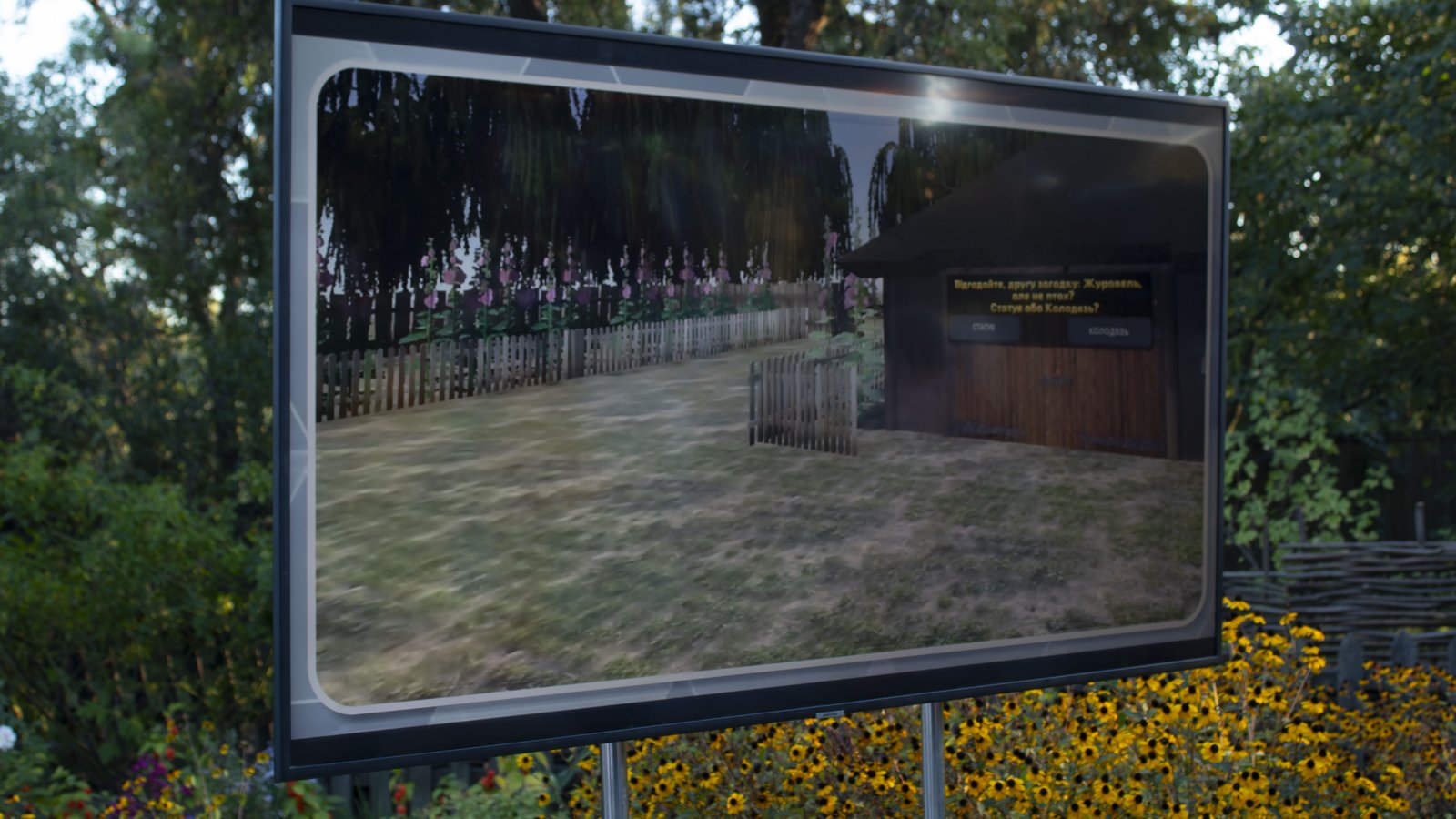
Having won the competition, the museum proceeded to implementing the project. With the help of an IT expert, Diana Dashkova designed VR quests featuring 3D models of Ivan Kotliarevskyi, Natalka Poltavka and other characters. No other museum in Poltava offers anything similar in terms of format. Here, participants pick answers, move from one point to another, solve riddles and collect pieces of the puzzle key from Kotliarevskyi’s chest. There they will find a priceless treasure: the writer’s archive of manuscripts with excerpts from Natalka Poltavka, Eneida and Moskal-Charivnyk (The Soldier-Sorcerer). The quest is available in Ukrainian and English.
The creator of the quest firmly believes that modern technological solutions will aid museum visitors in exploring history and literature in a novel way: “Now our guests can meet Ivan Kotliarevskyi himself, his maid Varvara Lelechykha and the main character of the eponymous play, Natalka Poltavka, who even sings in the quest, ’in the flesh’. Visitors can experience the lifestyle and everyday life of the writer, which is particularly appealing to children, as they find it easier to absorb information and acquire knowledge through play.”
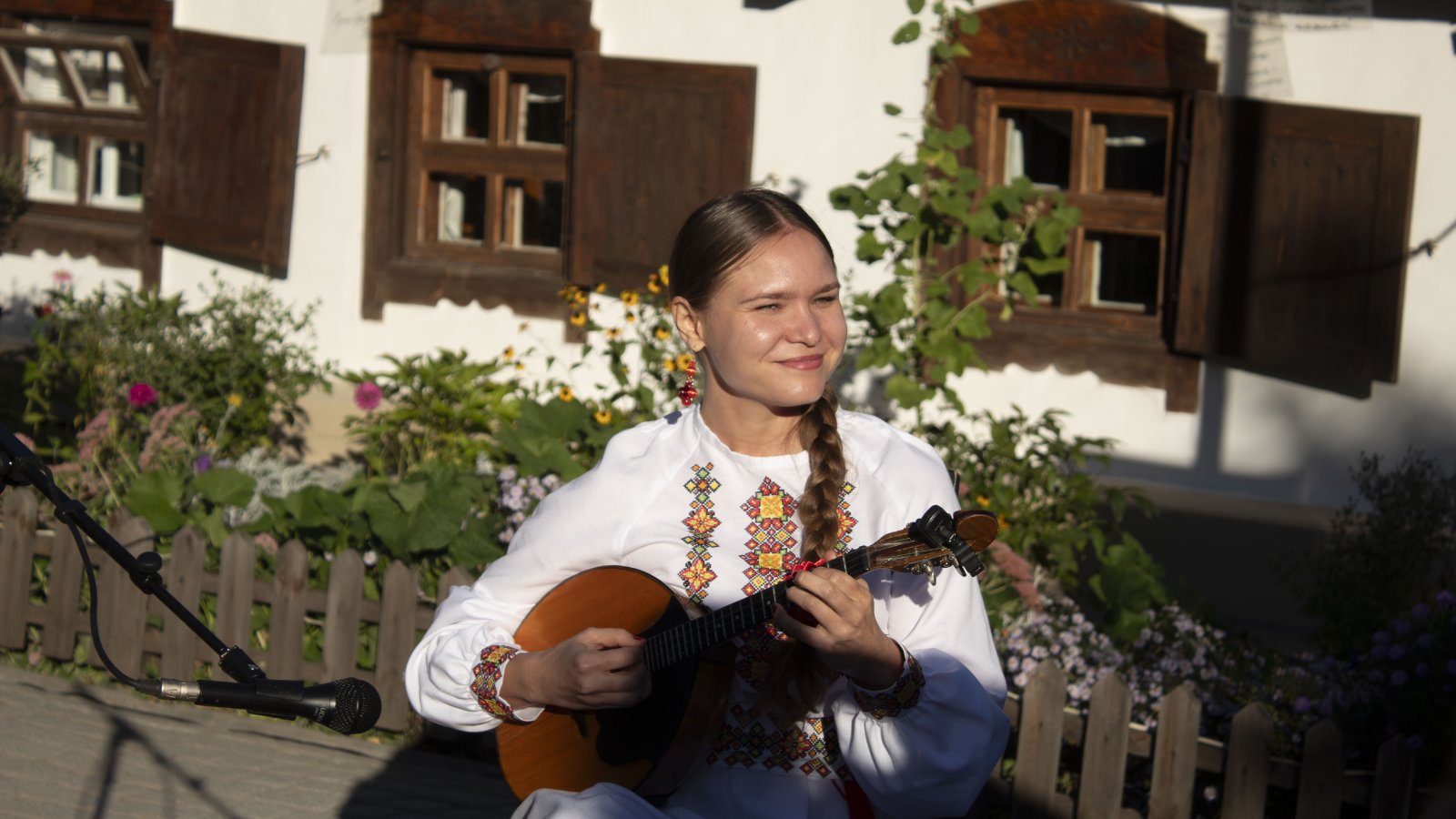
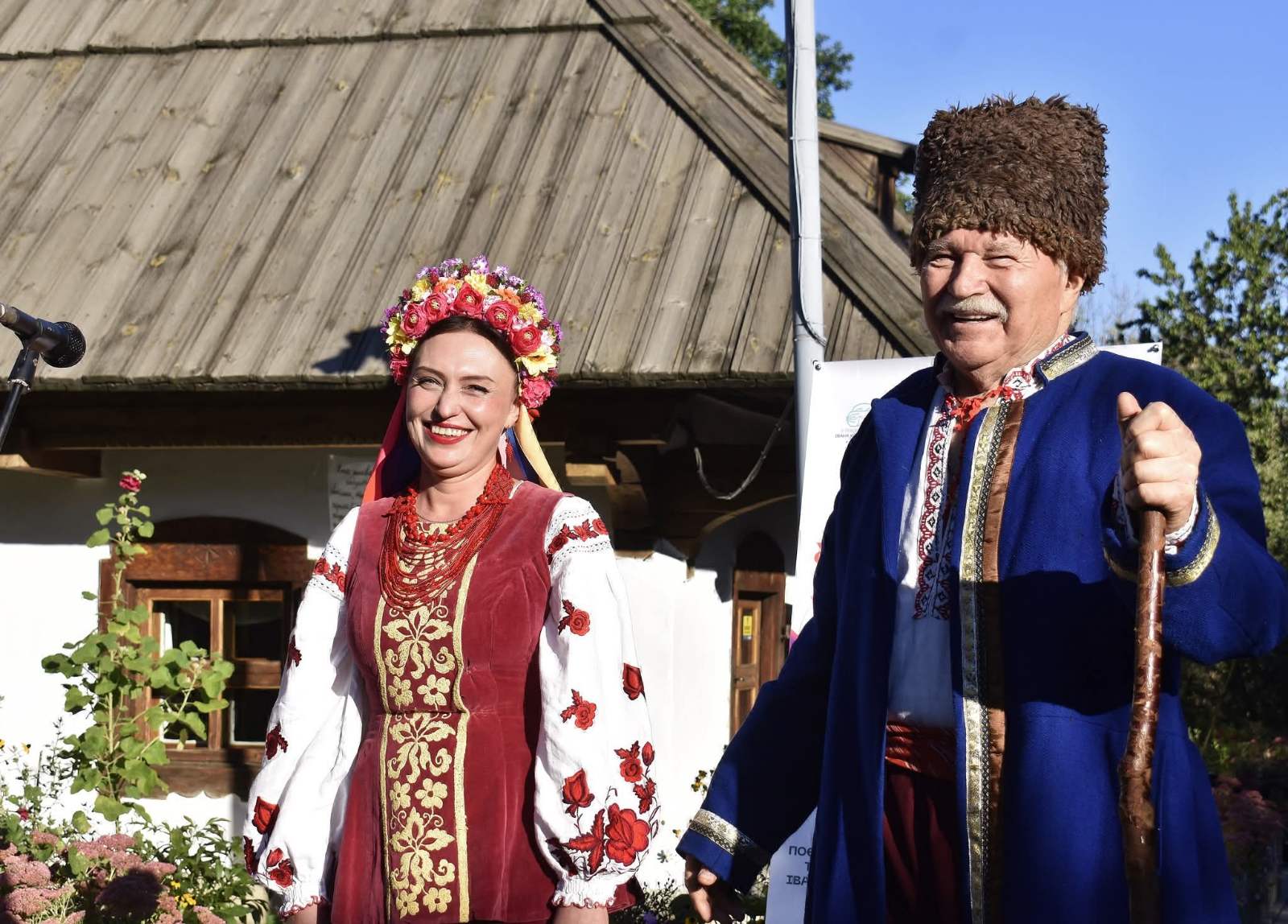
The museum has purchased four pairs of modern VR glasses, so VR quests are already available to visitors. In addition to digital activities, the project includes a number of other events, such as theatrical tours, performances and ethnic picnics — all to immerse guests in the time of Ivan Kotliarevskyi. This project marks a new chapter in the museum’s history, combining traditional cultural heritage with modern technology to make it accessible and engaging for visitors of all ages.