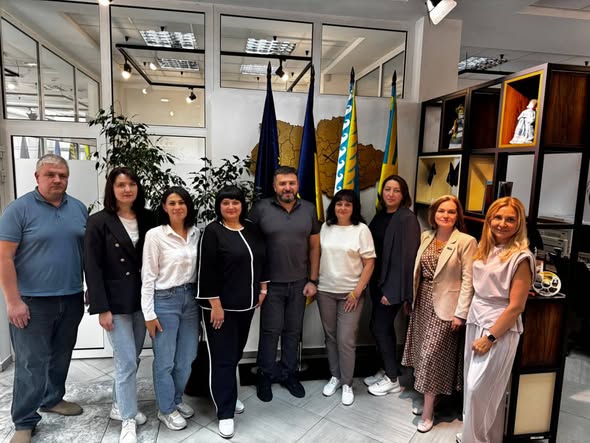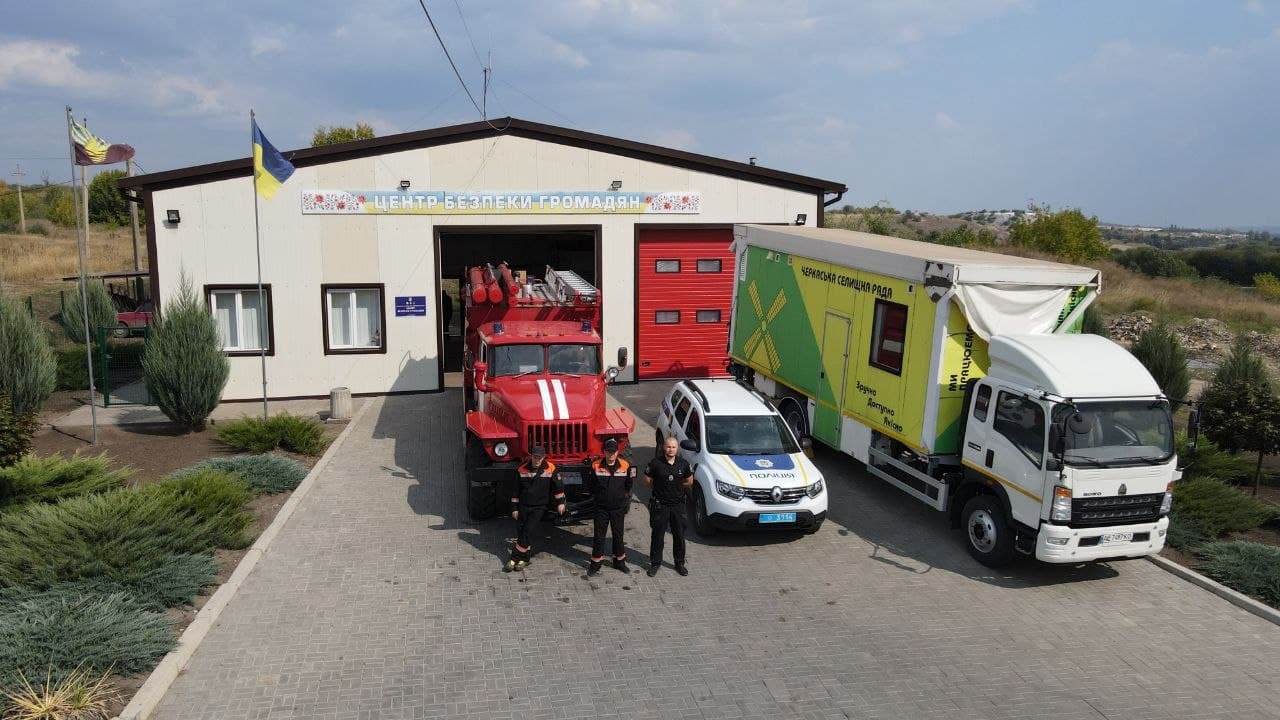



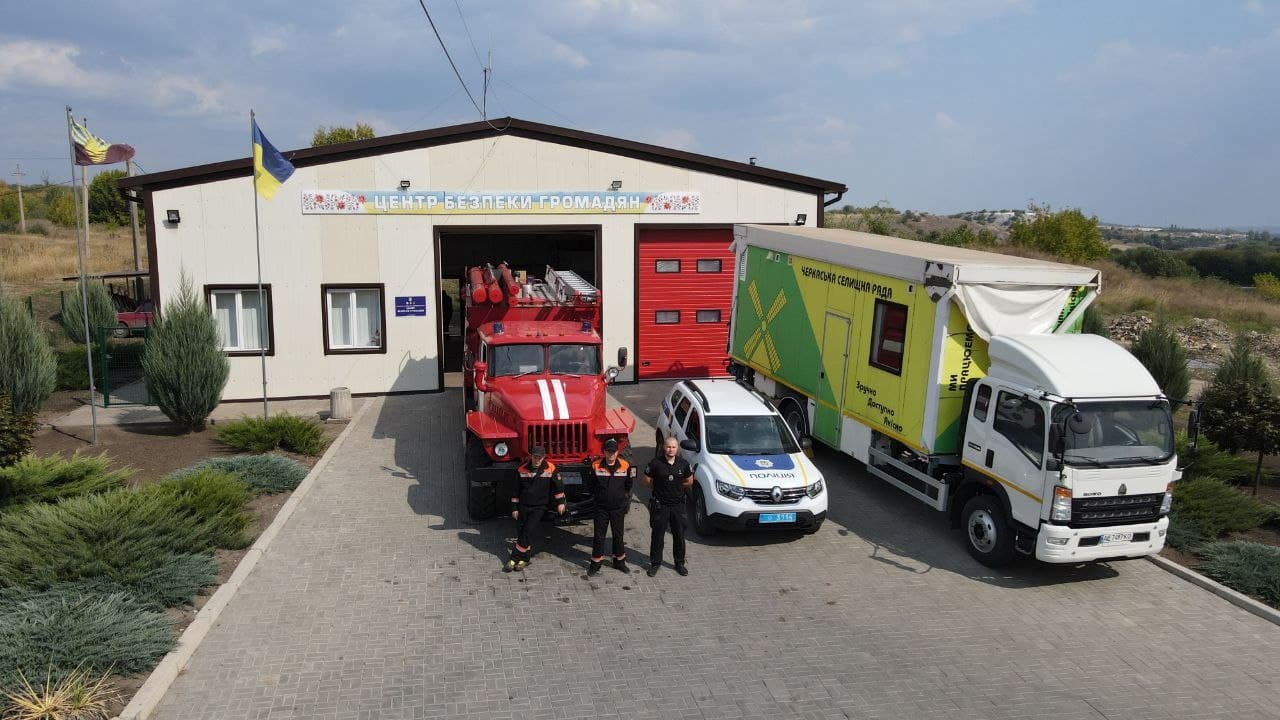
The settlement municipality of Cherkaske, Kramatorsk district, operates under harsh safety conditions. There are 11 settlements here, four village councils and around 7,000 residents who are staying despite the proximity of the front line. While most of the town council and military administration staff continue to work on site, some are working remotely.
Given these circumstances, administration cannot be convoluted. It must be clear, straightforward and fully compliant with the applicable laws and regulations. That is why the municipality turns to the Regional Office of U-LEAD with Europe in Donetsk Oblast for ongoing advisory support. The systematic support has ensured the streamlining of the organisational structure and internal processes.
Sort through everything that has piled up
“Our first request related to streamlining the structure of the council’s administration and executive bodies,” says Liliia Lushchyk, the Head of the General Department of Cherkaske Settlement Council. “We recognised the need to bring local regulations into line with applicable legislation. This is a very delicate balance under martial law — it’s important not to break any rules”.
Since the war started, the makeup of the municipality has changed several times. Some decisions were passed quickly in response to the new wartime regulations. This resulted in a situation where different organisational models operated concurrently, responsibilities overlapped, and certain posts remained vacant or were effectively non-functional.
“We met every month,” says Liliia Lushchyk. “We discussed specific issues. Sometimes we had to make urgent requests. For us, this wasn’t just a formal training programme, but ongoing support. We were keen to start the year with a ‘clean slate’ — free from convoluted arrangements and uncertainty”.
As part of these efforts:
- Internal regulations concerning the organisational structure and staffing levels have been brought into line with the law;
- The number of employees was reduced in accordance with labour laws;
- The functions of the various departments have been clearly delineated.
Further, the following institutional changes were introduced: the Child Welfare Service was established as a separate legal entity; the Department of Culture and Tourism was reorganised, with its remit expanded and transformed into the Department of Culture, Family, Youth and Sport. This enabled a clear division of responsibilities, streamlined funding and eliminated duplication of functions.
“This is not just a renaming,” explains Liliia Lushchyk. “It’s about responding to the actual needs of the municipality and ensuring the proper distribution of powers”.
Expert opinion: how they handled organisational structure
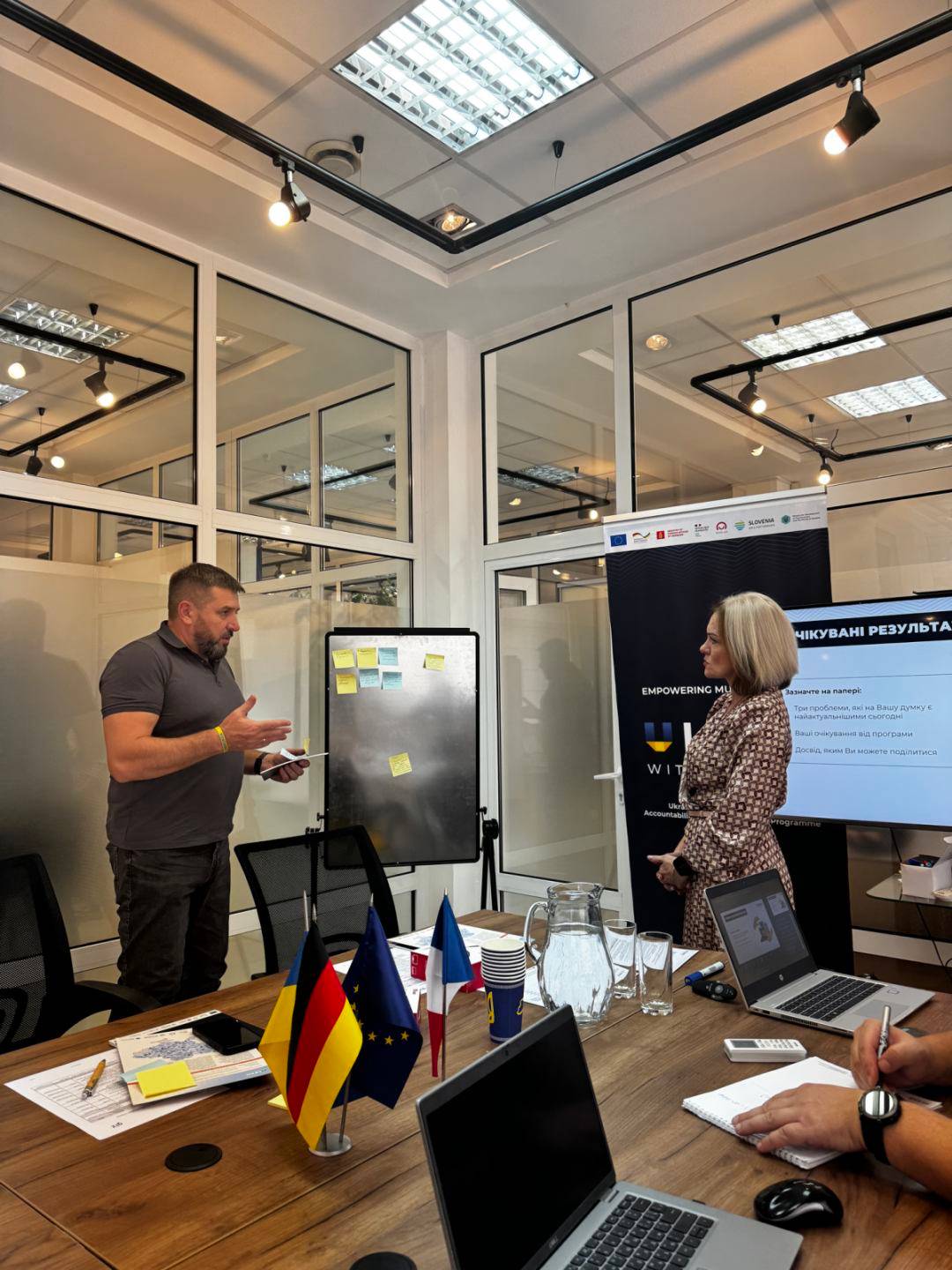
“The municipality initially approached us with staffing issues,” says Yuliia Tertychna, Policy Advisor for Decentralisation and Local Self-Government at the Regional Office of U-LEAD with Europe in Donetsk Oblast. “However, it became clear during the process that a comprehensive restructuring was necessary. We reviewed all existing decisions, identified areas of duplication and instances where responsibilities were not distributed as effectively as possible, and gradually brought everything into line with a logical model”.
According to the advisor, the process took several months and required a thorough examination of every decision.
“There was political will on the part of the leadership and a willingness within the team to get the job done. When a team isn’t afraid to revisit its decisions and speaks openly about difficult issues, it makes the work much easier. We worked step by step, analysing each document and each position”.
This has given the municipality a clear administrative structure that complies with the law and reflects the realities of life in a frontline area.
From organisational structure to fire service and social security coverage
The efforts were not limited to structural changes alone.
With the support of U-LEAD Working Group on Public Safety and the Regional Office, executive orders were drawn up regarding the establishment of the municipal entity “Fire and Rescue Unit for the Provision of Local Fire Safety”. This facilitated the streamlining of the local fire service and ensured adequate funding and legal status for the unit.
The municipality also held an information session on entering into collective bargaining agreements in newly created legal entities.
“This was important for us,” says Liliia Lushchyk. “We were undergoing institutional changes, and it was necessary to properly regulate employment relationships and social security coverage for employees. We were given practical guidance and examples of documents, which boosted our confidence”.
At present, Liliia Lushchyk is furthering her professional development by participating in the training programme “Remuneration in Local Self-Government Bodies.”
Humanitarian aid, property and usufruct: handling them properly
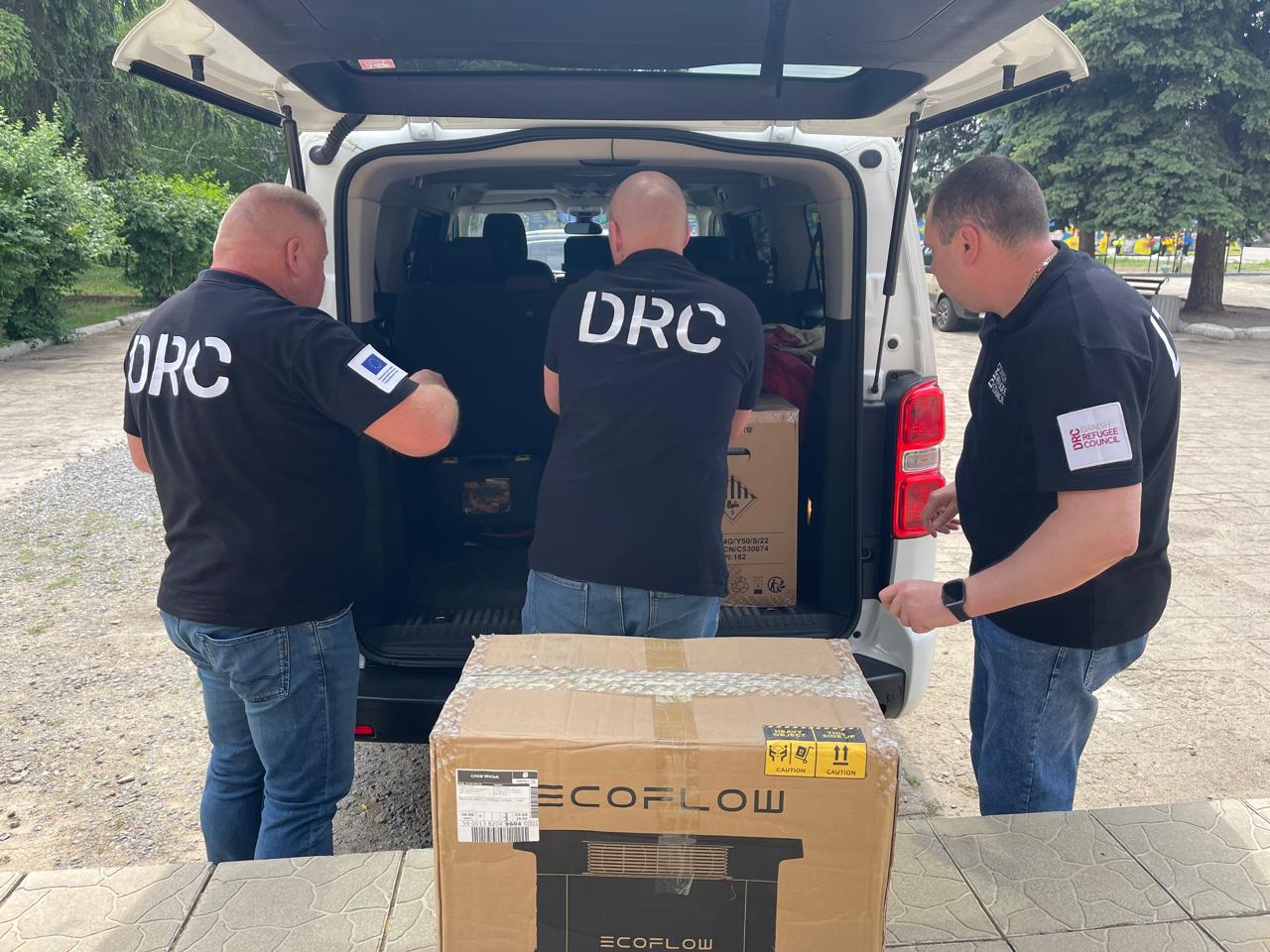
Being located near the front line means a constant inflow of humanitarian and charitable aid — from international organisations, donors and foundations. Generators, transport, equipment — all of these are not only necessary to obtain, but also to register properly.
“The issue of bringing property under municipal ownership and registering it was of particular importance to us,” says Liliia Lushchyk. “Changes in legislation, new approaches, the concept of usufruct all required additional knowledge”.
Between September and October 2025, the head accountant of the local self-government body completed a training programme entitled “Bringing Property under Municipal Ownership”. The knowledge gained has already been put into practice: the municipality clearly identifies the types of assistance received, correctly records them in its accounts and prepares the necessary administrative documents, including those relating to the transfer of property under the right of usufruct.
The issue of registering residential buildings and their privatisation remained particularly challenging. To address it, the Regional Office held several information events that involved experts from other oblasts of Ukraine. This provided practical guidance and helped to streamline legal and accounting procedures.
In addition to these training programmes, senior officials of the municipality of Cherkaske participate in international training and partnership initiatives. Notably, Oleksii Kryvokon, the Head of Cherkaske Settlement Military Administration, took part in the “League of Leaders 2025” training programme organised by U-LEAD with Europe and attended the European Week of Regions and Cities in Brussels. During his visit, he met with Members of the European Parliament, whom he briefed on the situation in eastern Ukraine and the challenges currently facing municipalities near the front line. Symbolically, the flag of Donetsk Oblast was presented to the European Parliament as a sign of the oblast’s resilience and gratitude to the European community for its support of Ukraine.
An experience that resonates with other municipalities
According to Yuliia Tertychna, Cherkaske’s experience is indicative for the oblast.
“Municipalities often make specific requests — regarding collective bargaining agreements or HR procedures. However, as the process unfolds, it becomes clear that a comprehensive approach to the organisational structure is required. We don’t approach municipalities with ready-made solutions, as so many issues are specific to each situation, so there is no one-size-fits-all answer. We work with the request they bring to us, and if they’re willing to sort things out, the result follows”.
Similar consultations are currently ongoing with other municipalities in Donetsk Oblast.
“Due to the war, many decisions have been passed quickly. Municipalities are now returning to a systematic approach. This is a natural process. And we are committed to supporting it as long as it takes,” concludes Yuliia Tertychna.