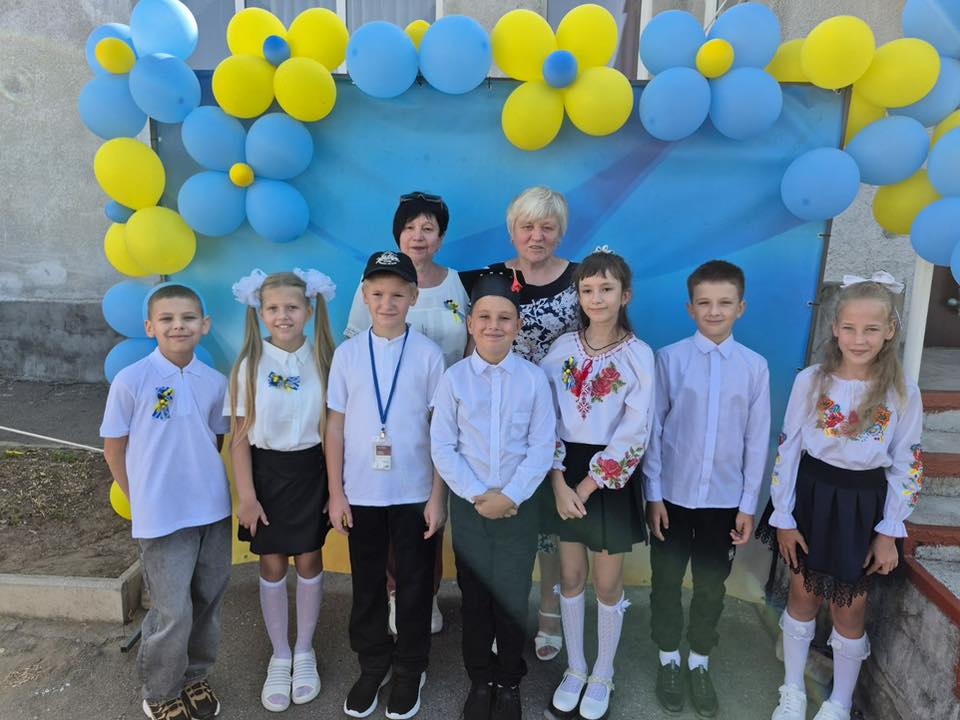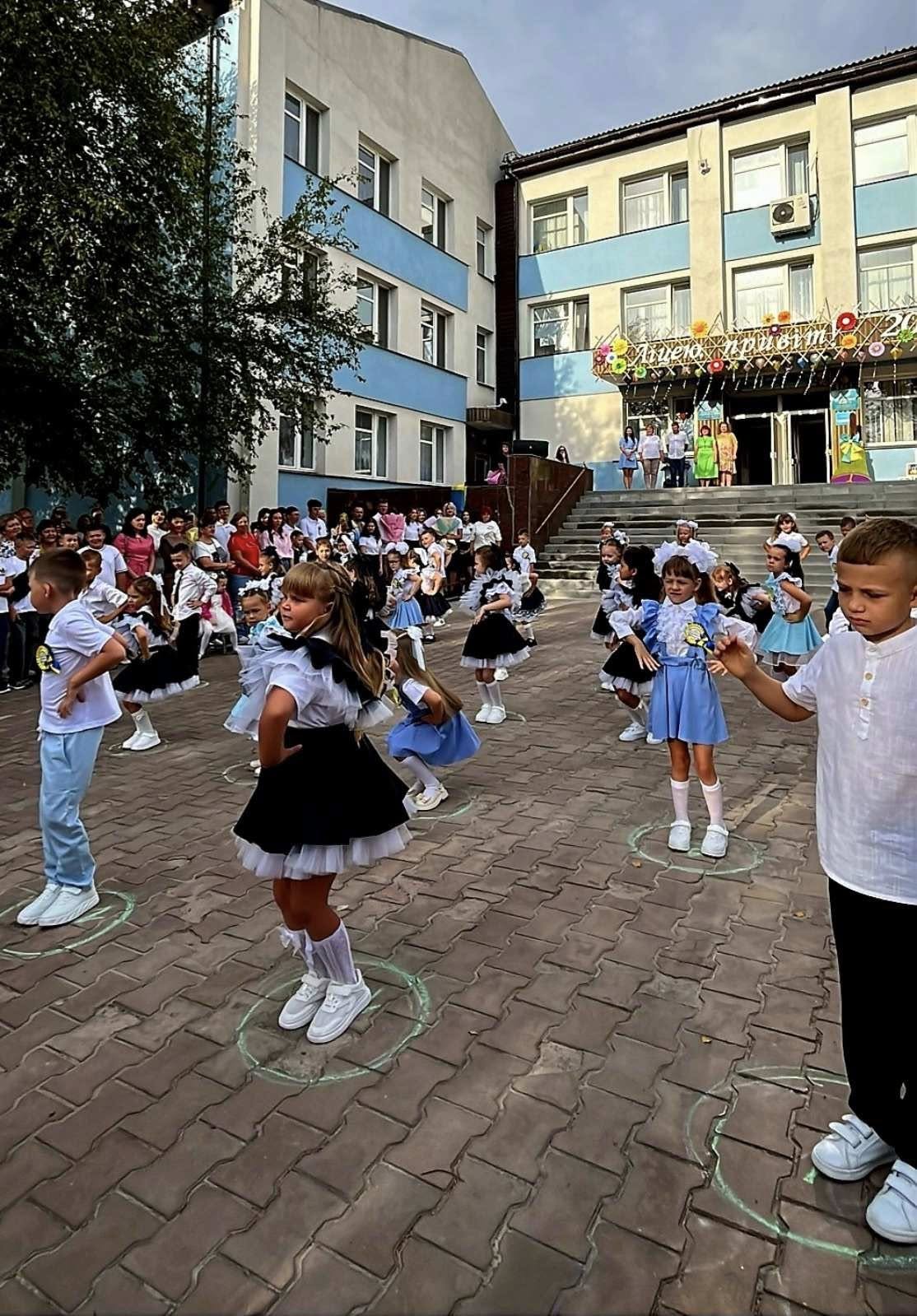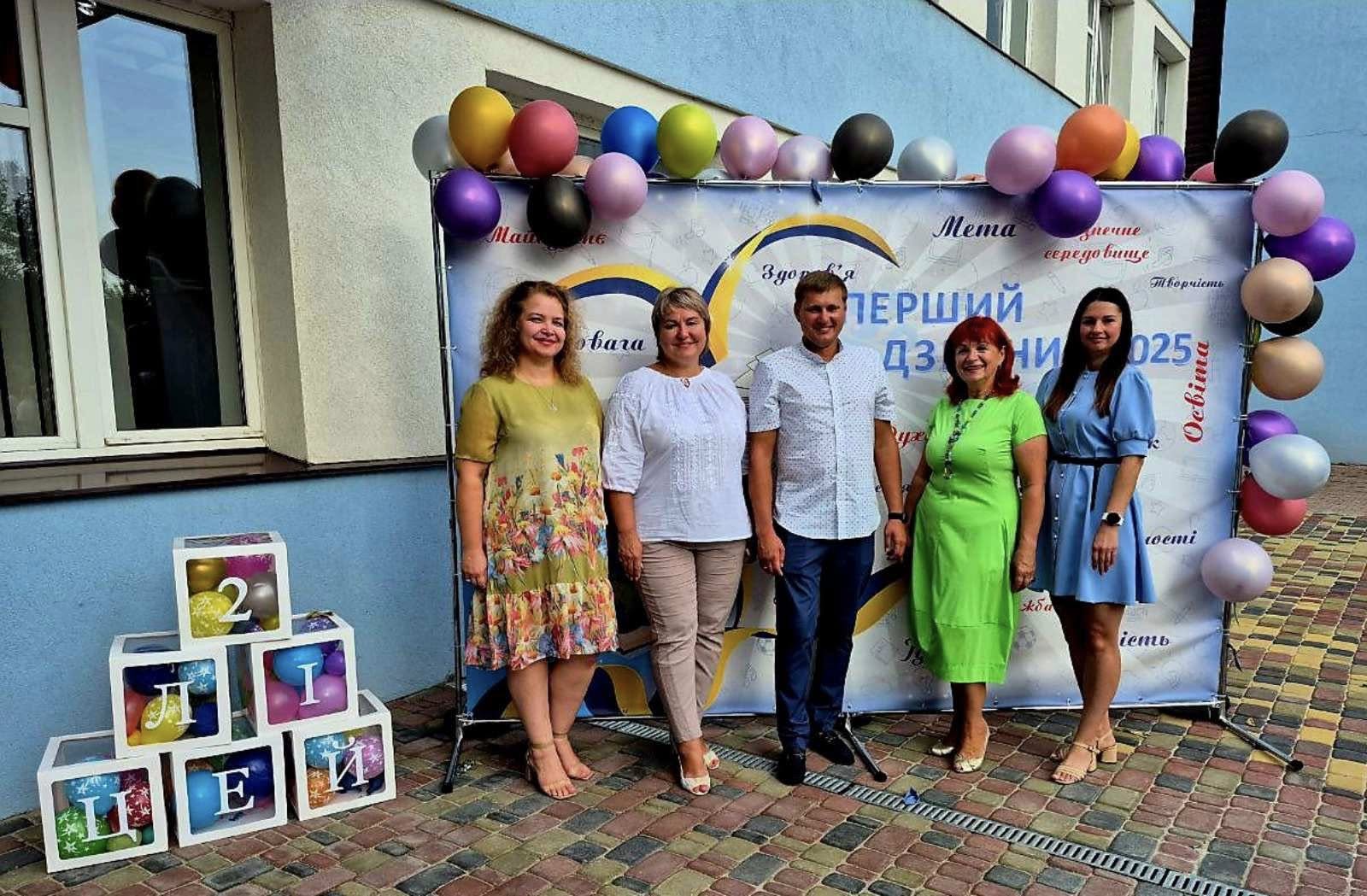







The settlement municipality of Tomakivka, Dnipropetrovsk Oblast, completed the training programme “Steps for Specialists: Building a Capable Educational Network in a Municipality” offered by U-LEAD with Europe and has already applied the analysis tools, optimised its network and strengthened dialogue with parents. The decisions were tough but consistent and well thought out.
“We are grateful to U-LEAD with Europe for sharing experience and practical advice, which we integrated into our management decisions. Cooperation helps us move faster and with greater confidence,” says the head of Tomakivka municipality, Ivan Kalashnyk.
Why was it necessary?
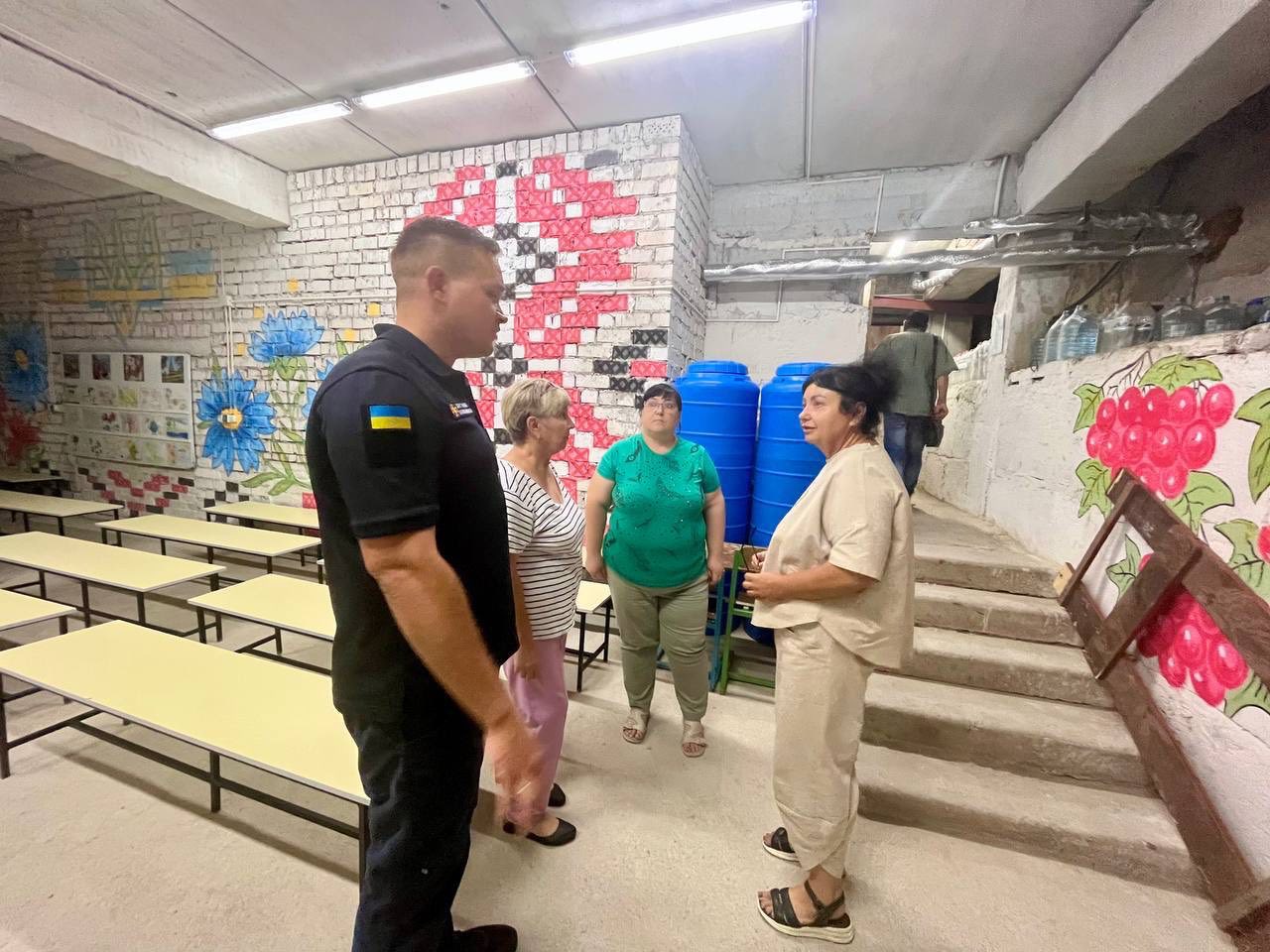
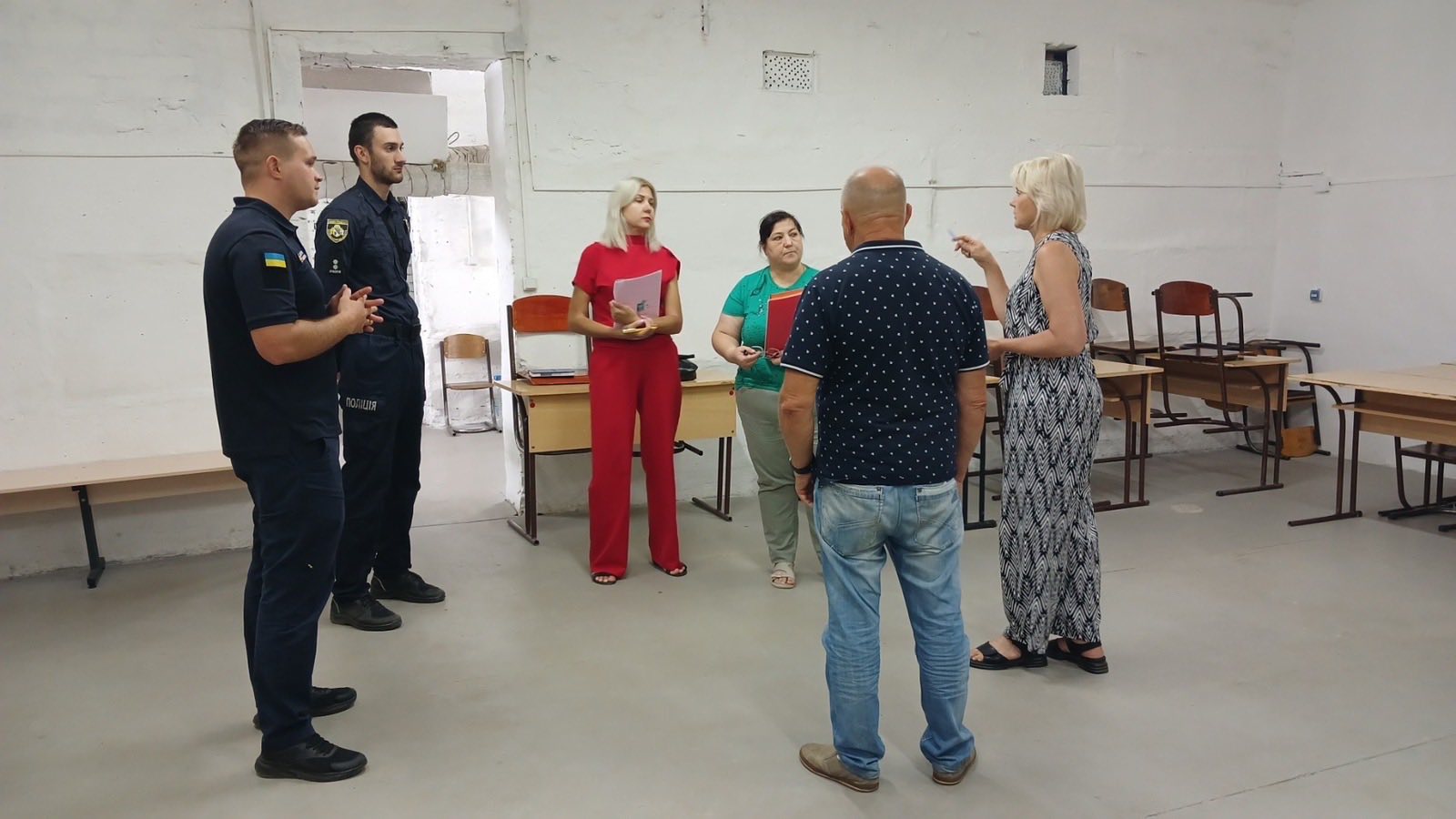
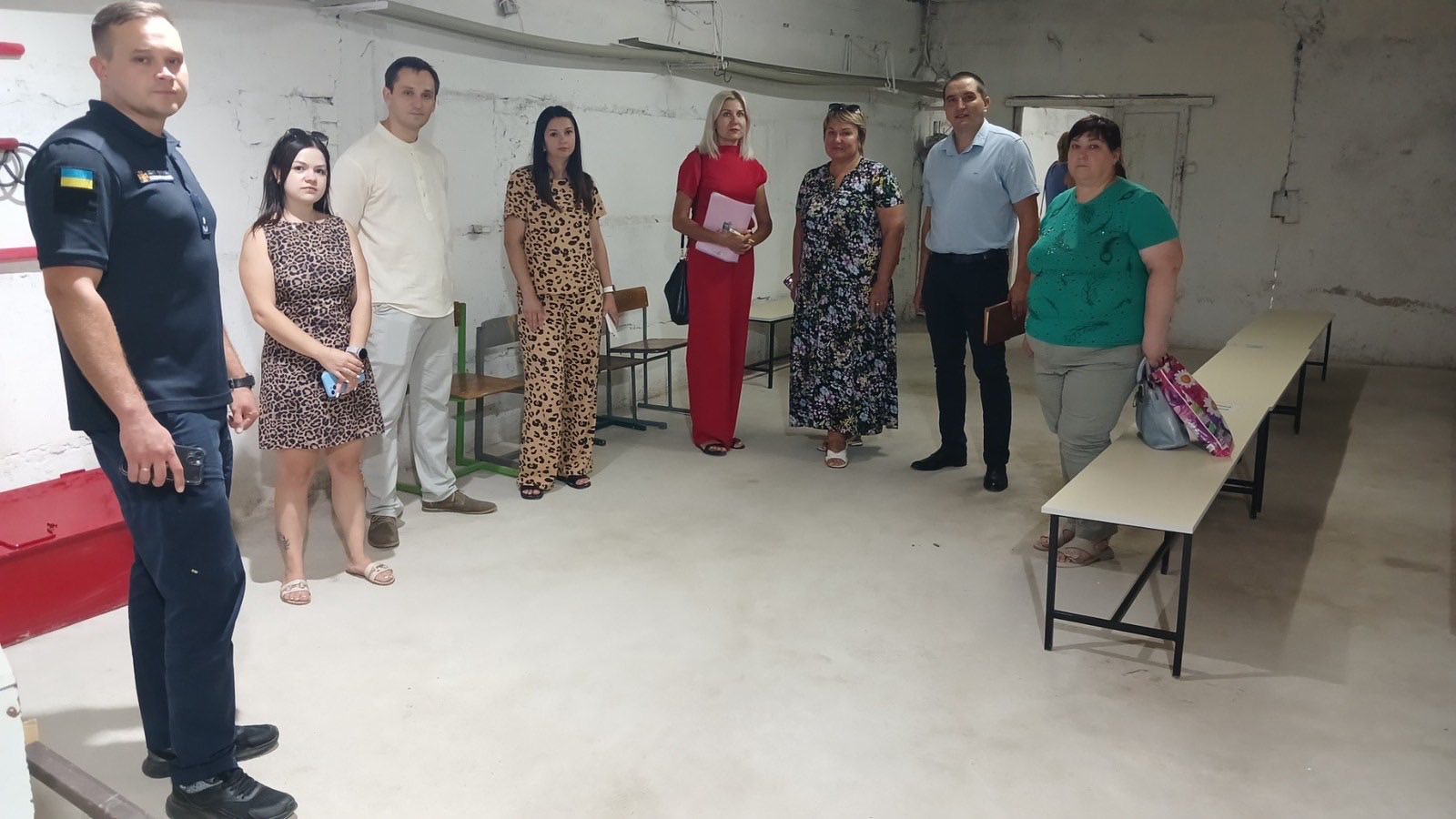
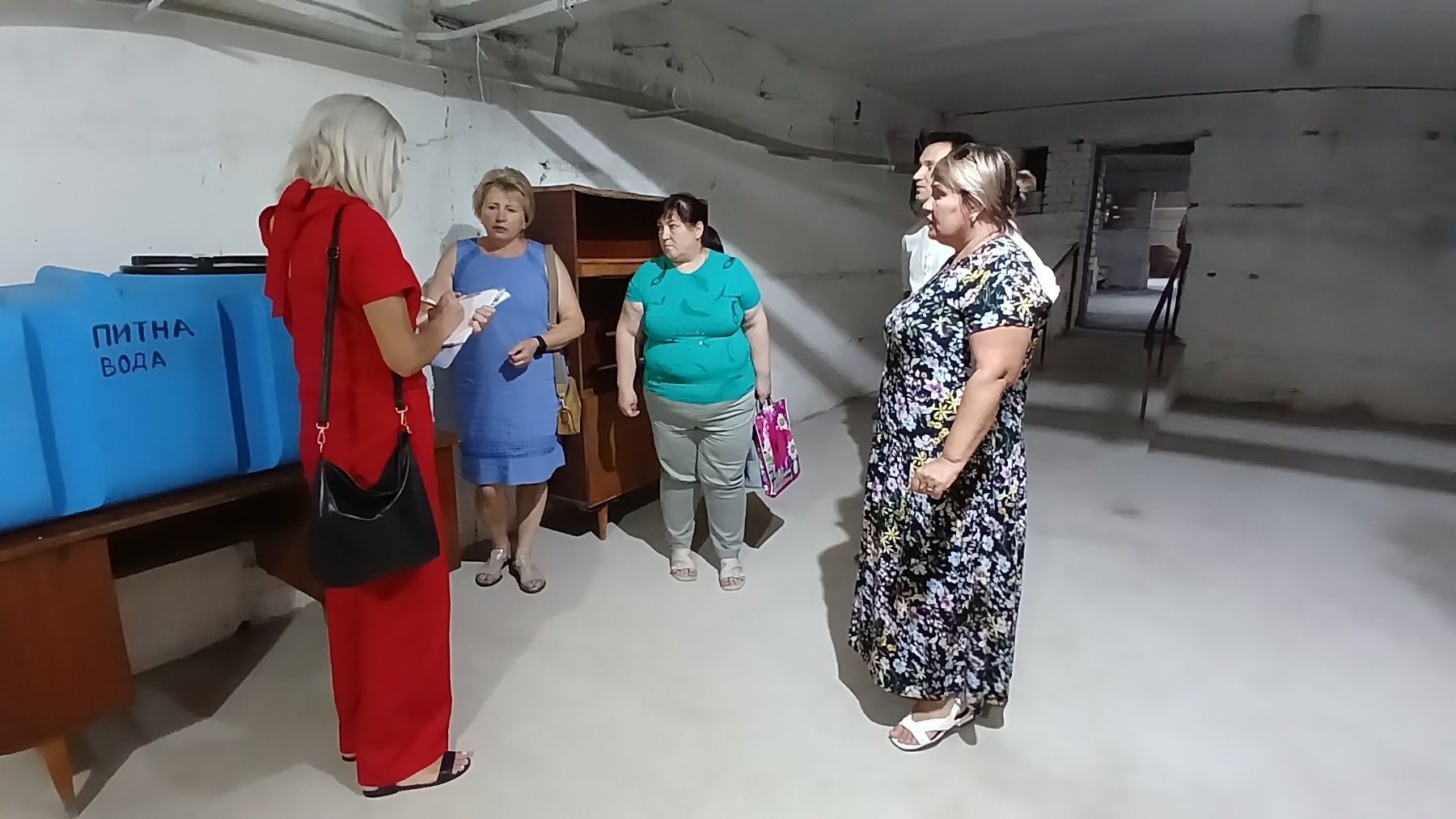
Demographics, safety situation and quality of education all called for a review of the network. Following the analysis, the municipality decided to transfer students from the smallest institutions to a lyceum with a bomb shelter and superior infrastructure. The key arguments included a low class occupancy rate, ageing teaching staff and the lack of permanent bomb shelters in individual buildings.
“We analysed the network. At the stage of public discussions, parents saw that the institution lacked a bomb shelter and had low teaching capacity, and began transferring their children to a neighbouring lyceum,” says Vita Kalashnyk, the Head of Education, Youth and Sports Department.
Supporting the quality of education
The municipality has space for overcoming educational losses (in maths, Ukrainian, English), which operates even in the summer; groups are formed in the bomb shelter of the basic institution. The Education Department conducts semesterly and annual analyses of the educational institutions’ academic performance, awards prizes to teachers on behalf of the head of the municipality and gives awards to gifted children. When an institution lacks dynamics, the municipality updates its management approaches, including through restructuring its administration.
“We are aware of the needs of each institution, identify gaps and observe results. We analyse the performance of principals and teams, support those who are pulling ahead, and help those who are lagging behind to catch up,” adds Vita Kalashnyk.
This vision echoes the approach of the Regional Office of U-LEAD with Europe, reaffirming that a strong educational network relies not only on funding, but also on people and transparent decisions. Olena Tertyshna, the Head of the Regional Office of U-LEAD with Europe in Dnipropetrovsk Oblast, explains:
“Every municipality’s educational sector is about more than just budget expenditures for maintaining it. Above all, it is about the most important resource — people. The more efficient the educational institutions are, the more children the municipality covers with school and preschool education and care, the stronger the adult population unites around priority development issues. U-LEAD’s training programme “Steps for Specialists. Building a Capable Educational Network in a Municipality” empowered participants both to analyse the situation in the education sector and to determine its prospects. This is especially important in wartime, as where there are prospects, there is a future”.
In practice, a dialogue is the key: answering specific questions and keeping in touch with parents at each stage of change.
What has changed since completing U-LEAD’s training
“Following the training, not only did we ‘calculate’ the network, we also established communication so that people would understand hows and whys. Once answers to specific questions were provided, resistance decreased and trust increased,” summarises Vita Kalashnyk.
The Education Department has systematically applied the following developments:
- Network analysis tools: classroom capacity, staffing capacity, availability of bomb shelters, transport logistics.
- Financial planning in education, accounting for safety and medium-term priorities.
- Performance indicators for monitoring the performance of institutions and teachers (academic competitions, contests, sports, participation in projects).
- Parent outreach: clear answers to specific requests (transport, roads, teacher work, academic performance).
The Education Department held three meetings with parents with the participation of local self-government officials. The starosta took on a big role, keeping in touch with parents and helping to explain things.
In the end, all 44 children from the under-enrolled school applied for transfer to the lyceum; individual solutions were found for the teachers: some moved to work at the base institution, while others were laid off in accordance with the law.
“The practical focus of the training, the opportunity to receive advice from experts and exchange experiences with other municipalities proved invaluable. We implemented tools for analysing the educational network, improved budget planning in education and introduced indicators for assessing the performance of institutions. By taking part in the training, we were able to optimise the network, improve the quality of decision-making and get parents involved in discussing the changes. We are sincerely grateful to U-LEAD with Europe for their support and professional guidance,” says Vita Kalashnyk.
The basic lyceum is currently constructing a bomb shelter (completion is scheduled for the end of the year). The municipality simultaneously worked out the logistics of transportation: route, vehicles, drivers. The repaired road to the settlement was an important improvement, confirming the gravity of intentions and adding credibility to the authorities’ decisions.