






Today, schools serve more than just an educational function — they act as platforms for youth development and for strengthening municipalities. One of the effective tools here is social entrepreneurship, an activity that combines public benefit, innovative approaches and financial sustainability.
School social entrepreneurship entails setting up a student enterprise that manufactures and sells a product, with the profits reinvested by the students in new projects. It also has an educational component to it, which helps build practical skills, teamwork and financial literacy, while also having a social impact by helping solve problems in the municipality, strengthening ties between schools, authorities, businesses and parents, as well as boosting the municipality’s good name.
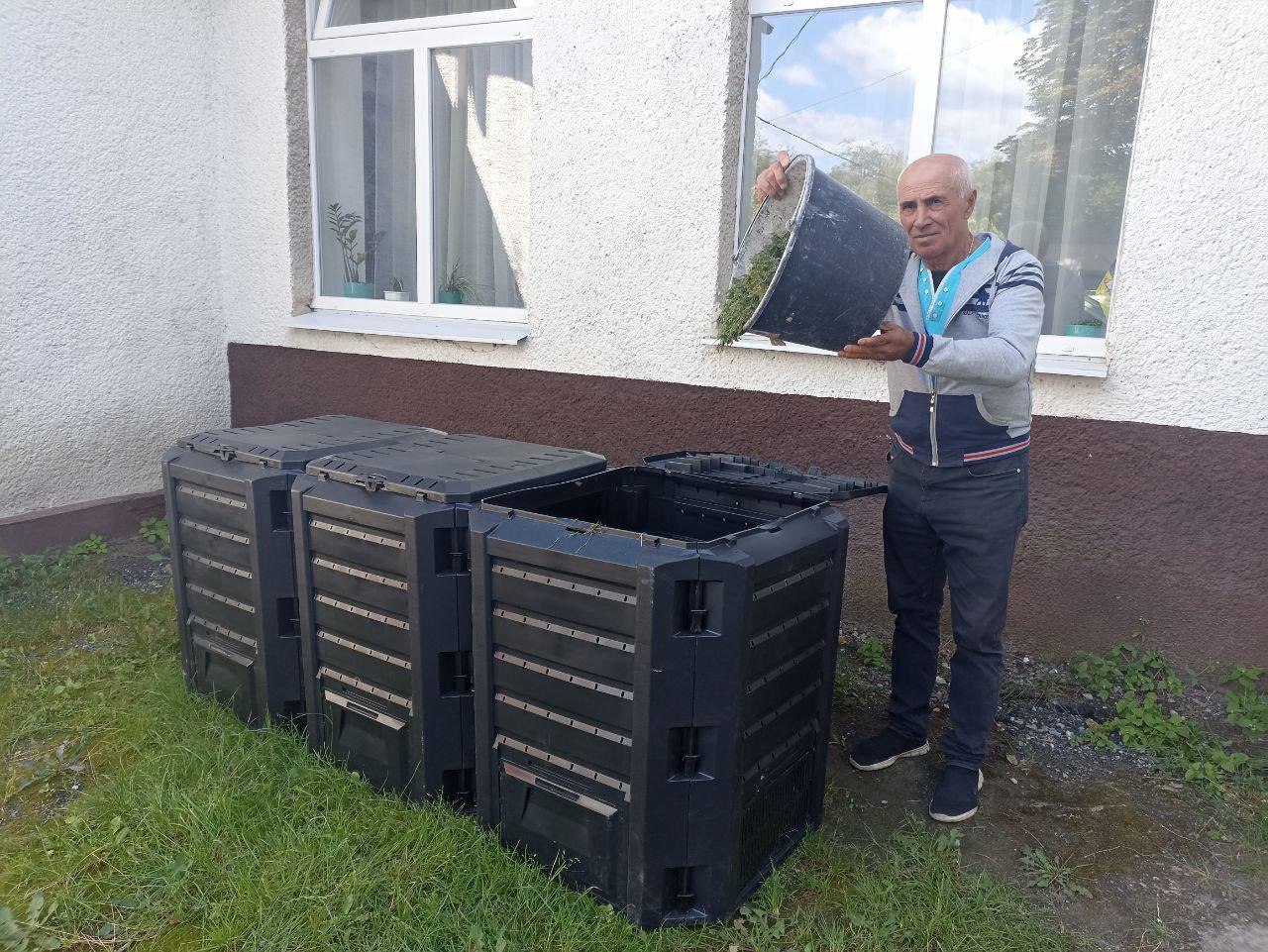
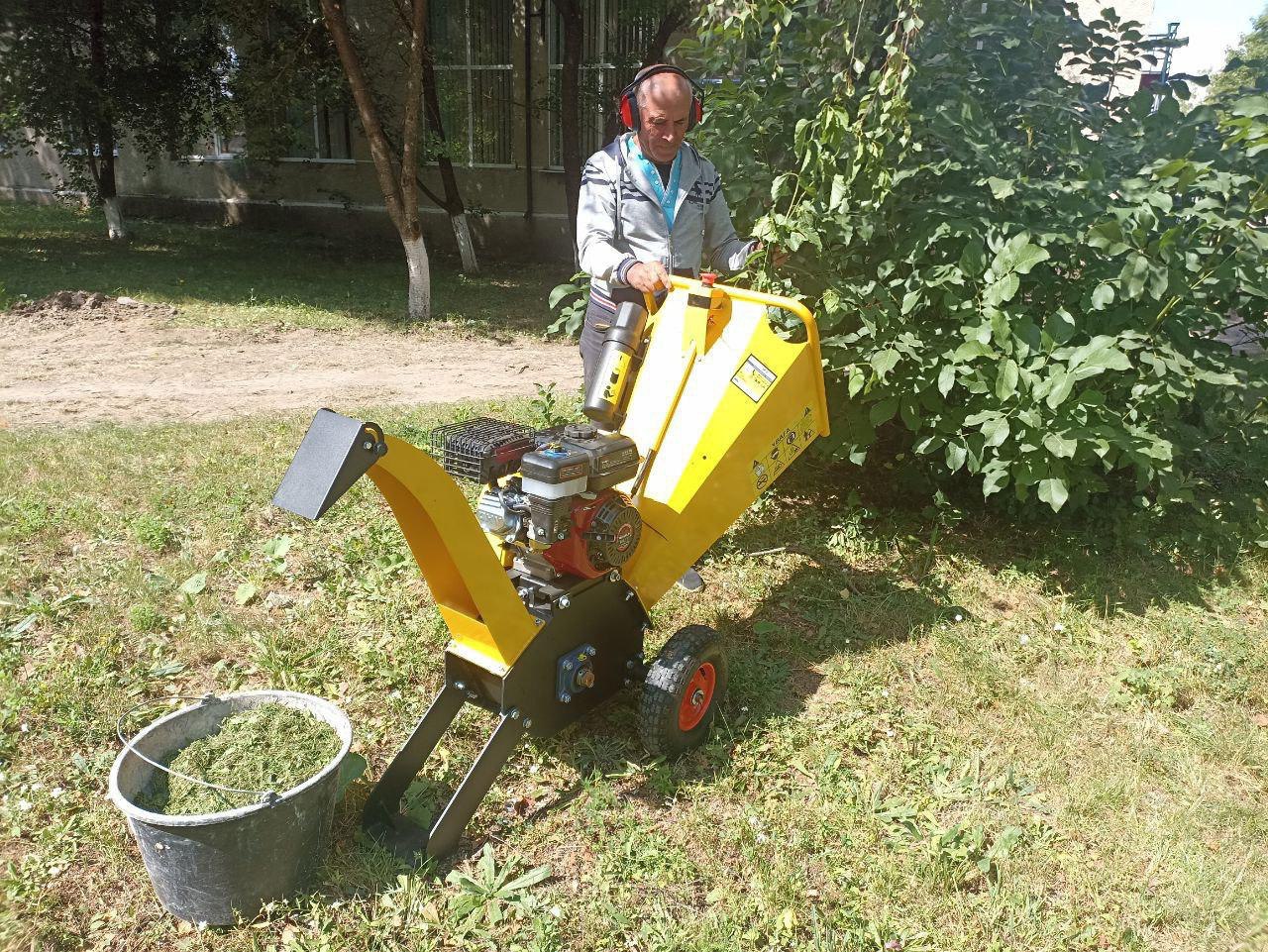
“We’ve seen from our pilot projects that 70% of participants are now more motivated to learn. They create a real product that real people buy. This has a positive impact on the municipality’s economy. For example, in Dunaivtsi, schoolchildren launched a mini composting station, which saved UAH 3,000 on organic waste disposal. However, it is not only about money — but about trust, partnership, a common goal and the image of the municipality,” said Mykhailo Melnyk, the co-founder of the Platform for Social Change and a social entrepreneurship mentor.
In 2025, the pilot projects of the Platform for Social Change involved 77 students in the creation of four school social enterprises in Khmelnytskyi Oblast. More than 200 residents of the municipality purchased products or volunteered for these student-led projects.
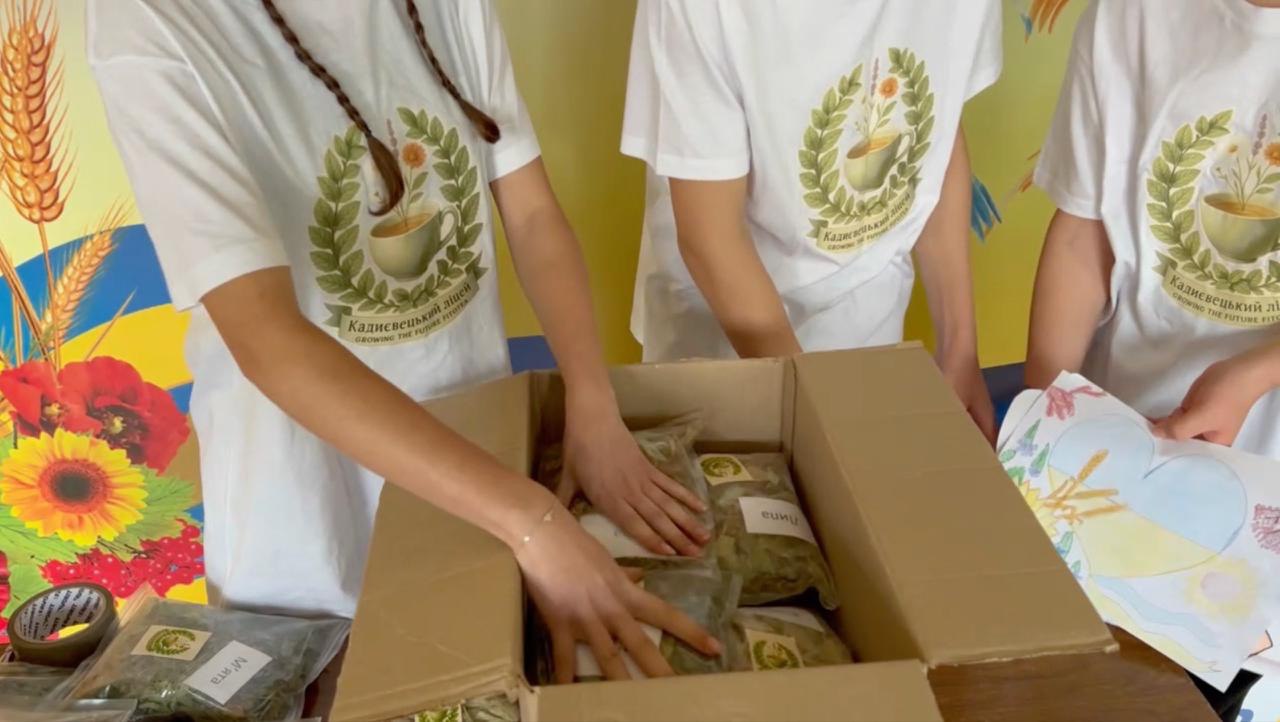
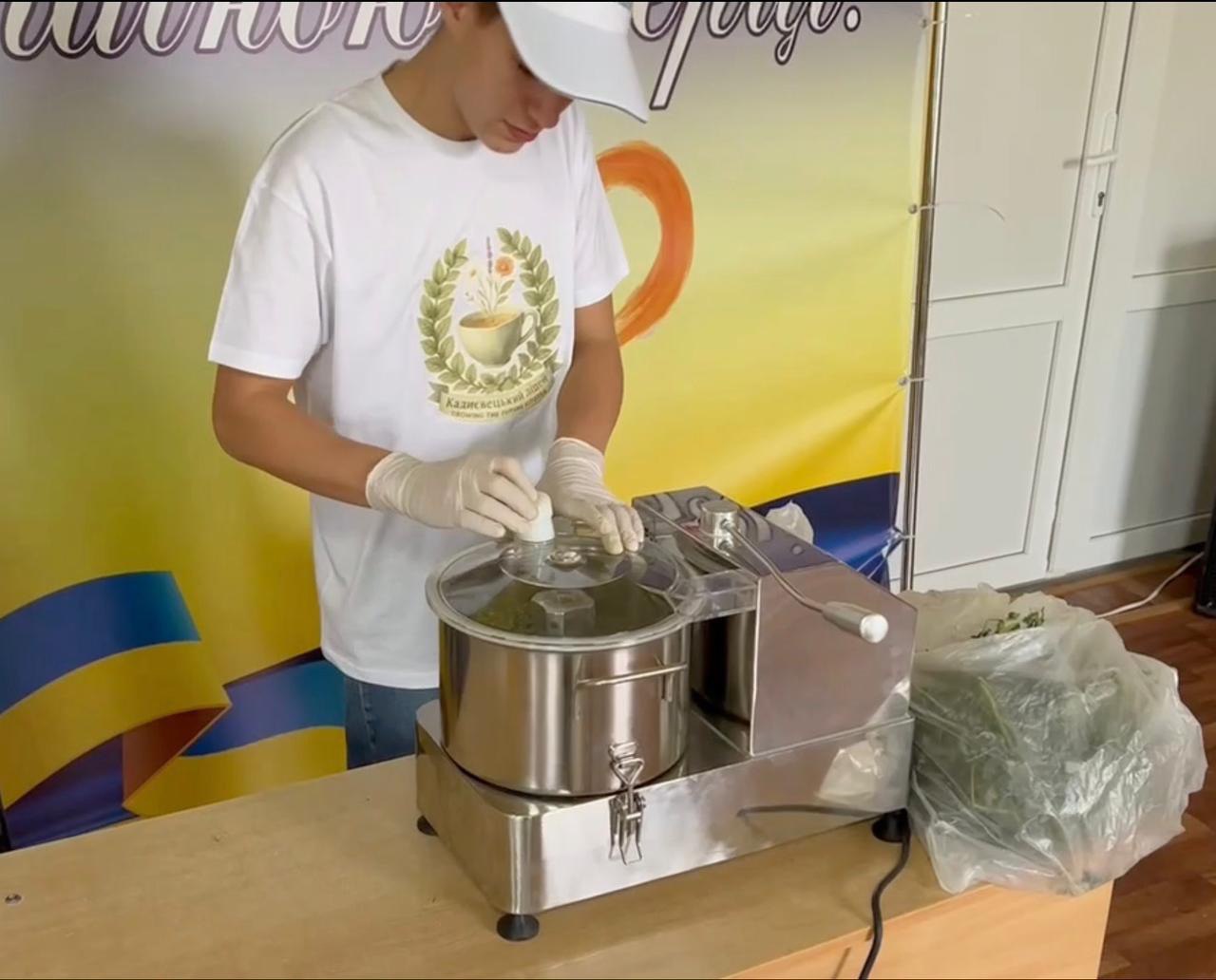
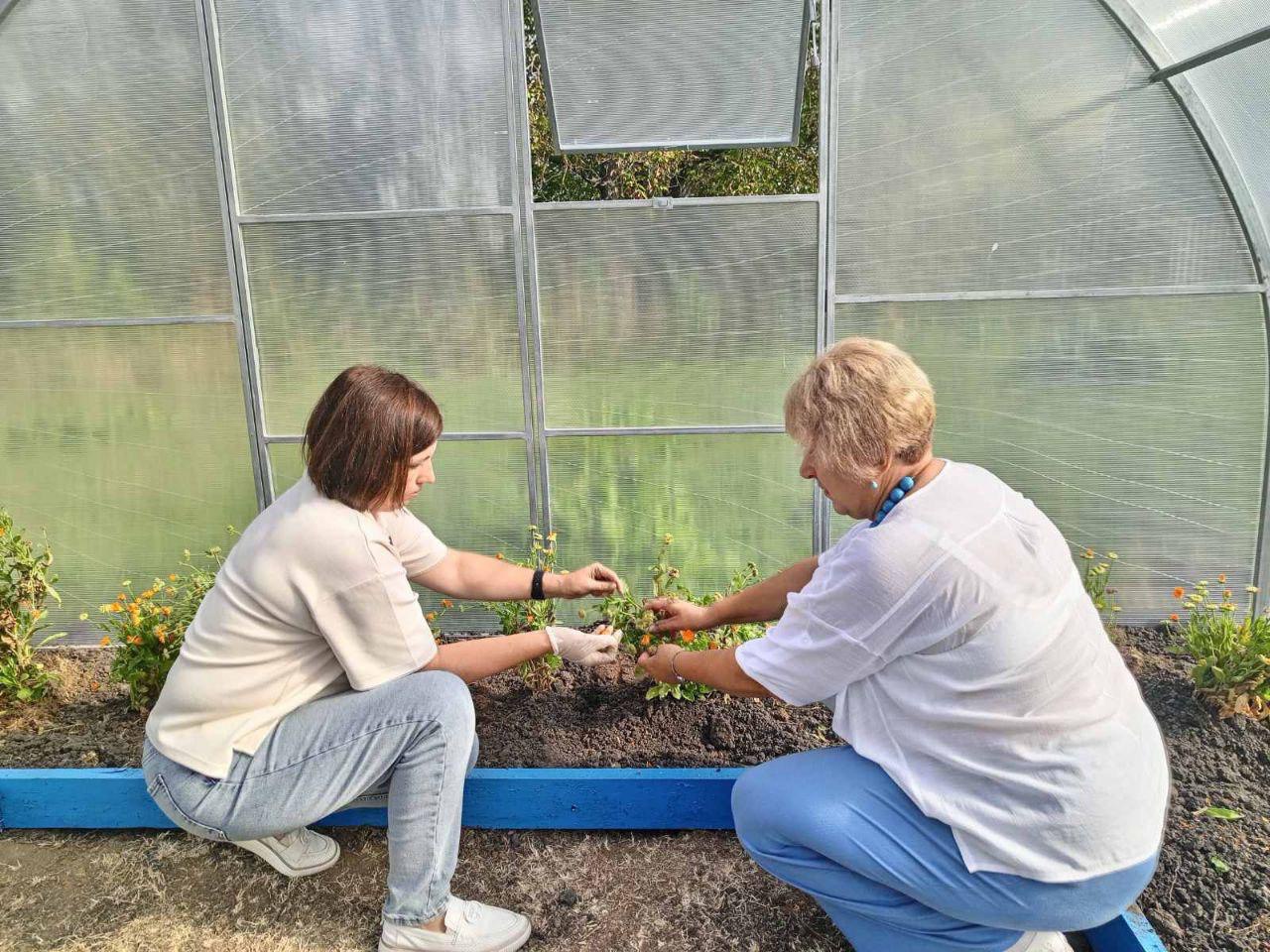
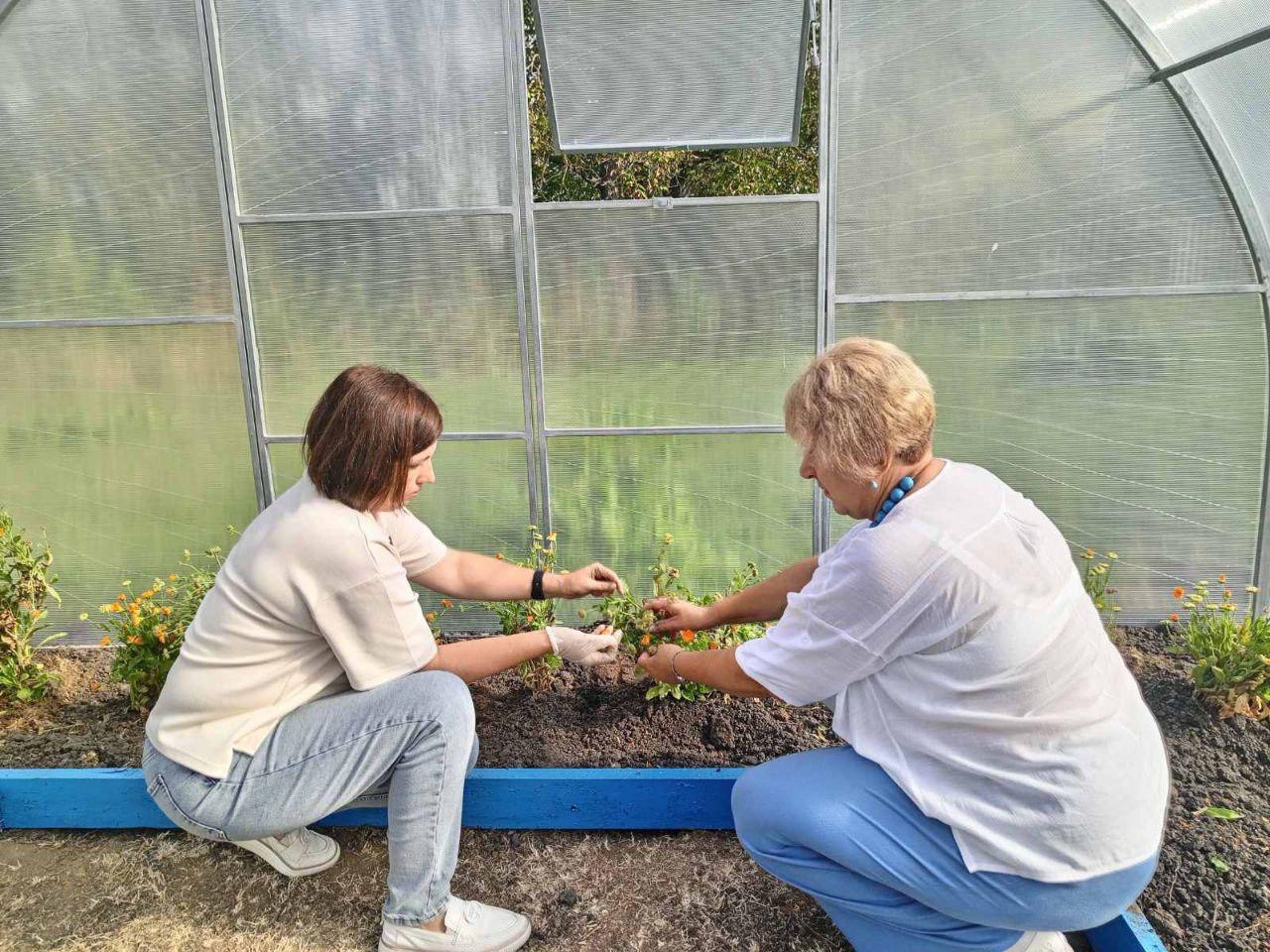
One of the successful cases was TeaGrow in the village of Kadyivtsi. The municipality residents lacked a quality local product, and the students lacked practical entrepreneurial skills. The solution was to grow medicinal herbs on the school grounds and produce high-quality designer tea. 22 students joined the project, planted 40 seedlings and soon created a designer tea brand. Having completed training in production and marketing, participants set up a full production cycle, from planting to packaging.
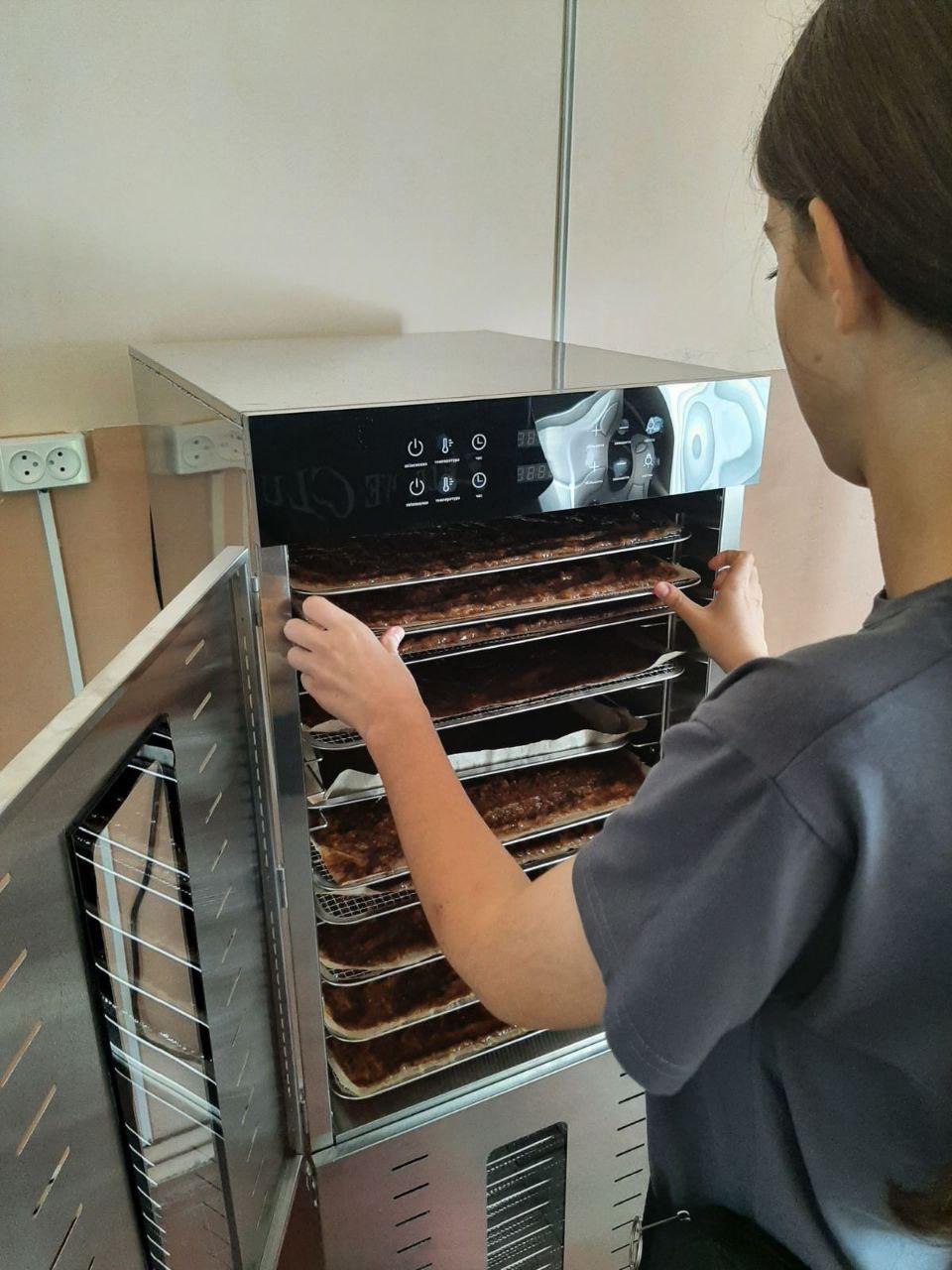
Another great example is the Fruit Chips & Pastila project in the village of Zhvanets. The municipality faced the problem of surplus fruit, which often rotted due to the lack of processing facilities, resulting in a loss of potential profit. The solution to this problem came in the form of a creative idea: turning fruit into natural crisps and fruit candy without preservatives. Meanwhile, teenagers gained practical skills in production, packaging and marketing. Twenty students participated in the project team, completing three training modules and preparing the first batch of 40 product packages. Local residents appreciated the taste and quality, and all gave the products positive reviews.
“Today, school is not just a place where children study. It is a space where new skills are formed, partnerships are built and meaningful change is created. Social entrepreneurship enables schools to not only provide education, but also to make a tangible impact, engage young people in initiatives, foster entrepreneurial thinking and contribute to the development of the municipality,” said Yuliia Mazur, the Head of the Regional Office of U-LEAD with Europe in Khmelnytskyi Oblast.
School social entrepreneurship is proof that education, economics, and social impact can come together to shape strong, active and motivated young people who can change their municipalities for the better.