


Long gone are the times when state or municipal property meant no one’s property. With powerful players – municipalities that received large property resources at their disposal – the issue of effective property management has never been more relevant.
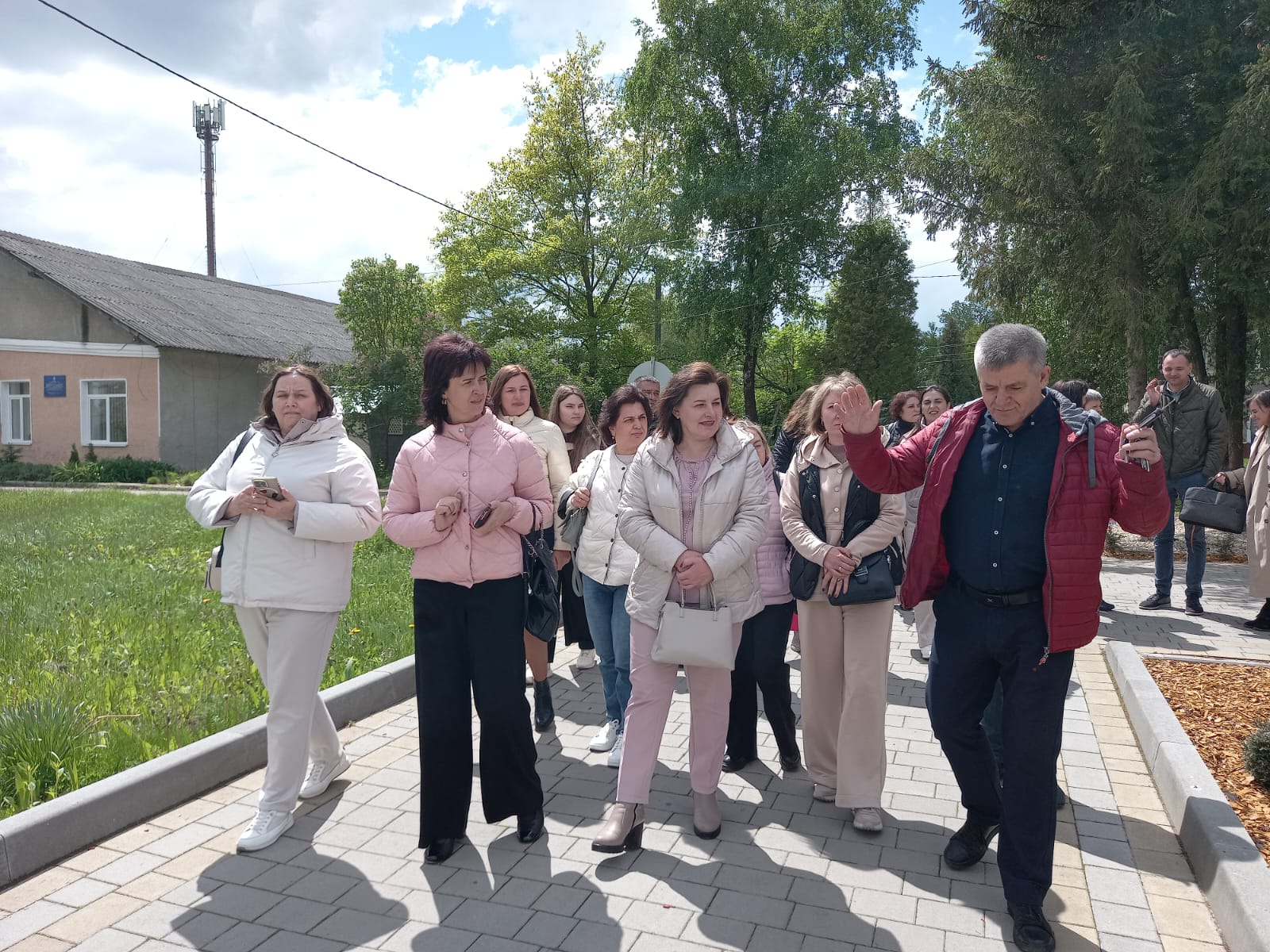
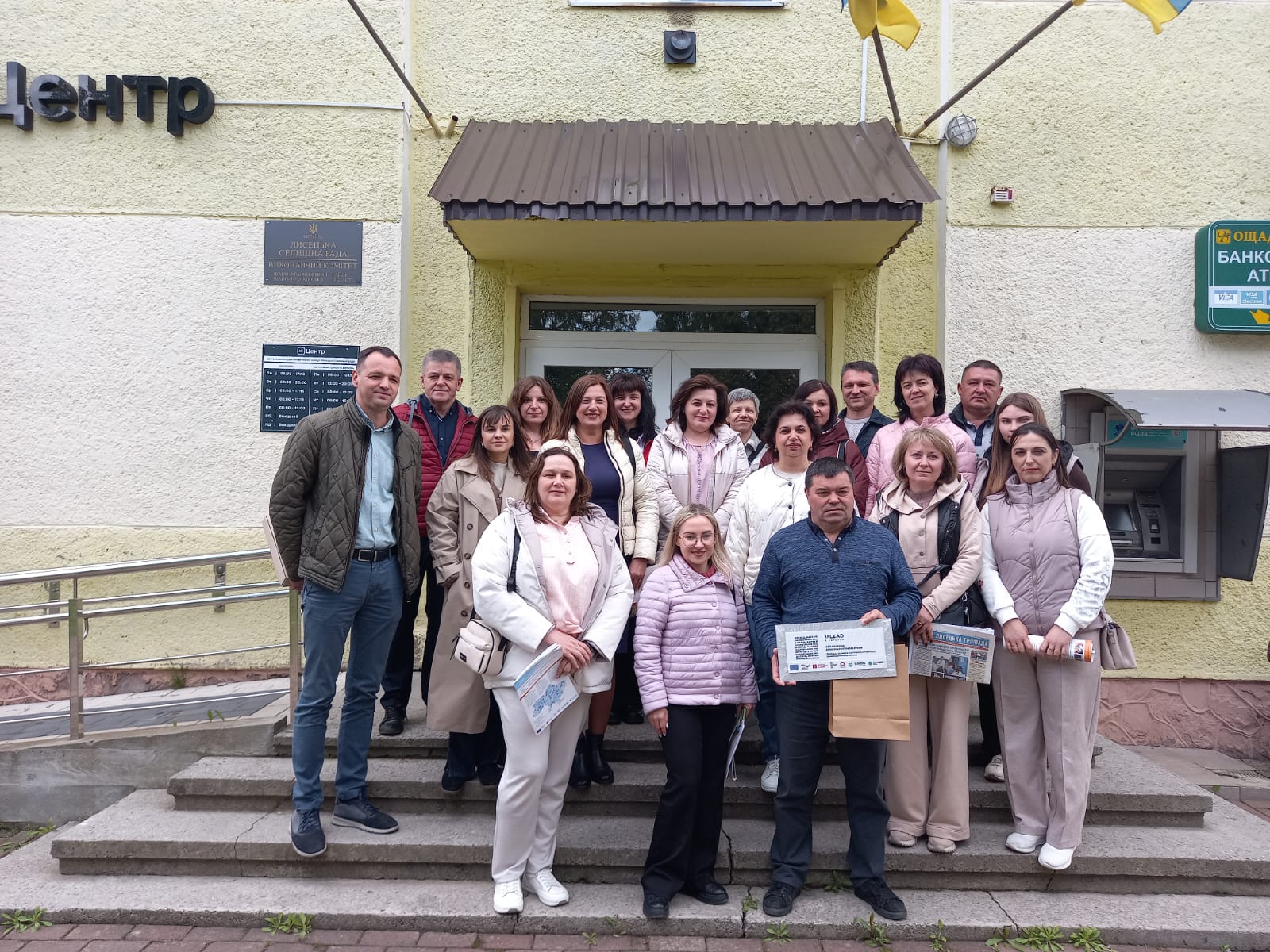
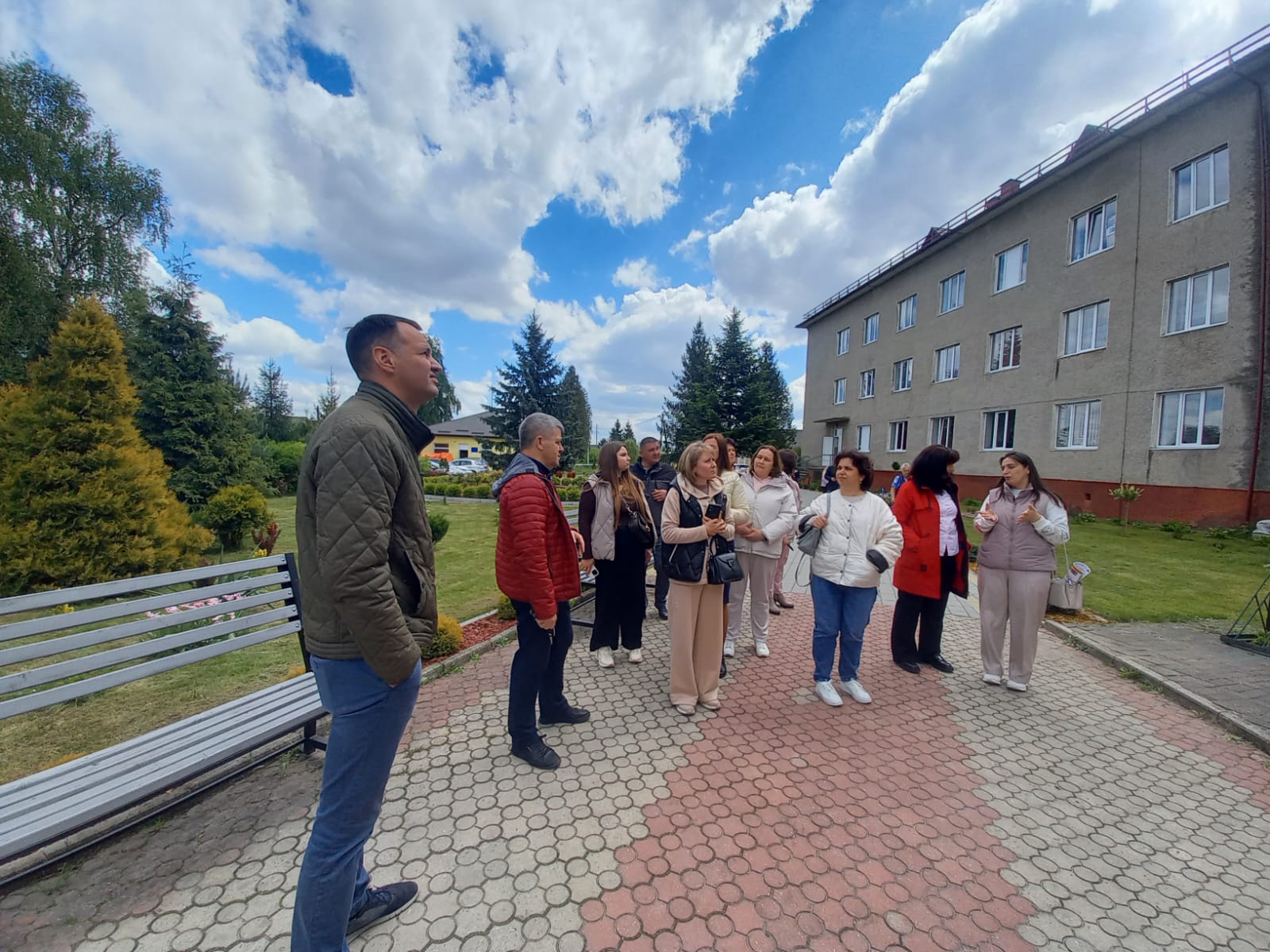
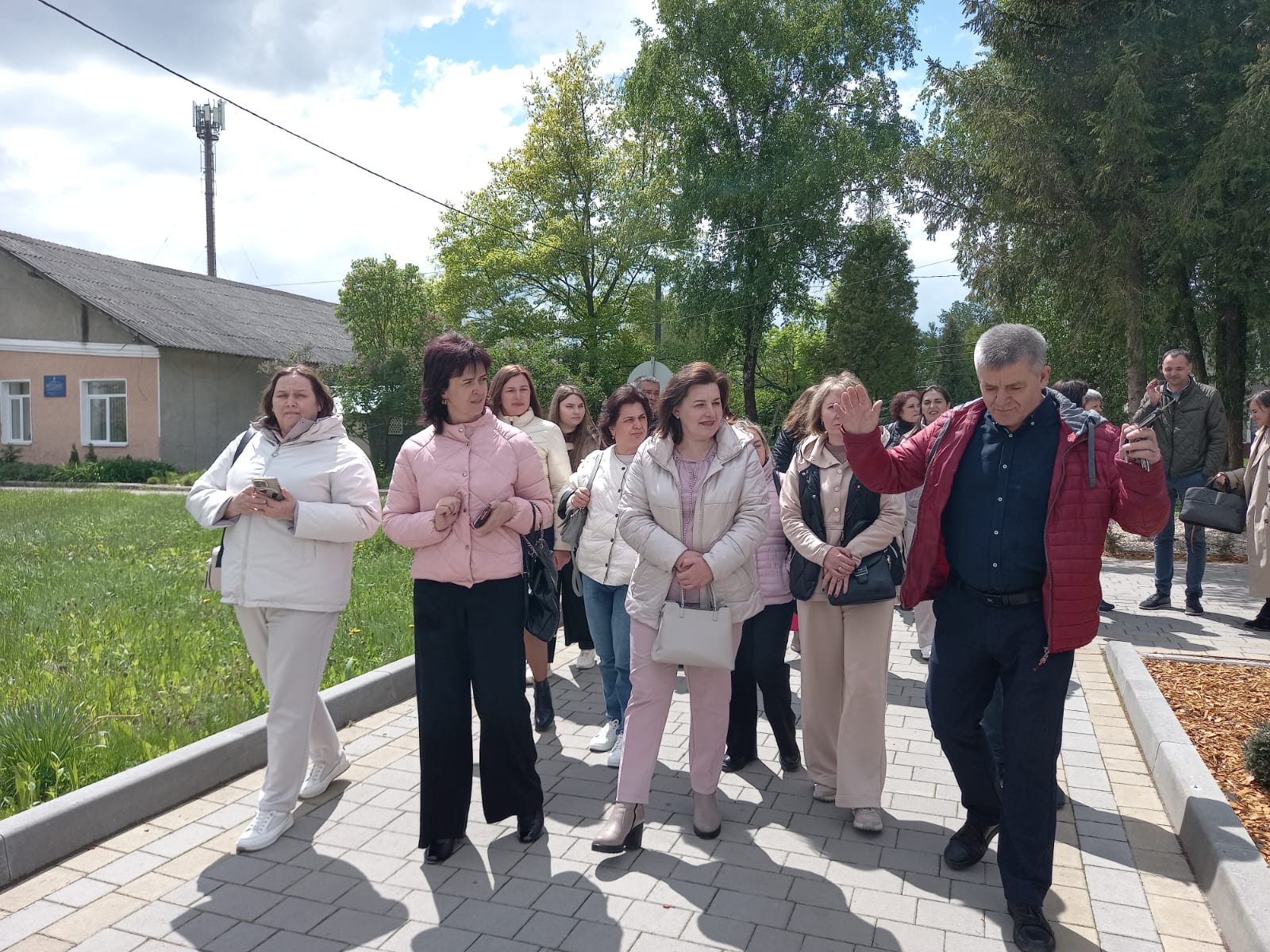
The participants of the study visit learned about the experiences of Lysets, Dolyna and Horodenka municipalities. Each has developed its own approaches to effective management of municipal property.
Among the Lysets municipality’s good practices is the management of a healthcare facility, transformed from a district hospital on the verge of closure into a competitive medical facility owned by the municipality. In three years, the number of patients treated here has increased from 100 to 500 per month. Today, Lysets Hospital has two primary care clinics, an outpatient clinic, where services are provided in 23 specialised fields, as well as a hospital with Departments of Internal Medicine, Neurology and Surgery. Their cooperation with charitable foundations such as Nash Sokil and Vostok-SOS enabled setting up the Department of Geriatric Care that hosted IDPs in 2022. A 30-bed Rehabilitation Department was also opened. Indicative is that from 70 to 85% of patients currently receiving medical services at the hospital live outside the municipality.
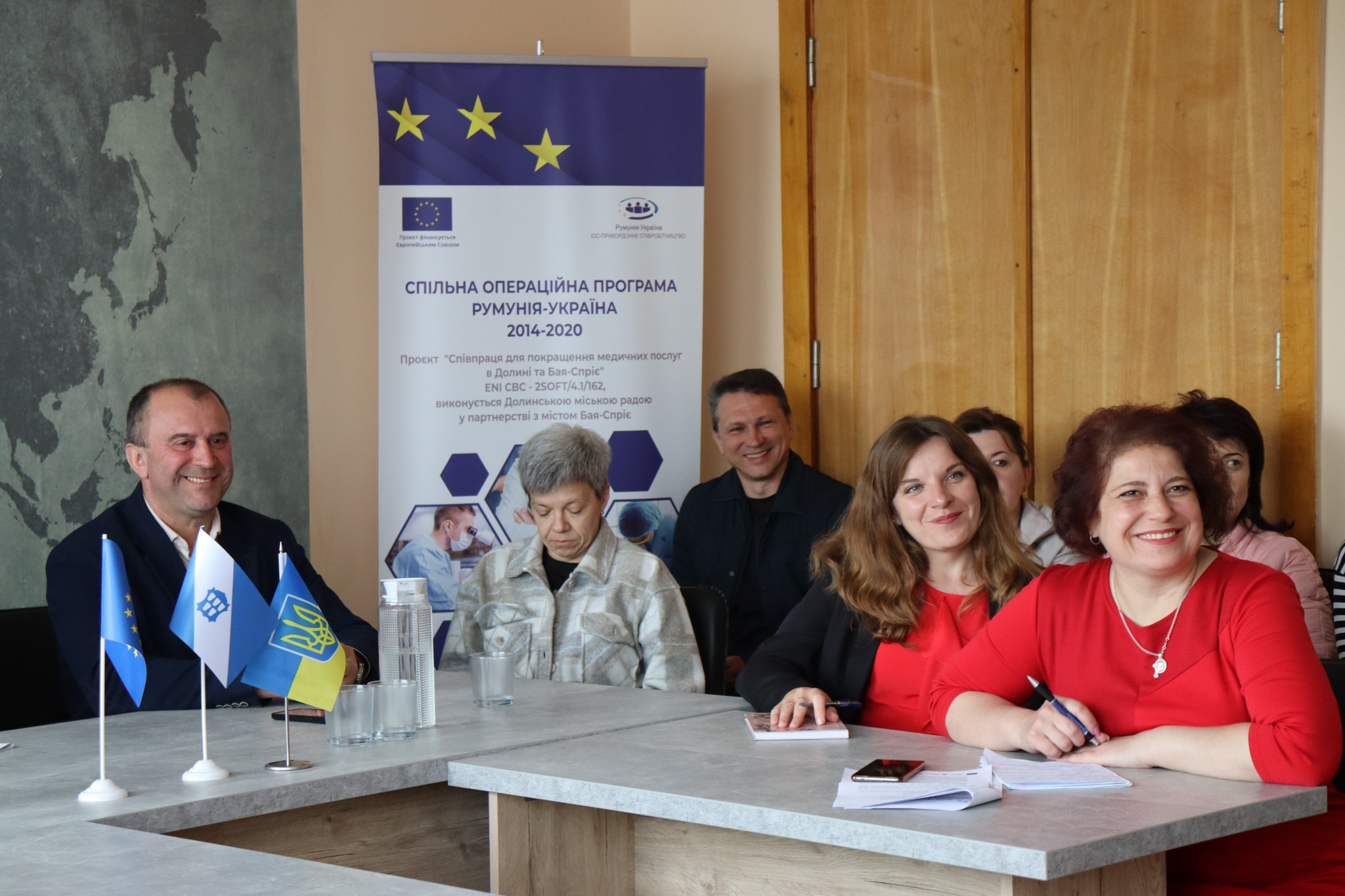
In Dolyna City Council, the participants of the visit were introduced to property management practices in the field of land improvement and utilities by studying the cases of two municipal enterprises, Komunhosp and Vodokanal. The key is for the property to have a specific owner or manager. And to ensure growth, the municipality must invest in state-of-the-art technology rather than supporting specific facilities. Another important approach to managing municipal facilities and enterprises in Dolyna municipality is the widespread implementation of energy efficiency. Over the past few years, the municipality has implemented more than a dozen energy efficiency, energy saving and alternative energy sources projects.
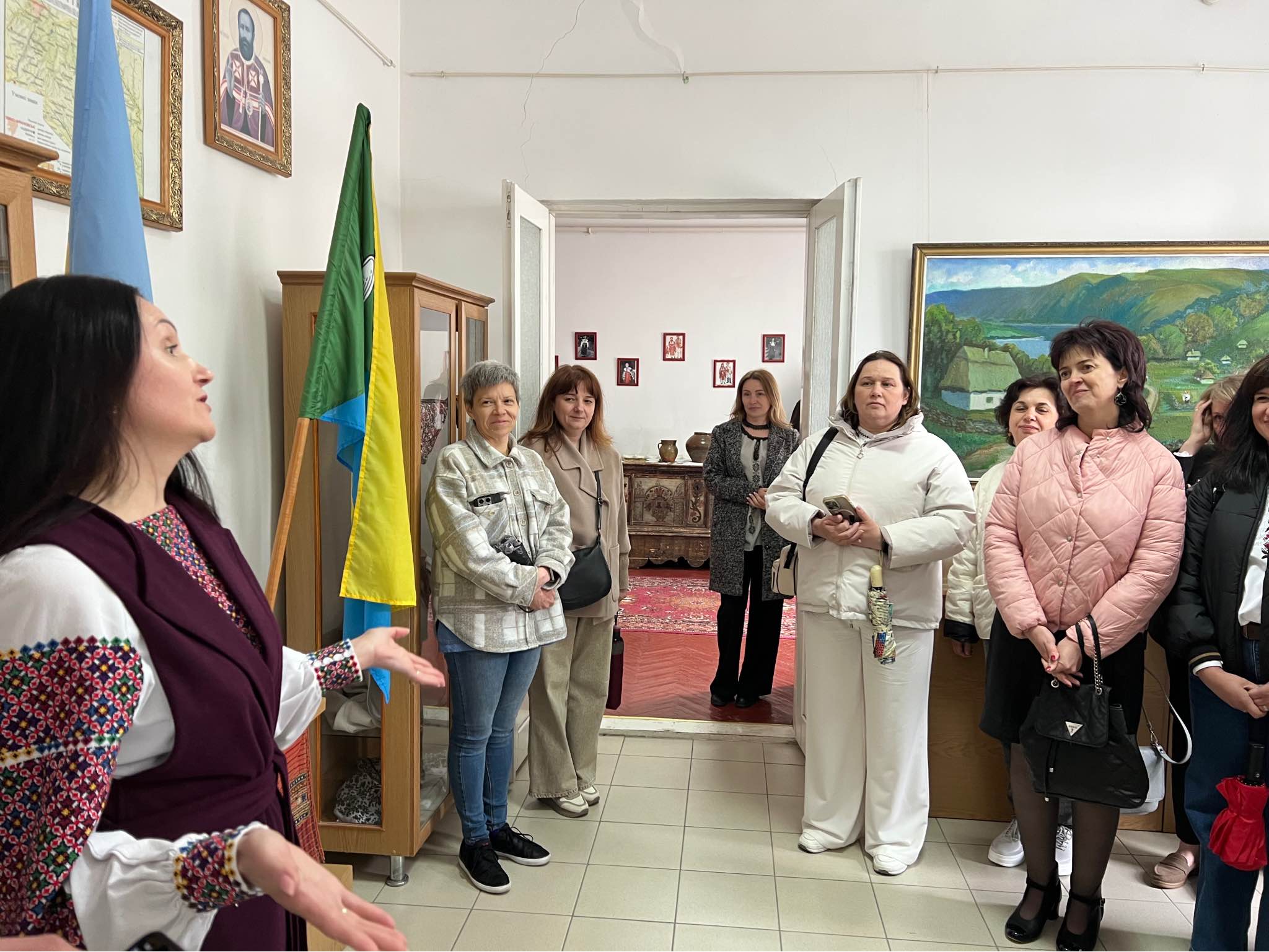
In turn, Horodenka municipality presented its experience in creating a specialised institution for the effective management of municipality property. The Property Fund, a municipal company created in 2021, has become one of the key tools for managing municipal property. Over the years, its employees have conducted an inventory of municipal property and transferred real estate to the municipal enterprises of Horodenka City Council. So far, there are about 395 municipal property objects. Another good practice is the creation of large municipal enterprises and institutions in various fields to manage municipal property. The participants visited two of them, including the Culture Centre, which unites the City House of Culture, 40 Village Clubs, libraries and Pokuttia, the city’s local history museum, as well as the Pearl of the Dniester Region, a rural recreation and health resort on the banks of the Dniester River, which operates in the municipal property. Both facilities include a lot of real estate, which is properly registered as municipal property and provides services to residents.
The approaches to municipal property management in all three municipalities share the following principles:
- Property must have an owner: be officially registered in a municipal enterprise, institution or company’s records.
- Municipal property should either be used to meet the needs of the municipality or be leased/ sold.
- Energy-efficient and energy-saving technology and alternative energy sources are a must for effective management of municipality property.
- Ensuring straightforward accounting and issuing title documents for property, including by creating a specialised municipal institution.
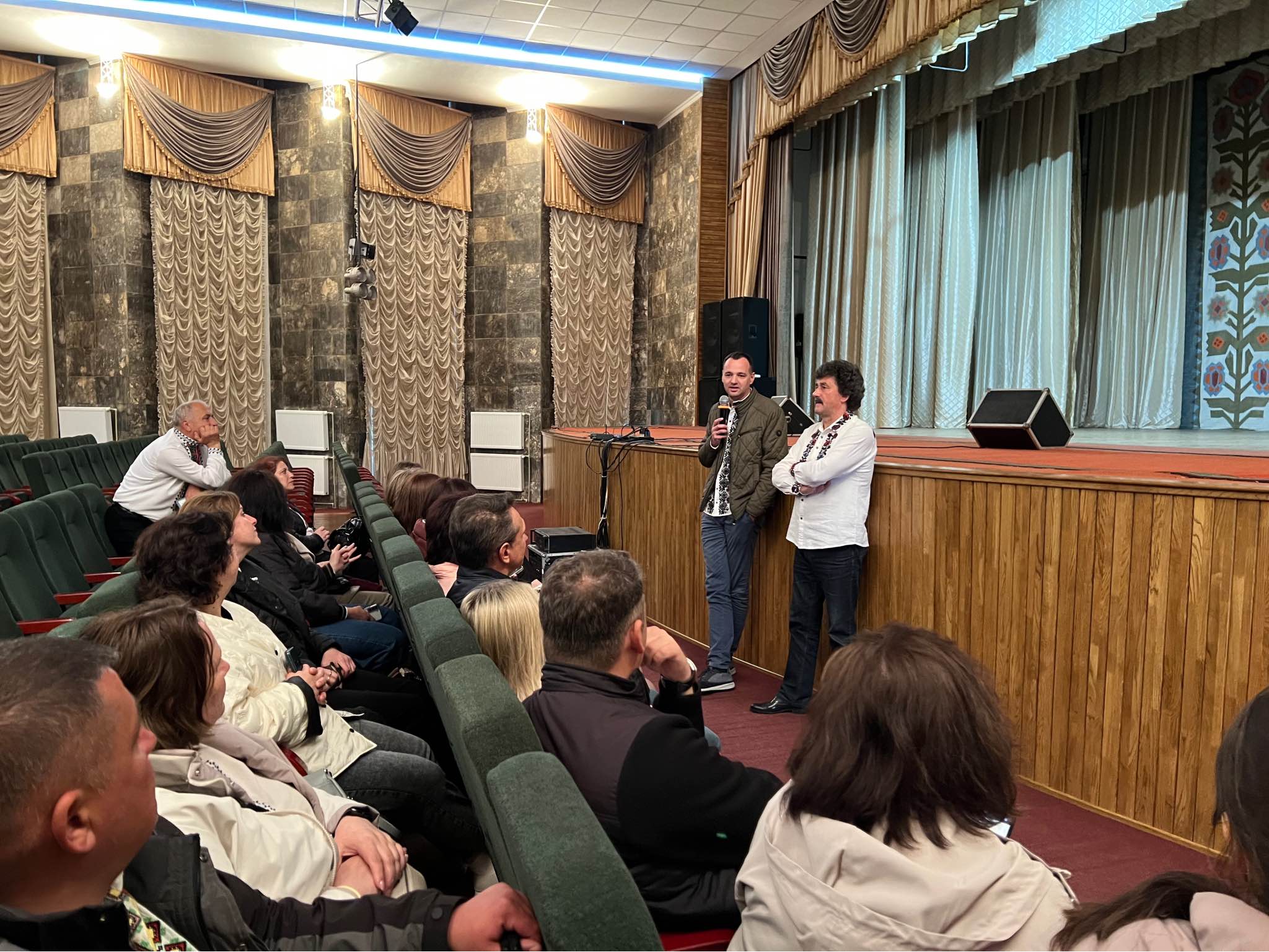
Note that the first visit in Phase III of U-LEAD with Europe adjusted its format, offering participants not only the study of best practices, but also an educational component. Experts of the Municipal Services and Property Working Group hosted training sessions dedicated to the effective use of property of healthcare institutions and expanding municipality property assets by acquiring ownership of ownerless or abandoned property.
Summarising the visit, Viktoriia Kopchak, Head of the Municipal Services and Property Working Group, stated the following:
“This year, the most active participants of the training programme “Steps for Specialists. Municipal Property Management” joined our study visit.” In the municipalities of Prykarpattia, they witnessed tangible, effective practices that facilitate the use of the municipality’s property and, most importantly, transform it from a source of constant expenses into an asset that meets the needs of the municipality or generates income. It was great that both the heads of the municipalities, to whom I am especially grateful, and the designated officials took the time to talk to the participants, which allowed us to communicate in a ‘peer-to-peer’ format. I am absolutely confident that the ideas the participants generated here, during the visit, based on studying the best practices, from what they saw and heard from their colleagues, will find support from the senior officials of their municipalities and improve municipal property management, making it a simpler, more transparent and more effective.”
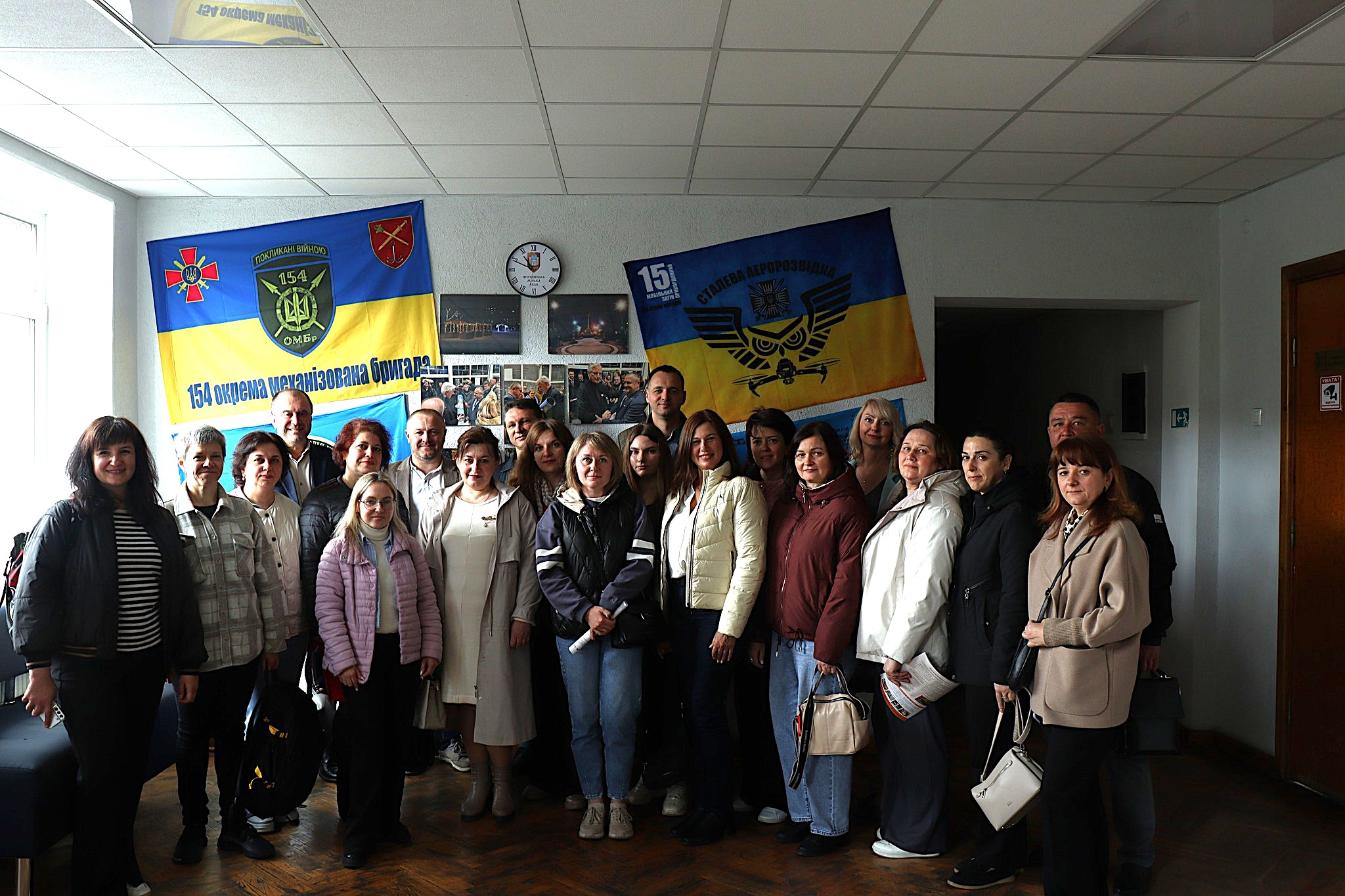
The study visit participants were the relevant specialists of local self-government bodies from Mykolaiv, Kyiv, Cherkasy, Rivne, Vinnytsia, Kharkiv, Chernihiv, Zhytomyr, Sumy and Dnipropetrovsk Oblasts.