


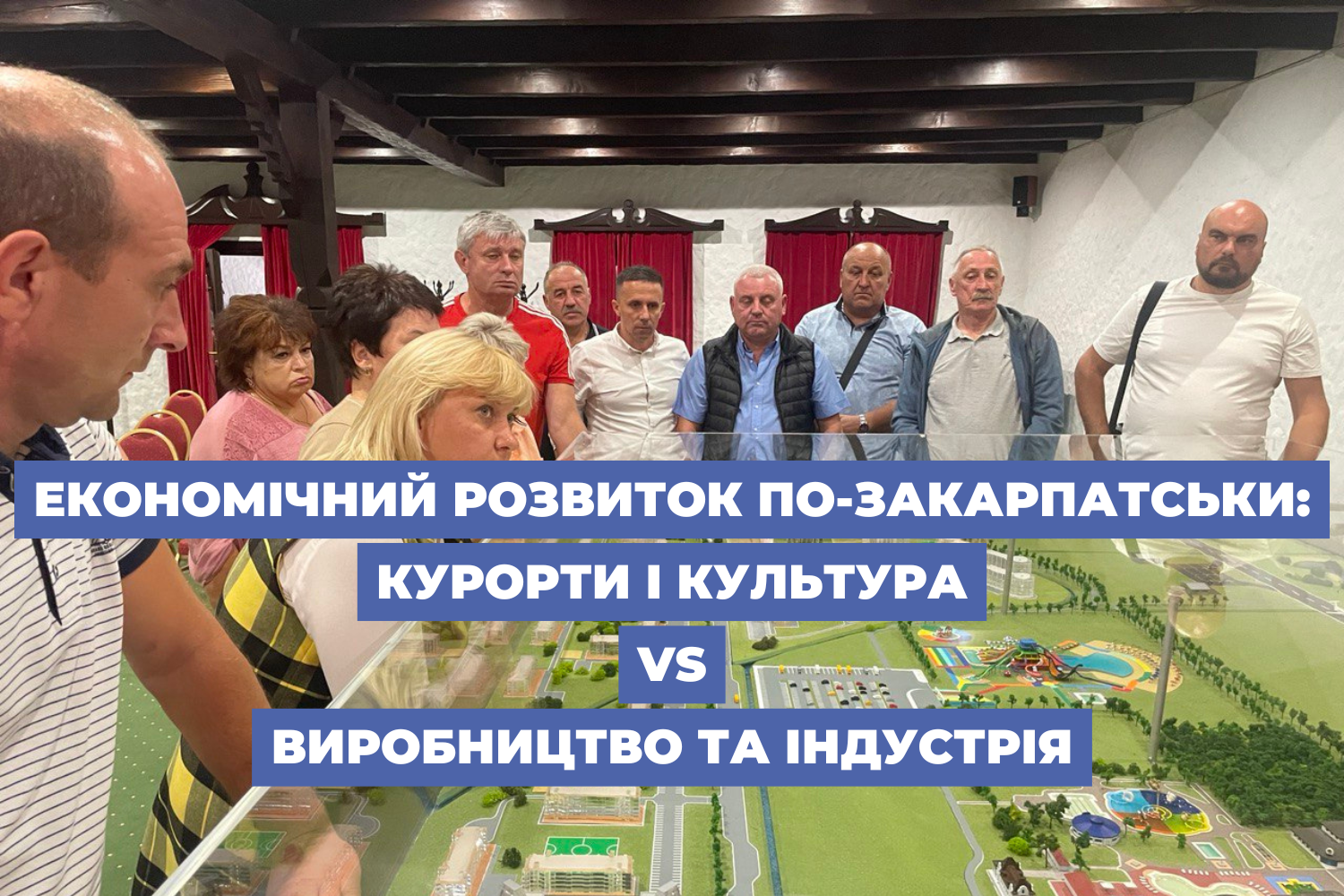
Despite the stereotypes, local development in the municipalities of Zakarpattia Oblast does not solely rely on tourism, recreation and health resorts. Here, each municipality develops in its own direction and focuses on different aspects. Still, the drive to make the most of any resource and combine the seemingly incompatible underpins all their undertakings.
Not just tourism
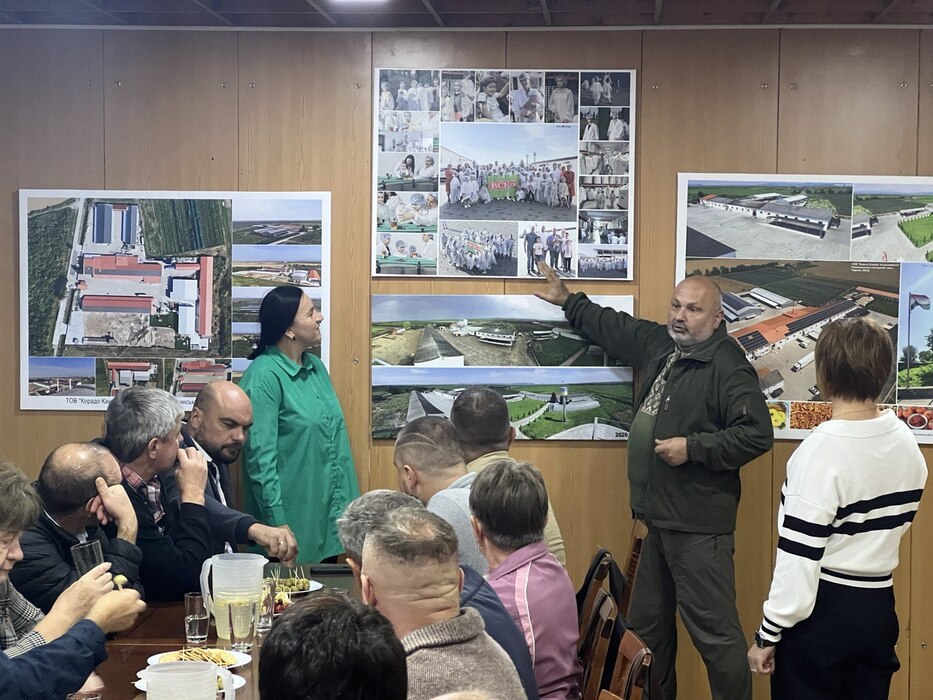
Among the great examples of versatile development is the municipality of Velyki Luchky, where they are equally actively working on cross-border cooperation projects and attracting investments in industry. The participants visited the Amphitheatre Culture and Arts Centre in the village of Rakoshyno, which was built with the help of funds from an international project. In addition to hosting performances by local creative youth, it became a bridge for cultural cooperation with municipalities of neighbouring countries. Another project is the attraction of investments in a processing facility, a cannery of Corado Canning Incorporated, which has created a lot of jobs, contributed to the budget and partnered with local self-government on social responsibility projects.
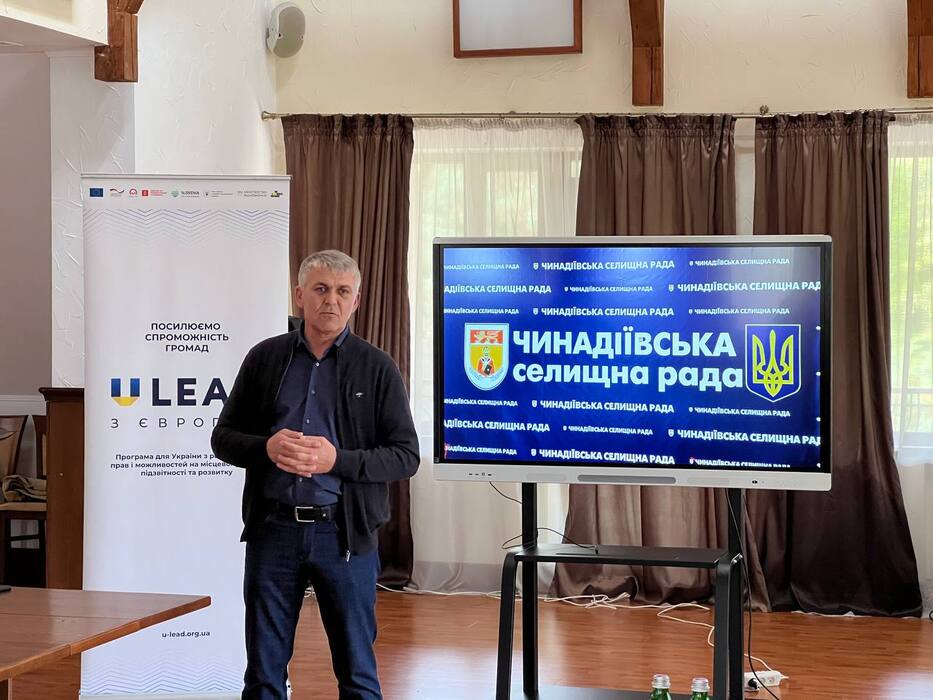
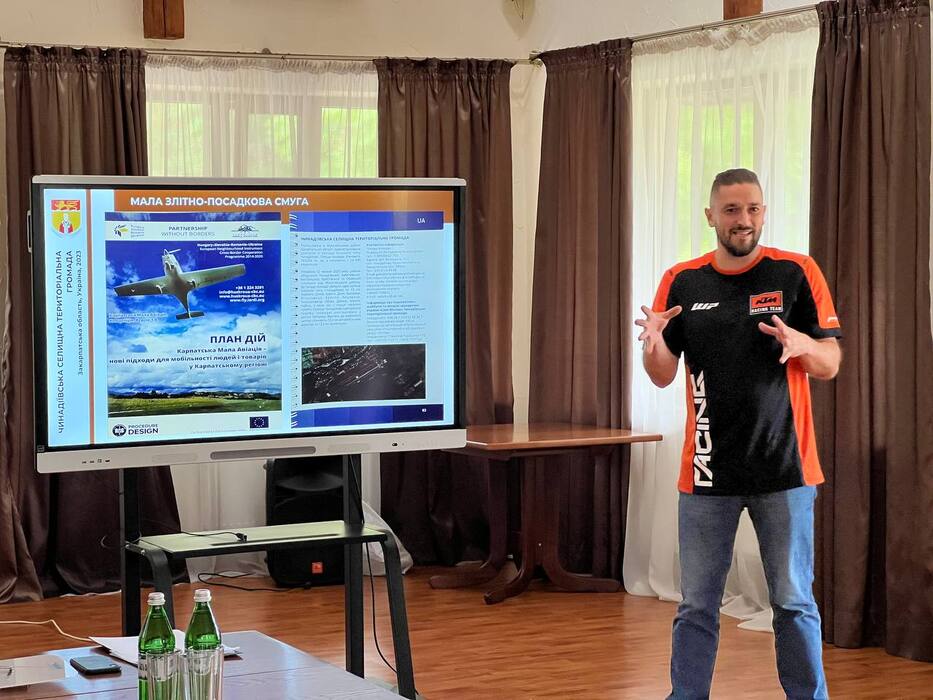
The Chynadiiovo municipality, in addition to the tourism centred around the castle of Saint Miklos, has been developing industrial and logistics directions by engaging relocated businesses. Their projects include the creation of an industrial park and the construction of a landing strip for the development of small aviation in the Carpathians to open up a new direction in the logistics of the entire region.
“Both municipalities, Velyki Luchky and Chynadiiovo, are engaged in cross-border cooperation and have considerable project experience in various fields. Many projects deal with cultural ties and tourism, since Zakarpattia is traditionally a tourist region. However, these two municipalities are also successful in attracting investment in the processing industry, small production and logistics,” said Pavlo Lohvinov, Head of the Regional Office of U-LEAD in the Zakarpattia Oblast.
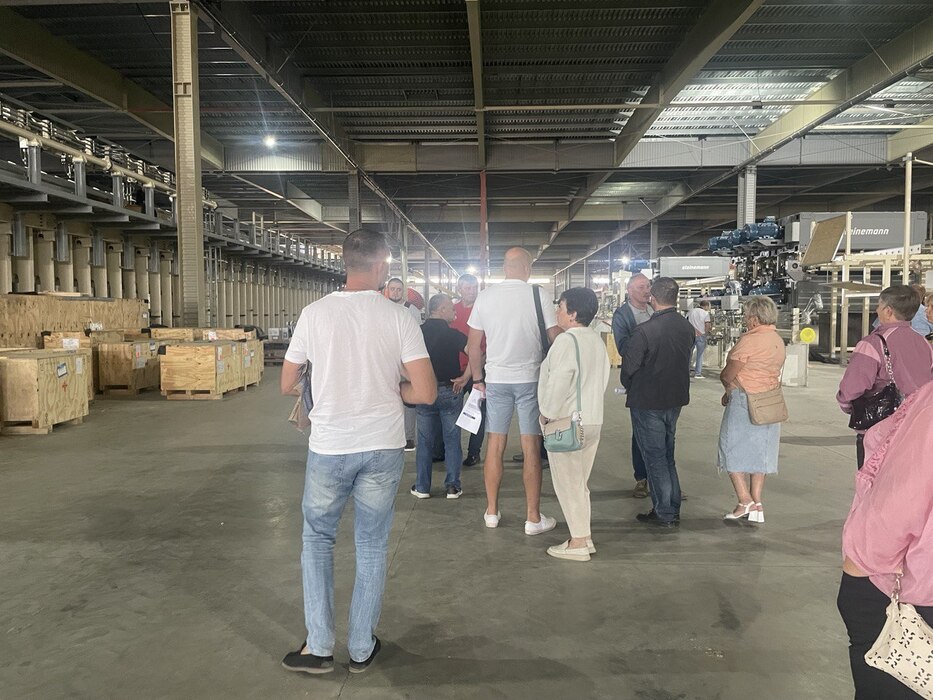
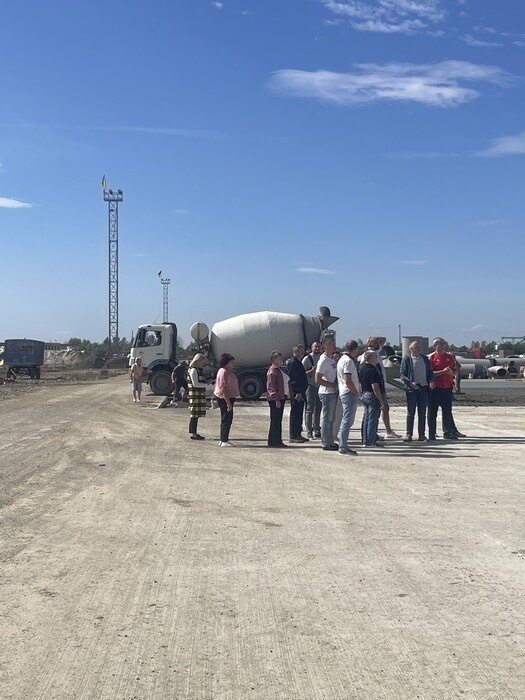
Non-tourist directions are also being developed in the Batiovo municipality, which was visited by the participants. Batiovo has been working on attracting investment in production and actively cooperating with relocated businesses. For instance, the ongoing construction of an industrial park, BF Terminal, is the largest investment in Ukraine since the beginning of Russia’s full-scale invasion (amounting to UAH 8 billion). In September of this year, it received state funding for the creation of energy infrastructure and railway tracks as part of the Made in Ukraine policy. Project activities and the attraction of grant funds enabled the municipality to invest in human capital development and youth policy. For this purpose and with the help of the grant funds, the Zdybanka Youth Hub was created here as a space for connection and cooperation of Ukrainian and Hungarian youth, promoting cultural exchange and mutual understanding. The hub also actively conducts educational events and offers young people a co-working space and technology to implement their ideas.
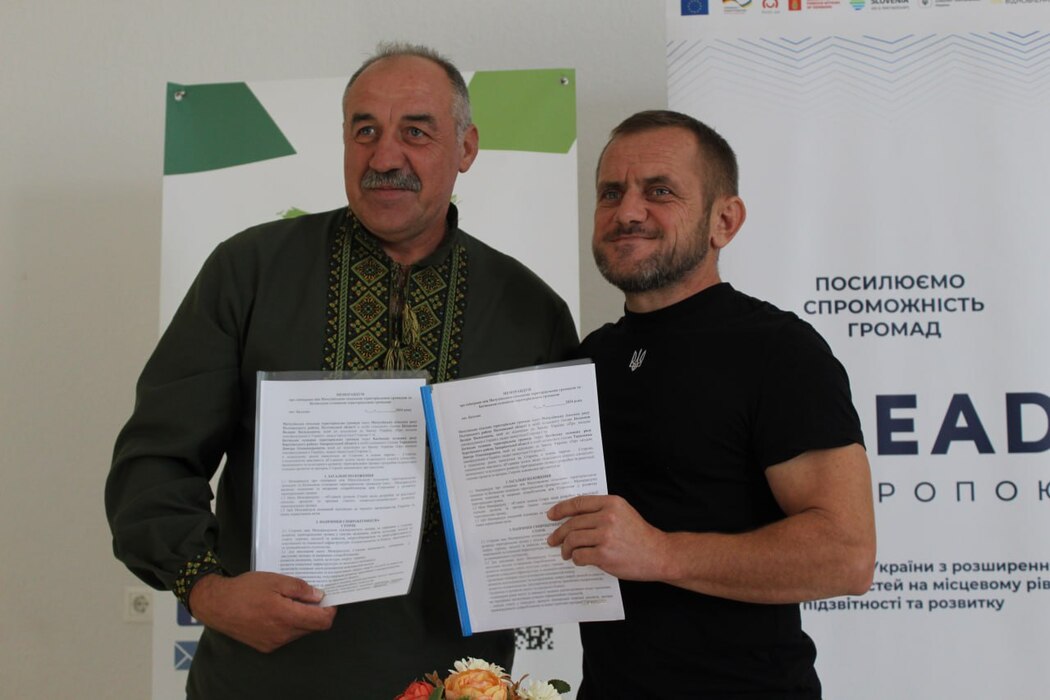
During the exchange experience visit, the Batiovo municipality entered into a memorandum of cooperation with the Machukhy municipality, Poltava Oblast. The document was signed by the heads of municipalities, Dmytro Taranenko and Valerii Bilokin.
“Thanks to the U-LEAD with Europe Programme, we found a partner and signed a memorandum of cooperation with the Batiovo municipality. This will allow us to develop joint projects in education, healthcare, culture and sports. A convenient location and pooled resources can benefit both our municipalities,” said Valerii Bilokin, head of the rural municipality of Machukhy.
Cultural heritage, resorts and event tourism are the path for development for the rural municipalities of the Zakarpattia Oblast
Natural recreational resources and preserved architectural landmarks are also a resource for development. The success cases of Kolochava and Koson rural municipalities in the Zakarpattia Oblast are a testament to this. By attracting funds from international projects and private investments, these two municipalities are actively developing their tourist direction.
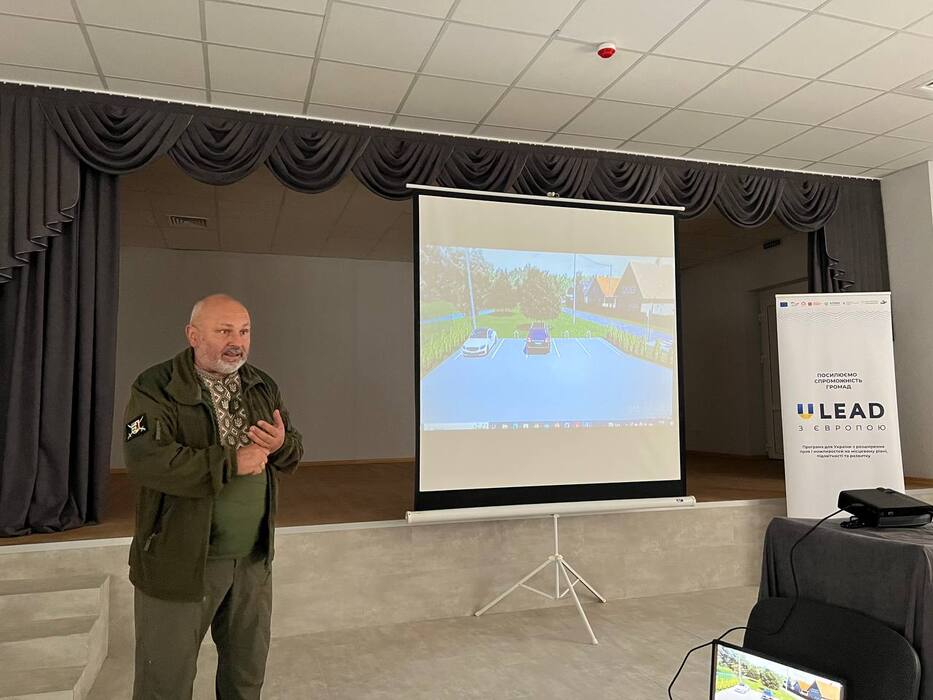
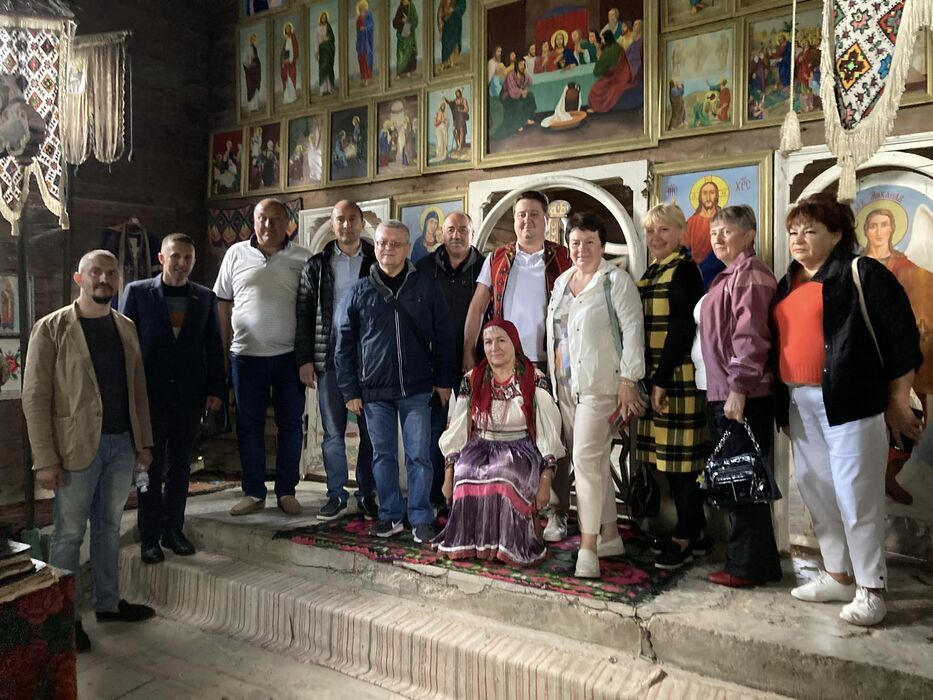
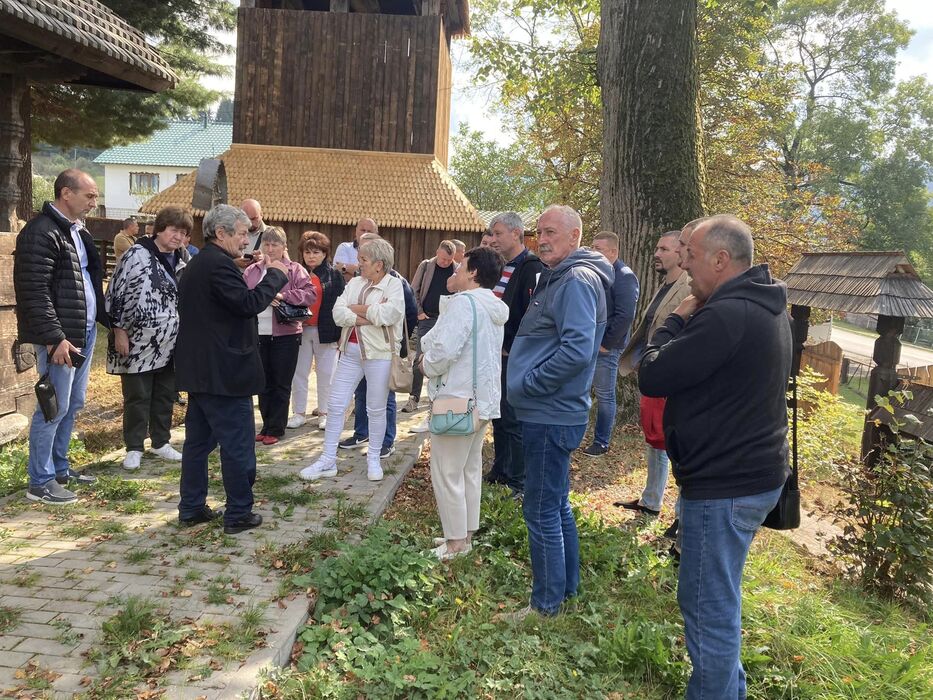
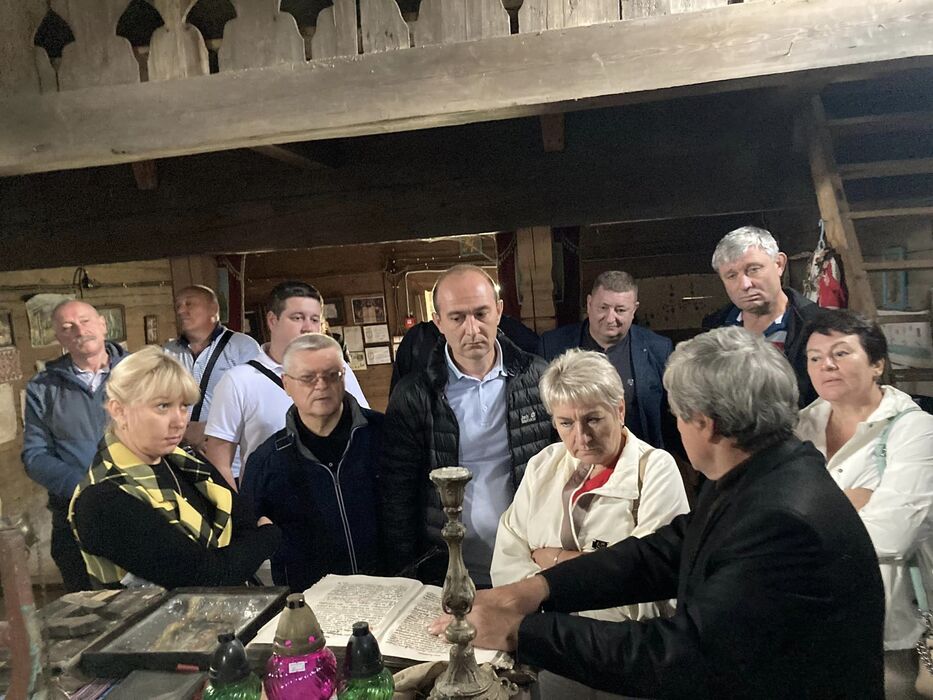
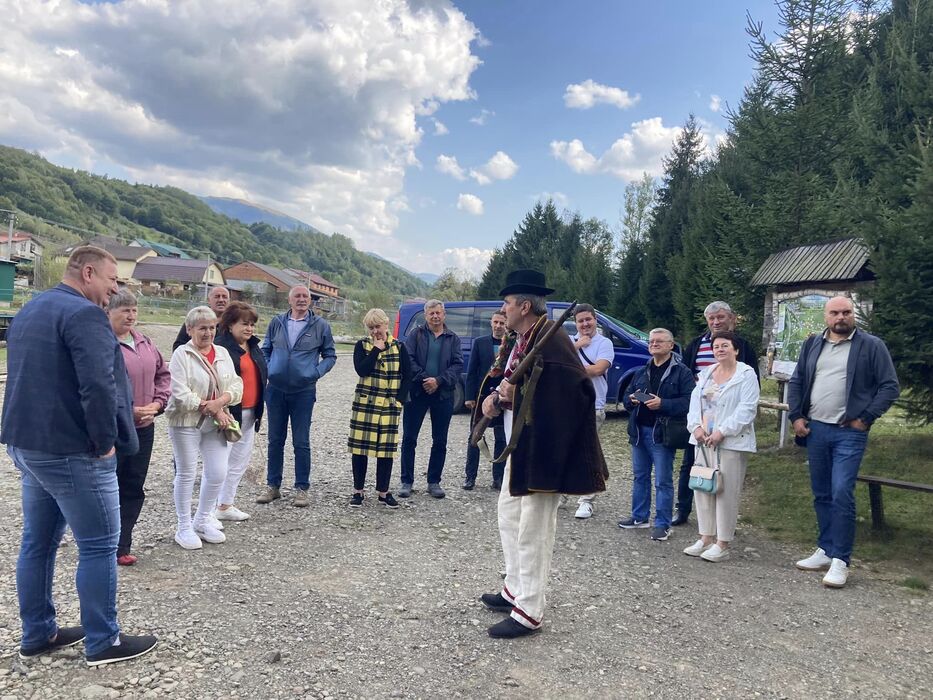
Participants visited the Kolochava municipality, which is a unique example of cultural and tourist development and is known as the “municipality of 15 museums”. Thanks to its rich historical and cultural heritage, Kolochava effectively attracts both tourists and grant funds, as well as partners up with the municipalities of the European Union. Another one of Kolochava’s local development projects, facilitated by cross-border cooperation, is the Amphitheatre Culture and Arts Centre. It was built from scratch in two years. According to Vasyl Khudynets, village head of the Kolochava municipality, it brings together all Kolochava residents as a municipal cultural hub. The Amphitheatre has also become a platform for cultural exchange and a venue for various events.
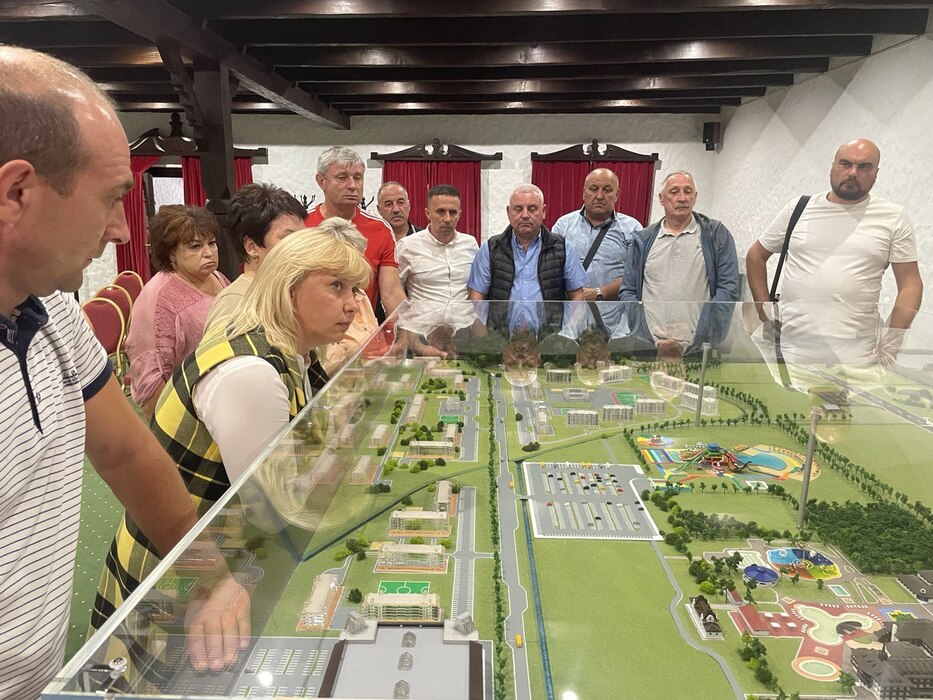
The Koson municipality, in turn, develops recreational and leisure tourism. Koson is known for its springs with geothermal water, which has healing properties. The visitors explored the activities of the famous resorts, EkoTermal and Kosyno, which are large investment projects of regional importance. Using the context of these investment projects, Oleksandr Tovt, head of the Koson municipality, shared with the team his work experience and the experience of supporting large businesses, which boosted the development of tourist infrastructure in all villages of the municipality, including hospitality, dining and rehabilitation opportunities.
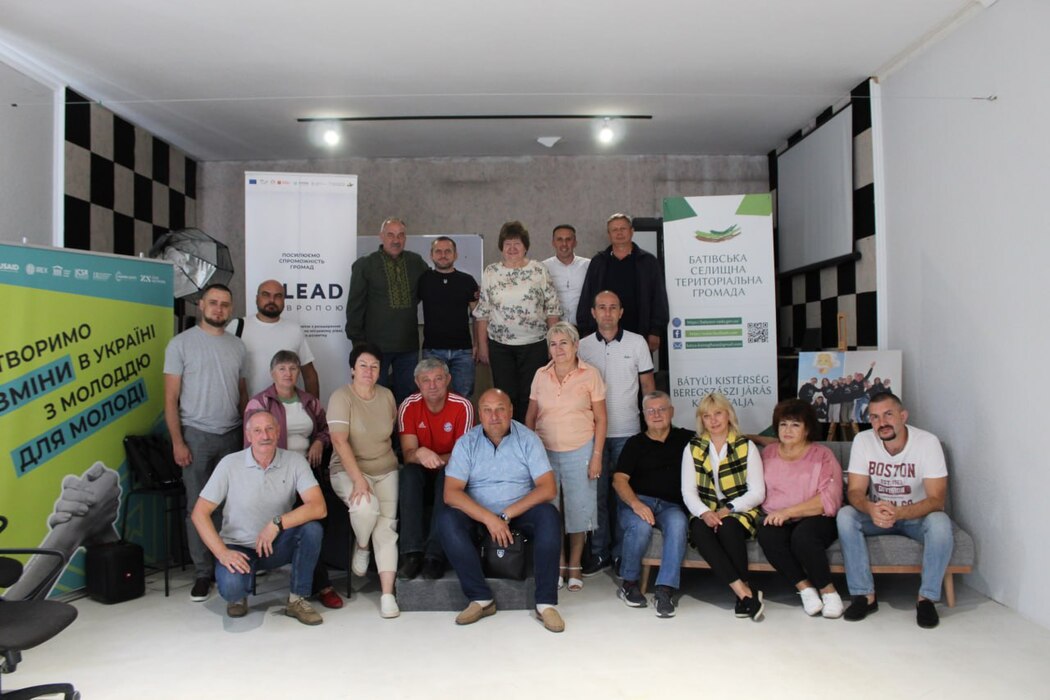
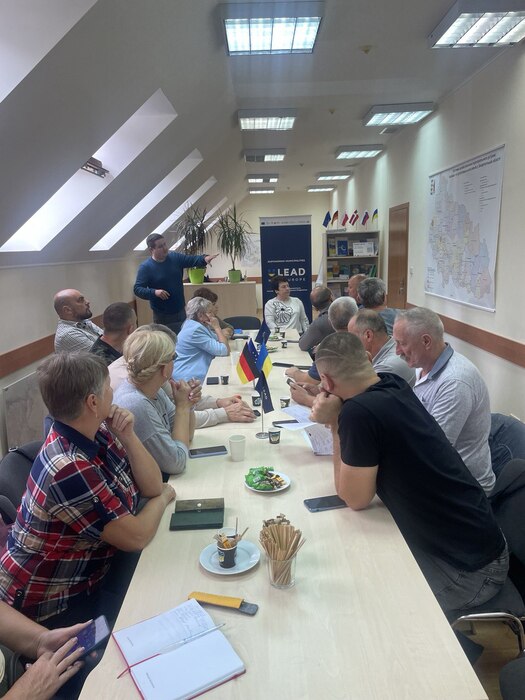
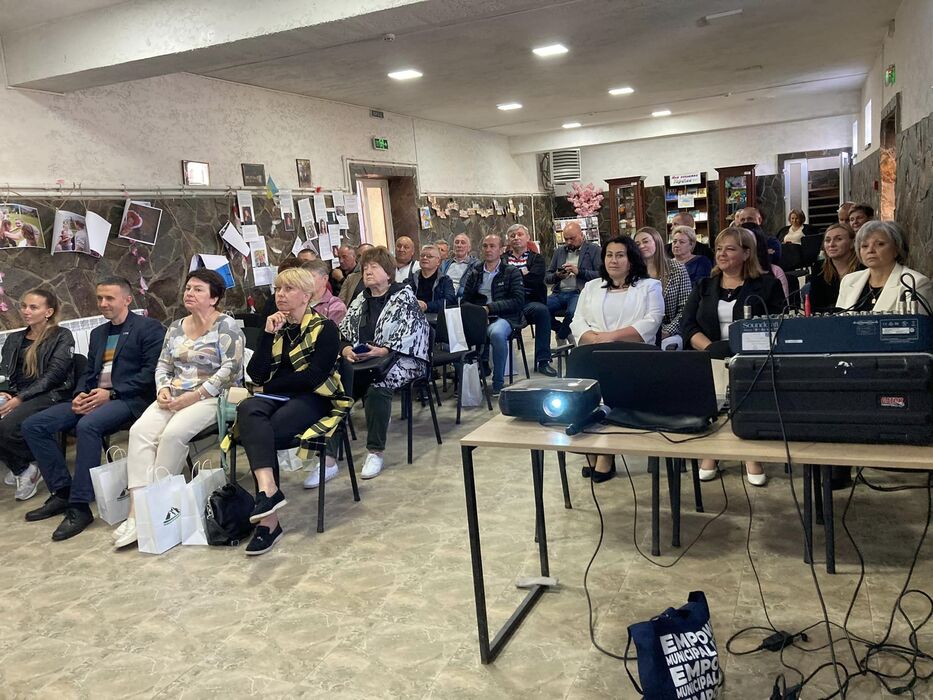
Pavlo Lohvinov emphasised the importance of sharing experience as a key tool for strengthening the capacity of Ukrainian municipalities. These visits allow local leaders to see successful examples of project implementation in various areas of economic development, which helps them find new solutions for similar challenges in their own municipalities. The U-LEAD with Europe Programme offers municipalities an opportunity to explore approaches to attracting investment, supporting small businesses, creating infrastructure and developing human capital. This partnership increases the level of expertise and readiness of local teams to implement new strategies and optimise their own resources. Experience exchanges strengthen interregional ties and help municipalities be more flexible and effective in solving economic and social challenges, particularly in the face of current challenges.