



It was meant to give municipalities the tools they need to effectively roll out strategies, show off successful examples of how these strategies work, and set up a way for municipal officials to share their experiences.
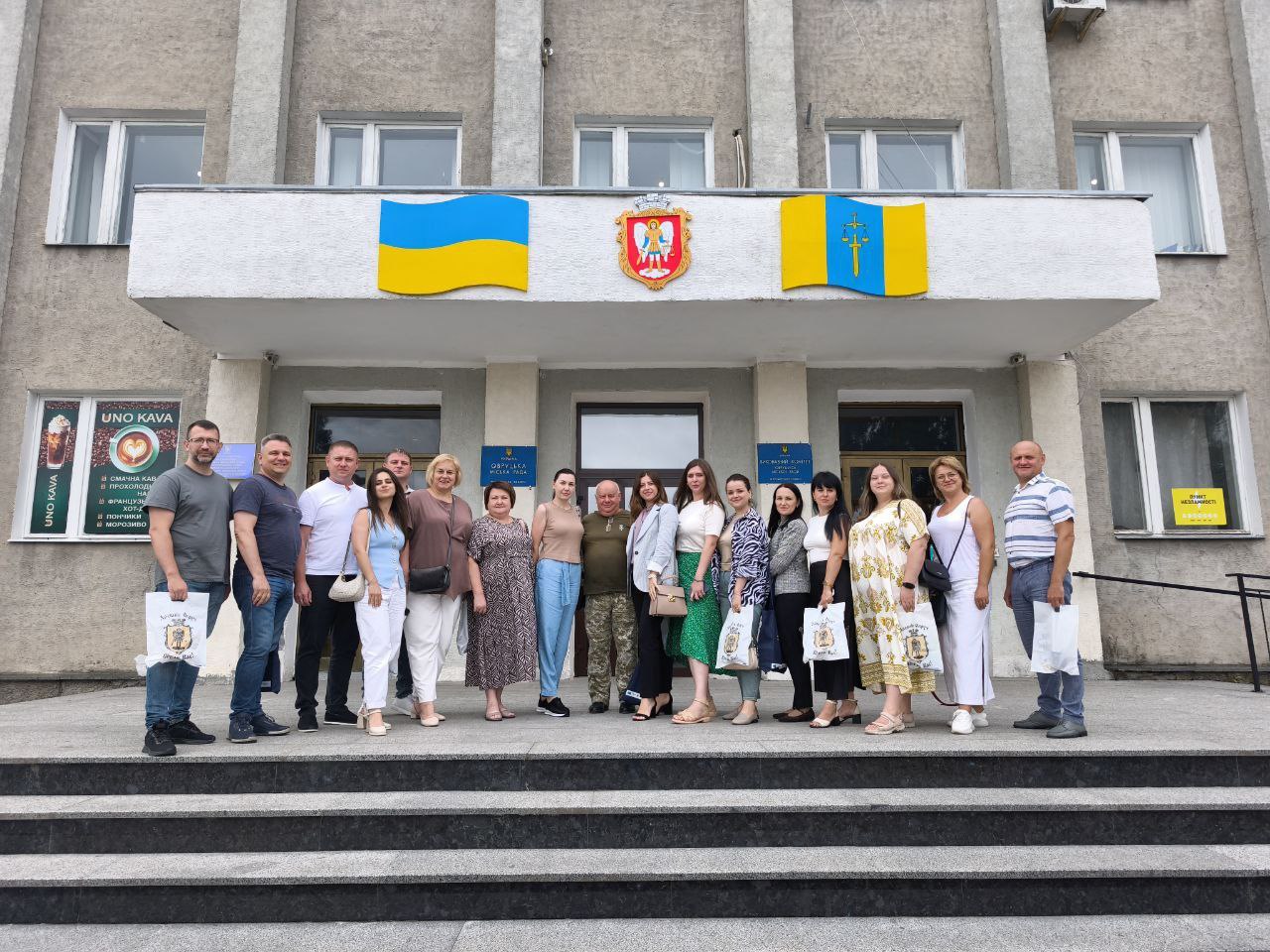
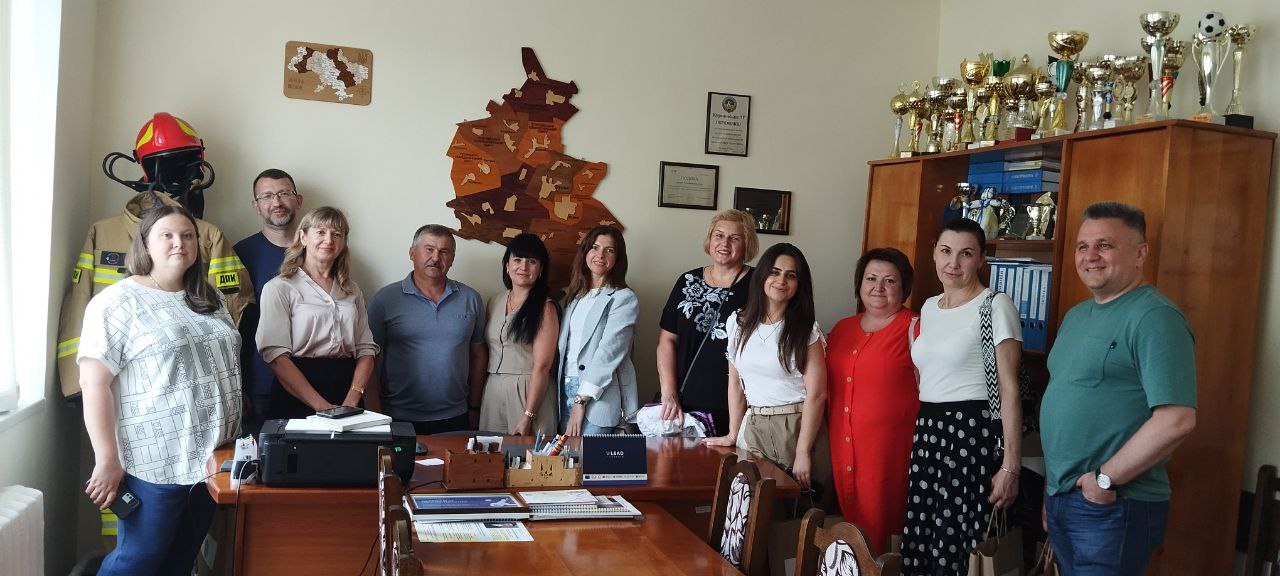
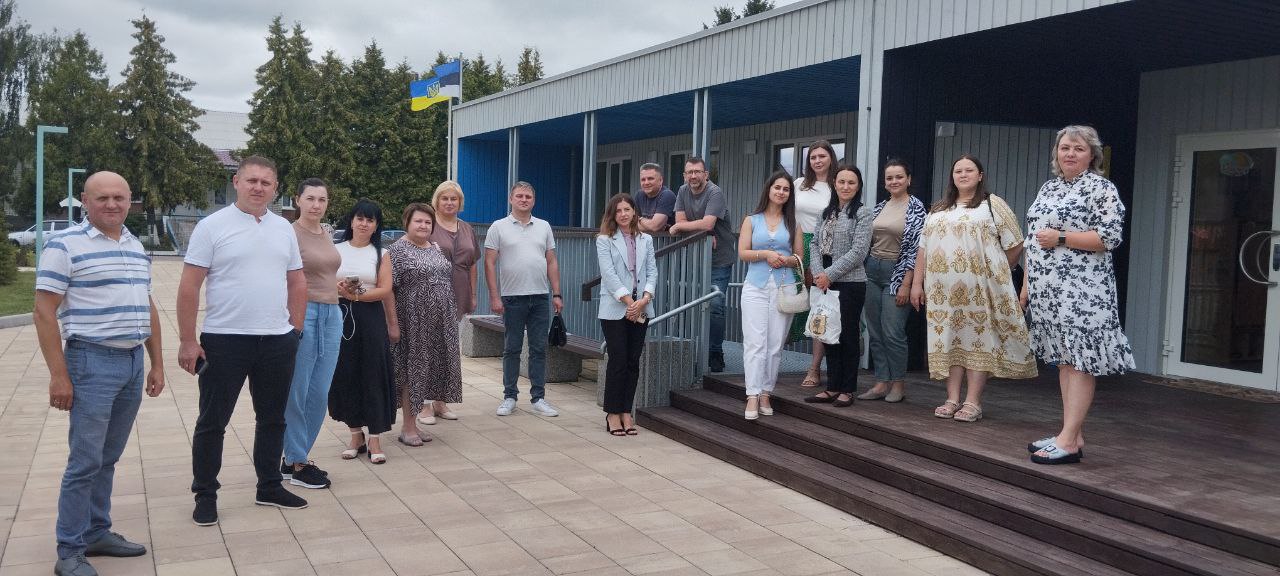
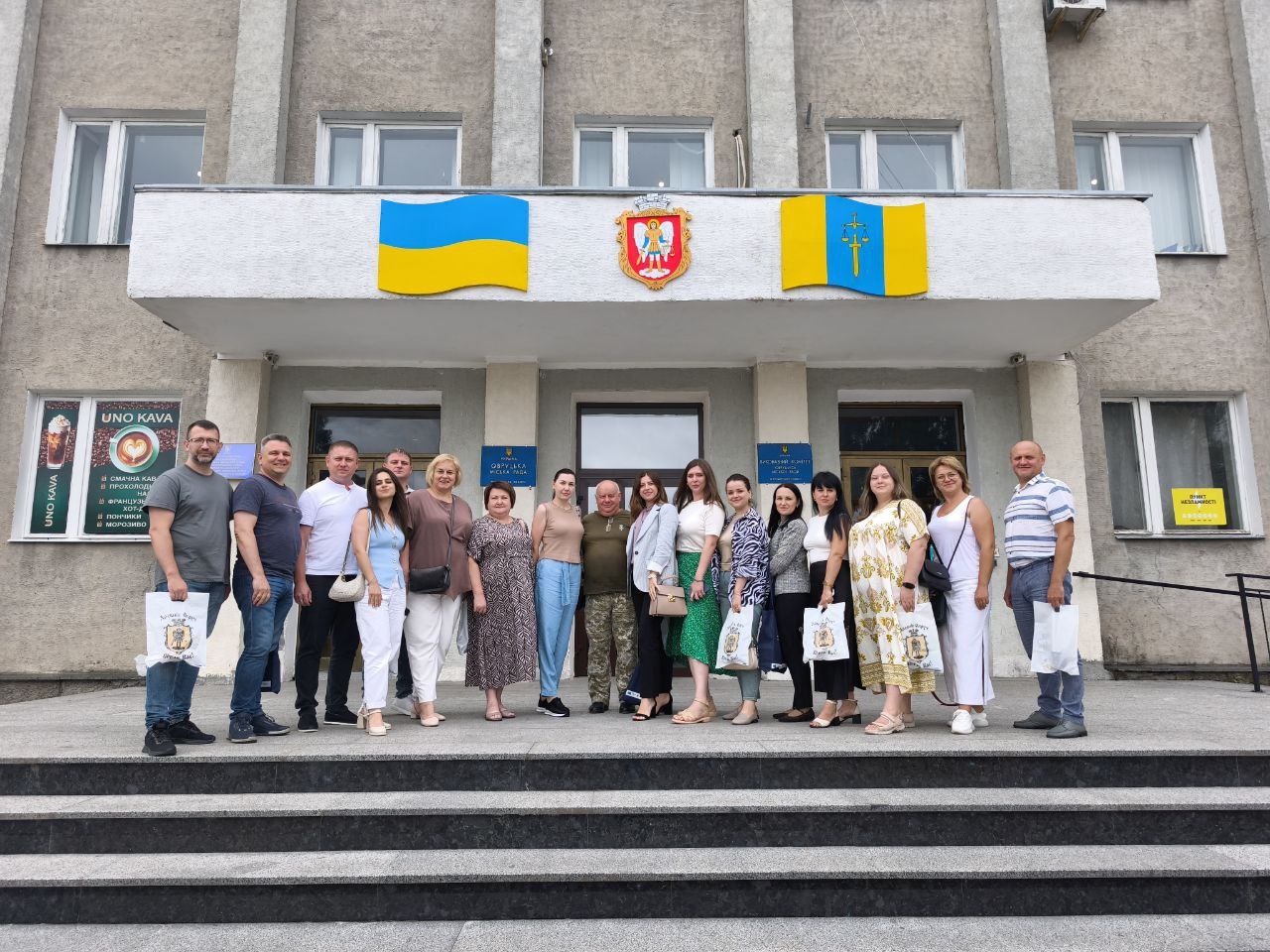
For several days, the participants learned about the work of three municipalities Kurne, Ovruch and Radomyshl from Zhytomyr Oblast. They analysed actual projects, discussed challenges that arise on the path of development and shared their own ideas. It was reaffirmed that updating the municipal development strategy is not just about adapting to the challenges of war, but also a prerequisite for joining the public investment management reform and taking further steps to align with urban planning documentation.
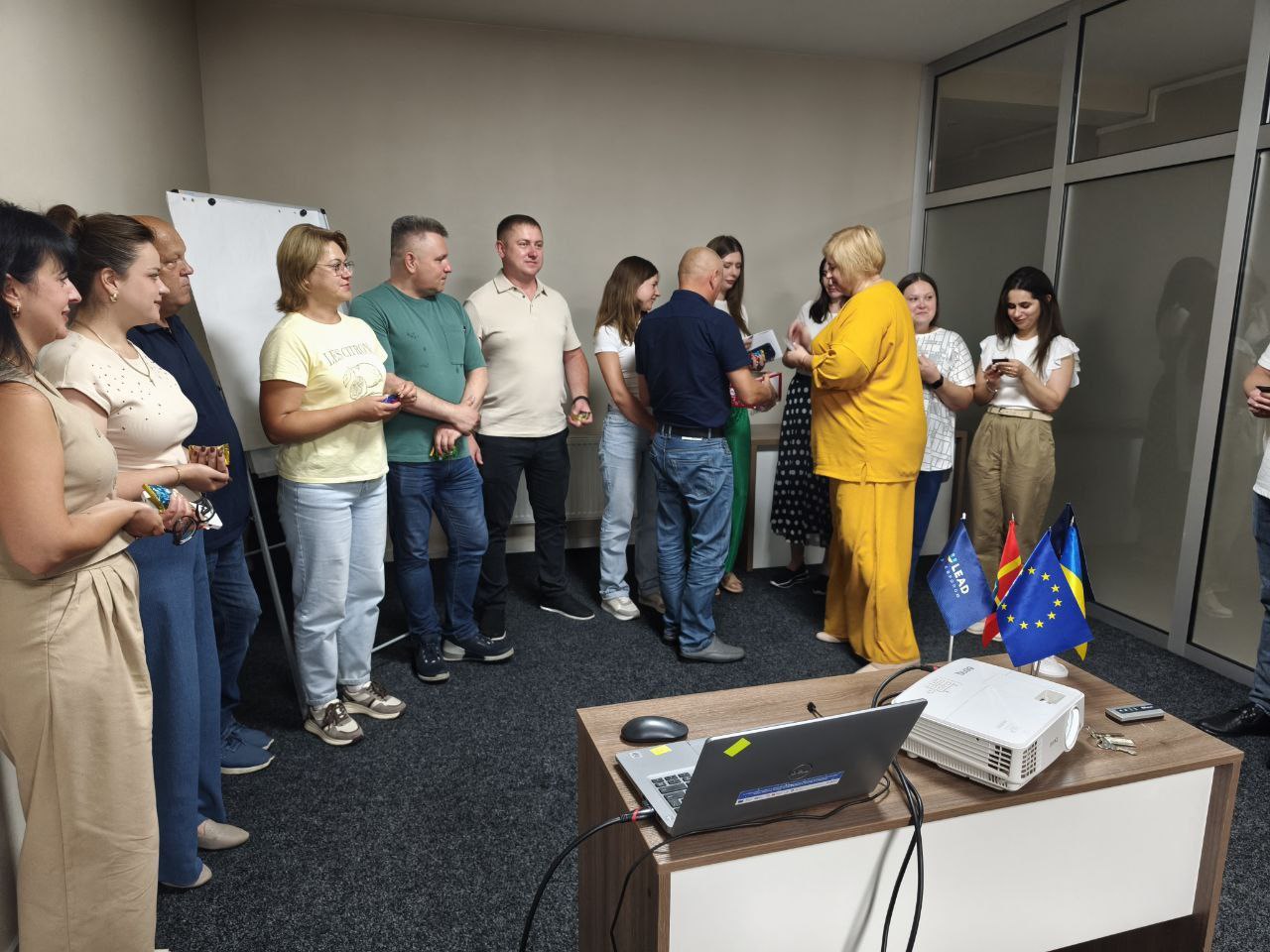
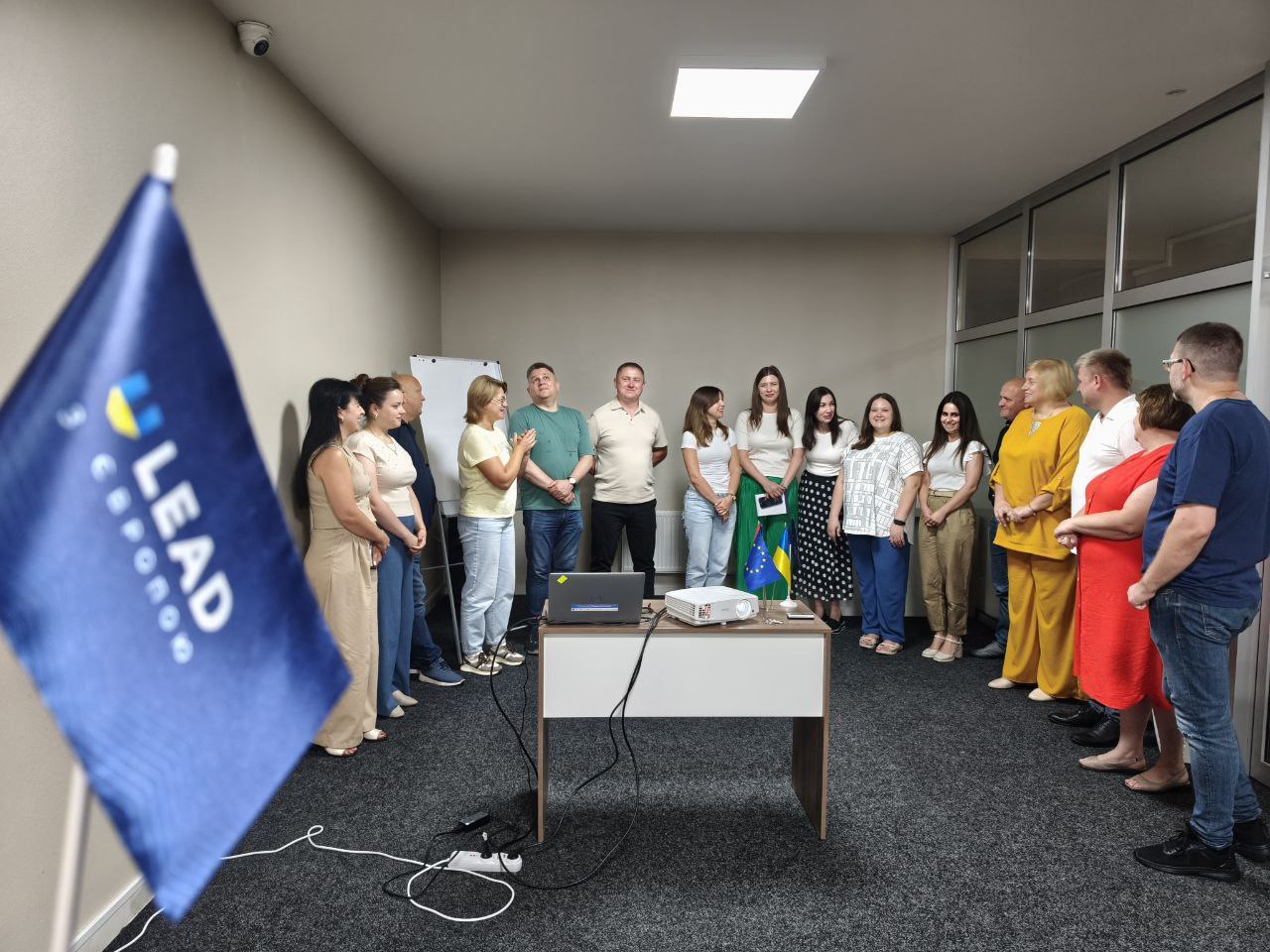
Starting with training: from theory to practice
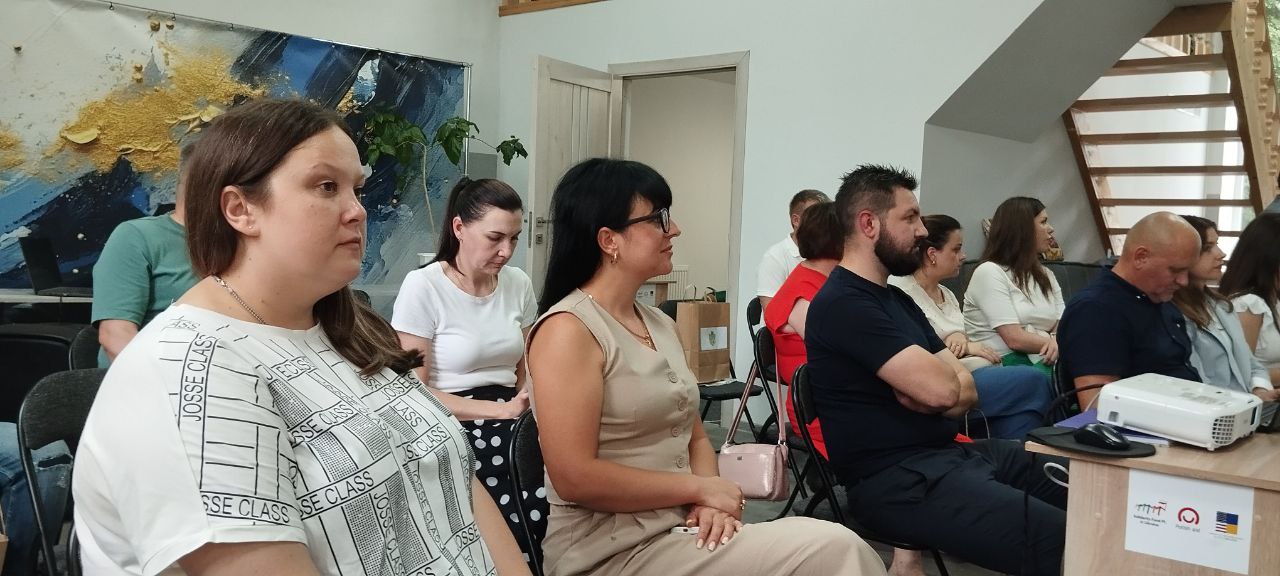
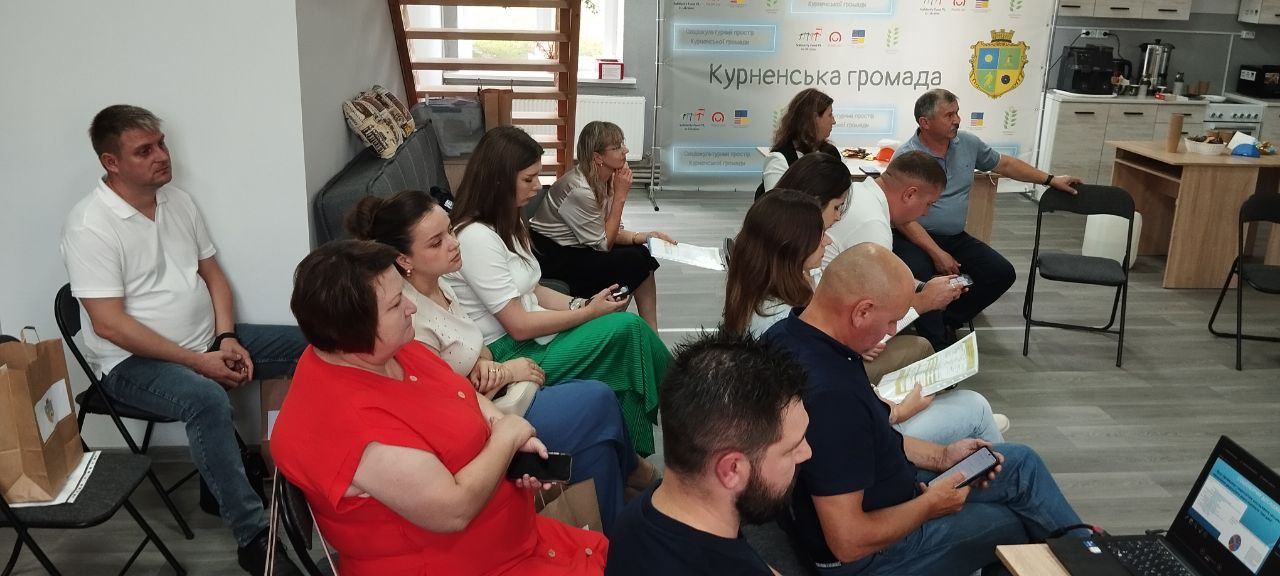
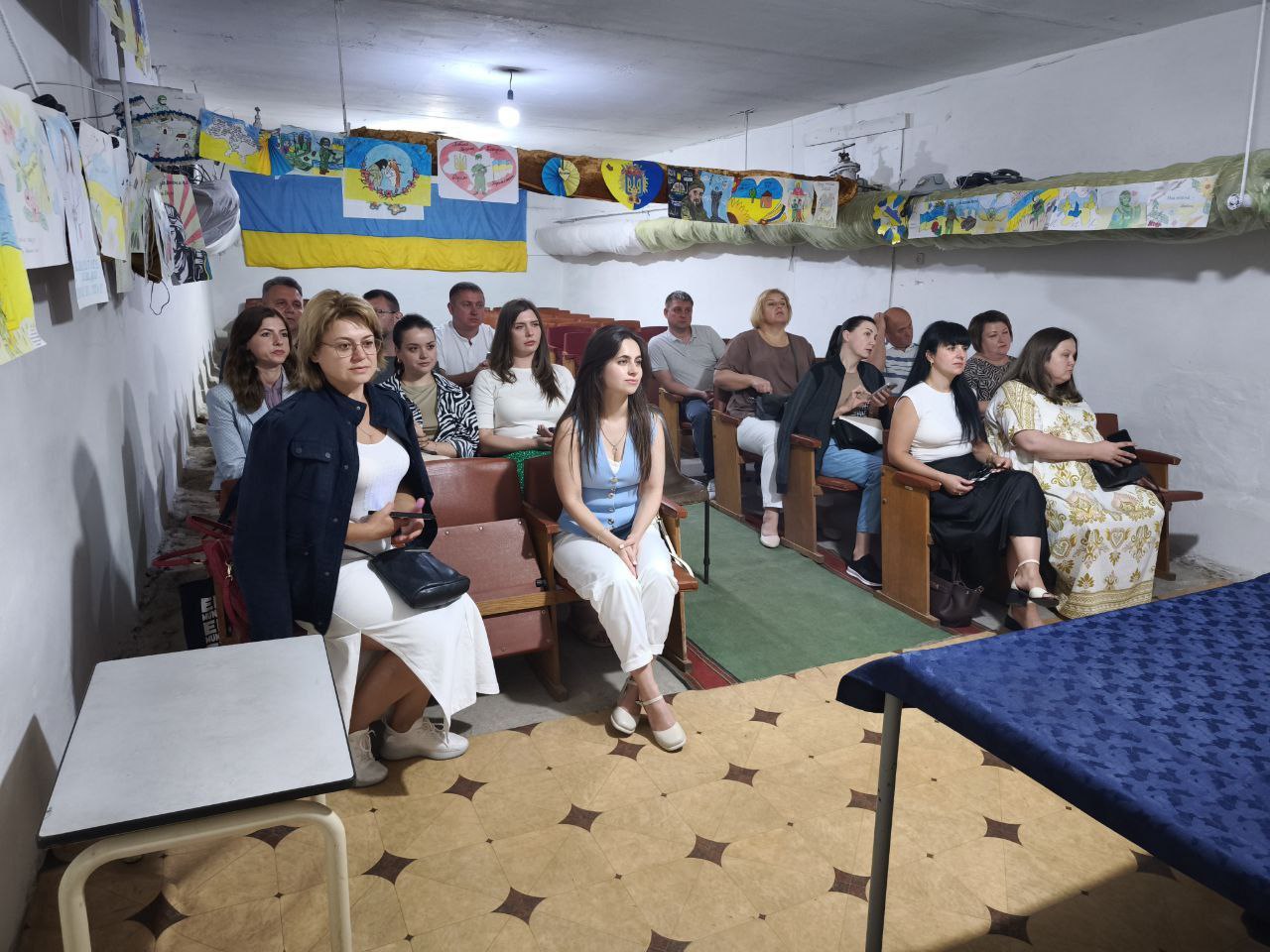
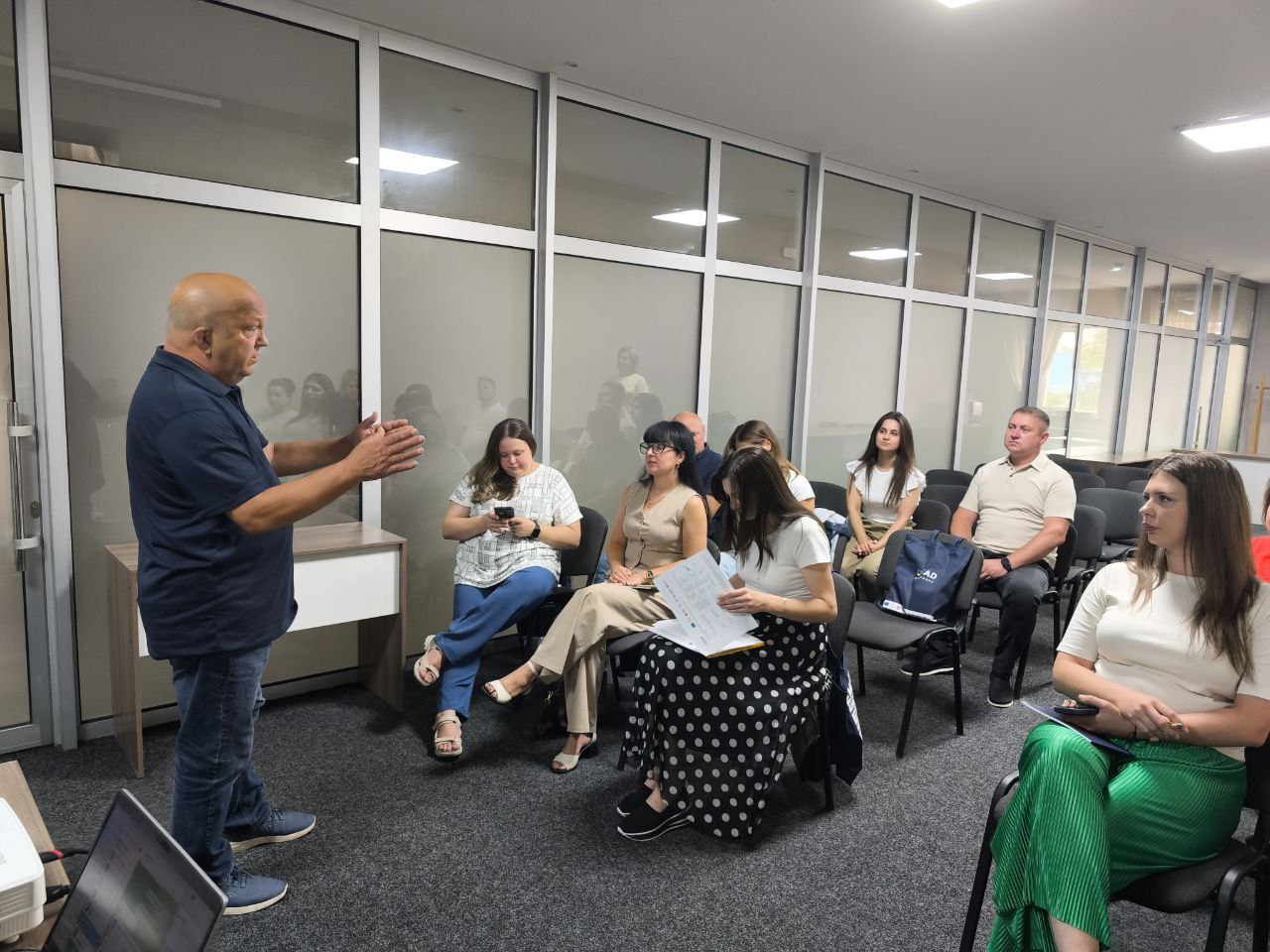
The visit began with a special training session on “Who Should Be Responsible for Monitoring and Evaluating the Development Strategy and Implementation Plan in the Municipality”. For several hours, participants discussed how approaches to strategy development are changing in the post-war period and why it is important to consider not only financial indicators but also social capital, cultural heritage and the interests of residents. Experts emphasised that strategic planning today is far from a mere formality, but rather a tool that determines what a municipality will look like in 5 to 10 years and how it will respond to emergencies.
Special focus was placed on examples of successful initiatives from various municipalities of Zhytomyr Oblast. Among other things, the participants discussed the practices of city, town and village councils that were able to adapt their strategies to the new realities while maintaining ambitious development goals. During the discussions, many ideas were voiced regarding the public participation in the planning process, from holding public hearings to using modern digital tools to collect proposals.
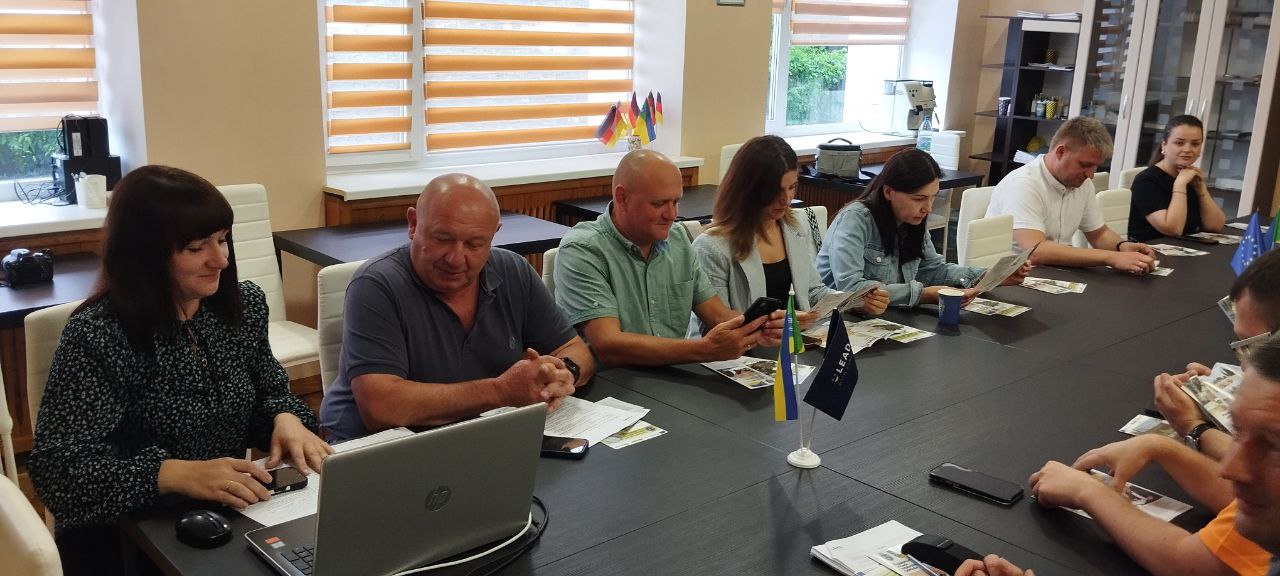
According to the participants, these meetings are very informative as well as foster conditions for exchanging experiences and establishing horizontal ties between municipalities. This is vital when you need to quickly find non-standard solutions, drawing on the practices of your colleagues as examples.
“This trip was valuable not only for learning about methods and tools, but also for the lively exchange of experiences, from debating performance indicators to discussing ways of engaging the public and partners. Sharing experiences and discussing specific examples gave participants the tools to improve the effectiveness of their own strategic documents and ensure their practical applicability. This type of communication contributes to a network of professional support between municipalities and enhances the quality of planning at the local level. For many participants, it was an opportunity to look at their own processes from new perspectives and find ideas that can be applied in their municipalities tomorrow. This practical training format is an effective tool for preparing for the next strategic planning cycle, as it combines theory with real-life success stories,” said Hryhorii Starykov, the Coordinator of the Planning and Programming Working Group — Policy Advisor for Recovery and Development at the Regional Office of U-LEAD with Europe in Sumy Oblast.
Kurne municipality: from strategy approval to first partnerships and implemented projects
The first stop on the study visit was the municipality of Kurne. The Head of the Village Council, Leonid Korzun, spoke about the municipality’s path from the day the development strategy was approved in 2019 to its update, which is currently underway. Over the years, the local team has undergone significant transformations, from setting strategic goals to implementing them in specific projects that can have a real impact on the quality of people’s lives.
The key development tool for the municipality has been a project approach. Municipal officials continuously improve their project management skills, which enables them to structure their work competently, attract external resources and effectively implement even complex projects. This approach has helped the municipality focus on several priority areas, including local business development, expanding partnerships and implementing innovative solutions.
The municipality’s cooperation with the public sector is of particular note. Creating and supporting local NGOs enabled them to build partnerships for joint social, cultural, and economic projects. This kind of cooperation not only strengthens the municipality’s capacity, but also helps to attract additional investment and grant resources.
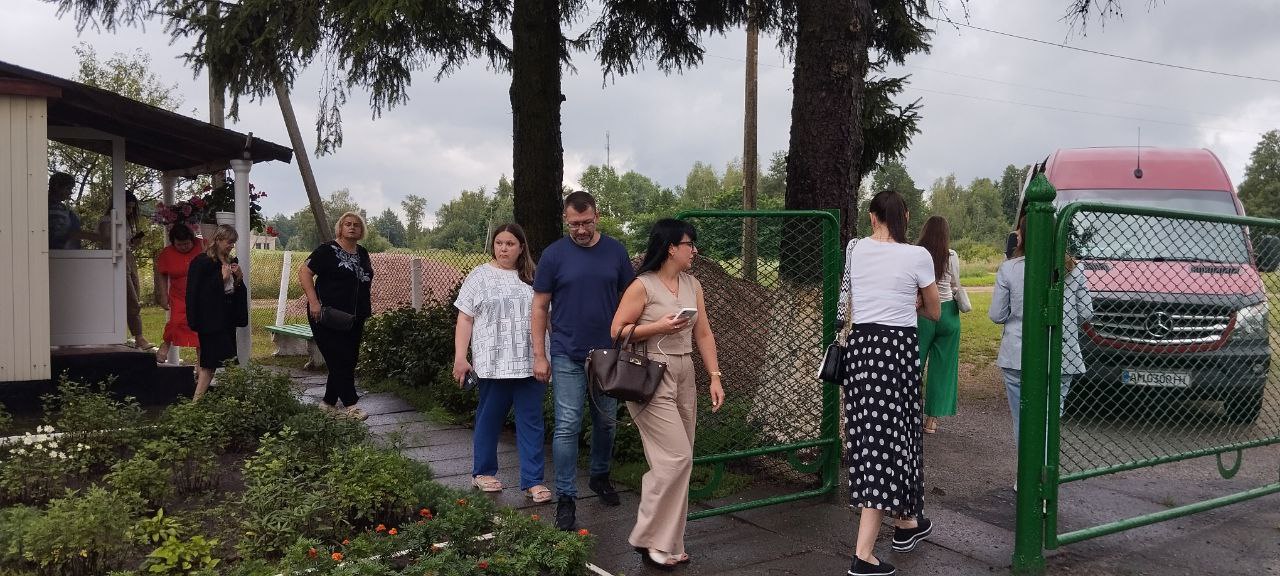
During the visit, participants had a chance to see how strategic ideas turn into concrete results. They visited municipal infrastructure facilities modernised under the development strategy, observed practical energy saving solutions and were able to talk directly to local talent implementing these changes.
“During the trip, I was keen to see how the municipalities operated in comparison to ours, to learn about and compare management practices that work in wartime. It was insightful to see how municipalities in Zhytomyr Oblast are seeking additional resources for various areas, given all the challenges we face today. During the visit, other participants and I had the opportunity to share our experiences, problems and achievements. Sometimes these conversations can lead to solutions, as similar situations have arisen in other municipalities. In the context of war, it is very difficult to strategically plan municipal activities, but this document must exist and must be adhered to. Even in these difficult conditions, municipalities do their best to implement the action plan and bring their plans to life, albeit not all of them and not to the full extent. I’m grateful to U-LEAD for the training and the visit, which united different municipalities and different people with common goals,” said the First Deputy Mayor of Radekhiv City Council, Volodymyr Shevchuk.
Radomyshl municipality: business-friendly approach, international partnerships and tourism development
The municipality of Radomyshl, Zhytomyr Oblast, continues to work steadily on updating its Municipal Development Strategy until 2027. The Mayor of Radomyshl, Volodymyr Teterskyi, shared that the document, adopted back in 2019, has become the basis for consistent efforts, and now the municipality is updating it to reflect new challenges and opportunities.
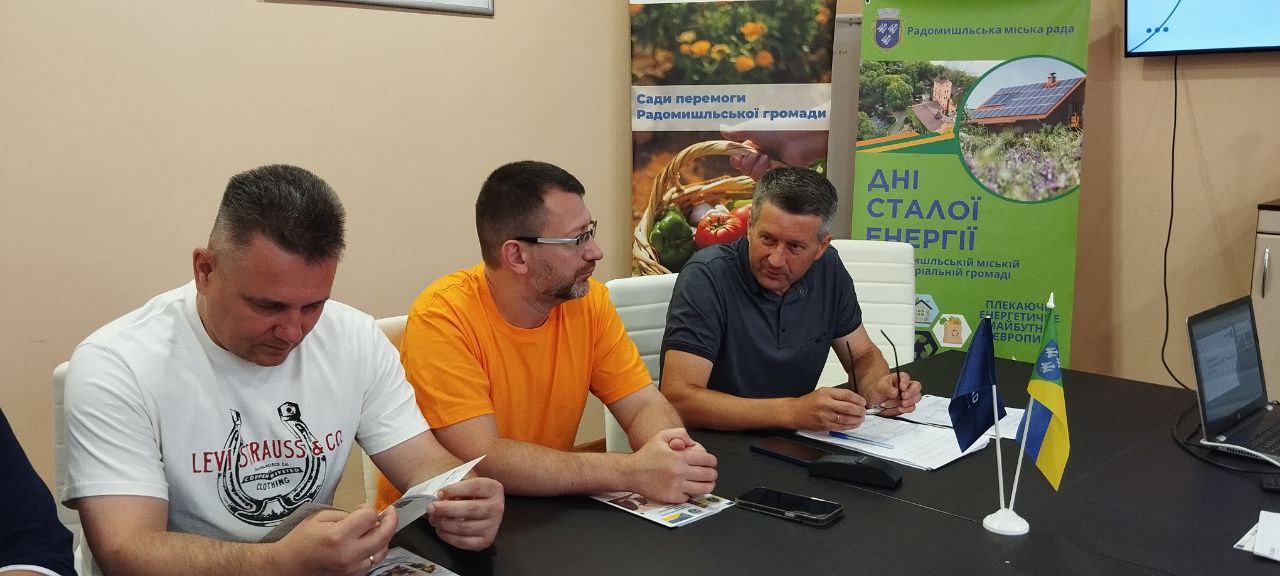
During the visit, municipal officials spoke about the main strategic directions chosen for the development of the locality. Among the key priorities is support for small and medium-sized businesses. As part of this goal, Radomyshl municipality joined U-LEAD’s training programme and participated in the Business-Friendly Municipality initiative. In cooperation with the Business People Club, Radomyshl opened a Business Hub, an institution that helps businesses receive grants, offers advice and provides the necessary information to build their own businesses.
Another important area is international cooperation. Today, the municipality has several foreign partners, and the most successful case is the cooperation with Lindlar, Germany. This partnership is rapidly growing and is already preparing for joint project implementation under the NAKOPA programme.
Energy saving is also a major priority. Radomyshl municipality has developed its own energy development plan. Among the completed projects are the installation of solar panels at the local hospital and the complete reconstruction of the city’s street lighting using grant funds. Work in this direction continues, and the municipality plans to attract new energy efficiency projects.
Radomyshl has set equally ambitious goals for the development of tourism. One of the symbols of the municipality is the Radomyshl Castle, a tourist attraction recognised by the State Agency for Tourism Development. The participants of the visit had the opportunity to talk with its owner, Olha Bogomolets, who shared the story of the creation of this unique landmark and the experience of its operation.
Another noteworthy tourism project, Velo Regia: The Royal Way by Bike, was implemented with the support of the Ukrainian Cultural Foundation. The project seeks to develop bicycle routes as part of the famous European Via Regia, which combines cultural heritage with outdoor activities.
Radomyshl municipality proves that a development strategy is not merely a document, but a living system of goals and activities that changes over time, opens up new opportunities and contributes to the welfare of residents.
Ovruch municipality: recovery after destruction and support for the people
The final stop on the visit was the municipality of Ovruch, which approved its development strategy for the period up to 2027 back in 2019 with the support of U-LEAD with Europe.
Over the years, the municipality has implemented a number of important projects, and today it is updating its strategic instrument to factor in the challenges caused by the outset of a full-scale war and massive destruction from air strikes.
Ovruch has made a breakthrough in its healthcare services. During this time, the base hospital underwent extensive renovation: the infectious diseases, cardiology, surgery, paediatrics, maternity and neurology departments were renovated, and a rehabilitation centre for military personnel and civilians was established. The facility covers residents of four municipalities, namely Ovruch, Narodychi, Hladkovychi and Slovechne. In addition, solar panels were installed on the roof of the five-story building, and the ER was renovated under the Great Construction programme.
With the support of Estonia, which is currently overseeing the recovery of Zhytomyr Oblast, a new modular kindergarten with 160 places and a bomb shelter has been built in Ovruch. This is a modern, safe facility that is already operating at full capacity. The municipality is also in the process of renovating an apartment building for internally displaced persons — a project that will provide housing for people who were forced to leave their homes due to the war.
The modernised central library, home to a youth space and a Community Building Centre, has become an important hub of community life. Meetings, workshops, psychological support events, exhibitions and cultural events are held here for various groups of people, including families of military personnel and IDPs.
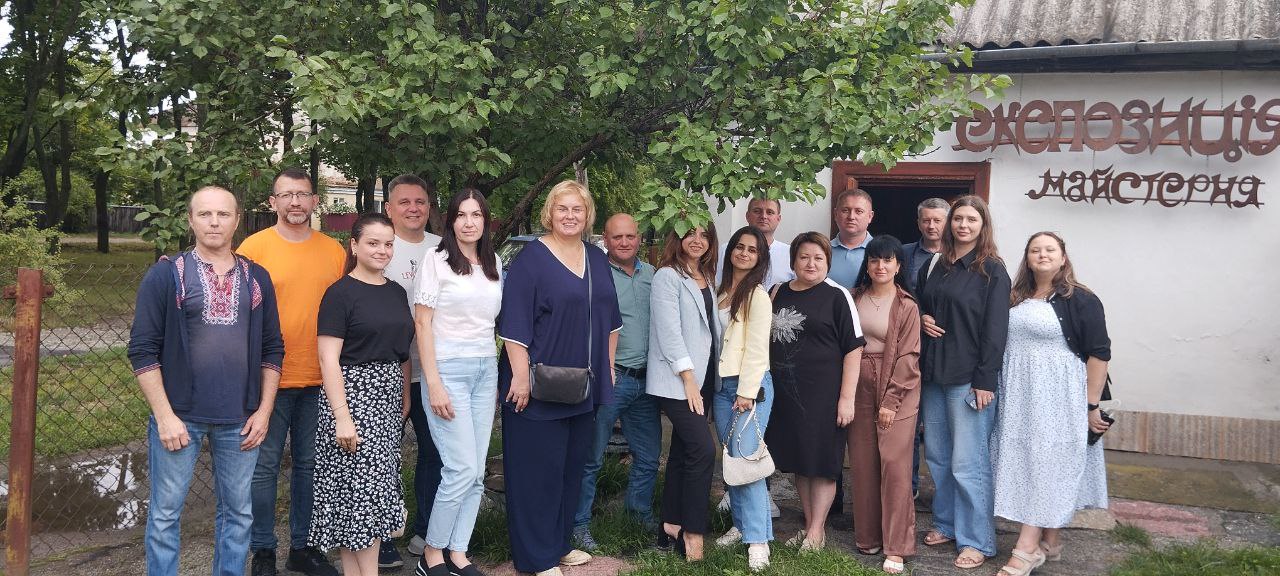
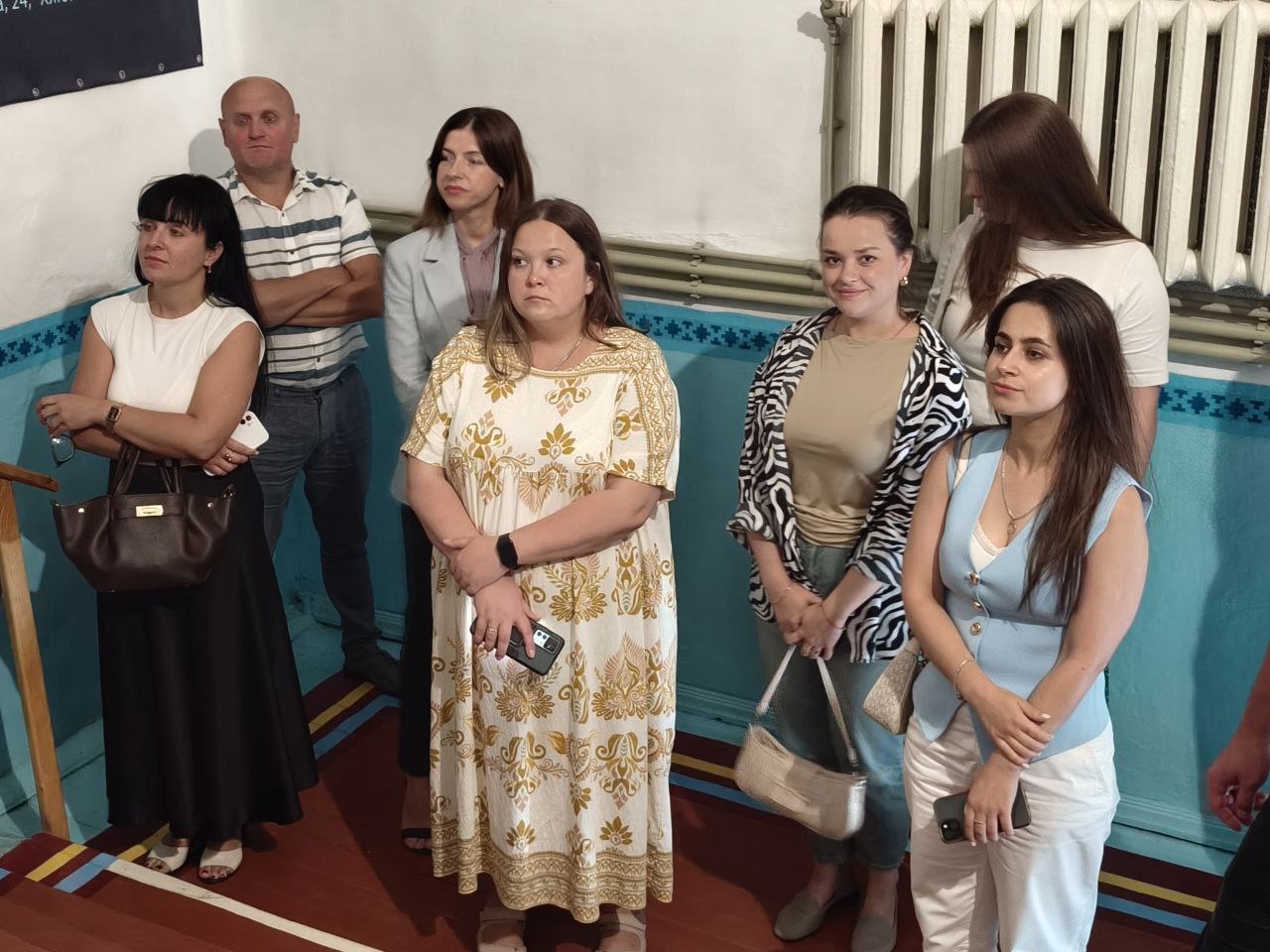
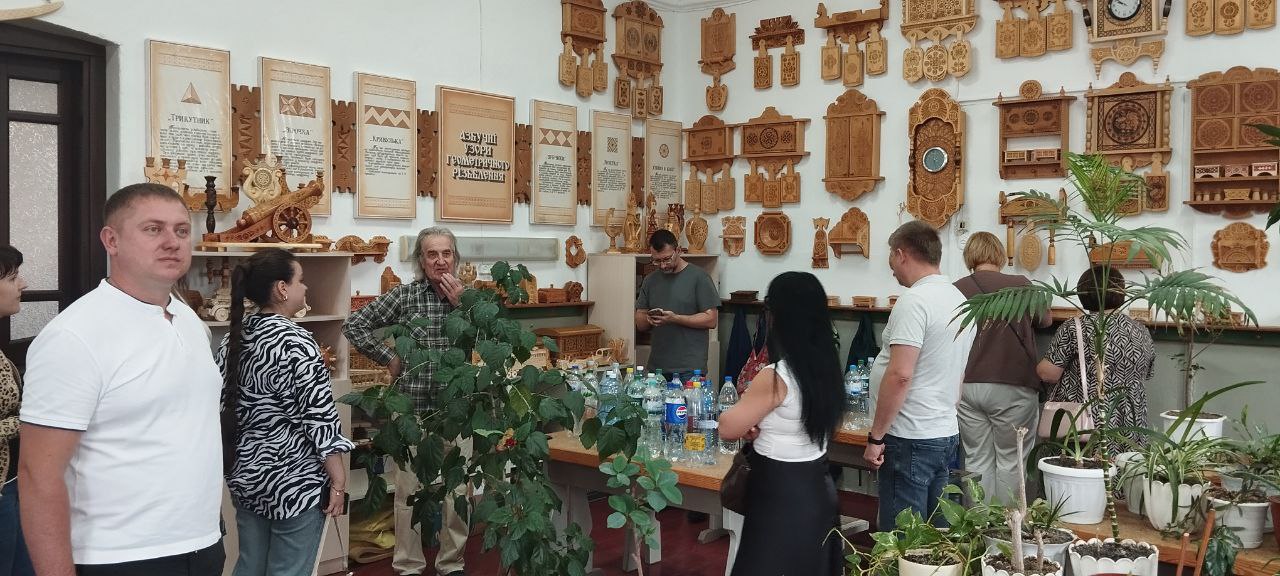
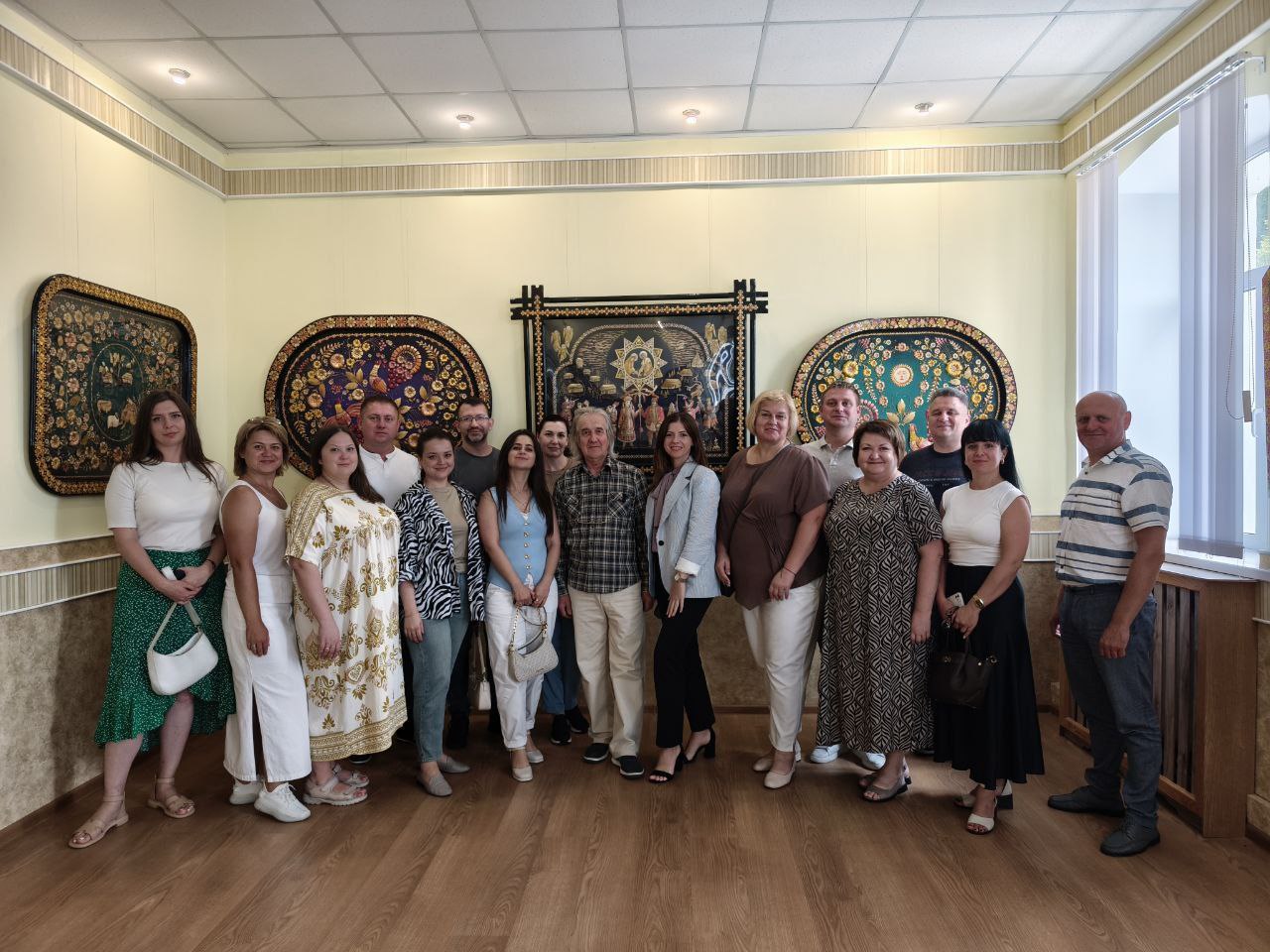
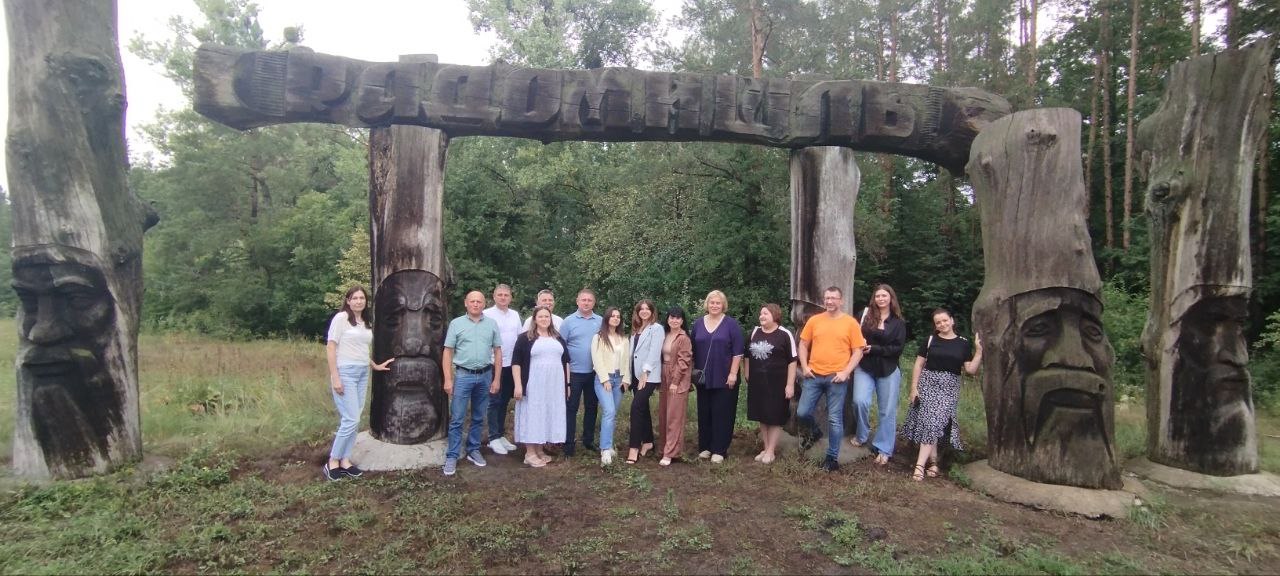
Additionally, the participants visited the Small Academy of Folk Arts and Crafts and the Interactive Museum of Ovruch Straw Art, where they learned about the unique artistic tradition that the municipality actively preserves and develops.
“I’m very impressed by this in-person visit and what I saw in the municipalities of Zhytomyr Oblast. The active stance of these municipalities and their thirst for change command respect. I was impressed by the municipalities’ approach to communicating with businesses, such as how they help them register as individual entrepreneurs and provide full support with registration procedures. Ovruch has an interesting case of the reconstruction of the water supply network. The municipality is not just updating the system. Rather, they are looking for ways to minimise the cost of the tariff for people. This approach is highly appropriate and strategic. Overall, this visit was a journey of discoveries and inspiration. We talked a lot and shared our experiences and plans, which is truly valuable and promotes networking between municipalities from different oblasts,” said Viktoriia Perepiolkina, the Head of the Department for Economic Analysis and Development of the Economic Development and Investment Office of the Zmiiv City Council.
The study visit to Zhytomyr Oblast provided a genuine platform for lively dialogue, shared experiences and inspiration. In addition to learning about the best practices of their colleagues, municipal officials were able to discuss ways to adapt these approaches to their context. The visit was marked by openness, practicality and a willingness to cooperate.
“Each municipality in Zhytomyr Oblast has its own unique development story, and this visit once again confirmed that strategy is not about documents but people, actions and partnership. Watching ideas turn into real change that every resident can enjoy was incredible. I am grateful to the municipalities for their openness, and to the participants for their lively discussion, eagerness to learn and build the future together. These are the meetings where the best ideas come from,” summarised Vasyl Nevmerzhytskyi, the Head of the Regional Office of U-LEAD in Zhytomyr Oblast.
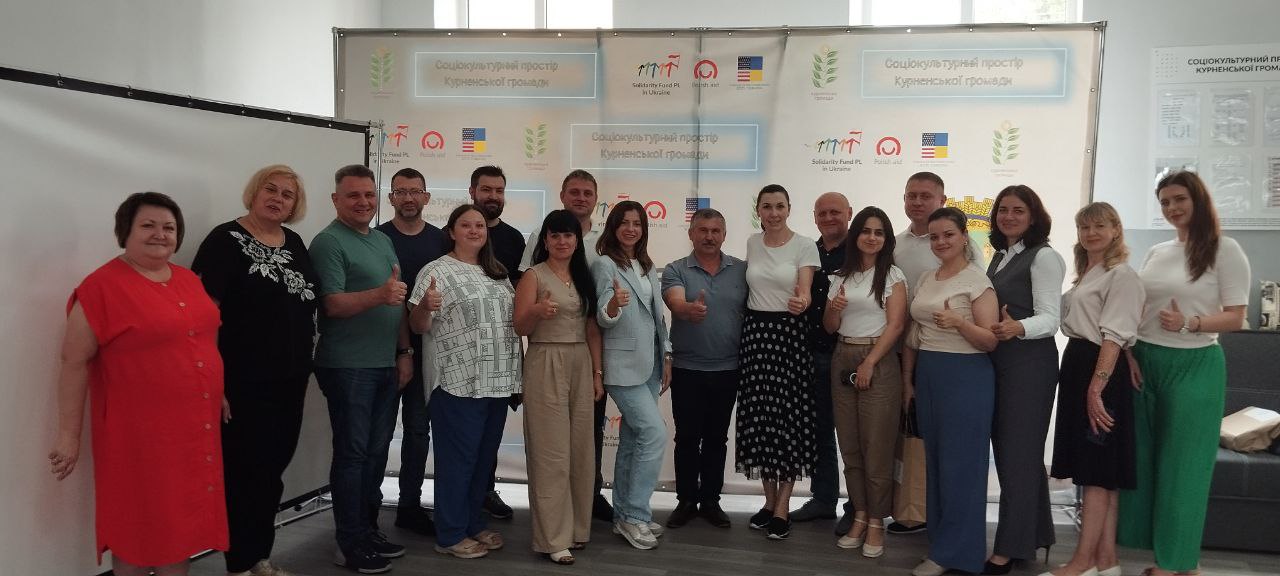
The participants of the study visit represented the municipalities of Radekhiv, Lviv Oblast; Yarmolyntsi, Khmelnytskyi Oblast; Zmiiv and Pisochyn, Kharkiv Oblast; Buryn, Sumy Oblast; Ichnia, Chernihiv Oblast; Zhurivka, Kyiv Oblast; Kuialnyk, Odesa Oblast; Zarichne and Hoshcha, Rivne Oblast.