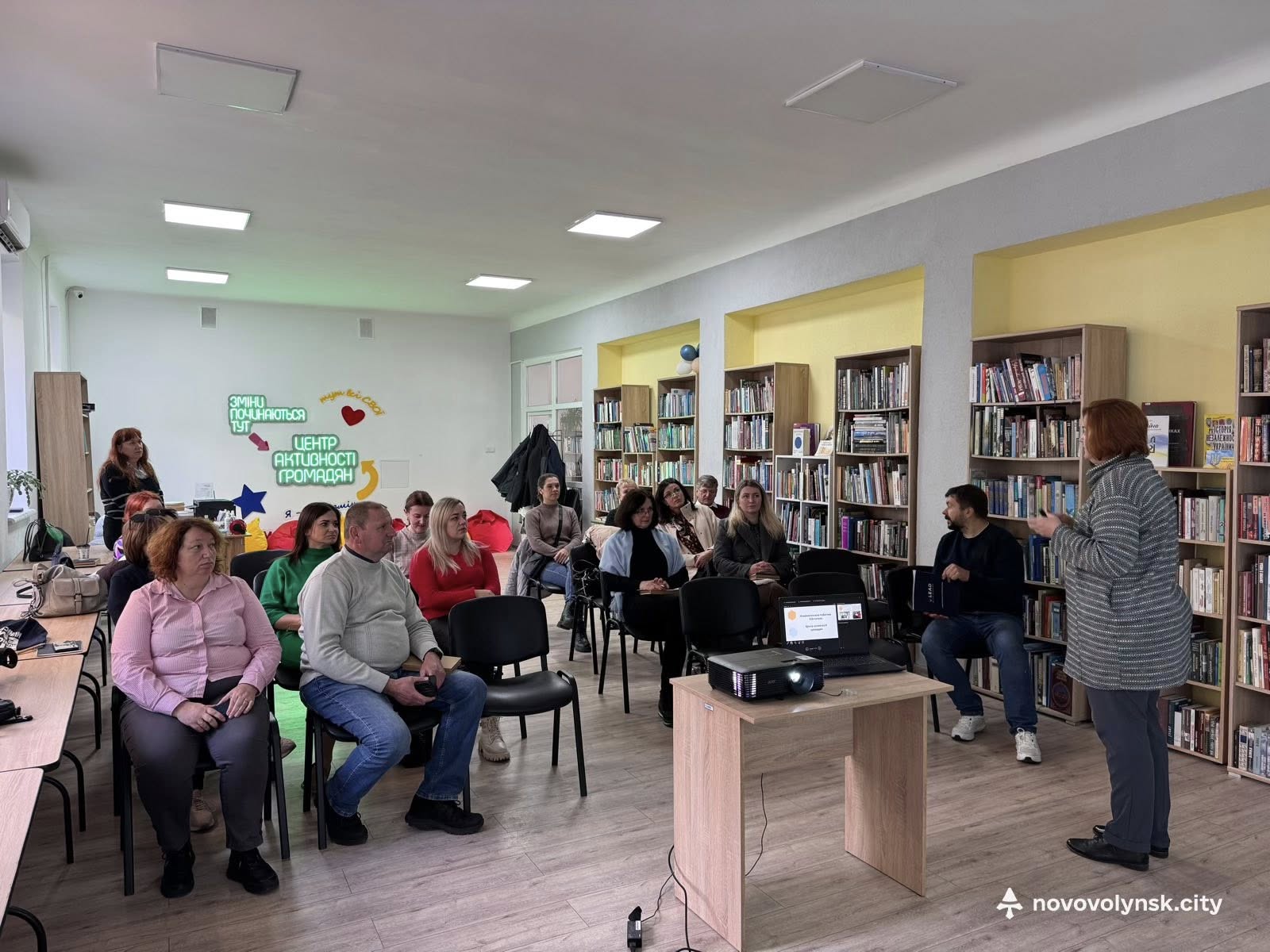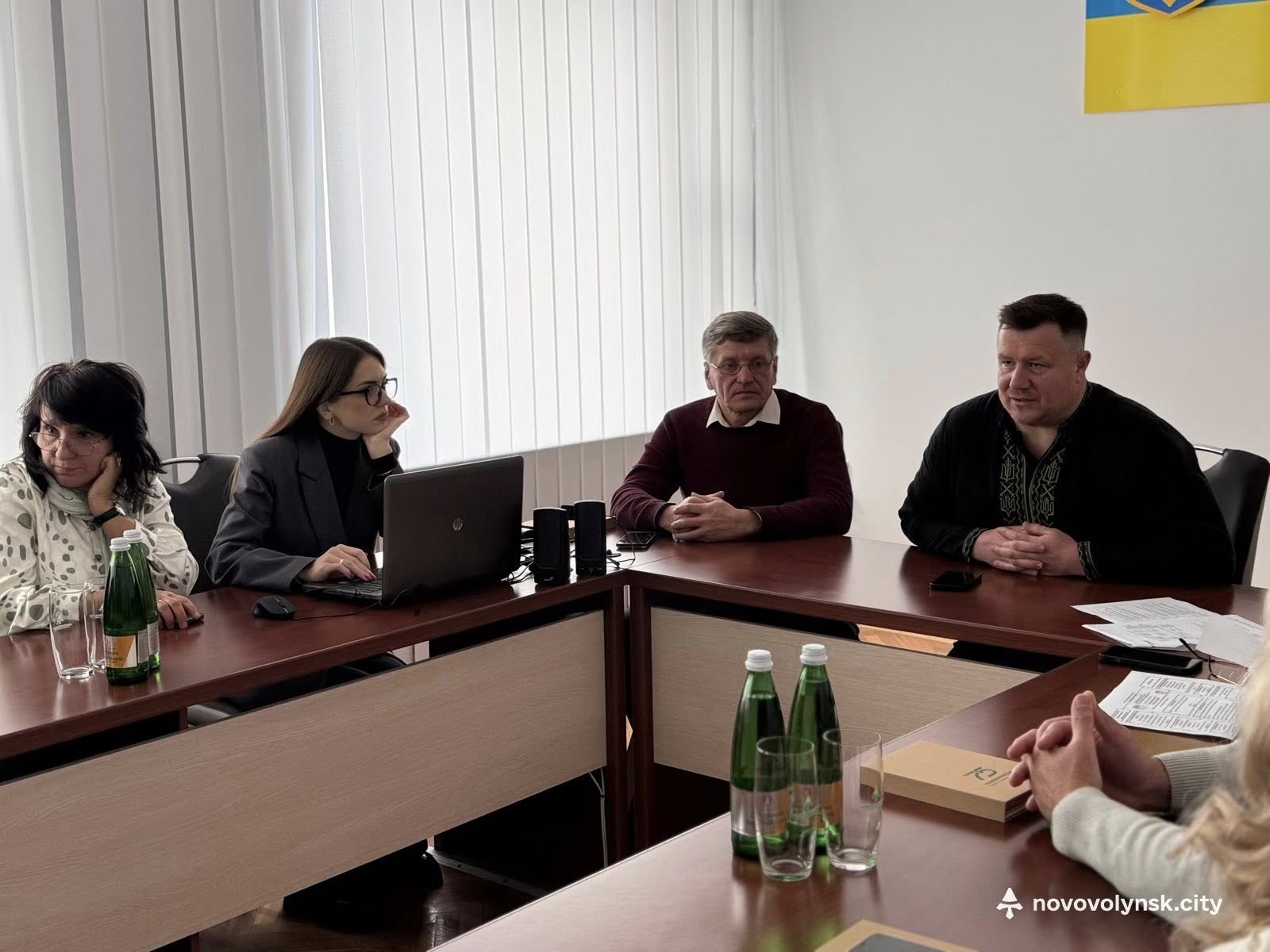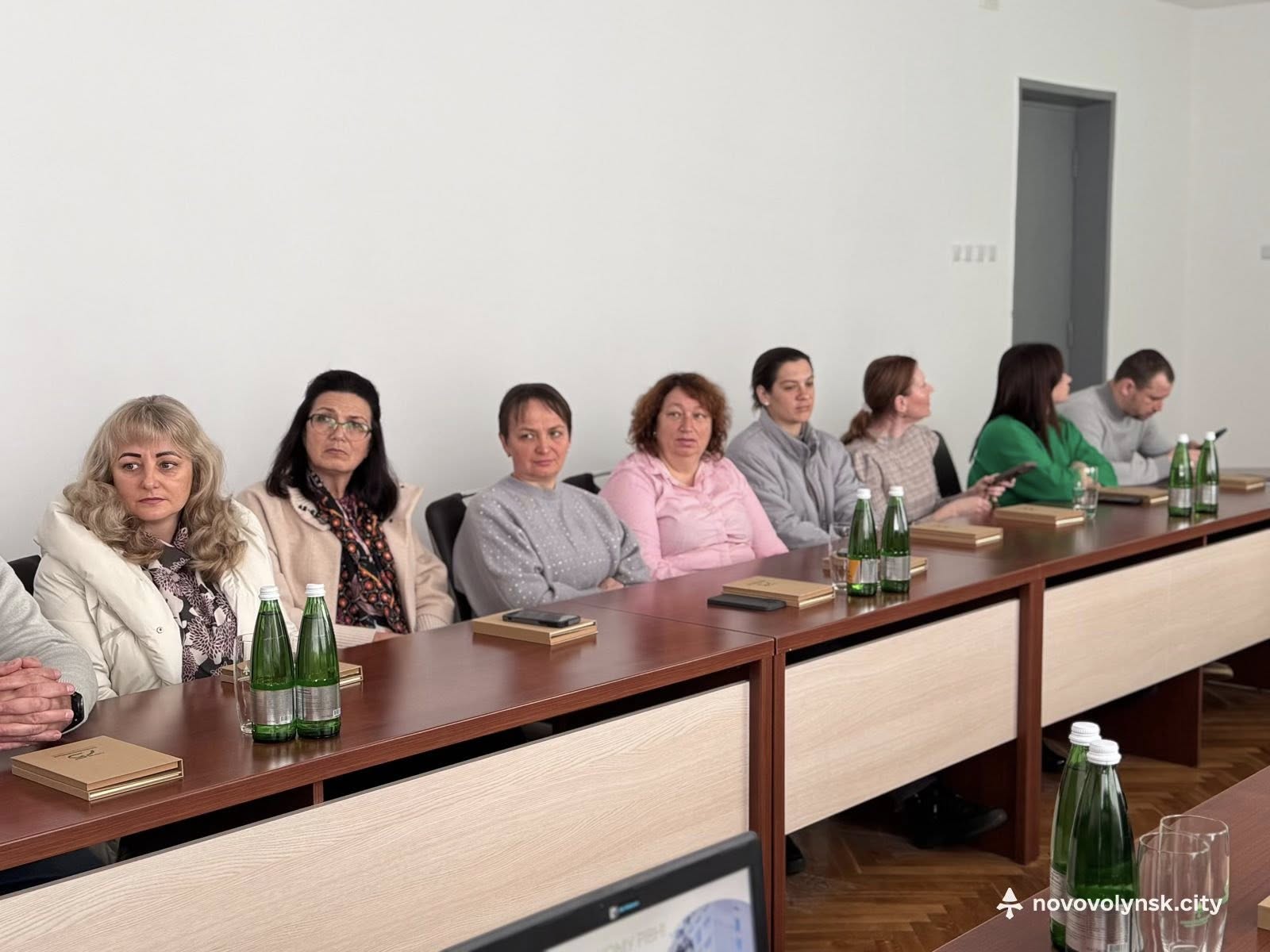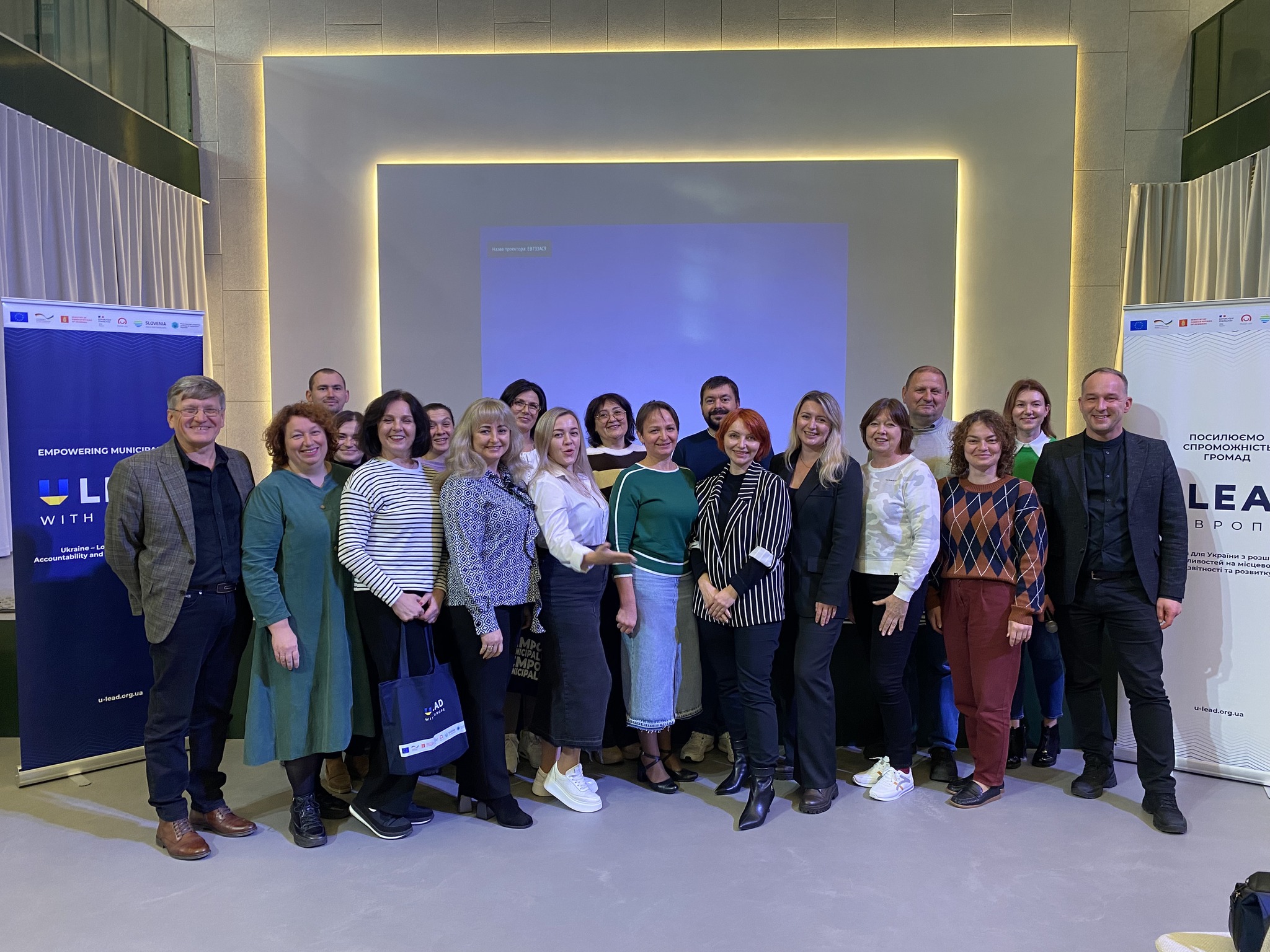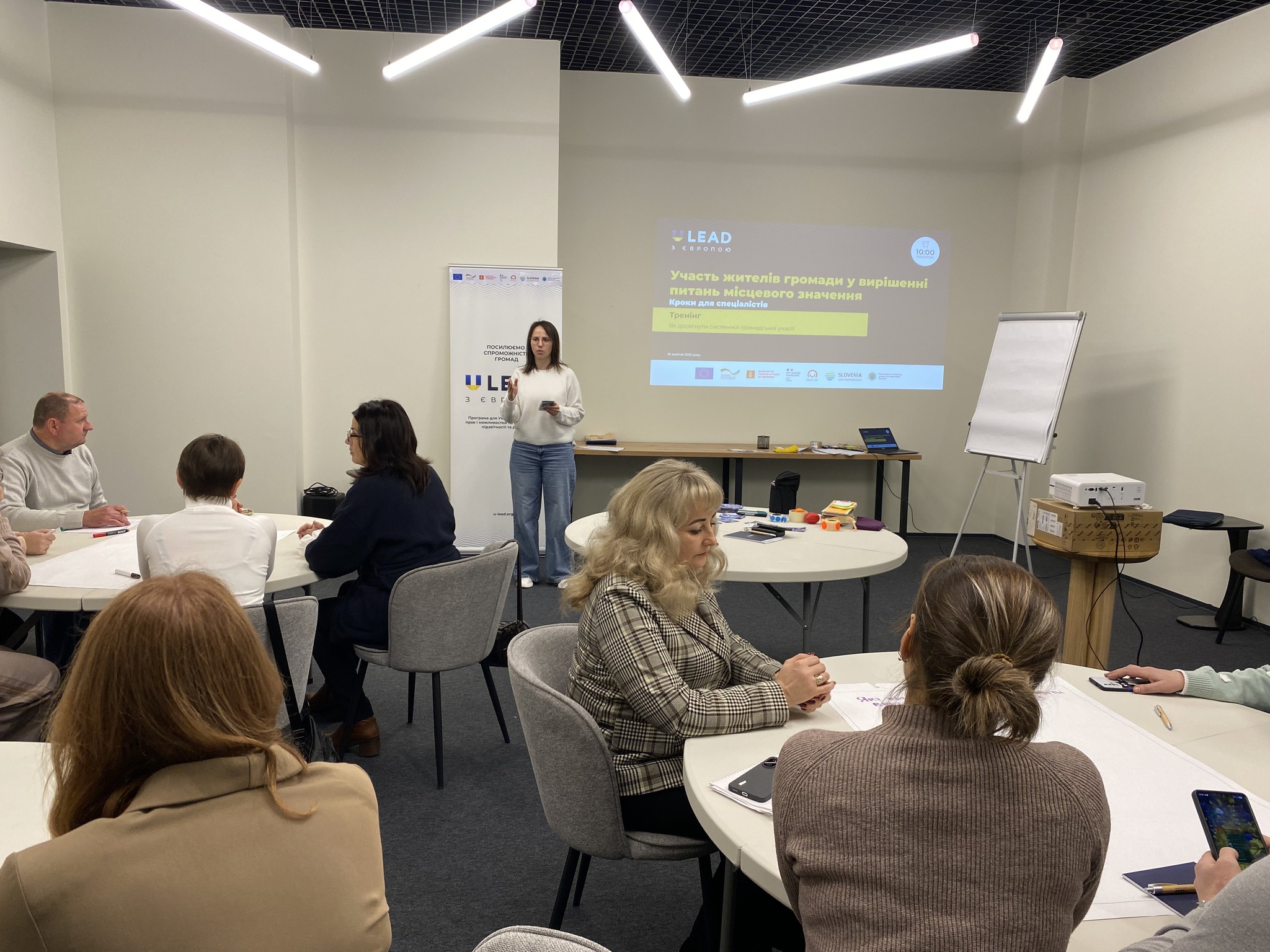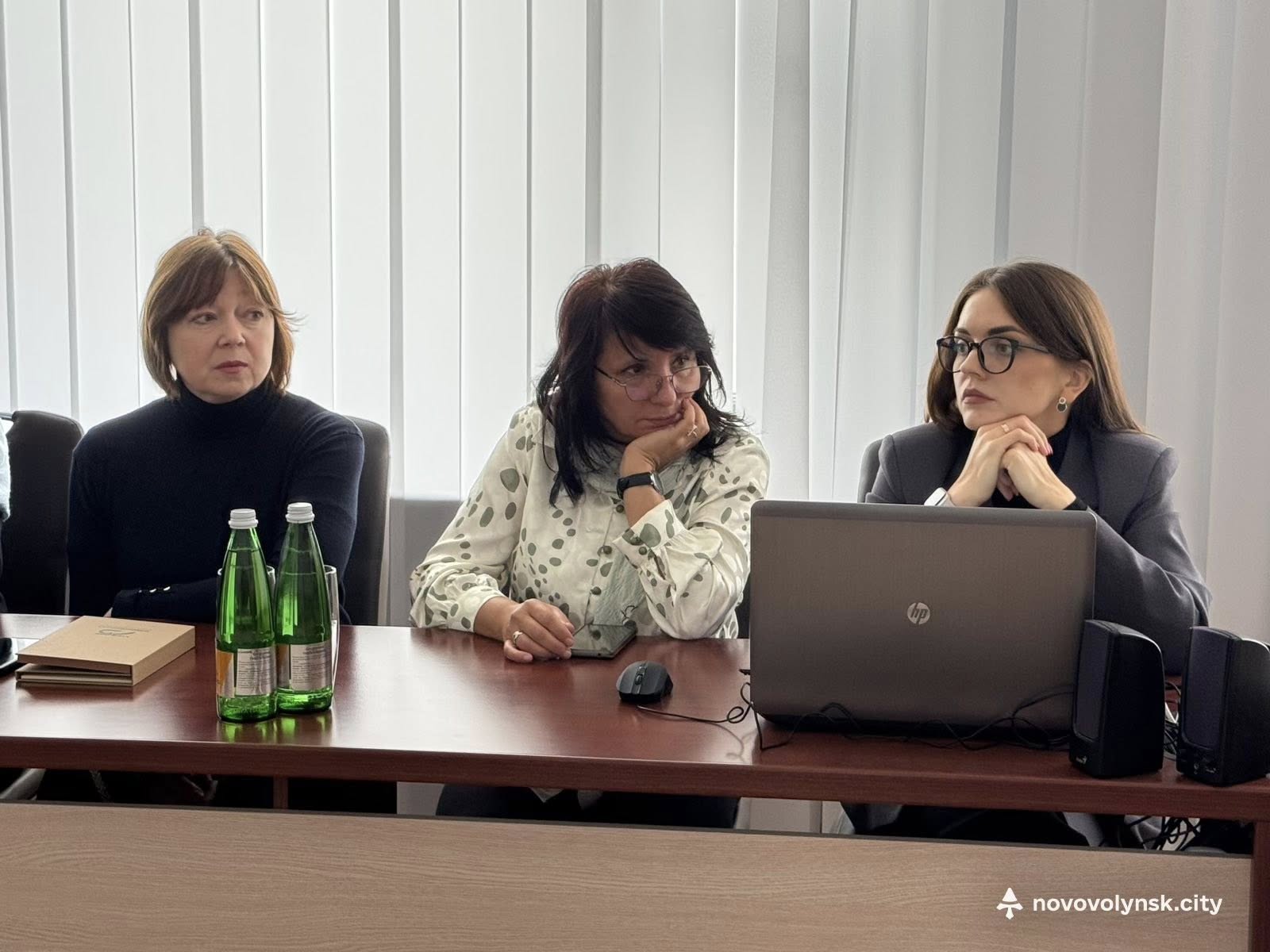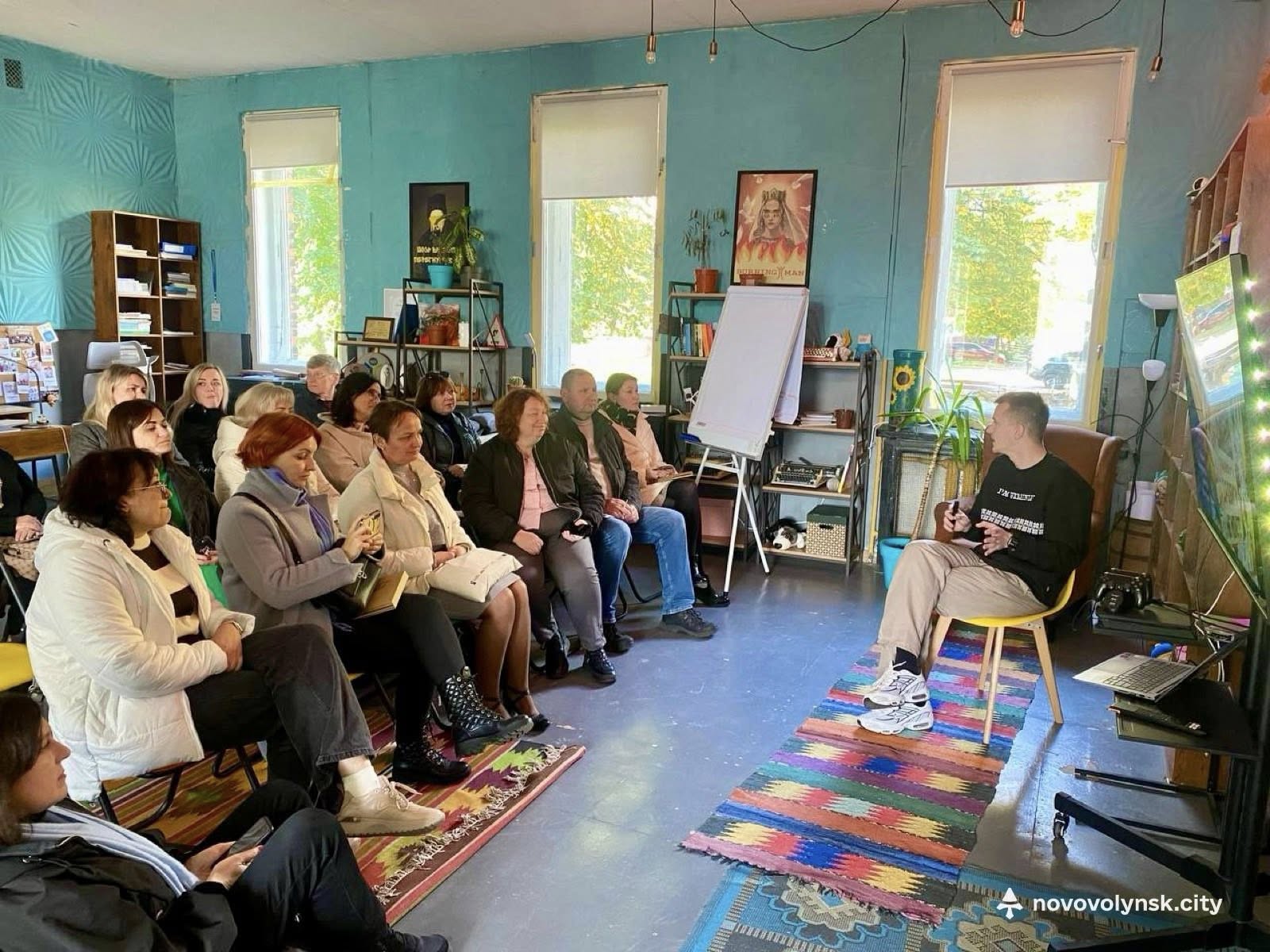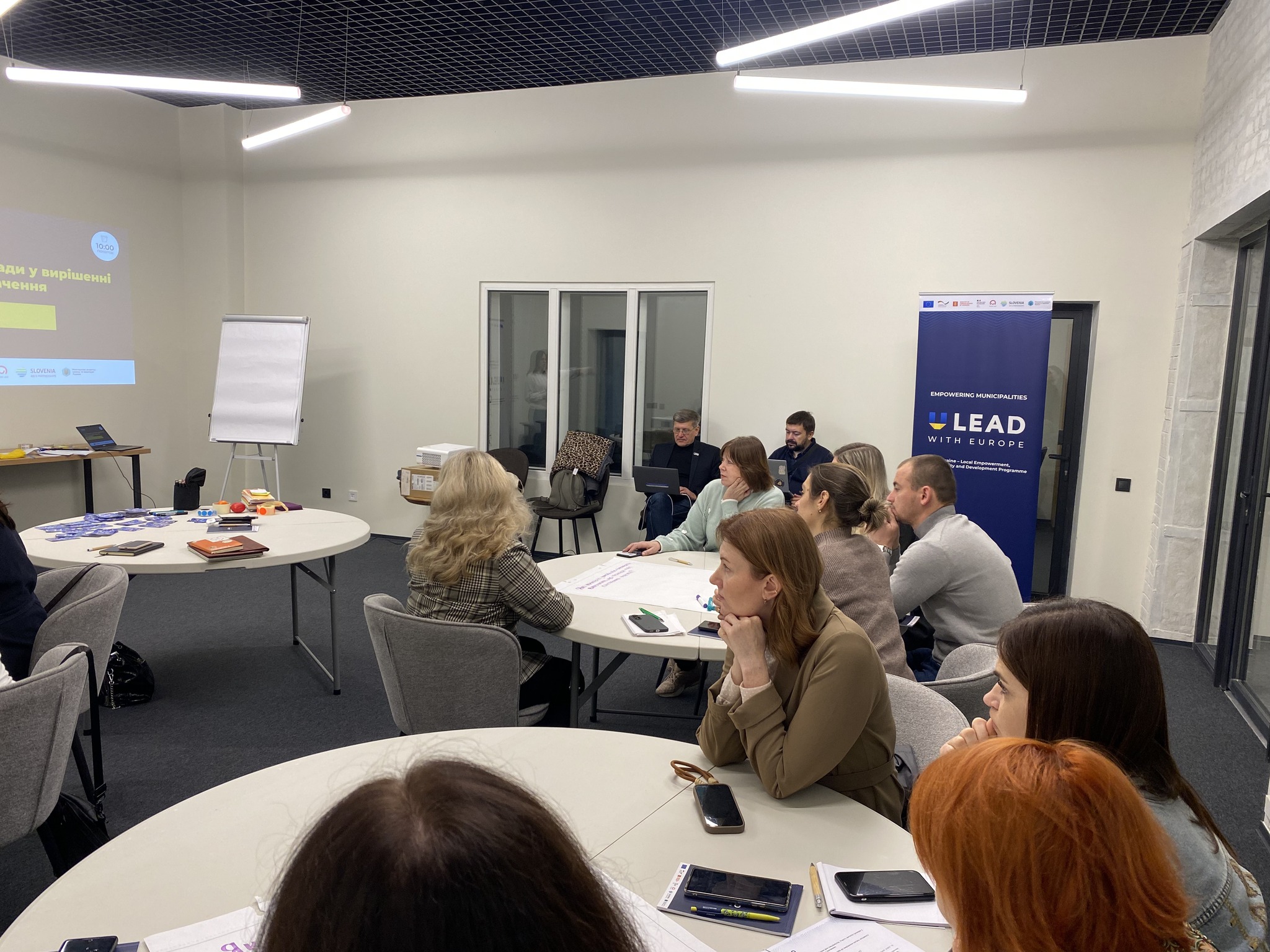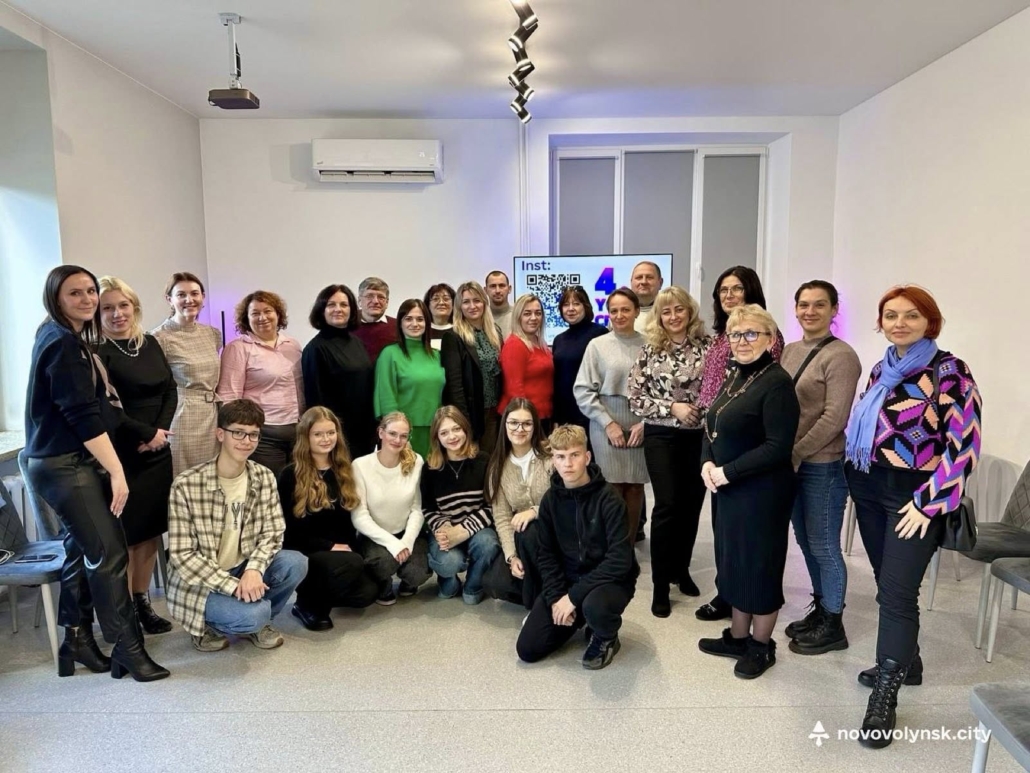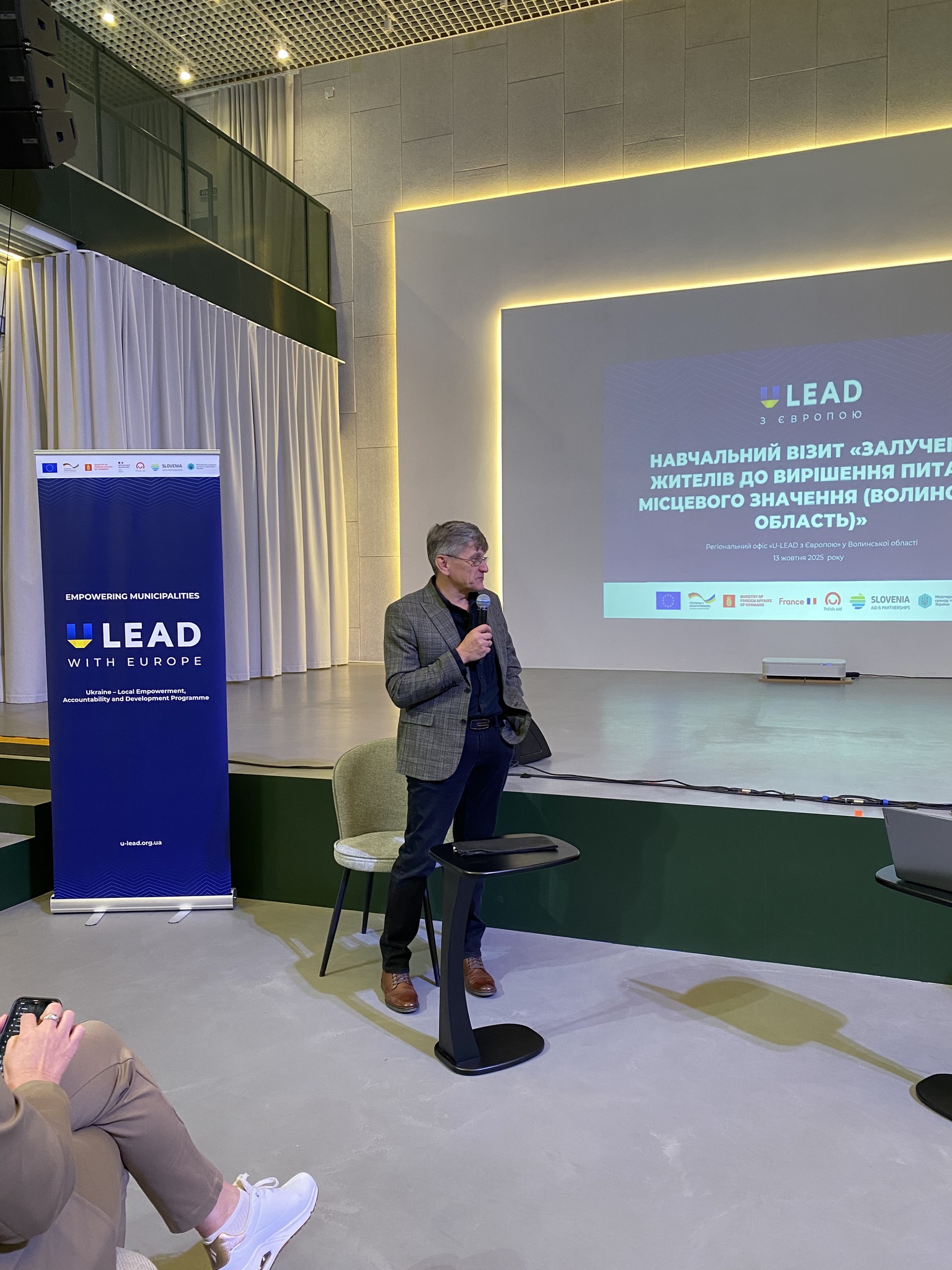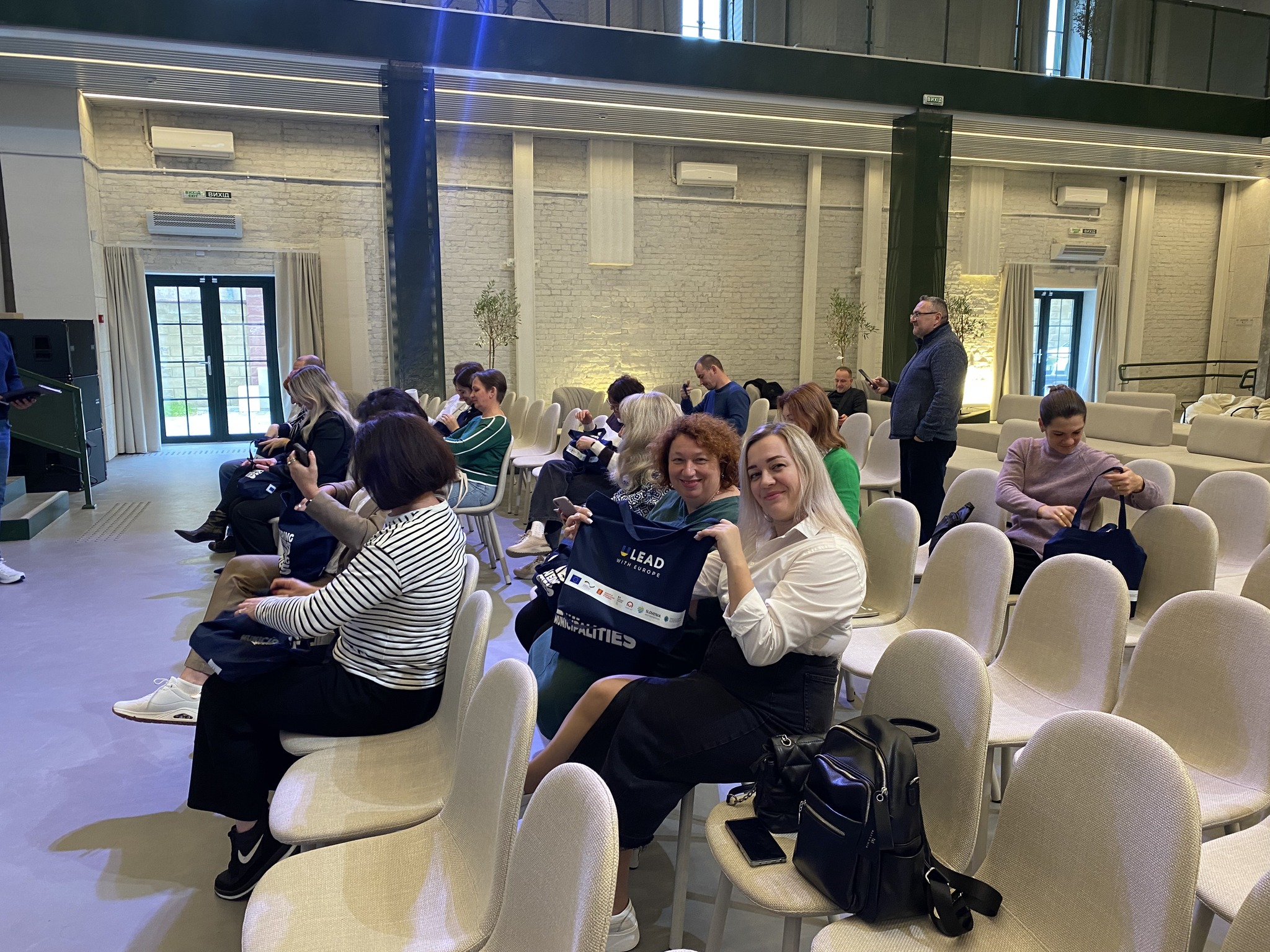




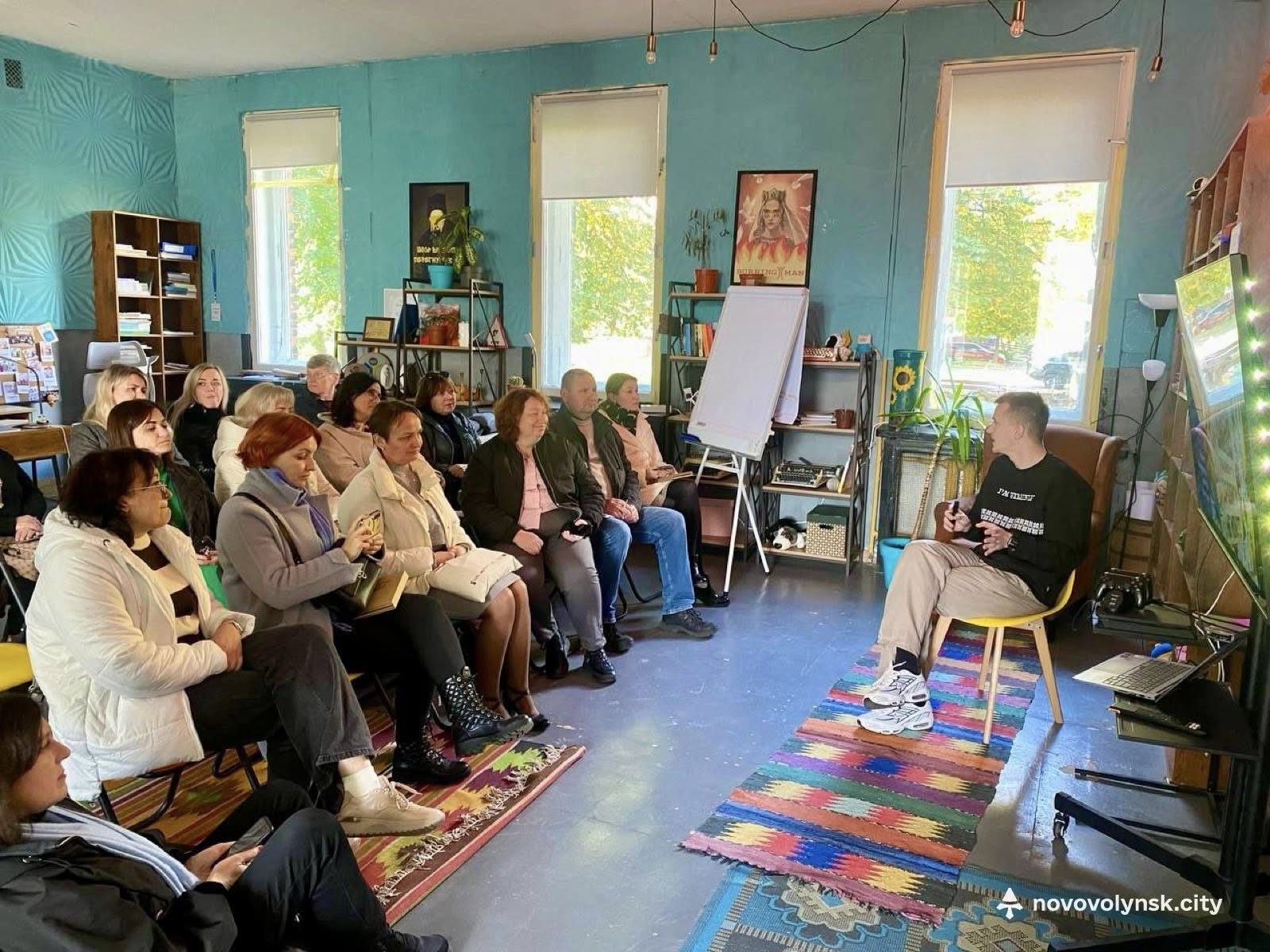
The topic of the study visit was public engagement in solving local issues. The municipalities of Vyshniv, Shatsk, Novovolynsk and Lutsk shared their experiences. They talked about their youth spaces, how residents get together in their own self-organised groups, how people can influence the allocation of budget funds and how councils work with active residents and NGOs.
According to Anatolii Parkhomiuk, the Head of the Regional Office of U-LEAD with Europe in Volyn Oblast, the programme was built on practical examples:
“We wished to introduce our colleagues from all over Ukraine to practices that would be useful for everyone, including rural, settlement and urban municipalities. We saw cases of both the school and the public budgeting. Crucially, even if a community lacks significant resources for participatory projects, it is worth starting small and gradually expanding the practice of engaging residents.”
Among these cases there was the school budget in Vyshniv municipality, which greatly inspired the participants.
“The students themselves proposed ideas, prepared their projects, presented and voted for them, and then the council allocated funds for the winners. The children basically went through the entire process from conception to implementation and felt that their voices mattered. This experience of participation is what shapes responsibility from an early age,” said Anatolii Parkhomiuk.
In addition to the engagement formats, the discussion during the training sessions also focused on trust between the authorities and the people:
“The study visit to Volyn Oblast showed that it is essential to maintain constant engagement with residents, as this is the only way to build trust. Don’t limit yourself to one type of engagement as each group in the municipality requires its own approach,” said Mykhailo Shelep, a Policy Advisor for Decentralisation and Local Self-Government at the Regional Office of U-LEAD in Rivne Oblast.
One of the programme participants, Olena Davydiuk, the Chief Specialist of Information Policy, Technology and Information Security Department of Zdolbuniv City Council, Rivne Oblast, emphasised that the training had provided essential practical knowledge and inspiration:
“A busy week in Volyn Oblast introduced me to colleagues from different parts of Ukraine who, despite the war and challenging circumstances, are seeking change for their municipalities. We are all looking for ways to engage our residents, so the knowledge and skills we have gained will help boost public participation and improve the performance of local self-government in our municipality. I’m sincerely grateful to U-LEAD with Europe for the quality training and support for public participation in addressing local issues.
Larysa Martynenko, the Head of the Department of Organizational Work, Information Activities and Public Relations of Snovsk City Council, Chernihiv Oblast, reaffirmed the value of face-to-face communication and horizontal ties:
“The study visit to Volyn Oblast was an excellent opportunity to learn about successful practices of local self-government and see how municipalities can be effective on the ground, including in engaging residents in solving local issues. Networking within the group was particularly valuable as we established horizontal ties, exchanged contacts and realised that ‘people want to see people’ — face-to-face communication and partnership are much more empowering than any theoretical materials. This visit brought new ideas, motivation and faith in the power of inter-municipal cooperation.”
Halyna Kutsenko, the Secretary of Slobozhanske City Council, Kharkiv Oblast, summarised the study visit with remarks about the human dimension of cooperation:
“The training programme “Steps for Specialists. Public Participation in Solving Issues of Local Importance” in Volyn Oblast has come to an end. What is most valuable is not just a folder with notes, but people and their experiences. I am grateful for the opportunity to exchange ideas with colleagues from other municipalities facing similar challenges. Throughout the study visit, we discussed cases of effective cooperation between local authorities and municipal residents, the work of youth spaces and advisory bodies, as well as ways for residents to participate in the allocation of local budget funds.
We would like to express our sincere appreciation to the U-LEAD with Europe team for organising this essential and hands-on programme. Many thanks to my colleagues for sharing their experiences!”