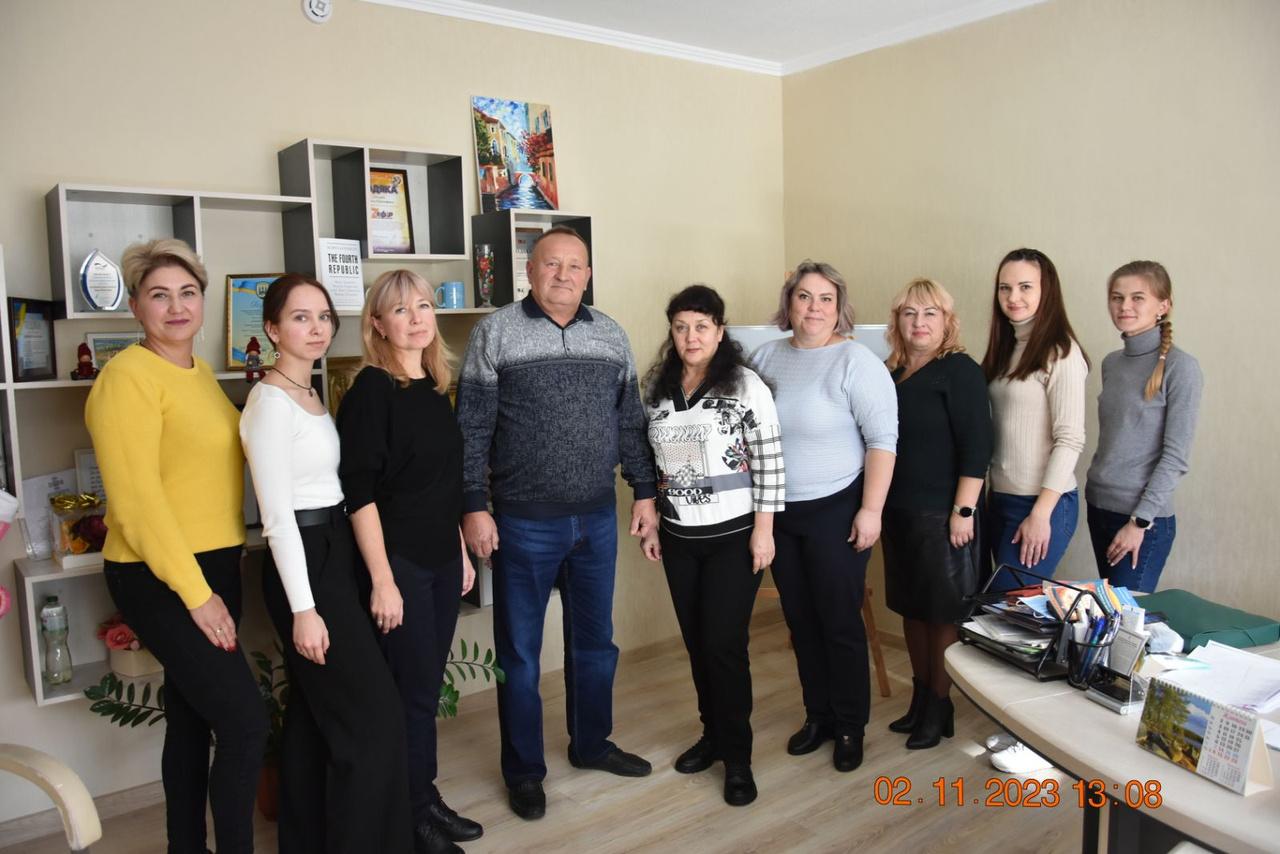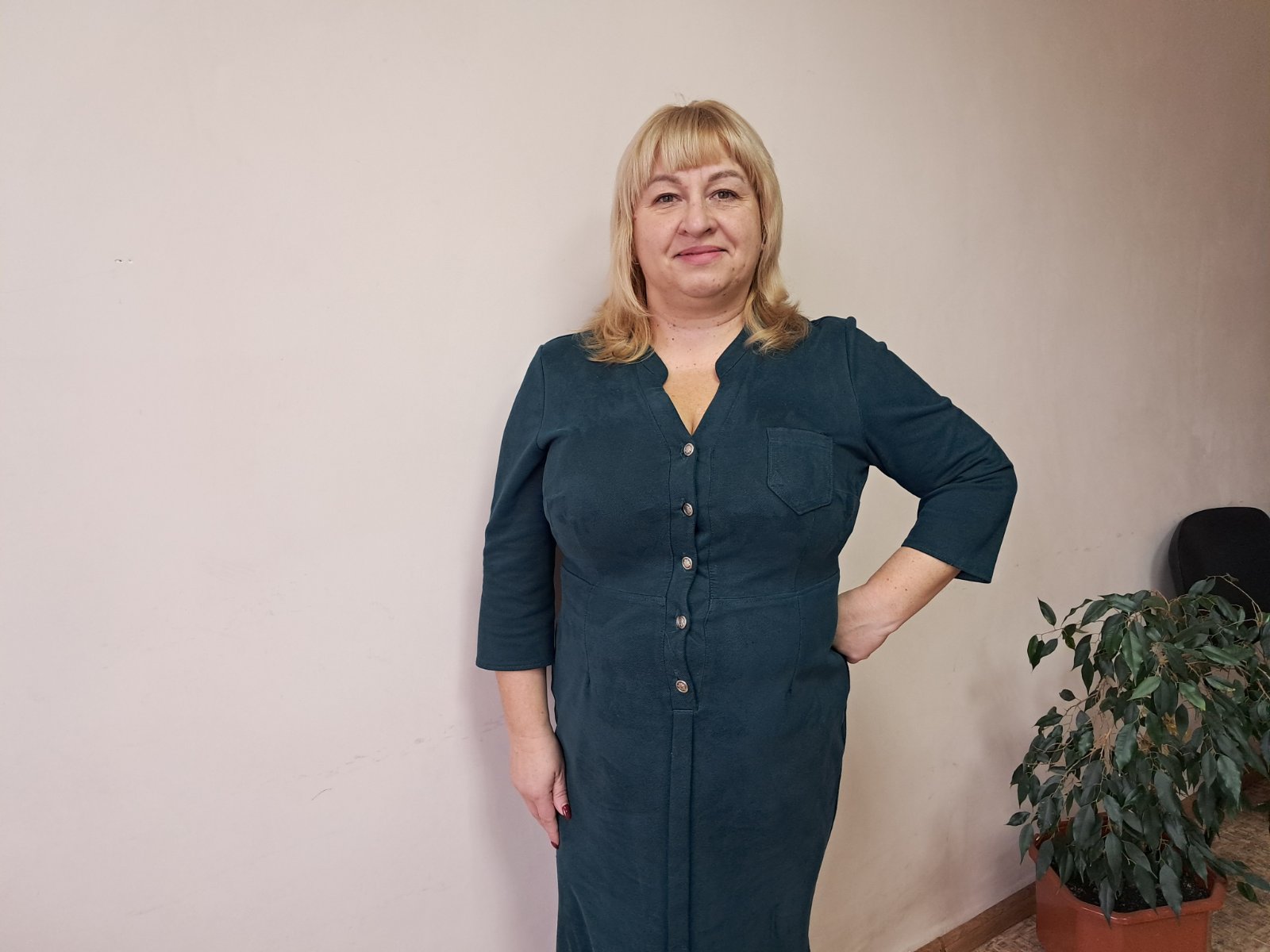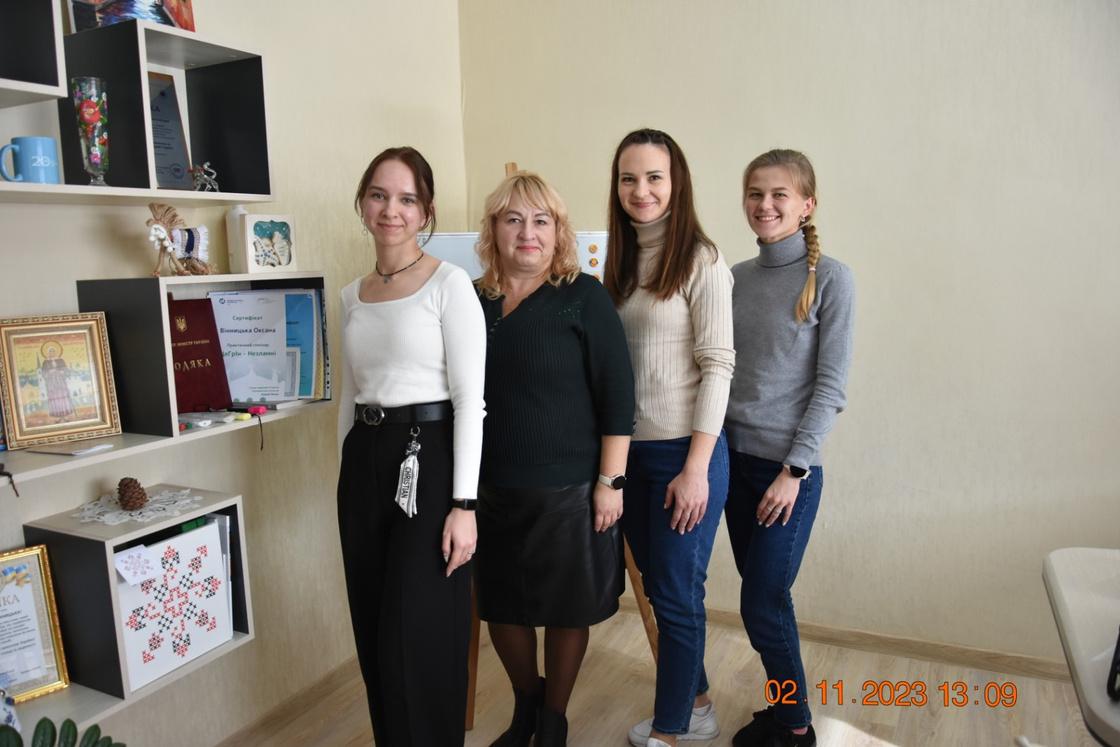



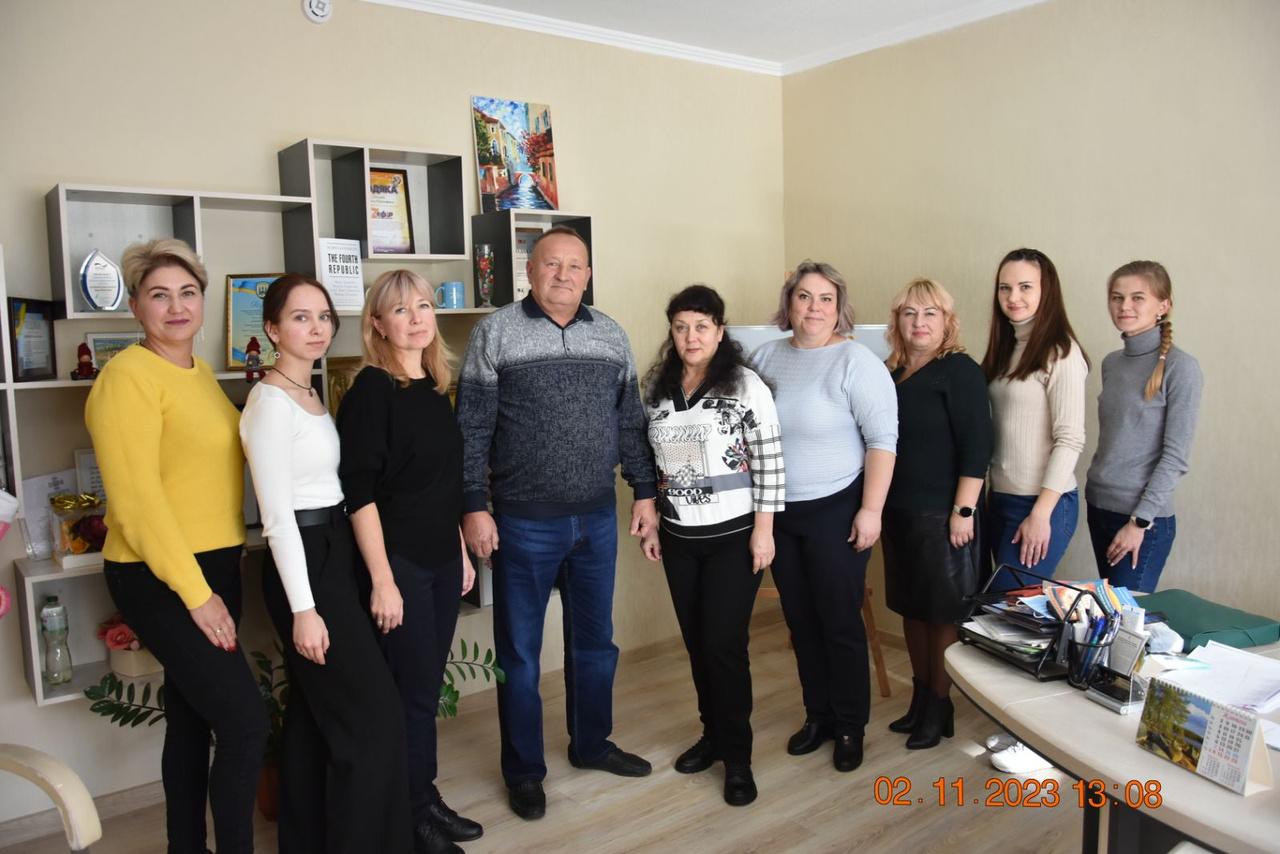
This institution serves as a project and investment office for two municipalities, preparing and overseeing infrastructure projects, securing grant and donor funding, developing plans for regional recovery and development, building international partnerships and coordinating initiatives related to veterans’ policy, social services and local economic development.
From training to decision-making
Inter-municipal cooperation always relies on trust: after all, there are two councils, two budgets, two heads and often two sets of distinct priorities for development. In this case, however, even before the enterprise was created, the municipalities found common ground rather than differences.
“At first, we were doing our training, preparing the paperwork at the same time, working on the programmes and drafting the charter. That is, it wasn’t a case of setting up the enterprise first and then figuring out what to do with it. The groundwork was laid straight away,” says the Agency’s director, Rymma Selina.
The training provided a framework and gave them confidence that they had chosen the right model. The team worked out a management model, a financial plan, a breakdown of roles and responsibilities, and drafted internal regulations with expert support from U-LEAD with Europe. The municipalities then approved the memorandum of association and registered the joint enterprise.
How the collaborative model works
Funding is split 50/50. The team features representatives from both municipalities; each is assigned a project manager. This allows us to strike a balance between their interests while working as a team.
The joint enterprise serves as a platform for:
- Developing and supporting infrastructure projects;
- Attracting investments;
- Developing recovery plans;
- Developing initiatives for veterans and social causes;
- International partnerships.
“We’re already seeing the early results of this work. Among other things, most of the old wooden windows at the temporary accommodation for internally displaced persons have been replaced with new PVC windows, and two bathrooms have been refurbished with all the sanitary fittings replaced. This has significantly improved living conditions for people who were forced to leave their homes,” says Rymma Selina.
Alongside this, the municipalities developed youth and environmental initiatives. Through outreach efforts with young people, conditions have been created to help integrate young internally displaced persons. The students of the lyceum came together for a common cause — planting greenery around the school grounds. For the second spring-summer season running, the municipality has enjoyed a refurbished space featuring greenery and flowers.
Safety and resilience are another priority. In close cooperation with local authorities, the Safety, Security, Resilience project was implemented with the support of VNG International — the International Cooperation Agency of the Association of Netherlands Municipalities. Through this, the municipality received humanitarian aid to enable a rapid response to emergencies, a fire engine, and a MEWP was purchased with grant funds. This has greatly strengthened the municipality’s capacity in the area of safety and emergency response.
Why does this matter right now?
Shakhtarske municipality has strong industrial roots, while Petropavlivka has an agrarian economy. They have brought together their diverse experience and resources.
In the context of post-war recovery, it is not simply a matter of “setting up an enterprise”. This is about establishing an institution that works systematically to develop the region, rather than being reactive to situations as they arise.
“For the municipalities of Dnipropetrovsk Oblast, joining forces, working together on projects and inter-municipal cooperation are among the top priorities, which is especially true in wartime, when resources are limited and only by working together can we overcome the challenges we face. Thus, the example set by Petropavlivka and Shakhtarske municipalities in establishing a joint enterprise is not merely a model for others to follow; it is a trend that will serve as a platform for recovery and reconstruction for many years to come,” says Olena Tertyshna, the Head of the Regional Office of U-LEAD with Europe in Dnipropetrovsk Oblast.