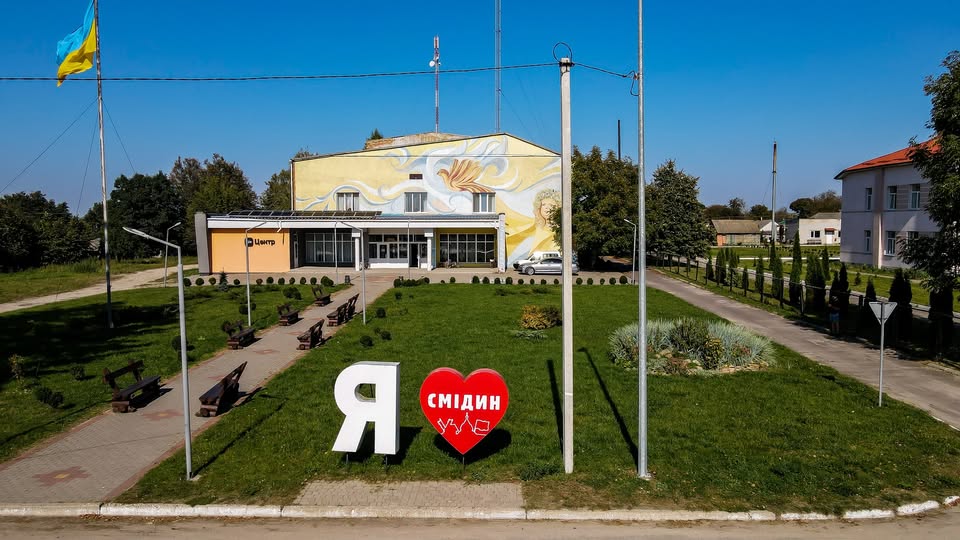





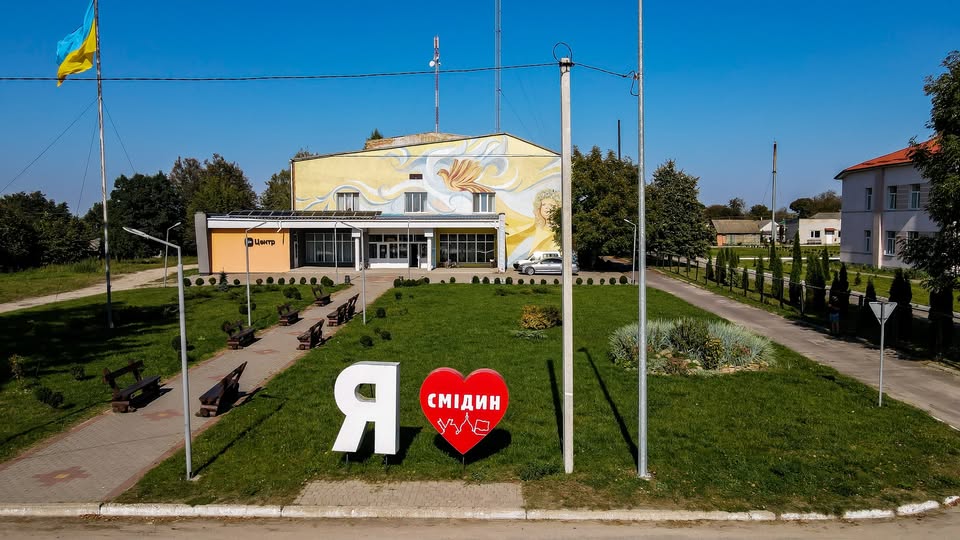
Effective communication with residents is not something that happens overnight. It is a process that builds over time — through simple decisions, trust and consistent outreach. And this is exactly how Smidyn municipality in Volyn Oblast went about it.
The effort to establish communication here goes back to 2015–2016, long before the community was officially established. At that time, the current head of Smidyn municipality, Oksana Pitsyk, whilst working in an NGO, set about building a database of local residents together with her team. People were invited to opt in to receive short text messages with information about important events.
“These were very brief messages, up to 60 characters long. We made it clear right away that we would only send truly important information and only to those who needed it,” says Ms Pitsyk.
From text messages to a printed newsletter
Once Smidyn municipality was founded in 2017, this practice did not stop, but instead started to grow. The contact database was expanded, and later a municipality newsletter was launched. It was an 8-page printed publication that came out once a month. If the need arose, the newsletter was printed twice a month in an abridged format.
“The content was put together by village starostas and people working in cultural institutions, and the layout was done by a designer in Lutsk (there weren’t any local designers), while the printing was done in Ternopil because, even with delivery, it was cheaper than printing in Volyn Oblast. The printing costs were covered by local businesses as a social initiative,” the head said.
The newsletter format for communication proved to be particularly important for the elderly, said Oksana Pitsyk, who do not use the Internet or have limited access to it.
War and the transition to digital solutions
With the outbreak of full-scale war, Smidyn, like many others, faced new challenges: the public’s demand for timely updates from the authorities. A monthly newsletter did not meet people’s needs, so the municipality set out to find other formats for communication.
Back in 2021, the municipality began working on a chatbot. At the beginning of 2022, it became a vital tool. Oksana Pitsyk went live every day on Facebook and encouraged residents to connect to the chatbot on Viber to receive verified and up-to-date information.
“The result was remarkable: with a municipality population of about 4,000, more than 1,400 users joined the chatbot at the beginning of the war. Over time, people from neighbouring municipalities got involved too as news about the chatbot spread by word of mouth,” noted the head.
The chatbot regularly informs residents about the latest developments in legislation, explains what types of assistance are available to people in the municipality, where and how to get humanitarian aid, and tells them which institutions and services are operating in the municipality, how they work, and where to go if needed.
“This format quickly conveys important information, eases tensions and answers residents’ most common questions in times of crisis,” stated the head.
Communications today
Presently, the municipality of Smidyn employs various channels of communication with residents, ranging from a Facebook page for news and clarifications to bulletin boards in public places. In addition to the chatbot on Viber, there is also the Svoi digital platform, where you can submit petitions, participate in participatory budgeting and consultations, as well as sign up for electronic queues.
“The key is to want to develop communication and consistently explain to people how these tools work. And, of course, it is vital that this area is handled by a dedicated professional,” said Oksana Pitsyk.
Training and development
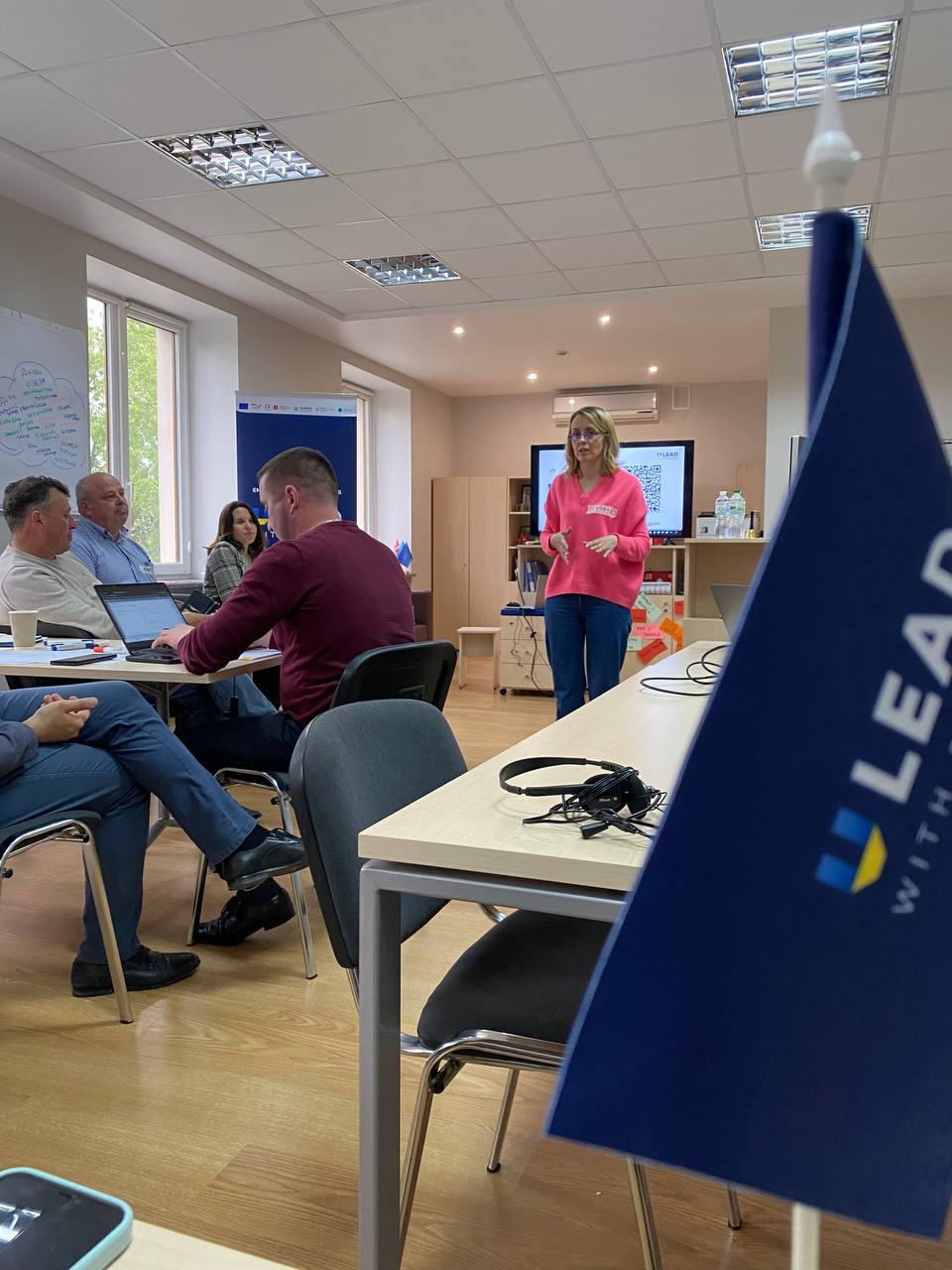
Examples of practical, real-life communication, such as the case of Smidyn community, illustrate the approaches discussed at U-LEAD’s School of Communications for Municipal Heads, a pilot project implemented in Volyn, Lviv, Poltava and Vinnytsia Oblasts. This initiative sought to strengthen the capacity of senior municipal officials. Heads of municipalities acquired systemic knowledge and practical skills. Throughout the training, participants shared their own case studies and best practices.
Oksana Pitsyk, the Head of Smidyn municipality and a participant in the School, shared that this initiative had enabled her to strengthen her skills, explore topics such as psychological resilience and women’s leadership, as well as share practical experience in building trust and effective communication with residents even in the most challenging times.
“Maintaining constant and prompt communication with residents does not always require complex solutions or significant resources. Often, all it takes is an interesting idea, initiative and the willingness of the head to stay in touch and always be there for people. Smidyn’s experience shows that even simple communication tools can provide reliable support for municipalities in wartime conditions,” said Anatolii Parkhomiuk, the Head of the Regional Office of U-LEAD with Europe in Volyn Oblast.