



Manhush is one of the municipalities in Azov region where identity has always been stronger than geography. Founded by the Greeks, it lived at its own pace for decades: with its own traditions, language, holidays and a sense of belonging. That internal unity was key after 2022, when the municipality lost its territory but not its people.
Today, Manhush municipality operates under a military administration that has been relocated from the occupied part of Donetsk Oblast. While its team is physically based in Dnipro, its residents are scattered throughout Ukraine. Yet, the connection between them never faltered for a single day.
“When people began leaving the occupied territory in 2022, they called places where they still felt support. They called their public officials, those still in the municipality, folks they knew personally. They called and asked: What should we do? Where should we go? How can we stay in touch? That’s when we realised that our main task was not to lose people, even if they were scattered across different cities and regions,” recalls Nataliia Vorobiova, the Head of Manhush Settlement Military Administration.
Bring people together, even when they are in different cities
The primary task was not to manage the territory — there was no territory left — but to bring people together. The municipality began to compile registers: where people came from, where they currently reside, and whether they have IDP status. This gradually led to the creation of a database that helped them stay in touch.
Most of Manhush residents currently live in Dnipro, Kyiv and Lviv Oblast. The majority of them have integrated into their new municipalities: children attend local schools, adults seek employment and they are setting up their new lives. All the while, they maintain ties with “their” municipality through online meetings, events, trips and hubs.
“We literally started to rebuild the municipality piece by piece. We compiled registers: where people came from, where they are now, whether they have IDP status. This wasn’t just a formality, but a way to get a sense of where our people were and how we could stay in touch with them. These databases are still in use to this day, even though people are always moving around: some have settled into new municipalities, others have returned closer to home. But we haven’t lost touch,” says Nataliia Vorobiova.
Systemic support rather than one-off assistance
Even before the military administration was established, the municipality had adopted social support programmes. They covered treatment ranging from complex operations to oncology, support for the families of fallen soldiers, veterans, freed prisoners of war and children.
These programmes still exist today. Among other things, freed POWs get financial help; support is also provided to civilians who’ve come back from captivity. Children are another priority: they get special payments on Children’s Day, a chance to go on a health retreat and feel like they’re having a normal childhood for at least a few weeks.
Children from Manhush municipality have already visited health resorts in Ukraine and abroad — in Greece, Romania, and Latvia. This has been made possible by partnerships that the municipality has built through personal contacts, international events and inter-municipal cooperation.
“We always try to think about children, because they are the ones who suffer most from the loss of their homes. Health resorts, trips, joint events are not just a vacation. It is an opportunity for children to see each other in person, socialise and remember that they are part of the same municipality. These trips and partnerships allow us to preserve our future.”
Partnerships and traditions
As part of the “Plich-o-Plich” (Side by Side) initiative, Manhush has established cooperation with municipalities in different regions of Ukraine, such as Solotvyno in Zakarpattia Oblast and the municipalities of Cherkasy Oblast. These partnerships go beyond the formality of MOUs.
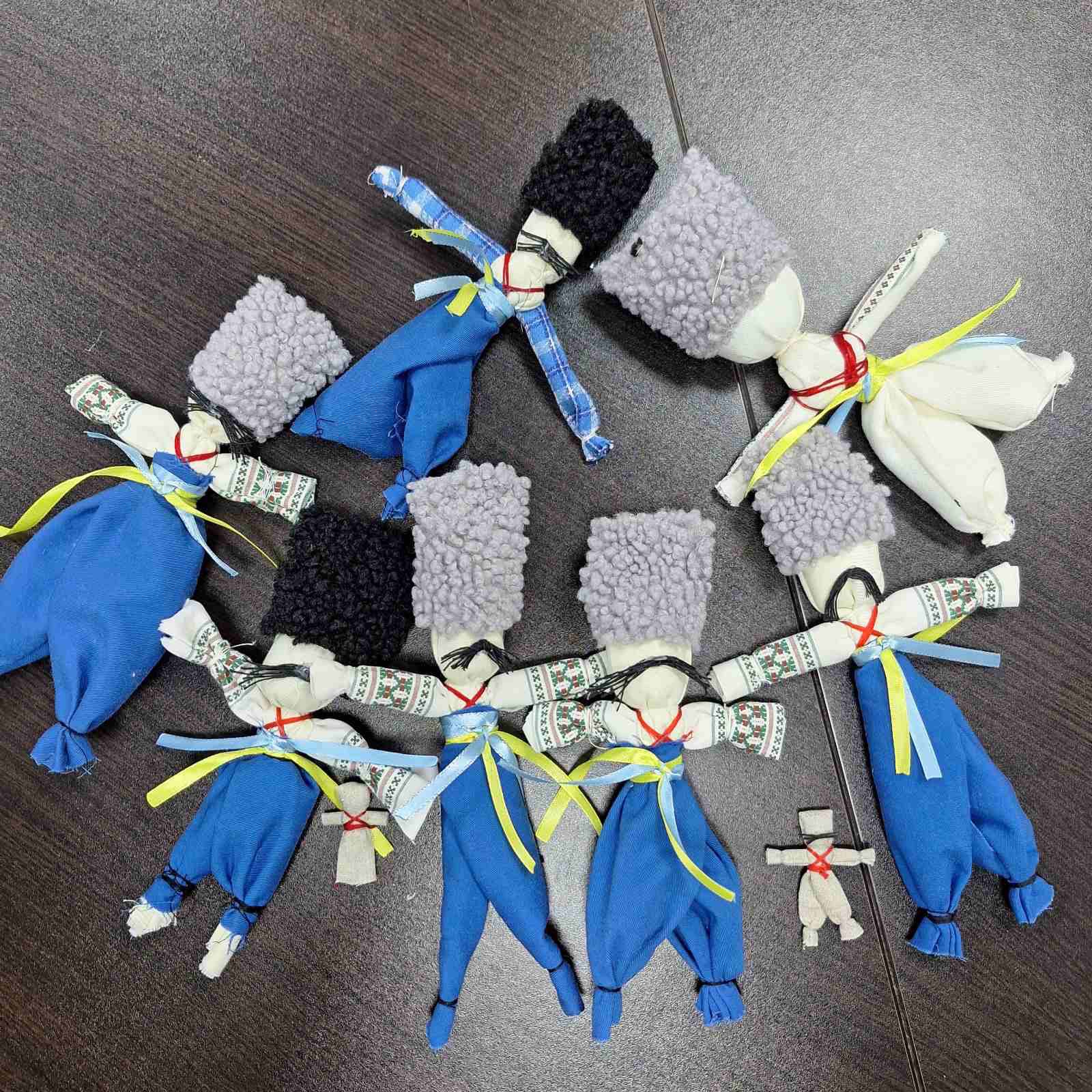
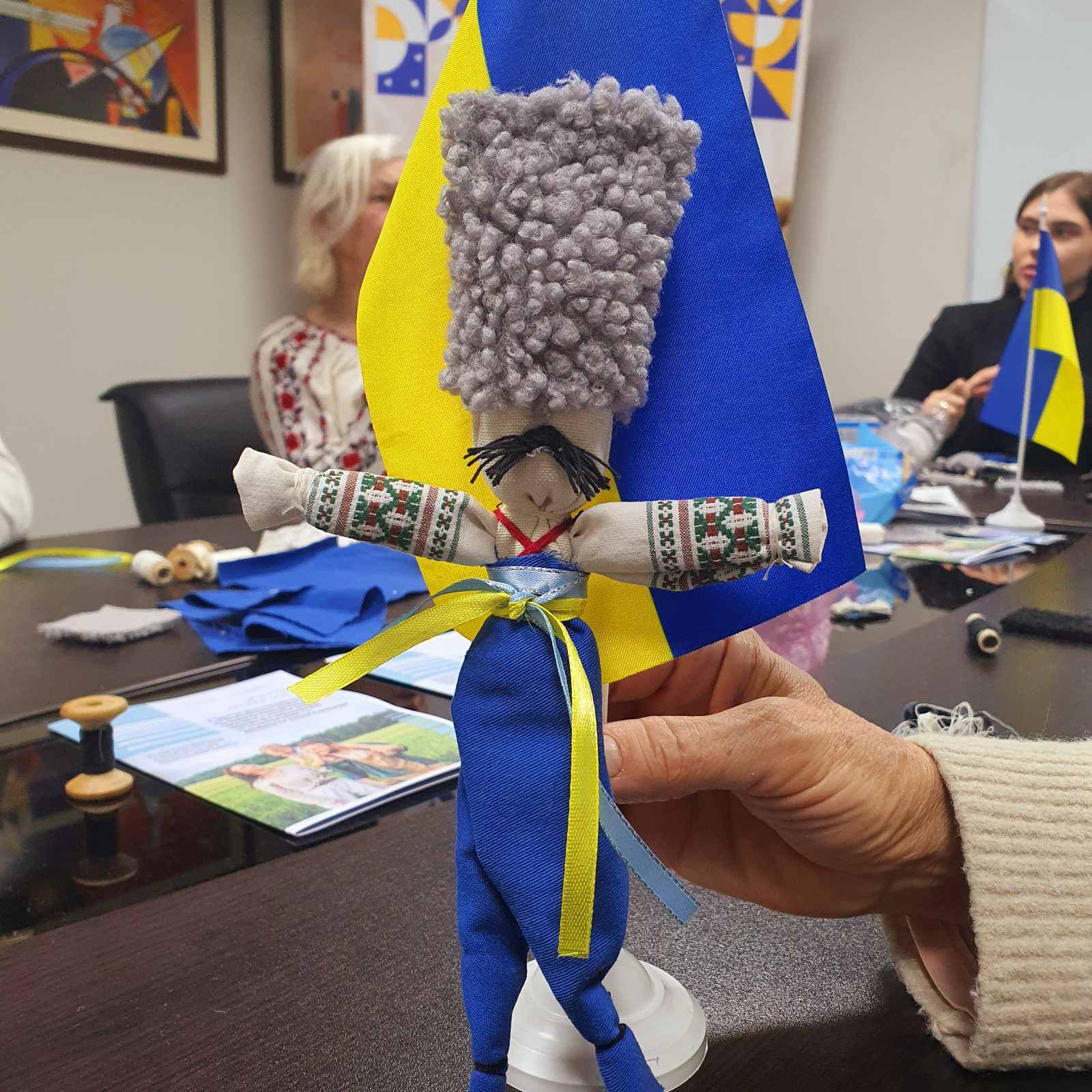
Christmas gatherings, sharing traditions, Greek carols, letters and gifts for children whose parents are in the military — all of this has become a way to preserve a sense of community and a reminder that a municipality is not just an administrative unit, but above all a group of people who know each other.
Resilience Hub as a meeting point
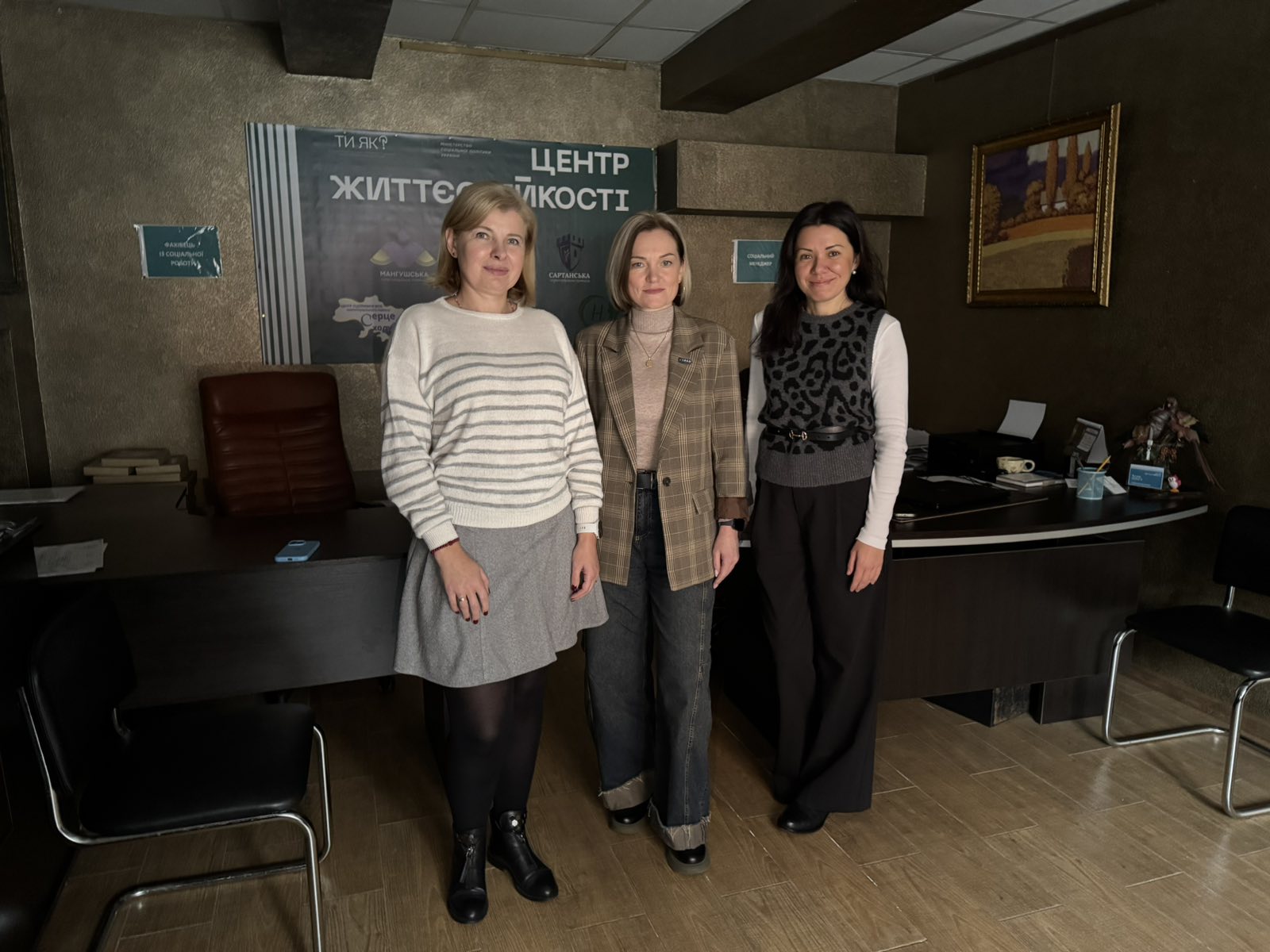
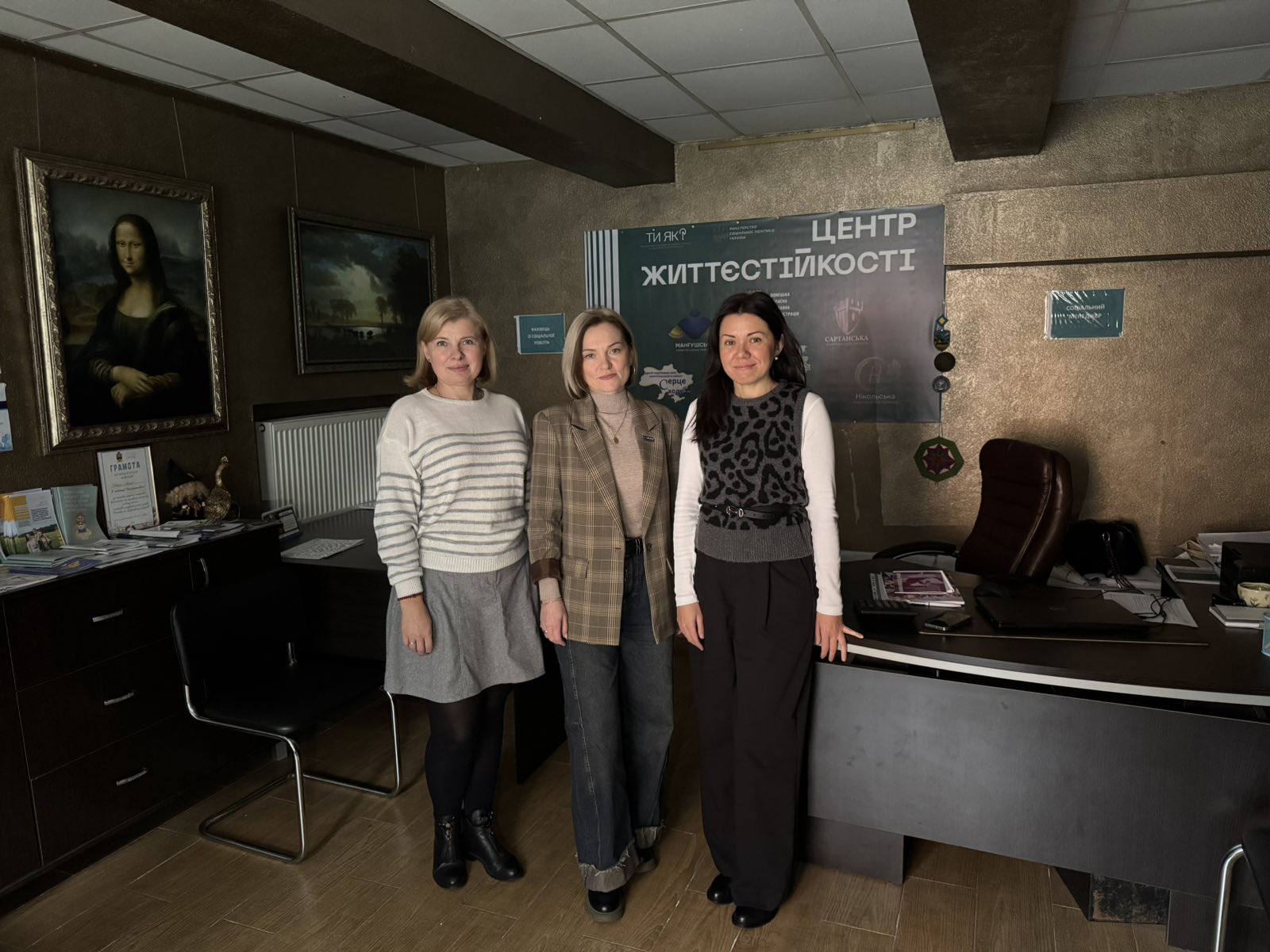
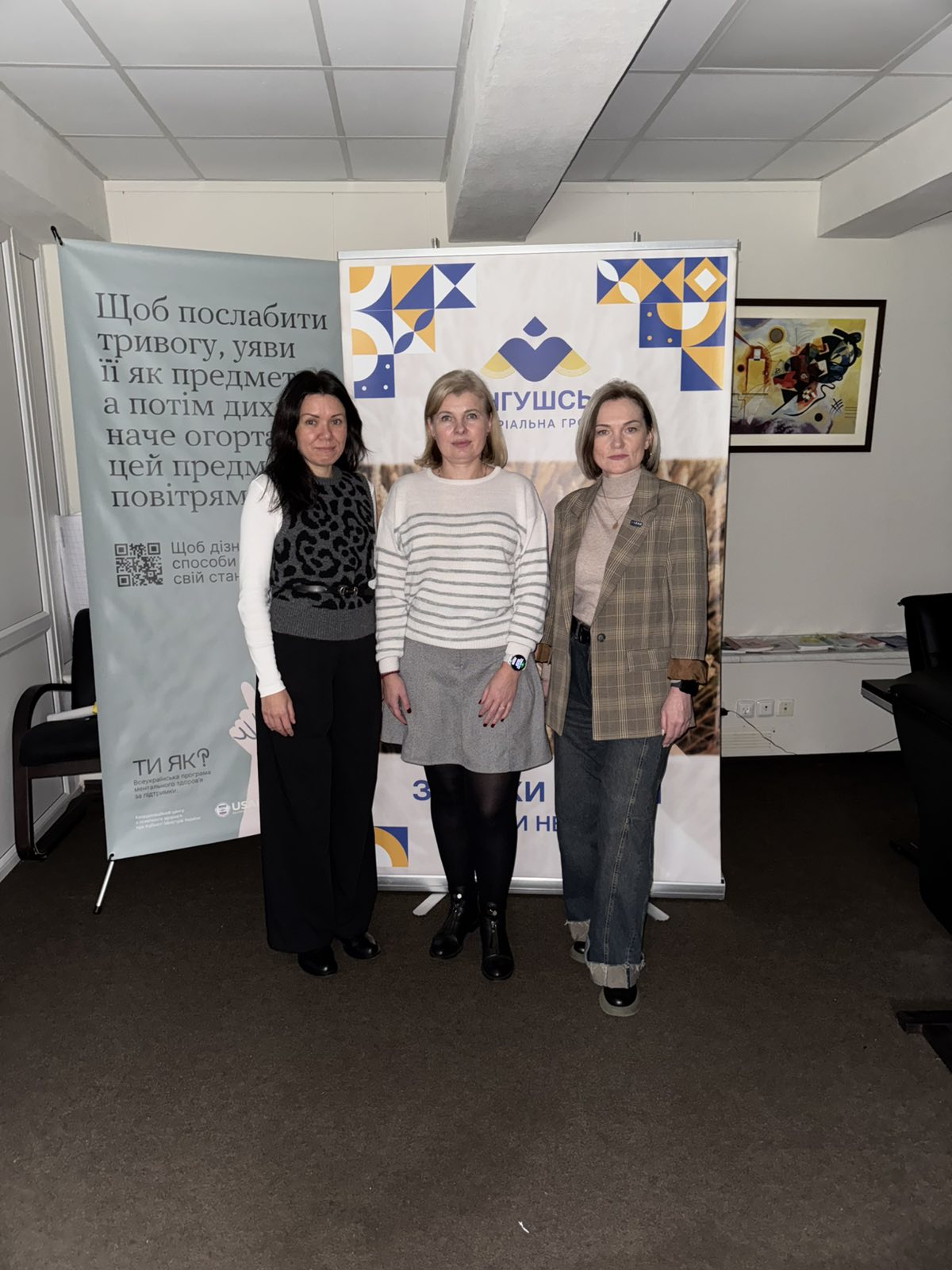
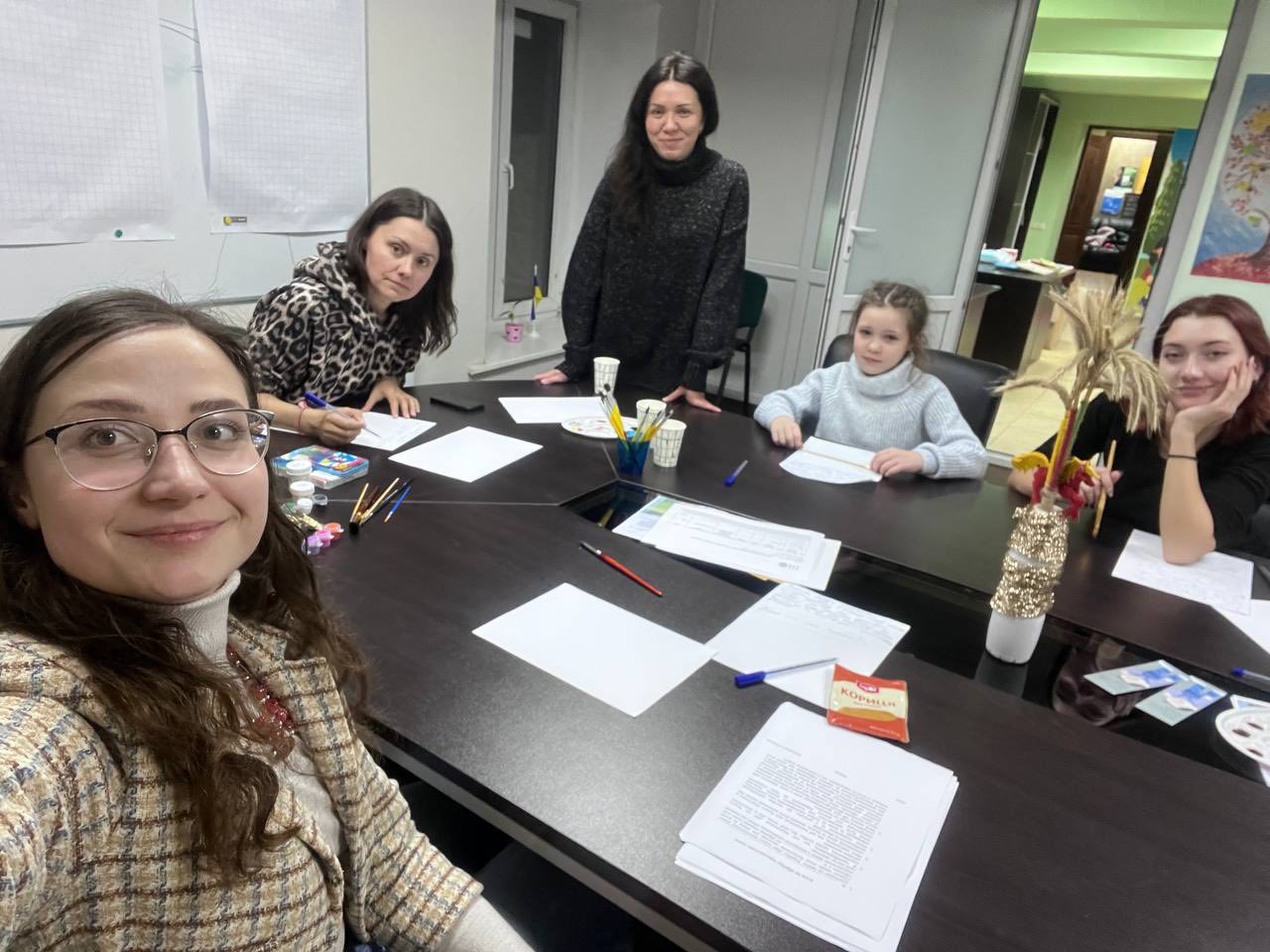
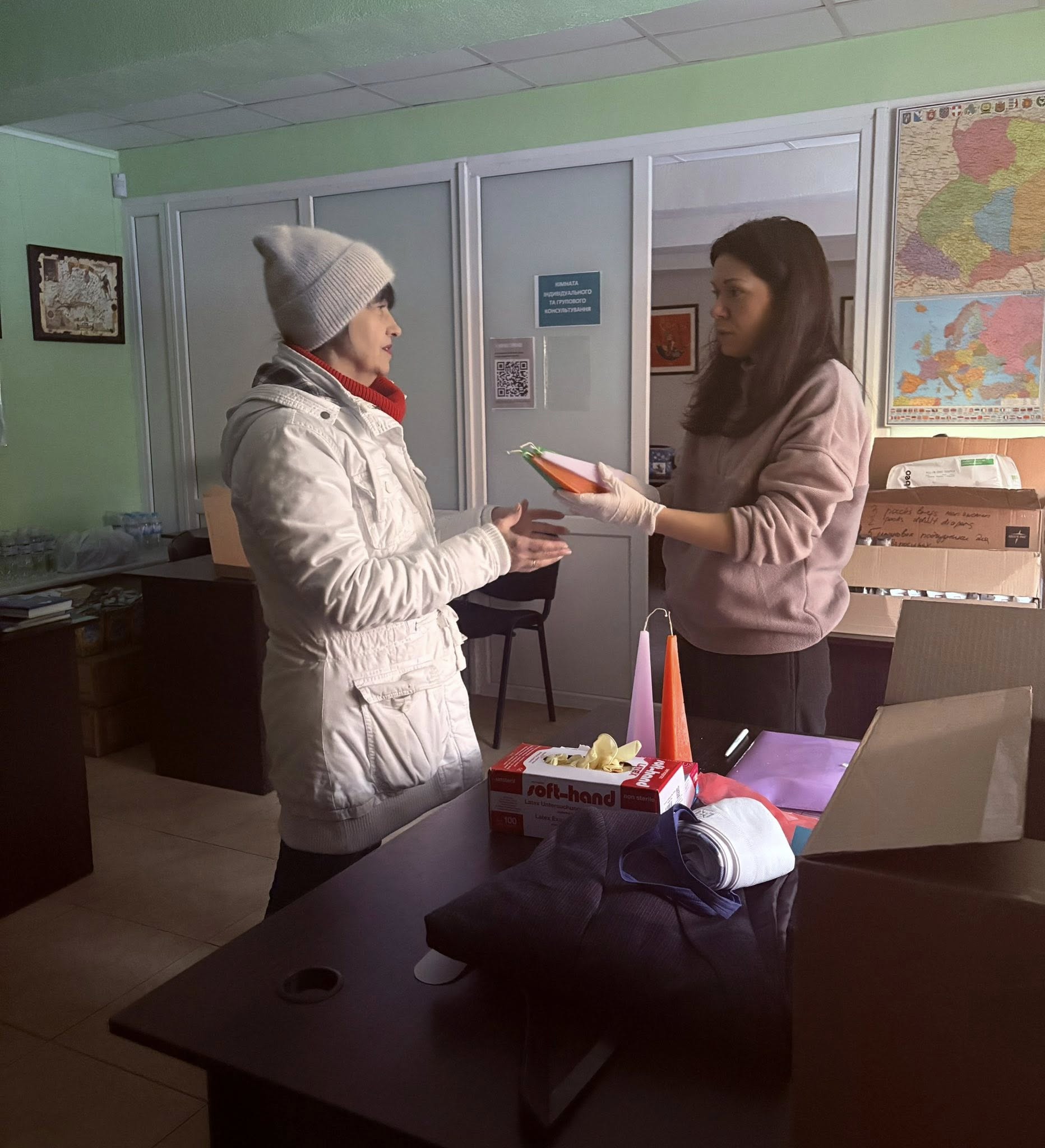
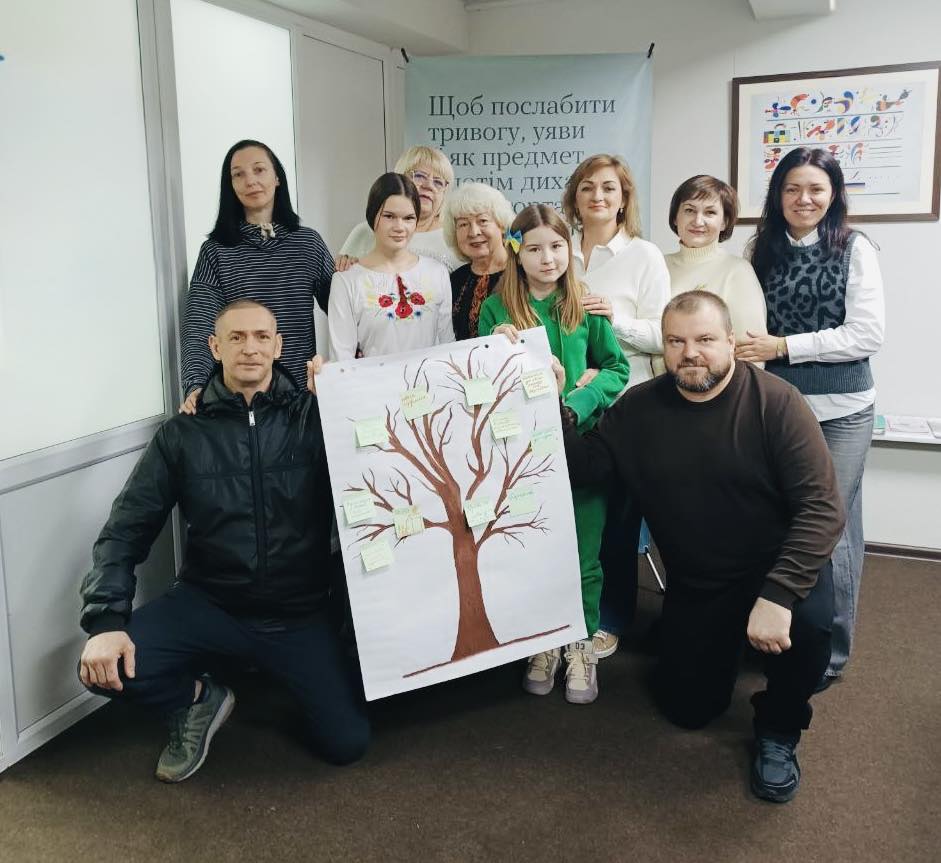
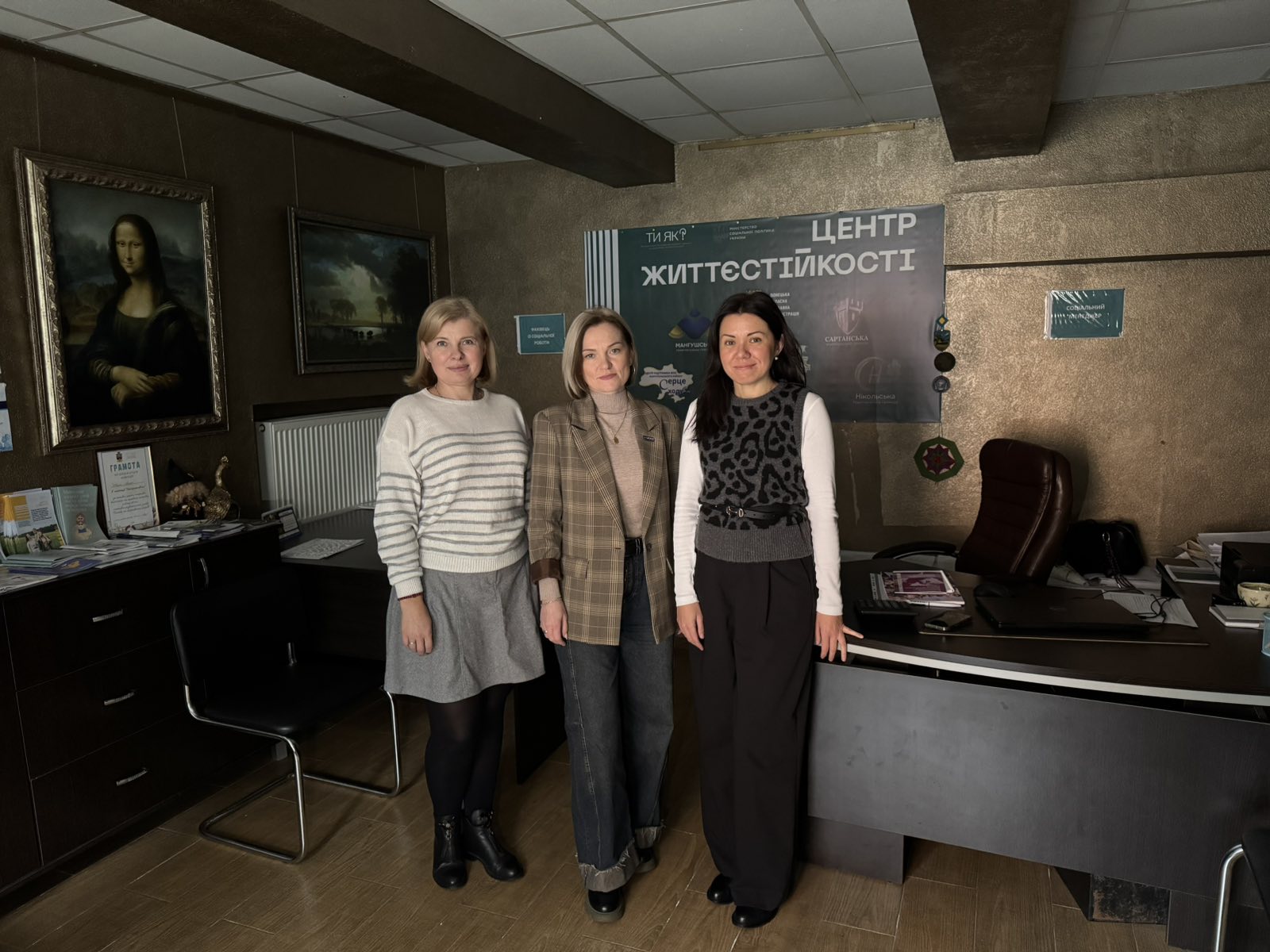
A Kyiv-based Resilience Hub has become the go-to place for meetings and support. These hubs are designed to be accessible spaces where anyone can get social and legal advice, mental health coaching and themed events — all for people from Manhush municipality who had to leave after it had been occupied. These efforts are part of a government programme to build resilience and are being implemented in collaboration with local authorities and partners.
Today, this place is visited not only by residents of Manhush, but also by people from other municipalities in Donetsk Oblast. The hub partners with military units and rehabilitation facilities, and the psychologist who works there has gradually built trust with the service members.
“Our visitors are already looking forward to the meetings. This means that the space is working,” says Nataliia.
How U-LEAD supports the municipality
Given the relocation and constant changes in legislation, Manhush Settlement Military Administration team requires practical solutions for their daily work rather than general advice. This is how Nataliia Vorobiova describes her cooperation with U-LEAD with Europe — as a professional partner that helps her navigate the intricacies of military administration, local self-government and the latest legislative developments.
“These are the people you can turn to and get not just a perfunctory answer, but an insight into how to act correctly in a specific situation,” says Nataliia Vorobiova.
In 2025, Manhush municipality team participated in U-LEAD with Europe training events, including a study visit to Poltava dedicated to municipal recovery and integration, as well as the training programme “Steps for Specialists. Inter-municipal Cooperation in the Context of Relocation”. Not only did these formats enable participants to learn about the experiences of other municipalities, but they also helped to establish practical contacts for further cooperation.
The municipality’s experts note that the training was structured around lively interactions, with group tasks, discussions and practical case studies that replicated real-life administrative scenarios.
“Right from the early stages of the course, there was a real sense of collaboration, which extended beyond the lecture topics to the format of the work itself. We worked in groups, talked things through, got on the same page with our peers and came up with a shared outcome. Issues related to maintaining ongoing communication with IDPs and developing cooperation — both between municipalities in Donetsk Oblast and with host municipalities — were of particular importance,” says Svitlana Mykhylova, the Head of Civil Protection, Mobilisation, Defence and Law Enforcement Cooperation Department of Manhush Settlement Military Administration.
According to her, the training programme was particularly useful because it combined theory with practice and allowed participants to develop teamwork skills in an environment of uncertainty.
“Group tasks were a great way to learn how to quickly adapt solutions to different contexts and perspectives in municipalities. Today, we cooperate with municipalities mainly in the area of cultural events. This involves holding joint events that bring us together, particularly people of Greek origin,” she adds.
For municipalities in Donetsk Oblast that have been relocated, it is important to have a partner who understands the regional context well — the history of these municipalities, their administrative traditions and staffing challenges in the face of prolonged uncertainty, says Viktoriia Trotsenko, the Head of the Regional Office of U-LEAD with Europe in Donetsk Oblast.
“As a Regional Office, we support municipalities in Donetsk Oblast at all stages of transformation, from adapting to new governance formats to maintaining continuity in administrative processes and the capacity to work with people scattered across different regions of the country.
The experience of Manhush proves that even in difficult circumstances, municipalities can stay in control, take responsibility and focus on their residents. I would like to highlight the team’s administrative capabilities. Its employees are frequent participants in U-LEAD training events, demonstrating openness to new approaches and a willingness to adapt quickly to change. In the difficult relocation conditions, commitment to training is evidence of professional integrity.”
Municipality as a home away from home
Manhush people may now live in different cities and countries, but meetings with their “own” people still make them cry and hug each other. Because for many, this is the only way to hold on to that feeling of home.
“When you see your fellow people, it’s like a home away from home. And you understand what keeps it all going,” says Nataliia Vorobiova.