



Losing territory does not mean losing your municipality. With the outset of the full-scale invasion, Nikolske municipality (with its centre in the village of Mykilske)[1] near Mariupol found itself under temporary occupation. It would seem impossible to get things working in such a situation: restoring services, supporting people, keeping the team together. However, the case of the municipality proves that it can indeed be done.
Today, the municipality keeps going: they have restarted the council, set up a resilience hub in Kyiv and support their residents and the Armed Forces. This is not just going through the motions. It is about responsibility to people and about faith in returning home.
A municipality in exile
Even before the war, the municipality of Nikolske was seen as a role model. Located near Mariupol, it had a favourable geographical position, modern infrastructure, seven schools and just as many kindergartens, primary and secondary hospitals, a sports complex, a music school and a children’s creativity centre. People used to call it a Mariupol suburb: clean air, water bodies, a city with jobs nearby, and comfortable homes.
After 24 February 2022, everything changed. On 05 March 2022 the municipality found itself under occupation.
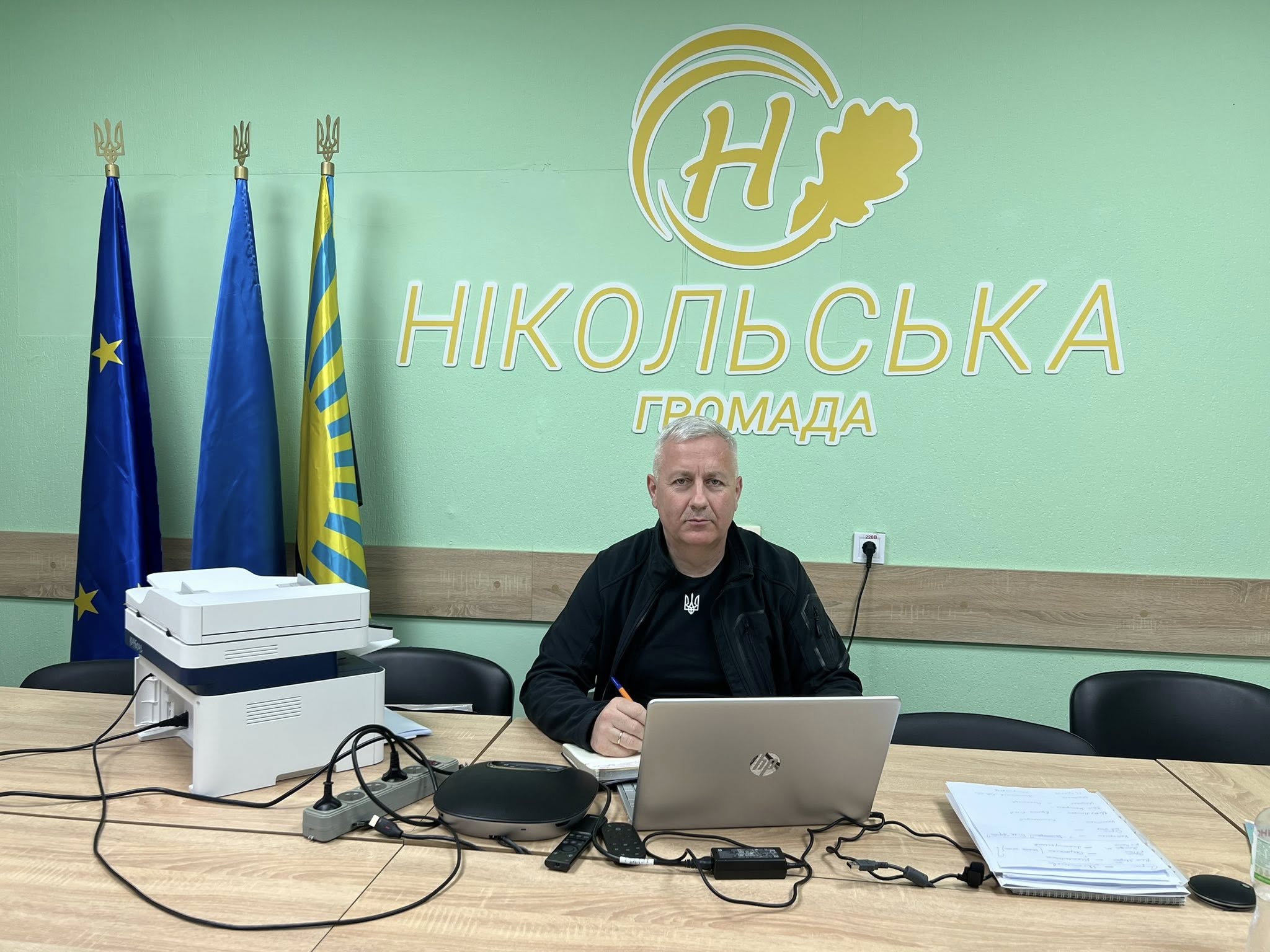
“We were left without electricity, gas, water. People survived as best they could. But even then, we understood that even if we lost our territory, we could not afford to lose our municipality,” recalls the head of Nikolske municipality, Vasyl Mitko.
In April, he managed to escape and resume the work of the village council in the territory controlled by Ukraine. The team reunited in Zaporizhzhia and re-registered in order to retain the ability to finance programmes, pay salaries and operate under Ukrainian law.
“I evacuated documents, seals, accounting tokens — everything that legally entitled us to continue our activities. We started literally from scratch, but with the understanding that if we didn’t resume work, people would be left with neither municipality nor support,” explains Vasyl Mitko.
The municipality’s staff was cut from 87 to 13 people. Everyone became a “universal soldier.”
“We don’t have a separate lawyer, a separate accountant or a social worker on staff. There is a team that takes on everything, from humanitarian aid and registers to issuing certificates and searching for people in different cities. Today we are civil servants, tomorrow we are cargo handlers. The most important thing is that we keep the municipality going together,” says the head of the municipality.
Mini-Mykilske in Kyiv
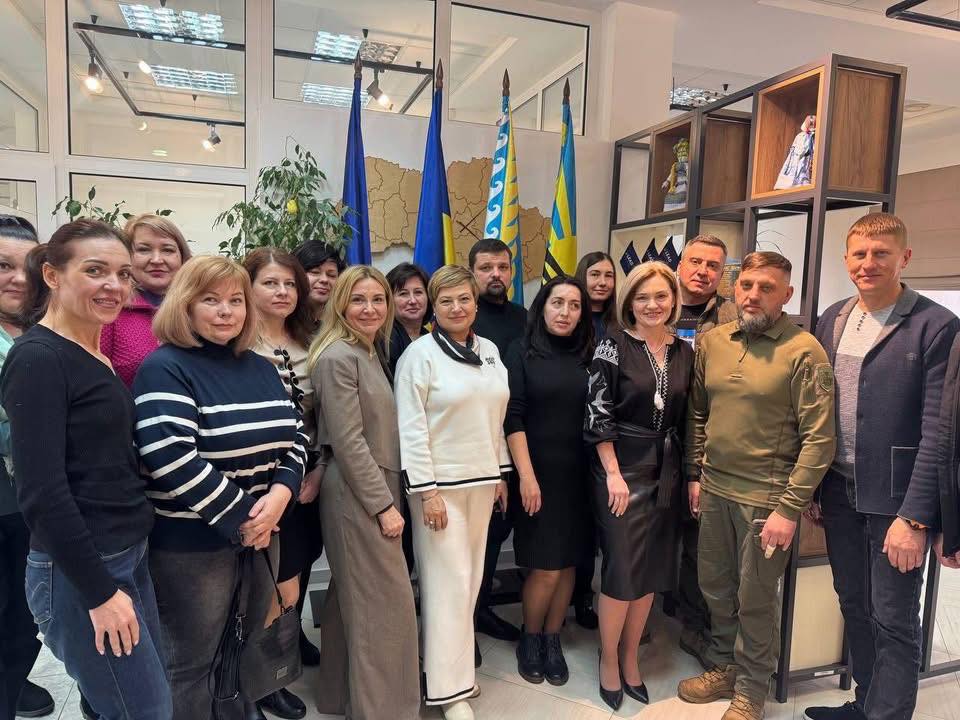
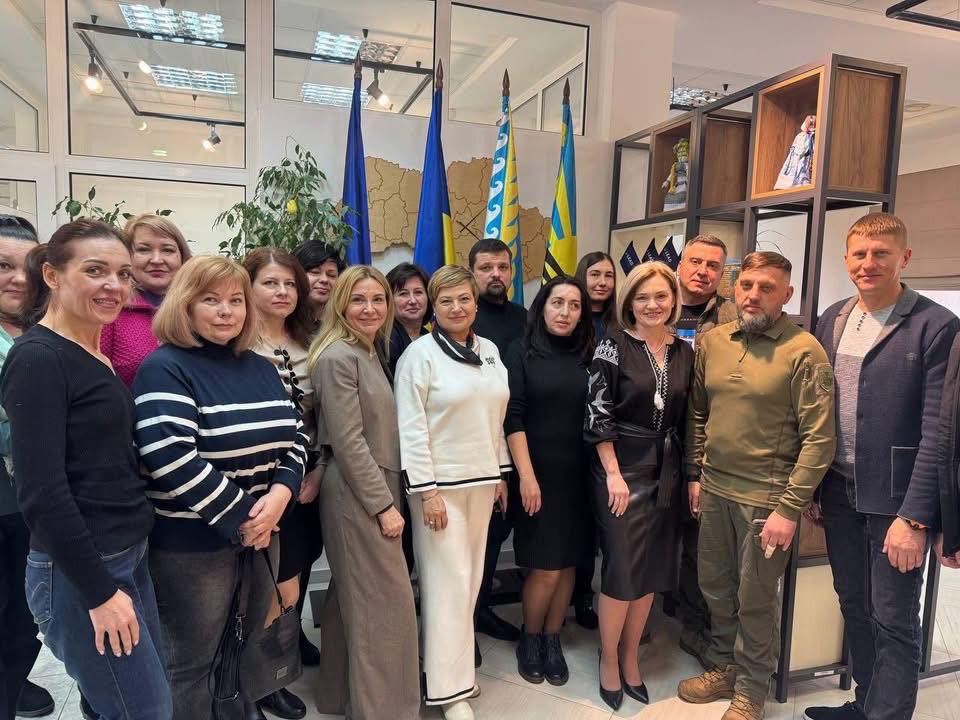
When the team analysed where most of the municipality’s residents lived, it turned out to be in Kyiv and Kyiv Oblast. This is what prompted the idea to create a public space in the capital city. 2023 saw the creation of a resilience hub: just a room rented from the State for a symbolic fee. The team renovated it themselves: they painted the walls, removed rubbish, and took safety and inclusivity into account.
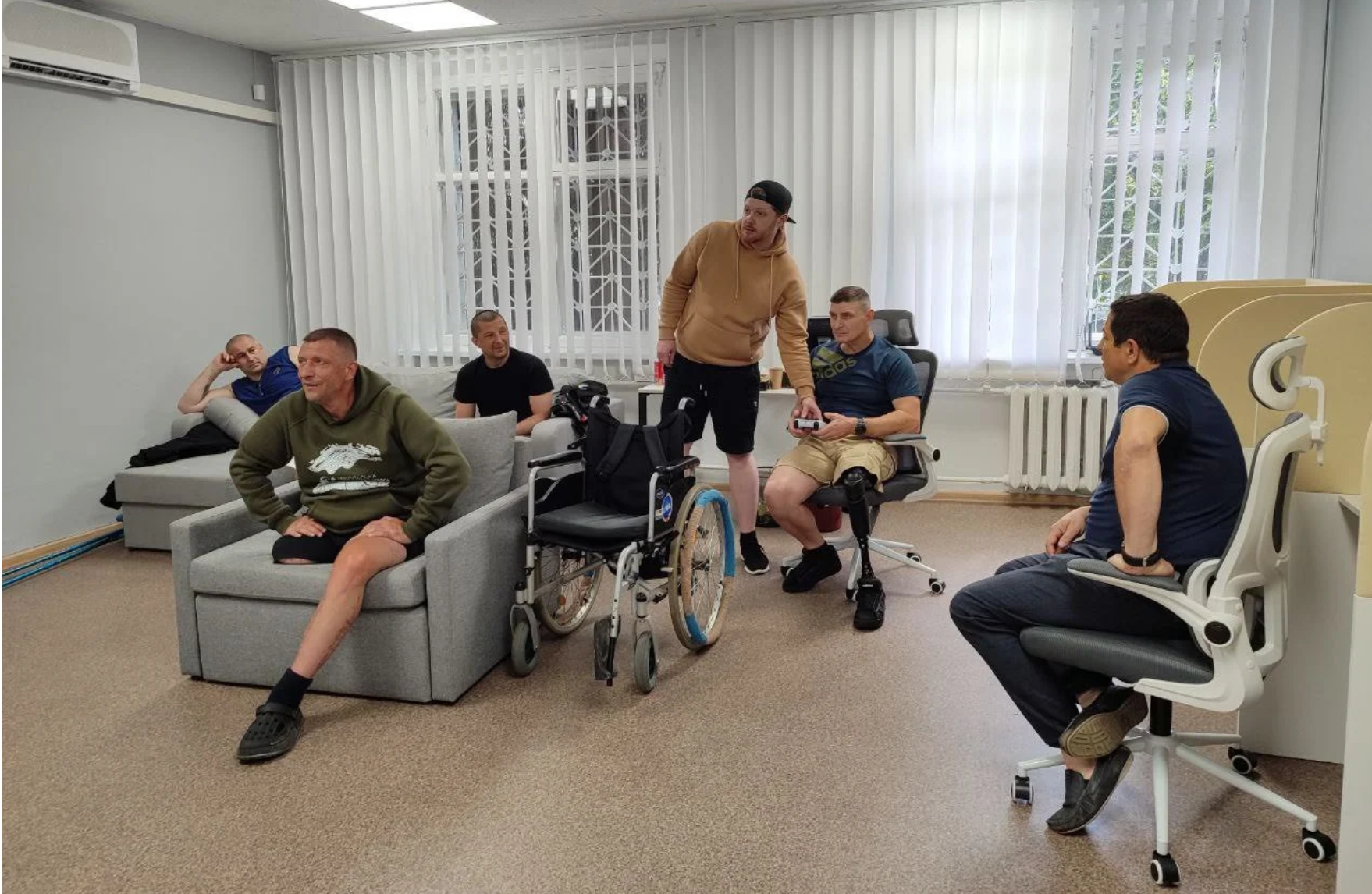
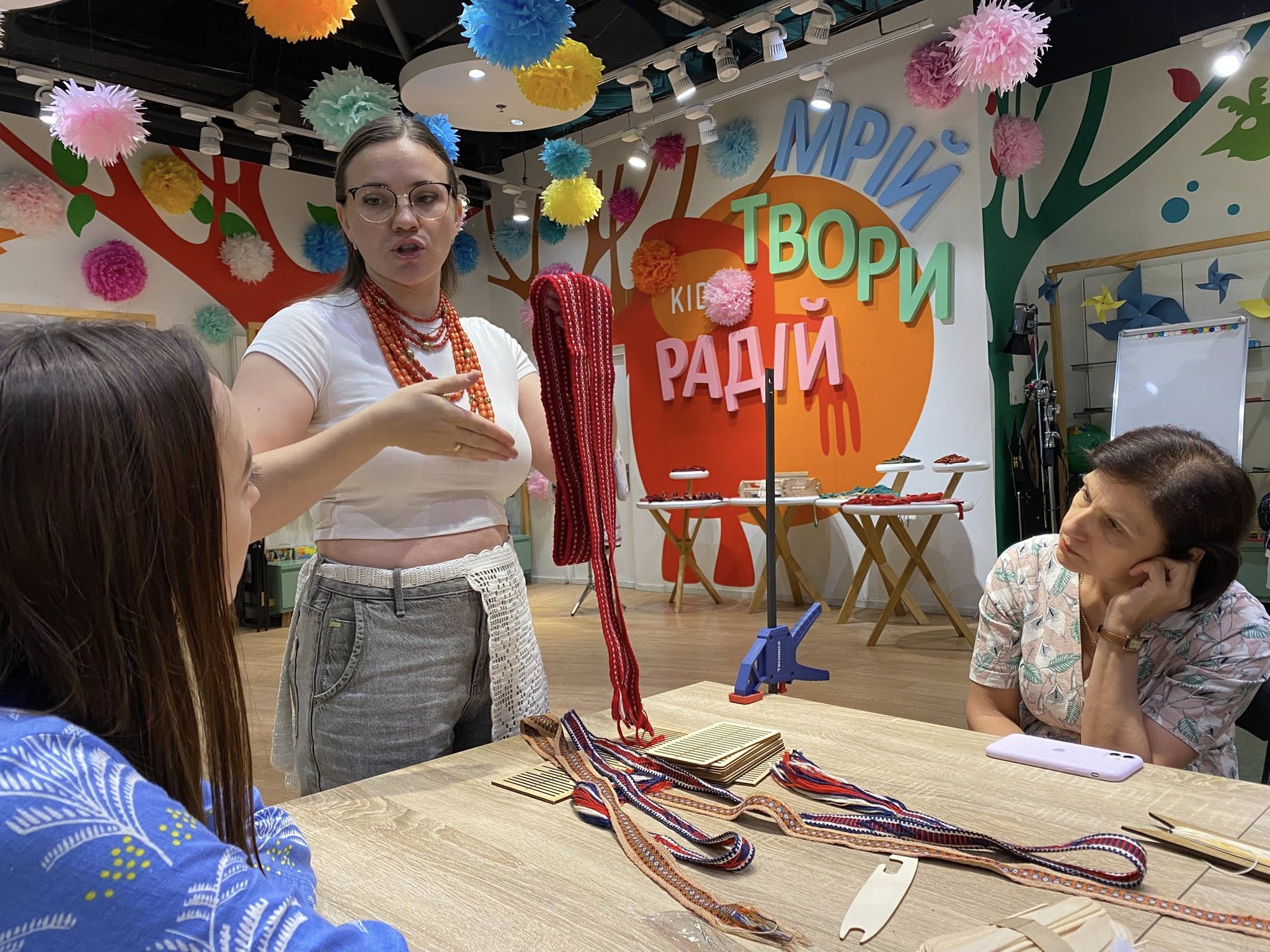
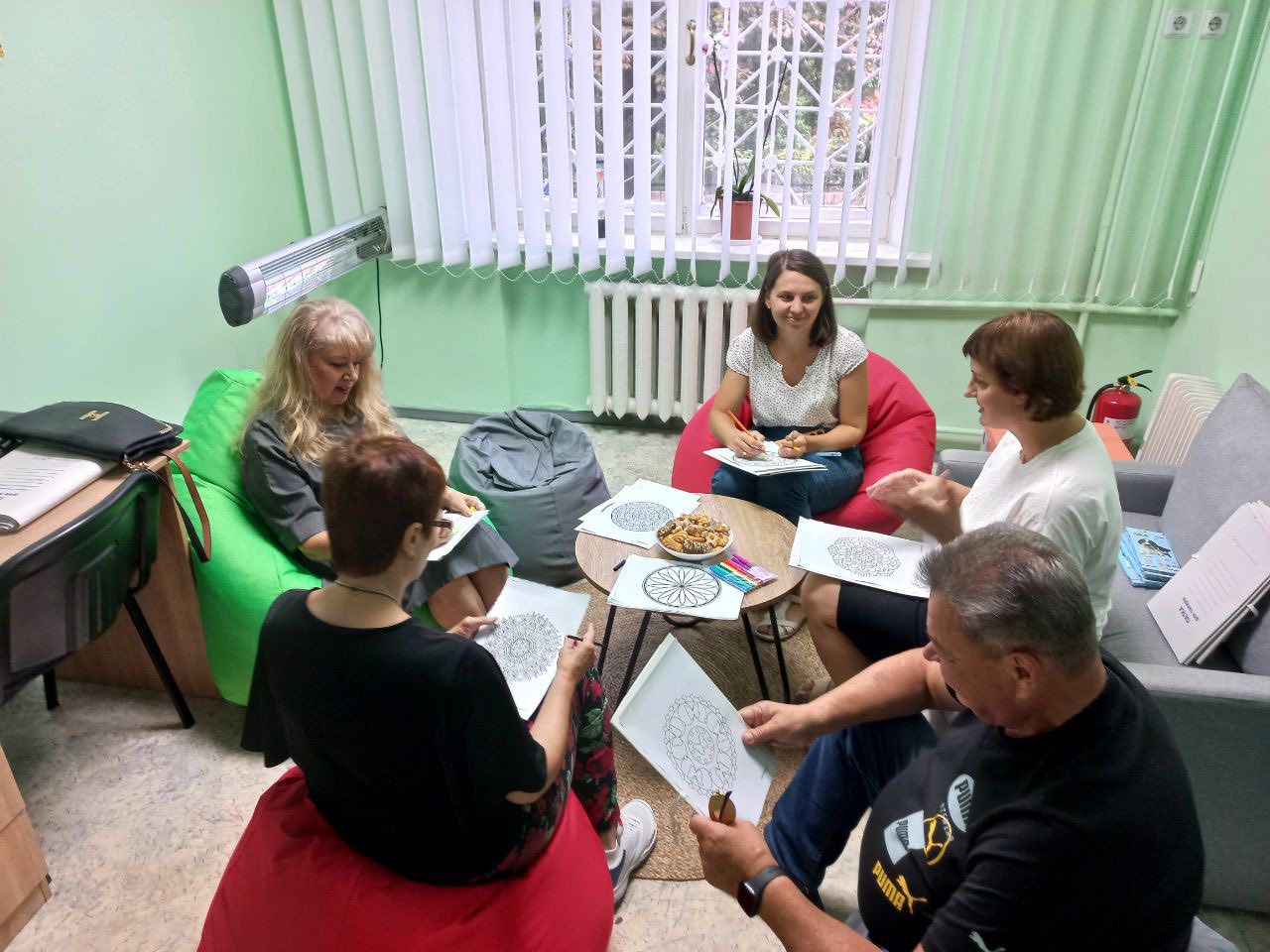
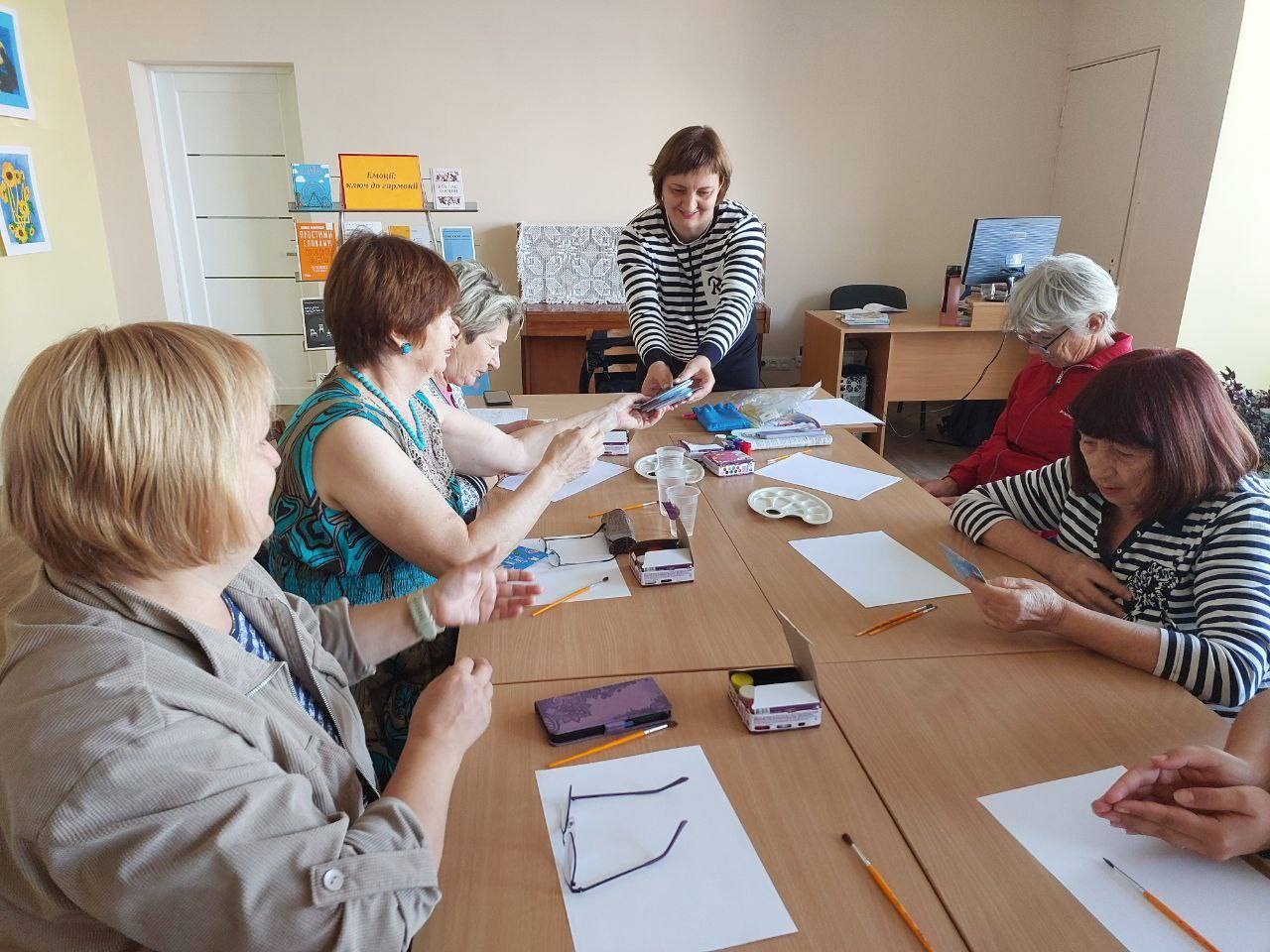
The resilience hub encompasses a veteran space, social services, psychologists, administrators of the Administrative Services Centre, a family doctor’s office, a children’s space, a library with 94 books and even a small museum. For many, it has become a place for meetings, therapy and a sense of home.
“We call this space ‘mini-Mykilske’. It’s a small island of our municipality in Kyiv. Here we can be together again, here are our symbols, our people, our spirit,” says Vasyl Mitko.
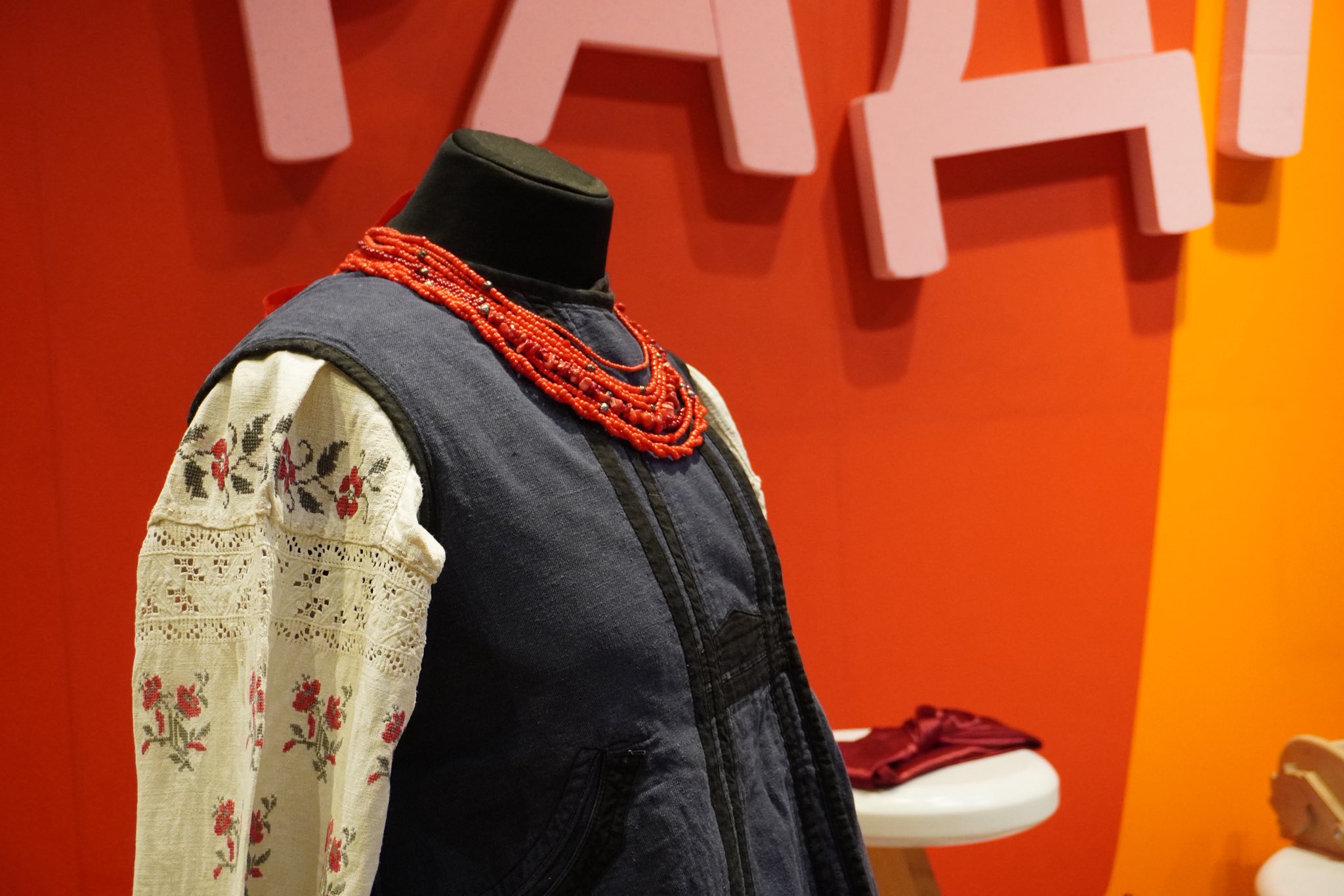
The hub has a wall that symbolises the hope of returning home. On it are embroidered details with the word “will” and the image of Donetsk Oblast. They remind us that although the municipality is temporarily in exile, its heart remains in its native land.
“Our hub is multifunctional. It’s not only for the people of Nikolske municipality. Both natives of other municipalities of Donetsk Oblast and Kyiv residents come to us. Here you can get a certificate from a doctor, get a counselling session or simply feel that you are not alone,” the head adds.
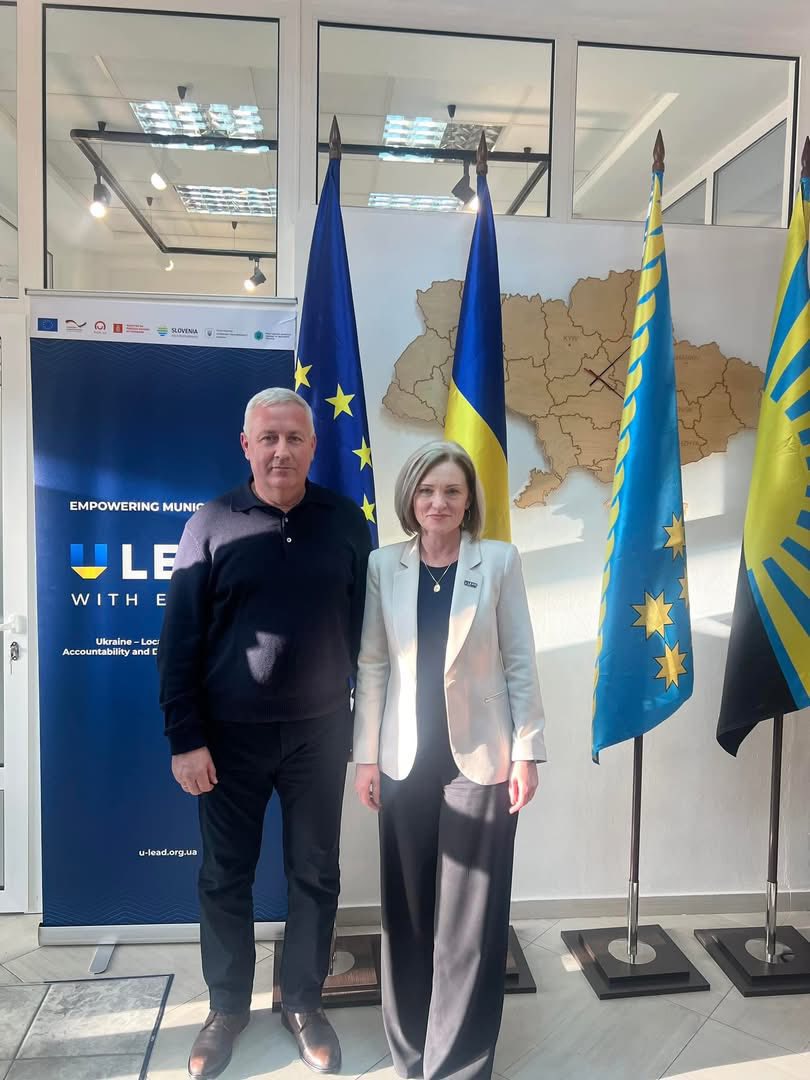
Municipality resilience hubs have become symbols of resilience and trust, explains Viktoriia Trotsenko, the Head of the Regional Office of U-LEAD with Europe in Donetsk Oblast. They are centres of support, bridging the authorities and the people, the past, present and future:
“Here, people who have found themselves in an unfamiliar environment can feel at home. They come here as if they were among friends. Through these hubs, the authorities keep in touch with residents, better understand their needs and can promptly address them. In addition, the hubs provide a wide range of services, from social and administrative to household and healthcare ones. These are unique and innovative hubs, previously unknown in Ukrainian practice, but already proving their effectiveness and indispensability today.”
Staying in touch and preparing for return
At the same time, the municipality has developed about a dozen social programmes. These include payments at the birth of a child, assistance to schoolchildren before the start of the school year, and UAH 60,000 for each military person to purchase equipment. There are also programmes for the families of the deceased and wounded. Since 2022, the municipality has also provided social assistance to its residents who have become internally displaced, for a total amount of over UAH 40,000,000.
“We don’t just give out money. We know every family: who serves in the army, who lost their home, who are their kids. It’s about connection and care. We simply cannot abandon our people without support,” says Vasyl Mitko.
Nevertheless, the community is not alone in exile. At its side are U-LEAD with Europe and European partners. This support enabled kids from Mykilske to enjoy a holiday at a camp in Ternopil Oblast, and the community to participate in new programmes and projects.
“We are actively involved in state and international programmes. Moreover, we greatly appreciate the support from U-LEAD with Europe. Through this collaboration, our 25 children had a chance to spend time at camp this year, funded by European money. It is crucial to let our families know that they are remembered and cared for, even in such challenging circumstances. For us, this support is not only about specific trips or grants, but also about the feeling that we are not alone,” emphasises Vasyl Mitko.
The municipality is involved in all possible initiatives, shares experiences and works on grant applications:
“Nikolske municipality is among the most active participants in U-LEAD’s events. The staff join in all the efforts that help them grow, share their experiences and build their capabilities. Thanks to the leadership and active participation of Vasyl Mitko, the Head of Mykilske Village Council, in the League of Leaders 2024, the initiative of the U-LEAD with Europe, the capacity of the municipality itself has grown significantly, as he passed on the knowledge gained at the events to his colleagues. In addition, a military administration was recently established here, and we are delighted that it is also actively involved in our initiatives. Additional resources and tools strengthen municipal capacity, enable more efficient work on issues of local importance and provide even more effective support to residents,” says Viktoriia Trotsenko.
For the municipality itself, all these efforts are not about perfunctory activity, but about keeping people and faith. Vasyl Mitko sums up:
“There was not even a question of whether to resume operations. The answer was obvious. Were we to disband, people would lose touch, disperse across other cities and never return. Yet we believe that victory will come, that we will restore our municipality, and for this we need to preserve the people and our team today.”
[1] The village of Nikolske, from which the municipality takes its name, has been renamed Mykilske, but due to legally justified circumstances, the name of the municipality has not changed as of the date of publication.