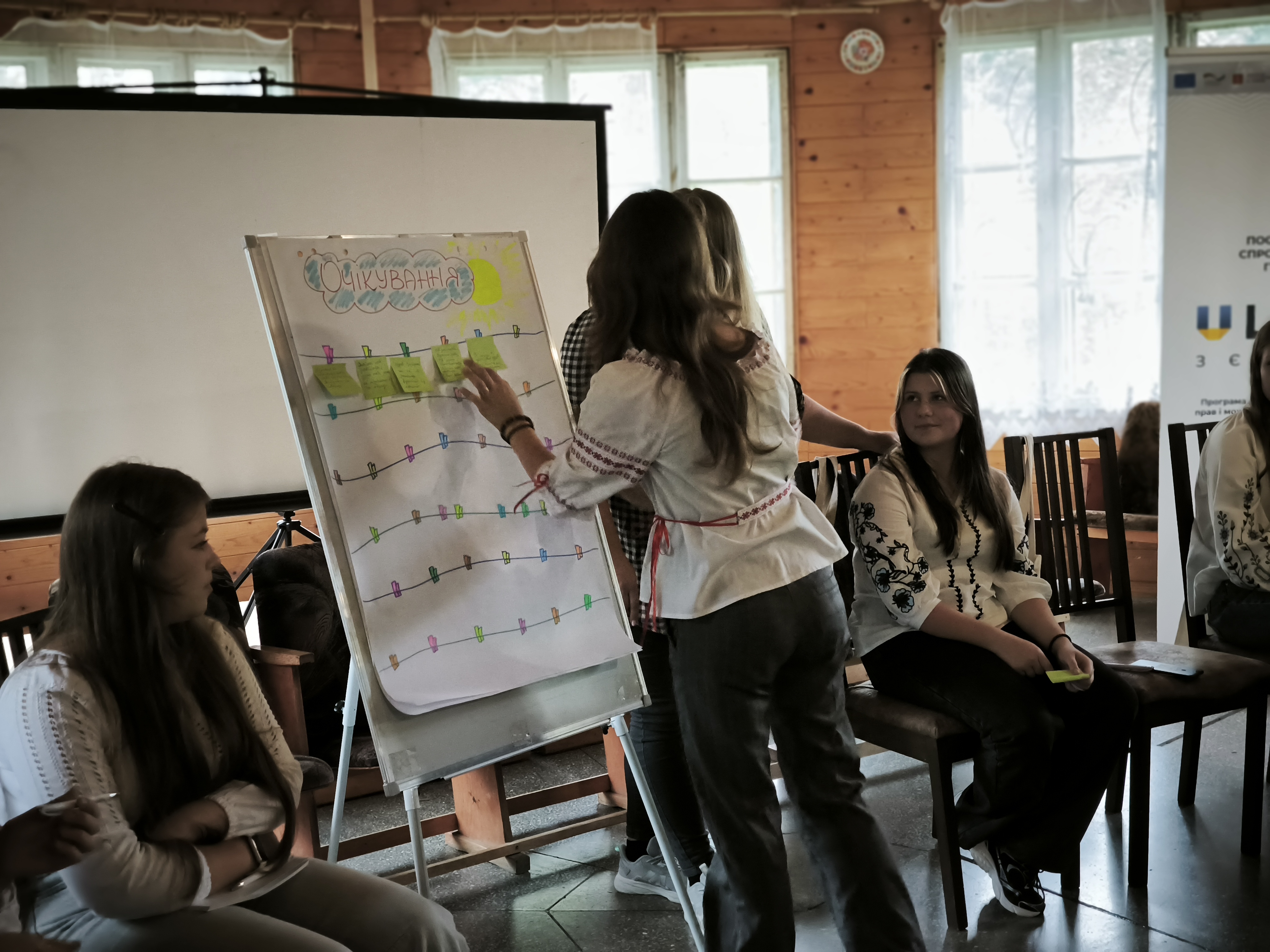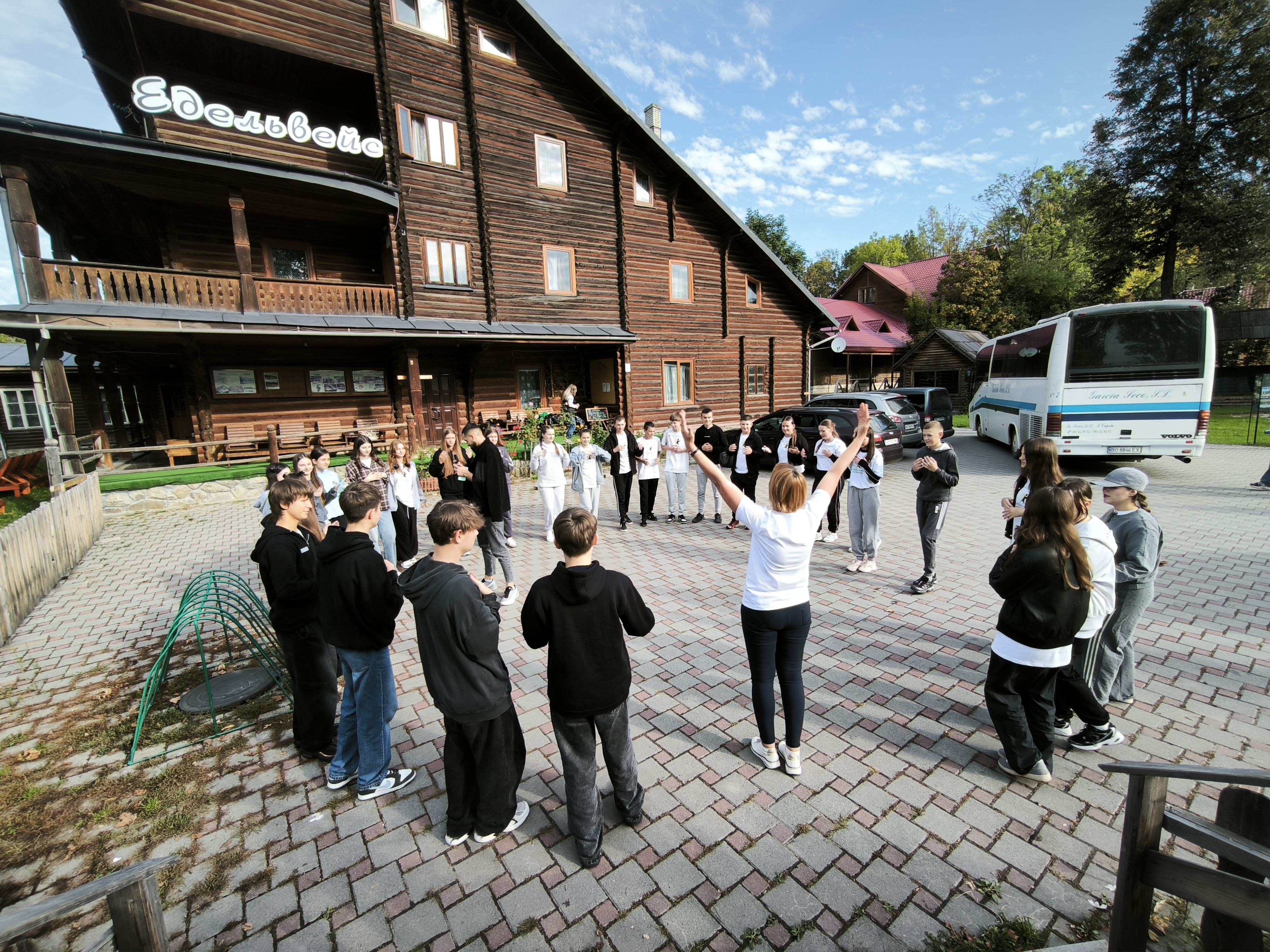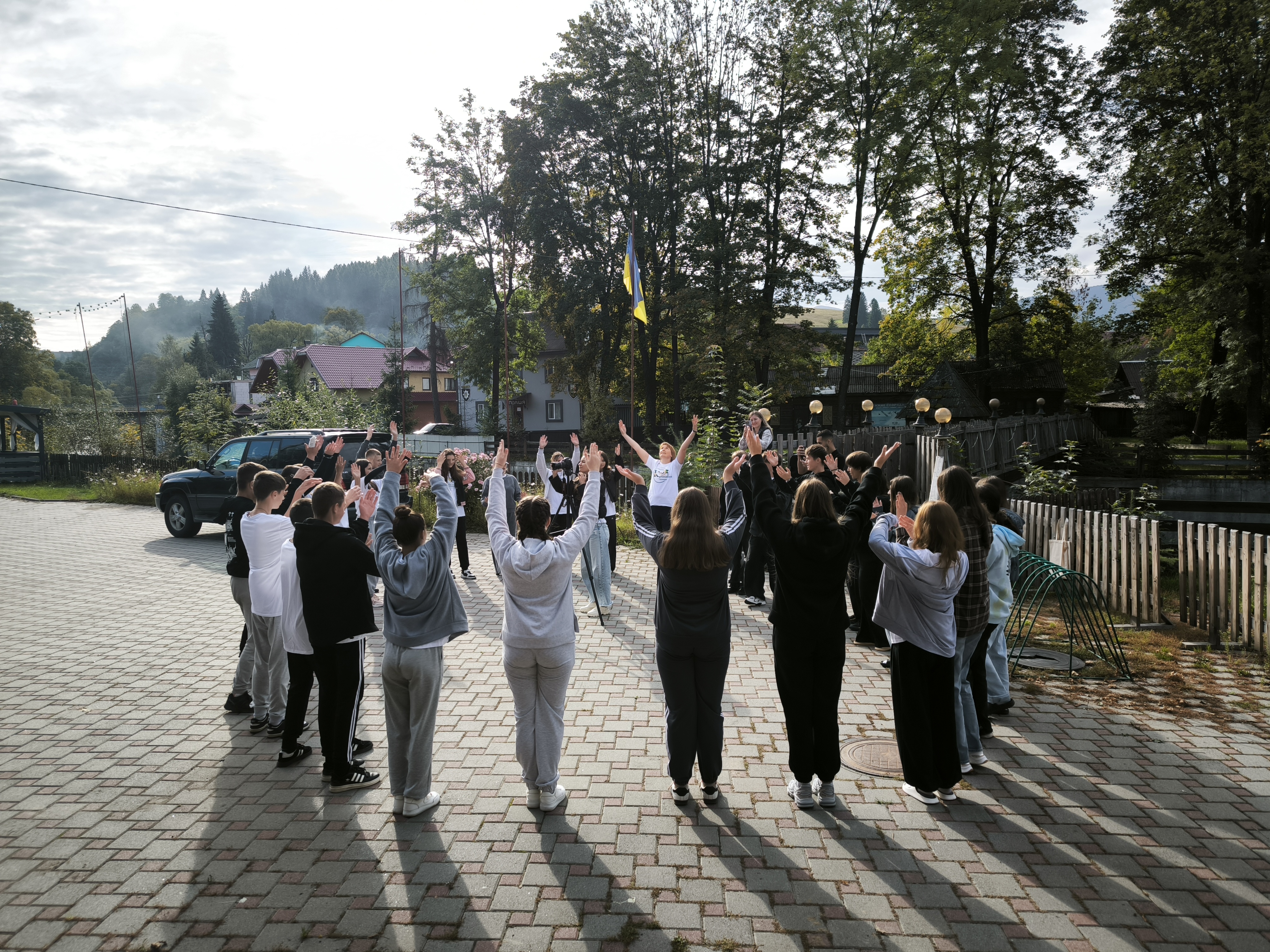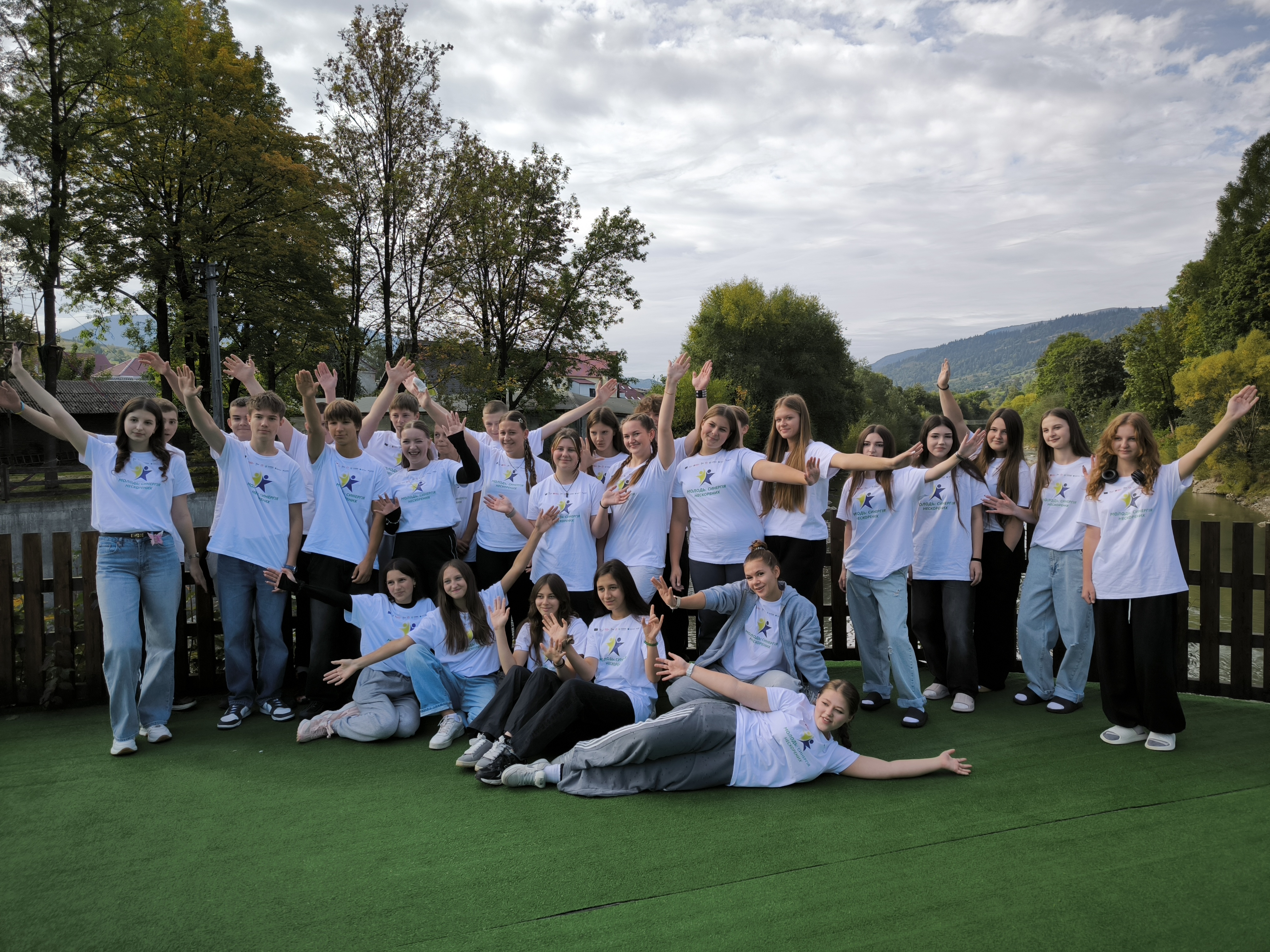




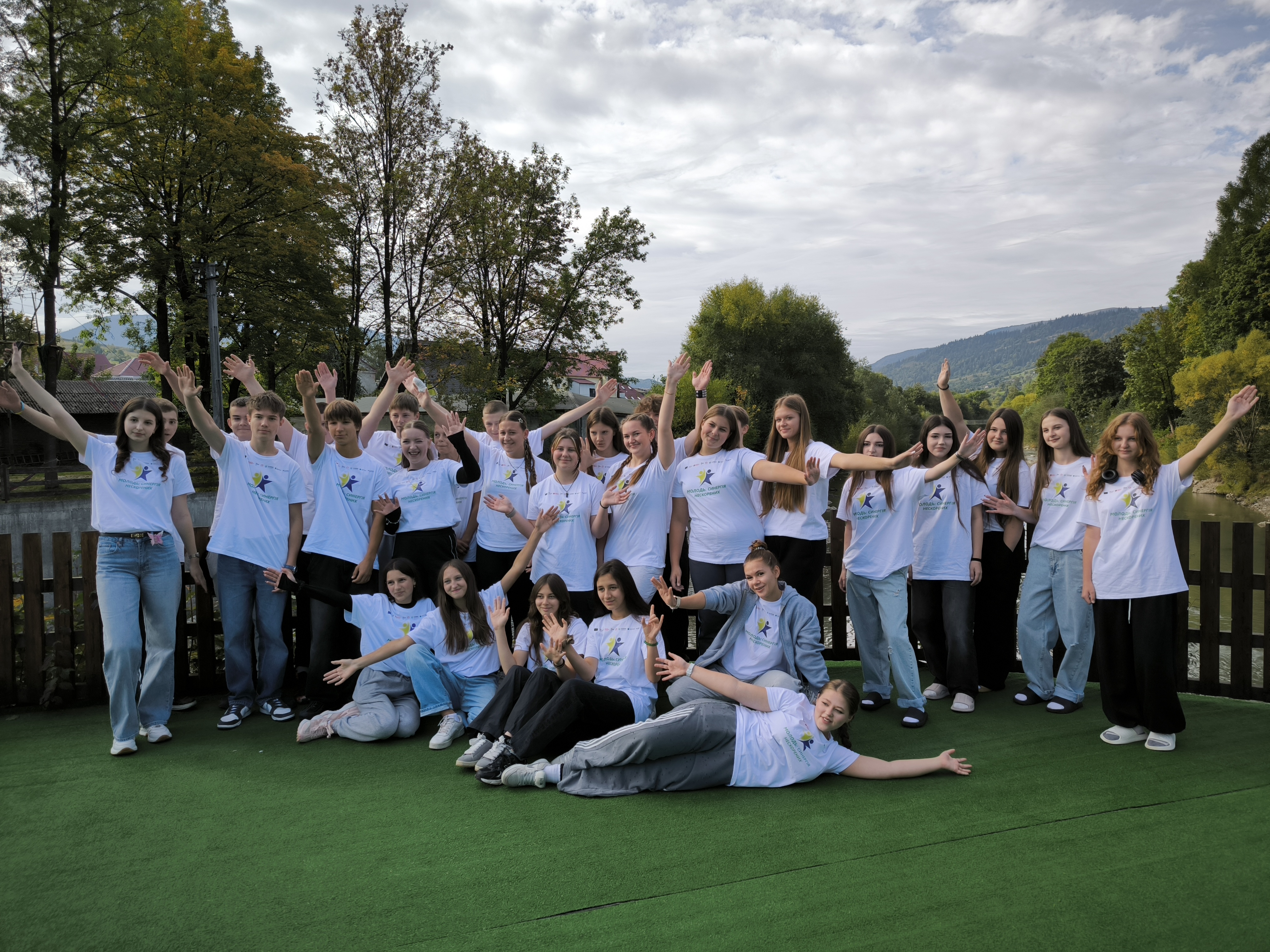
Don’t Hold Back and Don’t Give Up — these were the messages that participants at the youth camp in Yasinia used to sum up their four-day adventure. They took sheets of paper from the wall: on them, they had written their expectations on the first day: some dreamed of climbing Mount Hoverla, others wanted to make friends, and the others wanted to learn new things. When it was time to check whether these wishes had come true, hands went up one after another: “Yes, we did it!” The atmosphere was more festive than anything official — as if they had conquered yet another peak together.
Strong ties mean strong municipalities
The Leadership School is conceived the first step in establishing a network rather than as a one-off event. After the camp, young people will return to their municipalities with ideas that are already brewing in mixed teams: from public space initiatives to environmental projects, sports events or local volunteer solutions. That is why the programme includes many exercises on trust, division of roles and shared responsibility — not just for the sake of it, but so that participants would want to adopt the habit of negotiating and acting together at home.
The camp itself was organised by Romashka NGO with the financial support of U-LEAD with Europe. The project aims to bring together young people from different regions, give them the tools for teamwork, leadership development and joint action to bring about change in their municipalities. All this is aimed at creating an active youth environment that can influence the lives of their municipalities and build lasting ties between them.
As a result, 30 participants (and another 30 for the next round) from three municipalities were brought together and a comprehensive programme on leadership, team building and inter-regional exchange was implemented.
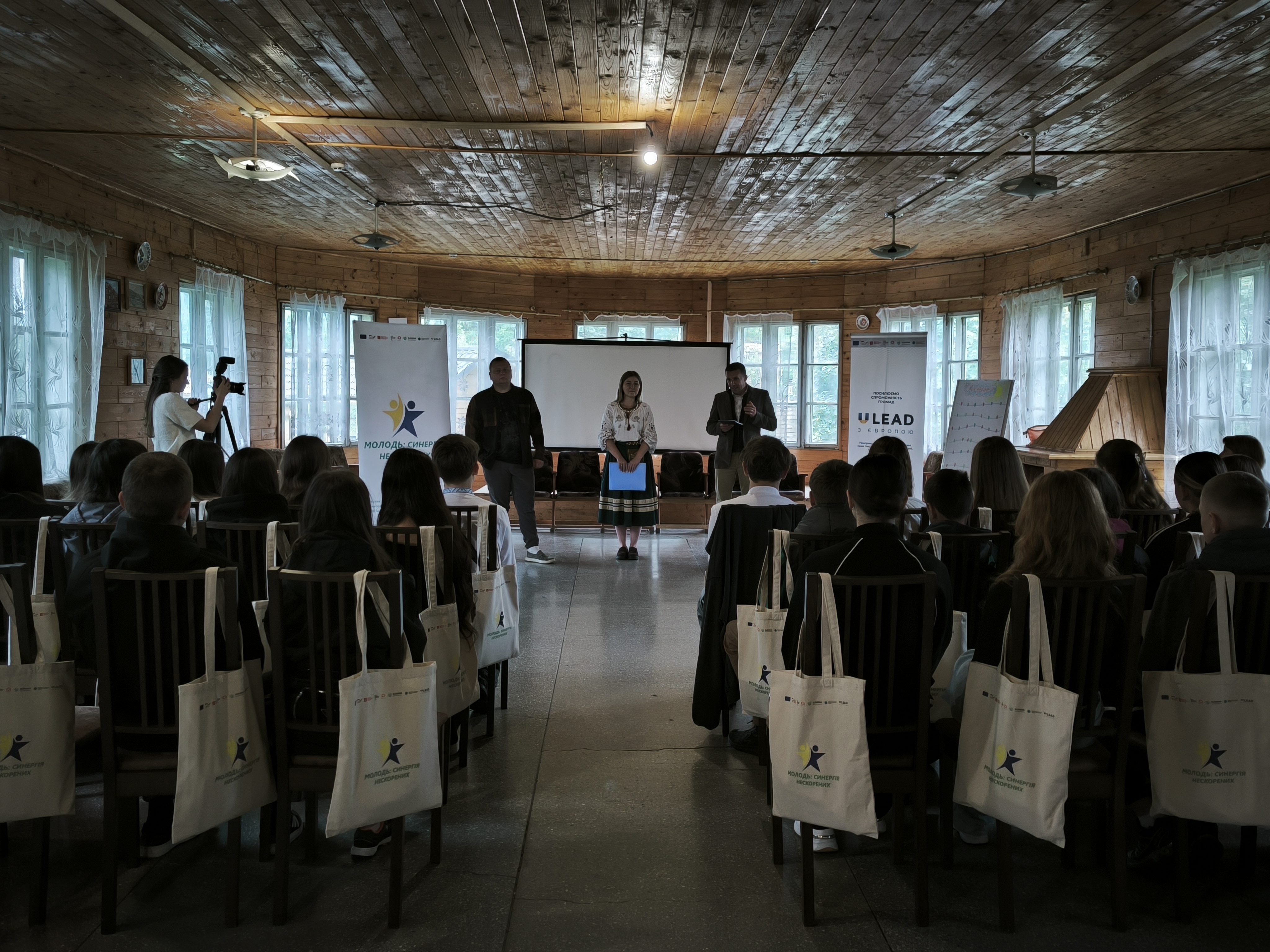
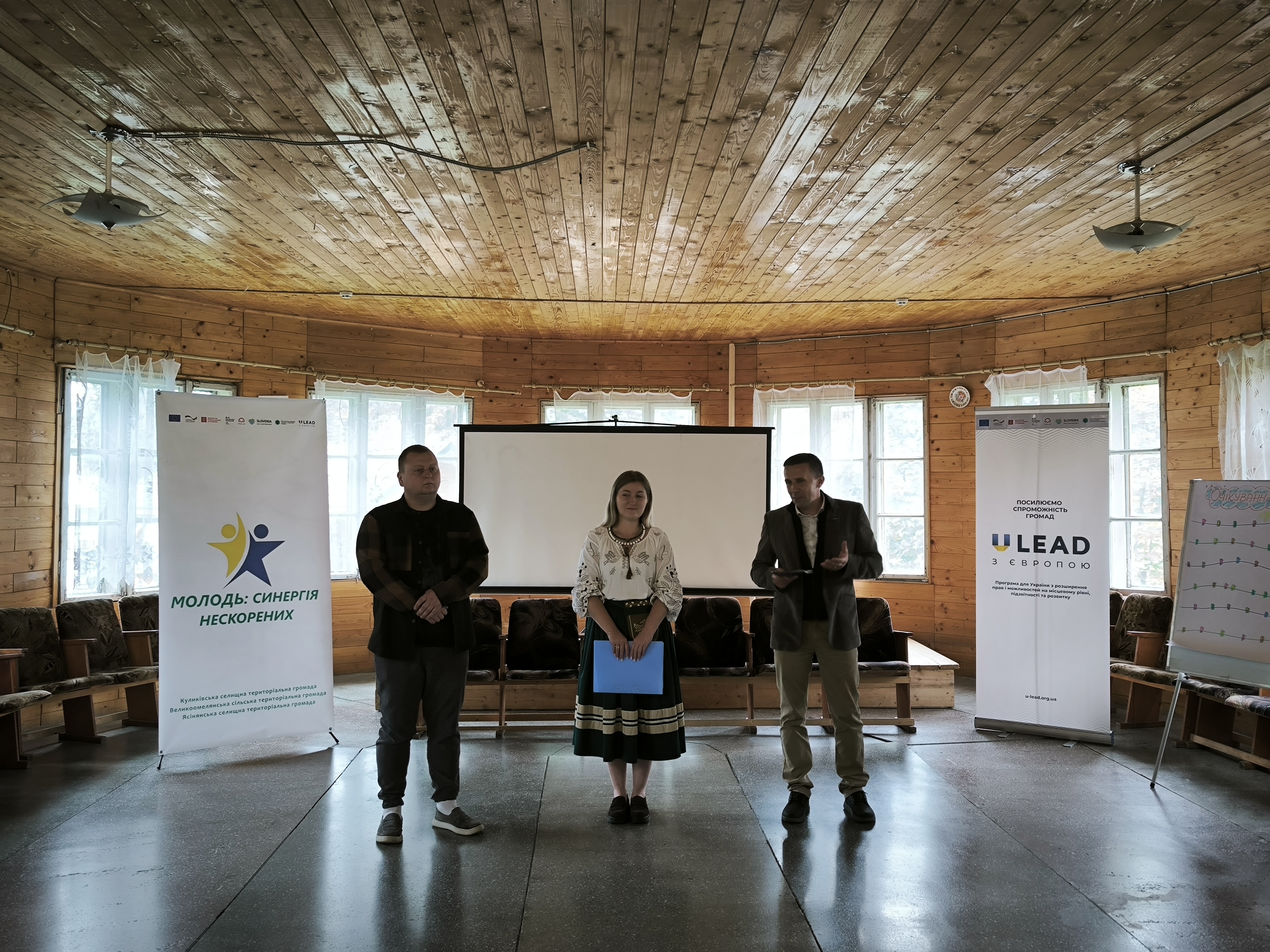
From the very first minutes of the opening, it was clear that this was not a formality. Behind the camp lies a lot of invisible work by local teams, from the initial concept to each exercise in the schedule. Pavlo Lohvinov, the Head of the Regional Office of U-LEAD with Europe in Zakarpattia Oblast, emphasised this human component right away:
“When you participate in an event like this, you don’t always realise the enormous amount of work that goes into it, starting with the idea and ending with you having a great time, gaining new knowledge, making new friends, having new experiences and seeing our wonderful country in a new light. We wanted you to really enjoy it here and for this time to be useful for you. We never do anything perfunctorily but rather strive to treat others as we would like to be treated. I’m delighted that three regions of Ukraine are represented here — it’s great. Please learn and gain experience. I hope you do well.”
From idea to joint action
At the heart of the Leadership School is a simple logic of change: to give young people a safe space, collaborative tools and the opportunity to try out things that usually remain theoretical. This is how Inna Ovramenko, one of the ideological forces behind the initiative and project manager at Kulykivka municipality, describes the goal:
“This project came about through the close cooperation of the heads of three municipalities, Kulykivka, Velyka Omeliana and Yasinia. During the training, the heads got to talking and agreed that it would be beneficial to develop a project for young people. We have already seen how, through project activities over two years, teenagers became qualified project managers, were accepted into universities and went on to thrive: these are leaders who have come from small municipalities and will build the country. The idea behind this project is to educate active schoolchildren who still have several years of schooling ahead of them and will be able to develop their municipalities by setting an example for their peers.”
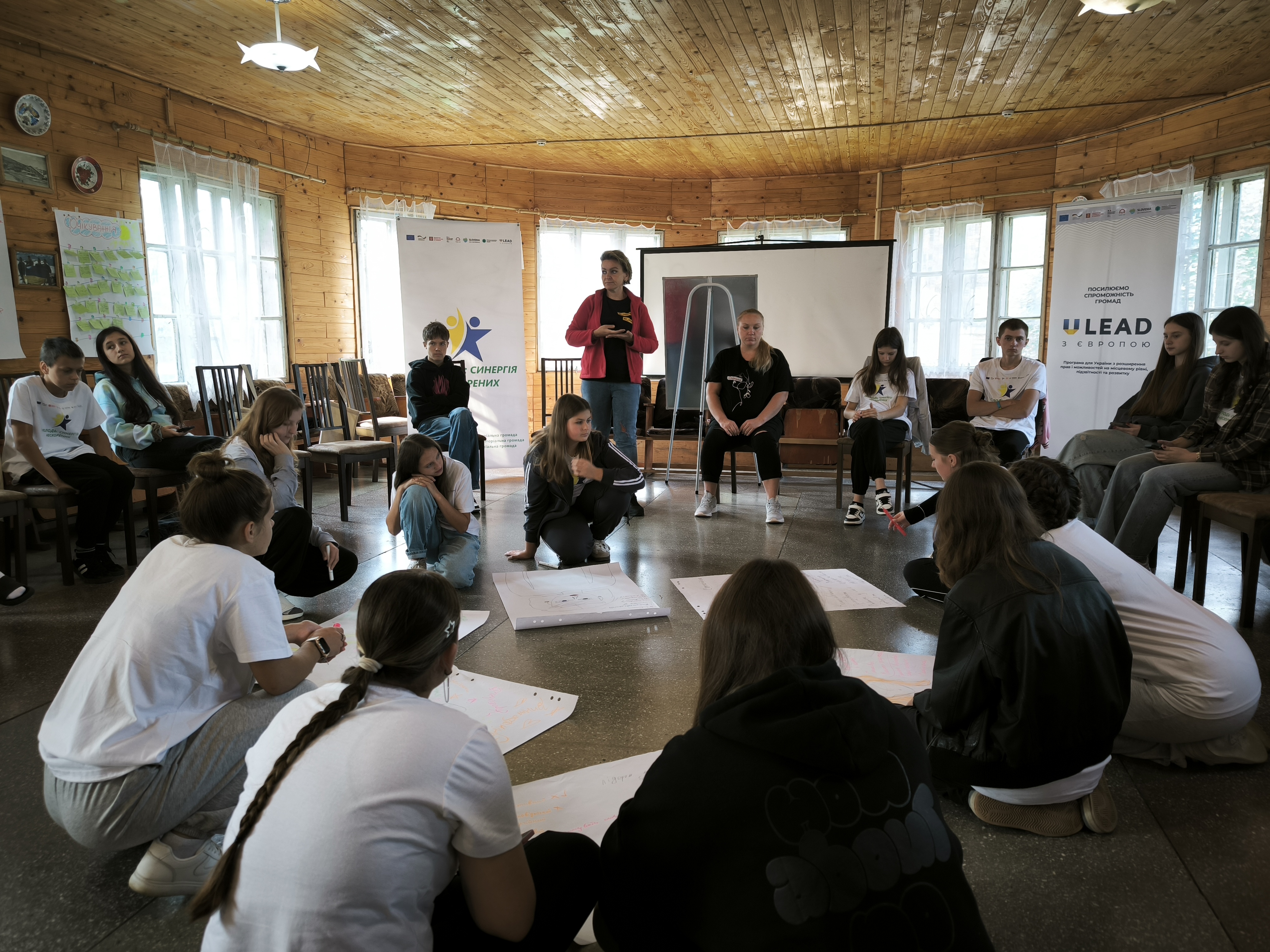
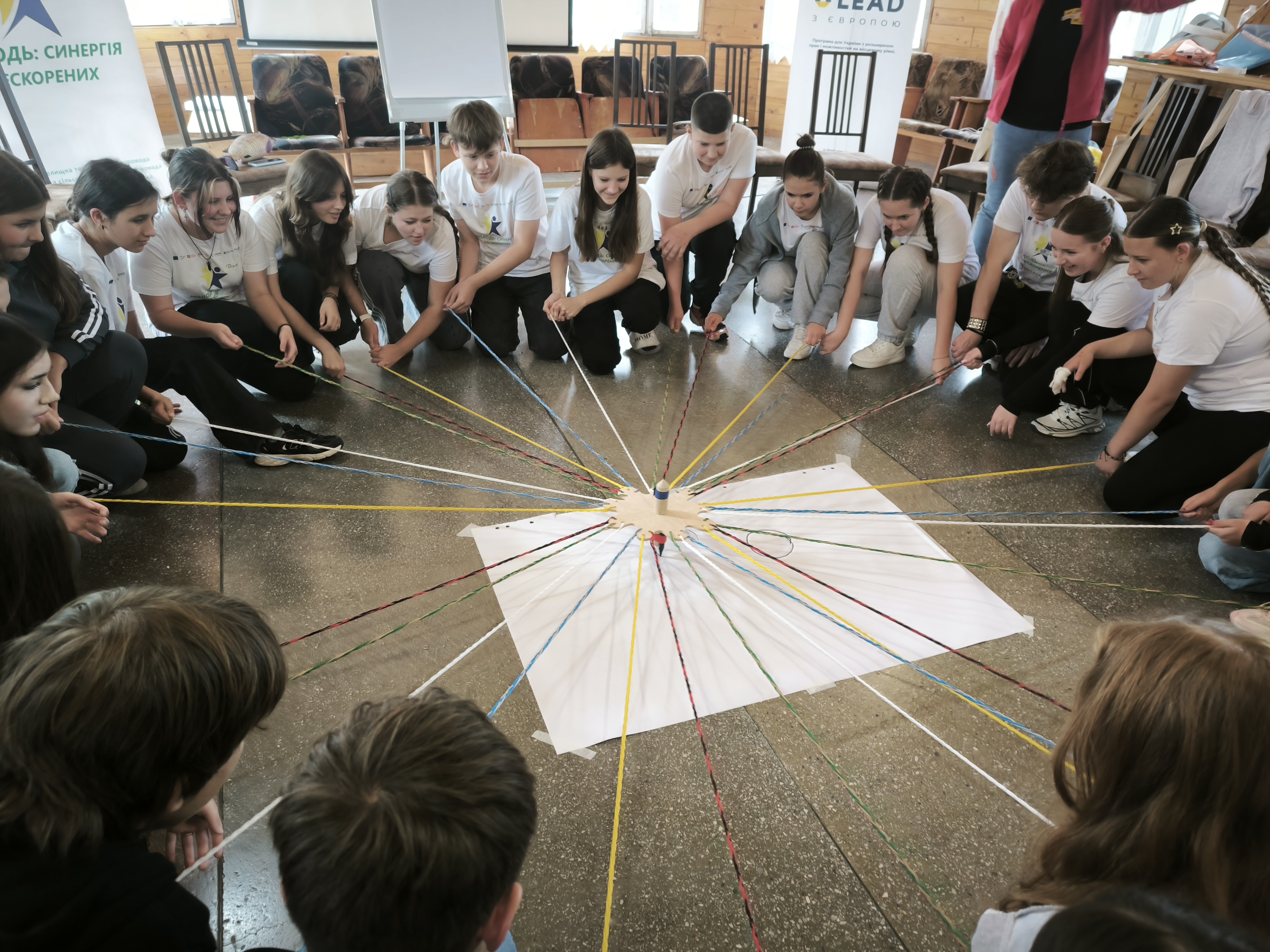
The daily schedule is structured in “steps”. The first day is about leadership and motivation: a conversation about internal and external “sources of strength”, active listening practices, conflict resolution and “self-statements”. Day two is about the team: Belbin Team Role Test, analysis of Lencioni Trust Pyramid, exercises such as Tower, Survival Mission, Team Portrait and Red and Black. Day three is climbing Hoverla together as a symbol of overcoming challenges and an experience that cannot be reproduced in the classroom. Day four is dedicated to summing up the outcomes, sharing ideas between municipalities, planning joint projects.
“Get inspired and be eager to come back”
For the local municipality, the camp is also a way to show off Yasinia to the guests as its residents see it: a warm, open and powerful place. The head of Yasinia rural municipality, Andrii Deliatynchuk, gave a straightforward and personal address to the participants:
“You, the youth, are the ones with energy, and you are our future. We worked together with senior officials of your municipalities and project managers, championed this idea — and today, fortunately, you are finally here. I hope you will get to know each other, become friends, soak up the Carpathian air, have a great time, learn something new and leave wanting to come back. You are all beautiful, incredible people. I wish you a wonderful journey!”
He also expressed his gratitude to the U-LEAD with Europe Programme for supporting this initiative and to the team that made the camp possible, from concept to delivery.
Icebreakers and building teamwork
Whatever is on the schedule comes to life in the hands of the coaches, Anzhela Tymchenko and Svitlana Tsiurtok. They worked most closely with the group and saw how young people went from being “strangers in the same room” to trust, joint decision-making and responsibility.
This is how Anzhela Tymchenko describes this dynamic:
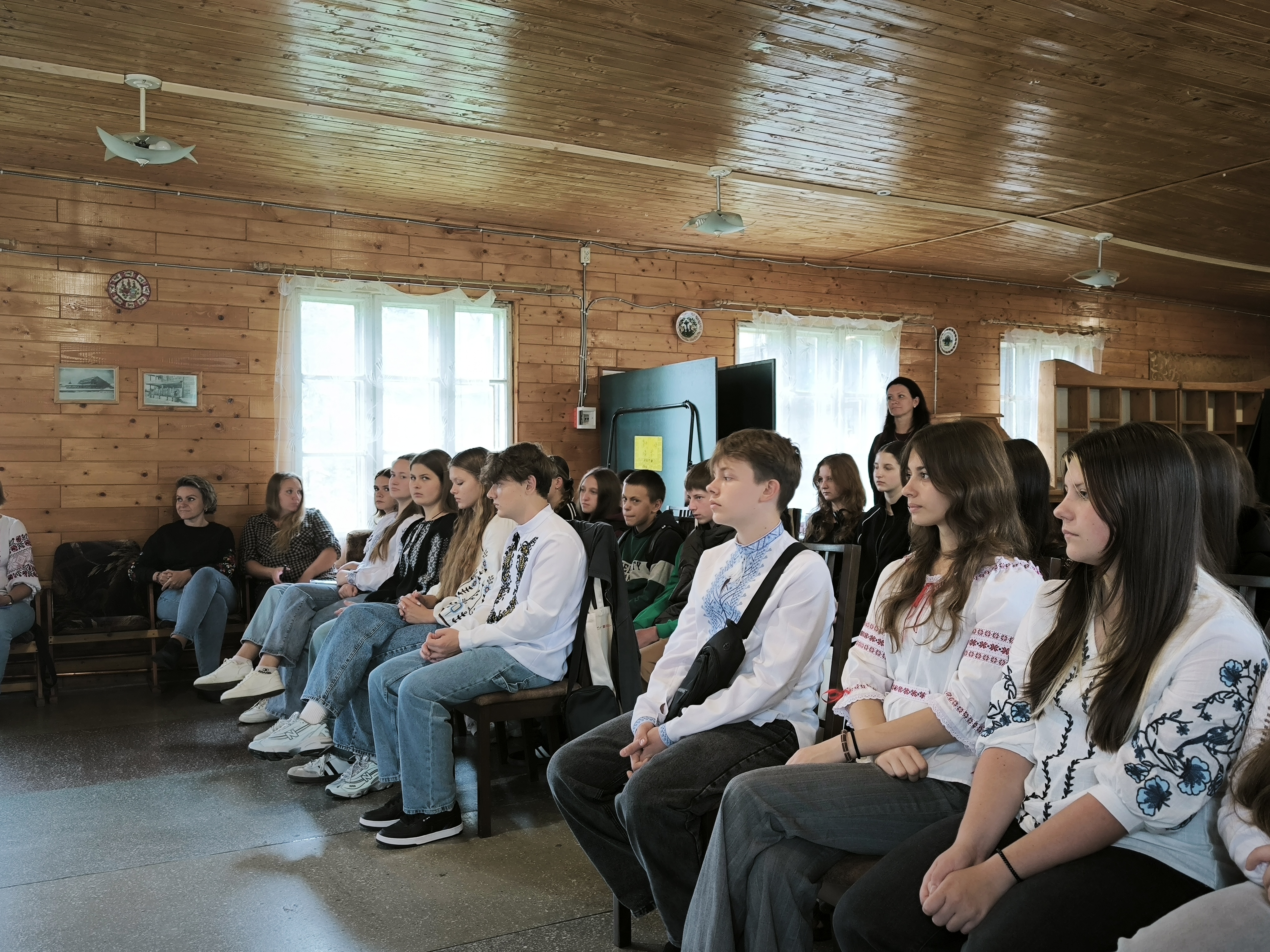
“On the first day, the teenagers were still a little reserved: they all sat and watched, but by the evening it was clear that they were opening up. The judgement-free setting allowed them to be themselves. We deliberately mix the teams so that there are new line-ups each time and they all get to know each other. This means stepping outside their comfort zone: we hope that they will remain in the stretch zone rather than the panic zone, and create a partnership that they will carry forward. You can already see how those who were silent yesterday are speaking out today — attitudes are changing, which is inspiring.”
As the coaches explain, the results of engaging with young people are not always immediately apparent, but they will certainly manifest themselves. Sometimes it takes several years to see how a quiet and shy child turns into an active leader who takes responsibility and drives others. These changes are the most valuable outcome of the Leadership School.
Coming back ready to get things done
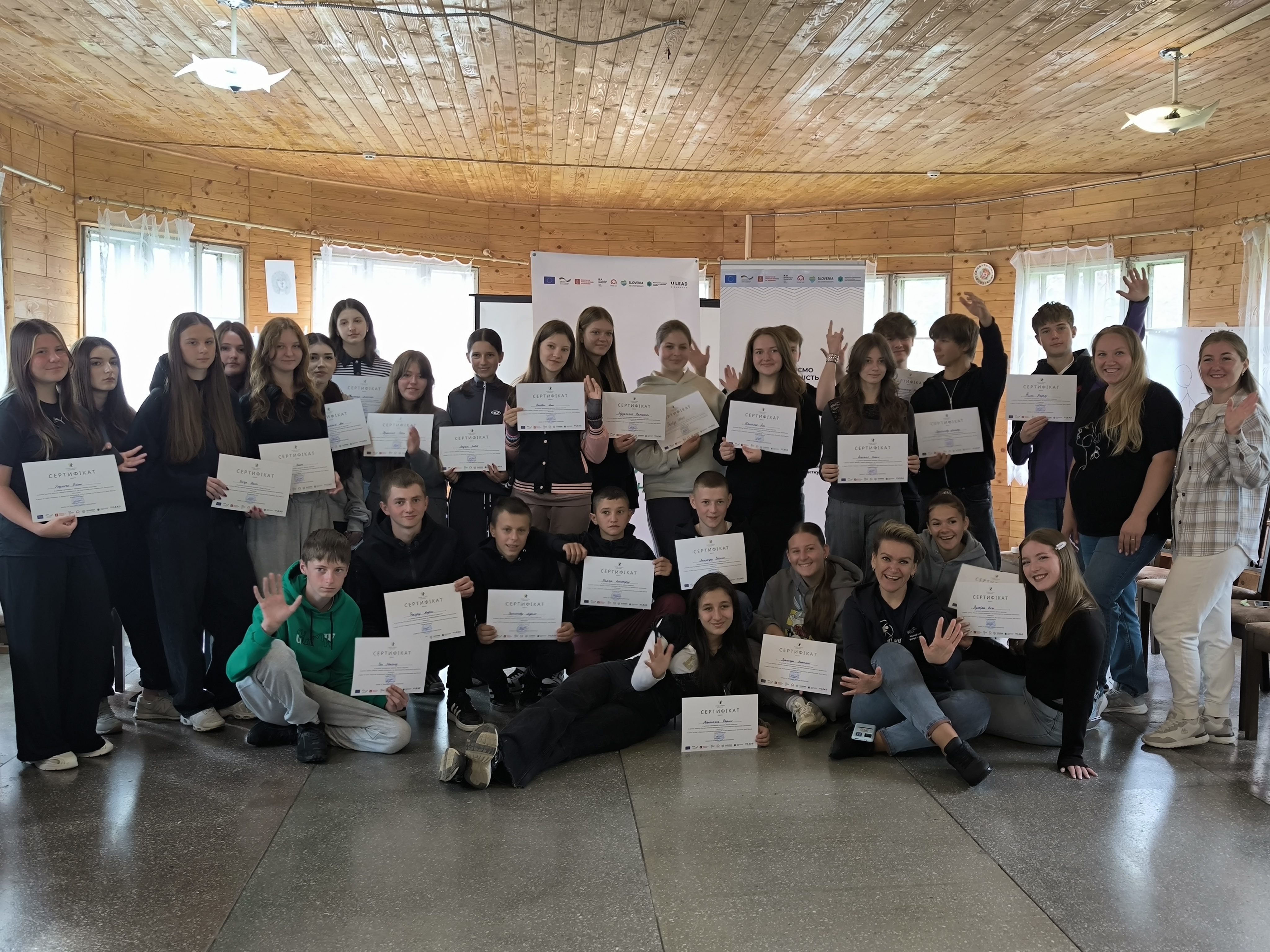
By the end of the programme, participants had not only certificates, but also a tested team spirit, contact lists, ideas and commitments. The municipalities now have a youth initiative group that can follow through and develop the plan together with local partners.
In her closing address, Inna Ovramenko compared the entire process to climbing a mountain:
“For me, this project is like climbing Mount Hoverla. Despite obstacles and steep climbs, we reached the summit together. This is an informal learning project that will help you discover yourself and, in a few years, find your path by following your heart, rather than merely following the advice of adults or those around you. Congratulations: you are at the peak of this project.”
The camp imparted a simple formula: even a few days can bring about years of change. After all, when young people speak the same language of leadership, municipalities also begin to hear each other better.